

We may earn a commission when you buy through links on this page, at no extra cost to you. Learn more.
Failla wine is made by an owner-winemaker project led by Ehren Jordan, who has built the label around Pinot Noir, Chardonnay, and Syrah. According to the winery, the first release came out in 1998 as Failla-Jordan, and the wines are sourced from a long list of cool-climate vineyards across California and Oregon. The style is precise and site-driven, so the vineyard name on the label tells you more than the brand name does.
This guide explains who makes Failla wine, how the winery sources its fruit, which varietals it focuses on, and how to serve and pair the bottles. Most of the facts come from the winery’s own description of its estate and sourcing, with general wine guidance added where it helps you choose and enjoy a bottle.
Who makes Failla wine
Ehren Jordan is the owner and winemaker. The winery’s site says he trained in viticulture in France, and that training shapes both the farming and the winemaking choices at the estate. Before starting his own label, he worked in the Rhône region of France, where he farmed and fermented Syrah, which the winery describes as his first grapes and a varietal of personal importance to him.
Jordan began working with Pinot Noir in 1999, using fruit from Keefer Ranch in the Russian River Valley. The winery describes his approach as experimenting with favorite varietals across different climates, soil types, and rootstocks, instead of committing to one signature site. For a shopper, that means each bottle can read differently even within the same grape.
Where the fruit comes from
Failla’s estate vineyard covers about eleven acres in western Sonoma County, near Cazadero. The winery describes it as growing Syrah, Chardonnay, and Pinot Noir in what it calls the essence of California’s coolest regions. Most of the wines, though, come from other vineyards chosen for the style each grape shows there.
The Pinot Noir list is long. The winery names sources including Keefer Ranch, Hirsch, Occidental Ridge, Peay, Pearlessence, Whistler, Savoy, Platt, and Seven Springs in Oregon’s Eola-Amity AVA. The Chardonnay comes from sites such as Hudson in Carneros, Haynes in Coombsville, and an Olivet Road plot in Sonoma. The Syrah is sourced from Hudson, Kick Ranch, and the estate. Reading the vineyard name on the label is the quickest way to learn how a specific bottle was made.
| Varietal | Sources named by the winery | What to look for |
|---|---|---|
| Pinot Noir | Keefer Ranch, Hirsch, Occidental Ridge, Seven Springs (Oregon) | Red fruit, silky texture, cool-climate lift |
| Chardonnay | Hudson (Carneros), Haynes (Coombsville), Olivet Road (Sonoma) | Fresh acidity, orchard fruit, a range of oak styles |
| Syrah | Hudson (Napa), Kick Ranch (Sonoma), estate | Dark fruit, savory notes, peppery spice |
How the wines are styled
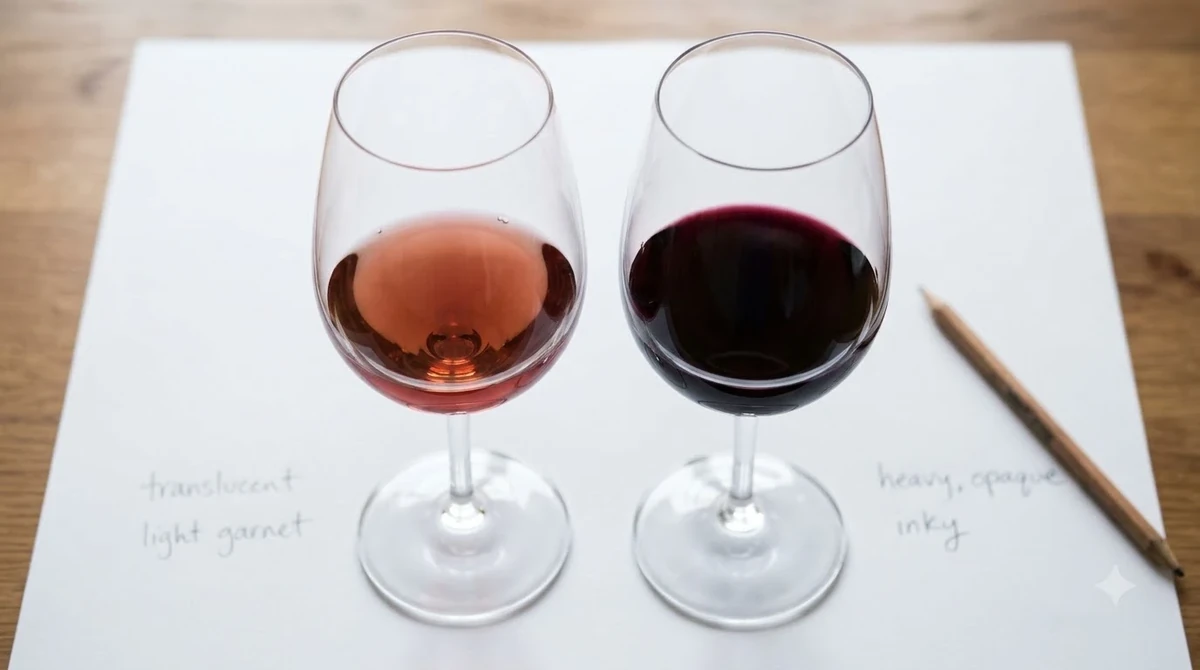
The winery emphasizes Pinot Noir, Chardonnay, and Syrah, and the early releases in 1998 also included a Viognier from the Edna Valley and a Syrah from the Sonoma Coast. The consistent thread is cool-climate fruit. Expect bright acidity, clear varietal character, and a focus on balance rather than heavy extraction.
Because the winery bottles several Chardonnays and Syrahs from different vineyards, the wines can vary a lot in weight. Some Chardonnays feel lean and mineral, while others show more texture. Read the vineyard name first, then decide whether you want a brighter or a rounder style.
How to serve Failla wine
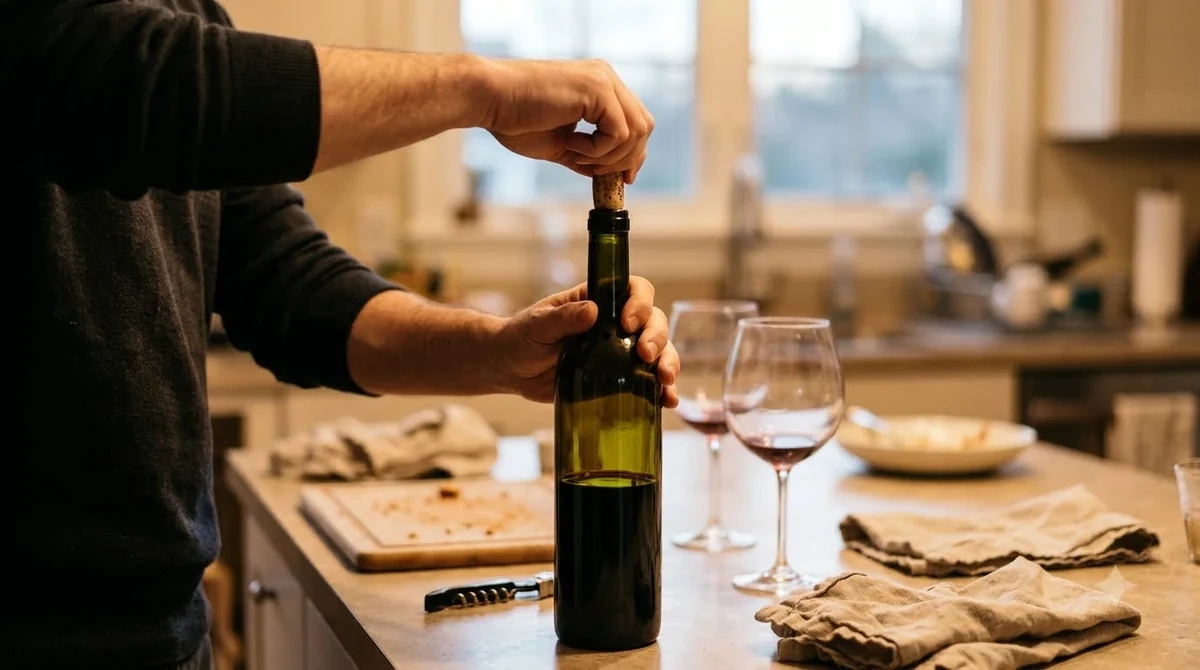
Serve the Chardonnay cool rather than cold, so the acidity stays lively without masking the fruit. Pinot Noir and Syrah usually taste best a little below room temperature. For guidance on reds, Wine Folly’s Cabernet Sauvignon guide gives a range of 60 to 68°F, which is a useful reference point for fuller reds. Pinot Noir is typically served a little cooler than that, so a short time in the refrigerator is often enough.
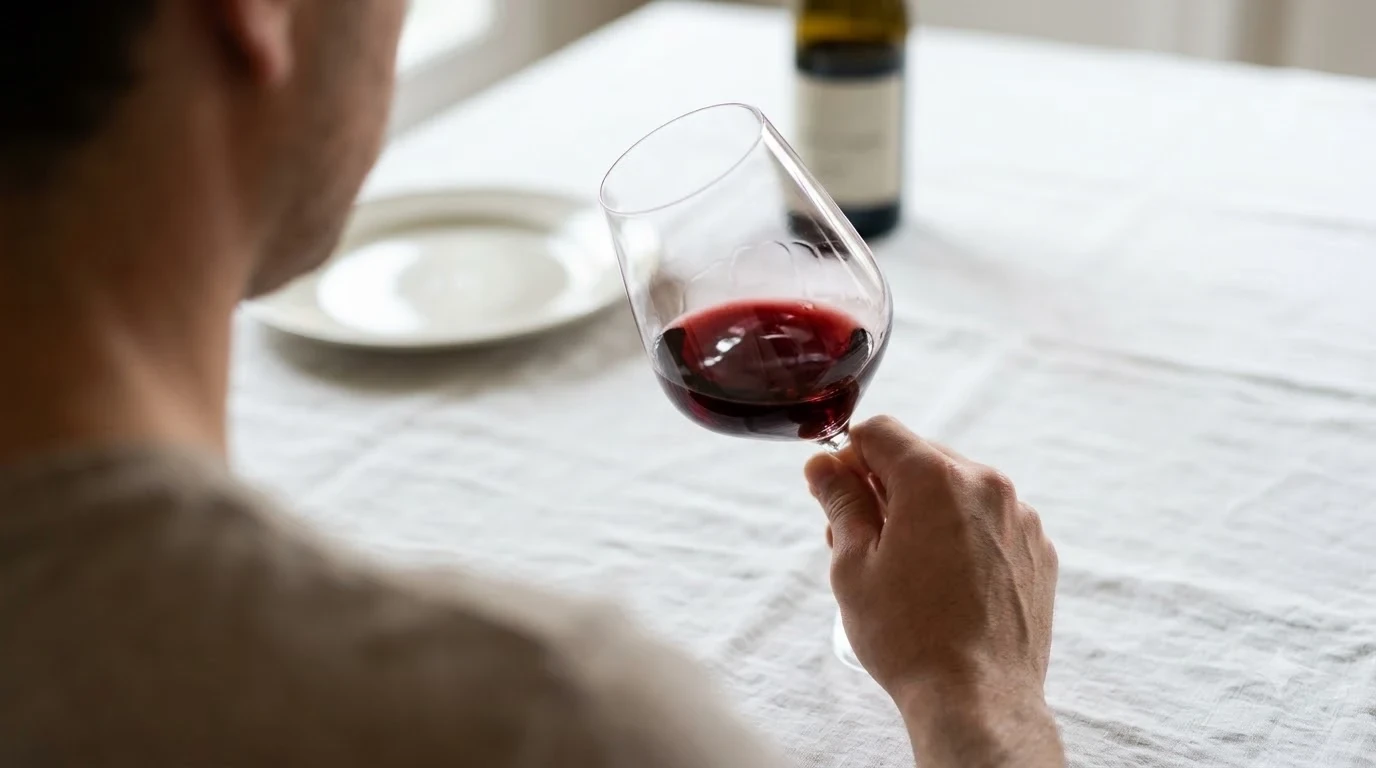
Use a standard red wine glass with a wide bowl. It lets the aromas of cherry, spice, or pepper rise without flooding the palate. Give the wine a few minutes in the glass before judging it, since cool-climate reds often open up as they breathe.
Tip: If a Syrah tastes tight straight from the bottle, pour it into a glass and wait 10 to 15 minutes. The fruit and pepper usually become more open.
Pairing Failla wine with food
Pinot Noir is one of the most food-friendly reds, and the cool-climate style is especially good with roast chicken, duck, mushrooms, and salmon. The fine acidity matches rich dishes without overwhelming them. A Russian River or Oregon Pinot can also handle earthy vegetables and herb-heavy sauces.
Syrah pairs with grilled and smoked meats, lamb, and dishes with black pepper or cumin. The Chardonnays suit seafood, creamy pasta, and roasted vegetables. Choose the richer, oak-influenced bottles for heavier dishes and the leaner ones for lighter meals.
Who Failla wine suits
Failla wine suits drinkers who want to explore how one winemaker reads different sites and different varietals. It is a good fit for people who already know the big names of California Pinot Noir and Chardonnay and want to see how a single winemaker handles them. It may feel more restrained than bolder California bottlings, so buyers who want heavy, jammy reds could look elsewhere.
For more producers that focus on specific grapes and regions, the Spottswoode wine guide covers another California estate, and the wine brands hub lists more labels by style.
Reading the label and choosing a bottle
If you are new to the brand, start with one bottle of each main varietal and taste them over the same meal. The comparison shows quickly whether you prefer the silky red fruit of Pinot Noir, the tension of a cool Chardonnay, or the spice of Syrah.
Failla labels name the vineyard as well as the grape, which makes it easier to compare bottles across the range. If you like the Pinot Noir from one Russian River site, the same grape from an Oregon or Sonoma site will show a different balance of fruit and earth. Treat each vineyard name as a clue about the style you are buying.
Vintage matters as much as the vineyard. Cool years can give brighter acidity and leaner fruit, while warmer years tend to add weight and ripeness. Because the winery bottles small lots from many sources, check the current release list on its website, since older vintages may be sold out or only available at specialty shops.
Frequently Asked Questions
Who is behind Failla wine?
Ehren Jordan is the owner and winemaker. He trained in viticulture in France and began his own label with a first vintage released in 1998 under the Failla-Jordan name, according to the winery.
Does Failla make Pinot Noir?
Yes. Pinot Noir is one of the winery’s three main varietals, along with Chardonnay and Syrah. The winery sources Pinot Noir from several vineyards in California and Oregon.
What is Failla’s estate vineyard like?
The estate covers about eleven acres in western Sonoma County, near Cazadero. The winery describes it as planted to Syrah, Chardonnay, and Pinot Noir in one of California’s coolest growing areas.
What should I serve with Failla Syrah?
Syrah suits grilled meats, lamb, and smoky or peppery dishes. Serve it slightly below room temperature and give it a few minutes to open in the glass.
Failla wine rewards readers who like to compare vineyards and styles. Start with a Pinot Noir from a cool site if you want an easy introduction, then try a Syrah or Chardonnay to see how the same winemaker handles different grapes. Pay attention to the vineyard name on the label, because it usually explains the style better than anything else on the bottle.
More in Wine Brands
 Underwood Wine Price: Compare Bottles, Cans, and Pack SizesUpdated Nov 21, 2026
 Zenato Wine Price: Compare Styles and Choose the Right BottleUpdated Nov 21, 2026
 Zuccardi Wine Price: Compare Bottles and Find the Right RangeUpdated Nov 21, 2026
 Yellow Tail Moscato Review: Taste, Sweetness and Serving TipsUpdated Nov 21, 2026
 Wolf Blass Yellow Label Review: Choose Your Best StyleUpdated Nov 21, 2026
 Wolffer Estate Rose Review: Choose the Right Bottle for Your TableUpdated Nov 21, 2026