

We may earn a commission when you buy through links on this page, at no extra cost to you. Learn more.
Elk Cove wine comes from a family-owned Oregon winery in the Willamette Valley, and it is best known for Pinot Noir grown on the estate’s hillside vineyards near Gaston. The winery also makes white wines, a rosé and a set of older library bottlings, but Pinot Noir is the center of the house style. Anyone curious about cool-climate Oregon wine will find Elk Cove a useful place to start.
This guide covers where Elk Cove wine comes from, who runs the estate, which wines are typically offered, and how to serve and pair them. It is written for shoppers who want to understand the winery before they buy a bottle or plan a visit.
Where Elk Cove wine comes from
Elk Cove is located in the Yamhill-Carlton American Viticultural Area, one of the well-known sub-regions within Oregon’s Willamette Valley. The winery’s address is in Gaston, Oregon, in the foothills of the Coast Range, and the estate describes itself as one of the founding wineries of the Willamette Valley. That position matters because the region was still developing its reputation when the vineyard was planted, and the early producers shaped how many people now think about Oregon wine.
The landscape helps explain the wines. Hillside sites like the ones around Gaston tend to have varied soils and exposures, and cool nights during the growing season slow ripening. Cool-climate conditions favor wines with bright acidity and a lighter, more layered fruit profile, which is the style most often associated with Oregon Pinot Noir.
The Campbell family and the estate
According to the winery’s own story, the vineyard was first planted in 1974 by Pat and Joe Campbell. The estate is still family-owned and family-operated, and it is run today by Adam Campbell, who is a fifth-generation Oregon farmer and the second generation of his family to make wine. That continuity is part of the brand’s identity: the same family has worked the land since the early days of the region.
Family ownership often means a smaller, closely managed operation than a large corporate winery. Decisions about farming and winemaking tend to be made close to the vines, and the winery’s focus stays on a limited range of wines rather than a catalog of hundreds of labels. For a shopper, that usually translates into bottles that reflect a specific place and a specific set of choices.
The wines you will find
Pinot Noir is the headline wine. The winery’s current Pinot Noir releases include its Clay Court bottling, which the estate says was named to the Wine Spectator Top 100 list for 2026. Beyond the reds, Elk Cove also produces white wines and a rosé, and it offers library wines, which are older bottlings released after additional time in the cellar. The table below summarizes the main categories as the winery presents them.
| Category | What to expect | Good with |
|---|---|---|
| Pinot Noir | Red cherry and earthy notes with a silky texture and bright acidity | Roast duck, mushrooms, salmon |
| White wines | Fresh and crisp, built to be enjoyed young | Seafood, salads, soft cheeses |
| Rosé | Light, dry and fruit-driven, suited to warm weather | Charcuterie, grilled vegetables |
| Library wines | Older bottlings with developed flavors and softer structure | Roasted meats, aged cheeses |
Because Pinot Noir is the core of the portfolio, most visitors and shoppers start there. The rosé and white wines offer a lighter entry point for people who prefer brighter, less structured wines, and the library releases give collectors a chance to see how the estate’s reds age.
How to serve and pair Elk Cove wine
Pinot Noir shows best when it is served slightly cool rather than at full room temperature. A short rest in the refrigerator before pouring helps the fruit and acidity come forward, and a larger glass gives the aromas room to develop. Decanting is rarely needed for young Pinot Noir, but an older library bottle may benefit from being opened an hour or two before serving so that any sediment settles and the flavors open up.
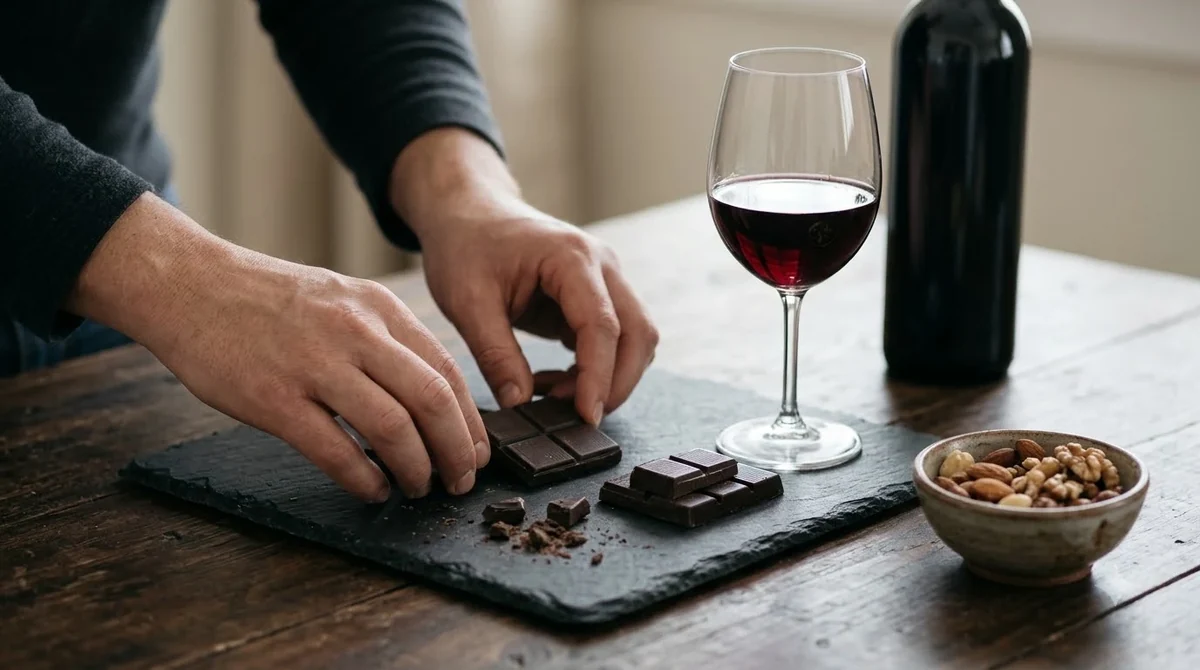
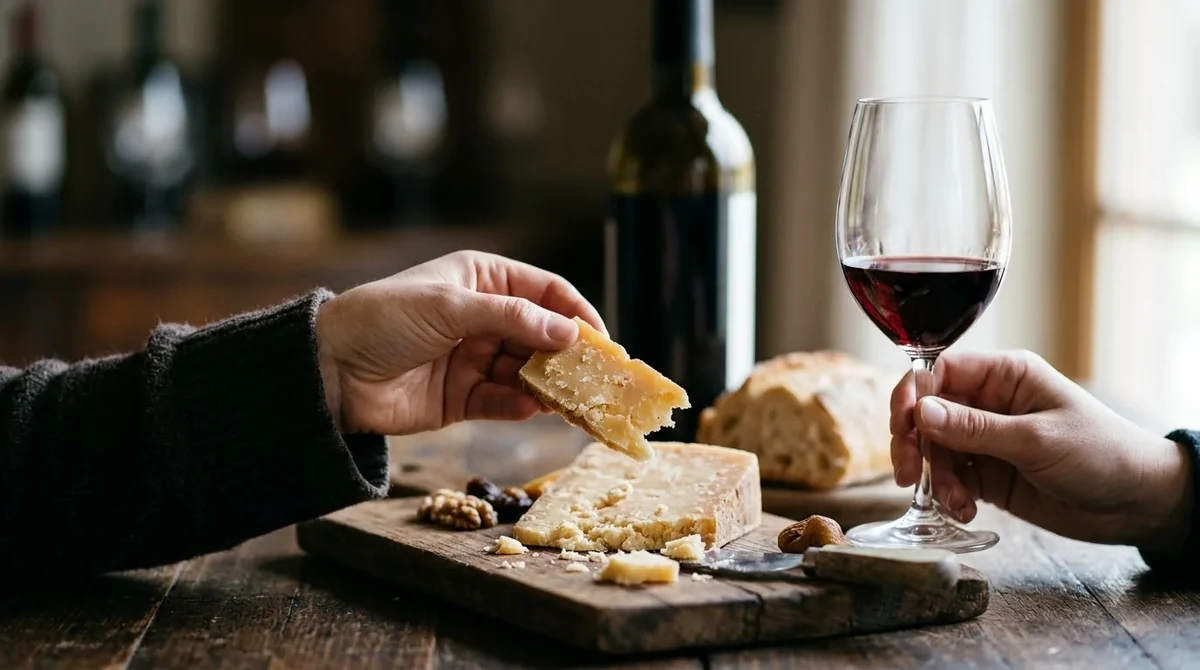
Pinot Noir is one of the most food-friendly red wines, and its earthy, savory character suits a wide range of dishes. Roast duck, mushroom risotto, grilled salmon and herb-roasted chicken all work well. Reviewers at wine magazines often point to Oregon Pinot Noir as an alternative to Burgundy when diners want a red that pairs with a broad range of meals.
The rosé is a practical choice for warm afternoons and casual meals. It is dry and fresh, and it handles grilled vegetables, charcuterie and light salads without overwhelming them. Chill it well before serving, and avoid storing it in a warm car or on a sunny patio.
How to choose the right bottle
Start with what you plan to eat. If the meal is built around fish or light dishes, a white or rosé is usually the better match. For roasted meats, rich sauces or mushroom dishes, Pinot Noir is a natural fit. If you are not sure, a Pinot Noir is a versatile choice because its acidity cleans the palate between bites.
Next, think about how you plan to drink the wine. Young whites and rosés are meant to be enjoyed within a year or two of release, while Pinot Noir from a good vintage can gain complexity over several years. Library bottlings are the most interesting when you want to taste a wine that has had time in the bottle, though they are not necessarily more enjoyable for every occasion.
Finally, look at the vintage year on the label. Oregon growing seasons vary considerably from one year to the next, and the vintage can affect the balance of fruit and acidity. Reading a few tasting notes from established critics can help you understand how a particular year is regarded before you commit.
Storing and enjoying Elk Cove wine at home
Store bottles on their side in a cool, dark place with steady temperature, especially if you plan to keep a Pinot Noir for several years. Avoid heat and direct light, which can flatten the aromas over time. White wines and rosé benefit from refrigeration once they are opened, and most will keep for a few days if the bottle is resealed.
A simple habit can make a difference: pour a small amount first to check the wine’s temperature and aroma, then adjust your glass and the serving time to suit the bottle in front of you. Older bottles and young bottles often show their best in different conditions, so a little attention pays off.
Frequently Asked Questions
Where is Elk Cove wine made?
Elk Cove is in Gaston, Oregon, in the Yamhill-Carlton area of the Willamette Valley. The estate sits in the foothills of the Coast Range and describes itself as one of the founding wineries of the region.
What is Elk Cove best known for?
Pinot Noir is the signature wine. The winery also makes white wines, a rosé and library bottlings, but most of its reputation rests on its Pinot Noir from the estate’s hillside vineyards.
Who owns Elk Cove winery?
Elk Cove is a family-owned and family-operated winery. According to the estate, the vineyard was first planted in 1974 by Pat and Joe Campbell, and the winery is run today by Adam Campbell.
What food goes with Elk Cove Pinot Noir?
Pinot Noir pairs well with roast duck, mushroom dishes, grilled salmon and herb-roasted chicken. Its earthy notes and bright acidity make it a flexible match for many home-cooked meals.
For readers who like the idea of a value wine for everyday use, a visit to barefoot wine or la marca prosecco offers a useful contrast with a small estate bottle. The stella rosa wine range is another point of comparison, and the wine brands guide covers how producers at different scales approach their wines.
The winery’s own story and current releases are on the Elk Cove Vineyards website, which is a good place to check the latest vintages and visiting information.
More in Wine Brands
 Underwood Wine Price: Compare Bottles, Cans, and Pack SizesUpdated Nov 21, 2026
 Zenato Wine Price: Compare Styles and Choose the Right BottleUpdated Nov 21, 2026
 Zuccardi Wine Price: Compare Bottles and Find the Right RangeUpdated Nov 21, 2026
 Yellow Tail Moscato Review: Taste, Sweetness and Serving TipsUpdated Nov 21, 2026
 Wolf Blass Yellow Label Review: Choose Your Best StyleUpdated Nov 21, 2026
 Wolffer Estate Rose Review: Choose the Right Bottle for Your TableUpdated Nov 21, 2026