


We may earn a commission when you buy through links on this page, at no extra cost to you. Learn more.
Edna Valley wine country is a cool-climate wine region in San Luis Obispo County, California, celebrated for its vibrant Chardonnay, expressive Pinot Noir, and long Pacific-influenced growing season. Located between San Luis Obispo and Arroyo Grande, this Central Coast destination combines coastal fog, volcanic hills, and varied soils to produce wines with freshness and distinctive character. Visitors can explore established wineries, smaller vineyard operations, and tasting rooms while enjoying the relaxed atmosphere of California’s Central Coast.
Edna Valley offers a different experience from California’s warmer and more widely recognized wine destinations. Rather than concentrating on powerful, high-alcohol reds, many local producers focus on wines that emphasize acidity, aromatic detail, and the character of individual vineyard sites. Chardonnay and Pinot Noir lead the region, but Syrah, Albariño, Grenache, and other varieties provide plenty of reasons to explore beyond its best-known bottles. Understanding the landscape, grape varieties, producers, and local food culture makes a visit more rewarding and helps wine enthusiasts choose bottles that reflect this distinctive appellation.
Where Edna Valley Is and What Makes Its Geography Distinctive
Edna Valley lies in southern San Luis Obispo County on California’s Central Coast, between the city of San Luis Obispo and the town of Arroyo Grande. Its proximity to the Pacific Ocean gives the vineyards a cool maritime influence that distinguishes them from many inland California growing areas.
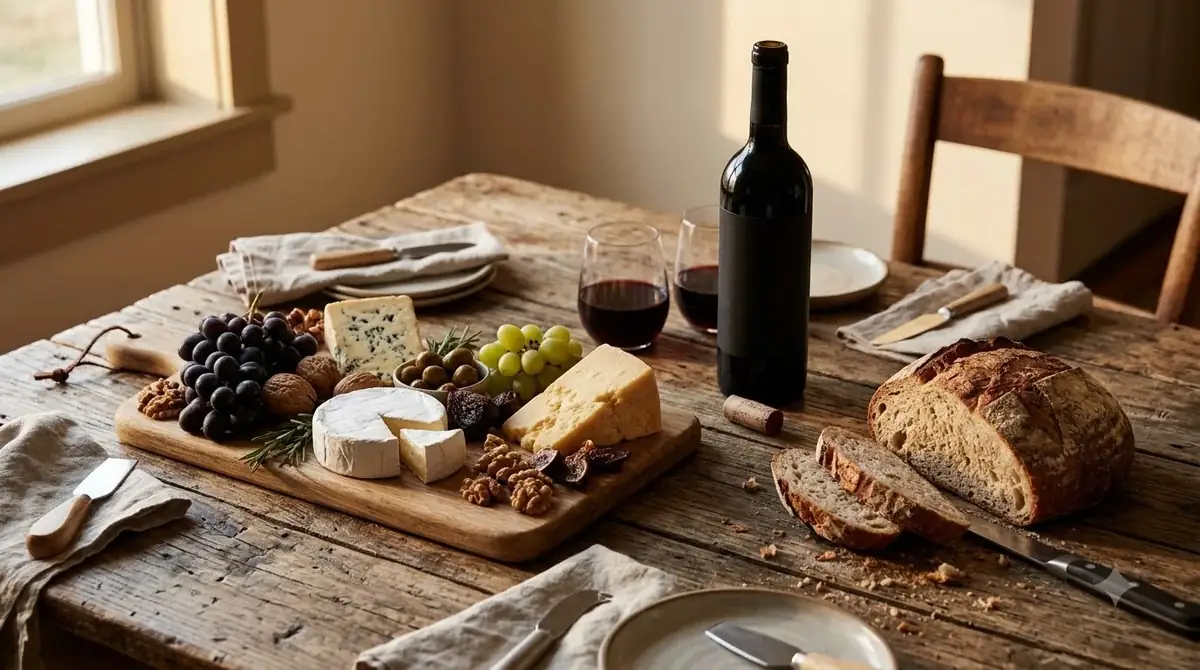
The valley’s geography helps explain its wine style. The surrounding Santa Lucia Mountains and San Luis Range frame the agricultural landscape, while openings toward Los Osos Valley allow cool marine air to move inland. Morning fog and afternoon ocean breezes moderate vineyard temperatures, often slowing the accumulation of ripeness compared with warmer areas farther east. This extended growing season gives grapes additional time to develop flavor while retaining natural acidity. The result is particularly useful for varieties such as Chardonnay and Pinot Noir, which can lose freshness if exposed to excessive heat during ripening.
The Wine History Project of San Luis Obispo County estimates the Edna Valley AVA at approximately 22,400 acres. That figure describes the appellation’s overall geographic area, not the amount of land planted with grapevines. Its relatively compact geography contains considerable variation in elevation, exposure, and soil composition. Ocean-influenced conditions are not identical across every vineyard, so wines from different sites can express noticeably different characteristics even when they use the same grape variety.
Soil diversity is another important part of the region’s identity. Ancient marine deposits, clay, loam, black humus, volcanic ash, and weathered rock contribute to the valley’s agricultural foundation. Some vineyard sites have heavier soils that retain moisture, while others feature better-draining material derived from volcanic and sedimentary formations. These differences affect vine growth, water availability, and fruit development.
The region also benefits from a distinctive interaction between daytime marine conditions and evening air movement. Cool fog moderates morning temperatures, while warmer periods during the day allow photosynthesis and fruit development to continue. The Pismo Venturi effect, described by the Wine History Project, helps clear evening fog from the valley. Together, these conditions contribute to a long growing season and later harvests than many other areas of San Luis Obispo County.
The History of Edna Valley Wine Country
Edna Valley’s modern wine industry developed through experimental planting, commercial vineyard investment, and a growing recognition of the area’s suitability for cool-climate grapes. The appellation received official American Viticultural Area recognition in 1982, following early vineyard development during the late 1960s and 1970s.
Grape growing in the broader San Luis Obispo area has much older roots. Spanish missionaries planted vines near Mission San Luis Obispo de Tolosa in the eighteenth century, establishing part of the region’s agricultural tradition. However, the modern commercial wine industry emerged much later. In 1968, agricultural advisor Jack Foott planted an experimental vineyard to evaluate the area’s potential for quality wine grapes. His work helped encourage further investment in the valley.
Jack and Catharine Niven became central figures in the development of modern Edna Valley winegrowing. Through Paragon Vineyard Company, they purchased 547 acres in 1972 and subsequently developed substantial vineyard plantings. Chamisal Vineyards also became an early pioneer, planting 57 acres in 1973 with a particular emphasis on Chardonnay. Paragon’s larger planting program followed in 1973 and 1974, and its first harvest arrived in 1977.
These early vineyards helped establish Chardonnay and Pinot Noir as the region’s signature grapes. Rather than relying exclusively on a local winery market, growers initially supplied fruit to established California producers. This arrangement introduced Edna Valley grapes to a wider audience and demonstrated their potential in premium wines. The growing reputation of California Chardonnay during the 1970s also helped bring attention to the valley’s cool growing conditions.
The Edna Valley AVA designation in 1982 formalized the region’s identity as a distinct winegrowing area. The designation recognized geographic and climatic features that distinguish it from surrounding areas. It also gave producers a more precise appellation to use when communicating the origin of their grapes. The region subsequently developed a broader selection of wineries and vineyard-focused labels, expanding beyond the early emphasis on Chardonnay and Pinot Noir.
Edna Valley is also part of the larger San Luis Obispo Coast wine region. This broader designation connects several coastal growing areas while preserving the importance of smaller, established appellations. For visitors, the distinction is useful because a winery may produce wines labeled with different geographic designations depending on where its grapes originate.
Chardonnay, Pinot Noir, and Other Important Grapes
Chardonnay and Pinot Noir remain the most recognizable grapes in Edna Valley, but the region also produces noteworthy Syrah, Albariño, Grenache, and other varieties. Its cool maritime conditions favor grapes that benefit from gradual ripening and naturally retained acidity.
Chardonnay is arguably the region’s defining white grape. Edna Valley Chardonnay frequently emphasizes citrus, green apple, pear, and stone fruit, with acidity providing structure and freshness. Depending on the producer and winemaking approach, a bottle may also show mineral impressions, subtle floral aromas, creaminess, or notes of toast and vanilla from oak aging. Some winemakers favor stainless steel or neutral vessels to preserve fruit character, while others use barrel fermentation and maturation to create additional texture.
These different approaches make Chardonnay a particularly interesting grape to explore across multiple producers. A leaner example can work well with oysters, grilled shrimp, or fresh goat cheese, while a richer barrel-aged bottling may suit roasted chicken, creamy pasta, or grilled halibut. The underlying acidity helps prevent richer dishes from making the wine seem heavy.
Pinot Noir is the region’s leading red variety. The cool climate helps preserve acidity and develop aromatic complexity without necessarily producing the high alcohol levels associated with warmer growing areas. Typical flavors include cherry, raspberry, strawberry, cranberry, and subtle earthy or herbal notes. Tannin is generally low to medium, making Pinot Noir approachable with a wide range of foods.
Edna Valley Pinot Noir can vary significantly according to vineyard location, harvest conditions, and winemaking choices. Some bottlings are light and delicate, with bright red-fruit aromas and restrained oak. Others offer deeper fruit concentration, more noticeable spice, and greater structure. Vineyard-specific bottlings can provide a useful way to compare the effects of different soils and exposures.
Syrah offers another important expression of the region’s cool-climate character. It can produce wines with blackberry, dark plum, black pepper, smoked meat, and savory herbal notes. Compared with warmer-climate Syrah, cooler-grown examples may emphasize freshness and peppery aromas rather than very ripe, jammy fruit. Its medium-plus to high tannin makes it a natural match for grilled lamb, beef, and mushroom dishes.
Albariño brings a different style to the local lineup. This aromatic white grape can show lemon, lime, grapefruit, peach, and floral notes, supported by refreshing acidity. It is especially appealing for seafood meals and warm-weather drinking. Other varieties include Grenache, Lagrein, Mourvèdre, Petite Sirah, Pinot Gris, Sauvignon Blanc, Teroldego, and Viognier.
| Grape variety | Typical wine character | Useful food pairing | General serving temperature |
|---|---|---|---|
| Chardonnay | Citrus, apple, pear, mineral notes | Roasted chicken, halibut | 50–55°F for fuller styles |
| Pinot Noir | Cherry, raspberry, earthy spice | Duck, salmon, mushrooms | 55–60°F |
| Syrah | Blackberry, pepper, savory herbs | Grilled lamb, beef | 60–65°F |
| Albariño | Citrus, peach, floral aromas | Oysters, shrimp, grilled fish | 45–50°F |
| Pinot Gris | Pear, apple, citrus | Shellfish, salads, light poultry | 45–50°F |
| Grenache | Red berries, herbs, gentle spice | Roasted pork, grilled vegetables | 55–60°F for lighter styles |
These temperatures are practical serving ranges rather than strict rules. A fuller Chardonnay may benefit from slightly warmer service than a crisp Albariño, while a lighter Pinot Noir can show its aromas more clearly when served below typical room temperature.
What Edna Valley Wines Taste Like
Edna Valley wines are generally recognized for freshness, balanced fruit, and the influence of a cool coastal growing environment. Chardonnay and Pinot Noir provide the clearest examples, although producers working with Rhône varieties and aromatic whites offer a wider range of expressions.
Chardonnay from the region often combines ripe orchard fruit with a lively acidic backbone. Citrus, lemon peel, green apple, pear, and sometimes peach are common flavor references. Depending on the winemaking, oak can contribute vanilla, toasted bread, or baking-spice notes. Wines fermented and aged primarily in stainless steel or neutral vessels may feel more direct and crisp, while barrel-aged versions can show greater body and texture.
The contrast between these styles is useful for understanding the region. A stainless-steel Chardonnay may work especially well as an aperitif or with oysters, whereas a richer example can accompany roast chicken or butter-based seafood dishes. Neither style automatically represents the whole appellation. The producer’s approach and vineyard location matter just as much as the grape variety.
Pinot Noir generally provides red-fruit aromas, refreshing acidity, and relatively gentle tannins. Cherry, raspberry, cranberry, dried herbs, and earthy undertones can appear together. Some wines show a lighter, more delicate profile, while others have more weight and concentrated fruit. Oak aging may contribute spice and texture, but it should not obscure the variety’s characteristic freshness.
Cool-climate Syrah adds a savory dimension. Pepper, blackberry, violet, olive, and herbal flavors can appear, with the balance between fruit and savory elements varying according to the site and vintage. Its tannin structure is usually firmer than Pinot Noir’s, making it better suited to substantial dishes. Producers experimenting with Grenache, Viognier, and other Rhône varieties also show that the valley is not limited to two grapes.
Visitors should pay attention to acidity, body, alcohol, oak, and tannin rather than relying only on fruit descriptions. Acidity makes a wine feel lively and can help it work with foods containing lemon, vinegar, or tomato. Oak and lees aging may create a rounder texture. Tannin is more noticeable in Syrah than in Pinot Noir and influences which proteins and sauces make the best matches.
One useful approach is to taste the same variety from two producers before moving to another grape. Comparing two Chardonnays, for example, can reveal how barrel fermentation, stainless-steel aging, vineyard exposure, and harvest decisions influence the finished wine. This method makes the region’s differences easier to understand than tasting unrelated varieties without a point of comparison.
Tip: Ask whether a Chardonnay was fermented in stainless steel or oak, and whether a Pinot Noir comes from an estate vineyard or purchased fruit. These two questions can help explain differences in texture, freshness, and flavor between wines from the same appellation.
Wineries and Vineyard Experiences to Explore
Edna Valley’s winery scene includes pioneering producers, established tasting destinations, and smaller operations with a strong focus on individual vineyard sites. Exploring a combination of these businesses gives visitors a better understanding of the region than concentrating on a single tasting room.
Edna Valley Vineyard is one of the area’s best-known names. Its history is closely connected with the Niven family’s early vineyard development and the rise of Chardonnay in the region. The winery states that it has been crafting Chardonnay since 1980 and identifies the variety as the first grape planted in its vineyard history. Its portfolio also includes Pinot Noir, Merlot, Cabernet Sauvignon, Pinot Grigio, and Sauvignon Blanc. This makes it a useful starting point for visitors interested in the region’s established commercial identity.
Chamisal Vineyards is another important name in the valley’s history. Its early Chardonnay plantings helped demonstrate the potential of the local maritime climate. The property is associated with the early commercial development of Edna Valley, and its emphasis on Chardonnay makes it relevant to anyone interested in understanding the region’s signature white wine. Comparing its Chardonnay with bottles from other local producers can help illustrate how vineyard practices and cellar decisions shape the variety.
Wolff Vineyards is another producer worth investigating. Its vineyard history is connected with the early modern development of Edna Valley, and the property has appeared in discussions of the region’s vineyard character. Vineyard-focused tasting opportunities can help explain the importance of site selection, soil, and exposure. Ask about the grapes grown on the estate and whether the tasting includes single-vineyard wines.
Niner Wine Estates is also part of the area’s wider wine landscape. Its Jespersen Ranch vineyard is associated with Edna Valley Pinot Noir. Wine Enthusiast’s regional coverage highlights Jespersen Ranch Pinot Noir among the wines illustrating the diversity of the region’s producers. A vineyard-designated bottle is particularly useful for understanding how a named growing site can contribute to a wine’s identity.
Chêne Vineyards represents the smaller, vineyard-focused side of Edna Valley. Wine Enthusiast describes the development of its vineyard on a 10-acre property, where the owners transitioned toward organic farming methods after initially using conventional practices. Its story reflects the region’s continuing interest in smaller sites and alternative vineyard approaches.
Other producers in the broader area include wineries working with Chardonnay, Pinot Noir, sparkling wine, and Rhône varieties. Some are located within the Edna Valley AVA, while others are situated in nearby Arroyo Grande Valley. These appellations are close geographically but should not be treated as interchangeable. Checking the origin of a particular wine helps clarify whether its grapes come from Edna Valley or a neighboring growing area.
For a broader understanding of the destination, consult the Wine Enthusiast exploration of California’s lesser-known wine regions. Its coverage provides additional context about the producers, vineyards, and distinctive growing conditions of the Edna Valley and Arroyo Grande Valley area.
Before visiting, confirm tasting-room hours, reservation requirements, group policies, and available experiences directly with each winery. Some properties may offer seated tastings, while others have outdoor settings or vineyard-focused experiences. Availability and tasting formats can change, so planning ahead is more reliable than assuming every winery accepts walk-in visitors.
Planning a Visit and Pairing Local Wines With Food
Edna Valley is easy to combine with a visit to San Luis Obispo, Arroyo Grande, or the surrounding Central Coast. Its compact geography makes it possible to explore several wineries in one day without spending most of the visit driving between distant vineyard areas.
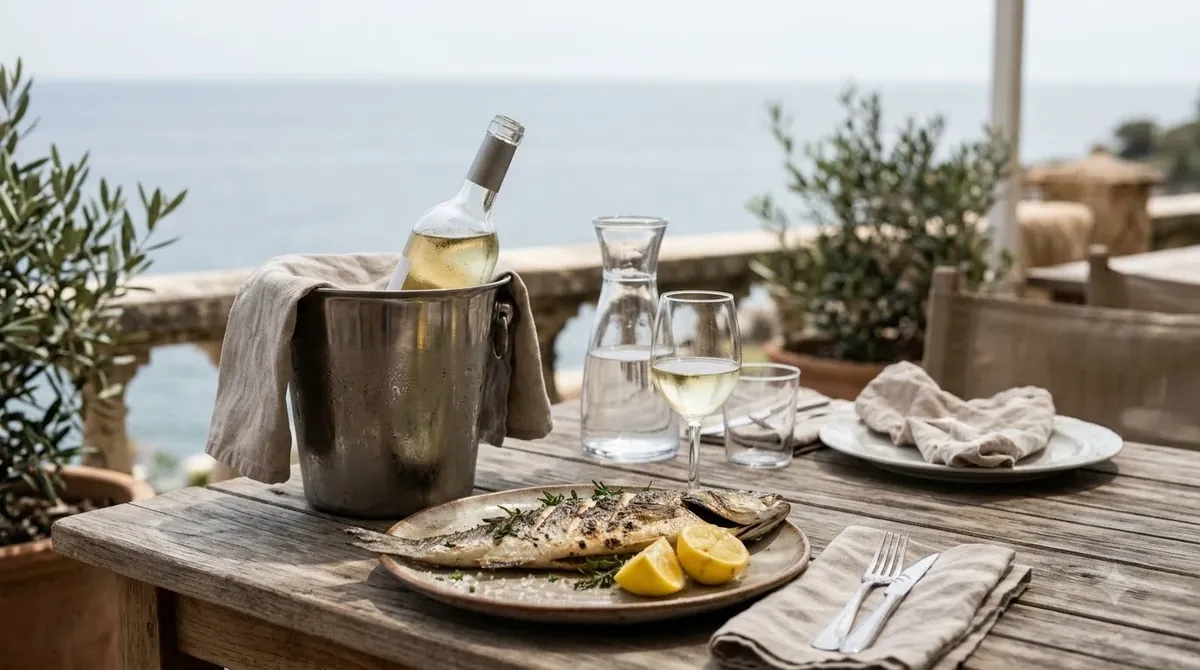
For a relaxed tasting day, begin with one appointment in the morning and plan another in the early afternoon. Two or three winery visits generally leave enough time to appreciate each tasting rather than rushing through a long list. A focused itinerary might begin with Chardonnay at an established producer, continue with Pinot Noir at a vineyard-oriented tasting room, and finish with a comparison of Syrah or Albariño.
The wider area offers additional attractions for visitors who want to extend their stay. San Luis Obispo provides restaurants, shops, and accommodation options, while Arroyo Grande offers another winegrowing area with its own producers and vineyard character. The Pacific coastline also provides opportunities to enjoy beaches and ocean views. These nearby destinations make Edna Valley suitable for a weekend trip rather than a single afternoon excursion.
Spring and fall are attractive periods for visiting, although the experience changes with the season. Spring brings fresh growth and green vineyard landscapes. Late summer and early fall can be particularly interesting because vineyards are approaching harvest, and producers may be preparing for one of the busiest periods of the year. Harvest dates vary according to grape variety, vineyard location, and growing conditions. Chardonnay may be harvested between August and September, while cooler Pinot Noir sites can remain on the vine into October.
Weather can also influence tasting plans. Coastal mornings may be cool and foggy, while afternoons can become more comfortable and sunny. A light jacket is useful, particularly for outdoor tastings. Comfortable walking shoes are advisable for vineyard visits, where paths may be uneven or exposed to agricultural conditions.
Food Pairings for Edna Valley Wines
Local Chardonnay is especially versatile with seafood, poultry, and dishes containing moderate amounts of butter or cream. A crisp, unoaked Chardonnay pairs well with oysters, grilled shrimp, and lemon-seasoned white fish. A fuller barrel-aged style is better suited to roast chicken, lobster, creamy mushroom pasta, or grilled halibut. The wine’s acidity balances richness and helps keep the pairing from feeling heavy.
Pinot Noir works particularly well with duck, roast chicken, pork tenderloin, grilled salmon, and mushroom-based dishes. Its relatively low-to-medium tannin and bright acidity make it more flexible than many full-bodied red wines. Cranberry and cherry flavors complement savory herbs, roasted vegetables, and earthy ingredients. Avoid pairing a delicate Pinot Noir with excessively spicy sauces, which can make the alcohol seem more pronounced.
Syrah is better suited to richer food. Grilled lamb, beef short ribs, roasted mushrooms, and dishes seasoned with black pepper can complement its darker fruit and savory character. Its firmer tannin also benefits from protein and fat, which soften the wine’s drying sensation. Very hot chili dishes are less suitable because alcohol and tannin can intensify the perception of heat.
Albariño is a natural choice for oysters, scallops, grilled shrimp, and fresh fish. Its acidity complements lemon, herbs, and lightly seasoned seafood. Sauvignon Blanc offers similar flexibility with salads, goat cheese, and vegetable dishes. If serving a sweet wine with dessert, choose one at least as sweet as the dish to avoid making the wine taste thin or sour.
For a tasting at home, serve light whites and rosé at approximately 45–50°F, fuller Chardonnays at 50–55°F, and lighter Pinot Noirs at 55–60°F. Full-bodied Syrah can be served around 60–65°F. These temperatures preserve freshness while allowing aromatic and textural details to show clearly.
Visitors can also compare Edna Valley with other American wine regions. Santa Ynez Valley wine country offers a useful Central Coast comparison, with warmer inland areas and a wider range of grape varieties. Rogue Valley wine country in southern Oregon provides another perspective on how different climates influence Pinot Noir and other cool- to moderate-climate grapes. For a wider overview of appellations, the site’s Wine Regions resource can help put Edna Valley in a broader geographical context.
When planning the trip, designate a driver or arrange transportation before the first tasting. Keep tasting appointments manageable, drink water between samples, and allow enough time for meals. A carefully planned day with a few contrasting producers will usually offer a more informative experience than trying to visit every available tasting room.
Frequently Asked Questions
Is Edna Valley part of the San Luis Obispo Coast AVA?
Yes. Edna Valley is a distinct established appellation that also falls within the larger San Luis Obispo Coast AVA. The broader designation was established in 2022 and encompasses a wider coastal winegrowing area. Producers may use different appellation names depending on the geographic origin of their grapes.
How much of a wine must come from Edna Valley to use its appellation name?
Under United States AVA labeling rules, at least 85 percent of the grapes in a wine must come from the named appellation for the AVA designation to appear on the label. This requirement helps connect the wine to its stated growing region. It is separate from the varietal labeling requirement, which also generally requires at least 75 percent of the named grape variety in California wines.
Can visitors find sparkling wine in the Edna Valley area?
Yes. The wider Edna Valley and Arroyo Grande area has a history of sparkling wine production. Laetitia Vineyard & Winery in nearby Arroyo Grande was established in 1982 as Maison Deutz, a sparkling wine house. Its history demonstrates that the Central Coast’s cool conditions are suitable for both sparkling and still wines.
Does Edna Valley have an official vineyard classification system?
Edna Valley does not have a French-style hierarchy of officially classified individual vineyards. Producers instead communicate vineyard identity through estate names, vineyard designations, and appellation labeling. A single-vineyard wine can therefore be a useful way to explore a particular growing site without implying an official quality ranking.
Are Edna Valley wines suitable for aging?
Some are. Structured Pinot Noir and carefully made Chardonnay can develop additional complexity over several years, particularly when they have balanced acidity and good concentration. Well-made Syrah can also age as its fruit, spice, and savory characteristics evolve. Aging potential depends on the individual wine, producer, vintage, and storage conditions rather than the appellation alone.
Edna Valley combines a distinctive Pacific-influenced climate, varied geological foundations, and a history built around Chardonnay and Pinot Noir. Its growing selection of Syrah, Albariño, and other varieties makes the region appealing to both established wine enthusiasts and curious newcomers. Whether exploring its tasting rooms or choosing a bottle for dinner, Edna Valley offers an expressive introduction to the cool-climate wines of California’s Central Coast.
More in Wine Regions
 Willcox Wine Trail: Discover Arizona’s High-Elevation Wine CountryUpdated Nov 20, 2026
 Yakima Valley Wine Region: Find the Best Styles to TryUpdated Nov 20, 2026
 Vosne Romanee Wine Tasting: Identify Aromas and Choose Better PairingsUpdated Nov 20, 2026
 Yakima Valley Wine Festival: Find the Best Seasonal Wine EventsUpdated Nov 20, 2026
 Wales Vineyards: Discover Cool-Climate Wines and Where to VisitUpdated Nov 20, 2026
 Yountville Wine Festival: Discover Napa Wines and Local FoodUpdated Nov 20, 2026