
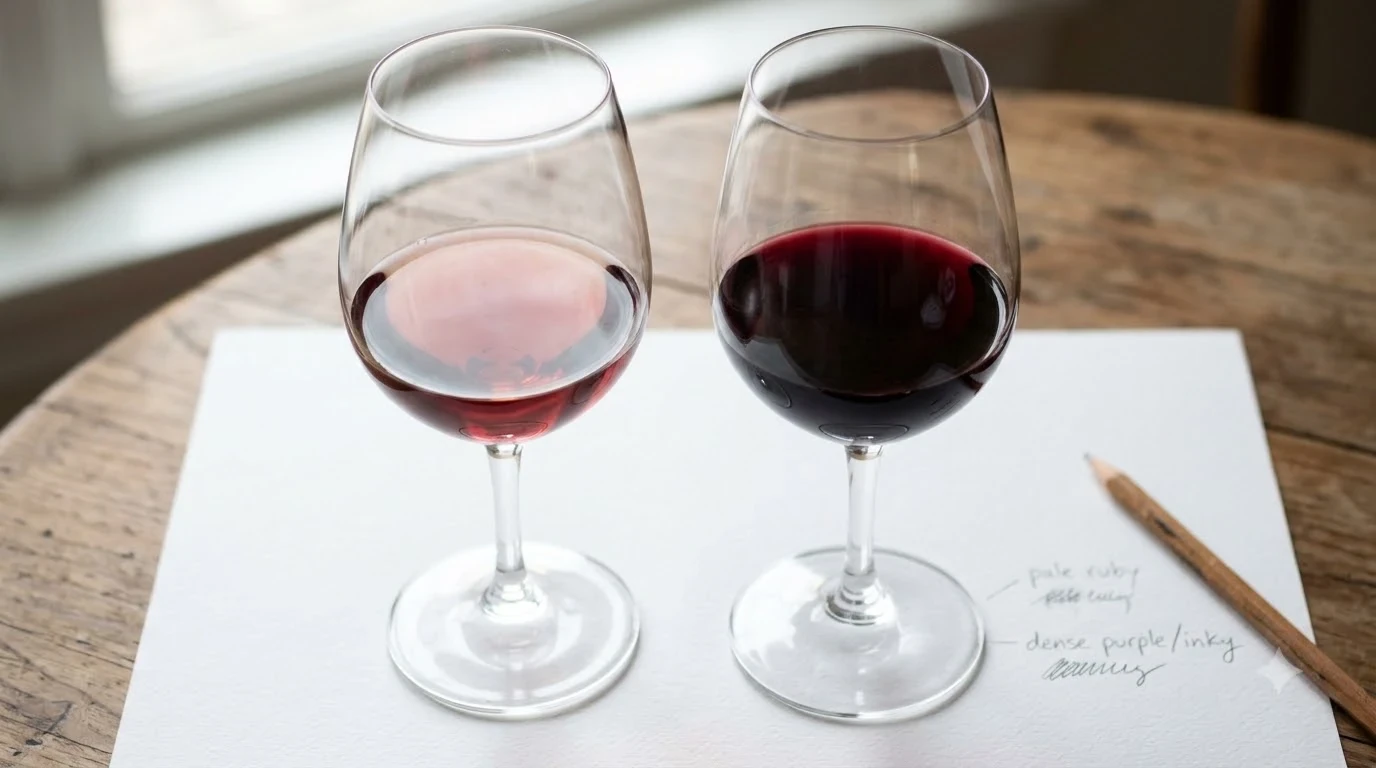

We may earn a commission when you buy through links on this page, at no extra cost to you. Learn more.
The ecco domani pinot grigio alcohol content is typically 12.5% alcohol by volume (ABV) in the 750 mL bottles currently listed by major retailers. That places it in a moderate range for a crisp Italian white rather than among very low-alcohol wines. A standard 5-ounce pour contains about 0.625 fluid ounce of pure alcohol by volume, and a 750 mL bottle gives roughly five such pours. Vintage details can vary, so the figure printed on the bottle in hand is the one to use.
Ecco Domani is an approachable Italian Pinot Grigio known for freshness, citrus-leaning fruit, and a clean finish. Understanding its ABV helps put the wine’s strength in context, plan a consistent pour, and decide how to serve it with food.
The Alcohol Number on the Bottle
Ecco Domani Pinot Grigio is generally listed at 12.5% ABV, including a current 2025-vintage listing and an earlier producer profile for the 2017 wine. The repeat figure makes 12.5% a useful reference for this label, while the vintage and the exact bottle still matter.
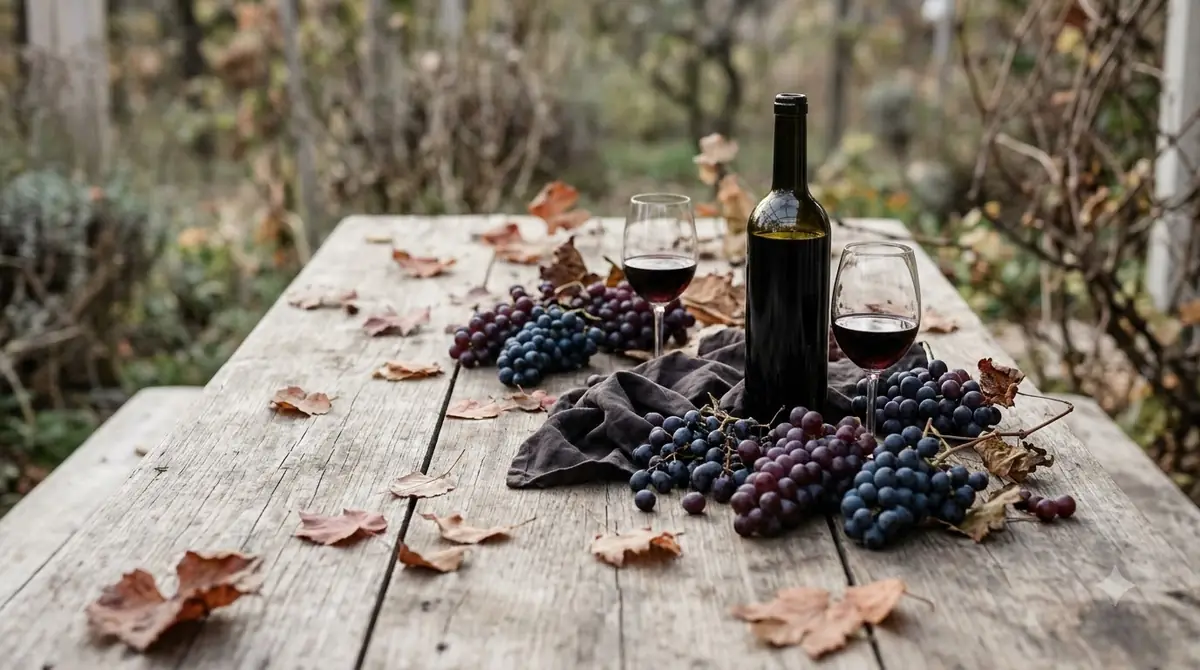
ABV means alcohol by volume: at 12.5% ABV, a 100 mL sample contains the equivalent of about 12.5 mL of alcohol by volume. It is not a statement that 12.5% of the bottle’s weight is alcohol, nor does it mean the wine is 12.5 proof. In the United States, proof is twice the ABV number, so 12.5% ABV corresponds to 25 proof. The percentage remains the same when the wine is poured into a different glass, but the amount of alcohol served changes with the volume: a 3-ounce taste contains less alcohol than a 6-ounce glass, even though both come from the same bottle.
ABV can differ from one vintage or bottling to another. Grapes harvested at different levels of ripeness can have different natural sugar levels, and yeast converts fermentable sugar into alcohol during fermentation; blending and production choices also affect the finished wine. For the bottle on your table, check the label for its own ABV rather than assuming every Ecco Domani vintage carries an identical number. Alcohol, sweetness, acidity, and body are separate characteristics: a wine can be dry and still have 12.5% ABV.
How 12.5% Compares With Other Pinot Grigio Wines
At 12.5% ABV, Ecco Domani sits between several published examples of Pinot Grigio delle Venezie rather than at an extreme. Decanter listings include a Veneto Pinot Grigio at 11%, another at 12%, and a third at 13%, showing why the grape name alone cannot predict one fixed alcohol level.
Those examples are individual wines, not a formal alcohol range for the whole appellation. Ecco Domani’s 12.5% is 1.5 percentage points above the 11% example and half a point below the 13% example. Pinot Grigio is not made in one single style: Wine Enthusiast notes that Italian versions are often crisp and light-bodied, while Pinot Gris from Alsace can be fuller and more floral. Region, climate, ripeness at harvest, and cellar choices all influence the balance between alcohol, acidity, aroma, and texture.
ABV is only one part of how strong a wine seems in the glass. A wine with pronounced acidity and light body can feel brisk, while a rounder wine at the same percentage can feel warmer or fuller; serving temperature also matters because a white wine served too warm can make alcohol more noticeable. When comparing bottles, use the same measures each time: printed ABV, bottle size, and pour size. Our profiles of Black Box Pinot Grigio alcohol content and Cavit Pinot Grigio alcohol content can help put another familiar Pinot Grigio next to Ecco Domani without assuming all wines made from the grape have the same strength.
How Much Alcohol Is in a Glass or Bottle?
The simplest way to estimate the alcohol in a serving is to multiply the wine volume by 0.125, because 12.5% is one-eighth of the liquid volume. A 5-ounce pour therefore contains 0.625 fluid ounce of alcohol by volume, while a 750 mL bottle contains 93.75 mL of alcohol by volume in total.
The table shows approximate amounts for common serving sizes. The figures are mathematical estimates based on 12.5% ABV, not separate laboratory measurements of each pour.
| Serving size | Wine poured | Pure alcohol by volume | Approximate servings per 750 mL bottle |
|---|---|---|---|
| Small taste | 3 fl oz (89 mL) | 0.375 fl oz (11.1 mL) | 8.45 |
| Standard pour | 5 fl oz (148 mL) | 0.625 fl oz (18.5 mL) | 5.07 |
| Large pour | 6 fl oz (177 mL) | 0.750 fl oz (22.2 mL) | 4.23 |
| Full bottle | 750 mL (25.4 fl oz) | 93.75 mL (3.17 fl oz) | 1 bottle |
A 750 mL bottle is commonly counted as about five 5-ounce glasses. More precisely, it holds a little over five 5-ounce pours, depending on how carefully each glass is measured. A 6-ounce serving contains 20% more wine than a 5-ounce serving and therefore 20% more alcohol at the same ABV. Stemware capacity is not serving size: many wine glasses hold considerably more than 5 ounces, so filling the bowl is not a dependable way to measure a pour.
For a party, a measured pour gives a more reliable estimate of how many glasses one bottle can provide. A 3-ounce taste is useful when serving several wines side by side; a 5-ounce serving is a common reference size for still wine. The same concentration applies to every pour, but the larger serving contains more total alcohol because it contains more wine.
Tip: Use a 5-ounce measure once or twice to learn where that level sits in your usual glass. The visual reference is more reliable than filling a glass to its widest point.
What Shapes Ecco Domani’s Fresh Italian Style
The alcohol percentage makes more sense when considered alongside acidity, fruit character, and winemaking choices. Ecco Domani’s published profile describes a fresh white wine with a light straw color, yellow-peach and floral notes, and a crisp finish.
A profile for the 2017 Ecco Domani Pinot Grigio delle Venezie DOC records 6.0 grams per liter of total acidity, 2.0 grams per liter of residual sugar, and a pH of 3.33. Those numbers belong to that documented vintage, not automatically to every later bottle, but they illustrate the balance behind its refreshing impression: measurable acidity, little residual sugar, and fruit flavors that do not need a sweet finish to feel expressive. Current tasting descriptions mention citrus, pear, and apple, while the earlier profile highlights yellow peach and white flowers; exact impressions can shift with vintage and serving temperature.
The same technical profile reports fermentation in upright stainless-steel tanks for three weeks at an average of 64°F. It also describes two months of aging sur lie before the wine remained on light lees until bottling. Stainless steel helps preserve a clean fruit profile, while time on lees can contribute a rounder texture without turning the wine into a heavily oaked white. These are details of that documented production, not a claim that every vintage follows an identical schedule.
Acidity and alcohol are different elements. Acidity gives a wine its mouthwatering, lively sensation; alcohol contributes warmth and weight. A wine can have both noticeable acidity and 12.5% ABV, so the crispness does not mean it contains little alcohol. The name Pinot Grigio also does not guarantee identical blends or cellar methods, so match vintage and bottling details rather than relying on a grape name alone.
Serving Temperature and Keeping an Open Bottle Fresh
Serve Ecco Domani chilled, but not so cold that its aromas disappear. A practical serving range for a light white such as Pinot Grigio is 45–50°F, which keeps the wine refreshing while allowing citrus, pear, and floral notes to show.
The earlier Ecco Domani technical profile lists a service temperature of 6–8°C, or about 43–46°F, close to the lower end of the usual range for light whites. If the wine comes straight from a very cold refrigerator, let it sit briefly in the glass; as it warms a few degrees, its texture and aromas can become easier to notice. Avoid leaving the bottle on a warm counter for an extended period, because heat makes wine lose freshness more quickly.
After opening, close the bottle securely and refrigerate it. Most opened still wines are best used within about 3–5 days when kept cold, although the exact window depends on how much wine remains, how often the bottle is opened, and how much air enters it. The screw cap makes resealing convenient, but it does not stop oxidation once the bottle has been opened. For an unopened bottle, choose a cool, dark place near 55°F, away from direct sunlight and major temperature swings; a screw-cap bottle can be stored upright.
Chilling is a serving choice, not a way to change the alcohol level. Cooling Ecco Domani does not remove ethanol or lower the ABV printed on the label; it changes how the wine’s aromas, acidity, and warmth are perceived. Keep that distinction in mind when selecting a glass, deciding how much to pour, or comparing two bottles with different ABV numbers.
Food Pairings for the Wine’s Acidity and Fruit
Ecco Domani’s crisp profile is well suited to uncomplicated seafood, vegetables, poultry, and pasta. The producer’s earlier pairing suggestions include fish, egg pasta with vegetables, and white meats, while Wine Enthusiast highlights Pinot Grigio’s citrus acidity with fresh cheese, salads, and dishes finished with lemon.
Start with simply prepared fish or shellfish: grilled white fish with lemon, shrimp with herbs, scallops, or mild seafood pasta lets the wine’s freshness complement the dish instead of competing with heavy seasoning. Salads also work well, particularly greens with a light vinaigrette, cucumber, fennel, or fresh herbs. Match the dressing’s sharpness with a wine that is equally lively, and consider goat cheese, mozzarella, or feta because acidity refreshes the palate alongside creamy or salty cheese.
For pasta, look toward spring vegetables, pesto, seafood, or a restrained cream sauce. Chicken is another natural partner, especially roast or grilled chicken with lemon, parsley, or a light pan sauce. Ecco Domani’s acidity can cut through some richness, while its relatively subtle fruit is unlikely to overpower a delicate preparation. Very heavy tomato sauces, intense smoke, or a dish loaded with hot peppers may dominate the wine; chili heat can seem more intense alongside alcoholic wines, so mild herbs, citrus, and gentle seasoning are easier partners.
For sweet dishes, match the wine’s sweetness to the food rather than expecting a dry white to balance a very sweet dessert. Our article on Ecco Domani Pinot Grigio sugar content gives more context before choosing a sweet pairing. Wine Enthusiast’s advice on pairing Pinot Grigio with food is useful because it emphasizes acidity, fresh cheese, salad, pasta, fish, and chicken. The official Ecco Domani technical profile also names fish dishes, vegetable egg pasta, and white meats as matches for its documented bottling.
Frequently Asked Questions
These answers cover common details that are easy to miss when reading an alcohol percentage alone. They also explain a few terms and styles that appear in discussions of Pinot Grigio.
Is Pinot Grigio the same grape as Pinot Gris?
Yes. Pinot Grigio and Pinot Gris are two names for the same grape variety, with the Italian name commonly used for Italian wines and the French name used in places such as Alsace. In German-speaking regions, the grape is also known as Grauburgunder.
Can Pinot Grigio be sweet instead of dry?
Yes. Although many Italian Pinot Grigios are made in a crisp, dry style, Pinot Gris from Alsace can also be made as a richer, late-harvest wine with noticeable sweetness. The grape variety itself does not require one particular sweetness level.
What does ramato Pinot Grigio mean?
Ramato means copper-colored in Italian and refers to a skin-contact style of Pinot Grigio. The grape’s grayish-pink skins can tint the wine when the juice stays in contact with them, creating a deeper hue and more textured character than a quickly pressed white wine.
What does aging sur lie mean?
Sur lie means that wine is aged on its lees, the sediment made largely of spent yeast cells after fermentation. Contact with lees can add texture and a fuller mouthfeel, which is why the two-month period mentioned in Ecco Domani’s older technical profile is relevant to its description.
Does a 12.5% ABV wine have to taste hot?
No. Alcohol warmth is affected by the wine’s temperature, acidity, body, and overall balance, as well as the drinker’s sensitivity. A crisp white served cool can feel fresh at 12.5% ABV even though its alcohol concentration is unchanged.
Ecco Domani Pinot Grigio is best understood as a crisp Italian white that typically carries 12.5% ABV, with the exact number tied to the bottle and vintage. Measure a 5-ounce pour, serve it around 45–50°F, and pair its acidity with seafood, vegetables, fresh cheese, or simply prepared chicken for a balanced glass.
More in Wine Brands
 Louis Latour Wine Price: Compare Bottles by Style and TierUpdated Nov 20, 2026
 Yellow Tail Moscato Price: What to Expect Before You BuyUpdated Nov 20, 2026
 Sutter Home Sweet Red Review: Find the Right Food PairingsUpdated Nov 20, 2026
 Franzia Chillable Red Review: Find the Right Serving StyleUpdated Nov 20, 2026
 Veuve Clicquot Rose Review: Flavor, Food Pairings and Buying AdviceUpdated Nov 20, 2026
 Rombauer Wine Price: Compare Bottles Before You BuyUpdated Nov 20, 2026