

We may earn a commission when you buy through links on this page, at no extra cost to you. Learn more.
A duplin wine review should expect a North Carolina winery focused on fruit-forward Muscadine wines, with bottles spanning full sweetness to drier finishes. Expect ripe grape and floral character rather than the profile of a classic Cabernet or Pinot Noir. The best bottle depends on how much sweetness you enjoy, whether you prefer red, white, or blush wine, and what you plan to serve alongside it.
Duplin makes sense for drinkers who enjoy an approachable, chilled glass with Southern food, fruit desserts, or a relaxed gathering. It is less predictable for shoppers who assume every red is dry or every white tastes like a conventional Chardonnay. Use the label and the producer’s style descriptions to make a choice by sweetness first, then color and flavor.
Who This Is For
Duplin is worth considering if you like wine with a noticeable fruit profile and do not insist that every bottle finish dry. The winery is based in Rose Hill, North Carolina, and focuses on Muscadine, a grape native to the southeastern United States. That regional grape identity is the key to understanding the range: Muscadine wines often have a distinctive, fruity, sometimes floral character that differs from the familiar European-style wines made from Cabernet Sauvignon, Chardonnay, or Sauvignon Blanc.
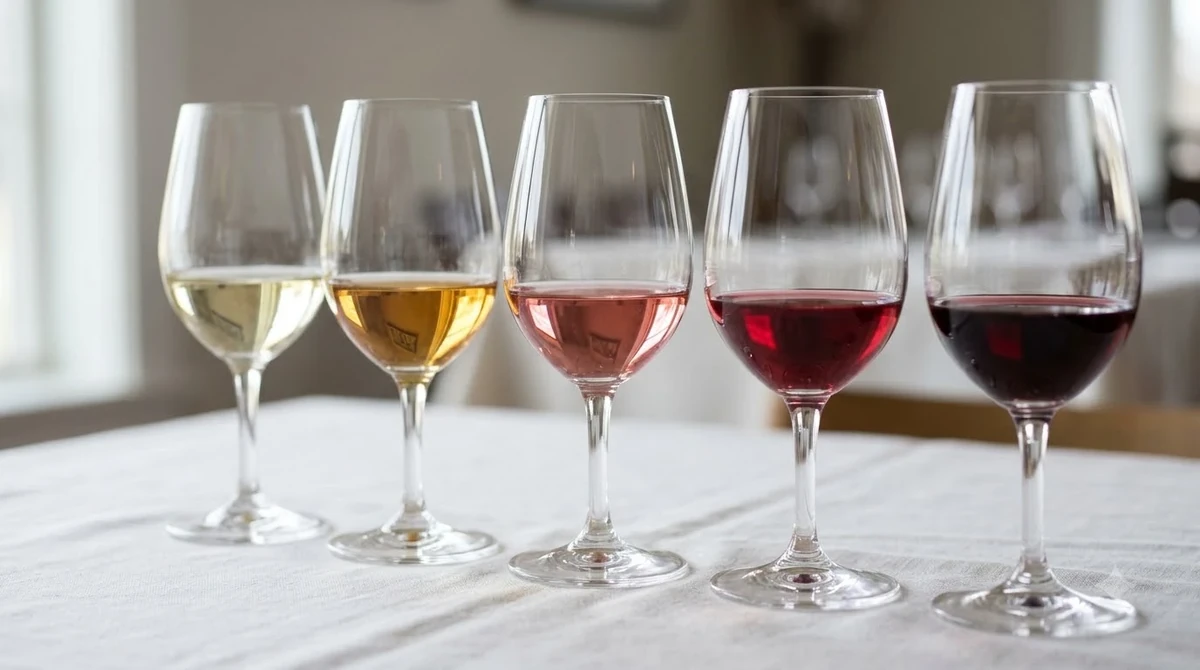
The range can suit several kinds of drinkers. Someone who enjoys sweet red wine may gravitate toward Carolina Red, which the North Carolina Department of Agriculture profile of Muscadine wine describes as a full-sweet wine made from the James muscadine grape. A white-wine drinker who likes aromatic, fruit-forward flavors may prefer Midnight Magnolia; the same state-agriculture profile compares its flavor profile to Riesling. Duplin’s Muscadine Moscato is another sweet-leaning choice, with the winery describing wildflower honey, nectarine, and white peach notes.
Duplin may be a poor match for a shopper seeking a reliably bone-dry, restrained wine for every occasion. Some bottlings do move toward a drier finish, so the brand should not be dismissed as one-note, but fruit-forward flavor is a recurring feature across the range. A drinker who usually chooses high-tannin Cabernet Sauvignon or savory, earthy Pinot Noir should approach it as a different style rather than expect a direct substitute. Muscadine’s distinctive fruit character is partly why it has a strong regional following: it is a native southeastern grape, not simply a local version of a familiar European variety.
Key Factors to Compare
Compare Duplin wines by sweetness, grape character, color, and alcohol level before choosing by name alone. These factors tell you more about the likely drinking experience than the words “red,” “white,” or “Moscato” on their own.
| Factor | What to look for | Useful reference point |
|---|---|---|
| Sweetness | Sweet, semi-sweet, soft-dry, or dry descriptions | North Carolina’s agriculture department says the range extends from sweet to dry, while the wines remain fruit-forward. |
| Red style | Choose by the stated flavor profile, not just the color | Carolina Red is described by the state profile as full-sweet and made with James muscadine grapes. |
| White style | Look for floral, honey, citrus, or stone-fruit notes | Duplin describes Muscadine Moscato with wildflower honey, nectarine, and white peach. |
| Alcohol level | Compare the individual bottle’s ABV | BJ’s lists one Duplin Sweet Muscadine at 10% ABV; Target lists its 750 ml Scuppernong at 12% ABV. |
| Serving plan | Decide whether you want a chilled aperitif, meal wine, or dessert pour | Sweet whites are generally served around 43–50°F; a 750 ml bottle gives about five 5 oz pours. |
Alcohol level is bottle-specific, not a shortcut for sweetness. BJ’s lists one Duplin Sweet Muscadine at 10% alcohol by volume and 11% sugar; Target lists a 750 ml Scuppernong at 12% alcohol and 10.2% sugar. Those figures describe the listed products, not the entire range. For more detail, see our guide to Duplin wine alcohol content.
For food, match a wine to the dish’s sweetness and acidity. A wine should generally taste at least as sweet as the dessert beside it, while acidic food needs a wine with equal or higher acidity to avoid making the wine seem flat. Also consider texture: a fresh fruit-led white may suit lighter fare, while a sweet red can work with saltier, richer dishes. A high alcohol figure does not tell you whether a wine is sweet, full-bodied, or tannic, so treat ABV as one comparison point rather than the whole buying decision.
Step-by-Step: How to Choose a Bottle
Start with sweetness, narrow the choices by color and flavor, then check alcohol and serving plans before buying a full bottle.
- Set your sweetness preference. Decide whether you want full-sweet wine, a softer middle ground, or a drier finish. If you usually drink dessert wine or sweet Riesling, begin with the sweeter descriptions. If you normally choose dry wines, search the range for a soft-dry or drier-finish description rather than assuming a red wine will be dry.
- Choose a color for the meal. Red can work with barbecue, burgers, and savory foods; white or blush can be easier with lighter dishes, fruit, and salty snacks. These are starting points, not fixed rules. The sauce, sweetness, salt, and heat in the dish can matter more than the meat or vegetable at its center.
- Use named wines as reference points. Carolina Red is the clearest starting point for a full-sweet red. Midnight Magnolia is a useful reference for a fruit-forward white with a Riesling-like direction. Muscadine Moscato is described by Duplin with honey and stone-fruit notes. These profiles give you a more dependable first filter than guessing from the label color.
- Check the alcohol level and bottle size. Do not assume that all wines in the range share one ABV. Listings for two different Duplin bottles show 10% and 12% ABV, and both are presented in 750 ml formats. Compare the exact bottle you are considering, especially if you are buying for guests with different preferences.
- Plan the temperature before serving. Sweet white wines are usually most expressive when properly chilled, around 43–50°F. Light whites and blush wines commonly suit 45–50°F. A bottle that comes straight from a warm kitchen or car may taste heavier and less refreshing than intended.
- Buy one bottle as a style test before stocking up. Muscadine has a distinct flavor, and sweetness perception is personal. Try a single bottle with food, take note of whether you liked the sweetness, acidity, and finish, then use those impressions to select another style. This is more useful than ordering several bottles based only on the winery name.
Tip: For a first comparison, taste one sweeter reference such as Carolina Red alongside a white such as Midnight Magnolia. Serve both chilled, use the same glass size, and compare sweetness and finish rather than deciding from color alone.
For shoppers used to supermarket brands, compare sweetness and overall style rather than assuming the grapes are equivalent. Our overview of Barefoot wine offers a useful contrast, while Duplin’s Muscadine focus makes it a distinct proposition.
Duplin Wine Styles Explained
Duplin’s range is broader than a simple sweet-red-versus-sweet-white choice. The winery lists red, white, blush, and specialty wines, while North Carolina’s agriculture department identifies Carolina Red, Midnight Magnolia, Scuppernong Blush, and Queen Anne’s Revenge among its Muscadine offerings.
Red and white Muscadine wines
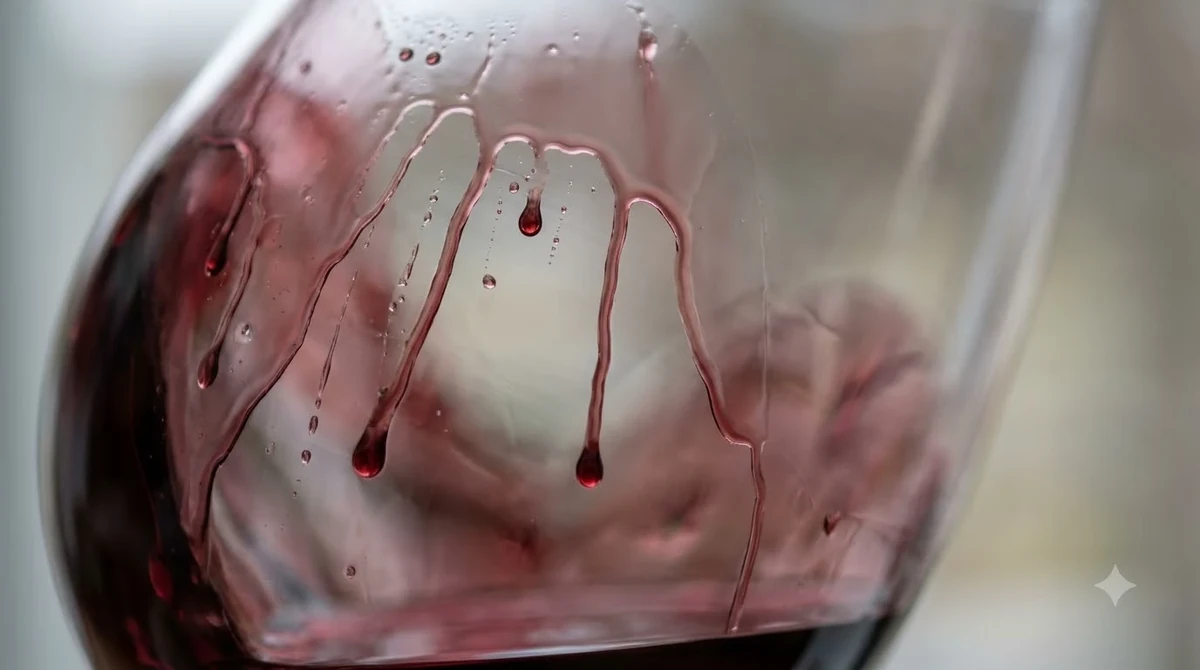
Carolina Red is a useful benchmark for a richer-looking red: North Carolina’s agriculture profile describes it as full-sweet and made from the James muscadine grape. It is not a dry, tannic red simply because it is red. On the white side, Duplin describes Muscadine Moscato with wildflower honey, nectarine, and white peach, while Midnight Magnolia is compared with Riesling in flavor profile. These are aromatic, fruit-led reference points rather than neutral, sharply mineral whites.
Blush, Scuppernong, and specialty bottlings
Scuppernong Blush and Queen Anne’s Revenge are among the named wines in the state agriculture profile, and Duplin continues to produce its original Scuppernong wine. The winery also groups bottles into red, white, blush, and specialty collections. Since specialty wines may suit a more specific flavor or occasion, compare each product description for sweetness and serving suggestions instead of assuming they behave like a standard table wine.
Soft-dry and drier-finish options
Not every Duplin drinker wants a fully sweet finish. The North Carolina agriculture department reports that Duplin wines are fruit-forward at the start, while some finish drier. When choosing one, prioritize clear sweetness language and compare the first impression with the finish; the initial fruit may be more pronounced than the final impression.
Common Mistakes When Buying Duplin
The main buying mistake is treating the whole winery as one sweet wine. Duplin has multiple colors and sweetness levels, so a good choice requires attention to the particular bottle rather than a broad assumption about the brand.
Assuming red means dry, or white means neutral. Carolina Red is described as full-sweet, while Muscadine Moscato is aromatic, with honey, nectarine, and peach notes. Neither color nor a familiar-sounding name guarantees the structure of Cabernet Sauvignon or unoaked Chardonnay. Choose by the actual sweetness and flavor description.
Ignoring the food. A very dry wine beside a sweet glaze or dessert can taste sour by contrast, while a sweet wine can dominate a delicate dish. Match sweetness to the sauce or dessert and remember that acidic food needs equal or higher wine acidity. Chili heat can feel stronger alongside alcohol, whereas salt and fat soften the perception of tannin in more structured wines.
Buying too much before finding your style. Muscadine can taste unfamiliar if most of your usual wine comes from European varieties. Compare one red and one white first, then write down whether you preferred a sweet start, a drier finish, or notes such as honey and peach before selecting more bottles.
Serving and Storage Tips
Duplin recommends enjoying Muscadine wines young and well chilled, so treat them as fresh, fruit-forward wines rather than candidates for long cellar aging. Serve sweet whites around 43–50°F, light whites and blush at 45–50°F, and lighter reds at 55–60°F. A standard 750 ml bottle gives about five 5 oz glasses.
Keep unopened bottles away from sunlight, heat, and temperature swings. A cool, dark place near 55°F is a useful storage target; bottles with natural corks are generally stored on their sides. After opening, refrigerate still wine and use a closure; most still wines hold for about 3–5 days, while sparkling wine generally lasts 1–3 days once opened.
Ordinary wine glasses are sufficient. For a casual comparison, pour 2–3 oz of two styles first, note the sweetness and finish, then offer a 5 oz serving of the preferred bottle with food.
Frequently Asked Questions
These answers cover the grape’s identity, the winery’s production timeline, and the physical traits that distinguish Muscadine fruit from common bunch grapes. They add useful context beyond the sweetness and style choices discussed above.
Is Scuppernong a type of Muscadine?
Yes. Scuppernong is a bronze or golden-skinned variety within the Muscadine grape family, and North Carolina recognizes it as the state fruit. That connection is part of why Scuppernong wine has a special place in the state’s wine history.
How long does Duplin ferment its Muscadine grapes?
In an interview with North Carolina’s agriculture department, Duplin described fermentation as taking about 4–8 weeks, depending on the grape variety. The juice then rests for a few months to settle and separate before further production steps.
Are Muscadine grapes the same species as European wine grapes?
No. Muscadine is botanically identified as Muscadinia rotundifolia, while most familiar European wine grapes belong to Vitis vinifera, as summarized in the University of Florida’s Muscadine grape reference. The two have different fruit characteristics, so Muscadine wine should not be expected to taste like a typical Cabernet Sauvignon or Chardonnay.
Why do Muscadine grapes taste different from common table grapes?
Muscadines have a thicker, leathery skin and a distinctive spicy-sweet character. Unlike common bunch grapes, Muscadine berries grow as larger individual fruits in relatively small clusters, and they ripen unevenly within those clusters.
What happens to the skins and seeds during Duplin’s production?
Duplin told the North Carolina agriculture department that the skins and seeds are sold to a company that uses them in making pharmaceutical products. The winery said the juice accounts for about 52% of the whole grape and is the portion used to make its wines.
Duplin is best approached as a Muscadine specialist with a range of sweet, fruit-forward styles rather than as a single-flavor wine brand. Choose by sweetness first, then match the bottle’s color and character to the meal, and serve it properly chilled. A little attention to finish and temperature can make the difference between a bottle that feels too sweet and one that fits the occasion. For more producer background and comparisons across the category, browse our overview of Duplin wine and our wider guide to Wine Brands.
More in Wine Brands
 Louis Latour Wine Price: Compare Bottles by Style and TierUpdated Nov 20, 2026
 Yellow Tail Moscato Price: What to Expect Before You BuyUpdated Nov 20, 2026
 Sutter Home Sweet Red Review: Find the Right Food PairingsUpdated Nov 20, 2026
 Franzia Chillable Red Review: Find the Right Serving StyleUpdated Nov 20, 2026
 Veuve Clicquot Rose Review: Flavor, Food Pairings and Buying AdviceUpdated Nov 20, 2026
 Rombauer Wine Price: Compare Bottles Before You BuyUpdated Nov 20, 2026