

We may earn a commission when you buy through links on this page, at no extra cost to you. Learn more.
A dry red wine gift is an excellent choice for someone who prefers savory, structured wines rather than noticeably sweet bottles. Cabernet Sauvignon, Merlot, Pinot Noir, Malbec, and Spanish Tempranillo each offer a different combination of fruit, tannin, acidity, and body. The best bottle depends on the recipient’s taste, the occasion, and whether the wine will be opened immediately or saved for a special meal.
Wine makes a thoughtful gift because it can reflect someone’s personality, favorite foods, or interest in a particular region. A full-bodied Cabernet Sauvignon suits someone who enjoys powerful reds, while a softer Merlot or elegant Pinot Noir can be more approachable for a casual drinker. Understanding a few differences between grape varieties and wine styles makes it easier to select a bottle that feels personal rather than generic.
Who This Is For
A dry red wine gift works particularly well for people who enjoy traditional table wines, appreciate food pairings, or prefer a less sweet finish. It can suit dinner hosts, birthdays, anniversaries, professional thank-you occasions, and holiday gatherings.
The most obvious recipient is someone who already drinks red wine. However, the category also includes people who enjoy wine occasionally but dislike sweet red blends, sugary-tasting beverages, or dessert wines. Dryness refers to the amount of residual sugar left after fermentation, not how strong, bitter, or acidic the wine tastes. A wine can have generous cherry or blackberry aromas and still be classified as dry.
Consider the recipient’s drinking habits before selecting a particular bottle. Someone who regularly chooses Cabernet Sauvignon at a steakhouse may appreciate a structured Bordeaux-style red. A person who prefers lighter meals, roasted vegetables, or poultry might enjoy Pinot Noir or a medium-bodied Sangiovese instead. If the recipient enjoys experimenting with unfamiliar regions, a bottle from Mendoza, Argentina, Rioja, Spain, or Tuscany, Italy, can introduce a new experience without moving away from familiar red-wine styles.
Occasion matters, too. A dinner-party gift should be ready to drink and reasonably versatile with food. An anniversary or milestone birthday can justify choosing a more distinctive regional wine or a bottle with aging potential. For a business host, a recognizable grape or established wine region is often a more comfortable choice than an obscure variety that requires extensive explanation.
There is also a difference between buying for a wine enthusiast and buying for someone who simply enjoys a glass with dinner. Enthusiasts may appreciate a specific appellation, vintage, or producer, while casual drinkers may care more about a smooth texture and familiar fruit flavors. If their preferences are completely unknown, a balanced medium-bodied red is usually a sensible starting point.
Key Factors to Compare
The strongest buying decision comes from comparing sweetness, tannin, body, acidity, origin, and presentation rather than choosing a bottle based on its label alone. These characteristics determine how a wine feels in the glass and whether it suits the recipient’s preferences.
| Factor | What to look for | Suitable gift recipient |
|---|---|---|
| Sweetness | Dry, with little residual sugar | Someone who dislikes sweet wines |
| Tannin | Low to medium, or medium to high | Soft-texture drinker or bold-red enthusiast |
| Body | Light, medium, or full | Based on preferred drinking style |
| Acidity | Fresh, balanced, or pronounced | Someone who enjoys food-friendly wines |
| Grape | Pinot Noir, Merlot, Cabernet, Malbec, or Syrah | Based on familiar flavors |
| Origin | Bordeaux, Napa Valley, Mendoza, Rioja, or Tuscany | Someone interested in wine regions |
| Bottle size | 750 ml standard bottle | Most individual gifting occasions |
| Serving temperature | 55–65°F, depending on body | Someone who enjoys serving wine with meals |
Sweetness is the first consideration. A dry red has little residual sugar, but it can still taste fruit-forward. Blackberry, plum, black cherry, and raspberry aromas are natural characteristics of many red grapes. They do not necessarily mean that sugar has been added or that fermentation stopped with substantial sugar remaining. The distinction is important for someone who specifically asks for a dry bottle.
Tannin is another important factor. It creates the drying, slightly gripping sensation associated with black tea. Cabernet Sauvignon generally has high tannin, while Merlot tends to be softer and Pinot Noir usually falls into a lower-to-medium tannin range. A recipient who enjoys powerful steakhouse reds may welcome firm tannins, whereas someone who prefers smooth wines may find a softer Merlot more comfortable.
Body describes the overall weight of wine in the mouth. A light-bodied Pinot Noir feels different from a full-bodied Syrah or Cabernet Sauvignon, even when both are completely dry. Acidity contributes freshness and can make a wine feel lively rather than heavy. It is particularly useful for pairing wine with tomato-based sauces, roasted poultry, and richer meals.
Finally, consider the bottle’s origin and presentation. A recognizable region such as Napa Valley or Rioja can give the gift an interesting sense of place. A well-presented 750 ml bottle is appropriate for most occasions, while a two-bottle selection can provide an opportunity to compare different grapes or countries. A simple gift bag or handwritten pairing note can make an ordinary bottle feel more considered.
Step-by-Step: How to Choose the Right Bottle
A practical selection process helps narrow the choices without requiring advanced wine knowledge. Start with the recipient, then choose the wine’s structure, regional character, and presentation.
-
Identify the recipient’s preferred red-wine style.
Think about wines they already order or keep at home. If they regularly choose Cabernet Sauvignon, look for another structured red. If they prefer Pinot Noir or lighter Italian wines, avoid buying an especially powerful red simply because it looks impressive. A familiar grape is often more useful than an expensive-sounding region.
-
Confirm that the wine is dry.
Read the producer’s description and look for terms such as dry, unoaked, structured, or food-friendly where appropriate. Fruit-forward tasting notes do not automatically indicate sweetness. Avoid bottles described as sweet red, semi-sweet, or dessert-style if the recipient has specifically requested dry wine.
-
Choose a grape variety that matches their personality.
Cabernet Sauvignon suits someone who likes bold flavors and firm tannins. Merlot is a sensible option for a softer, rounded style. Pinot Noir is appropriate for someone who enjoys lighter reds with freshness, while Malbec and Syrah suit drinkers who prefer darker fruit and more substantial texture.
-
Select a region that adds interest.
A Cabernet from Napa Valley, a Pinot Noir from Oregon, a Malbec from Mendoza, or a Tempranillo-based Rioja offers a different regional identity. If the recipient enjoys European wine, consider Bordeaux, Tuscany, or northern Spain. For someone who prefers New World wines, California, Argentina, and Australia provide familiar alternatives.
-
Match the bottle to the occasion.
For a dinner invitation, choose something that works with the expected meal. A Sangiovese can complement Italian food, while a Cabernet Sauvignon suits grilled beef. For a birthday or anniversary, a distinctive regional bottle or a thoughtfully selected pair of wines can feel more personal.
-
Consider drinking readiness.
A young, fruit-forward red is generally easier to open without planning ahead. A structured Cabernet or another age-worthy wine may benefit from additional bottle development or decanting. Unless the recipient collects wine, a bottle that can be enjoyed soon is often the safer option.
-
Complete the presentation.
Choose a clean bottle with an intact label and suitable packaging. Add a short note explaining the grape, origin, and suggested food pairing. For a standard 750 ml bottle, a simple gift bag or protective wine box is usually sufficient.
This process also prevents a common purchasing mistake: selecting a wine solely because its packaging looks luxurious. A beautifully presented bottle is still a poor gift if its style conflicts with the recipient’s preferences. A familiar grape, a reliable producer, and a thoughtful regional choice are more useful indicators of suitability.
Types of Dry Red Wine Explained
Dry red wines range from light and aromatic to powerful and tannic, so grape variety is a helpful starting point. The following styles offer distinct characteristics and are useful for different types of recipients.
Cabernet Sauvignon: For Bold Red-Wine Drinkers
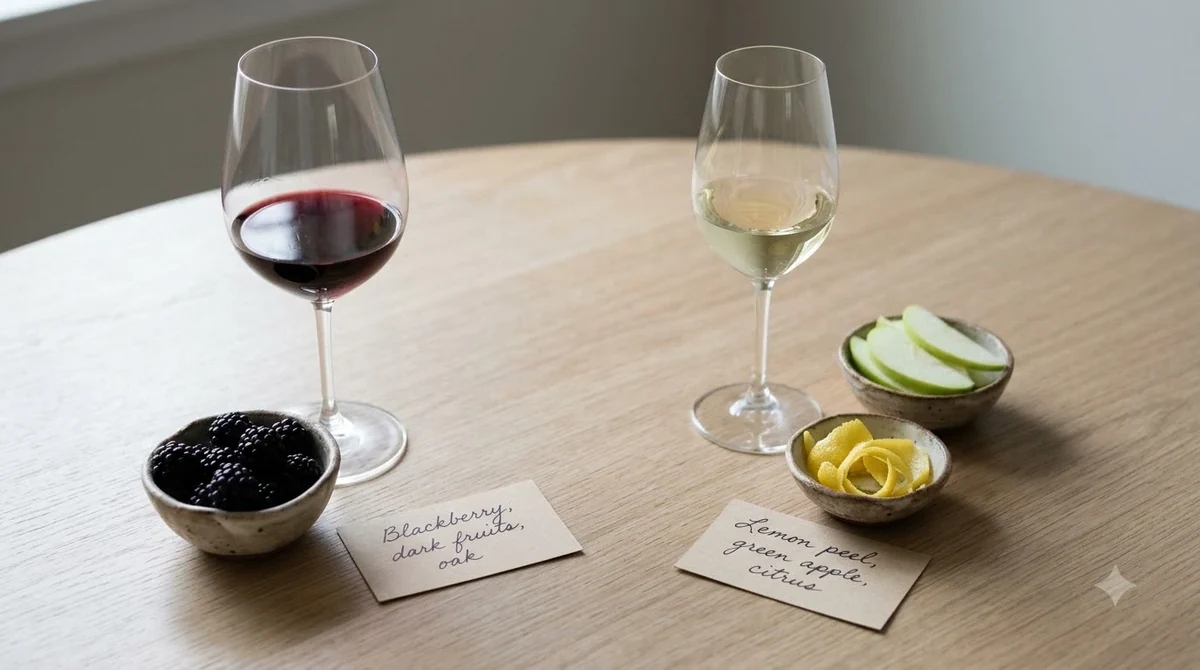
Cabernet Sauvignon is a strong option for someone who enjoys concentrated flavors, firm tannins, and a substantial finish. Typical notes include blackcurrant, black cherry, cedar, tobacco, and sometimes green pepper. The grape is closely associated with Bordeaux and California’s Napa Valley, although it is also grown in Chile, Australia, and other wine-producing countries.
Its structure makes it especially suitable for grilled steak, roast beef, lamb, and aged cheddar. Cabernet is often a recognizable choice for formal dinners and milestone celebrations because it has a well-established reputation among red-wine drinkers. However, it may be too tannic for someone who prefers delicate or especially smooth wines. The U’wine guide to red grape varieties provides additional information about Cabernet’s regional origins, characteristics, and traditional food pairings.
Merlot: For a Softer, More Approachable Style
Merlot is frequently a safer choice when the recipient likes red wine but does not necessarily want a powerful, highly structured bottle. It generally has medium tannin and flavors of plum, cherry, blackberry, and sometimes chocolate or spice. Its softer texture makes it versatile across a range of meals.
Look toward Bordeaux, particularly the Right Bank, for a traditional regional expression. California and Chile also produce Merlot that may appeal to drinkers who prefer ripe fruit characteristics. Pair it with roast chicken, pork, lasagna, mushroom dishes, or mild cheeses. For a recipient whose preferences are uncertain, a balanced Merlot is a practical option.
Pinot Noir: For Lighter and More Elegant Wines
Pinot Noir generally offers a lighter body, lower-to-medium tannin, and relatively high acidity. Strawberry, raspberry, red cherry, and earthy mushroom characteristics are common. Burgundy in France is a well-known reference point, while Oregon and California provide American alternatives.
It is particularly suitable for someone who drinks red wine with poultry, duck, or mushroom-based dishes. Pinot Noir also works well for recipients who find Cabernet Sauvignon too intense. Its more delicate structure makes regional origin especially interesting, because Burgundy, Oregon, and California can produce noticeably different expressions.
Malbec: For Dark Fruit and Generous Texture
Malbec is an appealing option for people who enjoy dark fruit flavors and a substantial red wine without necessarily wanting the same tannic intensity as a young Cabernet Sauvignon. Plum, blackberry, black cherry, and violet are common characteristics. Argentine Malbec from Mendoza is particularly recognizable to American wine shoppers, while Cahors in southwestern France offers another regional expression.
Malbec works particularly well with grilled beef, lamb, barbecue, and strongly flavored cheeses. Its fruit-forward character can make it approachable, although the actual tannin and body depend on the producer, region, and winemaking choices. It is a useful gift for someone who enjoys hearty meals and generous red-wine flavors.
Syrah and Shiraz: For Peppery, Full-Flavored Reds
Syrah and Shiraz are two names for the same grape variety, although regional styles can differ considerably. Northern Rhône Syrah often emphasizes blackberry, black pepper, olive, and savory notes. Australian Shiraz can be fuller and richer, with dark fruit, chocolate, and sometimes eucalyptus characteristics.
This is a suitable selection for someone who enjoys grilled lamb, beef, sausage, and flavorful cheeses. Syrah typically has medium-plus to high tannin, making it more structured than a soft Merlot. If the recipient likes bold reds with spice and depth, it can make a distinctive alternative to Cabernet Sauvignon.
Other Regional Styles Worth Considering
Some of the most interesting gifts come from grapes that are not always the first names shoppers recognize. Sangiovese, for example, is central to Tuscan wines such as Chianti and Brunello di Montalcino. Its cherry, dried herb, and savory characteristics, combined with lively acidity, make it a natural match for tomato-based pasta, pizza, and Parmesan.
Tempranillo offers another excellent regional option. It is the principal grape in many Rioja and Ribera del Duero wines, with flavors that can include strawberry, plum, tobacco, and leather. Depending on aging, the wine may feel fresh and fruit-driven or more developed and savory. Grenache-based blends are also worth considering for recipients who enjoy red fruit, moderate tannin, and Mediterranean-style food.
For more background before selecting a particular bottle, the dry red wine guide provides a useful starting point for understanding the broader category. Shoppers interested in multiple grape varieties in one bottle can also explore a dry red blend, which can combine different grapes to balance fruit, structure, and acidity.
Common Mistakes When Buying a Wine Gift
Many disappointing wine gifts result from confusing appearance, reputation, or fruit intensity with actual drinking preferences. Avoiding a few predictable mistakes makes the selection more reliable.
Confusing Fruitiness with Sweetness
A wine that smells strongly of ripe cherries, plums, or blackberries can still be dry. Fruit aromas describe the wine’s aromatic profile, whereas residual sugar describes the sugar remaining after fermentation. The two characteristics are related to the overall impression of the wine but are not interchangeable.
According to Wine.com’s explanation of dry wine, a dry wine can have very little residual sugar while still seeming fruity or slightly sweet because of alcohol, glycerol, and ripe-fruit aromas. This illustrates why a simple description such as fruity does not provide enough information to determine sweetness. For someone who avoids noticeably sweet wine, focus on the stated sweetness category and the producer’s description rather than fruit aromas alone.
Choosing the Most Tannic Wine Automatically
High tannin does not automatically mean better quality or greater suitability as a gift. Cabernet Sauvignon and Syrah can provide structure and intensity, but those characteristics may overwhelm someone who prefers a softer wine. Merlot and Pinot Noir can be more comfortable alternatives depending on the recipient’s tastes.
Remember that tannin interacts with food. Fat and protein can soften the perception of tannin, which explains why structured reds often work well with steak and aged cheese. A powerful red served with a delicate dish may feel unnecessarily harsh, even when the wine itself is well made.
Ignoring the Recipient’s Food Preferences
A wine chosen without considering food can be less versatile than expected. A full-bodied Cabernet is a natural partner for grilled beef, but it may not be the best choice for a delicate seafood dinner. Pinot Noir offers a lighter alternative for poultry and mushrooms, while Sangiovese is particularly useful with tomato-based Italian dishes.
Spicy meals require additional thought. Alcohol and tannin can amplify the perception of chili heat, so a highly alcoholic, heavily tannic red may be uncomfortable alongside very spicy food. A softer, lower-tannin wine is generally a better direction if the recipient regularly enjoys spicy cuisine.
Buying an Unfamiliar Bottle Without Checking Its Style
Unfamiliar grape varieties and regions can make excellent gifts, but an unfamiliar name is not necessarily a sign of quality. A recipient who loves light Pinot Noir may not appreciate a heavily extracted, full-bodied red simply because it comes from an acclaimed region. Understanding the wine’s body, tannin, and acidity matters more than selecting a prestigious-sounding geographical name.
Assuming a Higher Price Means a Better Match
Prestige, aging potential, and presentation do not guarantee that a bottle suits the recipient. A mature, structured Bordeaux might be interesting to a collector but less appealing to someone who prefers young, fruit-driven wines. A balanced regional bottle that fits the person’s established preferences is often a more successful gift.
Tip: If you do not know the recipient’s exact preference, choose a dry, medium-bodied red with moderate tannins. Merlot, balanced Tempranillo, and some Grenache-based blends are useful starting points because they can be enjoyed across a range of meals without requiring the recipient to appreciate especially firm or powerful wine structures.
Care and Storage Tips for Wine Gifts
Proper handling helps preserve the wine’s character between purchase and opening. Temperature, light exposure, bottle position, and serving conditions all matter, particularly if the recipient plans to save the bottle for a future occasion.
For longer storage, keep bottles in a cool, dark location near 55°F with relatively stable temperatures. Bottles sealed with natural cork are generally stored on their sides to help keep the cork from drying out. Avoid locations next to radiators, ovens, sunny windows, or other sources of repeated temperature changes. Excessive heat can damage wine and shorten its useful storage period.
Not every gift needs a dedicated wine refrigerator. A dark cupboard or suitable storage area can work for a bottle intended for relatively early consumption, provided the temperature remains reasonably stable. However, a hot kitchen shelf or the trunk of a car is not an appropriate long-term storage location. If transporting wine in warm weather, keep the bottle protected from direct sunlight and avoid leaving it inside a parked vehicle.
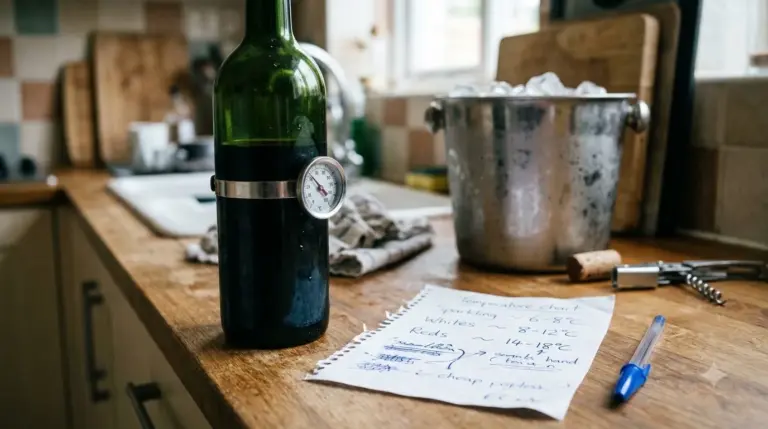
Serving Temperature by Style
Serving temperature influences how fruit, acidity, alcohol, and tannin are perceived. Red wine is often served too warm because people interpret room temperature as the ideal condition. In a heated home, a bottle that has been sitting out for hours may feel heavier and more alcoholic than intended.
Use these practical temperature ranges:
- Light-bodied reds: 55–60°F, particularly Pinot Noir and lighter regional reds.
- Medium-bodied reds: Approximately 60–65°F, including many Merlot and Sangiovese styles.
- Full-bodied reds: 60–65°F, suitable for Cabernet Sauvignon, Malbec, and Syrah.
A short period in the refrigerator can bring an overly warm bottle closer to the desired serving temperature. Remove it before serving so the wine can gradually warm in the glass. Avoid serving a full-bodied red excessively cold because low temperatures can make tannins seem more pronounced and restrict the wine’s aromas.
Opening and Decanting
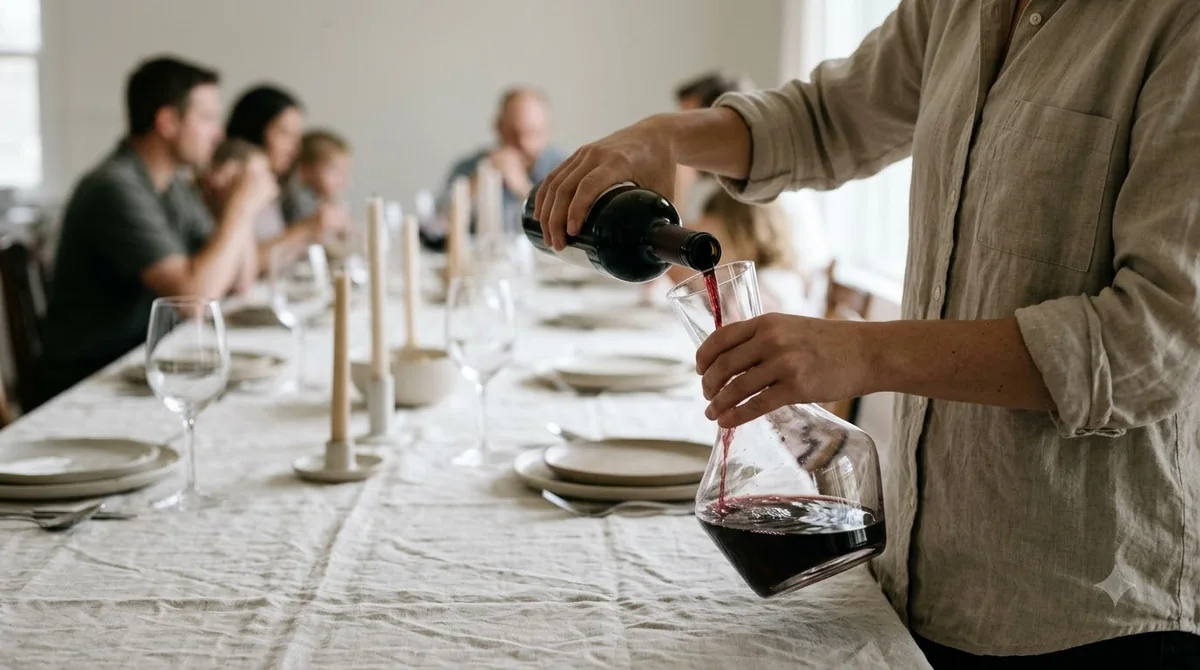
Most everyday dry reds can be opened shortly before serving. However, young, full-bodied reds may benefit from 30 to 60 minutes of decanting. This allows the wine to interact with air and can help soften the initial impression of a particularly structured bottle.
Decanting is not mandatory for every wine. A lighter Pinot Noir may lose some of its delicate aromatic character if left exposed to air for too long. Older bottles also require care because extended exposure can diminish their more developed aromas. If the wine is intended for a dinner gathering, opening it shortly before the meal and assessing its development is a practical approach.
Preserving Leftover Wine
Once opened, reseal the bottle and place it in the refrigerator, including red wine. Refrigeration slows oxidation and helps preserve the wine’s flavor. Most opened still wines remain in reasonable drinking condition for approximately three to five days, although the actual period depends on the wine, its age, and how much air remains in the bottle.
A useful gift addition is a simple note explaining that the bottle should be stored away from heat and opened at an appropriate temperature. These small practical details help the recipient enjoy the wine as intended, whether they plan to serve it that evening or save it for another occasion.
Frequently Asked Questions
Is dry red wine a good gift for someone who rarely drinks wine?
It can be, provided the recipient enjoys alcoholic beverages and has expressed an interest in wine. A smaller selection or one approachable 750 ml bottle is less demanding than a large collection. Merlot or a fruit-forward Pinot Noir can introduce someone to dry red wine without beginning with particularly firm tannins.
Does a wine’s vintage determine whether it is dry?
No. Vintage refers to the year the grapes were harvested, not the wine’s sweetness classification. Weather conditions can influence grape ripeness and the resulting wine’s flavor, alcohol, and structure, but the winemaking process determines how much residual sugar remains. Two vintages from the same producer can therefore taste different while both being classified as dry.
Is a screw-cap bottle appropriate for a formal wine gift?
Yes. A screw cap is a closure choice rather than an automatic indicator of quality. Many reputable producers use screw caps to provide a consistent seal and make bottles easier to open. The producer, grape, region, and overall wine style are more meaningful selection criteria than whether the bottle has a cork or screw cap.
Can a dry red wine be given as part of a food gift basket?
Yes. A bottle of dry red can accompany suitable foods such as aged cheddar, crackers, cured meats, olives, and savory preserves. Keep highly sweet items separate from the wine pairing because a dessert that is sweeter than the wine can make the wine taste more acidic or bitter. A small card suggesting a meal pairing adds a useful personal touch.
Should a wine gift be opened on the day it is received?
No. A recipient can save the bottle for a later dinner, celebration, or personal occasion. If the wine is intended for immediate enjoyment, it is helpful to include a serving suggestion. If it is intended for storage, avoid exposing it to strong light or temperature fluctuations during transport and keep the bottle in an appropriate location afterward.
The best dry red wine gift is one that reflects the recipient’s taste rather than simply looking impressive on a shelf. Cabernet Sauvignon, Merlot, Pinot Noir, Malbec, and Syrah each offer a different route to a thoughtful selection, while regional wines from Bordeaux, Napa Valley, Mendoza, and Rioja provide additional character. Choose a balanced style, consider the occasion and food pairing, and finish with simple presentation details that make the bottle feel personal.
More in Wine Buying Guides
 Dry White Wine Gift: Choose a Bottle They Will LoveUpdated Nov 21, 2026
 Cheap Lambrusco: Choose Better Bottles for Food and PartiesUpdated Nov 21, 2026
 Cheap Viognier: How to Find Flavorful White Wine for LessUpdated Nov 21, 2026
 Cheap Tempranillo: Find Flavorful Spanish Reds Without OverspendingUpdated Nov 21, 2026
 Cheap Zinfandel: How to Find Flavorful Bottles Worth BuyingUpdated Nov 21, 2026
 Dessert Wine Gift: How to Choose a Bottle They’ll LoveUpdated Nov 21, 2026