

We may earn a commission when you buy through links on this page, at no extra cost to you. Learn more.
Douro wine tasting takes place mainly in the Douro Valley in northern Portugal, where you can taste port at historic lodges and dry Douro table wines at family estates. The region is one of the oldest demarcated wine regions in the world, and its steep terraced vineyards are a UNESCO World Heritage site. Most visitors combine port tastings in Vila Nova de Gaia with a day or two in the valley, and booking ahead is the easiest way to get the experience you want.
This guide walks through what to expect on a Douro wine tasting, how port and table wines differ, how to plan a route, and what to ask before you book. It is written for American travelers who want a clear plan rather than a long technical study.
Why the Douro is a top tasting destination
The Douro is one of the most dramatic wine landscapes in Europe. The vineyards climb steep, terraced hillsides above the river, and the scenery alone draws visitors who may not be experienced wine drinkers. The region’s wine history is also long: the Instituto dos Vinhos do Douro e do Porto describes the Douro as the oldest demarcated and regulated wine region in the world, dating its regulation to 1756.
That history gives tastings here a different feel from newer wine regions. Many estates and lodges have been in the same families for generations, and the tasting is often a conversation about how the wine was made as much as a sip of the wine itself. Expect a relaxed, informative pace.
Port and Douro table wine: what you will taste
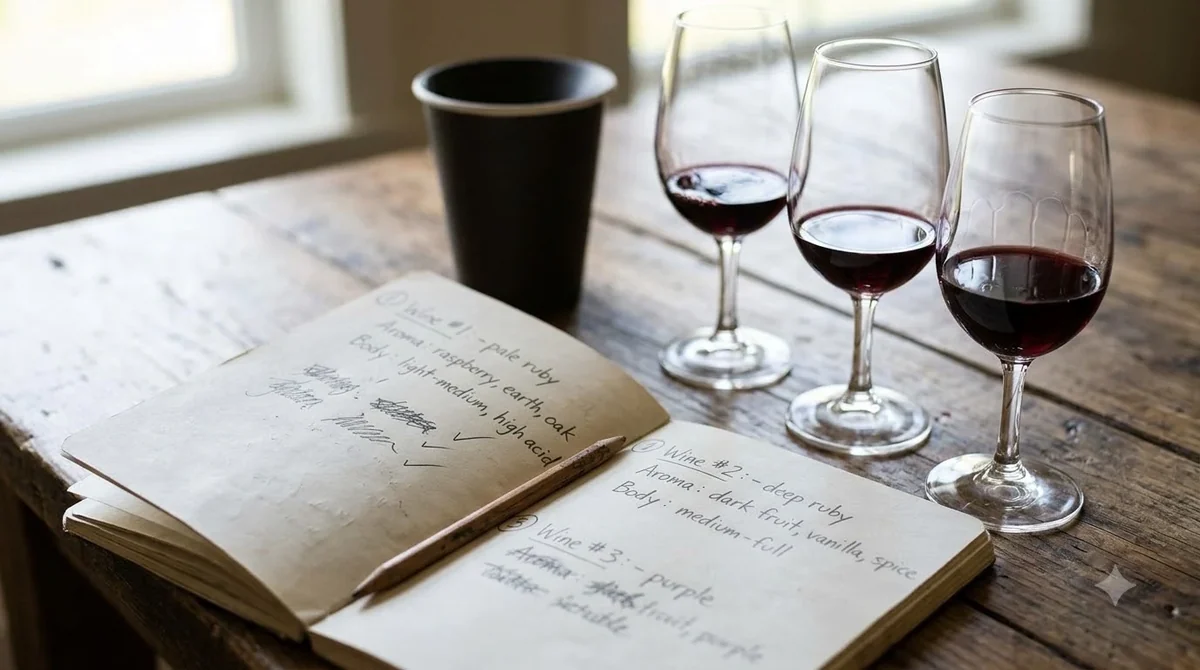
Most people come to the Douro for port, the fortified wine made in the valley and aged and sold from lodges in Vila Nova de Gaia across the river from Porto. Port is sweeter and stronger than table wine because brandy is added during fermentation. Styles range from young ruby to aged tawny, and each has a different character of fruit, nuts, and spice.
The region also produces non-fortified Douro wines under the Douro DOC. These dry reds and whites are made from many of the same local grapes, and they are increasingly popular with visitors who want to taste something other than port. Tasting both gives you a fuller picture of the valley.
| Style | Character | Typical tasting setting |
|---|---|---|
| Young ruby port | Bright red fruit, fresh and fruit-forward | Lodge tasting, easy introduction |
| Tawny port | Nutty, caramel, dried fruit notes | Lodge or estate, pairs with dessert |
| Dry Douro red | Structured, dark fruit, savory finish | Estate with a meal |
| Dry Douro white | Fresh, aromatic, mineral notes | Estate on a warm afternoon |
Planning your route through the valley
The Port and Douro Wines Route is a useful framework for planning. It links lodges, estates, and interpretation centers across the valley, so you can see how the landscape shapes the wines. The Port and Douro Interactive Learning Centre is a good first stop if you want background before you taste.
Organize your days by area. The lodges in Vila Nova de Gaia are easy to reach from Porto, so many visitors do them as a half-day outing. Estates in the valley itself take more travel time, so group them by village and leave time for lunch between tastings. Booking ahead matters most in peak season, when popular estates can fill quickly.
How a typical tasting works
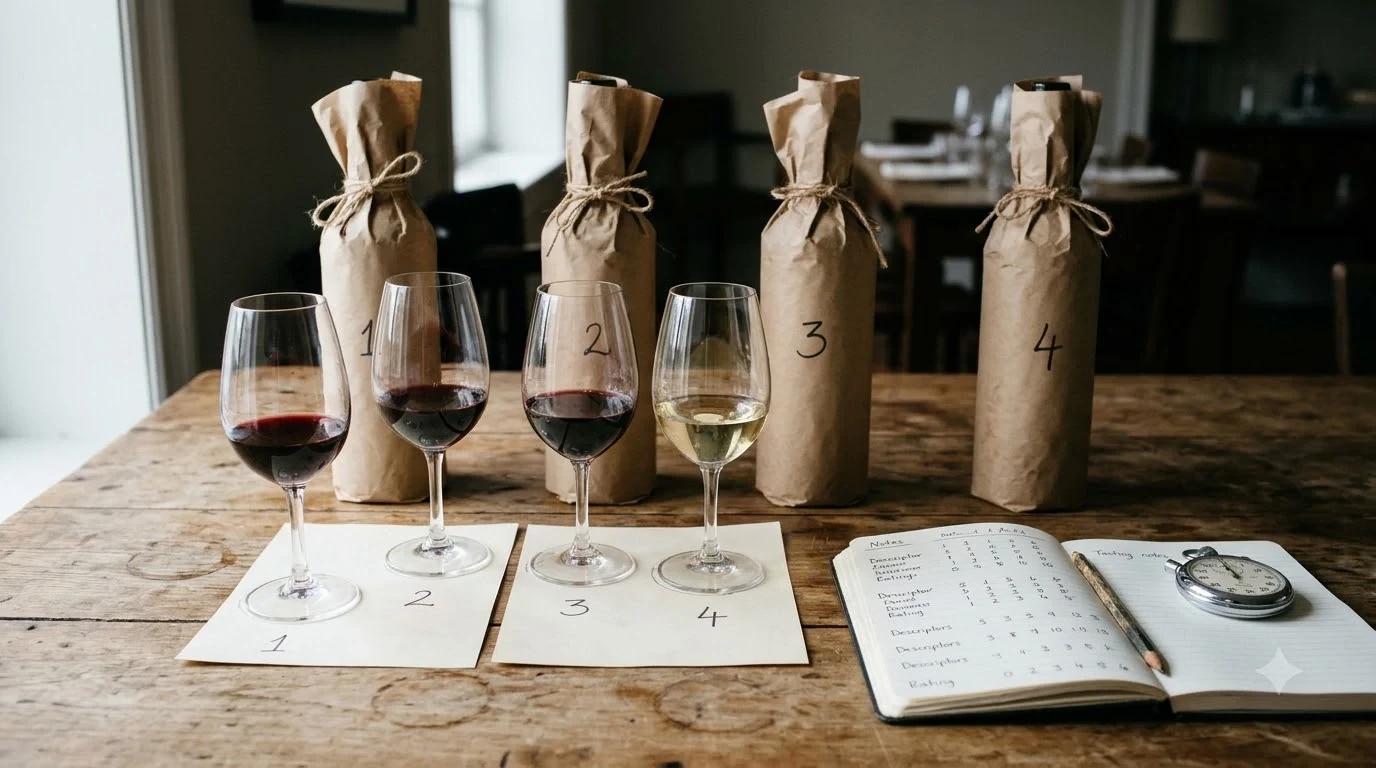
A standard Douro tasting usually starts with a short introduction to the producer and the vineyards. You will then taste a small selection of wines, often starting with lighter or younger styles and moving toward richer ones. Staff will explain each wine, and you can ask questions at any point.
Some estates offer a guided walk through the vineyards or the cellar, which is a useful way to see the terraces up close. Others pair the tasting with a meal of local food, such as bread, cheese, cured meats, and grilled dishes. If the tasting includes food, it is worth asking which wine suits which dish, since port and dry wines behave very differently with a meal.
Tip: Ask the estate whether it offers a shorter flight or a full tasting, and whether the price includes food. Clear questions before you arrive make it easier to plan the day and avoid surprises.
Practical tips for a Douro tasting day
Plan your transport before you go. The valley roads are winding, and driving after a tasting is not a good idea. Many visitors use a guided tour, a taxi, or a boat trip on the river, which lets you enjoy the scenery without worrying about the drive back.
Dress for walking and for weather. Vineyards can be steep and uneven, and the valley can be warm in the afternoon even when the morning is cool. Bring a light layer, comfortable shoes, and a water bottle. Pace yourself, drink responsibly, and eat between tastings. A light lunch makes a long tasting day far more enjoyable.
Think about what you want from the day before you choose stops. If your goal is to learn about port styles, a lodge in Vila Nova de Gaia is a strong choice, since many lodges run structured tastings that move from young to aged styles. If your goal is to understand how the valley’s vineyards shape the wine, an estate in the valley gives you a better view of the terraces and the production process.
Mixing both types of stop in one trip is a good way to see the range of the region. A morning in the lodges and an afternoon at a valley estate, or the reverse, gives you a balanced sense of port and dry Douro wine. Keep the number of stops modest. Three well-chosen tastings in a day is usually more enjoyable than five rushed ones.
Seasonal timing also affects the experience. Spring and autumn are often the most comfortable months for walking the vineyards, while the harvest period can bring extra activity in the valley. Check opening hours in advance, since some estates reduce their schedule outside the main season, and ask whether tours are available in English. Many visitors also find it helpful to write down the names of the wines they enjoy, so they can ask for them again at a shop or restaurant later in the trip.
Frequently Asked Questions
Where is the Douro Valley?
The Douro Valley is in northern Portugal. The river runs through steep vineyards toward the Atlantic, and the lodges that age port are in Vila Nova de Gaia, across the river from Porto.
Do I need to book a Douro wine tasting in advance?
Booking ahead is strongly recommended, especially for popular lodges and estates and during peak season. Many estates require reservations for guided tastings.
Is a Douro tasting only about port?
No. Port is the best known product, but many estates also make dry Douro DOC red and white wines. A good tasting often includes both styles so you can compare them.
How much of a day should I set aside for tastings?
A half day suits a lodge visit in Vila Nova de Gaia. A full day allows two or three estates in the valley with time for lunch and travel between them.
A Douro wine tasting is one of the most rewarding wine experiences in Europe, combining history, landscape, and food. For ideas on planning tastings in other regions, see our Mendoza wine tasting guide, or browse the Wine Regions section. For official information on the region and its wines, visit the Instituto dos Vinhos do Douro e do Porto website.
More in Wine Regions
 Willcox Wine Trail: Discover Arizona’s High-Elevation Wine CountryUpdated Nov 20, 2026
 Yakima Valley Wine Region: Find the Best Styles to TryUpdated Nov 20, 2026
 Vosne Romanee Wine Tasting: Identify Aromas and Choose Better PairingsUpdated Nov 20, 2026
 Yakima Valley Wine Festival: Find the Best Seasonal Wine EventsUpdated Nov 20, 2026
 Wales Vineyards: Discover Cool-Climate Wines and Where to VisitUpdated Nov 20, 2026
 Yountville Wine Festival: Discover Napa Wines and Local FoodUpdated Nov 20, 2026