

We may earn a commission when you buy through links on this page, at no extra cost to you. Learn more.
The phrase “domaine ott wine” refers to the premium Provence wines made by Domaines Ott, a producer known especially for dry rosé from three distinct estates. Château de Selle and Clos Mireille make wines under Côtes de Provence, while Château Romassan is in Bandol. The range also includes white and red wines, so the estate and color on the label are important clues to style.
To choose a bottle, begin with the kind of wine you want: a fresh rosé for seafood, a textured white for a fuller meal, or a structured Bandol red for meat and hearty dishes. Then use the estate, grapes, and serving temperature to make the pairing work.
What Domaines Ott Represents in Provence
Domaines Ott is a Provence wine producer founded by Marcel Ott in 1896. The name brings together three estates in the Var department, with vineyards and cellars that express different parts of the region rather than a single uniform house style.
The range is best known internationally for pale, dry rosé, but it is not limited to that category. The estates also make white and red wines, and their appellations signal meaningful differences in place and grape emphasis. Two properties, Château de Selle and Clos Mireille, produce Côtes de Provence wines. Château Romassan produces Bandol wines, including a Mourvèdre-led red. This distinction is central to understanding the label: Domaines Ott is the producer name, while the château and appellation identify the wine’s more precise origin.
That producer-and-estate structure is common in European wine, where the name on the front label can refer to a group, a property, or an appellation. Readers comparing French producers can use the broader wine brands overview to understand how these names fit together. For Domaines Ott, checking the estate name is a practical first step because it helps distinguish an inland Côtes de Provence rosé from a coastal bottling or a Bandol wine.
Three Estates, Three Terroirs, and Two Appellations
The three estates differ in location, soil, and vineyard area, which gives each wine a distinct point of reference. Château de Selle and Clos Mireille are in Côtes de Provence, while Château Romassan is in Bandol.
According to the Domaines Ott estate descriptions, Château de Selle is in Taradeau near Draguignan, Clos Mireille is in the La Londe area near the Mediterranean, and Château Romassan is in Le Castellet. The table compares planted vineyard area and the main soil descriptions supplied by the producer.
| Estate | Appellation | Vineyard area | Location and soils |
|---|---|---|---|
| Château de Selle | Côtes de Provence | 93 hectares | Taradeau; gypsum, red clay, gravel, and stones |
| Clos Mireille | Côtes de Provence | 56 hectares of vines | La Londe; schist and quartz, with vines sloping toward the sea |
| Château Romassan | Bandol | 83 hectares | Le Castellet and eight Bandol communes; limestone, marl, and gravel |
Château de Selle is the inland estate, set near Taradeau among pine woods and countryside. Its 93 hectares of vineyards grow on a mix of gypsum, red clay, gravel, and stones. That varied ground is different from the coastal soils at Clos Mireille, and the rosé is a good place to start for drinkers who want a structured but fresh Côtes de Provence style.
Clos Mireille is defined by its proximity to the Mediterranean. Its 56 hectares of vines grow in schist and quartz within a larger 174-hectare protected area at La Londe; the protected-area figure is not the planted vineyard area. The vineyard slopes toward the sea, a setting that gives the estate a distinct identity for white wine and rosé. Château Romassan sits at Le Castellet in Bandol, whose vineyards extend across eight communes. Its 83 hectares grow on arid, gravelly ground dominated by limestone and marl. Mourvèdre’s importance in the appellation helps explain why the estate’s red wine has more structure than the lighter rosés.
Grapes and Blends Behind the House Style
Grenache, Cinsault, Syrah, and Mourvèdre form the main red-grape palette across the rosés and reds, while Sémillon and Rolle shape Clos Mireille Blanc. The proportions change by wine and vintage, so grape names are best read as clues to texture and structure rather than a fixed recipe.
Grenache typically brings body, ripe fruit, and breadth to a rosé blend. Cinsault contributes finesse and a softer, silky feel. Syrah can add color and savory spice, while Mourvèdre gives more weight and firmer structure. The balance among them helps explain why Domaines Ott’s three rosés share a dry Provençal character but do not taste identical. Mourvèdre is especially important at Château Romassan, where it is dominant in the Bandol red.
BY.OTT offers another example of how the grape mix can vary by label. The producer describes it as a blend sourced from Château de Selle, Clos Mireille, and selected partner growers, using Grenache and Cinsault with smaller amounts of Syrah. A different château wine or vintage may use other proportions and show more floral, herbal, or savory detail.
Clos Mireille Blanc shifts away from the red grapes. The producer identifies Sémillon and Rolle as the majority varieties in this white wine. Sémillon can contribute breadth and texture, while Rolle—also known as Vermentino—often brings citrus, herbal, and Mediterranean freshness. The combination creates a broader white-wine profile than the crisp rosés, while retaining an important role for acidity.
How the Rosés Are Pressed, Fermented, and Aged
Domaines Ott describes a careful rosé process centered on hand harvesting, selective sorting, gentle pressing, and controlled fermentation. These steps help preserve freshness and a pale, precise fruit profile rather than drawing deep color and firm tannin from extended skin contact.
For Château de Selle Rosé, the producer’s technical information specifies hand-picked grapes, strict sorting, direct pressing, and short skin contact without maceration. Fermentation takes place in temperature-regulated vats, followed by four to six months of aging. The estate also specifies no malolactic fermentation for this rosé, a choice that helps retain its natural acidity and freshness.
Clos Mireille Rosé also uses hand harvesting, careful sorting, and delicate pressing with short skin contact. It ferments slowly and ages in stainless steel vats before bottling the following spring. Stainless steel protects fresh fruit character. Clos Mireille Blanc takes a different path: the white wine ages in oak casks, which can add palate breadth and more layered texture.
Château Romassan Rosé is aged in stainless steel, while the red receives a much longer period in oak. The producer’s winemaking information gives 18 to 24 months for the Bandol Rouge. That difference reflects the purpose of each wine: rosé is made to retain freshness, while a structured Mourvèdre-led red benefits from time for its tannins and oak influence to integrate. The Domaines Ott winemaking overview outlines the grape roles and cellar methods estate by estate.
White and Red Bottles Beyond the Rosé
The white and red wines show why Domaines Ott is more than a rosé name. Clos Mireille is the key estate for white wine, while Château Romassan is the natural starting point for a Bandol red with Mourvèdre at its center.
Clos Mireille Blanc
Clos Mireille Blanc is a coastal Côtes de Provence white led by Sémillon and Rolle. The importer’s winemaking page gives an aging period of eight to twelve months in oak casks, compared with stainless steel for the estate’s rosé. Oak can add texture and spice, but the wine’s freshness remains important for the table. Serve it with grilled fish, shellfish, roast chicken, fennel, asparagus, or vegetables dressed with olive oil and herbs.
The white is a useful choice when a simple, very light wine would feel too slight beside the food. Its broader texture can stand up to scallops, richer fish, and poultry without requiring a heavy sauce. For a contrasting French white-wine reference, a profile of Domaine Laroche introduces readers to a Chablis-centered producer and a different Chardonnay expression.
Château Romassan Rouge
Château Romassan Rouge belongs to Bandol, where Mourvèdre is a defining grape in the appellation’s red-wine identity. Domaines Ott describes Mourvèdre as dominant in its Bandol Rouge, with Grenache adding body and bouquet and Cinsault contributing finesse. The red ages in oak for 18 to 24 months, giving it a firmer frame than the rosés.
A young Mourvèdre-led red can show firm tannin, dark fruit, and savory notes. Pair it with lamb, grilled beef, duck, rosemary-scented sausage, mushrooms, or slow-cooked vegetables. Salt and fat soften tannin, so richer meat dishes can make the wine feel more balanced. Avoid delicate oily fish, which tends to clash with tannic reds. Readers interested in another estate-based producer outside France can compare the model with Domaine Drouhin Oregon wine.
Serving Temperatures and Food Pairings
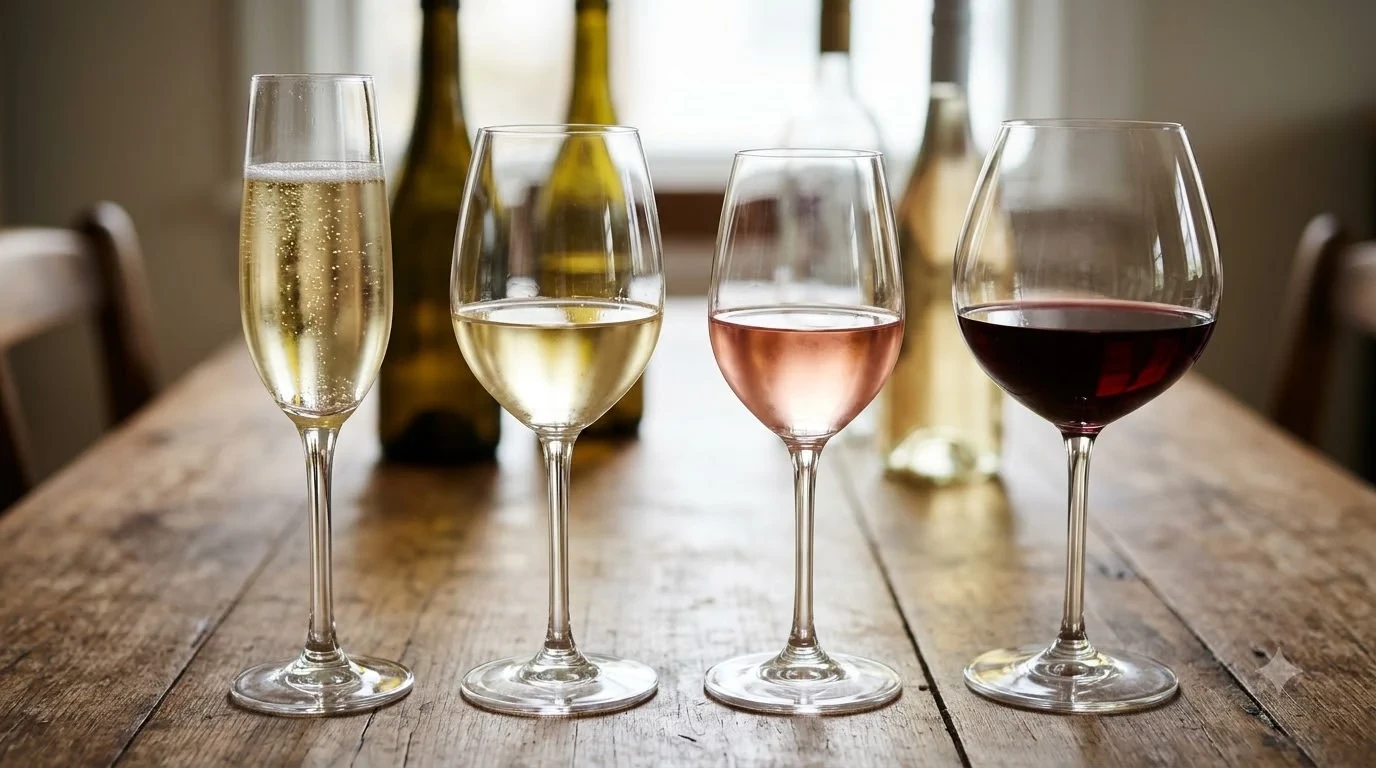
Serve Domaines Ott rosé chilled but not icy, and match the wine’s acidity and body to the food. A moderate temperature helps the aromas show while keeping the wine refreshing, and the right pairing lets the wine’s texture become part of the meal.
For the rosés, aim for 45–50°F. This range keeps the wines crisp while allowing peach, citrus, herbs, and subtle savory notes to emerge. Clos Mireille Blanc is a fuller white, so serve it around 50–55°F rather than at refrigerator temperature. Château Romassan Rouge is a full red and is best around 60–65°F, cooler than a warm room but not refrigerator-cold.
Château de Selle and Clos Mireille rosés suit grilled prawns, tuna crudo, salmon, bouillabaisse, roast chicken, Niçoise salad, ratatouille, and vegetables with olive oil. The wines’ acidity refreshes the palate alongside seafood and vegetables, while their relatively low tannin makes them more flexible with fish than a structured red. Wine Enthusiast rated a 2024 Château de Selle Rosé 93 points and described peach and white-flower aromas, a silky texture, and white pepper on the finish; its reviewer suggested crudo. Read the Château de Selle Rosé review for one vintage-specific example.
Clos Mireille Blanc is a natural match for grilled sea bass, scallops, roast chicken, asparagus, or dishes with lemon and fennel. Château Romassan Rosé can handle grilled fish, shellfish, and charred vegetables, especially with garlic, herbs, or olive oil. For Bandol Rouge, choose lamb, beef, duck, or earthy mushrooms. Chili heat can make alcohol and tannin seem stronger, so very spicy dishes are usually easier with a fresh, chilled rosé than with a structured red.
Tip: Chill rosé to 45–50°F, then pour a small first glass. If the aromas seem muted, let the wine warm a few degrees in the glass before deciding it lacks fruit or complexity.
Choosing a Bottle, Opening It, and Keeping It Fresh
Choose by estate and color first, then consider the meal and the amount of structure you want. A seafood lunch points toward a chilled Côtes de Provence rosé, a richer white-wine dinner may call for Clos Mireille Blanc, and a slow-cooked meat dish is a stronger match for Château Romassan Rouge.
For a versatile rosé, start with Château de Selle or Clos Mireille. Choose Château de Selle for an inland Côtes de Provence expression from mixed soils; choose Clos Mireille for the coastal site and its schist-and-quartz ground. Château Romassan Rosé is the Bandol alternative, with Mourvèdre playing a more visible role in the estate’s grape identity. BY.OTT is another entry point, with blends sourced from Château de Selle, Clos Mireille, and selected partner growers rather than from a single château.
Serve a standard 750 ml bottle in pours of about 5 ounces, which yields roughly five glasses. Use medium-sized white-wine glasses for rosé and white wine, and a larger glass for the Bandol red. A young, full-bodied Château Romassan Rouge can benefit from 30 to 60 minutes in a decanter. Older bottles may need gentler handling because extended aeration can diminish delicate aromas.
Store unopened bottles on their side in a dark, steady place near 55°F, away from sunlight and temperature swings. Once opened, keep rosé and white wine in the refrigerator and aim to finish them within three to five days. Opened red wine also generally keeps three to five days when refrigerated; let it warm toward its serving temperature before pouring. For a gathering, chill rosé several hours ahead or use an ice bucket with ice and water, and keep white wine cool between pours.
Frequently Asked Questions
Who founded Domaines Ott?
Marcel Ott was an agricultural engineer from Alsace. His wife, Elisabeth, persuaded him to settle in Provence after he had considered vineyards farther afield, including in Algeria. The producer’s history credits her encouragement with shaping the family’s connection to the region.
When were the three estates acquired?
Marcel Ott acquired Château de Selle in 1912, Clos Mireille in 1936, and Château Romassan in 1956. The properties therefore joined the family over 44 years rather than being assembled in one purchase. Each later became part of the producer’s three-estate identity.
Who designed the distinctive Domaines Ott bottle?
René Ott, Marcel’s son, designed the bottle in 1932. Its tall profile takes inspiration from Provence’s cypress trees and from ancient amphorae used to store wine. Marcel initially hoped other Provençal producers might adopt the design, but it remained exclusive to the Ott family wines.
Is Domaines Ott part of a larger wine group?
Domaines Ott joined the Roederer Collection in 2004. The collection brings together independent wine companies that share an emphasis on traditional know-how, environmental respect, and the time required to make wines. The Ott family continues to be associated with the estates and their winemaking direction.
When did Domaines Ott first export wine to the United States?
The first U.S. exports were Château de Selle red and rosé, sent in 1933 after the end of Prohibition. The producer’s history says the wines found immediate success in the American market. Those early shipments helped introduce Provence estate wines to drinkers beyond France.
Domaines Ott is best understood as three estate expressions rather than one uniform rosé: inland Château de Selle, coastal Clos Mireille, and Bandol’s Château Romassan each bring a different place and grape profile to the range. Start with the food and style you want, then use the estate name, color, and serving temperature to choose a bottle that fits the occasion.
More in Wine Brands
 Underwood Wine Price: Compare Bottles, Cans, and Pack SizesUpdated Nov 21, 2026
 Zenato Wine Price: Compare Styles and Choose the Right BottleUpdated Nov 21, 2026
 Zuccardi Wine Price: Compare Bottles and Find the Right RangeUpdated Nov 21, 2026
 Yellow Tail Moscato Review: Taste, Sweetness and Serving TipsUpdated Nov 21, 2026
 Wolf Blass Yellow Label Review: Choose Your Best StyleUpdated Nov 21, 2026
 Wolffer Estate Rose Review: Choose the Right Bottle for Your TableUpdated Nov 21, 2026