

We may earn a commission when you buy through links on this page, at no extra cost to you. Learn more.
The typical decoy wine price is about $20 to $35 per 750 ml bottle in the United States, depending on the variety and collection. Standard Decoy California wines generally occupy the lower part of that range, while Decoy Limited bottlings cost more because they feature selected California growing regions. Comparing the wine tier, grape variety and retailer helps you choose a bottle that matches both your budget and your preferences.
Decoy occupies an appealing position for shoppers who want recognizable California wine styles without moving into the most expensive end of the market. Its lineup includes Cabernet Sauvignon, Merlot, Pinot Noir, Chardonnay, Sauvignon Blanc, Red Blend, Rosé and sparkling wine. However, not every bottle carries the same price or offers the same drinking experience. Understanding the differences between the standard California collection, Decoy Limited and Featherweight makes it easier to decide what deserves a place in your wine rack.
Who Should Consider Decoy Wine Prices?
Decoy is worth considering for shoppers looking for approachable California wines at a moderate retail cost. Its standard bottles generally suit everyday meals, casual gatherings and dinner parties, while the more specialized selections offer additional choices for people interested in particular growing regions such as Alexander Valley, Sonoma Coast and Paso Robles.
People who regularly buy wine for home consumption may find the standard California range particularly practical. At approximately $20 to $25 per 750 ml bottle according to the official Decoy collection, these wines occupy a useful middle ground between inexpensive supermarket selections and considerably more expensive regional or single-vineyard bottlings. The range also makes it possible to choose different grapes without changing the general spending level too dramatically.
Cabernet Sauvignon drinkers who enjoy fuller-bodied reds can begin with the California Cabernet before considering an Alexander Valley or Napa Valley selection. Pinot Noir drinkers may prefer the standard California bottling for regular meals and the Sonoma Coast version when they want to explore a more geographically specific expression. Chardonnay and Sauvignon Blanc drinkers also have accessible options without needing to purchase a more expensive red wine.
Decoy can also suit shoppers who want a bottle for a host, a family dinner or a modest wine gift. The standard collection offers familiar grape names, while Decoy Limited provides a more distinctive regional identity. A Napa Valley Cabernet or Alexander Valley Merlot can make a more targeted gift for someone who already enjoys those styles.
There are situations where Decoy may not be the right purchase. Shoppers seeking inexpensive wine below the typical premium grocery-store category may find other California labels more suitable. Collectors looking for rare, cellar-focused wines or highly specialized vineyard bottlings should also compare producers that concentrate on those categories rather than assuming every higher-priced Decoy bottle is intended for long-term aging.
Key Factors That Determine Decoy Wine Price
The most important factors are the collection tier, grape variety, growing region and retailer. The standard California range generally costs less than Decoy Limited, while Featherweight provides a separate style-oriented option rather than simply representing the next step up in price.
| Wine or collection | Typical listed price | 750 ml bottle | Buying consideration |
|---|---|---|---|
| Decoy California Chardonnay | $20 | 750 ml | Everyday white wine |
| Decoy California Sauvignon Blanc | $20 | 750 ml | Fresh, crisp white wine |
| Decoy California Cabernet Sauvignon | $25 | 750 ml | Fuller-bodied red wine |
| Decoy California Pinot Noir | $25 | 750 ml | Lighter-bodied red wine |
| Decoy California Merlot | $25 | 750 ml | Softer red wine style |
| Decoy Limited Sonoma Coast Pinot Noir | $30 | 750 ml | Regional Pinot Noir |
| Decoy Limited Alexander Valley Merlot | $30 | 750 ml | Regional Merlot |
| Decoy Limited Paso Robles Cabernet Sauvignon | $30 | 750 ml | Regional Cabernet |
| Decoy Limited Napa Valley Cabernet Sauvignon | $35 | 750 ml | More geographically specific Cabernet |
These are representative listed prices from Decoy’s official wine collection, not guaranteed prices at every American retailer. The figures illustrate the general relationship between the different collections: standard California selections are usually less expensive than the regional Limited bottlings. Prices vary by state and retailer, and taxes, distribution costs and local inventory can affect the amount charged at checkout.
Geographic designation is another useful comparison point. A California designation covers a broader origin than a Sonoma Coast, Alexander Valley or Napa Valley designation. Decoy’s official portfolio includes wines from these named regions, and the Limited collection highlights selected California appellations. The additional regional specificity helps explain why two wines made from the same grape can occupy different price categories.
Grape variety also influences what shoppers should prioritize. Cabernet Sauvignon typically has higher tannin, while Merlot tends to have medium tannin and a softer structure. Pinot Noir generally has lower-to-medium tannin and higher acidity. Those differences affect the food pairings and drinking style, so a higher-priced Cabernet is not automatically a better choice for someone who prefers lighter reds.
Tip: Compare wines within the same grape variety and bottle size before comparing prices. A $25 California Cabernet and a $30 Alexander Valley Merlot are different products, so the additional cost does not represent a direct quality comparison.
For current examples, the official Decoy wine collection provides a useful reference for comparing the three tiers and their listed varieties. Retailer listings can then help establish whether the local shelf price is close to the winery’s displayed pricing.
Step-by-Step: How to Choose the Right Decoy Bottle
A good purchase starts with the type of wine you enjoy rather than the highest available price. Comparing the bottle’s collection, grape and regional designation in a consistent order helps prevent unnecessary spending.
- Set a spending range. Start with an approximate budget of $20 to $25 for a standard California bottle or around $25 to $35 for many Decoy Limited selections. These ranges are consistent with the official collection’s displayed prices, although actual retail prices vary by state and retailer.
- Choose your preferred grape. Select Cabernet Sauvignon for a more tannic red, Merlot for a softer red, Pinot Noir for a lighter-bodied red, Chardonnay for a medium-acidity white or Sauvignon Blanc for a higher-acidity white.
- Decide whether regional origin matters. A standard California bottling is a sensible starting point. Consider Sonoma Coast Pinot Noir, Alexander Valley Merlot or Napa Valley Cabernet when the regional designation is important to your purchase.
- Compare the collection names. Look for Decoy California, Decoy Limited and Decoy Featherweight. They represent different approaches within the brand’s portfolio, and their prices should not be assumed to follow a simple quality ladder.
- Compare local retailers. Check at least two sellers when practical. Compare the same grape, collection, vintage and 750 ml bottle size to avoid confusing different wines.
- Match the wine to the meal. Cabernet Sauvignon works well with grilled beef, while Pinot Noir suits roast chicken and mushroom dishes. Sauvignon Blanc pairs naturally with seafood and fresh vegetables.
- Consider how soon you will drink it. For an ordinary dinner, choose the bottle that fits the occasion rather than paying extra for a regional designation you do not particularly want.
This process is especially helpful when comparing a standard Decoy Cabernet with a Limited Cabernet from Paso Robles or Napa Valley. The grape remains familiar, but the collection and regional designation change. That means the shopper should consider whether the specific origin and style justify the additional spending.
For people buying several bottles, variety can be more useful than buying multiple bottles of the same wine immediately. A small selection containing Cabernet Sauvignon, Pinot Noir and Chardonnay provides different pairing options. It also gives the buyer a practical way to discover which Decoy styles are most enjoyable before committing to a larger purchase.
Another useful step is to compare the vintage when buying a still wine. Different vintages can vary in availability and retailer pricing. A newer California bottling and an older bottle with a similar label should not automatically be treated as interchangeable products.
Decoy Wine Collections and Styles Explained
Decoy’s portfolio includes its standard California range, Decoy Limited and Decoy Featherweight. Each serves a different shopping purpose, with the standard range emphasizing versatility, Limited highlighting selected regional sources and Featherweight offering a lighter approach to familiar wine varieties.
Decoy California: The Everyday Collection
The standard California range is the natural starting point for most shoppers comparing Decoy prices. The official collection lists Cabernet Sauvignon and Pinot Noir at approximately $25, while Chardonnay and Sauvignon Blanc are listed around $20 per 750 ml bottle. Merlot and Red Blend provide additional options for shoppers who prefer red wine.
Cabernet Sauvignon is a practical choice for grilled steak, burgers and other rich dishes. Its higher tannin structure can work particularly well alongside protein and fat. Merlot offers a softer alternative for roast pork, meatloaf and pasta with tomato-based sauces. Pinot Noir is useful for meals where a lighter red makes more sense, including roast chicken and mushroom dishes.
The white wines also cover different preferences. Chardonnay generally has medium acidity and can suit roasted poultry, creamy pasta and grilled fish. Sauvignon Blanc typically has higher acidity, making it a useful companion for goat cheese, salads, shellfish and dishes with fresh herbs.
Decoy Limited: Regional Bottlings
Decoy Limited was introduced in 2020 and features wines sourced from selected California growing regions. Its lineup includes Alexander Valley, Paso Robles and Sonoma Coast selections. These regional references provide additional context about where the grapes originate and give shoppers more specific options than the standard California collection.
The official collection lists Decoy Limited Sonoma Coast Pinot Noir at approximately $30 and Alexander Valley Merlot at approximately $30. Limited Paso Robles Cabernet Sauvignon is also listed around $30, while Napa Valley Cabernet Sauvignon appears at approximately $35. These prices are representative official listings rather than fixed national retail prices.
For a shopper who already enjoys the standard California Cabernet, the Limited Cabernet bottlings offer a straightforward way to explore regional differences. Napa Valley, Alexander Valley and Paso Robles are distinct wine-producing areas, and their names make the comparison more specific. However, the best choice still depends on personal taste and the intended meal.
Decoy Featherweight: A Lighter Style
Featherweight joined the Decoy portfolio in 2024. According to the winery, this collection focuses on fresh, expressive wines intended for lighter occasions without abandoning the brand’s winemaking approach. Its presence provides another option for people who want to explore a different style within the same brand.
The official collection lists Featherweight California Sauvignon Blanc at approximately $20, Featherweight California Chardonnay at approximately $20 and Featherweight California Cabernet Sauvignon at approximately $25. These examples show that the Featherweight name does not necessarily mean a higher purchase price than the standard collection.
Shoppers should therefore compare the intended style rather than treating Featherweight as a luxury tier. Someone looking for a lighter drinking experience may find it more suitable than a conventional fuller-bodied red. Someone who specifically wants a structured Cabernet for grilled beef may prefer to compare the standard Cabernet and regional Limited options instead.
Other Styles in the Portfolio
Decoy’s collection also includes Zinfandel, Red Blend, Rosé and sparkling wine. These options are useful for shoppers who want something beyond the familiar Cabernet, Merlot and Chardonnay categories. The official collection lists California Rosé and Brut Cuvée Sparkling Wine at approximately $20, while California Zinfandel and Red Blend are listed around $25.
Rosé can work with grilled vegetables, light appetizers and summer meals. Sparkling wine is useful for celebrations and food pairings involving salty snacks, fried foods and seafood. Zinfandel is a natural candidate for barbecue and boldly seasoned grilled dishes, while Red Blend gives shoppers another option when they prefer a mixed-variety red wine rather than a single-grape bottling.
For a wider overview of the label and its available styles, the Decoy wine overview provides a useful starting point before narrowing a purchase to an individual grape or collection.
Common Mistakes When Comparing Decoy Prices
The most common mistake is assuming that every bottle with the Decoy name belongs to the same price category. Collection names, regional designations, grape varieties and vintage differences all matter when comparing two bottles.
One frequent error is comparing a standard California Cabernet with a Decoy Limited Napa Valley Cabernet and judging the difference solely by the displayed price. The two wines do not have identical geographic designations or necessarily the same sourcing profile. The standard bottle is intended as a broad California selection, while the Limited bottle highlights a more specific regional origin.
Another mistake is assuming that the most expensive Decoy wine is automatically the best match for a particular meal. A Napa Valley Cabernet might appeal to someone who enjoys structured red wine, but it may not be the ideal purchase for someone serving delicate seafood. In that situation, a crisp Sauvignon Blanc or a lighter Pinot Noir could be a more sensible choice.
Shoppers also sometimes overlook bottle size. A 750 ml bottle is the conventional standard for most Decoy still wines, but gift sets and other formats can have different pricing structures. Comparing the displayed cost without accounting for the quantity can produce a misleading impression of value.
Retailer comparisons can be misleading for another reason: location. Alcohol distribution and state tax rules affect the final shelf price. A bottle purchased from a California wine shop may cost a different amount from the same wine at a retailer in New York or another state. Shipping charges and local delivery fees can add another difference.
Vintage confusion is another avoidable problem. Two listings may have the same wine name but different vintage years. Their prices and availability can differ, and the wines may have different characteristics because of growing-season conditions. Buyers should compare the full bottle description rather than relying only on the main label name.
Finally, avoid assuming that a more expensive wine necessarily needs to be stored for years. Many California wines are purchased for relatively near-term enjoyment. The appropriate purchase depends on the wine’s structure, intended style and drinking plans rather than price alone.
For Cabernet-focused comparisons, the Decoy Cabernet overview can help narrow the decision to the relevant red wine options. Shoppers who prefer a broader red selection can also compare the Decoy red wine range rather than treating Cabernet as the only option.
Care and Storage Tips for Better Value
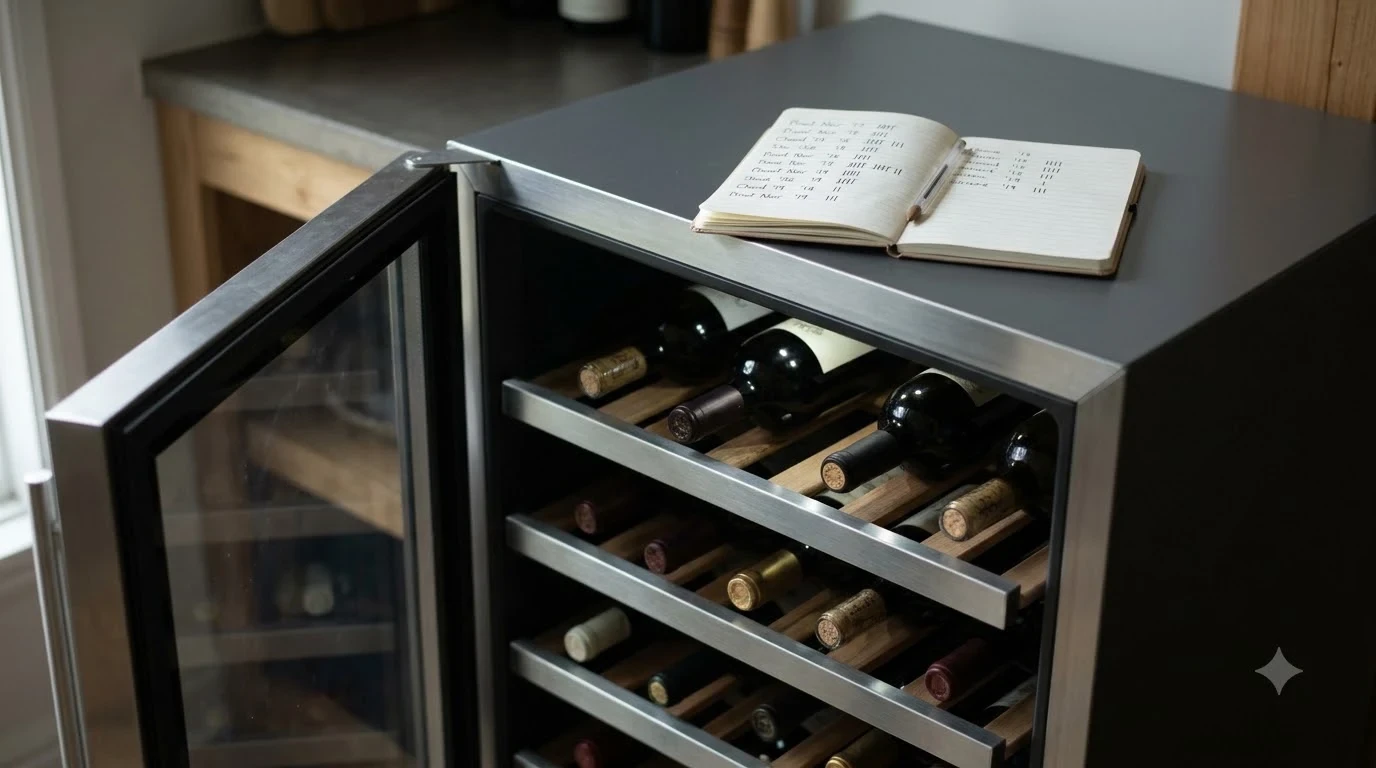
Proper storage helps preserve the quality of a purchased bottle, particularly when it will not be opened immediately. Temperature stability, protection from direct sunlight and suitable serving temperatures matter more than expensive wine accessories.
For bottles intended for storage, a cool location near 55 degrees Fahrenheit is a useful target. Bottles with natural cork closures should generally be stored on their sides to keep the cork from drying out. Avoid placing wine next to an oven, radiator or sunny window, where repeated temperature changes can damage its condition.
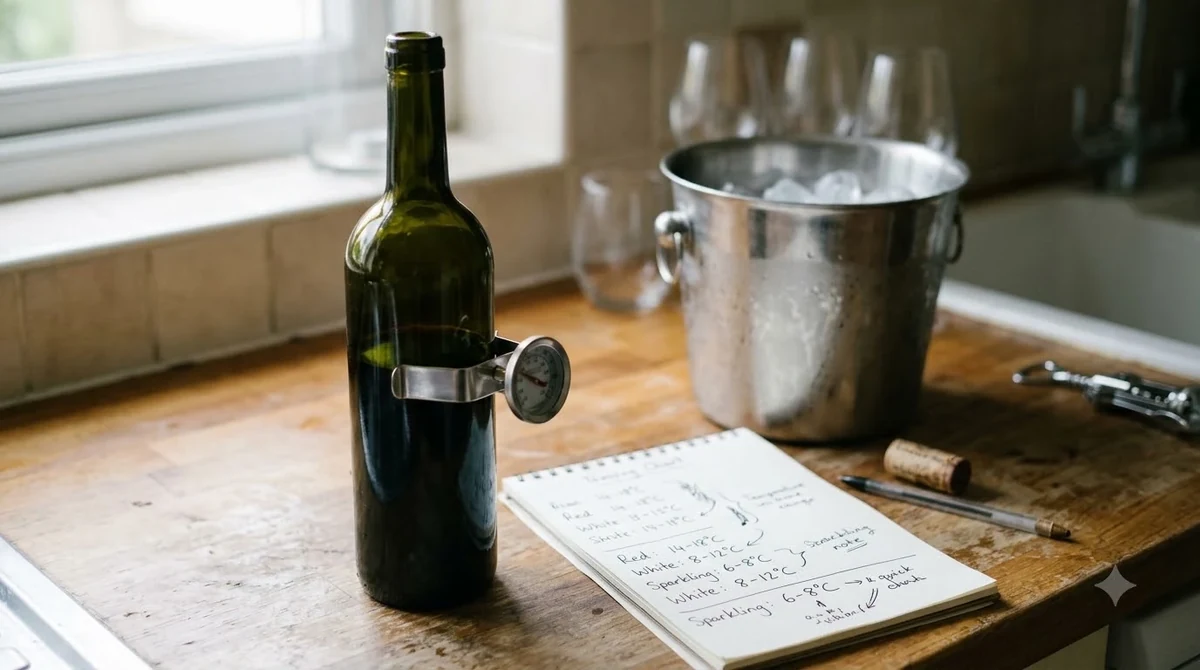
Serving temperature also affects the experience. Cabernet Sauvignon and other fuller-bodied reds are generally best served around 60 to 65 degrees Fahrenheit, while lighter reds such as Pinot Noir are better around 55 to 60 degrees. Serving a red wine too warm can make its alcohol more noticeable and its structure less balanced.
White wines need cooler serving temperatures. Chardonnay is generally suitable around 50 to 55 degrees Fahrenheit, while Sauvignon Blanc and Rosé are typically better around 45 to 50 degrees. Sparkling wine should be served colder, around 40 to 50 degrees, to preserve its refreshing character and lively bubbles.
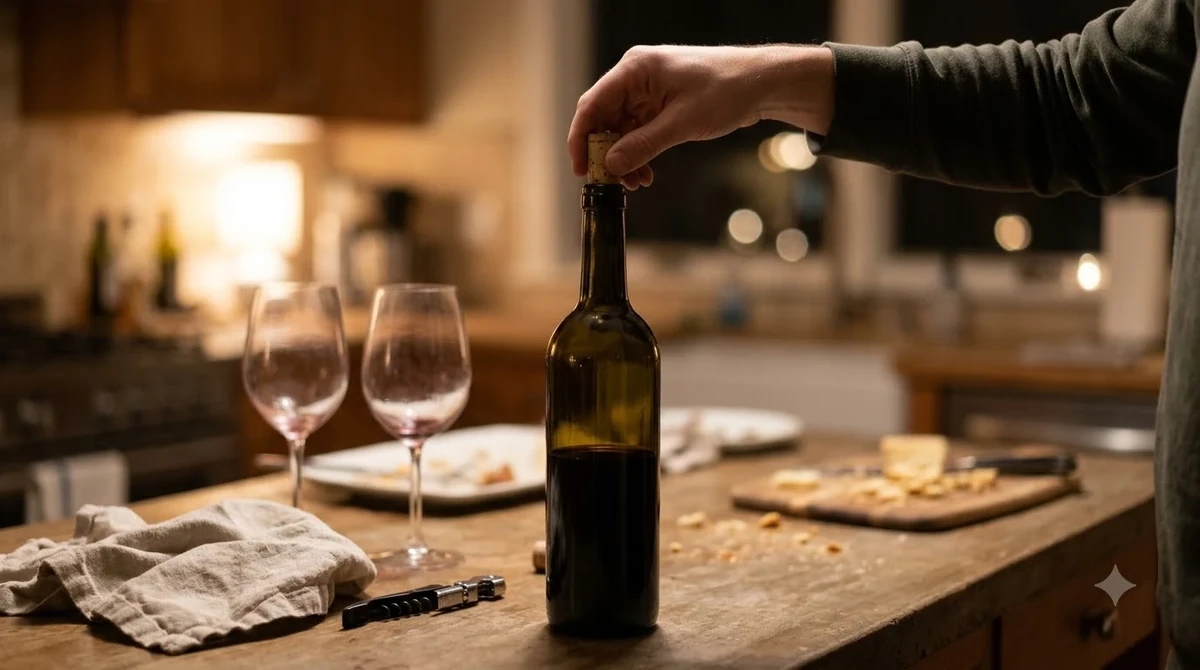
Once a bottle has been opened, storage becomes more important. Still wines generally keep for around three to five days in the refrigerator when properly resealed. Sparkling wine usually retains its best character for approximately one to three days with an appropriate sparkling-wine stopper. These are practical typical ranges, not guarantees, because exposure to oxygen and the wine’s original condition affect how long it remains enjoyable.
A vacuum stopper or suitable wine closure can help reduce air exposure. Keep unfinished white and red wine refrigerated rather than leaving it on the kitchen counter. Before serving again, allow a red wine to warm slightly toward its preferred serving temperature and bring white wine out briefly if it has become excessively cold.
For young, fuller-bodied Cabernet Sauvignon, decanting for approximately 30 to 60 minutes can help the wine open up. Lighter Pinot Noir and most fresh white wines generally do not need the same treatment. Decanting is a serving choice rather than a requirement for every bottle.
Food pairing also helps make a bottle feel like better value. Cabernet Sauvignon works well with grilled beef, lamb and aged hard cheese because protein and fat soften the perception of tannin. Merlot suits roast meats and tomato-based pasta, while Pinot Noir is a natural partner for poultry, salmon and mushroom dishes.
White wine pairing should take acidity into account. Sauvignon Blanc can complement acidic foods such as vinaigrette-dressed salads, while Chardonnay can suit richer dishes such as roast chicken with creamy sauces. Avoid pairing a strongly tannic red with delicate oily fish, where the combination can taste metallic or unpleasant.
Frequently Asked Questions
Is Decoy owned by Duckhorn?
Decoy is part of the Duckhorn wine portfolio. Its brand history began in 1985, and the winery describes its development from California sourcing partnerships into a standalone winery in 2008. The label now covers several collections and wine styles rather than a single Cabernet-focused range.
Where is Decoy wine made?
Decoy works with vineyard sources across California, including estate vineyards in Alexander Valley. Its official history also identifies a winemaking facility in Hopland, acquired in 2014. The winery’s portfolio draws on multiple growing areas rather than relying on one vineyard location for every bottle.
What does the Decoy wine label represent?
The brand’s label design introduced in 2007 was inspired by a 1930s Pintail carving by Pacific Coast decoy carver Richard Janson, also known as Fresh-Air Dick. This design helped establish a recognizable visual identity as the brand expanded beyond its original Red Blend.
Does Decoy make sparkling wine?
Yes. Decoy includes Brut Cuvée Sparkling Wine in its portfolio, alongside a Limited Brut Rosé selection. These wines provide alternatives to the brand’s still red and white bottlings and can be considered for celebrations, appetizers and seafood meals.
Can Decoy wine be used as a dinner-party gift?
Yes. The winery offers gift sets, including Decoy Limited and Featherweight collections. A regional Cabernet Sauvignon is a reasonable option for someone who enjoys structured reds, while Chardonnay or sparkling wine can suit hosts who prefer white or celebratory styles. Choosing a familiar grape variety is generally a safer approach than selecting solely by the highest listed price.
Decoy offers several approachable California wine styles, with standard bottles generally providing the most straightforward starting point and Limited selections offering more regional variety. Comparing the collection, grape and retailer is the best way to make sense of the decoy wine price before purchasing. Whether the occasion calls for Cabernet Sauvignon, Pinot Noir, Chardonnay or sparkling wine, the right bottle is the one that matches your taste, meal and spending range.
More in Wine Brands
 Underwood Wine Price: Compare Bottles, Cans, and Pack SizesUpdated Nov 21, 2026
 Zenato Wine Price: Compare Styles and Choose the Right BottleUpdated Nov 21, 2026
 Zuccardi Wine Price: Compare Bottles and Find the Right RangeUpdated Nov 21, 2026
 Yellow Tail Moscato Review: Taste, Sweetness and Serving TipsUpdated Nov 21, 2026
 Wolf Blass Yellow Label Review: Choose Your Best StyleUpdated Nov 21, 2026
 Wolffer Estate Rose Review: Choose the Right Bottle for Your TableUpdated Nov 21, 2026