

We may earn a commission when you buy through links on this page, at no extra cost to you. Learn more.
Decoy white wine is a collection of approachable, ready-to-drink California white wines produced by The Duckhorn Portfolio, anchored by flagship bottlings of Sauvignon Blanc and Chardonnay. Originally launched in 1985 as a second label to Duckhorn Vineyards, the Decoy brand expanded into white wines in 2009 and now encompasses three distinct tiers: the core California series, the appellation-designated Decoy Limited tier, and the lower-alcohol Decoy Featherweight line. These bottles deliver classic West Coast fruit character, crisp acidity, and balanced oak influence without requiring cellar aging.
Shoppers browsing the domestic wine aisle often recognize Decoy by the painted wooden duck illustration on its label. While the brand earned its early reputation through Napa Valley and Sonoma County reds, its white wines have become staples on restaurant lists and retail shelves nationwide thanks to consistent sourcing across premier California appellations.
Who Makes Decoy White Wine
Decoy white wine is crafted by The Duckhorn Portfolio, a prominent St. Helena, California wine company founded by Dan and Margaret Duckhorn in 1976. What started in 1985 as a single red blend designed to complement Duckhorn Vineyards has grown into a standalone tier that draws on estate properties and longtime grower partnerships across California.
Dan and Margaret Duckhorn originally established their reputation in Napa Valley with Bordeaux-style red wines and a debut Napa Valley Sauvignon Blanc in 1982. Three years later, in 1985, they introduced Decoy as a way to bottle expressive, fruit-forward wines meant for immediate enjoyment rather than long-term cellaring. For more than two decades, the label focused exclusively on red wine before releasing its inaugural California Sauvignon Blanc and California Chardonnay in 2009.
Today, Decoy operates with dedicated winemaking leadership—including winemaker Dana Epperson—and benefits from the broader viticultural resources of Duckhorn Vineyards and its sister estates. Fruit for the white wine program comes from a combination of estate holdings, such as the Ridgeline Vineyard property acquired in 2012, and multi-county grower contracts spanning Sonoma County, Mendocino County, Lake County, and the Central Coast. Because the winemaking team conducts dozens of separate small-lot fermentations each harvest, they can blend across cool coastal fog zones and warmer inland valleys to keep the house style reliable from vintage to vintage. Readers comparing major American producers across wine brands often look to Decoy as a benchmark for multi-appellation California blending.
The Decoy White Wine Lineup
The Decoy white wine portfolio spans six primary still bottlings divided across three tiers: the flagship California tier, the higher-elevation or coastal Decoy Limited tier, and the reduced-calorie Decoy Featherweight tier. Each tier targets a different occasion, ranging from crisp weekday pours to richer, barrel-aged dinner wines.
At the center of the catalog are the two core releases: Decoy California Sauvignon Blanc and Decoy California Chardonnay. The California Sauvignon Blanc is fermented and aged entirely in 100 percent stainless steel for roughly five to six months to preserve vibrant aromatics and brisk acidity. By contrast, the California Chardonnay spends eight to ten months in 100 percent French oak barrels—typically around 30 percent new oak—and undergoes roughly 30 percent malolactic fermentation to round out its texture without obscuring fresh orchard fruit.
Above the core line sits the Decoy Limited collection, which narrows the geographic focus to cooler, coastal appellations. The Decoy Limited North Coast Sauvignon Blanc blends grapes primarily from Sonoma and Mendocino counties—often incorporating a small splash of Viognier, such as 4 percent in recent vintages—and ages for four months in stainless steel tanks. Meanwhile, the Decoy Limited Sonoma Coast Chardonnay pulls fruit from cool sub-appellations like the Russian River Valley, Carneros, and Petaluma Gap, aging for nine months in French oak (35 percent new) with 40 percent malolactic fermentation for added weight and pastry-like complexity.
Completing the range is the Decoy Featherweight series, which includes both a California Sauvignon Blanc and a California Chardonnay. Introduced to meet growing demand for lighter, lower-alcohol options, these wines clock in at 9 percent ABV and 80 calories per five-ounce serving while still relying on California vineyard sourcing. Similar to how shoppers compare lighter domestic labels like Avaline white wine or non-alcoholic alternatives such as Ariel wine, Featherweight offers a lower-alcohol path without abandoning traditional varietal flavor.
| Wine Name | Grape Variety | Appellation | Aging & Oak | Typical ABV |
|---|---|---|---|---|
| Decoy California Sauvignon Blanc | 100% Sauvignon Blanc | California (multi-county) | 5–6 months in 100% stainless steel | 13.9% |
| Decoy California Chardonnay | 100% Chardonnay | California (multi-county) | 8–10 months in French oak (30% new) | 13.9% |
| Decoy Limited North Coast Sauvignon Blanc | 96% Sauvignon Blanc, 4% Viognier | North Coast (Sonoma & Mendocino) | 4 months in 100% stainless steel | 13.9% |
| Decoy Limited Sonoma Coast Chardonnay | 100% Chardonnay | Sonoma Coast | 9 months in French oak (35% new) | 13.9% |
| Decoy Featherweight Sauvignon Blanc | Sauvignon Blanc | California | Stainless steel (light-bodied style) | 9.0% |
| Decoy Featherweight Chardonnay | Chardonnay | California | Lightly textured, fruit-forward style | 9.0% |
Taste Profile and Winemaking Style
Across all bottlings, Decoy white wine leans toward clean, fruit-forward California character balanced by brisk natural acidity rather than heavy sweetness or aggressive oak. The stylistic goal is immediate drinkability upon release, giving each varietal clear aromatic definition from the first pour.
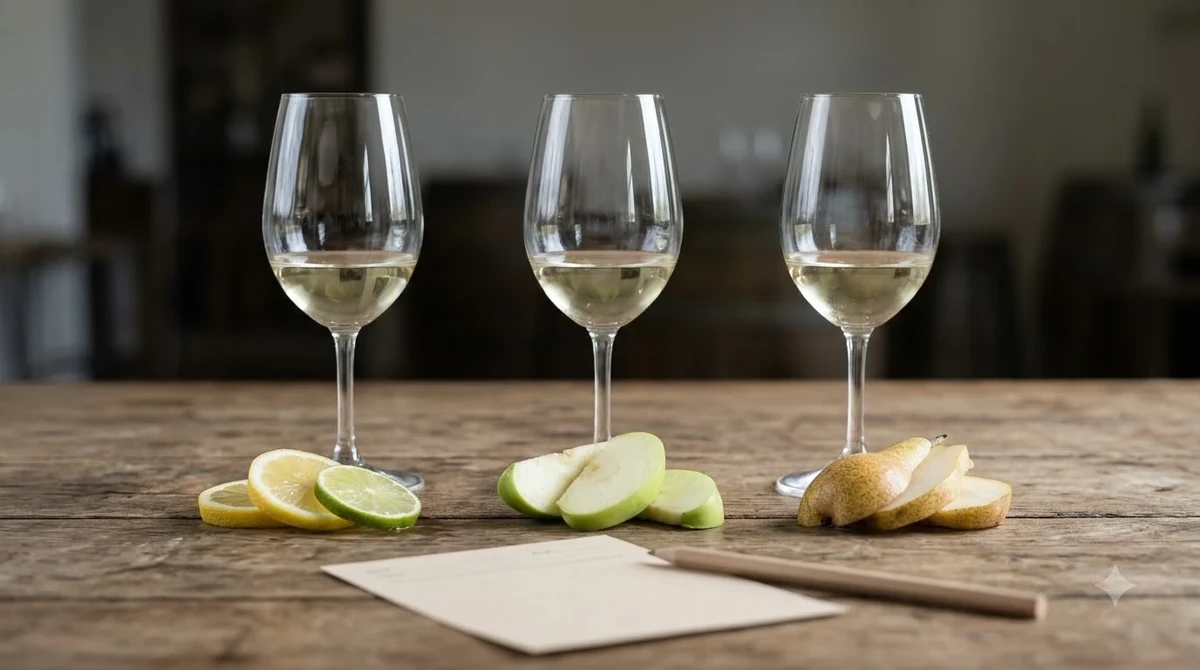
In the glass, the Decoy California Sauvignon Blanc sits squarely between zesty, citrus-driven New World styles and plush, stone-fruit-leaning California expressions. According to producer tasting notes, recent vintages open with bright aromas of Meyer lemon, pink grapefruit, lime zest, and white peach, layered over tropical hints of mango, pineapple, and kiwi. Because it sees zero oak and finishes dry with a crisp acidity around 6.15 to 6.2 grams per liter of titratable acidity, the palate feels lively and mouthwatering rather than grassy or overly pungent. Reviewers at Decoy and major wine publications frequently highlight its clean mineral snap and citrus-blossom finish.
The Decoy California Chardonnay takes a rounder, more textured approach while avoiding the heavy, syrupy butteriness found in some warm-climate California Chardonnays. Partial malolactic fermentation—kept at 30 percent—softens sharp malic acids just enough to create a silky mid-palate, while 30 percent new French oak contributes gentle accents of vanilla, crème brûlée, and baking spice. Core fruit flavors center on ripe tangerine, white peach, yellow apple, and summer melon. Stepping up to the Limited Sonoma Coast Chardonnay amplifies those coastal orchard notes with white nectarine, toasted hazelnut, and a richer, mouthcoating finish.
How to Serve and Pair Decoy White Wine
Serving Decoy white wine at the right temperature ensures that its fruit aromatics remain expressive without letting its 13.9 percent alcohol feel warm on the finish. Because these wines are bottled for youthful freshness, they require no decanting and pair effortlessly with weeknight meals and warm-weather menus.
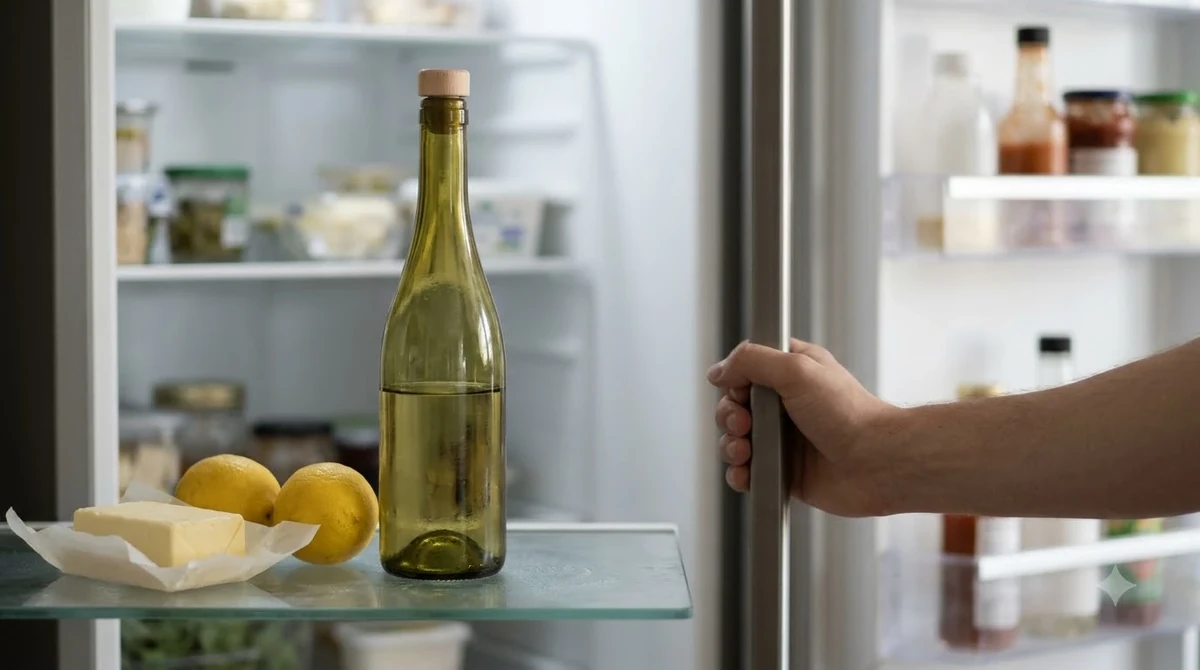
For the Sauvignon Blanc and Featherweight bottlings, aim for a crisp refrigerator chill between 45°F and 50°F. Serving them cold accentuates the zesty lime, grapefruit, and green apple notes while keeping the finish brisk. Pouring into a standard medium-bowled white wine glass directs citrus and tropical aromas toward the nose without warming the wine too quickly. For the oak-aged California Chardonnay and Limited Sonoma Coast Chardonnay, let the bottle warm slightly out of the refrigerator to roughly 50°F to 55°F so the French oak spice, vanilla, and stone-fruit layers can open up fully.
At the table, Decoy Sauvignon Blanc thrives alongside bright, acid-driven, or herbaceous dishes. Its high acidity cuts cleanly through rich goat cheese, fresh chèvre flatbreads, ceviche with lime and cilantro, grilled shrimp skewers, and spring salads dressed in lemon vinaigrette. Meanwhile, Decoy Chardonnay pairs naturally with richer poultry and seafood preparations. Roast chicken with herbs, seared scallops, Dungeness crab cakes, grilled salmon, and creamy pasta dishes mirror the wine’s rounded texture and subtle toasted-oak notes.
Tip: Chill Decoy Sauvignon Blanc for at least two hours before opening, then pull Decoy Chardonnay out of the fridge 15 minutes before pouring so the oak spice and stone fruit aromas show clearly.
Who Decoy White Wine Suits Best
Decoy white wine is tailored for drinkers who want reliable, well-balanced California varietals backed by a heritage Napa Valley producer without splurging on single-vineyard cellar bottles. Its approachable profile bridges the gap between everyday supermarket labels and high-end restaurant selections.
Wine drinkers who enjoy crisp, aromatic whites without aggressive herbaceousness will find the California Sauvignon Blanc especially appealing, as its blend of coastal and inland California fruit favors citrus and stone fruit over sharp green pepper notes. Similarly, Chardonnay fans who dislike overly oaked, heavy styles tend to appreciate Decoy’s restrained use of 30 percent new French oak and partial malolactic fermentation. For hosts planning dinner parties, weddings, or casual gatherings where guests have varied palates—similar to the crowd-pleasing appeal of 14 Hands Hot to Trot wine—Decoy offers recognizable varietals that pair across diverse menus.
Finally, the Featherweight tier gives mindful drinkers a credible option when moderating alcohol or calorie intake. At 9 percent ABV and 80 calories per glass, it suits weekday lunches, outdoor afternoon events, or anyone seeking a lighter pour that still tastes unmistakably like California Sauvignon Blanc or Chardonnay.
Frequently Asked Questions
Is Decoy white wine sweet or dry?
Decoy white wines are made in a dry style. While ripe California fruit flavors like white peach, mango, and mandarin give the wines a lush, juicy impression on the mid-palate, technical sheets show very low residual sugar—around 2.0 grams per liter for the Chardonnay—and crisp acidity that leaves a clean, dry finish.
Who owns and produces Decoy white wine?
Decoy is produced by The Duckhorn Portfolio, a St. Helena, California wine company founded by Dan and Margaret Duckhorn in 1976. Originally created in 1985 as a companion red wine label to Duckhorn Vineyards, Decoy added white wines in 2009 and remains a core part of the Duckhorn family of wineries.
Does Decoy Chardonnay taste oaky or buttery?
Decoy California Chardonnay has a lightly oaked, balanced profile rather than a heavy, buttery style. Winemakers age the wine for eight to ten months in French oak barrels using only 30 percent new oak and 30 percent malolactic fermentation, which adds gentle notes of vanilla and baking spice while keeping bright citrus and apple flavors front and center.
How long does an opened bottle of Decoy white wine last?
Once opened, tightly recorked, and stored upright in the refrigerator, Decoy Sauvignon Blanc and Chardonnay stay fresh for three to five days. The stainless-steel-aged Sauvignon Blanc retains its bright citrus snap best during the first three days, while the lightly oaked Chardonnay holds its texture slightly longer when kept cold.
Whether you reach for the stainless-steel-aged Sauvignon Blanc, the lightly oaked Chardonnay, or a lower-alcohol Featherweight bottle, Decoy white wine delivers consistent California fruit and food-friendly acidity. Checking the appellation and tier on the front label makes it easy to match the right bottle to your menu and serving occasion.
More in Wine Brands
 Underwood Wine Price: Compare Bottles, Cans, and Pack SizesUpdated Nov 21, 2026
 Zenato Wine Price: Compare Styles and Choose the Right BottleUpdated Nov 21, 2026
 Zuccardi Wine Price: Compare Bottles and Find the Right RangeUpdated Nov 21, 2026
 Yellow Tail Moscato Review: Taste, Sweetness and Serving TipsUpdated Nov 21, 2026
 Wolf Blass Yellow Label Review: Choose Your Best StyleUpdated Nov 21, 2026
 Wolffer Estate Rose Review: Choose the Right Bottle for Your TableUpdated Nov 21, 2026