


We may earn a commission when you buy through links on this page, at no extra cost to you. Learn more.
This cupcake moscato review finds that Cupcake Vineyards Moscato is a sweet, fruit-forward California white wine suited to casual sipping, fruit desserts, and drinkers who prefer an approachable alternative to dry white wines. Its main flavors include peach, honey, pear, and tropical fruit, with floral aromas and a gentle sparkle. The standard California bottling has 10% alcohol by volume and comes in a 750 ml bottle, making it a straightforward option for people who enjoy noticeably sweet wine rather than crisp, bone-dry styles.
Cupcake Vineyards makes several wines under the Moscato name, so identifying the exact bottle matters before buying. The standard California Moscato is different from the brand’s Italian Moscato d’Asti, which has a separate origin and a more distinctly sparkling presentation. This guide focuses primarily on the California bottling, explaining its flavor profile, sweetness, alcohol content, food compatibility, and practical buying considerations.
Who Should Choose Cupcake Moscato?
Cupcake Moscato is a suitable choice for people who enjoy sweet white wine with recognizable fruit flavors and a relatively uncomplicated drinking experience. Its peach, honey, pear, and tropical-fruit character makes it particularly appealing to beginners and drinkers who find dry Sauvignon Blanc or sharply acidic whites too austere.
The producer describes its California Moscato as sweet and smooth, with peach and honey notes. Its winemaking explanation also identifies the use of grapes from warmer California growing conditions for ripeness and cooler conditions for a fruit-forward character. That combination supports the wine’s accessible, ripe-fruit style rather than a lean, mineral-driven profile.
Several types of drinkers may find this bottle appealing:
- Sweet-wine beginners: The noticeable fruit and honey character makes the wine easier to understand than a complex, dry white with pronounced acidity or oak.
- Casual entertainers: Its approachable flavor profile suits informal gatherings, outdoor meals, and occasions where guests have different levels of wine experience.
- Fruit-dessert enthusiasts: Peach, pear, berries, and fruit tarts complement the wine’s naturally sweet character.
- Drinkers who dislike tannins: As a white Moscato, it does not have the drying tannin sensation associated with red wines such as Cabernet Sauvignon.
- People seeking moderate-strength wine: The standard California bottle’s listed 10% ABV is lower than many conventional table wines that contain around 12% to 15% alcohol.
However, this is not necessarily the right purchase for everyone. Someone who prefers mineral-driven Chablis, crisp Pinot Grigio, or bone-dry Sauvignon Blanc may find its sweetness excessive. Likewise, drinkers looking for substantial oak, complex aging characteristics, or a long, structured finish should consider a different category.
The distinction between sweetness and quality is important. A sweet wine is not automatically inferior to a dry one, but its intended drinking experience is different. Cupcake Moscato prioritizes approachable fruit, sweetness, and easy serving rather than the layered structure expected from more serious dry white wines.
Key Factors to Compare Before Buying
The most useful buying criteria are sweetness, fruit character, alcohol level, bottle format, and the distinction between California Moscato and Italian Moscato d’Asti. Comparing these details helps prevent confusion between products that share the same brand name but deliver different drinking experiences.
For the standard California bottling, the producer’s tasting description and retailer product information provide a consistent picture: a sweet white with peach and honey character, tropical fruit, and a relatively approachable alcohol level.
| Buying factor | Standard California Moscato | What it means |
|---|---|---|
| Wine category | White Moscato | Fruit-forward white wine |
| Origin | California, USA | American-produced bottling |
| Bottle size | 750 ml | Approximately five 5-ounce pours |
| Alcohol by volume | 10% | Moderate-strength wine |
| Calories | 130 per 5 fl oz | Producer’s average nutritional analysis |
| Carbohydrates | 11 g per 5 fl oz | Producer’s average nutritional analysis |
| Sweetness | Sweet | Better for sweet-wine preferences |
| Main flavor notes | Peach, honey, pear, tropical fruit | Ripe-fruit-focused profile |
| Texture | Soft and smooth | Approachable rather than austere |
| Serving approach | Chilled | Suitable for refreshing casual pours |
The 10% ABV figure comes from ShopRite’s product information, while the calorie and carbohydrate figures come from Cupcake Vineyards’ own nutritional analysis. These are useful reference points, but the nutritional figures should not be treated as universal measurements for every bottle or serving size.
Another important consideration is the difference between sweetness and fruit aroma. A wine can smell like peaches and pears without necessarily tasting sugary. In this case, Cupcake explicitly describes the California wine as sweet, so buyers should expect noticeable residual sweetness rather than a dry wine that simply has fruity aromas.
For a more detailed look at the product itself, including its identifying characteristics and variations, see our guide to Cupcake Moscato. It is particularly useful if a retailer lists multiple Cupcake Moscato products and the bottle descriptions are not immediately clear.
Finally, the 750 ml format is a standard wine bottle. Using the conventional 5-ounce serving, it provides approximately five glasses. This makes it suitable for a small gathering, although the actual number of pours depends on glass size and serving habits.
Step-by-Step: How to Evaluate and Buy Cupcake Moscato
A sensible buying process starts with identifying the correct bottling and then evaluating its sweetness, alcohol level, and intended use. These steps are especially helpful because Cupcake sells more than one Moscato variation.
-
Identify the California bottle.
Start by looking for the standard Cupcake Vineyards Moscato marked as California. Do not automatically assume that every bottle carrying the Cupcake Moscato name has the same origin, alcohol level, or sparkling character.
-
Separate it from Moscato d’Asti.
Cupcake also makes an Italian Moscato d’Asti from grapes grown in the Asti area of Piedmont. This is a separate wine with its own product identity. If you want the standard California wine, choose that specific listing rather than the Italian sparkling-style alternative.
-
Confirm the alcohol percentage.
The standard California Moscato is listed at 10% ABV by ShopRite. This figure is useful when comparing bottles with different strengths. Do not assume that the Italian Moscato d’Asti has the same alcohol percentage.
-
Read the flavor description.
Look for peach, honey, pear, and tropical fruit. These are the central characteristics associated with the California bottle. If you prefer citrus-driven or green-apple flavors with a dry finish, this may not match your preferences.
-
Decide how you intend to serve it.
For casual sipping, serve it chilled. For food, consider fruit, mild cheeses, lightly spiced dishes, and simple desserts. A bottle intended for dessert pairing may not be the most suitable choice for a dry, savory seafood meal.
-
Check bottle availability and product identity.
Retailers can list different Cupcake products in the same category. Compare the bottle name, origin, and product description before completing a purchase. This is more reliable than choosing based on the brand name alone.
-
Plan the quantity.
A 750 ml bottle contains approximately five standard 5-ounce pours. For a gathering of six adults, for example, one bottle will not provide a full standard glass for everyone.
Tip: If the bottle is intended for someone who specifically enjoys sweet wine, the standard California Moscato is the straightforward choice. If that person prefers gentle bubbles and an Italian origin, compare it with Cupcake Moscato d’Asti before deciding.
These steps also help avoid a common shopping problem: assuming that all Moscato wines are interchangeable. The grape family is broad, and the finished wines can vary substantially in sweetness, carbonation, alcohol strength, and regional character.
For shoppers who want to compare the brand with other approachable sweet wines, our Barefoot Moscato overview offers another useful reference point. Comparing the descriptions side by side is a practical way to identify whether you prefer one producer’s interpretation of the Moscato style.
Types and Styles of Cupcake Moscato Explained
Cupcake’s Moscato range includes different expressions that should be evaluated individually rather than treated as one wine. The standard California Moscato and Italian Moscato d’Asti are particularly important distinctions because they differ in origin, presentation, and intended drinking experience.
Standard California Moscato
The standard California bottling is the main focus of this review. Cupcake describes it as sweet and smooth, with peach and honey notes. Retailer descriptions add pear, tropical fruit, and floral aromas, producing an overall profile that emphasizes ripe fruit rather than mineral or herbal complexity.
The producer explains that its California Moscato combines grapes from warmer and cooler growing conditions. Warmer conditions contribute ripeness, while cooler conditions help retain the desired sweet, fruit-forward character. This provides useful context for understanding the wine’s approachable style.
ShopRite lists the standard bottling at 10% ABV and identifies it as a 750 ml California wine. Cupcake’s nutritional information gives 130 calories and 11 grams of carbohydrates per 5-ounce serving. Those details make it relatively easy to identify when shopping online or comparing retailer listings.
Its strongest appeal is simplicity. It is designed for people who want a recognizably sweet white wine without having to understand complicated regional classifications or winemaking terminology. It is particularly suitable for relaxed occasions where a chilled glass and familiar fruit flavors are more important than intricate tasting characteristics.
Cupcake Moscato d’Asti
Cupcake’s Moscato d’Asti is a separate Italian wine associated with hillside vineyards in Asti, Piedmont. The producer describes it as effervescent and smooth, with nectarine and honey notes.
The difference is not merely a change in the wording on the bottle. Moscato d’Asti is a specific Italian wine style, traditionally associated with gentle carbonation and a sweet, aromatic profile. Its production and regional identity distinguish it from a standard California Moscato.
Cupcake recommends pairing its Moscato d’Asti with fruit tart. That suggestion makes sense because the wine’s sweet fruit character can complement ripe fruit and pastry without being overwhelmed by excessively rich flavors.
Buyers should also understand that Moscato d’Asti is not the same as a fully sparkling Champagne or traditional-method Cava. Its characteristic gentle effervescence provides a different texture and drinking experience.
Peach Moscato and Other Sweet Alternatives
Cupcake also lists a separate Peach Moscato in its wine portfolio. Its existence matters because shoppers who enjoy peach-forward wine may encounter several products that sound similar in retailer search results.
The standard California Moscato already includes peach as a central flavor note, but that does not mean it is identical to the Peach Moscato product. A specific flavor variation should be assessed using its own producer description and bottle details rather than assuming the same composition or sweetness level.
For a broader introduction to the different products and producers in this category, the Wine Brands resource can help place Cupcake within the wider selection of commercially available wine labels.
Common Mistakes When Buying and Drinking Cupcake Moscato
The most frequent mistakes involve confusing the two main Cupcake Moscato styles, expecting a dry wine, or serving the bottle at an unsuitable temperature. Understanding these issues makes it easier to enjoy the wine for the characteristics it actually offers.
Assuming Every Moscato Is Dry
Some drinkers associate white wine with crisp acidity and little noticeable sweetness. That expectation does not fit the standard Cupcake Moscato. The producer explicitly describes the California wine as sweet, and its peach and honey notes reinforce its ripe-fruit presentation.
Someone who prefers dry white wines may find this style too sweet for an everyday dinner. In that situation, a Sauvignon Blanc or dry Pinot Grigio may be a better starting point. The important distinction is the desired level of sweetness, not whether one style is inherently superior.
Confusing California Moscato with Moscato d’Asti
This is one of the most important shopping mistakes to avoid. The California wine and Italian Moscato d’Asti have different regional identities. Cupcake describes the California version as sweet and smooth, while its Italian counterpart is described as effervescent and smooth.
Buyers who specifically want a gently sparkling Italian wine should select the Moscato d’Asti. Those who want the standard California bottle should look for its California designation instead.
Serving It Too Warm
Sweet white wine can taste heavier when served too warm. Higher temperatures make the perception of sweetness more pronounced, potentially reducing the refreshing impression that makes Moscato attractive in the first place.
For the California bottle, a chilled serving is the practical starting point. Light sweet whites are generally enjoyable around 45°F to 50°F. This temperature range helps retain freshness while allowing the peach, pear, and honey aromas to remain noticeable.
Pairing It with Overly Rich Chocolate Desserts
Not every sweet wine works with every dessert. A delicate Moscato can seem less flavorful beside an intensely rich chocolate cake or chocolate torte. Wine Folly makes this distinction in its sweet-wine pairing guidance, recommending fruit, caramel, vanilla, and coconut desserts as more suitable options for delicate Moscato styles.
A better approach is to match the intensity of the dessert with the wine. Fresh berries, peach tart, fruit salad, and light vanilla cake are sensible starting points. A dessert that is substantially sweeter than the wine can also make the wine taste less sweet and less expressive.
Expecting Complex Oak or Tannin
Cupcake Moscato is not intended to reproduce the structure of an aged Chardonnay or a tannic red wine. It is an aromatic, sweet white whose primary appeal is fruit expression. Buyers expecting pronounced oak, smoky barrel notes, or a drying tannin finish may be disappointed.
Understanding the intended category is therefore essential. Moscato should be evaluated according to its own style rather than judged by the standards of an unrelated wine.
Serving, Food Pairing, and Storage Tips
Cupcake Moscato is best enjoyed chilled, with food choices that complement its sweetness and fruit aromas. A few straightforward serving and storage practices can help preserve its refreshing character after opening.
Recommended Serving Temperature
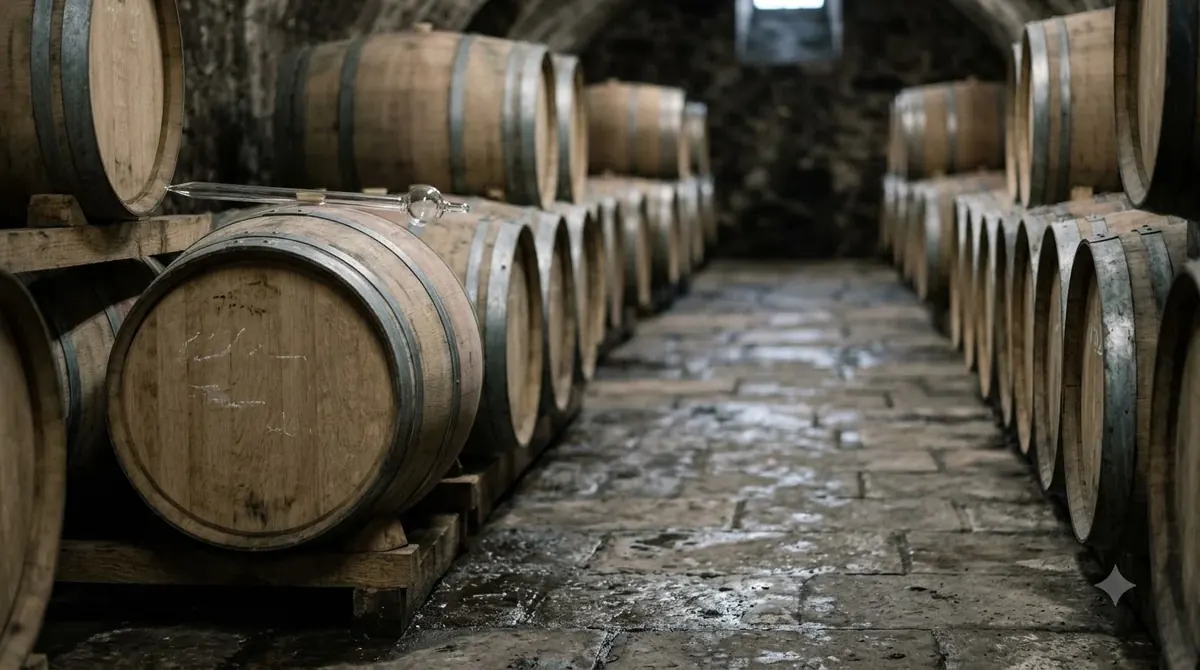
A serving temperature of approximately 45°F to 50°F is a useful starting point for this sweet white wine. Refrigerate the bottle before serving, then pour into white wine glasses rather than using an oversized red wine glass.
Serving the wine too cold can temporarily suppress its aromas, while serving it too warm can make its sweetness seem heavier. Allowing a very cold glass a few minutes to warm slightly can help reveal the peach and honey characteristics.
Food Pairings That Work Well
The most reliable food pairings complement the wine’s sweetness instead of fighting it. Fruit-based dishes, lightly seasoned poultry, salty snacks, and mild cheeses provide several useful possibilities.
- Fresh berries: Strawberries, raspberries, blueberries, and blackberries echo the fruity character of the wine.
- Peach desserts: Peach cobbler, fruit tart, and peach pastries complement the wine’s stone-fruit profile.
- Vanilla cake: A lightly sweet cake provides a gentle match without overwhelming the wine.
- Soft cheeses: Mild creamy cheeses provide a pleasant contrast with the wine’s sweetness.
- Spicy chicken: Moderately spicy chicken dishes can work well with sweet white wine.
- Salty appetizers: Salted nuts and savory snacks create a useful sweet-salty contrast.
Wine Folly’s sweet-white pairing recommendations include spicy foods, salty dishes, light meats, and sweet sauces. Its guidance also emphasizes avoiding chocolate-heavy desserts when the wine is delicate. The full Wine Folly guide to pairing sweet white wines provides additional examples that can help when planning a meal.
One useful principle is to match dessert sweetness carefully. The wine should be at least as sweet as the dessert. Otherwise, a sugary pastry can make the wine seem comparatively sour or thin.
For savory dishes, sweetness can create a pleasing contrast with salt and moderate chili heat. However, particularly intense chili dishes can still make alcohol feel more pronounced. Keep the seasoning moderate if the aim is to enjoy the wine’s delicate fruit character.
Storage Before and After Opening
Unopened Moscato should be stored away from direct sunlight and large temperature fluctuations. A cool, dark storage area is preferable to a warm kitchen counter or a shelf beside an oven.
For longer storage, a consistent temperature near 55°F is a useful general wine-storage target. Bottles with traditional cork closures are commonly stored on their sides to help keep the cork from drying out. A bottle intended for casual consumption does not need elaborate cellar equipment, but stable conditions remain preferable.
After opening, reseal the bottle and place it in the refrigerator. A reasonable guideline for opened still wine is approximately three to five days, although aromatic sweetness and freshness may change before that period ends. If the bottle is noticeably sparkling, its carbonation can diminish more quickly.
Because Moscato is valued for its fresh fruit and floral character, it is generally more enjoyable while its aromas remain lively. Avoid leaving an opened bottle exposed to air for extended periods.
Frequently Asked Questions
Is Cupcake Moscato made from Muscat grapes?
Cupcake categorizes its product as Moscato, a wine style associated with the Muscat grape family. The standard California product page does not provide a detailed grape-variety breakdown or a precise percentage for every grape used. The Moscato name identifies the wine category, but it should not be treated as a complete technical specification of the blend.
Does Cupcake Moscato need to be decanted before serving?
No traditional decanting is generally necessary for a young, fruit-forward Moscato. Unlike some young full-bodied red wines, it does not require a 30-to-60-minute aeration period to soften substantial tannins. Opening the bottle, chilling it appropriately, and pouring it into a clean glass are normally sufficient.
What type of glass is best for Cupcake Moscato?
A standard white wine glass is a practical choice because its bowl provides room for peach, pear, and floral aromas to collect. A smaller tulip-shaped glass is another suitable option, particularly for the gently sparkling Moscato d’Asti. A Champagne flute is not essential for the standard California Moscato.
Can Cupcake Moscato be used in a wine cocktail?
Yes. Its sweet fruit profile can work in simple wine cocktails featuring fresh berries, sliced peaches, or citrus peel. Avoid adding too much sweetened mixer because the wine already has noticeable sweetness. For a lighter presentation, use chilled sparkling water and fresh fruit rather than a heavily sweetened beverage base.
Is Cupcake Moscato intended for long-term wine aging?
It is better approached as a fresh, fruit-forward wine for relatively early consumption rather than a bottle purchased for extended cellar aging. The producer emphasizes concentrated fruit aromas and a sweet, approachable profile rather than a stated long-term aging program. Keeping the bottle cool and protected from light helps preserve its intended character before opening.
Overall, Cupcake Moscato is a sensible option for drinkers who want a sweet California white with peach, honey, pear, and tropical-fruit character. Its 10% ABV and approachable style make it particularly suitable for casual occasions, fruit desserts, and people who prefer sweet wine to dry whites. Choose the standard California bottling for that experience, or consider Cupcake Moscato d’Asti if a gently effervescent Italian alternative better matches your preferences.
More in Wine Brands
 19 Crimes Cali Red Price: What to Expect and How to BuyUpdated Nov 21, 2026
 Louis Latour Wine Price: Compare Bottles by Style and TierUpdated Nov 20, 2026
 Yellow Tail Moscato Price: What to Expect Before You BuyUpdated Nov 20, 2026
 Sutter Home Sweet Red Review: Find the Right Food PairingsUpdated Nov 20, 2026
 Franzia Chillable Red Review: Find the Right Serving StyleUpdated Nov 20, 2026
 Veuve Clicquot Rose Review: Flavor, Food Pairings and Buying AdviceUpdated Nov 20, 2026