

We may earn a commission when you buy through links on this page, at no extra cost to you. Learn more.
Cristom wine comes from Cristom Vineyards, an Oregon estate near Salem in the Eola-Amity Hills, best known for single-vineyard Pinot Noir. The winery was founded in 1992 and grows its fruit on about 102 acres split across several named vineyards, which gives its bottles a clear sense of place within the Willamette Valley.
Cristom is one of the names that Oregon wine lovers bring up when they want a Pinot Noir that shows where it was grown. This guide explains who founded the winery, where the vines grow, what the main styles taste like, and how to serve and pair the wines. The aim is to help you understand the bottle in front of you rather than chase a label.
Who Founded Cristom and How It Started
Cristom was founded by Paul and Eileen Gerrie, a Pittsburgh engineer and his wife. Paul had become interested in the French idea of terroir, the notion that a wine reflects its specific site, and he chose Oregon after visiting the region in 1991. A consultant helped the couple look for land, and in 1992 they bought the site of an abandoned winery in the Spring Valley area of Polk County. That purchase became the estate, and the first vintage was made the same year.
The estate’s name combines the first names of the couple’s children. That detail is a small reminder of how personal the project was from the start. The early years were a period of learning how a cool-climate site behaves, and the winery’s first winemaker, Steve Doerner, who came from California, became a long-serving head winemaker and later a partner. Continuity in the winemaking team has helped the estate keep a consistent approach as its vineyards matured.
For a buyer, the history matters because it explains why the estate looks the way it does today. The decision to buy a site rather than source grapes from many growers is a commitment to the land, and it gives the winery direct control over how each block is farmed and harvested. The winery built its reputation on a clear idea of what a vineyard should give to a wine, and that idea has guided its decisions since the first harvest.
Where the Vines Grow
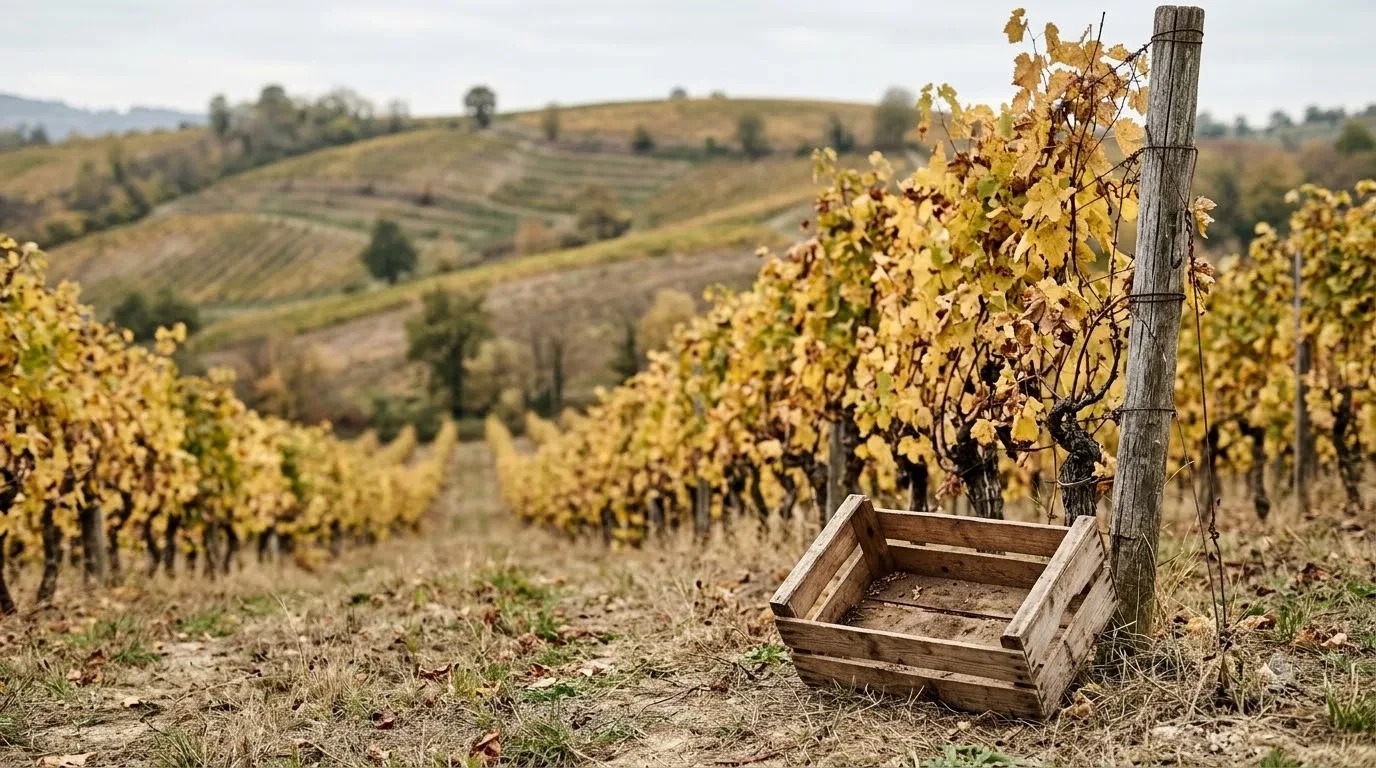
The estate sits near Salem, Oregon, within the Eola-Amity Hills American Viticultural Area, one of the nested appellations inside the larger Willamette Valley. The vineyard holdings cover about 102 acres across eight separate vineyards. Six of those are named after family matriarchs, a choice that reflects the family’s history as much as the land.
Differences in elevation, slope, and soil between these vineyards are central to how the wines are made. The highest-elevation vineyard is named for Eileen Gerrie, and the estate uses separate blocks rather than blending everything together. This is the practical heart of the winery’s approach: a single vineyard can express a particular set of conditions, and comparing two of them side by side is one of the most useful ways to learn about Oregon Pinot Noir.
The vineyard named for Paul Gerrie’s mother, Marjorie, was the only one of the estate’s sites not replanted after the purchase, so its vines carry a different history from the rest of the estate. Those details rarely appear on a label, but they help explain why each block can taste distinct even when the grape and the winemaker stay the same.
Pinot Noir and the Other Styles
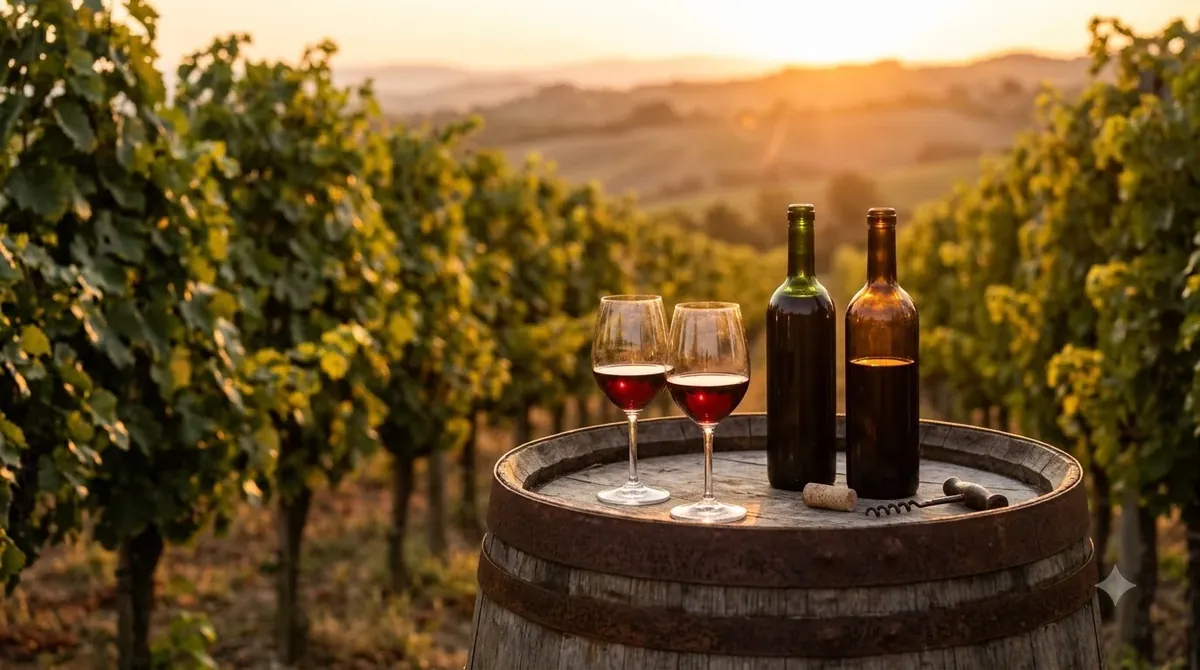
Pinot Noir is the winery’s best-known wine, and it is the basis of its single-vineyard bottlings. A typical Oregon Pinot Noir tends to be medium-bodied, with red fruit, savory earth, and fine, silky tannins. Cristom also grows Syrah and Viognier, which are less common in the region, along with Chardonnay and Pinot Gris. Those extra varieties show that the estate is willing to try different grapes where the site suits them.
The Willamette Valley as a whole is built around Pinot Noir. The Oregon Wine Board’s Willamette Valley overview describes the grape as the flagship variety of the region, with Pinot Gris, Pinot Blanc, Chardonnay, and Riesling also widely planted. A bottle from Cristom is therefore a good way to see how one estate interprets the region’s signature red.
| Wine type | Typical character | Good with |
|---|---|---|
| Pinot Noir | Medium-bodied red with red fruit, earth, and fine tannin | Roast chicken, salmon, mushroom dishes |
| Syrah | Darker, spicier red, less common in the valley | Grilled meats, smoky or herbal dishes |
| Viognier and Chardonnay | Aromatic or balanced whites with texture and fruit | Seafood, creamy pasta, soft cheeses |
Tip: If you are trying Cristom for the first time, compare two bottles from different named vineyards. The difference in fruit and texture is often easier to notice side by side than in a single glass.
How to Serve and Pair Cristom Wine
Pinot Noir is best served slightly cooler than room temperature. That keeps the fruit lively and the tannins soft, and it helps the wine feel fresh with food. Chardonnay and Viognier benefit from a cool but not icy serve, so the aromas open without the wine tasting flat. A few minutes in the glass often shows more of the wine than the first sip.
For pairing, start with weight and texture. Pinot Noir works with dishes that have earthy or savory notes, from mushrooms to roast poultry. Syrah handles smoke and char, while lighter whites suit seafood and cream-based sauces. For a broader look at how producers approach style and food, the wine brands section offers useful context.
Cristom sits in a different category from mass-market names. If you want a point of comparison, Barefoot wine is aimed at a broader, lower-complexity market, and sparkling buyers may find La Marca Prosecco a useful reference for a lighter style. The right choice depends on whether you want a site-driven Oregon red or an easy everyday bottle.
How to Choose a Cristom Bottle
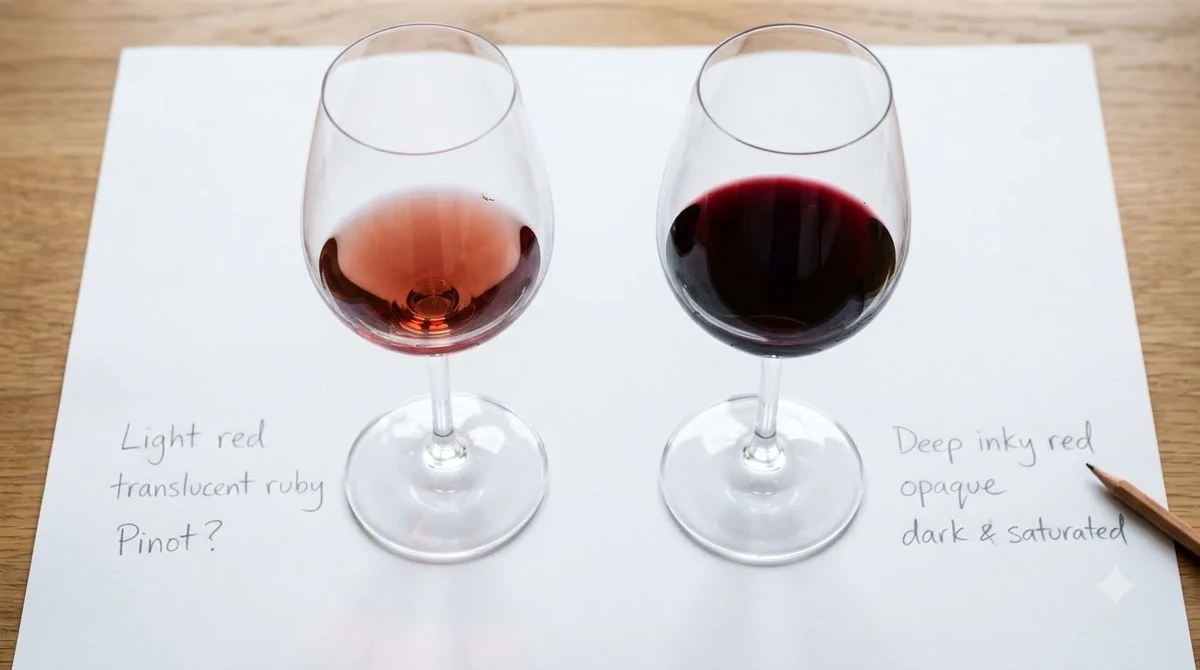
When you browse for a Cristom bottle, the vineyard name matters more than the vintage alone. Single-vineyard wines show the character of one site, so they can differ noticeably from the estate’s blended or broader releases. If you like bright, red-fruited Pinot Noir, look for a site known for fresh acidity. If you prefer deeper, more structured wines, a site with more concentrated fruit may suit you better.
Vintage conditions also shape each year’s wine. Oregon weather can vary from one season to the next, so a cool, long growing season may produce a lighter, more tightly structured bottle, while a warmer year may bring more ripe fruit. Reading the producer’s notes or a critic’s summary for a specific vintage will tell you more about what to expect than a general description of the estate.
Frequently Asked Questions
Where is Cristom wine made?
Cristom Vineyards is located near Salem, Oregon, in the Eola-Amity Hills area of the Willamette Valley. The estate grows its fruit across several named vineyards in that region.
What is Cristom best known for?
The winery is best known for single-vineyard Pinot Noir. It also grows Syrah, Viognier, Chardonnay, and Pinot Gris, which gives the estate a wider range than many producers in the valley.
Who founded Cristom Vineyards?
Paul and Eileen Gerrie founded the winery. They bought the estate site in 1992, the year of the first vintage, and the name combines the first names of their children.
Is Cristom a good wine for a gift?
It can be, especially for someone who enjoys Oregon Pinot Noir. A bottle from a named vineyard often makes a thoughtful choice for a wine lover who appreciates regional character and site-driven wines.
If you are exploring Oregon wine, Cristom is a good place to start. Choose a Pinot Noir, pay attention to the vineyard name on the label, and compare it with another bottle from a different site to see how the same grape changes across the region.
More in Wine Brands
 Underwood Wine Price: Compare Bottles, Cans, and Pack SizesUpdated Nov 21, 2026
 Zenato Wine Price: Compare Styles and Choose the Right BottleUpdated Nov 21, 2026
 Zuccardi Wine Price: Compare Bottles and Find the Right RangeUpdated Nov 21, 2026
 Yellow Tail Moscato Review: Taste, Sweetness and Serving TipsUpdated Nov 21, 2026
 Wolf Blass Yellow Label Review: Choose Your Best StyleUpdated Nov 21, 2026
 Wolffer Estate Rose Review: Choose the Right Bottle for Your TableUpdated Nov 21, 2026