

We may earn a commission when you buy through links on this page, at no extra cost to you. Learn more.
Crete wine tasting introduces visitors to Greece’s indigenous grape varieties, historic wine regions and distinctive Mediterranean wines, including aromatic Vidiano whites, herbal Dafni and characterful Liatiko reds. The island’s vineyards stretch across four regional districts, from western Chania to eastern Lasithi. Visitors can explore established appellations such as Peza, Archanes, Dafnes and Sitia while discovering how altitude, limestone soils and sea breezes shape each bottle. A good tasting combines local wines with traditional Cretan food and offers an introduction to one of Europe’s oldest continuing winemaking traditions.
Crete offers a wine experience that differs considerably from the better-known vineyards of mainland Greece. Its local grapes, mountain landscapes, family-run wineries and centuries-old agricultural traditions give visitors plenty to explore. Rather than concentrating exclusively on familiar international varieties, a Cretan tasting introduces grapes that may be difficult to find elsewhere, including Plyto, Dafni, Kotsifali and Liatiko. Understanding the island’s geography and appellations makes it easier to choose worthwhile winery visits and recognize the characteristics of the wines in your glass.
Crete’s Wine Heritage and Vineyard Geography
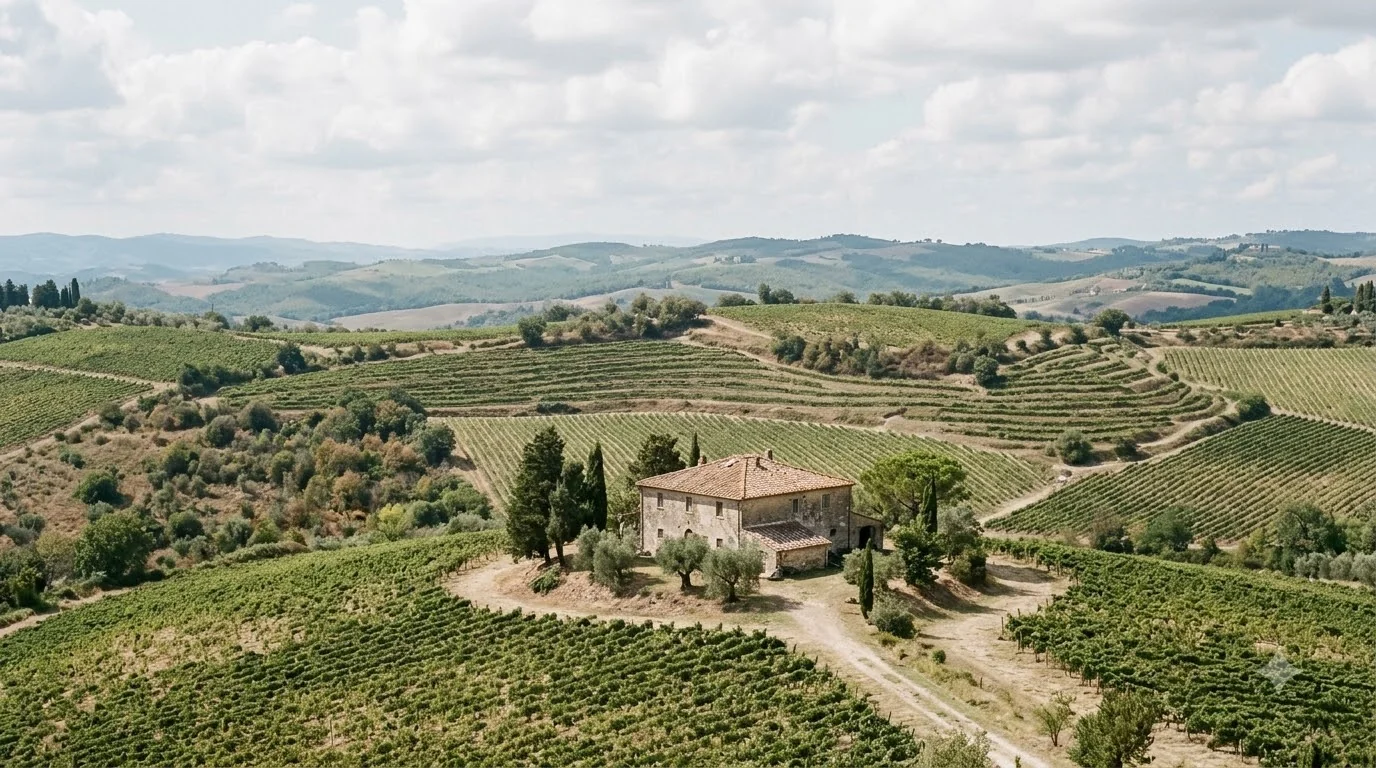
Crete combines an ancient winemaking tradition with a diverse modern vineyard landscape. Its Mediterranean climate, coastal breezes and mountainous interior help produce wines with different levels of freshness, body and aromatic intensity.

Crete is Greece’s largest island, occupying a strategic position in the southern Aegean Sea. Wine production has been part of its agricultural culture since Minoan times. Archaeological discoveries, including ancient wine presses and storage vessels, demonstrate the importance of wine in the island’s early communities. Sites around Archanes and Zakros are particularly relevant to this history. The remains of stone and clay presses provide tangible evidence of winemaking practices that developed thousands of years ago.
The island’s wine landscape is not uniform. Coastal vineyards experience Mediterranean maritime influences, while inland vineyards benefit from cooler conditions at higher elevations. The mountain ranges, including Psiloritis and the White Mountains, create variations in exposure, temperature and soil composition. Limestone, schist, calcium-rich clay and red soils all contribute to differences between vineyard sites. Some Cretan vineyards reach elevations of 1,000 meters, where cooler conditions can help preserve acidity and aromatic character.
Most vineyards are concentrated along the northern part of the island. This positioning provides some protection from warm southern winds coming from the Libyan Sea while allowing cooling influences from the Aegean and Cretan seas. The resulting conditions support both indigenous and international grape varieties. Vidiano can develop richness and aromatic complexity, while grapes such as Vilana and Thrapsathiri can retain freshness in suitable locations.
The PGI Crete designation was established in 1989 and covers Lasithi, Heraklion, Rethymno and Chania. The designation provides a broad geographical framework for wines made from grapes associated with the island. It also accommodates a range of dry and sweeter wine styles, including white, rosé and red expressions. The official Wines of Crete PGI regional overview explains the designation, its geographical boundaries and the relationship between local varieties and the island’s wine production.
Crete’s modern wine identity reflects the work of producers who have renewed interest in indigenous varieties while applying contemporary vineyard management and cellar techniques. Some concentrate on traditional blends, while others produce individual bottlings that highlight a particular grape or vineyard. For visitors, this means a tasting can include both historically rooted styles and modern interpretations of familiar Mediterranean wine categories.
Indigenous Cretan White Grapes to Discover
Cretan white wines range from light and refreshing to full-bodied and textured. Vidiano is an excellent starting point, but Vilana, Dafni, Plyto and Thrapsathiri reveal the island’s wider aromatic diversity.
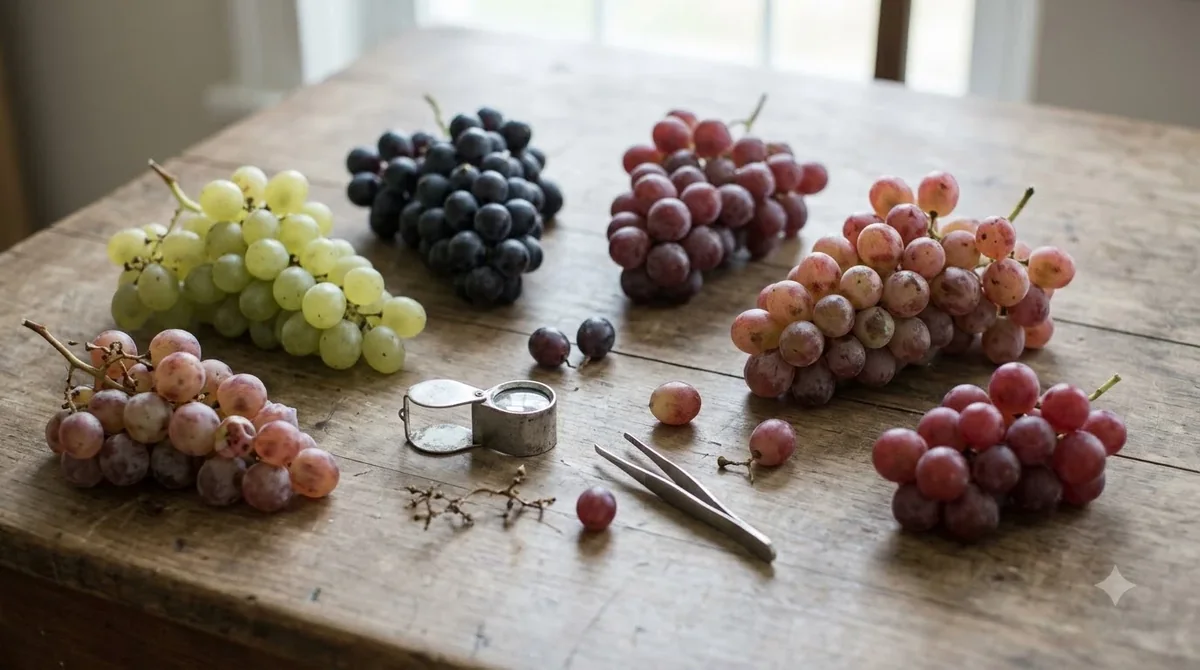
Vidiano is arguably the most recognizable modern white grape associated with Crete. It produces wines with an appealing combination of fruit concentration, freshness and texture. Common tasting characteristics include apricot, pear, lime, chamomile and jasmine. Some bottlings have a richer mouthfeel, while others emphasize citrus and mineral notes. The grape’s aromatic profile makes it suitable for tasting on its own before comparing it with lighter local varieties.
Vidiano also demonstrates why vineyard conditions matter. Grapes grown at cooler elevations can retain freshness and develop a more restrained aromatic profile, while warmer sites may produce wines with greater ripeness and weight. Winemaking choices also affect the result. Stainless-steel fermentation generally emphasizes fruit and freshness, whereas oak maturation or extended lees contact can add texture and complexity. When tasting several Vidiano wines, compare their weight, acidity and finish rather than assuming every bottle will taste alike.
Vilana offers a different experience. This medium-bodied white grape can show tropical fruit, thyme, lemon and orange. It is particularly relevant to the Peza area, where it has an established place in local white wine production. Compared with a fuller Vidiano, a straightforward Vilana bottling may feel lighter and more citrus-driven. Its approachable character makes it a useful introduction for visitors who usually drink Mediterranean whites.
Dafni is one of the island’s more distinctive aromatic varieties. Its name is associated with laurel, an appropriate reference to its characteristic herbal aromas. Lemon, bay leaf, tea, rosemary and lemon verbena can appear in the glass. These herbal notes make Dafni particularly interesting alongside dishes featuring wild greens, fresh herbs and olive oil. It is a useful reminder that Cretan wine does not rely exclusively on conventional citrus and stone-fruit profiles.
Plyto deserves attention because of its history of recovery from near extinction. Its wines can show refreshing acidity with citrus, melon, pineapple and pear characteristics. This makes it an interesting comparison with Vidiano, particularly for visitors who prefer lighter whites. Thrapsathiri is another variety worth seeking out. It generally produces lively, medium-bodied wines with melon, peach, lemon peel, apple and pear flavors.
Other aromatic varieties add further diversity. Muscat of Spina can offer orange blossom, jasmine, lime, chamomile and lemon. Malvasia di Candia is capable of producing both dry and sweet expressions, with floral aromas and fruit characteristics including jasmine, pear, peach and apple. A tasting that includes these grapes helps demonstrate how many different white wine styles can come from one island.
When comparing white wines, pay attention to acidity, body and aromatic intensity. A high-acid wine can feel crisp and refreshing even when its fruit aromas are ripe. A fuller wine may feel broader across the palate without necessarily being sweeter. These distinctions help identify personal preferences and make conversations with winery staff more productive.
Cretan Red Grapes and Traditional Blends
Cretan red wines offer a wide range of styles, from supple fruit-driven bottlings to structured blends and aromatic medium-bodied reds. Kotsifali, Mandilari and Liatiko are essential grapes to recognize during a regional tasting.
Kotsifali is an important red grape in central Crete, especially in traditional blends. It produces wines with plum, sour cherry, raspberry and other red-fruit characteristics. Its relatively approachable tannin structure and medium acidity make it a useful blending partner. Some single-variety examples emphasize ripe fruit and softness, while blended versions gain additional structure from other grapes.
Mandilari, also spelled Mandilaria or Mandilari in different wine references, offers a contrasting personality. It is associated with darker color, firmer tannins, high acidity and flavors that can include plum, anise, fig and earthy notes. Its structure gives traditional blends greater depth and persistence. The combination of Kotsifali and Mandilari is particularly significant in the Peza and Archanes wine traditions.
These grapes work together because they contribute different characteristics. Kotsifali provides fruit, warmth and a softer palate, while Mandilari supplies tannin, acidity and structure. A producer can adjust the proportions and winemaking approach to achieve different expressions. Some blends are approachable when young, while others benefit from additional bottle age.
Liatiko is another major Cretan red variety. It produces aromatic wines with strawberry, raspberry, plum, leather and spice characteristics. Its wines are often medium-bodied, with a lighter color than some visitors expect from a Mediterranean red. This makes Liatiko an interesting alternative for drinkers who appreciate aromatic reds with less aggressive tannin.
Liatiko also has a historical connection to sweet wine production. Both dry and sweet expressions can be encountered, particularly in areas associated with Dafnes and Sitia. Sweet versions may offer concentrated fruit and a different balance of acidity and sweetness. Tasting the dry and sweet styles side by side helps explain the versatility of the variety.
Romeiko provides another reason to explore traditional Cretan wine lists. This indigenous red grape is particularly important in western Crete and the Chania wine zone. It is associated with Marouvas, a traditional Cretan wine with Sherry-like characteristics. Some modern producers are also giving Romeiko more attention through individual bottlings and alternative interpretations.
International varieties such as Syrah, Cabernet Sauvignon and Grenache also grow on the island. Their presence allows producers to create wines that combine international familiarity with local character. Nevertheless, a first tasting should prioritize indigenous grapes. A comparison between a Kotsifali-Mandilari blend and an international-variety red can reveal the distinctive role of Cretan grapes in regional winemaking.
Understanding Crete’s PDO Wine Regions
Crete’s PDO appellations provide a practical framework for understanding the island’s wines. Four particularly useful areas to recognize are Peza, Archanes, Dafnes and Sitia, each with different geographical and grape associations.
Protected Designation of Origin, or PDO, identifies wines made under defined geographical and production requirements. It is more specific than the broader PGI Crete designation. For visitors, PDO names help connect a wine to its production area and traditional varieties. The distinction is useful when comparing wines from different parts of the island.
Peza and Archanes
Both Peza and Archanes are located in the Heraklion district. They are important areas for traditional red wines, particularly those made using Kotsifali and Mandilari. Peza is also associated with white wines, including Vilana-based expressions. A tasting in this part of the island can therefore provide a useful introduction to both red and white Cretan styles.
The areas are practical destinations for visitors staying in Heraklion because they are located south of the city. Their vineyards can be combined with a wider exploration of central Crete, including archaeological and cultural attractions. Rather than treating Peza and Archanes as interchangeable, compare the grape composition and style of individual bottles to understand the differences between producers.
Dafnes
Dafnes is particularly associated with Liatiko. Its wines demonstrate how a traditional local grape can produce both dry red wines and sweeter expressions. This makes Dafnes an especially interesting destination for visitors who want to understand the historical role of Cretan sweet wines.
The area is also useful for comparing different approaches to red wine production. A young, fruit-focused Liatiko may emphasize strawberry and raspberry, while a more developed bottling can show additional spice and earthy character. Ask whether a winery offers both dry and sweet versions during the same visit.
Sitia
Sitia is located in eastern Crete, in the Lasithi district. Its wine tradition includes Liatiko and other local varieties, and the area provides an opportunity to explore a different part of the island from the better-known Heraklion wine route. Its distance from central Crete means that visitors should generally plan it as a separate regional excursion rather than an addition to a short Heraklion winery outing.
Malvasia-designated wines also form part of the island’s broader wine heritage. Historical sweet wine traditions associated with Crete remain relevant to modern production. These wines can offer floral aromas, concentrated fruit and a different tasting experience from the island’s dry whites and reds.
| Wine region | District | Grape or style to explore | Useful tasting focus |
|---|---|---|---|
| Peza | Heraklion | Vilana, Kotsifali and Mandilari | White wines and traditional red blends |
| Archanes | Heraklion | Kotsifali and Mandilari | Structured regional reds |
| Dafnes | Heraklion | Liatiko | Dry and sweet red expressions |
| Sitia | Lasithi | Liatiko and Thrapsathiri | Eastern Cretan wine styles |
The table offers a starting point rather than an exhaustive list of everything each region produces. Producers may work with additional indigenous grapes and international varieties. For a wider introduction to geographical wine styles beyond Greece, the Wine Regions resource provides useful comparisons with other established wine-producing areas.
Planning a Cretan Winery Visit
The best winery itinerary depends on where you are staying and which grapes you want to discover. Heraklion provides convenient access to central wine regions, while Chania, Rethymno and Sitia offer opportunities to explore other parts of the island.
Heraklion is a practical base for visitors interested in Peza, Archanes and Dafnes. These areas are located within the wider Heraklion wine district, making it possible to organize a focused tasting itinerary. A sensible day could include one winery in the morning, a leisurely lunch featuring Cretan food and another tasting in the afternoon. Two carefully selected visits are generally more useful than trying to fit several appointments into a single day.
Visitors based in Chania can explore the western part of the island and its surrounding countryside. The region offers a different landscape and a chance to encounter wineries working with indigenous and international grapes. Rethymno also provides access to inland vineyards and mountainous agricultural areas. Those staying in eastern Crete can investigate Sitia and its traditional wines without having to travel repeatedly across the island.
Contact wineries before setting out. Opening schedules, tasting arrangements and available languages can vary, particularly outside the main tourism season. Ask whether the visit includes a guided vineyard walk, cellar explanation or seated tasting. Some wineries focus on structured educational experiences, while others offer a more informal introduction to their wines.
The Greek National Tourism Organisation highlights winery visits as opportunities to experience local vineyards, wines and hospitality. Visitors should investigate seasonal winery events and confirm participating locations before travel. Such events can be especially useful for travelers interested in seeing several producers during a single trip.
Harvest season provides another interesting period to visit. The timing varies according to grape variety, vineyard elevation and seasonal conditions. Some early-ripening grapes are picked before later varieties, so activity can extend over several weeks. Visitors interested in harvest work should ask wineries whether picking or cellar operations will be taking place during their planned visit.
Tip: Book winery appointments before traveling, particularly during the busy summer months. Plan visits around one geographical area, arrange a designated driver or guided transport, and leave enough time to enjoy lunch and compare the wines without rushing.
Transportation deserves particular attention. A rental car can provide flexibility between rural wineries, but anyone tasting wine should arrange for someone else to drive. Organized wine tours are another practical choice, especially for visitors unfamiliar with the island’s rural roads. Confirm the pickup location, itinerary, tasting duration and return arrangements before booking.
For a more comprehensive experience, combine a winery visit with local food or a cultural attraction. Heraklion’s archaeological heritage, traditional villages and regional markets provide context for understanding the island’s agricultural identity. Wine is closely connected with Cretan food traditions, and tasting both together often provides a more complete introduction than visiting a cellar alone.
How to Taste Cretan Wines and Pair Them with Food
A structured tasting makes it easier to recognize the differences between Cretan grapes. Start with lighter whites, progress to fuller whites and reds, and finish with sweet wines when available.
Begin with a glass of Vilana or Thrapsathiri. Look for citrus, melon and orchard-fruit characteristics, then assess the acidity and finish. Move to Vidiano and compare its fuller texture and stone-fruit profile. Dafni provides a useful contrast because its herbal aromas can be more prominent than its fruit characteristics. If available, include Plyto or Muscat of Spina to broaden the comparison.
For red wines, start with Liatiko before moving to a Kotsifali-Mandilari blend. Notice how Liatiko’s aromatic fruit and comparatively delicate structure differ from the greater tannin and body that Mandilari can contribute. A single-variety Kotsifali can provide another point of comparison, particularly when assessing the role of fruit and tannin in a traditional blend.
Serving temperature affects the way wine tastes. Light Cretan whites are generally best served at 45-50 degrees Fahrenheit, while fuller-bodied whites benefit from 50-55 degrees Fahrenheit. Light reds can be served at 55-60 degrees Fahrenheit, and fuller reds at 60-65 degrees Fahrenheit. Sweet white wines are generally most enjoyable around 43-50 degrees Fahrenheit.
Use a consistent tasting method. First observe the wine’s color, then smell it before taking a small sip. Identify the main fruit characteristics, followed by herbal, floral, earthy or spice notes. Finally, consider acidity, tannin, body and finish. This approach helps distinguish a grape’s typical character from the influence of oak, maturation and winemaking choices.
Traditional Cretan Food Pairings
Cretan cuisine offers plenty of natural matches for the island’s wines. Fresh seafood, grilled vegetables, lamb, goat, herbs, legumes, cheeses and olive oil are common ingredients in regional cooking. The best pairing depends on the weight, acidity, tannin and sweetness of the particular wine.
Vidiano works particularly well with grilled fish, roasted chicken and dishes featuring lemon and herbs. Its fuller texture can also complement seafood with olive oil-based sauces. A crisp Vilana or Thrapsathiri is a good choice for fresh salads, grilled vegetables and lighter seafood dishes. Their acidity helps refresh the palate between bites.
Dafni can pair particularly well with herb-forward dishes, including preparations featuring wild greens, rosemary and aromatic vegetables. Its herbal character can echo the ingredients on the plate. For a dish with strong lemon seasoning, select a wine with sufficient acidity so the food does not make the wine taste flat.
Kotsifali-based reds are suitable for roasted lamb, grilled pork and dishes with tomatoes or Mediterranean herbs. Kotsifali-Mandilari blends can stand up to grilled meats, slow-cooked lamb and richer preparations. Salt and fat soften tannin, which helps explain why a structured Mandilari-based wine can work with fatty meat and mature cheeses.
Liatiko provides a more flexible red pairing. Its fruit and spice characteristics can complement grilled poultry, roasted vegetables, tomato-based dishes and moderately seasoned meats. Avoid assuming that every Cretan red is equally suited to heavy dishes. A lighter Liatiko may be more enjoyable with grilled vegetables than with an intensely rich meat preparation.
Sweet Liatiko and other dessert-style Cretan wines deserve attention at the end of a meal. Pair sweet wines with desserts that are no sweeter than the wine itself. Fruit pastries, dried figs, honey-based sweets and nut desserts can provide suitable matches depending on the wine’s sweetness and acidity. A sweet wine that tastes less sweet than the dessert may seem thin or overly acidic.
For visitors interested in comparing regional food and wine traditions, Alsace wine tasting offers an interesting contrast, particularly in the use of aromatic whites and food-friendly acidity. Those who prefer exploring red wine traditions can also compare Cretan blends with the structured wines featured in Bolgheri wine tasting.
What to Look for in a Cretan Wine Tasting
A worthwhile tasting should offer more than a collection of unrelated glasses. Look for a selection that introduces indigenous varieties, explains the local appellations and demonstrates how different winemaking approaches affect the finished wine.
A useful introductory tasting might include five wines: a Vilana, a Vidiano, an aromatic Dafni or Thrapsathiri, a Liatiko and a Kotsifali-Mandilari blend. This sequence provides an overview of the main white and red grape families. If the winery also produces sweet Liatiko, adding a final small pour can introduce an important part of the island’s historical wine identity.
Ask whether the wines are single-variety bottlings or blends. This distinction matters because some indigenous grapes are particularly associated with blending. A bottle containing Kotsifali and Mandilari can demonstrate how two grapes contribute complementary characteristics, while a single-variety Liatiko can offer a clearer expression of that grape’s aromatic profile.
Questions about vineyard location are equally useful. Ask whether the grapes come from coastal vineyards or higher-altitude sites. Inquire about limestone or schist soils, exposure and harvesting decisions. These details help explain why two wines made from the same variety may have noticeably different aromas, textures and acidity.
Winemaking methods can provide additional insight. Ask whether fermentation takes place in stainless steel, oak or another vessel. Find out whether the wine undergoes malolactic fermentation or extended lees aging. These processes can influence acidity, texture and aromatic development. They are especially interesting when comparing two Vidiano bottlings made from different vineyard sites or using different cellar techniques.
Pay attention to the finish as well as the initial aroma. A wine may have attractive fruit but a relatively short finish, while another may develop herbal, mineral or savory characteristics after swallowing. Comparing these elements is often more revealing than simply deciding whether a wine tastes fruity or dry.
Visitors who already enjoy Mediterranean wines may find Crete particularly rewarding because it combines familiar styles with distinctive indigenous grapes. Someone accustomed to Sauvignon Blanc can begin with a fresh Thrapsathiri, while a drinker who prefers textured Chardonnay may enjoy exploring fuller Vidiano. Fans of medium-bodied reds can compare Liatiko with familiar varieties such as Pinot Noir or Grenache, while those who enjoy structured blends can investigate Mandilari.
It is also helpful to keep short tasting notes. Record the grape, appellation, producer, serving temperature and your impressions of acidity, tannin and body. Note whether the wine was aged in oak and which foods accompanied it. These details make it easier to remember favorite bottles and recognize patterns across different producers.
Crete offers enough diversity for beginners and experienced wine enthusiasts alike. A visitor who starts with indigenous whites and progresses to traditional reds will gain a practical understanding of the island’s wine identity. Those with additional time can explore sweet wines, lesser-known grapes and regional differences between Heraklion and eastern Crete.
Frequently Asked Questions
Is Crete considered one of Europe’s oldest wine-producing regions?
Crete has archaeological evidence of winemaking dating to the Minoan Bronze Age. Discoveries at Vathypetro near Heraklion include an ancient wine press generally associated with the second millennium BCE. This archaeological history makes the island an important destination for visitors interested in the development of Mediterranean wine culture.
What is the traditional Cretan wine called Marouvas?
Marouvas is a traditional Cretan wine associated particularly with the Romeiko grape. It is often described as Sherry-like because of its distinctive oxidative character. It provides an unusual alternative to the fresh whites and conventional young reds commonly encountered during introductory tastings.
Are international grape varieties grown in Crete?
Yes. Crete also grows varieties such as Syrah, Cabernet Sauvignon, Grenache and Sauvignon Blanc. Some producers use them in single-variety wines, while others combine international grapes with indigenous Cretan varieties. These wines provide an opportunity to compare local expressions with familiar international styles.
What does the PGI designation mean on a Cretan wine label?
PGI stands for Protected Geographical Indication. It identifies a wine connected to a defined geographical area and subject to production requirements. PGI Crete covers the island’s four regional districts, while PDO designations identify more specifically defined wine-producing areas.
Can Cretan wines be enjoyed outside Greece?
Yes. Cretan wines are exported to international markets, including the United States, although availability varies by producer, importer and retailer. Specialist Greek wine merchants and restaurants with regional Greek selections are useful places to look. Vidiano and Liatiko are particularly worthwhile starting points for discovering the island’s indigenous varieties abroad.
Crete wine tasting is an opportunity to discover a distinctive Mediterranean wine culture through indigenous grapes, historic appellations and memorable local food. Start with Vidiano, Vilana, Liatiko and Kotsifali-Mandilari, then explore lesser-known varieties and sweet traditional styles as your interest develops. Whether visiting the vineyards around Heraklion or exploring eastern Crete, the island offers a rewarding introduction to Greece’s remarkable winemaking heritage.
More in Wine Regions
 Willcox Wine Trail: Discover Arizona’s High-Elevation Wine CountryUpdated Nov 20, 2026
 Yakima Valley Wine Region: Find the Best Styles to TryUpdated Nov 20, 2026
 Vosne Romanee Wine Tasting: Identify Aromas and Choose Better PairingsUpdated Nov 20, 2026
 Yakima Valley Wine Festival: Find the Best Seasonal Wine EventsUpdated Nov 20, 2026
 Wales Vineyards: Discover Cool-Climate Wines and Where to VisitUpdated Nov 20, 2026
 Yountville Wine Festival: Discover Napa Wines and Local FoodUpdated Nov 20, 2026