

We may earn a commission when you buy through links on this page, at no extra cost to you. Learn more.
Constantia wine tasting introduces visitors to South Africa’s historic Cape wine region, where cool maritime conditions produce distinctive Sauvignon Blanc, elegant red blends, and celebrated sweet wines such as Vin de Constance. Located just south of Cape Town, Constantia combines centuries of winemaking heritage with scenic vineyard estates, cellar experiences, and excellent dining. Visitors can explore several wineries in a single day while discovering the differences between the region’s fresh dry whites and its concentrated historic dessert wines.
Constantia offers an unusually convenient way to experience South African wine country. Unlike destinations that require a lengthy journey from a major city, its vineyards sit within easy reach of Cape Town, making the region suitable for a half-day excursion or a more leisurely itinerary. Whether you are interested in historic estates, cool-climate whites, structured reds, or sweet Muscat-based wines, understanding the region’s character will help you make better tasting choices.
Constantia’s Maritime Climate and Winemaking Heritage
Constantia’s wine character comes from its position on the Cape Peninsula, where mountain slopes and ocean influences create conditions suited to fresh, aromatic wines. Its history stretches back to 1685, giving visitors an opportunity to explore an important chapter of South African wine production alongside contemporary estate winemaking.
The Constantia Valley lies south of Cape Town, between the Table Mountain range and False Bay. Its proximity to the ocean brings cooling maritime influences that moderate vineyard temperatures. These conditions help grapes retain natural acidity, particularly Sauvignon Blanc and Riesling, two varieties that benefit from a longer, more measured ripening period.
The surrounding landscape also contributes to differences between individual vineyards. Elevation, slope orientation, exposure to prevailing winds, and soil composition can influence how quickly grapes ripen and how much acidity they retain. Consequently, two Sauvignon Blancs from neighboring Constantia estates may show noticeably different fruit intensity, texture, and aromatic expression.
The area’s history is equally important. Governor Simon van der Stel established Groot Constantia in 1685, laying the foundations for a wine tradition that became internationally recognized. Historic Constantia wines eventually attracted the attention of European royalty and influential figures, including Napoleon Bonaparte. The region became particularly famous for its naturally sweet wines, which were valued far beyond the Cape.
Today, the Constantia Wine Route brings together 10 wine farms with distinct identities. Visitors can encounter historic architecture, modern tasting rooms, vineyard restaurants, and specialist wine experiences without traveling far from the city. According to Constantia Valley Tourism, the estates offer both tastings and cellar tours approximately 15 minutes from central Cape Town.
This combination of accessibility and heritage distinguishes Constantia from other South African wine destinations. For a broader introduction to the country’s regional differences, explore our Wine Regions overview before planning a longer Cape wine itinerary.
The Signature Wines to Look for During a Tasting
Constantia is particularly associated with Sauvignon Blanc, Sauvignon Blanc-Semillon blends, Bordeaux-style reds, and naturally sweet Muscat wines. Tasting these different styles provides a clearer understanding of why the relatively small region has such a recognizable identity.
Sauvignon Blanc is an excellent starting point. Constantia examples commonly feature citrus, lime, grapefruit, passion fruit, and fresh herbal aromas. Their natural acidity makes them refreshing and gives them enough structure to accompany seafood and other dishes with bright flavors. Some wines emphasize crisp citrus and restrained fruit, while others offer fuller tropical-fruit characteristics.
Sauvignon Blanc and Semillon blends provide another worthwhile comparison. Sauvignon Blanc contributes aromatic freshness and acidity, while Semillon can add texture, body, and additional complexity. Depending on the winemaking approach, these blends may feel rounder and more layered than a straightforward Sauvignon Blanc. They are particularly interesting for visitors who want to compare the region’s different expressions of white wine.
Chardonnay offers a contrasting experience. Rather than focusing on Sauvignon Blanc’s pronounced aromatic freshness, Constantia Chardonnay can show citrus, orchard fruit, and a broader palate. Oak treatment varies between producers, so tasting different examples can reveal differences in creaminess, weight, and toasted flavors.
Red wine drinkers should look for Cabernet Sauvignon, Merlot, Shiraz, and Bordeaux-style blends. Cabernet Sauvignon generally provides firmer tannins and darker fruit, while Merlot offers softer structure and a more approachable texture. Shiraz can bring pepper, spice, and darker berry flavors. These wines demonstrate that Constantia’s identity extends beyond its well-known white and sweet wines.
The region’s historic dessert-wine tradition deserves particular attention. Vin de Constance, produced at Klein Constantia, is made from Muscat de Frontignan and is recognized internationally. Grand Constance, associated with Groot Constantia, provides another connection to the area’s historic sweet-wine reputation.
These wines offer concentrated flavors of dried fruit, honey, citrus peel, and apricot, balanced by acidity. They are not simply sweet alternatives to dry white wines. Their concentration, aromatic complexity, and texture make them a distinct category worth tasting separately.
Which Constantia Wine Estates Should You Visit?
The Constantia Wine Route includes historic properties, contemporary boutique wineries, and estates with different approaches to tasting and dining. Choosing two or three stops with contrasting wine styles is usually more rewarding than trying to visit every property in one afternoon.
Groot Constantia is a natural first stop for visitors interested in history. Established in 1685, the estate combines wine tasting with heritage attractions, including its Cape Dutch manor house, Cloete Cellar, and wine museum. Its tasting selection includes Sauvignon Blanc and red blends, while a chocolate-and-wine pairing provides an additional experience.
The estate is especially useful for visitors who want more than a tasting counter. Its historic buildings and grounds help explain how Constantia developed into a recognized wine-producing area. The visitor route also provides opportunities to learn about the property’s architectural and agricultural history.
Klein Constantia is an essential destination for anyone interested in Vin de Constance. The estate’s reputation is closely connected with this celebrated sweet wine, although its dry wines are also worth exploring. A tasting that includes both a Sauvignon Blanc and a sweet Muscat-based wine demonstrates the range of the region particularly well.
Buitenverwachting provides another perspective on the valley’s heritage. Its connection to the original Constantia estate makes it relevant to visitors interested in the area’s early development. The estate also offers an opportunity to explore the diversity of the route rather than focusing exclusively on the most famous historic properties.
Steenberg Vineyards is another established name on the route. Its sea-facing slopes and granite ridges contribute to its vineyard setting, while its wine and dining experiences make it an appealing stop for visitors who want to combine tasting with a meal.
Constantia Glen is situated higher on the slopes of the Constantiaberg. Its elevated position and vineyard views make it a particularly attractive setting for a relaxed tasting. Visitors interested in cool-climate wines can use the estate as an opportunity to compare white and red expressions from the valley.
Beau Constantia offers a different boutique-estate experience at the top of Constantia Nek. Its vineyards reach approximately 350 meters above sea level, providing a distinctive elevated setting overlooking False Bay. This makes it an interesting addition to an itinerary that already includes one of the larger historic properties.
Other names worth researching include Eagles’ Nest, Silvermist, Constantia Uitsig, and High Constantia. Each adds another possible dimension to a visit, whether your interests are red wines, smaller-scale production, dining, or a quieter tasting environment.
Tip: For a first visit, consider Groot Constantia for its history, Klein Constantia for its famous sweet wine, and Constantia Glen or Beau Constantia for a contrasting vineyard experience. Three carefully selected stops provide a more comfortable day than rushing through the entire route.
How to Plan a Constantia Wine Tasting Itinerary
A successful Constantia itinerary starts with choosing a manageable number of estates and allowing sufficient time at each one. Two or three visits over half a day provide room for tasting, learning about the wines, enjoying the scenery, and having a meal.
Start by deciding which wines interest you most. If you are primarily interested in the region’s heritage, make Groot Constantia your first destination. If Vin de Constance is a priority, include Klein Constantia and confirm that the relevant tasting experience is available. Visitors interested in contemporary white wines might prefer to spend more time comparing Sauvignon Blanc across different producers.
The following sample itinerary offers a practical structure rather than a fixed tour schedule:
| Time | Suggested activity | Purpose |
|---|---|---|
| 9:30 a.m. | Arrive at Groot Constantia | Explore the historic estate and begin with dry wines. |
| 10:00 a.m. | Wine tasting and cellar visit | Compare Sauvignon Blanc and red blends. |
| 11:30 a.m. | Travel to Klein Constantia | Continue to another historic property. |
| 12:00 p.m. | Explore the wine selection | Discover Vin de Constance and other estate wines. |
| 1:30 p.m. | Lunch in Constantia | Enjoy food alongside the region’s wines. |
| 3:00 p.m. | Optional third estate | Compare another producer’s wine style. |
These times are illustrative and should be adjusted to match actual tasting appointments, transport arrangements, and opening hours. Estate visits can vary considerably depending on whether you choose a standard tasting, a guided cellar experience, or a more extensive food pairing.
For a shorter visit, two estates are sufficient. For a full day, three carefully chosen wineries leave room for lunch and a more relaxed pace. Visiting four or more estates can become tiring, particularly if each stop includes several wines and a guided experience.
Check the practical details before departure. Some tasting rooms accept walk-ins, while specialist tastings and guided vineyard or cellar tours may require advance reservations. The official Cape Town Tourism information for Groot Constantia describes daily tasting and cellar-tour options, including access to the estate’s historic visitor attractions.
Transport also deserves attention. Constantia’s proximity to Cape Town makes it possible to arrange a private driver, guided wine tour, or suitable local transport. If your itinerary includes multiple wineries, organized transportation is a practical way to avoid driving between tasting appointments.
Visitors planning a broader South African wine trip can compare the experience with Willcox wine tasting, which offers a very different regional setting and grape-growing environment. For those extending their wine travels internationally, Alsace wine tasting provides another useful comparison of cool-climate white-wine traditions.
Food Pairings and How to Taste Constantia Wines
Food can make the differences between Constantia’s wine styles easier to understand. The region’s fresh whites work particularly well with seafood and lighter dishes, structured reds suit richer savory foods, and concentrated sweet wines pair naturally with desserts and selected salty or creamy ingredients.
Begin with Sauvignon Blanc alongside oysters, grilled prawns, or simply prepared white fish. Its high acidity complements the delicate flavors of seafood and provides freshness against lightly seasoned dishes. Citrus-based sauces can work particularly well, provided they do not overwhelm the wine’s fruit character.
Sauvignon Blanc-Semillon blends can accommodate slightly richer preparations. Try them with grilled fish, roast chicken, herb-seasoned vegetables, or dishes featuring creamy sauces. The additional texture from Semillon can make the pairing feel more balanced than a very lean white wine alongside a substantial meal.
Chardonnay is a good match for roast chicken, mushroom dishes, grilled shellfish, and richer fish preparations. The appropriate pairing depends on the wine’s body and oak influence. A lighter, fresher Chardonnay works with delicate seafood, while a fuller example can support butter-based sauces and roasted poultry.
Constantia Cabernet Sauvignon and Bordeaux-style blends are better suited to red meat, roasted lamb, and hearty mushroom dishes. Their tannins and structure can complement protein-rich foods, while the savory flavors of the meal help bring out the wine’s darker fruit and spice characteristics.
Merlot provides a softer alternative for visitors who prefer less pronounced tannins. It can accompany roast pork, grilled vegetables, and moderately rich meat dishes. Shiraz works particularly well with grilled lamb, pepper-seasoned meats, and savory preparations featuring herbs and spices.
Sweet Constantia wines deserve their own pairing strategy. Vin de Constance and Grand Constance can accompany fruit-based desserts, dried apricots, citrus pastries, and dishes with honey or caramel notes. The wine should be at least as sweet as the dessert, otherwise the dessert can make it taste thin or overly acidic.
These sweet wines also work with salty cheeses and rich savory foods. A small pour alongside a creamy blue cheese creates a contrast between sweetness, salt, and texture. The wine’s acidity helps balance richness and keeps the combination from becoming excessively heavy.
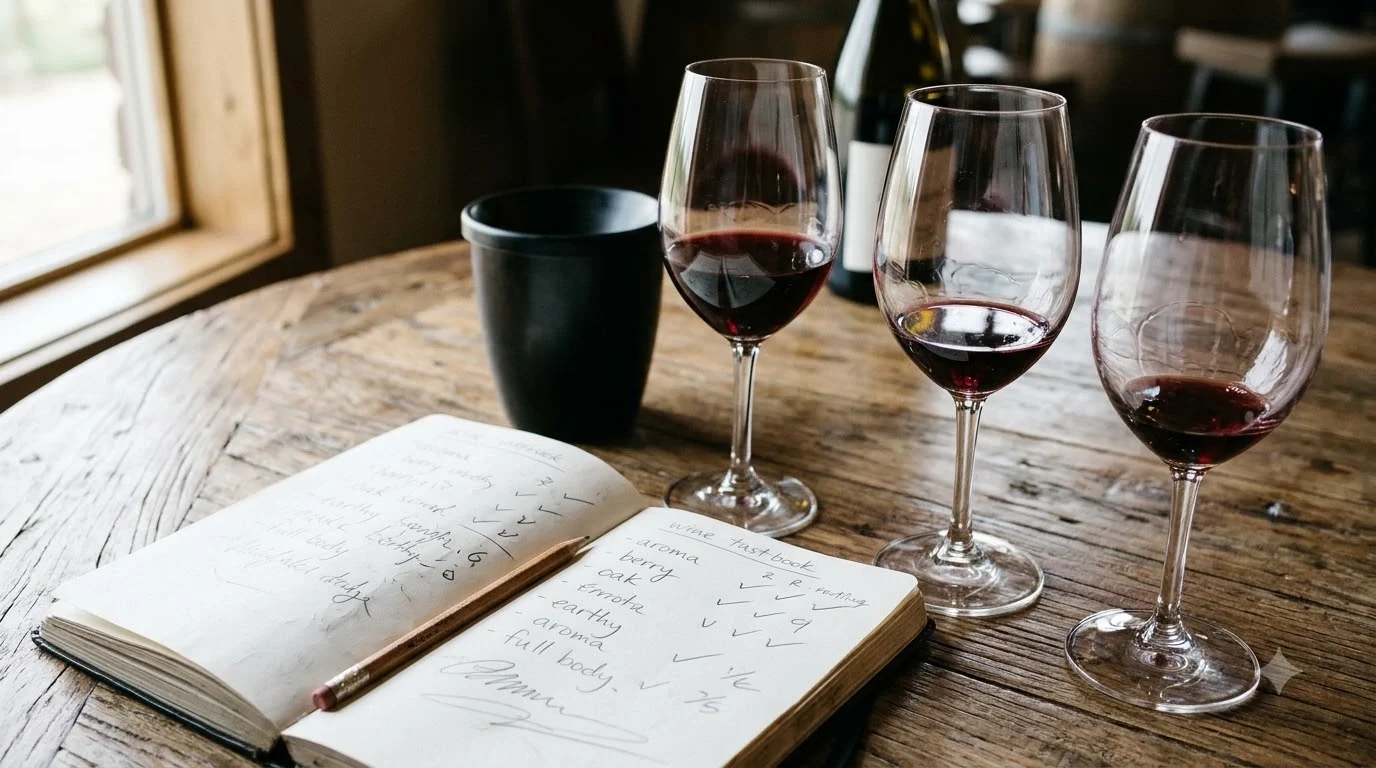
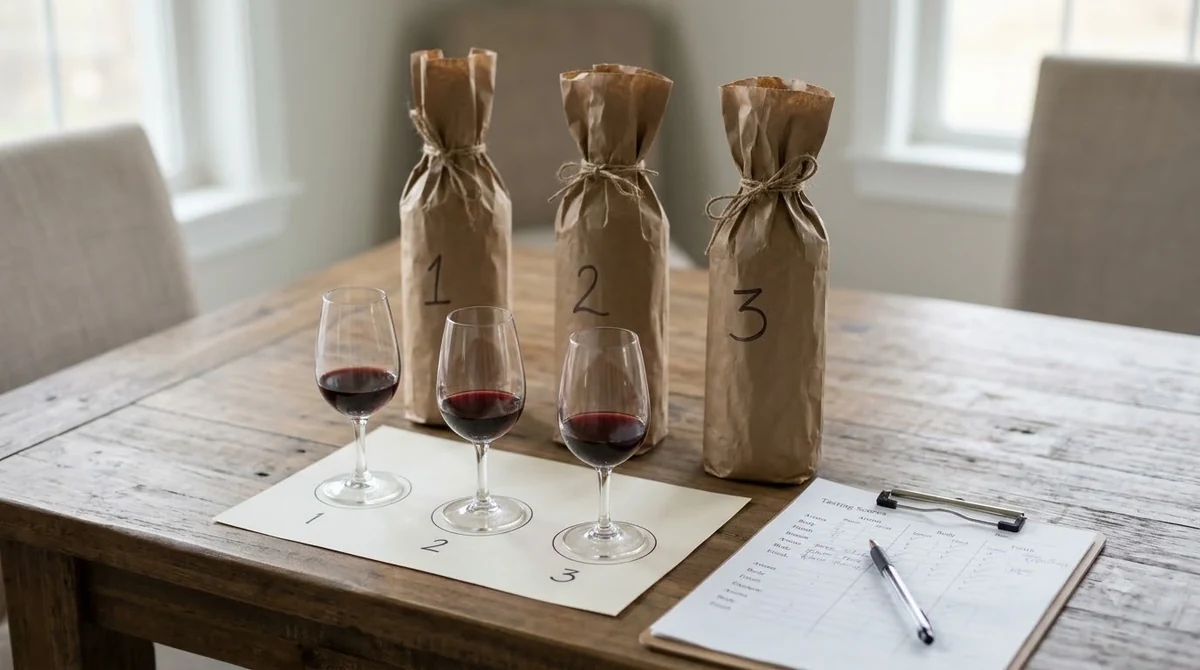
During the tasting itself, pay attention to four main characteristics: aroma, acidity, body, and finish. Begin by looking at the wine’s color, then smell it before taking a small sip. Notice whether the dominant aromas are citrus, tropical fruit, herbs, stone fruit, dark berries, or dried fruit.
Next, consider the acidity. Constantia Sauvignon Blanc often makes this characteristic particularly noticeable, with a fresh sensation that encourages another sip. For reds, concentrate on the relationship between tannin, fruit, and body. With sweet wines, assess how the acidity balances the concentration of sugar and dried-fruit flavors.
Temperature can also affect the experience. Serve sparkling wines at 40–50°F, light whites and rosé at 45–50°F, and fuller-bodied whites at 50–55°F. Light reds generally benefit from 55–60°F, while fuller reds are best around 60–65°F. Sweet whites are enjoyable at approximately 43–50°F.
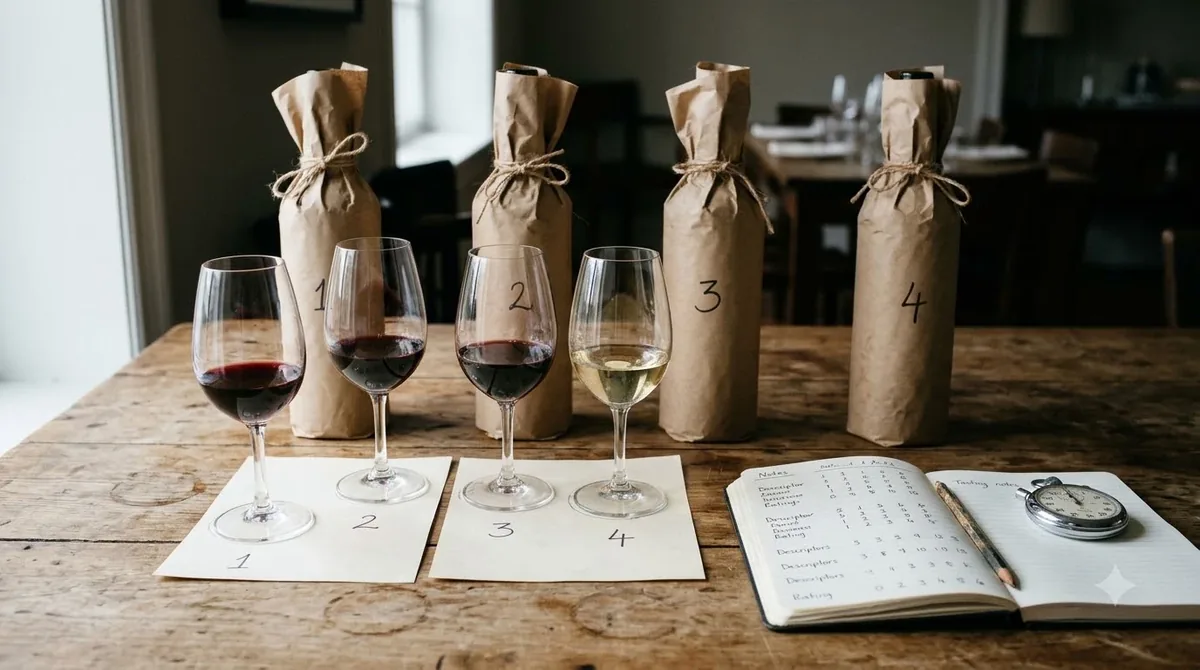
Pouring a moderate amount also helps. A standard 5-ounce pour allows enough room in the glass to appreciate aromas without filling it excessively. If you are visiting several estates, smaller tasting pours make it easier to compare wines without becoming overwhelmed.
Best Visiting Seasons, Practical Details, and Comparisons
Constantia can be visited throughout the year, but the experience changes with the seasons. Vineyard activity, weather, daylight, and the availability of outdoor dining all influence which type of visit will be most enjoyable.
Southern Hemisphere summer, from December through February, brings warm weather and longer daylight hours. It is a popular period for enjoying vineyard terraces, outdoor dining, and scenic views. However, summer can also be busy, so booking popular tasting experiences ahead of time is sensible.
Autumn, from March through May, is an appealing period for wine enthusiasts interested in the grape harvest. Harvest dates vary by variety, weather, and individual vineyard conditions. Some estates may have a particularly active atmosphere during this period, although visitors should not assume that every winery offers harvest participation.
Winter, from June through August, generally brings cooler and wetter conditions to the Cape. This can make indoor tastings, historic cellar visits, and restaurant experiences especially attractive. The vineyards may look different from their summer appearance, but the region’s wine experiences remain worthwhile.
Spring, from September through November, brings renewed vineyard growth and generally pleasant conditions for exploring the valley. It is an attractive time for combining wine tasting with walks and outdoor meals.
For visitors comparing Constantia with other destinations, its maritime climate and urban accessibility are major distinctions. Stellenbosch offers a broader collection of wine estates and a strong tradition of Cabernet Sauvignon and Pinotage. Franschhoek is particularly recognized for its food culture and picturesque valley setting.
Constantia, by contrast, is especially appealing for Sauvignon Blanc, cool-climate wine styles, and its historic sweet-wine tradition. Its location makes it practical for travelers who have limited time in Cape Town but still want to experience established South African wineries.
Travelers who enjoy comparing regional wine identities can also consider Bolgheri wine tasting, where Italian coastal conditions and Bordeaux grape varieties create a different expression of structured red wines.
Before leaving an estate, consider recording the names of the wines you enjoyed, the grapes used, and the characteristics that stood out. A short note about acidity, body, oak, and finish will help you remember differences between producers after visiting several tasting rooms.
It is also sensible to confirm individual estate hours, available tasting formats, and reservation requirements directly before traveling. Opening schedules and experiences can differ between properties, particularly during public holidays and special events.
Frequently Asked Questions
Is Constantia the oldest wine region in South Africa?
Constantia traces its winemaking history to 1685, when Simon van der Stel established Groot Constantia. The region is widely recognized as one of the country’s oldest wine-producing areas. Its historic sweet wines helped establish the Cape’s reputation among European wine drinkers.
What does the name Vin de Constance mean?
Vin de Constance translates from French as wine of Constantia. The name connects the wine to the historic Constantia sweet-wine tradition. Its association with Klein Constantia makes it one of the region’s most recognizable wine names.
Can Constantia wines age in the bottle?
Some Constantia wines are made with aging potential, particularly structured red blends and premium sweet wines. Vin de Constance is especially recognized for its ability to develop complexity over extended bottle aging. The aging potential of dry whites varies according to producer, vintage, and winemaking style.
Is Constantia part of the Cape Winelands?
Yes. Constantia belongs to the Western Cape’s broader wine-producing landscape and forms part of the Cape wine tourism experience. Its location on the Cape Peninsula distinguishes it geographically from inland destinations such as Stellenbosch and Paarl.
Are Constantia wines suitable for international wine collectors?
Yes. Constantia has wines with established international recognition, particularly Vin de Constance and premium examples of its dry wines. The region’s combination of historic prestige, distinctive maritime conditions, and limited geographical scale makes it an interesting area for collectors exploring South African wine.
Constantia offers an engaging introduction to South African wine through its historic estates, fresh maritime-influenced whites, structured reds, and celebrated sweet wines. A visit to two or three carefully selected properties provides a rewarding balance of wine education, local history, and vineyard scenery. Whether you begin with Groot Constantia’s heritage or Klein Constantia’s Vin de Constance, the region offers plenty of reasons to explore beyond the tasting glass.
More in Wine Regions
 Willcox Wine Trail: Discover Arizona’s High-Elevation Wine CountryUpdated Nov 20, 2026
 Yakima Valley Wine Region: Find the Best Styles to TryUpdated Nov 20, 2026
 Vosne Romanee Wine Tasting: Identify Aromas and Choose Better PairingsUpdated Nov 20, 2026
 Yakima Valley Wine Festival: Find the Best Seasonal Wine EventsUpdated Nov 20, 2026
 Wales Vineyards: Discover Cool-Climate Wines and Where to VisitUpdated Nov 20, 2026
 Yountville Wine Festival: Discover Napa Wines and Local FoodUpdated Nov 20, 2026