

We may earn a commission when you buy through links on this page, at no extra cost to you. Learn more.
The Condrieu wine region is a prestigious white-wine appellation in France’s northern Rhône Valley, celebrated for producing distinctive, aromatic wines made exclusively from Viognier grapes. Located on the right bank of the Rhône River, approximately 25 miles south of Lyon, this small vineyard area is known for steep granite slopes, terraced vineyards, and expressive white wines. Condrieu typically offers aromas of ripe apricot, peach, violet, and white flowers, with a rich texture balanced by refreshing mineral character.
For wine drinkers exploring French white wines, Condrieu offers a particularly interesting expression of Viognier. Its combination of warm vineyard exposures, challenging terrain, and carefully managed winemaking produces wines that are more layered and distinctive than many everyday aromatic whites. Understanding the appellation’s geography, grape-growing conditions, wine styles, and food traditions makes it easier to appreciate what distinguishes a bottle of Condrieu.
Where the Condrieu Wine Region Is Located
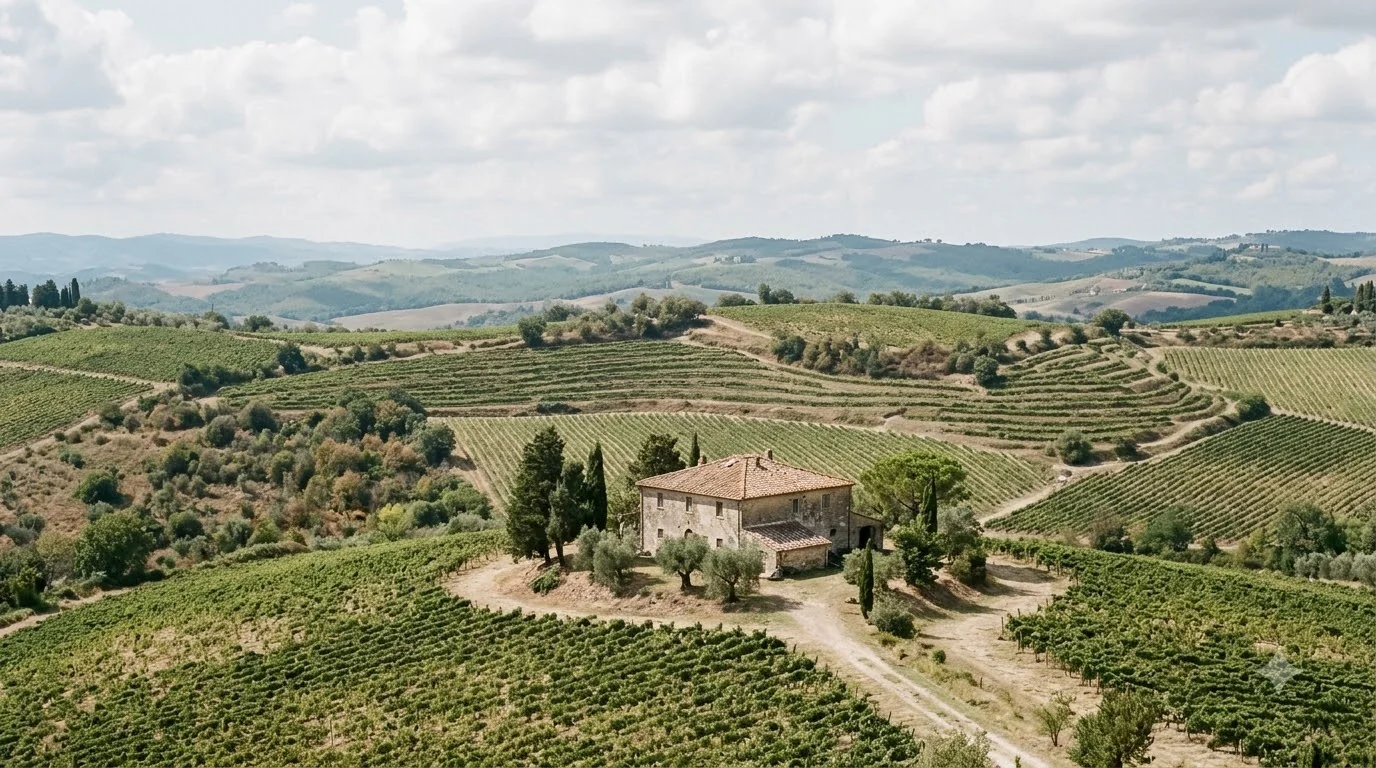
The Condrieu wine region occupies a small section of the northern Rhône Valley in southeastern France. Its vineyards follow the right bank of the Rhône River, approximately 40 kilometers south of Lyon, where steep hillsides provide favorable conditions for growing Viognier.
The appellation extends across seven communes in three French departments: Rhône, Loire, and Ardèche. These communities are Condrieu, Saint-Michel-sur-Rhône, Vérin, Chavanay, Saint-Pierre-de-Bœuf, Malleval, and Limony. Although the village of Condrieu gives the appellation its name, the legally defined production area extends beyond the village itself.
Condrieu belongs to the northern Rhône family of prestigious white-wine appellations. Its neighbors include Côte-Rôtie to the north and Saint-Joseph farther south. These neighboring areas are particularly associated with Syrah-based red wines, making Condrieu’s exclusive focus on white Viognier an important distinction within the regional wine landscape.
The landscape is defined by sharply rising slopes that overlook the river. Rather than occupying broad, flat agricultural land, vineyards cling to narrow terraces cut into the hillsides. Local stone retaining walls help support these terraces, while their careful maintenance prevents soil from washing downhill.
The Rhône River also contributes to the area’s growing conditions. The combination of river influence, sunlight, and sheltered hillside exposures creates a favorable environment for Viognier to ripen. The vineyards experience warm summers, while their northern Rhône location gives the wines a different balance from Viognier grown in substantially hotter regions.
Condrieu received official appellation recognition in 1940. The designation protects the geographical identity of its wines and establishes production requirements, including the permitted grape variety. For consumers, this means that a wine carrying the Condrieu appellation represents a specific origin and production tradition rather than simply a bottle made from Viognier anywhere in France.
For a broader understanding of the country’s wine geography, explore our guide to Wine Regions, which explains how French appellations and other international wine-growing areas are organized.
Viognier: The Only Grape Permitted in Condrieu
Viognier is the sole grape variety permitted in Condrieu AOP wines, giving the appellation a clear and recognizable identity. This aromatic white grape is responsible for the region’s signature combination of ripe stone-fruit flavors, floral aromas, and full-bodied texture.
Unlike many Rhône appellations that allow several grape varieties to be blended, Condrieu focuses entirely on Viognier. This makes it one of the most important reference points for understanding the grape’s character. While Viognier is grown in California, Australia, and other wine-producing countries, its traditional home in the northern Rhône remains particularly significant.
Viognier naturally produces wines with expressive aromas. Depending on the vineyard, vintage, and winemaking approach, common characteristics include:
- Apricot: Ripe and sometimes slightly candied stone-fruit aromas are among the grape’s most recognizable features.
- Peach: White peach and yellow peach notes contribute to its generous fruit character.
- Floral aromas: Violet, jasmine, honeysuckle, and white flowers can create an expressive bouquet.
- Citrus: Orange peel, mandarin, and candied citrus sometimes provide additional aromatic complexity.
- Honey and spice: Mature examples and certain winemaking styles may develop suggestions of honey, ginger, and sweet baking spices.
One important characteristic of Viognier is its naturally relatively low acidity. This can create a broad, rounded mouthfeel, particularly when the grapes reach full ripeness. However, Condrieu is not simply a heavy or soft white wine. Its hillside vineyards, mineral-rich soils, and carefully chosen harvest dates help preserve freshness and definition.
The grape is also challenging to cultivate. Viognier ripens relatively late and can produce irregular yields, making vineyard management particularly important. Growers must balance sufficient ripeness for its aromatic expression against excessive maturity that could produce an overly alcoholic or heavy wine.
Another characteristic is the grape’s ability to accumulate substantial sugar naturally. This contributes to the potential for relatively high alcohol levels in finished wines, even when the wine tastes dry. The appellation’s official regulations recognize dry and medium-dry styles, with naturally sweeter expressions possible under suitable conditions.
For wine drinkers familiar with Chardonnay or Sauvignon Blanc, Condrieu provides a useful contrast. Chardonnay generally has medium acidity and can range from lean to creamy, while Sauvignon Blanc is commonly recognized for higher acidity and citrus or herbal aromas. Viognier emphasizes floral intensity, stone fruit, and a fuller texture instead.
The distinction is especially noticeable when comparing a young Condrieu with a crisp Loire Valley Sauvignon Blanc. The former generally feels rounder and more aromatic, while the latter often emphasizes citrus, green fruit, and sharper acidity.
Granite Soils, Terraces, and the Northern Rhône Climate
Condrieu’s terroir combines steep vineyard slopes, weathered granite soils, and favorable hillside exposures. These conditions help Viognier reach full maturity while retaining the freshness needed to balance its naturally generous fruit character.
Granite is particularly important to the area’s geological identity. The vineyards grow on ancient rocky formations associated with the eastern edge of the Massif Central. As these rocks weather, they produce loose, friable soils containing mineral fragments, sand, clay, and other decomposed materials.
The deeper fissures in the underlying rock can provide routes for vine roots to access moisture and mineral elements. Clay within these fissures also helps retain water during warmer periods. This is important because the steep, exposed vineyard sites do not necessarily have the deep, moisture-rich topsoil found in flatter agricultural areas.
The appellation’s distinctive terraces are another defining feature. Known locally as chayées, these narrow vineyard structures follow the contours of the hillside. They help manage the difficult terrain and reduce soil movement while allowing growers to cultivate slopes that would otherwise be unsuitable for conventional vineyard planting.
Terrace construction and maintenance require considerable work. Stone walls must be maintained, vineyard access can be difficult, and many routine agricultural operations are more complicated on steep slopes than on flat land. Harvesting is also demanding because machinery cannot easily operate across many of the narrow vineyard parcels.
Exposure is equally important. Southeast-facing slopes receive substantial morning and midday sunlight, helping Viognier achieve the ripeness it needs in a relatively northern growing location. Sheltered positions also provide protection from colder winds.
The climate combines continental influences with Mediterranean characteristics. Summers can be hot, and the rocky soils absorb and retain warmth. At the same time, the northern location and river valley geography help distinguish the region from hotter Mediterranean wine-producing areas farther south.
The appellation has benefited from the careful selection of suitable vineyard sites. Its boundaries were revised in 1986, retaining slopes with favorable exposures as abandoned hillside vineyards were restored. This renewed attention to the best parcels contributed to the region’s recovery and international reputation.
The scale of production remains relatively small. Inter Rhône reports a production area of 216 hectares and total production of 4,869 hectoliters for 2025, illustrating the limited size of the appellation compared with major international wine regions.
These geographical and geological characteristics are explained in greater detail by the official Rhône Valley wine region profile of Condrieu, which describes its soils, climate, communes, and vineyard landscape.
What Condrieu Wine Tastes Like
Condrieu is generally a dry, full-bodied white wine with pronounced aromas of apricot, peach, flowers, and sometimes citrus or honey. Its texture is typically rounded and generous, while mineral character and moderate freshness help prevent the wine from feeling excessively heavy.
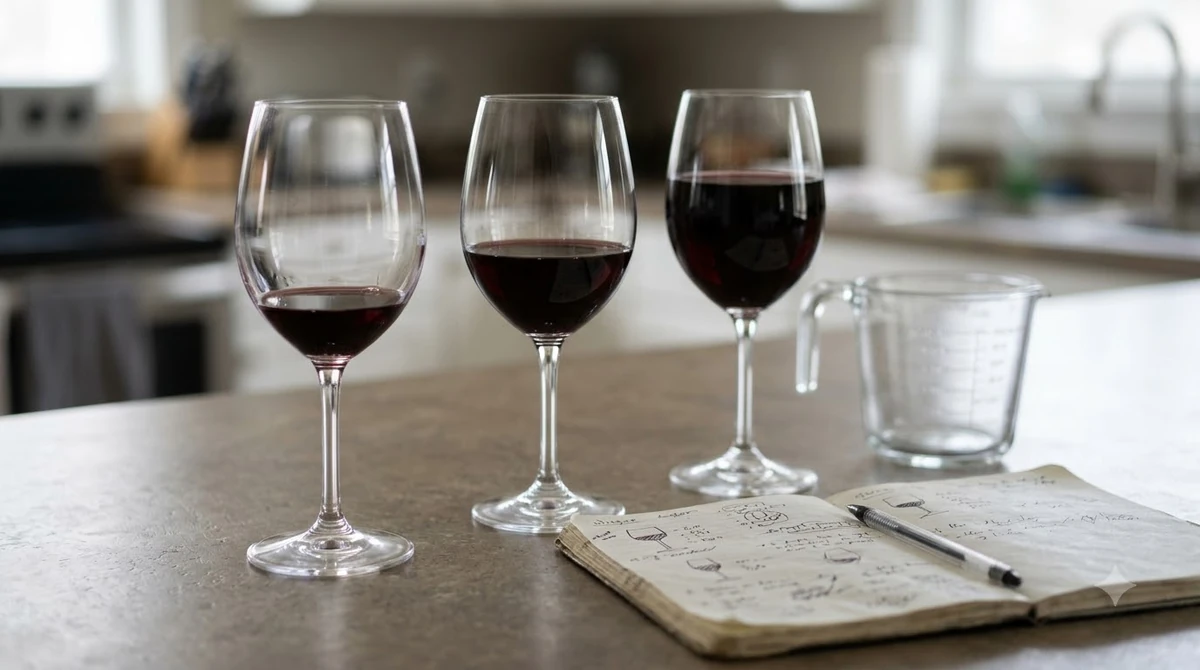
Appearance provides the first indication of its style. Young Condrieu often displays a bright golden-yellow color, sometimes with greenish reflections. With maturity, the color can become deeper and more golden.
The nose is usually the most immediately expressive part of the experience. Apricot and peach are common primary aromas, accompanied by violets, jasmine, and other floral notes. Some wines also show mango, orange peel, and subtle herbal or spicy characteristics.
On the palate, the wine typically feels broader than a light-bodied white such as Pinot Grigio. Its texture may be silky, rounded, or almost creamy, depending on grape ripeness and winemaking. A well-balanced example combines this generous structure with enough freshness to keep the fruit flavors lively.
Oak influence varies between producers. Some winemakers use stainless steel to emphasize fruit and freshness, while others ferment or age part of the wine in oak barrels. New oak can introduce additional vanilla, spice, and toasted notes, whereas older barrels generally contribute less obvious oak flavor.
Lees aging is another technique used in Condrieu production. Keeping wine in contact with fine yeast deposits after fermentation can contribute texture and additional complexity. The length of this process and the degree of stirring vary by producer.
Understanding differences between producers
Two bottles of Condrieu can taste noticeably different despite using the same grape variety and sharing the same appellation. Vineyard location, soil composition, harvest maturity, fermentation temperature, barrel selection, and aging decisions all influence the finished wine.
For example, E. Guigal’s Condrieu provides a useful illustration of one established approach. The producer describes a wine made from 100% Viognier, fermented partly in new barrels and partly in stainless steel, then aged for eight months using the same division between oak and stainless steel.
Maison Lavau describes a different approach for its Condrieu, with fermentation in temperature-controlled stainless steel and ten months of aging on fine lees in used barrels. These examples demonstrate why the appellation should not be understood as a single fixed flavor profile.
Sweetness also deserves attention. Most Condrieu is dry, but naturally ripe grapes can produce wines with greater residual sweetness. The important distinction is that ripe fruit aromas do not automatically mean the wine contains substantial sugar. A dry Condrieu can smell intensely of peach, apricot, and honey while remaining a dry table wine.
Tip: If you are new to Viognier, start with a young, dry Condrieu. Its floral aromas and peach-and-apricot flavors make the grape’s identity easy to recognize, while its freshness provides a clearer introduction than an especially mature or heavily oaked example.
Condrieu Wine Styles, Winemaking, and Bottle Aging
Condrieu is made in several stylistic expressions, but the most common is a dry, still white wine intended to showcase Viognier’s aromatic intensity. Differences in fermentation, oak treatment, lees contact, and bottle age create variations in texture and complexity.
Unlike sparkling appellations, Condrieu is not produced through a traditional-method or tank-method sparkling process. Its identity is based on still white wine. The appellation regulations also specify Viognier as the permitted grape and establish requirements for the production area and wine characteristics.
Harvest timing is particularly important. Growers need to wait until Viognier has developed its characteristic aromas and sufficient natural ripeness. Harvesting too early may result in less expressive fruit, while excessive ripeness can increase alcohol and reduce the perception of freshness.
Many vineyard operations are difficult to mechanize because of the steep terrain. Manual work therefore remains important in maintaining the vines and harvesting grapes from narrow hillside parcels.
Oak and stainless-steel fermentation
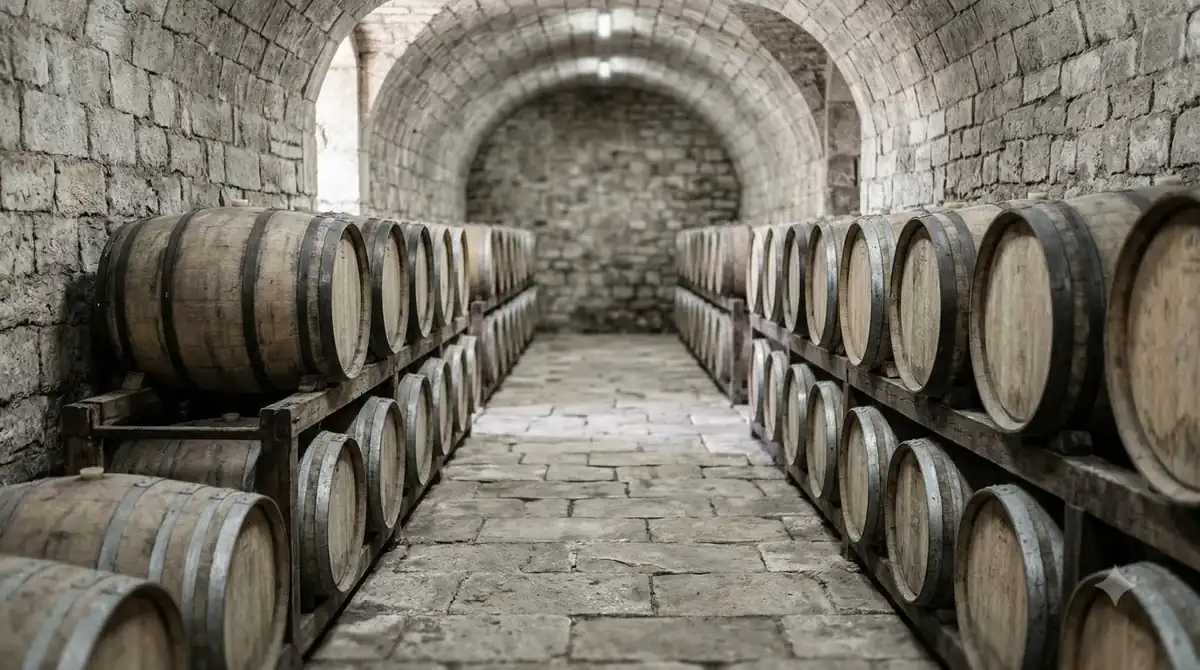
Winemakers choose fermentation vessels according to the style they want to achieve. Stainless-steel tanks offer precise temperature control and help preserve fresh fruit and floral aromas. Oak barrels can contribute texture, complexity, and additional flavor, especially when new barrels are used.
Some producers combine both approaches. Guigal, for example, specifies fermentation in one-third new barrels and two-thirds stainless-steel tanks for its Condrieu. Its subsequent eight-month aging period follows the same proportions.
Other producers favor older barrels and longer contact with fine lees. This approach can give the wine additional weight without introducing as much obvious vanilla or toasted oak character.
How long can Condrieu age?
Many bottles are enjoyed during their first few years, when the floral and stone-fruit aromas are especially expressive. However, Condrieu is not necessarily a wine that must be consumed immediately after release. Well-made examples can develop additional complexity with careful bottle aging.
Decanter’s examination of 40 Condrieu wines from 17 producers found that older examples could remain interesting well beyond their youthful stage. The article identifies an early maturity phase around 10 to 12 years after the vintage and discusses wines that continued developing at greater ages.
As the wine matures, its youthful peach and apricot aromas may become less prominent. More developed examples can show dried fruit, honeyed notes, spice, and greater savory complexity. The balance between freshness, structure, and maturity determines how successfully an individual bottle develops.
Not every Condrieu should be held for a decade. Producer, vintage, vineyard, and winemaking style all matter. Some wines are designed primarily for youthful enjoyment, while more structured examples may offer a longer drinking window.
The following table provides a practical overview of typical styles and drinking considerations. These are general guidelines rather than guarantees for every bottle.
| Wine characteristic | Typical expression | Practical guidance |
|---|---|---|
| Grape variety | 100% Viognier | Expect floral and stone-fruit aromas. |
| Sweetness | Generally dry | Riper aromas do not necessarily indicate sweetness. |
| Alcohol | Minimum natural strength of 11.5% ABV | Individual bottles can have higher alcohol. |
| Serving temperature | 50–55°F | Allow the wine to warm slightly in the glass. |
| Young drinking window | Approximately 2–5 years for many examples | Best for expressive primary fruit and floral aromas. |
| Extended aging | Some structured wines can develop for 10–12 years or longer | Producer and vintage determine suitability. |
| Typical bottle format | 750 ml | Approximately five standard 5-ounce pours. |
For longer storage, keep bottles in a cool, dark location with a stable temperature near 55°F. Avoid direct sunlight, repeated temperature changes, and unnecessary vibration. Traditional cork-finished bottles are generally stored on their sides to keep the cork from drying out.
Once opened, refrigerate the wine and use a suitable closure. Most opened still white wines remain enjoyable for approximately three to five days, although delicate floral aromas may fade before the wine becomes undrinkable.
Food Pairings and Serving Condrieu Wine
Condrieu pairs particularly well with seafood, shellfish, poultry, creamy dishes, and flavorful cheeses. Its aromatic fruit, rounded texture, and moderate freshness complement rich ingredients without requiring the strong acidity or tannin structure found in some other wine styles.
Seafood is one of the most natural pairing categories. Lobster, scallops, monkfish, and other substantial white fish work especially well because their textures can match the wine’s fuller body. Delicate preparations with butter or cream also complement Viognier’s generous mouthfeel.
For example, grilled scallops with a light butter sauce provide a good combination of sweetness, richness, and gentle savory flavors. Condrieu’s apricot and floral aromas add another dimension without overpowering the seafood.
Chicken and other white meats are equally suitable. Roasted chicken, turkey with a creamy sauce, and chicken with herbs can all work well. The wine’s rounded texture complements the richness of the meat, while its aromatic profile provides contrast to savory seasoning.
Asian-inspired dishes can also make interesting pairings, particularly when they emphasize aromatic ingredients rather than aggressive chili heat. Ginger chicken, lightly spiced coconut-based dishes, and dishes containing fresh herbs can complement the floral and stone-fruit characteristics of Viognier.
However, very hot chili sauces can be difficult. Alcohol can amplify the sensation of chili heat, making a relatively full-bodied Condrieu less comfortable alongside intensely spicy food. For those dishes, a lower-alcohol wine with a different sweetness and acidity balance may be a better option.
Cheese and regional food traditions
One particularly appropriate pairing is Rigotte de Condrieu, a small goat’s milk cheese associated with the local area. This regional specialty provides a direct connection between the wine and its surrounding food culture.
Fresh and moderately aged goat cheeses can work well because their tangy character contrasts with Viognier’s ripe fruit and rounded texture. Other suitable choices include mild cow’s milk cheeses and creamy cheeses that do not overwhelm the wine’s aromas.
Foie gras is another traditional suggestion, especially when served with a richer or slightly sweeter expression. The wine’s generous body can complement the texture of the dish, while its aromatic fruit provides a counterpoint to the richness.
Best serving temperature
Temperature has a noticeable effect on Condrieu. Serving it too cold can suppress the floral aromas and make its texture seem less expressive. Serving it too warm can make the alcohol feel more prominent and reduce the impression of freshness.
A practical starting point is 50–55°F for a fuller-bodied white wine. This is slightly warmer than the typical range used for lighter white wines, allowing the complex Viognier aromas to become more apparent.
Use a medium-sized white wine glass with enough room to collect the aromas. A large red wine glass is not necessary, but an extremely narrow glass can restrict the wine’s expressive bouquet.
If the bottle has been refrigerated for several hours, take it out approximately 15 to 20 minutes before serving. The wine can then gradually open in the glass as its temperature rises.
For a complete meal, consider serving Condrieu with the main course rather than reserving it only for an aperitif. Its body and aromatic complexity make it particularly useful alongside food.
How to Choose a Bottle of Condrieu
Choosing Condrieu is easier when you consider the producer, vineyard conditions, winemaking approach, and intended drinking window. Although every bottle shares the Viognier foundation, the finished wines can range from fresh and fruit-driven to broad, structured, and oak-influenced.
Start by considering the style you prefer. If you enjoy expressive fruit and floral aromas, look for a producer who emphasizes stainless-steel fermentation or restrained oak treatment. If you prefer fuller textures and greater complexity, a wine with barrel fermentation or extended lees aging may be more appealing.
Producer information can be particularly helpful because the appellation itself does not dictate one specific fermentation or aging technique. Guigal and Lavau illustrate how different cellar choices can shape the finished wine while remaining within the Condrieu identity.
Understanding producer differences
E. Guigal is one recognizable producer of northern Rhône wines. Its Condrieu illustrates a style that combines new oak with stainless steel and emphasizes the aromatic characteristics of Viognier. Its published technical information identifies peach, apricot, citrus, and violet among the wine’s principal sensory characteristics.
Maison Lavau provides another example, describing a Condrieu made with temperature-controlled fermentation and ten months of fine-lees aging in used barrels. The producer highlights white flowers, white-fleshed fruit, honey, and candied citrus.
These examples demonstrate why the producer’s technical approach matters. Two wines can share the same appellation and grape but deliver different balances of fruit, oak, texture, and freshness.
Consider the vintage and drinking window
Vintage conditions affect the balance between ripeness and freshness. Warmer growing seasons may encourage fuller fruit expression and greater alcohol, while cooler conditions can produce a different aromatic and structural profile.
When selecting an older bottle, consider its provenance and storage history. White wines can be sensitive to heat and oxidation, so a bottle that has been stored in a consistently cool environment is generally a safer choice for extended aging than one with an uncertain history.
For everyday enjoyment, a relatively young Condrieu is often the simplest choice. Its fruit and floral aromas are typically expressive, making it easier to understand the variety and the appellation.
For a special meal, an older bottle from a producer known for structured wines can offer a more developed experience. Mature examples may display honeyed, dried-fruit, and savory notes that are quite different from the youthful peach and apricot character.
Condrieu compared with other wine regions
Condrieu is sometimes compared with other aromatic white-wine regions, but its identity is distinctive. The exclusive use of Viognier, the steep northern Rhône slopes, and the influence of granite soils make it different from regions that specialize in Riesling, Sauvignon Blanc, or Chardonnay.
For instance, the Savoie wine region offers a contrasting French Alpine wine tradition, with different grapes and cooler mountain influences. The Switzerland wine region provides another useful comparison for understanding how mountainous geography and local grape varieties influence regional wine styles.
Condrieu is best understood as a specialist expression of Viognier rather than a general category of French white wine. Its small production area and focused grape requirements give it a recognizable identity that distinguishes it from other northern Rhône wines.
Frequently Asked Questions
Is Condrieu the same as Viognier?
No. Viognier is a grape variety, while Condrieu is a legally defined French wine appellation. Condrieu must use Viognier exclusively, but Viognier wines produced outside the appellation cannot automatically be labeled Condrieu. The grape is also grown in regions such as California, Australia, and other parts of France.
Is Condrieu a rare wine?
Yes, Condrieu is relatively limited in production compared with large international wine appellations. Inter Rhône reports approximately 216 hectares of production area and 4,869 hectoliters of production for 2025. Its small vineyard footprint and demanding hillside cultivation help explain why it is less commonly encountered than widely distributed Chardonnay or Sauvignon Blanc.
Can Condrieu wine be sweet?
Yes, although most Condrieu is dry, the appellation permits dry and medium-dry wines, and naturally overripe grapes can produce sweeter expressions under suitable conditions. Historically, Condrieu was sometimes made in sweeter styles. The modern reputation of the appellation, however, is primarily based on dry Viognier.
What is the difference between Condrieu and Château-Grillet?
Both are prestigious northern Rhône white-wine appellations based on Viognier, but they are separate geographical designations. Château-Grillet is an exceptionally small appellation contained within the broader Condrieu geographical area. Its wines have their own protected identity and cannot simply be treated as Condrieu wines.
Does Condrieu wine need to be decanted?
Most young Condrieu does not require decanting because its aromatic character is already expressive. However, a brief period of air exposure in the glass can help a particularly structured or mature bottle reveal additional complexity. Unlike young full-bodied Cabernet Sauvignon, which may benefit from 30–60 minutes of decanting, Condrieu is generally better approached with gentle aeration rather than prolonged exposure.
The Condrieu wine region demonstrates how one grape variety can achieve a distinctive identity through geography, geology, and careful vineyard management. Its aromatic Viognier wines offer an appealing combination of apricot, peach, floral character, and rounded texture, making them particularly rewarding with seafood, poultry, and regional cheeses.
Whether enjoyed young for its expressive fruit or held for additional complexity, Condrieu remains one of the northern Rhône’s most distinctive white-wine appellations. Exploring different producers and vintages is an excellent way to understand the range and character of this remarkable French wine.
More in Wine Regions
 Willcox Wine Trail: Discover Arizona’s High-Elevation Wine CountryUpdated Nov 20, 2026
 Yakima Valley Wine Region: Find the Best Styles to TryUpdated Nov 20, 2026
 Vosne Romanee Wine Tasting: Identify Aromas and Choose Better PairingsUpdated Nov 20, 2026
 Yakima Valley Wine Festival: Find the Best Seasonal Wine EventsUpdated Nov 20, 2026
 Wales Vineyards: Discover Cool-Climate Wines and Where to VisitUpdated Nov 20, 2026
 Yountville Wine Festival: Discover Napa Wines and Local FoodUpdated Nov 20, 2026