


We may earn a commission when you buy through links on this page, at no extra cost to you. Learn more.
This columbia crest wine review finds that Columbia Crest is a strong option for drinkers seeking approachable Washington wines, especially Cabernet Sauvignon, Merlot, Chardonnay, and Syrah. Its Grand Estates, H3, Reserve, and Founders Series collections offer different expressions of Washington State grapes, from everyday varietal wines to more focused regional selections. The best bottle depends on your preferred grape, tannin level, food pairing, and interest in Horse Heaven Hills or the broader Columbia Valley.
Columbia Crest has an established place in Washington wine, combining a long regional history with a lineup that covers several familiar grape varieties. Rather than treating every bottle as interchangeable, shoppers should understand how the collections differ and what each grape contributes. This guide examines the winery’s background, explains the major buying considerations, and provides practical steps for choosing, serving, and storing its wines.
Who This Is For: Columbia Crest Drinkers and Buyers
Columbia Crest is worth considering for people who enjoy recognizable grape varieties and want to explore Washington wine without beginning with highly specialized or unfamiliar styles. Its Grand Estates range includes five wine categories, while Reserve and Founders Series selections provide additional directions for shoppers interested in more specific vineyard and winemaking expressions.

The winery has a substantial regional history. Columbia Crest opened its winery and visitor center in June 1982 beside the Columbia River in eastern Washington, becoming the first winery in the Horse Heaven Hills AVA, according to its official history. Its early vineyard development dates to 1978, and its first red varietal releases, Cabernet Sauvignon and Merlot, came from the 1984 vintage. That background gives the brand a connection to the development of modern Washington wine rather than making it simply another label using grapes from the region.
Cabernet Sauvignon drinkers are a natural audience for the lineup. The grape typically has high tannin, dark-fruit flavors, and enough structure to accompany substantial meals. Wine Enthusiast’s review of the 2020 Grand Estates Cabernet Sauvignon describes black cherry, dark chocolate, blueberry, cedar, and grippy tannins. Its reported alcohol level was 14.5% ABV, making it a useful reference point for buyers who prefer a fuller red rather than a particularly light, delicate wine.
Shoppers who prefer softer reds should also consider Merlot. Merlot generally has medium tannin and a rounder impression than Cabernet Sauvignon, making it suitable for people who find heavily structured reds tiring. Syrah drinkers can look toward the Grand Estates Syrah or a red blend, while Chardonnay buyers have a white-wine option within the same collection.
The brand is also relevant to people exploring Washington wine regions. The Columbia Valley offers a broad regional identity, whereas Horse Heaven Hills gives the H3 wines a more specific appellation connection. Readers comparing producers can use the wider Wine Brands category to understand how Columbia Crest fits into the larger American wine market.
Key Factors to Compare Before Buying Columbia Crest Wine
The most useful comparison points are grape variety, collection, appellation, structure, and intended occasion. Looking at these five details makes it easier to choose a bottle that suits your palate instead of relying only on the winery name or label design.
| Buying factor | What to look for | Why it matters |
|---|---|---|
| Collection | Grand Estates, H3, Reserve, Founders Series | Identifies the wine’s position and regional focus. |
| Grape variety | Cabernet Sauvignon, Merlot, Syrah, Chardonnay | Helps predict tannin, acidity, body, and flavor. |
| Region | Columbia Valley or Horse Heaven Hills | Provides information about geographic origin. |
| Alcohol | 14.5% ABV on the reviewed 2020 Grand Estates Cabernet | Helps indicate the wine’s potential weight and warmth. |
| Bottle size | 750 ml on the reviewed 2020 Cabernet | Provides approximately five standard 5-ounce pours. |
| Food pairing | Beef, grilled vegetables, poultry, seafood, or cheese | Helps match wine structure to the meal. |
Collection names deserve particular attention. Columbia Crest’s official portfolio describes Grand Estates as a collection combining artisan winemaking with Washington State vineyards. Its five listed categories are Cabernet Sauvignon, Chardonnay, Merlot, Syrah, and Red Blend. Reserve is positioned around premier vineyard sites and includes Cabernet Sauvignon and Walter Clore Red Wine. Founders Series celebrates the winery’s Horse Heaven Hills heritage and includes Cabernet Sauvignon, Chardonnay, and Merlot. The official Columbia Crest wine collection provides the current portfolio overview and a retailer-location search.
Regional information is another important consideration. Columbia Valley is a broad Washington wine region, so a Columbia Valley designation does not automatically mean that the grapes came exclusively from Horse Heaven Hills. H3 has a more specific connection to that appellation. Its official history explains that the project began in 2008 to showcase Horse Heaven Hills vineyards and grapes.
For a practical comparison, consider the 2020 Grand Estates Cabernet Sauvignon reviewed by Wine Enthusiast. The publication recorded 14.5% ABV and described the wine as a Cabernet-based blend containing smaller portions of Merlot and Syrah. Its tasting description included dark fruit, chocolate, orange, leather, and cedar. This example illustrates why checking the individual wine’s composition and tasting description is more informative than assuming every Cabernet Sauvignon tastes identical.
Finally, think about how you intend to drink the bottle. A wine for grilled steak can have more tannin and weight than a bottle intended for a light lunch. A white wine for seafood needs freshness and acidity, while a red intended for a rich pasta dish can benefit from greater body. These practical distinctions matter more than choosing a wine simply because it belongs to the same producer as another bottle you enjoyed.
Tip: Start with the grape variety you already enjoy, then compare the collection and regional designation. If you like structured reds, begin with Cabernet Sauvignon; if you prefer softer fruit and less aggressive tannin, consider Merlot.
Step-by-Step: How to Choose the Right Bottle
A straightforward selection process can narrow Columbia Crest’s lineup without requiring extensive wine knowledge. Start with your preferred color and grape, identify the collection, and then match the wine’s structure to the occasion and food.
-
Decide between red and white.
Choose red if you want a wine for beef, lamb, grilled mushrooms, or richer sauces. Choose white if you are planning seafood, roast chicken, creamy pasta, or lighter appetizers. Columbia Crest’s Grand Estates collection provides both red and white options.
-
Select a familiar grape variety.
Cabernet Sauvignon suits drinkers who enjoy high tannin and dark-fruit character. Merlot is generally softer, while Syrah often delivers more pronounced spice and substantial structure. Chardonnay is the natural starting point for shoppers seeking a medium-acidity white wine.
-
Choose the collection that matches your priorities.
Grand Estates is the logical starting point for exploring the brand’s core varietal selection. H3 is appropriate for buyers particularly interested in Horse Heaven Hills. Reserve is worth investigating for wines sourced from premier vineyard sites, while Founders Series emphasizes the winery’s estate vineyard and local family-farm relationships.
-
Consider the region.
A Columbia Valley designation provides a broad regional reference. Horse Heaven Hills gives a more geographically specific indication. If regional identity is important to your purchase, compare the actual appellation rather than assuming all Columbia Crest bottles represent the same vineyard conditions.
-
Read the wine description.
Look for terms such as black cherry, plum, cassis, vanilla, cedar, citrus, and stone fruit. These descriptions help establish whether a wine is likely to suit your preferences. Also consider references to acidity, tannin, oak, and alcohol, which provide useful clues about structure.
-
Match the bottle to your meal.
Choose Cabernet Sauvignon for a grilled steak or beef roast, Merlot for meatloaf or mushroom pasta, Syrah for grilled lamb, and Chardonnay for roast chicken or seafood. For a meal with several courses, consider whether one wine can work with the main dish without overwhelming the earlier courses.
-
Plan serving and storage.
Serve full-bodied reds around 60–65°F and lighter whites around 45–50°F. If the bottle will not be opened immediately, keep it away from direct sunlight and large temperature changes. These final details can improve the drinking experience as much as the original buying decision.
It is helpful to approach the first purchase as a reference point rather than a final judgment about the entire brand. If a Cabernet Sauvignon suits your palate, you can use that experience to decide whether to explore a different Cabernet collection or try Syrah. If a Chardonnay works well with your usual meals, another white-wine selection may be the more useful next step.
Columbia Crest Wine Types and Styles Explained
Columbia Crest’s portfolio covers several familiar styles, but the collections serve different purposes. Understanding the distinctions between Grand Estates, H3, Reserve, and Founders Series is essential for comparing bottles accurately.
Grand Estates
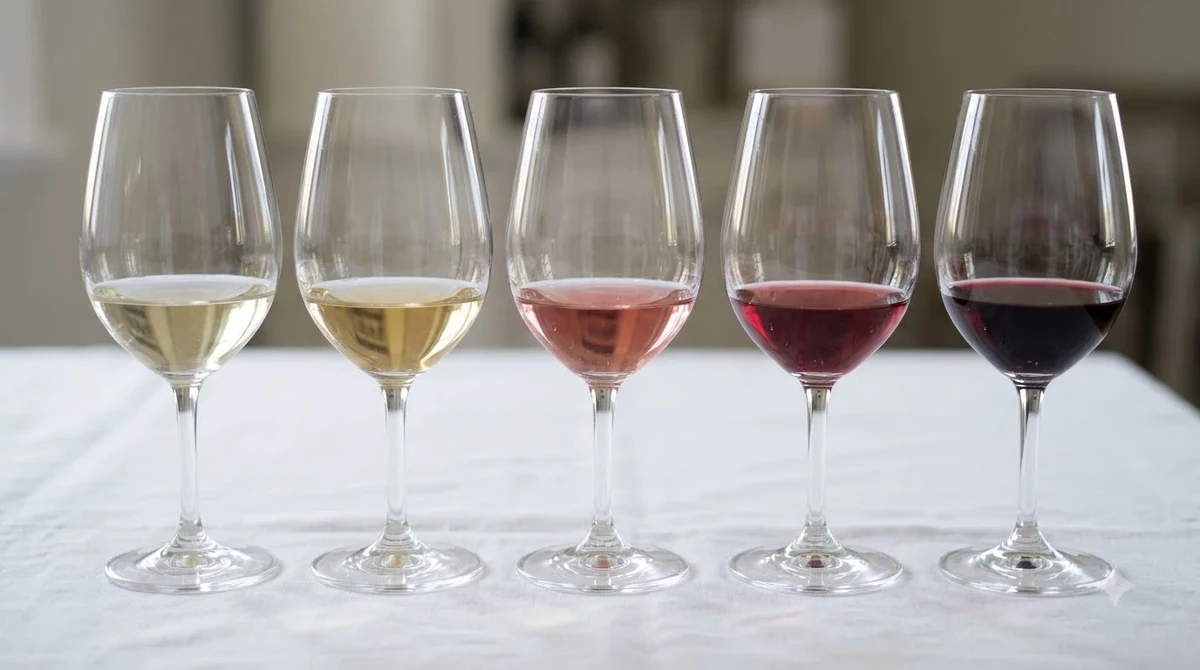
Grand Estates is the broadest starting point for shoppers who want to explore the winery’s main varietal offerings. Its official collection includes Cabernet Sauvignon, Chardonnay, Merlot, Syrah, and Red Blend. This range makes it possible to compare different grapes without moving immediately into another producer’s portfolio.
Cabernet Sauvignon is generally the most structured red choice in this selection. Expect the grape’s characteristic dark-fruit profile and substantial tannin, although the precise balance changes with vintage and blending. Merlot generally offers softer tannin and a rounder fruit impression. Syrah is typically more powerful, with medium-plus to high tannin and the potential for pepper, dark berries, and savory notes.
Chardonnay provides a contrasting white-wine direction. The grape usually has medium acidity, and its flavor can range from citrus and apple to ripe stone fruit and richer oak-associated characteristics. Red Blend gives buyers another route, but its exact grape proportions should be considered vintage-specific rather than assumed to remain constant.
H3 and Horse Heaven Hills
H3 is closely associated with Horse Heaven Hills. According to the H3 official history, the project began in 2008 as a sister project of Columbia Crest, with its wines designed to showcase the grapes and vineyards of that appellation. Its initial releases included Chardonnay, Merlot, and Cabernet Sauvignon.
Horse Heaven Hills has several notable growing conditions. The appellation is one of Washington’s warmer grape-growing areas, has relatively low rainfall, and experiences strong winds. According to H3’s regional description, the warmth helps grapes ripen, lower rainfall allows greater irrigation control, and wind contributes to tougher grape skins and smaller vine canopies.
These details help explain why H3 deserves separate consideration rather than being treated as simply another name for Grand Estates. The appellation has a distinct growing environment, and the H3 identity places that regional focus at the center of its wines. For more detail on the winery’s broader offerings, see the Columbia Crest wine overview.
Reserve
Reserve is positioned around premier vineyard sites and more carefully crafted wines. The official collection lists Cabernet Sauvignon and Walter Clore Red Wine. The latter honors Washington wine pioneer Walter Clore, whose name has a particular connection to the development of the state’s wine industry.
Reserve is a useful category for shoppers who want to explore a different level of the producer’s portfolio. It should not be confused with a universal guarantee that every Reserve wine will taste more powerful or be more enjoyable than every Grand Estates wine. Vintage, vineyard selection, grape composition, and individual preference still determine the final experience.
Founders Series
Founders Series celebrates Columbia Crest’s history in Horse Heaven Hills. The official collection description explains that fruit is sourced from the estate vineyard and local family farms. Its listed wines include Cabernet Sauvignon, Chardonnay, and Merlot.
This collection is particularly interesting for buyers who want to connect the bottle with the winery’s regional roots. Its focus differs from the broad Grand Estates varietal selection and the premier-vineyard positioning of Reserve. Comparing these distinctions helps prevent shoppers from assuming that the brand’s collections are simply different label designs for identical wine styles.
Common Mistakes When Buying Columbia Crest Wine
The most common buying mistakes involve treating every collection as equivalent, misunderstanding grape characteristics, and choosing a wine without considering the food or serving conditions. Avoiding these errors makes the brand’s selection easier to understand.
Assuming Every Collection Has the Same Regional Focus
Grand Estates and H3 should not be treated as interchangeable. Grand Estates includes wines across several varietal categories, while H3 emphasizes Horse Heaven Hills fruit. Founders Series also has a strong Horse Heaven Hills connection, but its official description specifically highlights the estate vineyard and local family farms.
The appellation matters because grape-growing conditions can influence ripeness, acidity, concentration, and structure. Horse Heaven Hills has relatively low rainfall and strong winds, while the broader Columbia Valley encompasses a much larger geographic area. These differences are useful context when comparing bottles with different regional designations.
Choosing Cabernet Sauvignon Without Considering Tannin
Cabernet Sauvignon is naturally high in tannin. This structure can be appealing with fatty meats and rich sauces, but it may seem harsh alongside delicate dishes. A shopper who generally prefers softer reds might find Merlot more comfortable, particularly with roast poultry, mushroom dishes, or moderately rich pasta.
Do not assume that a fruit-forward aroma means a wine will have low tannin. Wine Enthusiast’s description of the 2020 Grand Estates Cabernet Sauvignon includes abundant black and blue fruit but also specifically mentions grippy tannins. Fruit intensity and tannin structure are separate characteristics.
Ignoring the Food Pairing
A wine that works well by itself may not be the best choice for every meal. High-tannin Cabernet Sauvignon can work with a grilled steak because protein and fat help soften its drying impression. Merlot is generally more adaptable to a range of moderate-intensity dishes, while Syrah can complement grilled lamb and roasted vegetables.
White wines require the same attention. Chardonnay can suit roast chicken, creamy pasta, and moderately rich seafood dishes. However, very tannic reds are generally poor matches for oily fish because the combination can create an unpleasant metallic impression. For seafood, a fresh white wine is usually the safer choice.
Serving Reds Too Warm
Full-bodied reds are often served warmer than they should be. A room that feels comfortable to people may be warmer than the ideal serving temperature for Cabernet Sauvignon or Syrah. Excessive warmth can make alcohol seem more prominent and reduce the impression of freshness.
Aim for 60–65°F for full-bodied reds and 55–60°F for lighter reds. A bottle stored at typical room temperature may benefit from a short period in the refrigerator before serving. Avoid placing a bottle in the freezer for an extended period because uneven or excessive chilling can interfere with serving.
Expecting Every Vintage to Taste Identically
Vintage variation affects grape ripeness, acidity, tannin, and the balance between fruit and oak. A blend may also change its grape proportions between releases. The 2020 Grand Estates Cabernet Sauvignon, for example, was described as a Cabernet-based wine with smaller amounts of Merlot and Syrah, while the 2020 Grand Estates Red was described by Wine Enthusiast as mostly Merlot and Syrah.
These are different blends, even though they belong to the same producer and collection. A tasting note for one vintage should therefore be treated as a useful reference rather than a permanent description of every bottle carrying that label.
Care and Storage Tips for Columbia Crest Bottles
Proper storage and serving conditions help preserve the wine’s intended character. Keep unopened bottles away from sunlight and temperature fluctuations, then serve each style at a temperature that suits its body and structure.
Store Unopened Bottles Correctly
A storage temperature near 55°F is a practical target for wine kept for longer periods. The more important principle is consistency: avoid repeatedly exposing bottles to large temperature changes. A cool, dark cupboard or a suitable wine refrigerator is generally preferable to a warm kitchen shelf.
If a bottle has a natural cork closure and will be stored for an extended period, keeping it on its side helps maintain contact between the wine and the cork. Store bottles away from strong odors, direct sunlight, heaters, and vibrating appliances. Avoid locations such as the top of a refrigerator, where heat and vibration can be problematic.
Use the Right Serving Temperature
Temperature influences aroma, acidity, tannin, and the perception of alcohol. Full-bodied Columbia Crest Cabernet Sauvignon and Syrah should generally be served at 60–65°F. Lighter reds, including softer styles of Merlot, can benefit from a slightly cooler range of 55–60°F.
For white wines, serve light-bodied styles at 45–50°F and fuller-bodied Chardonnay at 50–55°F. Avoid serving every white directly from a very cold refrigerator. Excessive chilling can mute aroma and make the wine seem less expressive.
Decant When Appropriate
Decanting can help a young, full-bodied red become more expressive. A young Cabernet Sauvignon with pronounced structure can benefit from approximately 30–60 minutes in a decanter before serving. This gives the wine exposure to oxygen and can make its aromas more accessible.
Decanting is optional rather than compulsory. A lighter Merlot may need little or no aeration, while a white Chardonnay generally does not require the same treatment. Start by pouring a small glass and assessing the wine’s aroma and structure before deciding whether additional aeration would help.
Preserve Opened Bottles
After opening a still Columbia Crest wine, replace the closure and refrigerate the bottle. Most opened still wines retain reasonable drinking quality for approximately 3–5 days, although their aromas and flavors can gradually decline. Use a smaller amount of air space in the bottle when possible, or a suitable wine-preservation stopper.
Allow refrigerated red wine to warm slightly before serving again. A Cabernet Sauvignon poured directly from a cold refrigerator may seem muted, while an excessively warm bottle may emphasize alcohol. Returning the wine to its appropriate serving range helps restore its balance.
For a standard 750 ml bottle, plan on approximately five 5-ounce glasses. This is a useful serving reference when choosing bottles for a dinner with several guests. If several wines will be served, smaller pours make it easier to compare styles without overwhelming the meal.
Frequently Asked Questions
Is Columbia Crest wine good for everyday drinking?
Yes, Columbia Crest has a portfolio that includes accessible varietal wines and more focused regional selections. Its history includes recognition for value, including a 1997 Wine Spectator readers’ poll distinction for value among American wineries. Individual bottles still vary in structure, vintage character, and personal appeal.
What does the Columbia Crest name mean?
The winery explains that its name refers to the highest peak on Mount Rainier. The name reflects its Washington State identity and regional heritage. The winery is located alongside the Columbia River in eastern Washington.
Is H3 a separate winery from Columbia Crest?
H3 originated in 2008 as a sister project of Columbia Crest, created to showcase Horse Heaven Hills grapes and vineyards. Its official history describes the portfolio as dedicated to wines from that appellation. The two names therefore have a direct historical relationship.
Who was Walter Clore?
Walter Clore was a Washington wine pioneer whose work is honored by Columbia Crest’s Walter Clore red wine. The winery introduced its Walter Clore Private Reserve with the 1999 vintage. His name is associated with the development and recognition of Washington’s wine-growing potential.
Where can buyers find Columbia Crest wines?
The official Columbia Crest website provides a ZIP-code search intended to help shoppers find online wine stores and local delivery services. Availability can differ according to location and the particular collection or vintage. Checking local retailer listings is a practical way to identify currently available selections.
Columbia Crest offers a useful introduction to Washington wine, with Cabernet Sauvignon, Merlot, Chardonnay, Syrah, and blended wines across several distinct collections. Start with Grand Estates for a broad varietal selection, explore H3 for its Horse Heaven Hills focus, and consider Reserve or Founders Series when you want to investigate different vineyard and winemaking priorities. Comparing grape, appellation, vintage, and serving style will help you select the bottle that best fits your next meal or occasion.
More in Wine Brands
 Columbia Crest Wine Price: Compare Bottles and Find Your Best ValueUpdated Nov 21, 2026
 Donnafugata Wine Price: Compare Bottles and Find the Right WineUpdated Nov 21, 2026
 Columbia Winery Price: Compare Bottles and Choose the Right WineUpdated Nov 21, 2026
 Conundrum Red Review: Understand Its Flavor and Choose With ConfidenceUpdated Nov 21, 2026
 Codorniu Wine Price: Compare Bottles and Find the Right CavaUpdated Nov 21, 2026
 Cloudy Bay Wine Review: Explore the Wines and Choose the Right BottleUpdated Nov 21, 2026