

We may earn a commission when you buy through links on this page, at no extra cost to you. Learn more.
This clean slate riesling review finds that Clean Slate Riesling is an approachable German white wine with fresh peach, citrus, gentle mineral character, lively acidity, and a lightly sweet to relatively dry profile depending on the vintage. Made from Riesling grapes in Germany’s Mosel region, it offers an accessible introduction to the variety without requiring an advanced understanding of German wine. Its relatively modest alcohol level, refreshing finish, and compatibility with flavorful foods make it a practical choice for casual dinners and everyday occasions.
Riesling can range from bone-dry to intensely sweet, which makes understanding an individual bottle’s style important before buying. Clean Slate occupies an approachable part of that spectrum, combining fruit-forward flavors with the acidity associated with Mosel Riesling. Its appeal is not based on complexity or extended aging but on balance, freshness, and versatility. This guide examines its origin, flavor, sweetness, alcohol content, food compatibility, and practical buying considerations so readers can decide whether it suits their preferences.
Who Clean Slate Riesling Is For
Clean Slate Riesling is best suited to drinkers who enjoy aromatic white wines, refreshing acidity, and recognizable fruit flavors without heavy oak influence. Its approachable style makes it particularly interesting for people exploring German Riesling for the first time, as well as experienced wine drinkers looking for an uncomplicated bottle to serve with dinner.

The wine comes from Germany’s Mosel region through a partnership between Winebow and Moselland, a large winegrowing cooperative. Winebow positions the label as an accessible introduction to the region’s signature grape. Its character reflects the combination of fruit, acidity, and mineral impressions associated with Mosel Riesling rather than the rich, heavily textured style found in some other white wines.
Several types of drinkers may find this bottle appealing:
- Riesling beginners: People who want to understand how peach, citrus, floral aromas, and acidity work together in a German white wine can use Clean Slate as an approachable starting point.
- Fans of lightly sweet wines: Drinkers who enjoy fruit-forward wines with a little sweetness and enough acidity to keep the palate refreshed may appreciate its general style.
- People who enjoy spicy food: Its aromatic fruit and acidity make it particularly suitable for dishes containing ginger, chili, curry spices, and savory sauces.
- Casual white wine drinkers: Its light body and moderate alcohol level make it a practical option for relaxed meals rather than elaborate tasting occasions.
- Fans of German wine: Those interested in exploring the Mosel without immediately moving into more expensive vineyard-specific Rieslings may find this label useful.
However, Clean Slate is not necessarily the right choice for everyone. Drinkers who want a completely bone-dry, intensely mineral Riesling may prefer a different bottling. People who enjoy full-bodied Chardonnay, rich oak flavors, or concentrated white Burgundy may also find this wine comparatively light.
The important distinction is that Clean Slate prioritizes accessibility. It provides recognizable fruit and refreshing acidity instead of the pronounced structure, concentration, or aging potential associated with more ambitious Riesling bottlings. Its purpose is to offer an enjoyable everyday expression of the Mosel rather than imitate a premium single-vineyard wine.
Readers comparing this bottle with other labels can also explore our broader Wine Brands coverage to understand how producers position their wines and how regional identity influences the final drinking experience.
Key Factors to Compare When Buying Clean Slate Riesling
The most useful buying considerations are vintage, sweetness, acidity, alcohol level, and production style. These factors help explain why two bottles carrying the same Clean Slate name may offer slightly different impressions.
| Factor | Producer or review information | What it means for drinkers |
|---|---|---|
| Origin | Mosel, Germany | Cool-climate Riesling character and mineral impressions |
| Grape composition | 100% Riesling | Aromatic fruit and refreshing acidity |
| Alcohol | 10.6% ABV for the 2025 listing | Relatively moderate alcohol for a still white wine |
| Residual sugar | 18.1 g/L for the 2025 listing | A perceptible touch of sweetness balanced by acidity |
| Total acidity | 7.5 g/L for the 2025 listing | Freshness and a lively palate |
| pH | 3.31 for the 2025 listing | Consistent with a bright, fresh wine profile |
| Fermentation | 18–24 days | Controlled fermentation designed to preserve freshness |
| Fermentation temperature | 61–64°F | Temperature-controlled production |
| Aging | Average 4 months before bottling | Fresh-fruit-focused production rather than extended maturation |
| Bottle size in the 2024 review | 750 ml | Approximately 5 standard 5-ounce servings |
These figures come from Winebow’s 2025 producer information and the separately reviewed 2024 vintage. They should not be treated as interchangeable specifications for every release. In particular, alcohol and residual sugar can change between vintages, so the vintage is an important part of evaluating a bottle.
Sweetness and acidity
Sweetness is one of the most important factors to consider. Winebow lists 18.1 grams per liter of residual sugar for the 2025 vintage. This indicates that some natural grape sugar remains after fermentation, giving the wine a touch of sweetness rather than the completely dry impression associated with many Sauvignon Blancs.
However, residual sugar alone does not determine how sweet a wine tastes. Acidity plays an equally important role. The 2025 producer information lists 7.5 grams per liter of acidity, which helps balance the fruit and sweetness. The result is a wine that can taste refreshing rather than syrupy.
Vintage-specific reviews illustrate why this distinction matters. Wine Enthusiast described the 2021 release as off-dry, highlighting peach and apple flavors with vibrant acidity. Its 2024 review described a drier impression, with orchard fruit, white floral notes, balanced acidity, and a crisp finish.
For consumers, this means that Clean Slate should not be approached as a consistently sweet dessert wine. It is better understood as a fruit-forward Riesling whose sweetness perception can vary with the vintage and its balance of acidity.
Production and regional character
Winebow describes a production approach involving gentle pressing, selected yeasts, temperature-controlled fermentation, and stainless steel storage. The producer also reports no malolactic fermentation for the 2025 release. These decisions help retain the clean fruit character and freshness that define the wine’s intended style.
The Mosel origin is another meaningful buying consideration. Slate is common in the region, and its ability to reflect and retain heat contributes to grape ripening in a relatively cool climate. The resulting wines can combine aromatic fruit with a distinctive stony impression.
For a closer look at the grape’s regional background and the label’s origins, the producer’s Made in the Mosel: Clean Slate Riesling article explains how the region’s landscape influences its intended flavor profile.
Step-by-Step: How to Choose and Serve Clean Slate Riesling
Choosing a bottle becomes easier when the process starts with the intended drinking occasion and finishes with the correct serving temperature. A few simple steps can make the difference between a refreshing glass and a wine that seems either too sweet or insufficiently expressive.
-
Decide how much sweetness you enjoy.
If you generally prefer dry white wines, look for a vintage whose tasting description emphasizes crispness, citrus, and a drier finish. If you enjoy softer fruit and a little sweetness, a more clearly off-dry expression may be a better match. Clean Slate’s vintage descriptions are useful because the 2021 and 2024 reviews illustrate different sweetness impressions.
-
Consider the meal before choosing the bottle.
For spicy Thai food, Indian curry, Chinese stir-fry, or Mexican dishes, the wine’s acidity and fruit character can work particularly well. For a simpler meal involving grilled chicken or fish, it provides an aromatic alternative to heavier whites.
-
Consider the alcohol level.
The producer’s 2025 information lists 10.6% ABV, while Wine Enthusiast lists 10.5% for the 2024 vintage. This is relatively moderate for a still wine, making the label an interesting choice for people who prefer lighter-bodied white wines.
-
Chill the bottle before opening.
A serving temperature of approximately 45–50°F works well for this style of aromatic white wine. Cooling the wine helps maintain its freshness and keeps the fruit character lively without making its aromas difficult to perceive.
-
Choose an appropriate glass.
A standard white wine glass with a moderately narrow bowl is sufficient. The glass should provide enough room for the peach, citrus, and floral aromas to develop while keeping the wine cool between sips.
-
Pour a moderate serving.
A standard 5-ounce pour is a practical serving size. A 750 ml bottle provides approximately five such servings, leaving enough space in the glass to swirl the wine and release its aromas.
-
Taste before pairing with food.
Take a small sip to identify the balance between fruit, acidity, and sweetness. Then try the wine alongside the meal. This makes it easier to understand whether its fruit character complements the seasoning or whether a different wine style would be preferable.
Tip: Avoid serving Clean Slate directly from a very cold refrigerator. Let the wine warm slightly toward 45–50°F so its peach, citrus, and floral aromas become easier to appreciate. If the bottle becomes warmer during dinner, return it to an ice bucket briefly rather than allowing it to sit at room temperature for an extended period.
These steps are useful for beginners because they focus on the practical elements that have the greatest effect on the drinking experience. There is no need for specialized equipment, elaborate decanting, or complicated serving rituals. A suitable glass, a properly chilled bottle, and an appropriate meal are enough to show the wine’s intended character.
Types and Styles Explained: Understanding Clean Slate Riesling
Clean Slate is a Mosel Riesling, but understanding the broader Riesling spectrum helps explain its character. The grape can produce bone-dry, off-dry, medium-sweet, and dessert-style wines, with acidity and fruit intensity influencing how each expression tastes.
Clean Slate is generally positioned toward the approachable, fresh-fruit end of that spectrum. Its flavor profile combines peach, citrus, subtle spice, and mineral impressions. The producer describes the wine as balanced, while independent reviews demonstrate that individual vintages can lean toward either a drier or more noticeably off-dry impression.
Dry Riesling
Dry Riesling contains little perceived sweetness and typically emphasizes citrus, green apple, mineral character, and refreshing acidity. These wines are useful with seafood, grilled fish, salads, and dishes featuring herbs or lemon. Their crisp structure makes them suitable for drinkers who prefer white wines without noticeable residual sugar.
Clean Slate’s 2024 review is an example of a vintage described as being on the drier side. Wine Enthusiast highlighted orchard fruit, light white floral notes, and a crisp finish. This description provides a useful reference for people who are concerned that every German Riesling will taste distinctly sweet.
Off-dry Riesling
Off-dry Riesling retains some sweetness while maintaining enough acidity to avoid a heavy impression. Peach, apple, citrus, and floral aromas are common flavor associations. This style is particularly useful with foods containing chili, ginger, aromatic spices, or slightly sweet sauces.
The 2021 Clean Slate review provides a vintage-specific example. Wine Enthusiast described peach and apple flavors balanced by vibrant acidity and characterized the wine as off-dry. This combination helps explain why Clean Slate can work with spicy meals even when a little sweetness is present.
Sweet Riesling
Sweeter Riesling styles can range from medium-sweet wines to concentrated dessert wines. Depending on the producer and region, these wines may show honey, ripe stone fruit, tropical fruit, and pronounced sweetness. Their acidity remains important because it keeps the wine from feeling excessively heavy.
Clean Slate should not automatically be grouped with intensely sweet Riesling. Its producer information and vintage reviews indicate a more restrained style. People specifically seeking a dessert wine may want a different bottle with a clearly sweet designation and a flavor profile intended to accompany desserts.
How Mosel influences the style
The Mosel region is particularly associated with Riesling because of its cool growing conditions, steep vineyard landscapes, and slate-rich soils. Winebow explains that the slate reflects and retains heat, supporting grape ripening in this environment.
The producer also describes three regional influences in the wine’s character: mineral impressions from the Lower Mosel, a touch of spice from the Middle Mosel, and peach flavors from the Upper Mosel. This regional combination helps explain why Clean Slate is not simply a straightforward fruit-flavored white wine.
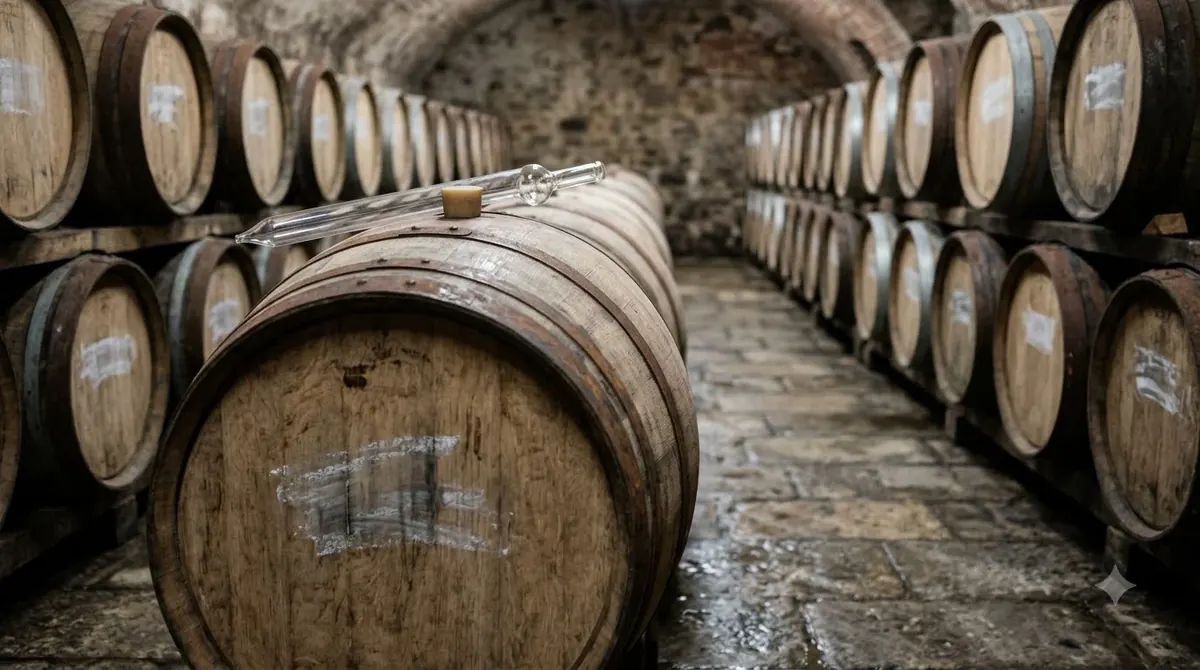
The production style also matters. Stainless steel fermentation and storage preserve freshness rather than introducing the vanilla, toast, or buttery flavors associated with some oak-influenced white wines. For people who prefer clean fruit expression, this is an important characteristic.
Common Mistakes When Buying and Drinking Clean Slate Riesling
The most common mistakes involve assuming every Riesling is sweet, overlooking vintage differences, serving the wine too cold, and pairing it with foods that overwhelm its relatively delicate structure. Avoiding these errors makes it easier to appreciate what the wine actually offers.
Assuming all Riesling is sweet
Riesling is a grape variety, not a fixed sweetness category. German Riesling can range from very dry to intensely sweet, and the same producer can release wines with different sweetness levels. Clean Slate’s reviewed vintages demonstrate this variety, with the 2021 review describing an off-dry impression and the 2024 review leaning toward a drier profile.
It is therefore a mistake to reject Clean Slate simply because someone dislikes sweet wine. A vintage with a crisp, drier impression may be more suitable than expected. Conversely, people seeking an unmistakably sweet wine should not assume that every Clean Slate release will satisfy that preference.
Ignoring vintage differences
Wine characteristics are influenced by growing conditions, grape ripeness, and winemaking decisions. The alcohol level listed for the 2024 vintage by Wine Enthusiast is 10.5%, while the producer’s 2025 information lists 10.6%. Although the difference is small, it illustrates why specifications should be associated with a particular vintage.
Flavor descriptions also change. One vintage may emphasize peach and apple, while another may seem more restrained, floral, or citrus-driven. Reading the vintage-specific description is more useful than relying exclusively on an older review.
Serving the wine too cold
White wine is often served straight from the refrigerator, but extremely cold temperatures can suppress aromas and make a wine seem less expressive. This matters for Clean Slate because peach, citrus, and floral notes are central to its character.
A temperature around 45–50°F offers a useful balance between freshness and aromatic expression. If the bottle is too cold, allow it to sit briefly before pouring. There is no need to warm it substantially, particularly during a warm-weather meal.
Pairing it with excessively rich food
Clean Slate is light-bodied and refreshing, so very heavy dishes can dominate its flavors. Rich cream sauces, heavily smoked meats, and intensely concentrated reductions may make the wine seem comparatively delicate.
That does not mean it must be reserved for simple food. Its acidity can complement richer dishes, but the seasoning and preparation should remain compatible. For example, grilled pork with ginger and citrus is generally a more natural match than an extremely rich, heavily smoked preparation.
Expecting oak or heavy body
Another mistake is expecting Clean Slate to resemble a full-bodied, oak-aged Chardonnay. Winebow identifies stainless steel fermentation and storage, with an average four months of aging before bottling for the 2025 release. The intended result is freshness and fruit rather than strong oak character.
Drinkers who specifically want vanilla, toasted wood, creamy texture, or substantial body should explore other white wine styles. Clean Slate’s appeal lies in its lighter structure, aromatic fruit, and crisp finish.
Keeping an opened bottle too long
Once opened, a still white wine gradually loses freshness through exposure to oxygen. Refrigerating the bottle with a suitable closure helps slow that process. A practical guideline for opened still wines is approximately three to five days in the refrigerator, although the actual condition depends on the wine, closure, and storage conditions.
Waiting too long can diminish the bright fruit and freshness that make Clean Slate appealing. For the best experience, enjoy the wine while its citrus and peach character remain lively.
Care, Serving, and Storage Tips for Clean Slate Riesling
Proper serving and storage preserve the wine’s fruit, acidity, and aromatic character. Clean Slate does not require complicated handling, but a few basic precautions help maintain its intended freshness from opening through the final glass.
Serving temperature
Serve Clean Slate at approximately 45–50°F. This temperature range works well for light, aromatic white wines because it preserves a refreshing sensation without completely suppressing the aromas.
For a dinner party, refrigerate the bottle in advance and remove it shortly before serving. If the wine is stored in an ice bucket, monitor the temperature so it does not become excessively cold. A standard white wine glass is appropriate, and there is no reason to decant the wine before drinking.
Storage before opening
Store unopened bottles in a cool, dark location away from direct sunlight, heat sources, and significant temperature changes. A temperature near 55°F is a useful general target for longer-term wine storage. If the bottle has a cork closure, horizontal storage helps keep the cork from drying out.
For everyday drinking, the most important considerations are consistency and protection from heat. A kitchen cabinet near an oven, a sunny countertop, or a warm garage is not an ideal location. Excessive heat can damage the freshness and fruit character that define this style of Riesling.
How long to keep the bottle
Clean Slate is designed around a fresh, approachable style rather than extended bottle maturation. Winebow lists no bottle aging for the 2025 release, which supports enjoying the wine relatively young rather than purchasing it primarily for a long-term cellar.
Once opened, close the bottle securely and place it in the refrigerator. Most still wines retain useful drinking quality for approximately three to five days under suitable refrigeration, although aromatic freshness can decline before that period ends. If the wine starts to smell flat or its fruit character has faded noticeably, it is no longer showing its best qualities.
Serving with food
Food pairing is one of the strongest reasons to consider this wine. The combination of fruit, acidity, and a modest sweetness impression can work across several cuisines, especially when a meal includes spice or aromatic seasoning.
For a straightforward dinner, try it with grilled chicken, steamed fish, or pork seasoned with herbs and citrus. For a more adventurous pairing, consider Thai noodles, Indian dishes, Chinese stir-fry, or Mexican food containing fresh salsa and moderately hot seasoning.
For more specific meal ideas, our Clean Slate Riesling food pairing article explores combinations that take the wine’s sweetness, acidity, and fruit character into account.
Another useful consideration is the difference between spicy heat and heavy tannin. Clean Slate is a white wine with no meaningful red-wine tannin structure, making it a more natural partner for chili-spiced dishes than a highly tannic Cabernet Sauvignon. Its fruit can complement moderate heat, while its acidity refreshes the palate between bites.
For additional information about its strength, alcohol percentage, and how that specification affects the wine’s overall style, readers can consult our Clean Slate Riesling alcohol content guide.
Frequently Asked Questions
Is Clean Slate Riesling vegan?
Winebow’s 2025 production information lists gelatine as the fining agent. Gelatine is animal-derived, so that production specification does not support describing this particular release as vegan. People following a vegan diet should look for an independently verified vegan designation for the specific bottle they intend to purchase.
Does Clean Slate Riesling contain sulfites?
Winebow’s 2025 technical information lists total sulfur dioxide at 137 mg/L. Sulfur dioxide is commonly used in winemaking to help protect wine against oxidation and microbial spoilage. The producer’s analytical information therefore confirms that sulfites are present in this release.
Is Clean Slate Riesling made with oak barrels?
Winebow identifies stainless steel as the fermentation and aging container for its 2025 Clean Slate Riesling. The producer lists a tank capacity of 59,000 liters and an average of four months of aging before bottling. This production approach is consistent with the wine’s fresh-fruit-focused style rather than an oak-influenced flavor profile.
Can Clean Slate Riesling be used for cooking?
Yes. Its citrus, peach, and acidity can work in dishes involving light pan sauces, seafood, or poultry. Use it in moderation and avoid reducing it excessively if the particular vintage has noticeable sweetness, since concentrated residual sugar can make a finished sauce taste sweeter than intended.
Does Clean Slate Riesling need to breathe before drinking?
No extended breathing period is generally necessary. The wine is intended to be enjoyed young, and its aromatic freshness is part of its appeal. Opening the bottle and allowing it to settle briefly in a glass is sufficient for an ordinary serving occasion.
Clean Slate Riesling is a sensible option for drinkers who want an approachable Mosel white wine with peach, citrus, mineral impressions, and refreshing acidity. Its vintage-dependent sweetness makes checking the specific release useful, but its overall emphasis on freshness and food compatibility remains consistent. Serve it chilled with spicy Asian dishes, grilled poultry, seafood, or a relaxed weeknight meal to appreciate its uncomplicated style.
More in Wine Brands
 Louis Latour Wine Price: Compare Bottles by Style and TierUpdated Nov 20, 2026
 Yellow Tail Moscato Price: What to Expect Before You BuyUpdated Nov 20, 2026
 Sutter Home Sweet Red Review: Find the Right Food PairingsUpdated Nov 20, 2026
 Franzia Chillable Red Review: Find the Right Serving StyleUpdated Nov 20, 2026
 Veuve Clicquot Rose Review: Flavor, Food Pairings and Buying AdviceUpdated Nov 20, 2026
 Rombauer Wine Price: Compare Bottles Before You BuyUpdated Nov 20, 2026