

We may earn a commission when you buy through links on this page, at no extra cost to you. Learn more.
Clean slate riesling food pairing works especially well with spicy Asian dishes, seafood, sushi, pork, chicken, and lightly seasoned vegetables. This German Mosel white wine combines fresh peach, crisp lime, mineral character, and lively acidity, making it a flexible companion for foods with contrasting flavors. Its relatively low alcohol and fruit-forward profile also make it a useful choice for meals involving aromatic herbs, savory sauces, and moderate chili heat.
Choosing food for Clean Slate Riesling is easier when you consider the wine’s fruit, acidity, alcohol, and sweetness together. Rather than limiting it to traditional German dishes, you can serve it with everything from Thai curry and Chinese stir-fry to grilled fish and roast pork. The key is matching the wine to the strongest flavor on the plate, particularly chili, sweetness, acidity, and richness.
Understanding Clean Slate Riesling’s Flavor and Structure
Clean Slate Riesling is a Mosel white wine with fresh fruit character, lively acidity, and a subtle mineral profile. These qualities explain why it works with such a broad selection of foods, especially dishes combining aromatic seasonings, moderate richness, and refreshing acidity.

The wine comes from a partnership between Moselland, based in Bernkastel-Kues, Germany, and Winebow. Its grapes are sourced from selected vineyards throughout the Mosel region, where steep slopes, a cool climate, and slate-rich soils contribute to the growing conditions. Slate retains and reflects heat, helping grapes ripen despite the region’s northerly location. According to Winebow’s Clean Slate producer profile, these conditions contribute to the wine’s fresh peach, crisp lime, and subtle mineral flavors.
Winemaker Dominik Meyer emphasizes gentle grape handling and temperature-controlled fermentation and storage in stainless steel tanks. This production approach helps preserve the wine’s fresh fruit expression rather than adding prominent oak flavors. That distinction matters at the dinner table: a fresh, fruit-driven Riesling can complement delicate fish, aromatic vegetables, and dishes with ginger or citrus without overwhelming them.
The wine’s sweetness and alcohol profile deserve some attention. The producer’s 2023 technical sheet records 10.7% alcohol by volume and 20.4 grams per liter of residual sugar. These figures describe that particular vintage rather than establishing a permanent specification for every release. Wine Enthusiast describes its reviewed 2024 Clean Slate Riesling as relatively dry, with orchard fruit, white-floral notes, balanced acidity, and a crisp finish.
These characteristics suggest several useful pairing principles:
- Acidity: Fresh acidity works well with fried foods, creamy sauces, and dishes featuring citrus or vinegar.
- Fruit: Peach and citrus flavors complement ginger, fresh herbs, fruit-based sauces, and aromatic spices.
- Minerality: The wine’s subtle stony character works naturally with seafood, shellfish, and simply prepared fish.
- Moderate alcohol: Its relatively low alcohol makes it a practical option for moderately spicy meals compared with many fuller-bodied wines.
- Residual sweetness: A touch of sweetness can soften the perceived intensity of chili and balance sweet-savory sauces.
For a closer look at its flavor characteristics, see our clean slate riesling tasting notes. Understanding the wine’s fruit and acidity makes it easier to choose between seafood, poultry, Asian dishes, and richer meals.
Best Asian Food Pairings for Clean Slate Riesling
Asian cuisine is among the strongest choices for Clean Slate Riesling because ginger, garlic, soy, citrus, fresh herbs, and chili complement its fruit and acidity. Thai, Chinese, Indian, and Vietnamese dishes offer particularly useful combinations, provided the wine’s sweetness is appropriate for the food’s heat and sauce.
Thai food is an excellent starting point. Pair the wine with chicken satay, shrimp pad Thai, vegetable spring rolls, or a moderately spicy green curry. The peach and citrus character complements lime juice, lemongrass, cilantro, and ginger. Meanwhile, the wine’s acidity refreshes the palate between bites of peanut sauce, fried ingredients, and rich coconut-based preparations.
For hotter Thai dishes, choose preparations with noticeable chili and coconut sweetness rather than dishes dominated by extremely sharp acidity. A slightly sweeter Riesling is generally more comfortable with significant chili heat. If the wine tastes distinctly drier than the food, the combination can make the wine seem sharper and the meal less balanced. The MICHELIN Guide’s discussion of sweet wines with savory foods also explains why residual sweetness can be particularly useful with spicy Thai preparations.
Chinese cuisine provides several other reliable options. Try Clean Slate with ginger chicken, steamed dumplings, pork potstickers, shrimp fried rice, or lightly spicy Sichuan dishes. The wine’s citrus character complements ginger and scallions, while its acidity refreshes the palate after savory soy-based sauces.
For Sichuan food, consider the amount of chili oil and peppercorn in the dish. A mild stir-fry and a fiery mapo tofu preparation should not automatically receive the same wine recommendation. The hotter dish generally calls for more fruit and some sweetness, while a lightly seasoned dish can work with a relatively dry Riesling.
Indian food also deserves attention. Chicken tikka, vegetable korma, tandoori chicken, and moderately spicy biryani can all work well. Aromatic spices such as cumin, coriander, turmeric, cardamom, and ginger complement the wine’s fruit-forward character.
For richer curries, the acidity provides welcome contrast to coconut milk, yogurt, and creamy sauces. For hotter vindaloo or chili-heavy preparations, a fruitier, slightly sweeter style is a better starting point than a completely dry white wine.
Vietnamese food offers another interesting direction. Fresh spring rolls with shrimp, grilled pork vermicelli bowls, lemongrass chicken, and steamed fish with ginger and scallions are especially suitable. Lime, mint, cilantro, and fish sauce create a combination of freshness, salt, and aromatic intensity that complements Riesling.
Tip: Match the wine to the sauce rather than the cuisine’s name. A mild Vietnamese spring roll may suit a drier Riesling, while a chili-heavy Thai curry or sweet chili dipping sauce usually benefits from more fruit and a little residual sweetness.
Seafood, Sushi, and Fish Pairings
Clean Slate Riesling is a natural choice for seafood because its fresh acidity, citrus flavors, and mineral character complement delicate fish and shellfish. Sushi, shrimp, white fish, and lightly seasoned seafood preparations are particularly good places to start.
Sushi and sashimi are straightforward options. Salmon nigiri, tuna rolls, shrimp nigiri, cucumber maki, and simple vegetable rolls can all work with the wine. Its acidity provides freshness alongside the rice, while its fruit complements the delicate flavors of seafood.
Pay attention to toppings and sauces. Plain sashimi and simple nigiri generally suit a drier expression. Rolls featuring spicy mayonnaise, sweet eel sauce, or substantial chili seasoning may work better with a slightly sweeter, fruitier Riesling. Avoid assuming every sushi roll requires the same pairing.
Shrimp and shellfish are also excellent matches. Try grilled shrimp with lemon, garlic butter shrimp, steamed mussels, crab cakes, or chilled shrimp with a citrus-based dressing. The wine’s acidity balances buttery or fried preparations, while its fruit character complements the natural sweetness of shellfish.
Oysters are another possibility, especially when served simply with lemon or a light mignonette. The clean flavors of the seafood allow the wine’s citrus and mineral qualities to remain noticeable. Avoid heavy sauces that completely overpower the delicate character of the shellfish.
White fish offers plenty of flexibility. Cod, halibut, sole, tilapia, and sea bass are all suitable candidates. Baking or steaming the fish with lemon, parsley, dill, ginger, or scallions keeps the preparation light enough for the wine.
Fried fish can also work well. Fish tacos with cabbage slaw, grilled fish sandwiches, and lightly battered cod benefit from Riesling’s refreshing acidity. If the dish includes a sweet mango salsa or a spicy chili dressing, select a wine with enough fruit to accommodate those flavors.
One important exception involves oily fish. Although Riesling can accompany salmon and other richer seafood preparations, heavily oily fish can be more challenging when served with strong tannic red wines. Clean Slate’s white-wine structure makes it a more sensible starting point for these dishes, particularly when they are grilled with citrus or herbs.
Chicken, Pork, and Other Meat Dishes
Chicken and pork are two of the most dependable meat choices for Clean Slate Riesling. Their relatively mild flavors leave room for the wine’s peach, citrus, and mineral notes, while marinades and fruit-based sauces create additional opportunities for matching flavors.
Roast chicken is an especially useful pairing. Serve the wine with herb-roasted chicken, lemon chicken, grilled chicken breast, or a simple roast chicken with potatoes. Rosemary, thyme, parsley, garlic, and lemon complement the wine without creating excessive intensity.
Chicken with creamy sauces can also work. The wine’s acidity provides contrast to butter, cream, and other rich ingredients. For example, chicken with a light mushroom cream sauce or lemon butter preparation offers enough richness to make the wine feel refreshing.
For more heavily seasoned chicken, consider ginger-glazed chicken, honey-soy chicken, or mildly spicy grilled wings. These preparations benefit from Riesling’s fruit character, although particularly sweet glazes are best paired with a wine that has enough perceived sweetness to avoid tasting overly tart.
Pork is another strong match. Roast pork loin, grilled pork chops, schnitzel, pork tenderloin, and glazed ham can all work. German food traditions provide useful inspiration, particularly pork dishes served with apples, mustard, cabbage, or light herb sauces.
Apple and pear preparations are particularly successful because their fruit flavors complement the wine’s orchard-fruit character. Try pork chops with sautéed apples, roast pork with pear, or grilled pork tenderloin with a lightly sweet mustard glaze.
For a more casual meal, serve Clean Slate with pork dumplings, barbecue pork, or grilled sausages. Keep the sauce and seasoning in mind. Sweet barbecue sauce calls for a wine with enough fruit to match its sweetness, while salty grilled pork can work well with a drier expression.
Turkey is another practical option. Roasted turkey breast, turkey cutlets, and herb-seasoned turkey sandwiches work particularly well when served with apple, cranberry, or pear accompaniments. The wine’s acidity helps balance richer side dishes without overpowering the relatively delicate meat.
Beef is less predictable. Lean, lightly seasoned beef preparations can work, but heavily charred steaks and strongly smoky barbecue may overwhelm this relatively light-bodied white wine. For a substantial red-meat dinner, a more structured red such as Merlot or Cabernet Sauvignon may be a better fit.
Vegetables, Cheese, and Lighter Meals
Clean Slate Riesling can accompany vegetable-centered meals, fresh salads, and selected cheeses because its acidity and fruit character work with both savory and slightly sweet ingredients. These pairings are particularly useful for lunch, appetizers, and meals built around seasonal produce.
Vegetable dishes with mild seasoning are easy places to begin. Roasted carrots, butternut squash, grilled zucchini, sautéed mushrooms, and steamed green beans can all complement the wine. Carrots and squash offer natural sweetness that connects with peach and orchard-fruit flavors.
For salads, consider pear and arugula, apple and walnut, or mixed greens with citrus vinaigrette. The fruit provides a bridge between the food and wine, while the acidity keeps the combination refreshing.
However, vinegar-heavy dressings require some care. A dish with pronounced acidity can make a wine seem less fruity and more sour. Use a wine with sufficient freshness and avoid dressings so acidic that they dominate the entire combination.
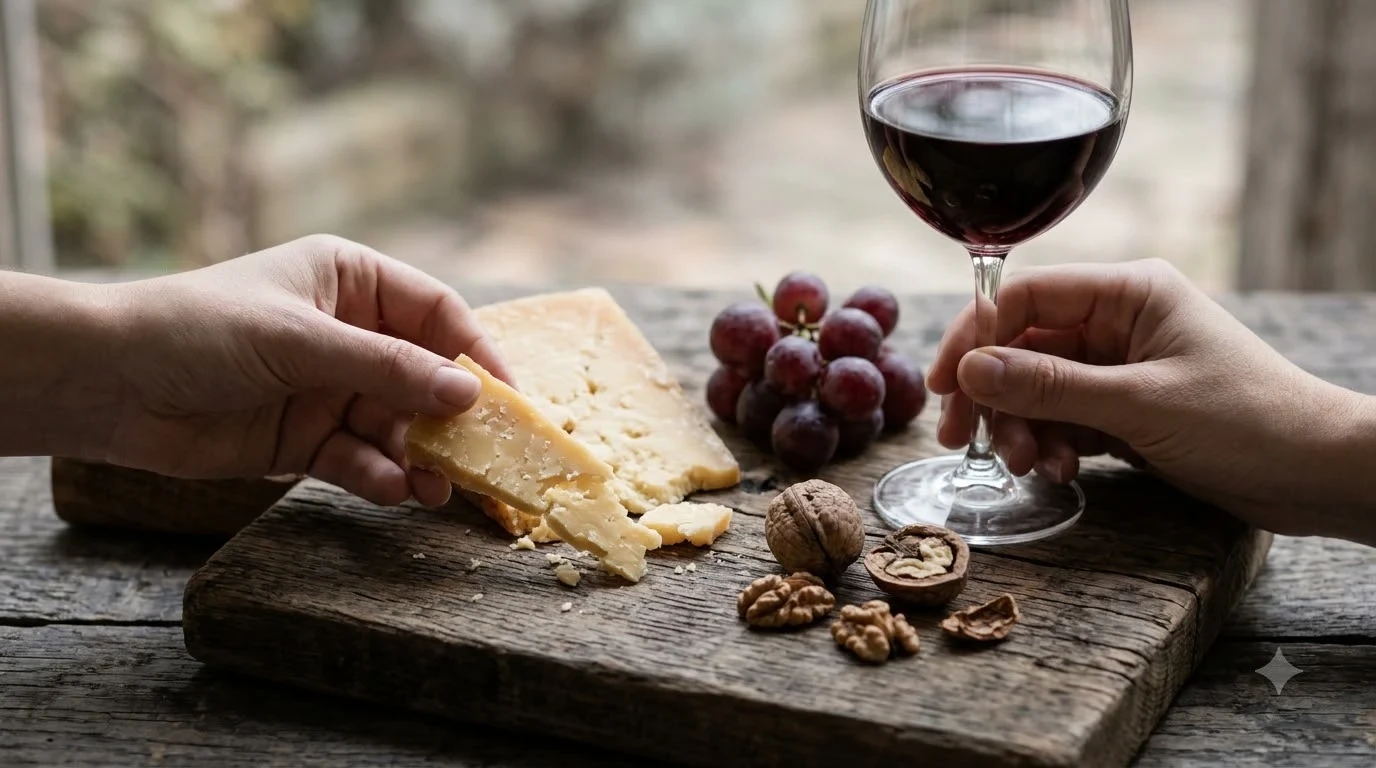
Cheese offers several interesting options. Fresh goat cheese, young Gouda, mild Havarti, and creamy Brie can work particularly well with a fresh Riesling. The wine’s acidity balances the richness of softer cheeses, while its fruit complements their creamy texture.
Salty cheeses can also be attractive companions. Mild blue cheese with pear slices or a small serving of aged cheese with apple preserves can create a pleasant sweet-and-salty contrast. For particularly salty or intense blue cheeses, a sweeter Riesling may be more suitable than a dry version.
Build a simple cheese board with three or four selections rather than overwhelming the wine with too many competing flavors. Include fresh apple, pear, plain crackers, and lightly salted nuts. Avoid strongly smoked cheeses or extremely pungent selections if the goal is to appreciate Clean Slate’s delicate fruit and mineral character.
Vegetarian Asian dishes offer even more flexibility. Vegetable dumplings, tofu stir-fry, ginger noodles, sesame vegetables, and mild coconut-based vegetable curries can all work. Adjust the wine’s sweetness according to the chili and sauce intensity, just as you would with meat-based dishes.
For another perspective on matching wines with different foods, our 7 deadly zins food pairing article explores how a fuller-bodied red wine approaches contrasting ingredients such as grilled meats, rich sauces, and savory dishes.
Serving Temperature, Sweetness, and Portion Sizes
Serve Clean Slate Riesling chilled but not excessively cold, generally around 45–50°F. This temperature range helps preserve its refreshing acidity while allowing peach, citrus, and floral aromas to remain noticeable.
Taking the bottle directly from a refrigerator is convenient, but extremely cold wine can seem muted. If it has been chilled for several hours, allow it to sit briefly before pouring. As the wine warms slightly in the glass, its fruit and aromatic character become easier to recognize.
The amount of sweetness also matters. Riesling is produced in styles ranging from bone-dry to distinctly sweet, and the grape variety alone does not establish the sweetness level. Clean Slate has been described as fruit-forward and balanced, while its 2023 technical sheet records 20.4 grams per liter of residual sugar.
Use the following general guide when planning a meal:
| Food preparation | Preferred wine style | Serving temperature |
|---|---|---|
| Sushi and sashimi | Dry to lightly fruity | 45–50°F |
| Grilled shrimp | Dry or lightly off-dry | 45–50°F |
| Thai green curry | Fruity, slightly sweet | 45–50°F |
| Spicy Sichuan chicken | Off-dry, fruit-forward | 45–50°F |
| Roast pork with apples | Dry to off-dry | 45–50°F |
| Fresh goat cheese | Dry, fresh, acidic | 45–50°F |
| Peach tart | Sweet enough to match dessert | 43–50°F |
These are practical starting points rather than strict rules. The actual sweetness of the bottle and the seasoning of the food should guide the final decision.
For German Riesling, the word trocken indicates a dry style, while halbtrocken and feinherb are associated with off-dry expressions. These terms can help identify the general direction of a wine when selecting a bottle for a particular meal.
For a standard serving, pour approximately 5 ounces per glass. A 750 ml bottle provides about five standard servings, making it suitable for a small dinner gathering. For a meal with several courses, a smaller initial pour allows guests to enjoy the wine alongside different dishes without filling their glasses excessively.
Once opened, store the remaining still wine in the refrigerator with the bottle properly closed. Most opened still wines are best enjoyed within approximately three to five days. Chilling slows the wine’s exposure to oxidation and helps preserve its freshness.
Desserts and Foods to Approach Carefully
Clean Slate Riesling can work with lightly sweet desserts, particularly fruit-based preparations featuring peach, apple, pear, or citrus. The most important consideration is sweetness: the wine should taste at least as sweet as the dessert to avoid seeming thin or sharply acidic.
Fruit desserts are a natural starting point. Try peach cobbler, apple tart, pear cake, lemon cookies, or fresh fruit salad. These preparations share flavor characteristics with Riesling and can create a harmonious finish to a meal.
However, dessert sweetness can vary considerably. A lightly sweet apple tart may suit a fruit-forward Riesling, while a very sugary caramel dessert or heavily sweetened chocolate cake may overpower a relatively dry bottle. In those cases, a sweeter dessert wine is generally more suitable.
Fruit-based pastries are especially flexible. Peach galette, apple strudel, and pear tart combine fruit, pastry, and moderate sweetness. Their textures provide contrast to the wine’s refreshing acidity, while their fruit flavors connect naturally with the wine’s aromatic profile.
For a cheese-and-dessert course, consider pear slices with blue cheese or fresh peaches with mild Brie. The combination of salt, fruit, and creaminess can be enjoyable, particularly with a Riesling that has some residual sweetness.
Some foods require more careful matching:
- Extremely spicy chili dishes: High alcohol and tannin can amplify perceived chili heat. Clean Slate’s relatively low alcohol is helpful, but a dish with intense chili still benefits from a fruitier, slightly sweeter wine.
- Very acidic foods: Strong vinegar sauces and heavily lemon-based preparations can make the wine seem less balanced. Match them with a wine that has sufficient acidity.
- Very sweet desserts: A relatively dry Riesling can taste sharp next to a dessert that is much sweeter than the wine.
- Heavy smoked meats: Strong smoke and char can dominate the delicate fruit character of this white wine.
- Very rich red-meat dishes: Heavy beef preparations may call for a more substantial wine with greater body and structure.
These considerations do not mean that certain foods are completely incompatible. They simply help explain why the same bottle can perform very differently with two preparations of the same ingredient.
For example, grilled shrimp with lemon and herbs is a straightforward match, while shrimp covered in a very hot chili sauce requires more attention to sweetness. Similarly, roast pork with apples is a natural combination, while heavily smoked pork with a thick, intensely sweet barbecue glaze may overwhelm a delicate Riesling.
Frequently Asked Questions
Is Clean Slate Riesling a German wine?
Yes. Clean Slate Riesling comes from the Mosel wine region in Germany. Its production is associated with Moselland and Winebow, and the brand’s grapes are sourced from selected vineyards throughout the Mosel rather than being identified with just one individual vineyard.
Can Clean Slate Riesling be served without food?
Yes. Its fresh fruit, crisp acidity, and relatively moderate alcohol make it suitable as an aperitif or a casual glass before dinner. It can also accompany simple snacks such as salted pretzels, plain crackers, and fresh fruit.
Does Clean Slate Riesling need to breathe before serving?
No extended decanting is normally necessary for this fresh, stainless-steel-fermented white wine. Opening the bottle and pouring it into a glass is generally sufficient. Allowing the wine a few minutes in the glass can help its peach, citrus, and floral aromas become more apparent.
What type of glass is best for Clean Slate Riesling?
A medium-sized white wine glass with a slightly narrower opening is a practical choice. It provides room for the wine’s aromas to develop while directing them toward the nose. A standard tulip-shaped white wine glass is suitable for everyday service.
Is Clean Slate Riesling suitable for a multi-course dinner?
Yes. Its acidity and flexible fruit profile make it useful across several courses. A dinner could begin with shrimp or fresh spring rolls, continue with ginger chicken or pork with apples, and finish with a fruit tart, provided the dessert is not sweeter than the wine.
Clean Slate Riesling is a versatile choice for meals featuring seafood, poultry, pork, vegetables, and aromatic Asian seasonings. Start with shrimp, sushi, roast chicken, or pork with apples, then adjust the wine’s sweetness to suit the sauces and spice levels. Served at approximately 45–50°F, it offers a refreshing combination of fruit, acidity, and mineral character that can carry a meal from appetizers through the main course.
More in Wine Brands
 Louis Latour Wine Price: Compare Bottles by Style and TierUpdated Nov 20, 2026
 Yellow Tail Moscato Price: What to Expect Before You BuyUpdated Nov 20, 2026
 Sutter Home Sweet Red Review: Find the Right Food PairingsUpdated Nov 20, 2026
 Franzia Chillable Red Review: Find the Right Serving StyleUpdated Nov 20, 2026
 Veuve Clicquot Rose Review: Flavor, Food Pairings and Buying AdviceUpdated Nov 20, 2026
 Rombauer Wine Price: Compare Bottles Before You BuyUpdated Nov 20, 2026