

We may earn a commission when you buy through links on this page, at no extra cost to you. Learn more.
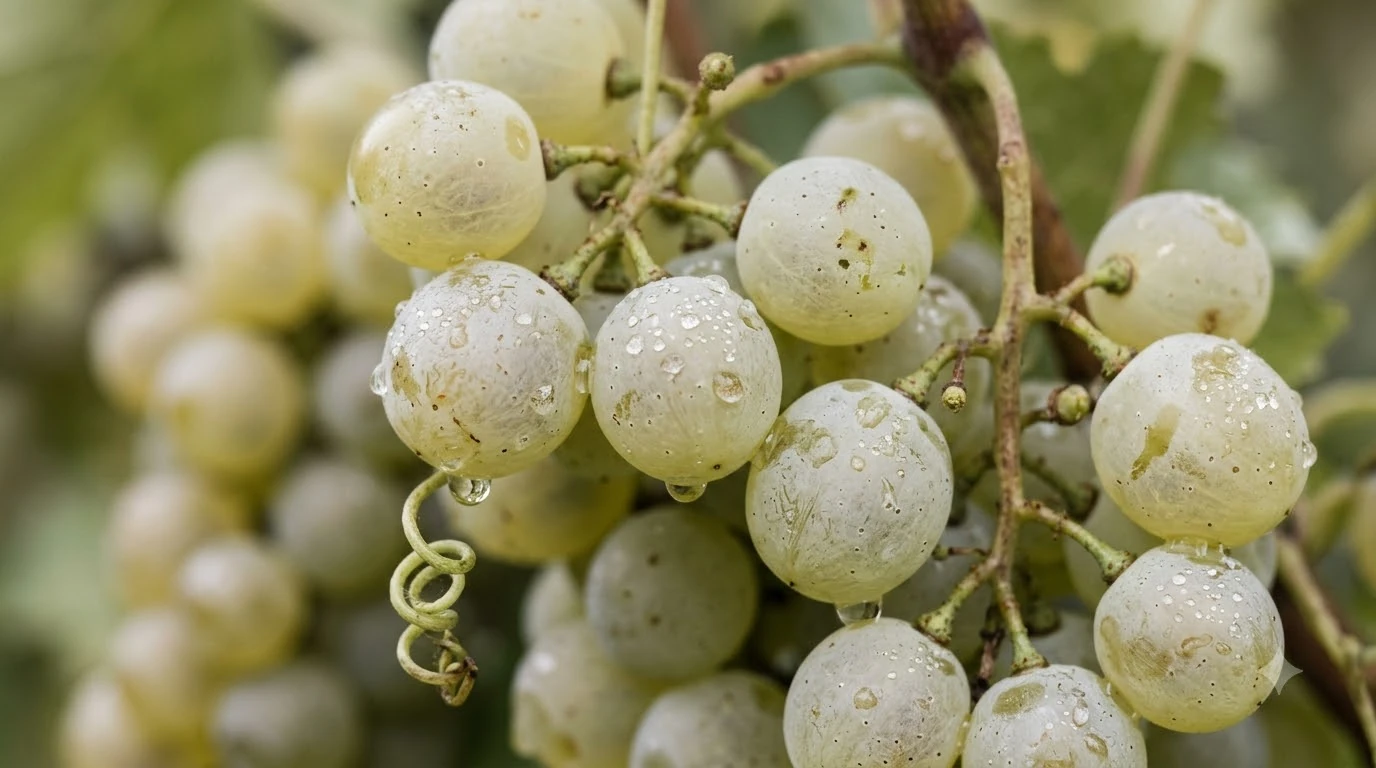
The clairette grape is an old white variety from southern France that produces pale, aromatic wines with green apple, citrus and floral notes, and it supplies up to a quarter of the blend in sparkling Clairette de Die. Clairette is naturally high in alcohol and low in acidity, so growers often harvest it early and winemakers protect it from oxidation. Today it is grown mainly in the Rhône Valley, Languedoc and Provence, where it appears in dry whites, blends and sparkling wine.
Many wine drinkers have had clairette without noticing it, since the grape often plays a supporting role in white blends from the southern Rhône. Single-varietal bottles are less common but worth seeking out, especially from Languedoc and the newer Gigondas Blanc appellation. This guide covers the grape’s history, flavor profile, growing regions, winemaking challenges, and practical advice on serving and pairing it at home.
Clairette Grape Origins and Early History
Clairette is one of the oldest documented white grapes in southern France, and it was once a core part of the Picardin blend.
Its first recorded mention dates to 1575 in the Aude department, which makes it one of the earliest documented white varieties in the region. By the 17th and 18th centuries, Clairette was a central component of Picardin, a white blend with Picpoul Blanc that was widely exported from Languedoc. For a long time, the grape’s reputation rested more on blending than on bottles labeled with its name, which helps explain why varietal bottles are still uncommon today.
The variety was once one of the most widely planted white grapes in the south of France. In the late 1950s, more than 34,000 acres were planted across the region, and it remains a major part of white wine in the Rhône, Gard, Var and Drôme. Acreage has declined sharply since then. Phylloxera devastated many vineyards in the late nineteenth century, and post-crisis replanting favored higher-yielding commercial varieties, which accelerated the grape’s retreat. Winemakers have long valued it for its adaptation to hot, dry climates, which lets them pick early for freshness and minerality or leave it on the vine for a richer, more alcoholic result.
Clairette also had a second career as a vermouth ingredient. Along with Picpoul Blanc, it was one of the post-phylloxera varieties prized for vermouth production because its high alcohol and low acidity suited that style. The pair still forms the backbone of Noilly Prat, one of Languedoc’s best-known vermouth survivors. That history explains why winemakers once valued the grape for its oxidative character more than for freshness.
Flavor and Aroma Profile of Clairette
The clairette grape typically makes pale, aromatic whites with a clean, citrus-driven personality. Expect green apple, pear and white peach, along with citrus and floral notes such as acacia and hawthorn.
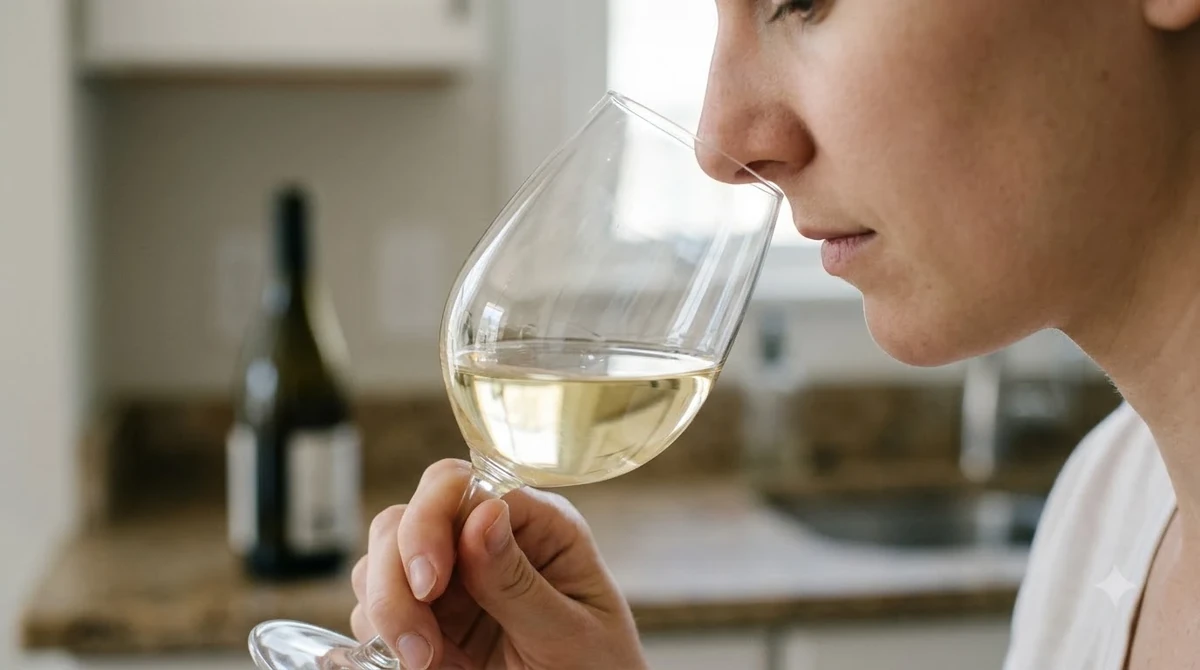
In the glass, the wine is usually pale in color, and the nose leans toward fresh fruit and flowers rather than heavy oak or ripe tropical notes. Fennel and other herbal nuances often add a subtle savory edge. Some producers describe aromas of pineapple, key lime and mint, which show how bright the grape can be. The style depends heavily on picking time: early-harvested fruit leans toward citrus and minerality, while later fruit gives more richness and a rounder texture.
On the palate, clairette sits between sweet and tart. Producers often describe flavors such as kaffir lime, green plum and lemongrass, with a clean, slightly nutty finish and a faint anise note. Because acidity is low, the wine feels softer and rounder than a crisp Sauvignon Blanc, and that texture is part of its appeal. Old-vine examples from Châteauneuf-du-Pape can develop a silky texture and complex stone-fruit and toasty notes with age. If you want to compare this warm-climate style with another white from a hot region, see our guide to the airen grape.
Key Regions Where the Clairette Grape Is Grown
Clairette is concentrated in three main zones: the Rhône Valley, Languedoc and Provence. Several appellations are built around the grape, which is unusual for a variety that is rarely bottled on its own.
Clairette du Languedoc is one of the clearest examples. The appellation was established in 1948 in the center of the Hérault department, north of Pézenas and about thirty kilometers from the Mediterranean. According to the Languedoc regional wine body, the appellation covers about 100 hectares, with 25 independent wineries and 3 cooperatives working within it. Producers make dry, sweet and even rancio-style whites from the grape, which gives the appellation more stylistic range than its size suggests. The terroir is unusual for the region because the vineyards sit between Mediterranean heat and Atlantic influence. The soils combine clay-limestone, lacustrine limestone and schist, and the Cers wind and a sea breeze both shape the growing season.
In the southern Rhône, Clairette plays a supporting role. In Châteauneuf-du-Pape it is the second-most-planted white variety after Grenache Blanc, with about 175 acres under vine. Near Nîmes, the Clairette de Bellegarde appellation is one of France’s smallest, at around 8 to 9 hectares, and it is dedicated entirely to the grape. Clairette also appears in Bandol and Côtes de Provence blends, and Domaine Tempier in Bandol uses it in its white blend. Gigondas Blanc is the newest chapter, and the table below summarizes where the grape appears and what you will find in the bottle.
| Area or appellation | Typical style | Key number |
|---|---|---|
| Clairette du Languedoc (Hérault) | Varietal white | About 100 hectares; 25 independent wineries and 3 cooperatives |
| Clairette de Bellegarde (near Nîmes) | Varietal white | Around 8 to 9 hectares |
| Gigondas Blanc (southern Rhône) | White blend | At least 70% Clairette; about 18 hectares planted |
| Châteauneuf-du-Pape (southern Rhône) | White blend | Second-most-planted white after Grenache Blanc, about 175 acres |
| Clairette de Die (Drôme) | Sparkling, méthode ancestrale | Up to 25% Clairette, with at least 75% Muscat Blanc à Petits Grains |
Sparkling Clairette de Die and the Méthode Ancestrale
Clairette de Die is the best-known sparkling wine that uses the grape, and it relies on Muscat for most of its character. The appellation received its AOC in 1942, and the wine is made by the traditional méthode ancestrale.
The blend requires at least 75% Muscat Blanc à Petits Grains, with up to 25% Clairette added. The role of Clairette is to contribute delicacy, freshness and balance to the intensely floral Muscat. Writing in Decanter, Andrew Jefford described Clairette de Die as a sparkling expression of the grape, while noting that Muscat usually takes the lead on the nose. The district also has a still side: the Coteaux de Die appellation allows wine made entirely from Clairette, as a still dry white. Clairette de Die vineyards reach altitudes of up to 700 meters, among the highest in France. Styles range from gently sweet to dry depending on the producer.
If you enjoy aromatic, lightly sparkling wines, you may also want to explore the brachetto grape, another fragrant style that is often served with dessert. When you shop, check the sweetness level on the label, because that detail tells you more about the style than the grape name alone.
Winemaking Challenges and How Producers Respond
Clairette demands precise handling because its low acidity and tendency to oxidize leave little room for error. Producers respond with speed in the winery, careful harvest timing and blending.
Immediate pressing after harvest, cool fermentation and inert-gas protection are standard steps for preserving aroma and preventing browning. Oxidation and over-emphatic oak are the main risks, and both can leave the wine flat or heavy. Vine management also matters. Clairette grows vigorously and upright, and it ripens in the middle of the harvest, after varieties such as Viognier and Marsanne, so growers have to plan picking around the other varieties on the estate. Many winemakers add a higher-acid partner such as Picpoul Blanc or Bourboulenc to give the wine structure, since Clairette on its own can taste soft.
Timing matters just as much as technique. At Tablas Creek Vineyard in Paso Robles, California, one trial harvest picked the same block in mid-September at 21 Brix and a pH of 3.6, then again late in the month at 22.8 Brix and a pH of 3.9. The later pick added richness, but it cost some of the citrusy expressiveness the winery wanted. In the cellar, the same winery fermented Clairette in neutral oak and stirred the lees regularly, which gave the wine both freshness and a richer mouthfeel. Clairette is also late-budding, so it is less vulnerable than most of that estate’s white grapes to spring frost.
Clairette in Blends: Gigondas Blanc and Châteauneuf-du-Pape
Gigondas Blanc is the newest appellation built around Clairette, and its rules show how one grape can anchor a regional white style. Its first eligible vintage was 2023.
The rules are specific. According to Decanter’s coverage of the new appellation, wines must contain at least 70% Clairette, and the rest of the blend may include Grenache Blanc, Grenache Gris, Marsanne, Roussanne, Picpoul Blanc and Bourboulenc, with no more than 5% Viognier and Ugni Blanc. Vineyards rise from about 120 to 550 meters, and altitude shapes the wine. Lower sites tend to produce richer, more generous bottles, while higher vineyards often give a brisker, more driving style.
The appellation was not an easy win. Regulators initially rejected the request, arguing there were not enough white plantings to justify it. Producers then made a series of identically vinified white wines over four years to build their case. Plantings remain modest at about 18 hectares, but rapid growth is planned.
Châteauneuf-du-Pape uses Clairette in a different way. It is commonly blended with Grenache Blanc, Roussanne and Bourboulenc, and some producers bottle pure Clairette whites that are highly prized. One Gigondas producer describes the grape as a close relative of Grenache. Blending works in both directions. At Tablas Creek, a small share of Clairette, about 3%, added citrus character that fit well with the Grenache Blanc leading the wine, while its modest alcohol moderated the higher-sugar Grenache Blanc and Viognier components.
Serving Temperature, Storage, and Food Pairings for Clairette
Serve a light Clairette white at 45 to 50°F, a fuller old-vine bottle a few degrees warmer at 50 to 55°F, and sparkling Clairette de Die at 40 to 50°F. Cooler temperatures keep the citrus lively, while slightly warmer service lets the texture show.
Pour about 5 ounces per glass, which gives roughly five servings from a 750 ml bottle. Sweeter bottles, including sweeter Clairette de Die, are best kept toward the cooler end of the range, around 43 to 45°F, so the sweetness stays balanced. Once opened, still whites usually keep for three to five days in the refrigerator, while sparkling wine lasts one to three days. Store unopened bottles on their side in a cool cellar near 55°F so the cork stays moist. Old-vine Châteauneuf bottles may reward patience, while fresh young whites are the everyday style.
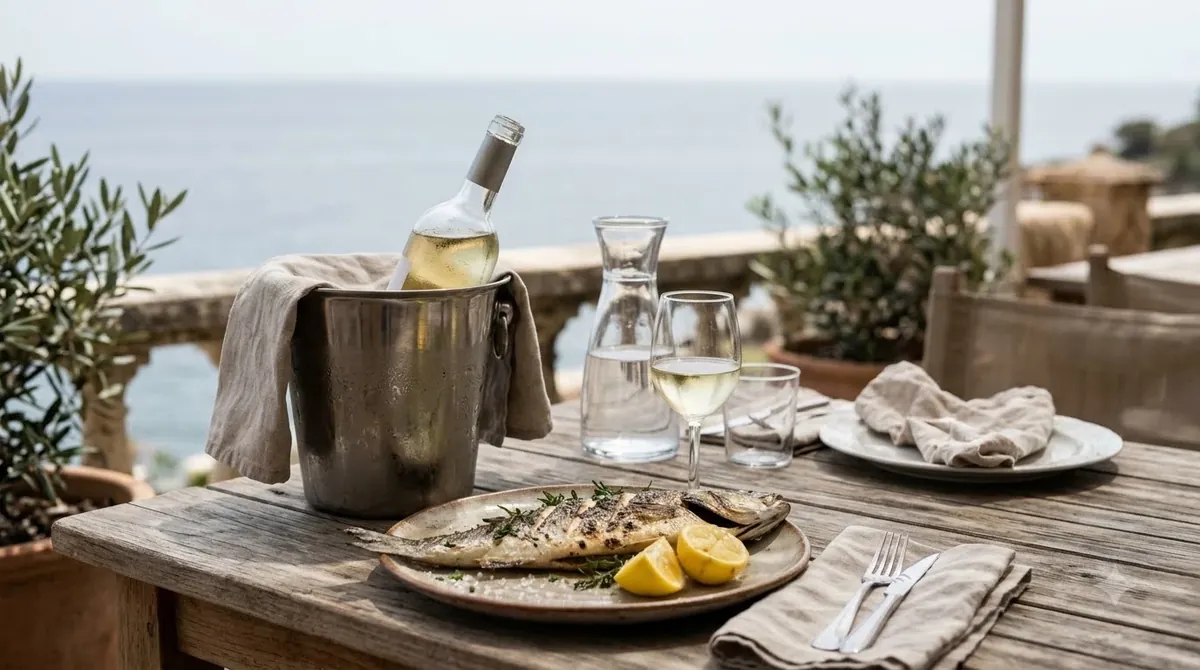
Food pairings follow the grape’s personality. Clairette suits Mediterranean seafood, Provençal cuisine, soft and fresh cheeses, vegetarian dishes and light poultry. Because the wine is low in acidity, very sharp food can make it taste flat, so a fish dish with a heavy squeeze of lemon may suit a wine with more acidity better. For a broader look at how whites like this fit alongside other styles, browse Wine by Type.
Tip: Match Clairette with fresh, lightly seasoned dishes instead of sharp vinaigrettes. Poached white fish with herbs or a soft goat cheese lets the citrus and nutty finish show, while a lemon-heavy dressing can make the wine taste thin.
Frequently Asked Questions
These answers cover the practical questions readers ask most often about the grape.
Can the clairette grape be grown outside France?
Yes, though plantings are small. Outside France, growers have planted it in South Africa, Australia, Sardinia and California. In Paso Robles, Tablas Creek Vineyard was one of the first New World producers to make Clairette as a varietal wine.
Is the clairette grape easy to grow?
The vine is vigorous and grows upright, and in France it is typically head-trained. It shows moderate resistance to fungal disease. Its main weakness is oxidative browning after harvest, which is why speed in the winery matters so much.
Is there a pink version of clairette?
Yes, a pink-skinned mutation called Clairette Rosé exists, but it is rare. It is the form used in the sparkling Clairette de Die. Most French winemakers simply call the white version Clairette.
What does the name clairette mean?
The root word means clear or bright, while blanche means white, which makes the full name Clairette Blanche a little redundant. Clairette is one of very few French grape names that is feminine, so the white adjective takes the feminine form blanche rather than blanc.
Is clairette similar to Picpoul?
Tablas Creek describes the aroma of its Clairette as reminiscent of Picpoul in many ways. That resemblance is one reason the two grapes are often compared. Readers who enjoy Picpoul may find Clairette a useful warm-climate alternative to try.
Clairette rewards curiosity more than most white grapes. Its low acidity and oxidative history demand careful handling in the vineyard and cellar, but when it is done well, the result is a fresh, aromatic white that suits seafood and light dishes. Start with a Languedoc bottle or a Clairette de Die sparkler to see what the grape can do.
More in Wine Types & Grapes
 Zinfandel Sugar Content: Dry Red vs. White Zinfandel GramsUpdated Nov 21, 2026
 Best Zinfandel Substitute Options for Sipping and CookingUpdated Nov 21, 2026
 Zweigelt Food Pairing: Best Dishes, Cheeses, and Serving TipsUpdated Nov 21, 2026
 Zinfandel Tannins Explained: How Structure Shapes Every BottleUpdated Nov 21, 2026
 Zinfandel Sweetness Level: Dry Red vs. Sweet White Zin ExplainedUpdated Nov 21, 2026
 Xinomavro Food Pairing: Best Dishes, Styles, and Serving TipsUpdated Nov 21, 2026