
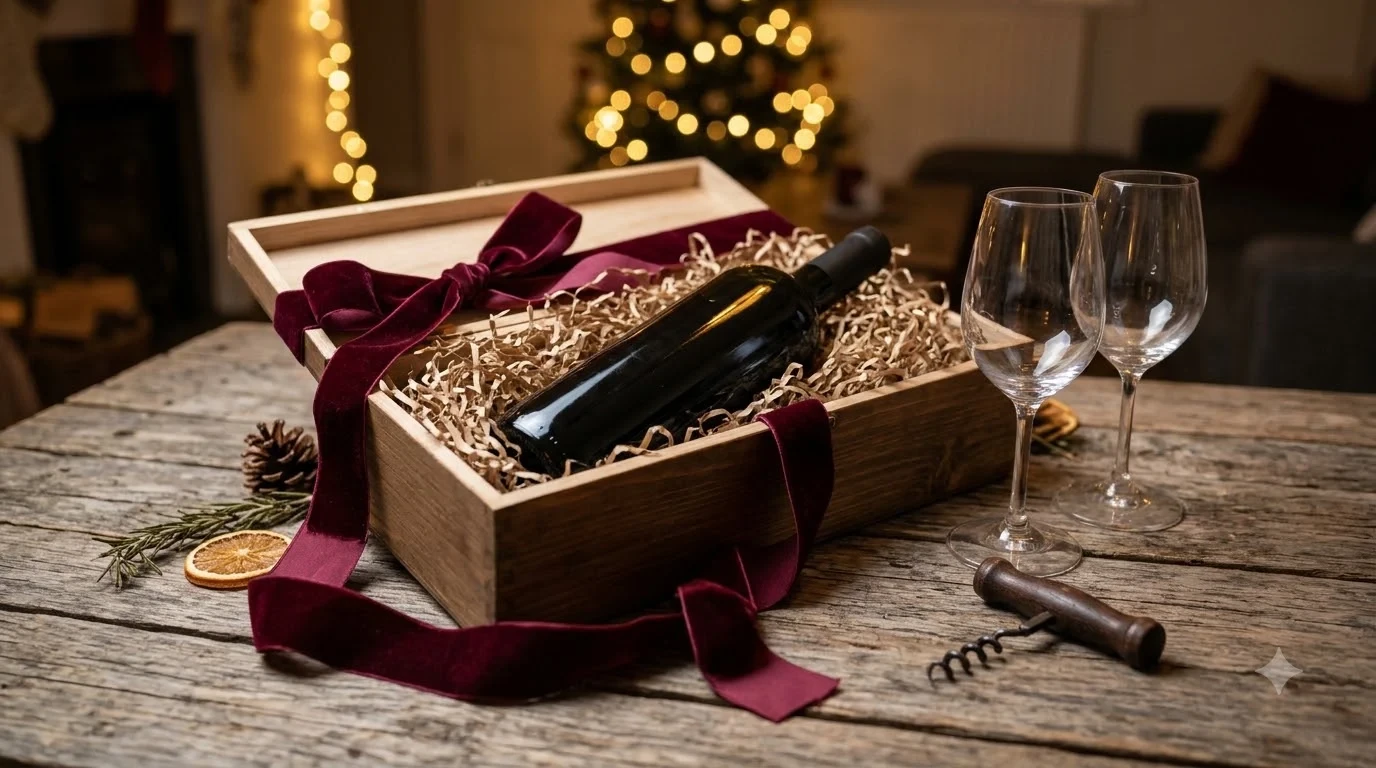

We may earn a commission when you buy through links on this page, at no extra cost to you. Learn more.
A Christmas sangria recipe is a red wine punch with chopped fruit, a light sweetener, and winter spices such as cinnamon and orange peel. It is built the same way as classic sangria, then adjusted with seasonal flavors. The drink is usually made a few hours ahead so the fruit has time to soften and the wine can pick up the spice.
Sangria is a natural fit for a holiday table because it serves a crowd, can be mixed in one large pitcher, and tastes better after it rests. This guide walks through the ingredients, a simple method, and how to change the flavor for winter. Amounts are described by ratio rather than measured cups, so you can scale the batch to fit your pitcher and your guests.
Why sangria suits a holiday gathering
Sangria works well at parties because most of the work happens before guests arrive. The fruit, wine, and sweetener can be combined in the morning or the day before, and the pitcher stays on the table without needing attention. That makes it easier to host than a cocktail that has to be shaken to order.
Its roots are in Spain and Portugal, where red wine punches built on local fruit have long been served in warm weather. According to the Wikipedia entry on sangria, red wine is the traditional base, and the drink was often made with seasonal fruit such as peaches, apples, and pears. Winter versions borrow the same structure and swap in fruit and spices that match the season.
The ingredients and what each one does
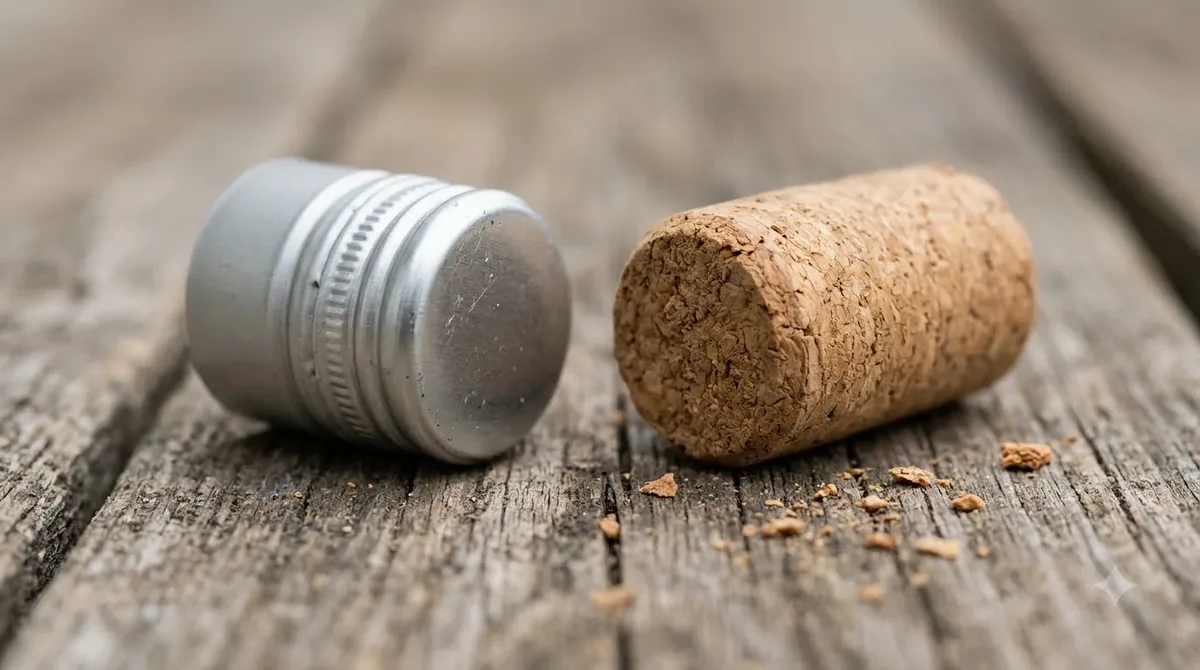
A good sangria balances four things: a wine that is dry enough to stand up to fruit, a fruit mix that adds aroma and body, a sweetener that softens the tannins, and an optional spirit that adds warmth. Each ingredient has a job, so it helps to know what you are adding before you pour.
| Ingredient | Role in the pitcher | Winter swap |
|---|---|---|
| Dry red wine | The base, with fruit and tannin structure | A fuller Spanish red such as Rioja |
| Oranges and lemons | Bright citrus aroma and acidity | Add orange peel strips for a holiday note |
| Apples or pears | Crisp texture that holds up after resting | Thin apple slices or diced pear |
| Sugar or orange juice | Sweetness that rounds out the wine | Orange juice for a softer finish |
| Cinnamon | Warm spice that reads as seasonal | One cinnamon stick in the pitcher |
| Brandy or orange liqueur | Optional warmth and extra strength | A small splash, added just before serving |
Tip: Taste the wine before adding anything. A dry, fruit-forward red will need less sugar than a thin or very tart one, and the orange juice can supply most of the sweetness on its own.
Step-by-step method for a holiday pitcher
The method is simple and forgiving. Start with a large pitcher or bowl, because the fruit needs room, and build the drink in layers so the flavors blend evenly rather than settling at the bottom.
- Slice the oranges and lemons into thin rounds and remove any seeds. Add them to the pitcher first, with a handful of cinnamon stick and a few strips of orange peel.
- Add the chopped apples or pears next. Fruit with a firmer texture keeps its shape better over a long rest.
- Pour in the sweetener or orange juice and stir gently until any sugar has dissolved. Avoid crushing the fruit, which can make the drink cloudy.
- Add the red wine and stir once more. Cover the pitcher and refrigerate it.
- Let the sangria rest for at least a few hours, and ideally overnight. This gives the fruit time to release its juices and lets the spices soften.
- Just before serving, add a small splash of brandy or orange liqueur if you want more warmth, then stir and pour over ice.
Resting is the step most people skip, and it makes the biggest difference. A sangria served right after mixing tastes sharp and disconnected. One that has rested tastes unified, with the fruit and spice running through the wine.
Choosing the right wine for the season
The wine does most of the work in sangria, so the choice matters more than the fruit. Dry red wines with moderate tannin, such as Spanish reds, hold their structure after mixing and do not turn overly sweet. Very sweet or heavily oaked wines can make the pitcher feel heavy, especially with spices added.
White sangria is also popular, and it is sometimes called sangria blanca. For a Christmas version, most people stay with red because the color, the deeper flavor, and the warm spices fit the season. If you go with white, choose a dry wine and lean on pear and apple to carry the holiday feel.
Seasonal variations to try
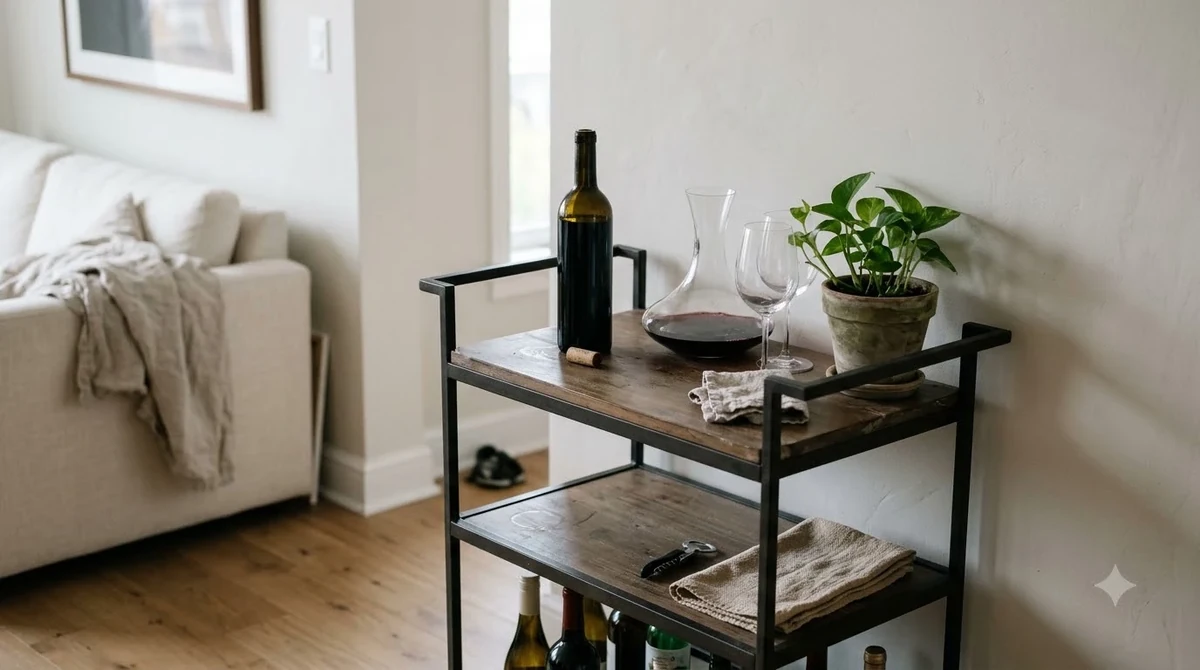
Once you have the base recipe, small changes can shift the drink toward a different part of the winter menu. The core stays the same, and only one or two ingredients change.
For a fall-style pitcher, add thin apple slices and a little cinnamon, which is close to the flavors in an easy fall sangria recipe. If you want the drink to lean into orchard flavors, an apple cider sangria recipe swaps part of the wine for cider and keeps the spice. Peach versions work better in warmer months, but a peach sangria recipe is a useful reference if you want to try a lighter, brighter pitcher later in the season.
For a more festive look, add a handful of cranberries or pomegranate seeds. They add color and a tart edge that cuts through the sweetness. Keep the amount modest, because too much fruit can turn the pitcher muddy.
Serving, storing and making ahead
Sangria is best served cold, over ice, in glasses big enough to hold a few pieces of fruit. Ladle the fruit into each glass as well so guests can eat it along with the drink. Keep the pitcher refrigerated between servings, and top off with a little more wine or juice if the level drops and the mix tastes thin.
Because the fruit continues to soften, sangria is best within a day or two of mixing. After that the apples and pears can turn mushy and the flavor flattens. If you plan to serve a crowd over several days, make a fresh batch of the wine and fruit base rather than keeping one pitcher going.
Any fizzy element, such as sparkling water or a mildly sweet soda, should be added at the last moment. Adding it early makes the drink go flat in the pitcher, and it can be stirred in right before pouring.
Frequently Asked Questions
Can I make Christmas sangria the day before?
Yes, and it is often better that way. Mix the wine, fruit, and spices the day before and refrigerate the pitcher. Add any brandy, liqueur, or sparkling element just before serving so the drink stays lively.
What wine is best for a holiday sangria?
A dry red with moderate tannin works best, and Spanish reds such as Rioja are a traditional choice. Avoid very sweet wines, which can make the finished pitcher heavy once sugar and juice are added.
Should I use cinnamon sticks or ground cinnamon?
A cinnamon stick is easier to control and will not cloud the pitcher. Ground cinnamon can leave grit at the bottom and make the drink look murky, so it is usually better to skip it or strain it out before serving.
Can I make a non-alcoholic version?
You can replace the wine with a dark grape juice or a non-alcoholic red wine, and use sparkling water or a mildly sweet soda to add lift. The fruit and spice still give the drink its holiday character, though the flavor will be lighter.
A well-made Christmas sangria is simple to prepare and easy to adjust for the crowd you are hosting. Start with a dry red, let the fruit and spice rest, and add the fizzy or spirited elements last. For more ideas on pairing drinks with food, browse the wine recipes and cocktails guides.
More in Food & Wine Pairing
 Risotto With White Wine Recipe: Make a Creamy Dinner at HomeUpdated Nov 20, 2026
 Wassail With Wine Recipe for a Festive Spiced Holiday DrinkUpdated Nov 20, 2026
 Spritz Veneziano Recipe: Make a Classic Venetian Aperitivo at HomeUpdated Nov 20, 2026
 Summer Wine Punch Recipe for Easy Homemade EntertainingUpdated Nov 20, 2026
 Bishop Recipe: How to Make a Bright, Citrus-Forward Red Wine CocktailUpdated Nov 20, 2026
 Wine Cupcakes Recipe: Bake Rich Chocolate Cupcakes at HomeUpdated Nov 20, 2026