

We may earn a commission when you buy through links on this page, at no extra cost to you. Learn more.
This chloe wine review finds that Chloe Wine Collection is worth considering for approachable, fruit-forward wines across Italian, California and New Zealand styles. Its lineup includes crisp Pinot Grigio, aromatic Sauvignon Blanc, creamy Chardonnay, fruit-driven reds and Italian Prosecco. The strongest starting points are Pinot Grigio for refreshing everyday drinking, Sauvignon Blanc for brighter acidity and Prosecco for sparkling occasions.
Chloe Wine Collection offers considerably more variety than its recognizable Pinot Grigio bottle might suggest. The range covers several grape varieties, wine regions and drinking occasions, with options for people who prefer fresh whites as well as those who enjoy fuller Chardonnay or approachable red wines. Choosing the right bottle depends less on the brand name and more on the grape, origin, flavor profile and intended meal.
Who This Is For: Understanding the Chloe Wine Range
Chloe is a useful brand to consider if you want recognizable grape varieties, fruit-forward flavor profiles and several styles within one collection. Its portfolio spans at least three countries of origin, including Italy, New Zealand and the United States.

The collection is led by Pinot Grigio, one of its most recognizable offerings. The Italian version comes from Valdadige D.O.C. in northern Italy and emphasizes white peach, melon, crisp apple, honeysuckle and a subtle Meyer lemon character. These are familiar flavors for people who prefer fresh, uncomplicated white wine rather than heavily oaked or intensely textured bottles.
There is also a clear choice for drinkers who enjoy more pronounced aromatic character. Chloe Sauvignon Blanc comes from Marlborough, New Zealand, a region known for expressive Sauvignon Blanc. Its profile includes fresh citrus, ripe lychee and juicy pineapple. This combination makes it an appealing option for people who enjoy fragrant whites with lively acidity.
The range is not limited to white wine. Chloe produces Chardonnay from Monterey County, California, along with Pinot Noir, Cabernet Sauvignon, Merlot and Rosé. Its Italian Prosecco adds a sparkling option, while Chloe Lighter and an alcohol-removed Pinot Grigio provide alternatives for people looking for different alcohol levels.
Winemaker Andrea Brambila is featured on the brand’s official website. Her background includes experience beginning as a laboratory technician and progressing into senior winemaking leadership. The collection’s international sourcing approach is reflected in its different regional origins and grape varieties.
Chloe is particularly relevant to shoppers who want to explore familiar styles without having to learn a complicated regional classification system first. Someone who already knows they enjoy Pinot Grigio, Chardonnay or Cabernet Sauvignon can begin with that grape and then compare the brand’s expression with other bottles of the same variety.
Key Factors to Compare Before Choosing Chloe Wine
The most useful comparison points are grape variety, origin, acidity, body and intended serving occasion. Chloe’s Italian Pinot Grigio, New Zealand Sauvignon Blanc and Monterey County Chardonnay provide three distinct starting points.
| Wine | Origin | General style | Flavor direction | Best use |
|---|---|---|---|---|
| Pinot Grigio | Valdadige, Italy | Light, crisp white | Peach, melon, apple | Seafood and salads |
| Sauvignon Blanc | Marlborough, New Zealand | Aromatic, high-acid white | Citrus, lychee, pineapple | Goat cheese and vegetables |
| Chardonnay | Monterey County, California | Richer white | Apple, pear, butter, vanilla | Roast chicken and creamy dishes |
| Prosecco | Prosecco D.O.C., Italy | Sparkling white | Peach, green apple, citrus | Celebrations and appetizers |
| Pinot Noir | Monterey County, California | Light to medium red | Strawberry, plum, cherry | Roast poultry and mushrooms |
| Cabernet Sauvignon | California | Full-bodied red | Black cherry, chocolate, coffee | Beef and grilled meats |
| Merlot | California collection | Medium-bodied red | Blackberry, mocha, spice | Burgers and roasted vegetables |
| Rosé | California collection | Refreshing pink wine | Strawberry, raspberry, watermelon | Light lunches and appetizers |
| Chloe Lighter | Provincia di Pavia, Italy | Lower-alcohol white | Green apple, lime, honeysuckle | Casual white-wine occasions |
Acidity is one of the most important differences between these styles. Sauvignon Blanc generally has higher acidity than Chardonnay, making it a particularly useful choice alongside citrus-seasoned seafood, fresh vegetables and tangy goat cheese. Pinot Grigio also works well with lighter meals because its crisp fruit profile does not overwhelm delicate ingredients.
Body matters just as much. Chardonnay generally offers more weight and texture than Pinot Grigio, particularly when creamy or oak-influenced characteristics are present. Chloe’s official Chardonnay description mentions creamy butter, vanilla and toasted oak alongside apple, pear and citrus. Its profile therefore makes more sense for someone who enjoys a rounder white wine rather than a particularly lean, sharp style.
Red wine selection requires a similar comparison. Pinot Noir typically has lower tannin and higher acidity than Cabernet Sauvignon. Merlot generally falls between these styles in body and tannin, with a softer impression than Cabernet. These differences affect how each wine works with food and how substantial it feels in the glass.
Serving temperature is another practical comparison. A refreshing white served too warm can seem heavy, while a red served too warm can emphasize alcohol. The following temperatures provide useful starting points for the different Chloe styles.
- Pinot Grigio and Sauvignon Blanc: 45–50°F.
- Chardonnay: 50–55°F.
- Prosecco: 40–50°F.
- Rosé: 45–50°F.
- Pinot Noir: 55–60°F.
- Cabernet Sauvignon and Merlot: 60–65°F.
These distinctions make the collection easier to compare. Instead of selecting a bottle because its label looks appealing, identify whether you want acidity, fruitiness, richness, bubbles or tannin. That single decision eliminates several unsuitable choices.
Step-by-Step: How to Choose the Right Chloe Bottle
A simple five-step selection process helps narrow the collection without requiring specialist wine knowledge. Begin with the occasion, then compare grape variety, flavor, food pairing and serving requirements.
-
Decide whether you want white, red, rosé or sparkling wine.
This is the easiest first decision. Choose Pinot Grigio, Sauvignon Blanc or Chardonnay for white wine, Pinot Noir, Merlot or Cabernet Sauvignon for red wine, Rosé for a chilled pink option, and Prosecco when you want bubbles. If you are buying for a mixed group, consider selecting a fresh white and a lighter red rather than expecting one bottle to suit every preference.
-
Choose your preferred level of acidity and richness.
If you enjoy refreshing, citrus-led wines, start with Pinot Grigio or Sauvignon Blanc. If you prefer a fuller mouthfeel and creamy characteristics, consider Chardonnay. For red wine, Pinot Noir offers a more delicate structure than Cabernet Sauvignon, while Merlot provides a middle ground with softer tannins.
-
Match the wine to the food.
Think about the main ingredient, preparation method and sauce. Sauvignon Blanc works with goat cheese, herbs and citrus-seasoned seafood. Chardonnay is a better match for roast chicken, creamy pasta and richer fish dishes. Pinot Noir can accompany roast turkey, mushroom dishes and pork, while Cabernet Sauvignon is more suitable for grilled beef.
-
Consider the occasion and alcohol preference.
Prosecco suits aperitifs, brunch and celebrations. Pinot Grigio is a practical choice for casual meals, while Chardonnay can suit a more substantial dinner. Chloe Lighter provides a lower-alcohol Pinot Grigio option, and the collection also lists an alcohol-removed Pinot Grigio for those seeking a different beverage category.
-
Check the vintage and bottle details before purchasing.
For vintage-specific wines, the year can affect freshness, development and availability. A 750 ml bottle typically provides approximately five standard 5-ounce glasses. For a dinner with four adults, one bottle may be sufficient for a single modest pour each, although a second bottle is useful if wine will accompany several courses.
For a first purchase, Pinot Grigio is a sensible starting point because its fruit profile and refreshing style suit a wide range of casual occasions. Sauvignon Blanc is the next choice for someone who prefers brighter aromatics, while Chardonnay provides a contrasting experience for drinkers who enjoy more texture.
When buying for a group, it is useful to think about how the wines will be served. A bottle of chilled Prosecco can work before dinner, followed by a white wine with the first course and a red with the main dish. This approach makes the collection more versatile than simply choosing several bottles of the same variety.
Types and Styles Explained: What Chloe Offers
Chloe’s portfolio includes several distinct wine styles, from fresh Italian whites to California reds and Italian sparkling wine. The key is understanding that the wines do not share one universal flavor profile simply because they carry the same brand name.
Pinot Grigio: The Fresh Everyday White
Chloe Pinot Grigio comes from Valdadige D.O.C. in northern Italy. The official description emphasizes white peach, soft melon, crisp apple and floral honeysuckle, followed by a refreshing finish with Meyer lemon character.
Pinot Grigio is generally a lighter-bodied white with a fresh, approachable personality. Its acidity makes it useful alongside grilled shrimp, simple fish preparations, vegetable pasta and salads. It can also be served as an aperitif when a lighter alternative to sparkling wine is preferred.
Its relatively delicate profile is best appreciated when the wine is properly chilled. Serving it at 45–50°F helps preserve its refreshing character and keeps the fruit from seeming overly soft.
Sauvignon Blanc: The More Aromatic White
Chloe Sauvignon Blanc comes from Marlborough, New Zealand. The brand identifies citrus, ripe lychee and pineapple as defining flavors, creating a more aromatic direction than the collection’s Italian Pinot Grigio.
Sauvignon Blanc generally has high acidity. This characteristic helps it work with tangy goat cheese, fresh herbs, green vegetables and seafood with lemon or lime. It can also be a useful match for dishes with vinaigrette because its acidity is less likely to be overwhelmed by the dressing.
For drinkers who find ordinary white wines too neutral, Sauvignon Blanc is an appealing alternative. Its aromatic intensity makes it particularly suitable for meals featuring fresh ingredients and bright seasonings.
Chardonnay: A Fuller White-Wine Experience
Chloe Chardonnay comes from Monterey County, California. Its official tasting description includes fresh citrus, apple and pear, together with creamy butter, vanilla and toasted oak.
These characteristics create a different experience from the lighter Pinot Grigio and more aromatic Sauvignon Blanc. Chardonnay can have a richer texture and works well with roasted poultry, buttery seafood, mushroom risotto and cream-based pasta. Its medium acidity gives it enough freshness to complement richer dishes without relying entirely on citrus-like sharpness.
Independent coverage provides another useful perspective. Wine Enthusiast’s review of the 2023 Monterey County Chardonnay describes apple juice and brioche aromas, with smoke, steel and baked apple on the palate. This gives prospective buyers a more specific picture of one vintage than a general brand description can provide. The review can be found on Wine Enthusiast’s Chloe Chardonnay review.
Prosecco: The Sparkling Option
Chloe Prosecco carries the Prosecco D.O.C. designation and comes from Italy. Its profile features peach, green apple, citrus and white flowers, accompanied by fine bubbles and refreshing acidity.
Prosecco is made primarily from Glera grapes and commonly uses the tank method for its secondary fermentation. This production approach helps preserve fresh fruit characteristics and creates the lively sparkling style associated with the category. Typical Prosecco alcohol content is around 11–12% ABV, although individual bottles can differ.
For serving, chill Prosecco to approximately 40–50°F. It works with bruschetta, seafood appetizers, mild cheeses and lightly fried foods. It is also suitable as a welcome drink before a meal because its acidity and bubbles provide a refreshing contrast to savory snacks.
For a more detailed look at this particular bottle, the Chloe Prosecco range deserves separate consideration.
Pinot Noir, Merlot and Cabernet Sauvignon
Chloe’s red wines cover different levels of structure. Its Pinot Noir is associated with strawberry, plum, cherry and spicy clove. The Cabernet Sauvignon profile moves toward black cherry, dark chocolate, coffee and spice. Merlot occupies a softer middle position with blackberry, mocha and spice characteristics.
These descriptions suggest different food-pairing opportunities. Pinot Noir is suitable for roast chicken, salmon alternatives with lower oiliness, mushrooms and pork. Merlot works with burgers, roasted vegetables and meatloaf. Cabernet Sauvignon generally has higher tannin and is better suited to beef, lamb and other protein-rich dishes.
Wine Enthusiast’s review of Chloe’s 2023 Monterey County Pinot Noir provides an independent vintage-specific perspective. It identifies ripe plum and earthy aromas, with rustic cherry, herbs and lightly gamy flavors on the finish. This is useful context for buyers who want to understand how a particular bottle may differ from the collection’s general fruit-forward description.
Rosé and Alternative Pinot Grigio Options
Chloe Rosé features strawberry, raspberry and watermelon characteristics. It is an option for people who want a refreshing wine with some red-fruit character without moving into a structured red. Serve it around 45–50°F with grilled vegetables, light pasta, chicken salads and appetizers.
Chloe Lighter offers a different direction within the white-wine category. It is an Italian Pinot Grigio from Provincia di Pavia IGT, made using grapes harvested earlier in the season. The producer explains that earlier harvesting results in lower grape sugar and a lower alcohol level while maintaining flavor and acidity.
The producer lists Chloe Lighter at 9% alcohol, with an average of 80 calories and 4 grams of carbohydrates per 5-fluid-ounce serving. It is aged in 100% stainless steel and features green apple, citrus lime and honeysuckle. These published details distinguish it from the regular Pinot Grigio, although individual preferences should still determine which style is more appealing.
The collection also includes an alcohol-removed Pinot Grigio. This is a separate product category rather than simply another expression of conventional wine, so shoppers should distinguish it from Chloe Lighter when comparing labels and alcohol content.
Common Mistakes When Buying Chloe Wine
The biggest purchasing mistakes involve assuming every Chloe bottle tastes alike, overlooking grape characteristics and choosing wine without considering the food. Comparing Pinot Grigio, Chardonnay and Cabernet Sauvignon as if they were interchangeable styles can lead to disappointing pairings.
One common mistake is assuming that all white wines are equally light. Pinot Grigio generally offers a lighter, crisp profile, whereas Chardonnay can have a noticeably fuller texture. Chloe’s Chardonnay includes butter, vanilla and toasted oak characteristics that distinguish it from the fruit-led Italian Pinot Grigio.
Another mistake is confusing fruity aromas with sweetness. A wine can smell strongly of peach, pineapple or ripe apple while still tasting dry. Chloe’s descriptions of fruit characteristics do not establish a precise residual-sugar level for every wine. Buyers who specifically prefer sweet wine should distinguish perceived fruitiness from actual sweetness.
Choosing a red wine based only on its fruit description can also be misleading. Cabernet Sauvignon’s black cherry and dark chocolate profile does not mean that it has the same softness as Merlot. Cabernet generally has higher tannin, while Merlot is usually softer and Pinot Noir has lower to medium tannin with higher acidity.
Food pairing creates another frequent problem. High-tannin red wine can make spicy food seem hotter because alcohol and tannin amplify the perception of chili heat. A heavily tannic Cabernet is therefore not always the right match for strongly spiced dishes. A lighter wine or a bottle with lower tannin may work better.
Similarly, oily fish can clash with tannic red wine. Pinot Noir may be a more flexible red option than Cabernet for some seafood dishes, but preparation matters. Rich sauces, grilled vegetables and seasonings can change which wine works best.
Buyers should also avoid assuming that Prosecco is interchangeable with Champagne. Both are sparkling wines, but Prosecco generally uses the tank method, while Champagne undergoes its second fermentation in the bottle. These different production methods create different textures and flavor profiles.
Finally, do not select a bottle solely because it is familiar. A person who enjoys Chloe Pinot Grigio may not automatically enjoy its Chardonnay or Cabernet Sauvignon. The most reliable approach is to use grape variety and regional origin as the starting point rather than assuming a consistent taste across the entire brand.
Care and Storage Tips for Keeping Chloe Wine Fresh
Correct temperature, appropriate storage and careful handling make a meaningful difference to wine quality. Chloe whites, reds and Prosecco benefit from different serving temperatures, while unopened bottles generally need a cool, dark storage location.
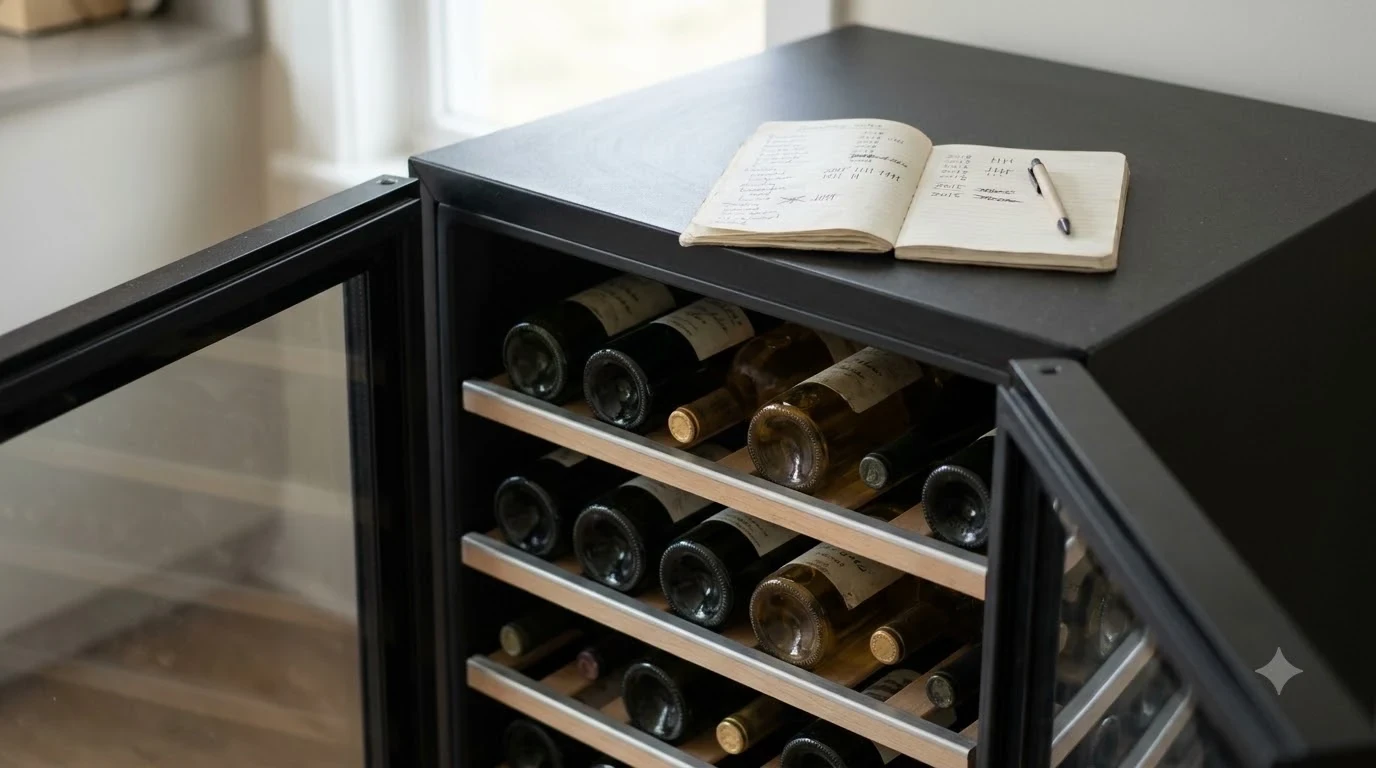
For unopened still wines, a consistent temperature near 55°F is a useful storage target. Keep bottles away from direct sunlight, heating appliances and repeated temperature fluctuations. If the bottle has a natural cork closure, storing it horizontally helps keep the cork from drying out during longer storage.
Prosecco should be kept chilled before serving, but long-term storage should not involve repeatedly moving the bottle between warm and cold locations. Once opened, sparkling wine loses carbonation more quickly than still wine. A suitable sparkling-wine stopper can help preserve bubbles for a short period.
Serving temperatures are important because cold conditions suppress some aromas while excessive warmth can make alcohol seem more pronounced. Pinot Grigio, Sauvignon Blanc and Rosé generally work best at 45–50°F. Chardonnay is better served slightly warmer at 50–55°F, while Prosecco benefits from 40–50°F.
For reds, avoid serving Pinot Noir straight from a warm room. A temperature of 55–60°F helps preserve freshness and makes its fruit and acidity easier to appreciate. Cabernet Sauvignon and Merlot can be served around 60–65°F, which is cooler than many modern indoor room temperatures.
Tip: If a bottle of Chloe white wine has become too warm, place it in the refrigerator for a short cooling period before serving. If a red has become too cold, allow it to warm gradually in the glass rather than using direct heat. Small temperature adjustments can make a noticeable difference to the wine’s aroma and balance.
After opening, refrigerate still wine even if it is red. A practical general guideline is approximately three to five days for opened still wine when properly resealed and stored in the refrigerator. Sparkling wine generally keeps its best character for around one to three days with an appropriate stopper, although the bubbles can diminish sooner.
When serving several bottles, use clean glasses and moderate pours. A standard wine serving is approximately 5 ounces, which means a 750 ml bottle contains about five standard glasses. Smaller pours can be useful during a tasting because they allow people to compare Pinot Grigio, Sauvignon Blanc and Chardonnay without committing to a full glass of each.
Decanting is generally unnecessary for the collection’s lighter white wines and Prosecco. Young, full-bodied red wines can sometimes benefit from 30–60 minutes of aeration, although Pinot Noir usually needs less intervention than a more structured Cabernet Sauvignon. Open the bottle, assess its aroma and adjust the serving approach to the wine rather than automatically decanting every red.
For shoppers comparing the brand’s different white styles, the dedicated Chloe white wine overview can help narrow the options. Those exploring the broader category can also consult our guide to Wine Brands for additional comparisons.
Frequently Asked Questions
These five additional questions address practical details that are useful when comparing Chloe’s wines, from labeling and regional designations to serving quantities and purchasing decisions.
Who is the winemaker behind Chloe Wine Collection?
Andrea Brambila is the winemaker featured on Chloe Wine Collection’s official website. Her professional background includes laboratory work and nearly two decades of winemaking experience. Her role includes sourcing grapes internationally and developing wines that express their respective varieties.
What does Valdadige D.O.C. mean on Chloe Pinot Grigio?
D.O.C. stands for Denominazione di Origine Controllata, an Italian designation connecting wine production to defined geographic and production requirements. Valdadige is a northern Italian wine-growing area associated with the Adige Valley. The designation gives buyers more information about the wine’s origin than a grape name alone.
What is the difference between Chloe Lighter and alcohol-removed Pinot Grigio?
Chloe Lighter is a lower-alcohol Pinot Grigio rather than an alcohol-removed product. The producer lists it at 9% ABV and describes an earlier-harvest approach. Alcohol-removed Pinot Grigio is a separate offering intended for a different alcohol preference, and its exact remaining alcohol content should be assessed from its own product labeling.
Does Chloe Prosecco have the same production method as Champagne?
No. Prosecco generally uses the tank method, in which secondary fermentation takes place in a pressurized tank. Champagne uses bottle fermentation for its traditional production method. These methods contribute to different textures, aromas and styles of sparkling wine.
How many Chloe wine bottles should be purchased for a dinner party of eight?
For eight guests having one standard 5-ounce glass each, two 750 ml bottles provide approximately ten glasses in total. If the dinner includes several courses or guests expect additional servings, three or four bottles may be more appropriate. Offering two different styles, such as Sauvignon Blanc and Pinot Noir, also gives guests more flexibility with food pairings.
Chloe Wine Collection is a versatile option for shoppers who enjoy recognizable grape varieties and fruit-forward wine styles from several established regions. Its Pinot Grigio, Sauvignon Blanc and Prosecco are particularly useful starting points, while Chardonnay and the red wines provide alternatives for richer meals and different preferences. Choose according to grape, acidity, body and occasion, and the collection becomes much easier to compare.
More in Wine Brands
 19 Crimes Cali Red Price: What to Expect and How to BuyUpdated Nov 21, 2026
 Louis Latour Wine Price: Compare Bottles by Style and TierUpdated Nov 20, 2026
 Yellow Tail Moscato Price: What to Expect Before You BuyUpdated Nov 20, 2026
 Sutter Home Sweet Red Review: Find the Right Food PairingsUpdated Nov 20, 2026
 Franzia Chillable Red Review: Find the Right Serving StyleUpdated Nov 20, 2026
 Veuve Clicquot Rose Review: Flavor, Food Pairings and Buying AdviceUpdated Nov 20, 2026