

We may earn a commission when you buy through links on this page, at no extra cost to you. Learn more.
The China wine region landscape includes several distinct wine-producing areas, with Ningxia, Xinjiang, Shandong, Gansu, and Yunnan among the most important places to explore. Ningxia is particularly recognized for structured Cabernet Sauvignon and Bordeaux-style blends, while Xinjiang offers diverse wines from an enormous range of growing environments. Together, these regions demonstrate how China’s varied climates, elevations, soils, and grape varieties shape an increasingly distinctive wine industry.
Chinese wine is no longer limited to inexpensive bottles intended primarily for domestic consumption. Producers across the country are developing individual regional identities, experimenting with international grape varieties, and refining vineyard and cellar practices. Understanding the geography behind the bottles makes it easier to recognize what different Chinese wines offer and which regions deserve attention when exploring unfamiliar labels.
Understanding China’s Wine Geography and Regional Identity
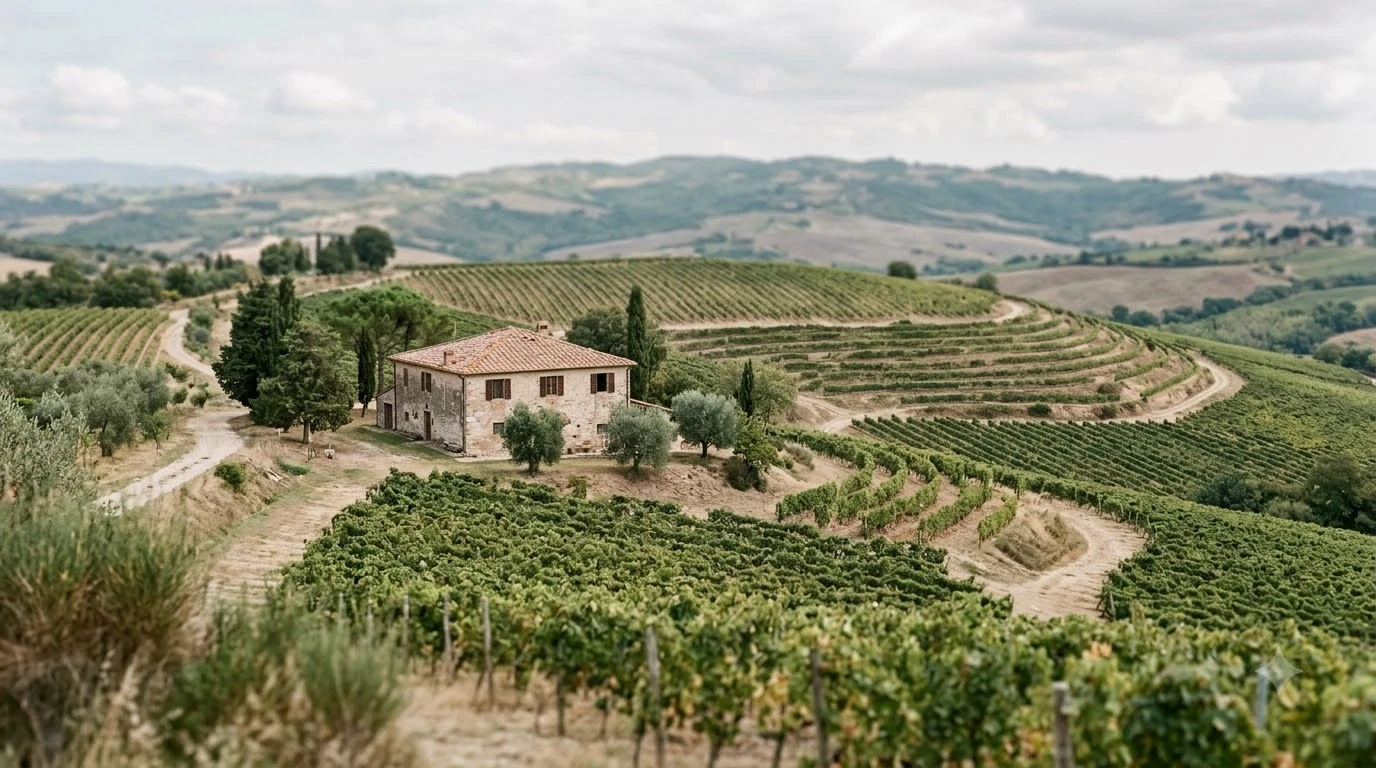
China is a collection of different wine-growing environments rather than a single, uniform wine region. Its vineyards extend from dry northwestern deserts and continental mountain foothills to humid coastal districts and high-altitude valleys in the southwest.
One important distinction is that Chinese wine-region names do not always operate like the appellations familiar to European wine drinkers. According to Decanter China, names such as Ningxia and Xinjiang are generally defined by administrative boundaries. Individual growing districts and subregions provide more precise information about local conditions, including elevation, rainfall, soil, and temperature.
The country’s wine geography is often organized into broader districts, including the Northwestern Wine District, coastal growing areas, northern regions, and southwestern mountain districts. Within these groupings are numerous smaller production areas with different growing seasons and grape-growing challenges. This diversity makes it difficult to describe all Chinese wines using a single flavor profile.
The northwestern regions generally have continental or semi-arid climates. They can receive abundant sunshine and limited rainfall during the growing season, but winter cold and spring frost create substantial agricultural challenges. Growers may need irrigation during summer and special winter protection to keep vines alive.
Coastal Shandong experiences different conditions. Its maritime influence creates a growing environment that contrasts with the dry inland districts. Meanwhile, the high valleys of Yunnan introduce altitude as a major influence on ripening and wine style.
For readers comparing unfamiliar regions, it helps to approach China as a group of distinct wine territories. The same grape can produce noticeably different results depending on where it grows, how much sunlight it receives, and whether the vineyard experiences cooling mountain air or maritime moisture.
That approach is useful when exploring other geographically distinctive areas, such as the Savoie wine region, where mountain conditions also play an important role in grape growing. China’s wine map, however, is considerably larger and includes a much wider range of climates.
Ningxia and the Eastern Foothills of Helan Mountain
Ningxia is China’s most internationally recognized fine-wine region, particularly for Cabernet Sauvignon and Bordeaux-inspired red blends. Its East Foothill of Helan Mountain district combines high-elevation vineyards, abundant sunshine, dry conditions, and significant temperature differences between day and night.
The wine-growing area lies between the Helan Mountains and the Yellow River plain in northwestern China. The mountain range provides protection from some weather systems and desert sandstorms, while the river supplies water essential to agriculture in this otherwise dry environment.
According to Decanter’s regional reporting, Ningxia receives approximately 3,100 hours of sunshine annually and less than 200 mm of rainfall. Daily temperature differences can reach 15°C, helping grapes retain acidity despite the substantial sunshine. These conditions support the production of ripe fruit with a combination of concentration and freshness.
The vineyards generally sit above 1,000 meters. Gravelly soils closer to the mountains contrast with sandy clay soils toward the Yellow River. These differences, along with local variations in temperature and elevation, create distinctions between individual vineyard sites.
Ningxia’s modern fine-wine development accelerated during the 1990s. In 1998, approximately 3,000 hectares of wine grapes were planted along the area between the mountains and the river plain. The region subsequently attracted investment, winery development, and greater international attention.
A defining moment arrived in 2011, when Helan Qingxue’s Jia Bei Lan Grand Reserve 2009 won the International Trophy in the Bordeaux blend category at the Decanter World Wine Awards. This achievement brought considerable attention to Chinese fine wine and helped establish Ningxia as a serious producer on the international stage.
Important Ningxia subregions
Ningxia’s East Foothill wine area contains several distinct subregions, including Shizuishan, Yinchuan, Qingtongxia, and Hongsipu. Their differences matter because the region is not climatically uniform.
Yinchuan is a central production hub, with vineyards generally between 1,000 and 1,200 meters above sea level. Its location and concentration of wineries make it an important reference point for understanding Ningxia’s wine industry.
Qingtongxia lies farther south, near the southern end of the Helan Mountain range. Its sandy soils provide good drainage, while cooling winds from the Gobi Desert help ventilate the vineyards. Hongsipu, farther south, reaches approximately 1,200 meters in average vineyard elevation and experiences particular exposure to spring cold spells.
These local differences can influence grape ripening and the character of finished wines. For example, cooler southern sites may produce reds with more restrained fruit and greater natural freshness than warmer vineyard locations.
Winter vine protection
One of Ningxia’s most distinctive vineyard practices is burying grapevines beneath soil during winter. Temperatures can fall below -20°C, creating a serious risk of damage to exposed vines.
Workers cover the vines toward the end of the growing season and uncover them again in spring. This requires considerable labor and increases production costs, but it allows growers to cultivate European wine grapes in an environment that would otherwise be extremely challenging.
Spring frost remains another concern. Even after winter protection, unexpected cold weather can threaten developing buds and reduce yields. These risks make vineyard location, seasonal planning, and careful management essential to consistent quality.
For more regional background, Decanter’s examination of Ningxia’s development and growing conditions provides useful detail about the area’s producers, climate, and evolving wine styles.
Xinjiang and the Vast Northwestern Wine Country
Xinjiang is one of China’s largest and most geographically varied grape-growing territories. Its wine-growing districts include extremely dry basins, mountain-influenced valleys, and inland agricultural areas, producing a wider range of conditions than a single regional label might suggest.
European wine grape cultivation in Xinjiang has historical roots extending approximately 2,300 years. The region also has an established association with table grapes and raisin production, thanks to its abundant sunshine and extensive agricultural land.
Decanter identifies four important Xinjiang subregions: Yili Valley, Yanqi Basin, Tianshan Mountain North, and the Turpan-Hami Basin. Each has its own rainfall patterns, elevation, and temperature characteristics.
Yili Valley
The Yili Valley is one of Xinjiang’s more humid growing areas. It receives approximately 400 mm of rainfall annually, significantly more than the region’s desert-influenced districts.
Vineyards are concentrated along the southern bank of the Yili River, generally at elevations between 800 and 1,100 meters. The surrounding mountains influence airflow and help create a growing environment suitable for a diverse selection of grape varieties.
Producers associated with the area include Silk Road Winery, Yizhu Winery, and Chateau Crescent. The valley’s comparatively generous rainfall and mountain setting distinguish it from the much drier parts of Xinjiang.
Yanqi Basin
The Yanqi Basin has a much drier continental environment. Vineyards are situated around 1,100 meters above sea level, while annual rainfall remains below 80 mm.
Bosten Lake, a large freshwater lake, helps moderate local climatic conditions. The dry environment can reduce pressure from certain vineyard diseases, although irrigation remains essential to successful grape production.
Tiansai Vineyards is among the producers associated with the basin. Its location demonstrates why Xinjiang should not be understood simply as a single hot desert wine region.
Turpan-Hami Basin
The Turpan-Hami Basin represents one of China’s most extreme agricultural environments. Annual rainfall can fall below 20 mm, and traditional qanat systems transport groundwater through underground channels to support cultivation.
The area is particularly associated with raisin production and also produces distinctive sweet wines. Its extreme dryness, heat, and irrigation requirements make it very different from the cooler mountain-influenced areas farther west.
When comparing Xinjiang wines, the specific subregion is therefore especially important. A wine from Yili Valley should not automatically be expected to resemble one from Yanqi or Turpan. The differences in water availability, temperature, and elevation can influence grape selection and finished wine character.
Gansu, Shandong, and China’s Northern Wine Districts
Beyond Ningxia and Xinjiang, several northern and eastern provinces contribute important wines to China’s growing regional identity. Gansu offers continental growing conditions, Shandong benefits from maritime influences, and Hebei and Shanxi provide additional inland production areas.
Gansu and the Hexi Corridor
The Hexi Corridor stretches through northwestern Gansu and has a long association with agriculture, trade, and the historic Silk Road. Its important wine-growing centers include Wuwei and Zhangye.
Compared with Ningxia, the Hexi Corridor has a relatively cool continental growing environment. This difference affects grape suitability. Decanter identifies Pinot Noir and Welschriesling as varieties that perform well, while late-ripening grapes can struggle to achieve full maturity in some locations.
Producers include Mogao Wine, Qilian Wine Company, and Guofeng. Their presence reflects the region’s development as a wine-producing area with its own climatic identity rather than simply an extension of Ningxia.
Shandong and the Penglai Coast
Shandong is among the most historically significant locations in modern Chinese wine production. The province is particularly associated with Yantai and the coastal growing district of Penglai.
Its maritime climate differs considerably from the dry continental conditions of northwestern China. Coastal moisture, temperature moderation, and a longer growing season can support later-ripening grapes, including Cabernet Sauvignon.
Changyu, founded in 1892, is an important name in the development of modern Chinese wine. Its historical connection with Shandong makes the province an essential part of any overview of the country’s wine industry.
Shandong wines are particularly interesting for drinkers who want to compare Cabernet-based reds from different climatic environments. A coastal expression may have a different balance of fruit, acidity, and tannin from a Cabernet grown in Ningxia.
Hebei and Shanxi
Hebei includes important vineyard districts such as Huailai and Changli. Their proximity to northern Chinese population centers has helped support the development of wineries and domestic wine consumption.
Huailai is particularly notable for the development of Marselan in China. This grape, a crossing of Cabernet Sauvignon and Grenache, has become an important variety for producers looking to create expressive red wines with a distinctive identity.
Shanxi has a smaller wine-growing footprint but has attracted attention through producers such as Grace Vineyard. Its vineyards are concentrated around the Taiyuan Basin and the surrounding Loess Plateau landscape.
These regions show why a comparison based only on provincial names can be misleading. Individual districts have different growing seasons and soils, and producers may emphasize different grapes even when they operate within the same broader geographical area.
Yunnan and the High-Altitude Wine Regions
Yunnan offers some of China’s most unusual vineyard environments, particularly in the high valleys around Shangri-La. Its combination of mountain terrain, elevation, and strong local climatic variations provides a striking contrast with the dry plains of Ningxia and Xinjiang.
Some vineyards in the Shangri-La area reach approximately 2,600 meters above sea level. Such elevations create a distinctive growing environment in which sunlight, temperature, slope exposure, and local airflow are especially important.
The region is situated in southwestern China, close to the Tibetan Plateau. Its dramatic mountain geography produces different conditions from valley to valley, meaning that vineyard location can have a significant influence on grape development.
Cabernet Sauvignon is among the varieties grown in this high-altitude environment. However, altitude alone does not guarantee a particular wine style. Soil composition, slope direction, water availability, and seasonal temperatures all influence the final result.
One internationally recognized name associated with the area is Ao Yun, a project backed by LVMH. Its presence has contributed to interest in the potential of high-altitude Chinese vineyards.
Yunnan’s wines are worth exploring for drinkers who already enjoy mountain-influenced wines. Comparisons with the Switzerland wine region can be interesting because both countries contain vineyards where elevation and mountain geography are central to local wine identity. Their grapes, climates, and traditions are nevertheless different.
The southwest also contains developing wine-growing areas beyond the best-known Shangri-La vineyards. Sichuan and parts of the wider Tibetan highlands represent additional opportunities for viticulture, although their production remains less established than that of Ningxia.
For wine buyers, Yunnan is a region to approach with curiosity rather than assumptions. A high-altitude Cabernet Sauvignon may share its grape variety with a Ningxia wine, but the combination of vineyard exposure, local temperature patterns, and winemaking decisions can produce a different expression.
Chinese Wine Grapes, Styles, and Typical Flavor Profiles
Chinese wineries grow a mixture of international grape varieties and grapes that have developed regional importance. Cabernet Sauvignon dominates many fine-wine discussions, but Marselan, Merlot, Pinot Noir, Chardonnay, and several aromatic white varieties also contribute to the country’s wine identity.
Cabernet Sauvignon is particularly important in Ningxia, Shandong, and other northern growing districts. It generally produces structured wines with dark-fruit flavors, noticeable tannins, and the potential to benefit from oak maturation.
Merlot is frequently blended with Cabernet Sauvignon to soften the structure and introduce rounder fruit character. Cabernet Franc can also appear in Bordeaux-inspired blends, adding aromatic complexity and additional layers of flavor.
Marselan has attracted considerable attention among Chinese producers. Its combination of color, aromatic intensity, and relatively smooth tannins makes it a useful option for wineries seeking a distinctive red-wine identity. Ningxia and Hebei are among the areas associated with this variety.
Other important grapes include Pinot Noir and Syrah. Pinot Noir generally has lower to medium tannins and higher acidity, making it a useful option for cooler growing locations. Syrah can produce darker, more concentrated reds with medium-plus to high tannins, depending on its growing conditions and winemaking approach.
White wine varieties
Chardonnay is an important international white grape in Chinese vineyards. Depending on its location and winemaking method, it can produce wines with citrus, apple, stone-fruit, or richer tropical-fruit characteristics.
Riesling and Welschriesling are also grown in different Chinese regions. Riesling is naturally high in acidity and can produce dry, aromatic wines with citrus, floral, and stone-fruit notes. Welschriesling is a separate variety and should not be confused with Riesling.
Viognier and Petit Manseng add further diversity. Viognier is known for its floral aromas and fuller texture, while Petit Manseng can produce concentrated wines with refreshing acidity, including sweeter styles.
Understanding the main Chinese wine styles
Dry red wine remains an important category, particularly Cabernet Sauvignon-led blends and varietal bottlings. However, China’s production is not limited to full-bodied reds.
The country also produces dry white wines, sparkling wines, rosé, sweet wines, fortified styles, and ice wines. Ningxia has developed sparkling wine production, while northeastern provinces such as Liaoning and Jilin are particularly associated with ice wine.
Ice wine is produced from grapes that freeze naturally on the vine before harvesting. The frozen water remains in the berries during pressing, concentrating sugars and flavor components in the resulting juice. This produces sweet wines with concentrated fruit character and potentially refreshing acidity.
The following table summarizes the main varieties and their general roles in Chinese wine production. These are broad regional associations rather than guarantees about every individual bottle.
| Grape or style | Important regions | Typical wine character |
|---|---|---|
| Cabernet Sauvignon | Ningxia, Shandong, Yunnan | Dark fruit, structure, noticeable tannin |
| Merlot | Ningxia, northern China | Plum, softer tannins, rounded texture |
| Marselan | Ningxia, Hebei | Deep color, dark berries, floral notes |
| Pinot Noir | Gansu, Ningxia | Red fruit, lighter body, fresh acidity |
| Syrah | Ningxia and other northern districts | Dark berries, spice, structured tannins |
| Chardonnay | Ningxia and other northern districts | Apple, citrus, stone fruit |
| Riesling | Ningxia and northern growing areas | Citrus, floral aromas, high acidity |
| Ice wine | Liaoning, Jilin, Gansu | Concentrated sweetness and refreshing acidity |
The table is a starting point for understanding regional styles. A Cabernet Sauvignon from a cooler site may have a different balance of acidity and fruit from one grown in a warmer location, while oak treatment and extraction can further change the wine’s texture.
How to Choose, Serve, and Pair Chinese Wines
The best way to select Chinese wine is to begin with the producing region, grape variety, and intended style. Ningxia Cabernet Sauvignon is a useful starting point for fans of structured reds, while Xinjiang and Yunnan offer opportunities to explore different expressions of continental and high-altitude viticulture.
For a first purchase, look for an identifiable producer and a clearly stated grape variety or blend. Regional information is particularly useful because a bottle labeled simply as Chinese red wine may provide little indication of its actual character.
Producers such as Helan Qingxue, Silver Heights, Xige Estate, and Grace Vineyard are useful names to recognize when exploring Chinese fine wine. They represent different producers and growing environments, so their wines should be considered individually rather than treated as interchangeable examples of one national style.
Serving temperatures
Temperature has a noticeable effect on how wine smells and tastes. Serving a structured Cabernet too warm can make its alcohol seem more prominent, while serving a delicate white too cold can suppress its aromas.
For Chinese wines, use the same temperature principles applied to wines from other countries. Light whites and rosé generally work best at 45–50°F, while fuller-bodied whites such as richer Chardonnay are better around 50–55°F.
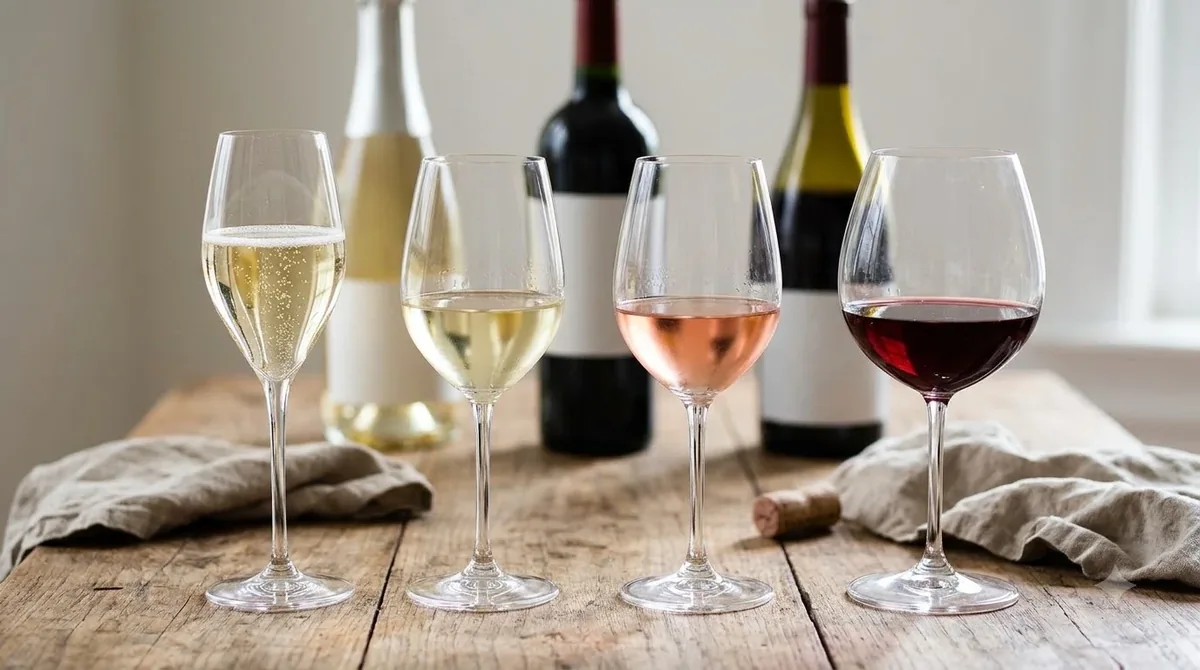
Light-bodied reds, including lighter Pinot Noir, are generally best around 55–60°F. Fuller reds, including structured Cabernet Sauvignon and Syrah, are usually served at 60–65°F. Sparkling wines work well at 40–50°F, while sweet whites are generally served at 43–50°F.
Food pairing ideas
Cabernet Sauvignon from Ningxia can pair well with grilled beef, lamb, roasted mushrooms, and dishes with enough richness to complement its tannins. Merlot can be a good alternative for roast poultry, pork, and moderately rich meat dishes.
Marselan’s dark fruit and relatively smooth tannins make it suitable for grilled pork, roasted duck, and savory dishes featuring mushrooms or aromatic spices. Pinot Noir from cooler districts can work particularly well with duck, roast chicken, and mushroom-based dishes.
For white wines, Chardonnay is a natural option for roast chicken, creamy seafood dishes, and grilled fish. High-acid Riesling can complement dishes with noticeable acidity or moderate sweetness, including many Asian-inspired meals.
When pairing wine with Chinese food, consider the cooking technique and seasoning rather than relying exclusively on the name of the dish. Sichuan dishes with substantial chili heat can make high-alcohol, tannic reds seem hotter and more aggressive. Aromatic whites with refreshing acidity may provide a more balanced match.
Sweet wine should generally be at least as sweet as the dessert served alongside it. Meanwhile, salty and fatty foods can soften the perception of tannin in structured reds. Oily fish can clash with heavily tannic red wine, making a fresh white or lighter red a more suitable choice.
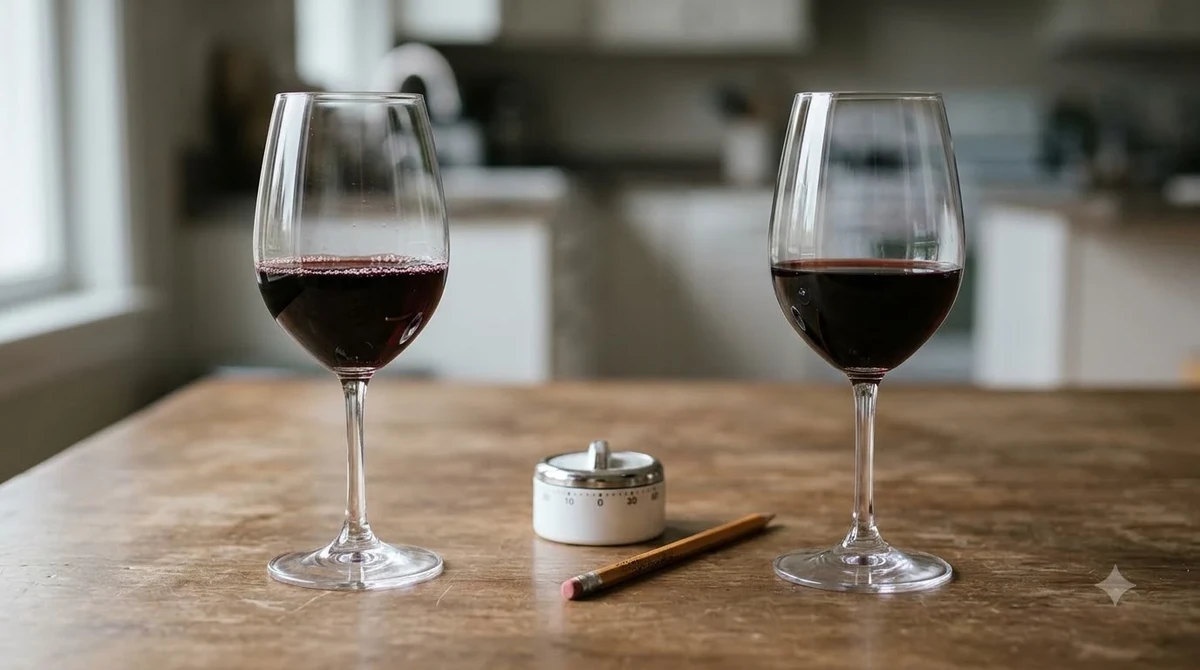
Tip: If you are trying a Ningxia Cabernet Sauvignon for the first time, serve it at approximately 60–65°F and allow a young, full-bodied bottle to breathe for 30–60 minutes. Compare it with a Merlot or Marselan from the same region to understand how grape variety influences body, tannin, and aroma.
Storage and opening
Store unopened Chinese wine in a cool, dark environment, ideally around 55°F, with bottles on their sides when sealed with natural cork. Avoid large temperature fluctuations and direct sunlight, particularly for bottles intended for longer storage.
A standard 750 ml bottle provides approximately five servings of 5 oz each. Once opened, most still wines can be refrigerated and consumed within three to five days, depending on the style and storage conditions.
Young, structured reds may benefit from decanting, but older or more delicate wines need a gentler approach. The objective is to give a wine enough exposure to air to open its aromas without allowing it to lose its freshness.
For readers who enjoy comparing different mountain and island wine-growing environments, the Tasmania wine region provides another interesting reference point. Its cooler maritime conditions create a useful contrast with the continental heat and winter challenges found in many Chinese vineyards.
Frequently Asked Questions
Is Chinese wine available internationally?
Yes. Chinese wines are exported to various international markets, although availability depends on the producer, importer, and country. Specialist wine retailers and restaurants with international wine selections are often useful places to look. Import volumes and distribution can differ considerably between individual wineries.
Does China have a national wine classification system?
China has wine standards and geographical indication protections, but there is no single national fine-wine hierarchy equivalent to the Bordeaux classification. Ningxia introduced its own regional classification system in 2013. Its structure is specific to the regional wine industry rather than a universal ranking for every Chinese producer.
What does Cabernet Gernischt mean on a Chinese wine label?
Cabernet Gernischt is a traditional Chinese wine-grape name generally associated with the Carménère variety. It has a long history in Chinese viticulture and is particularly associated with established wine-producing areas such as Shandong. Its presence on a label identifies a different grape from Cabernet Sauvignon, despite the similarity in their names.
Are Chinese wines suitable for aging?
Some Chinese premium reds have the structure and concentration required for bottle aging. Cabernet Sauvignon blends with sufficient acidity, tannin, and fruit concentration are the most obvious candidates. Aging potential varies by producer, vintage, vineyard location, and cellar practices, so not every Chinese red should be treated as a long-term cellar wine.
What is the difference between Chinese wine and Chinese grape wine?
Chinese grape wine refers specifically to wine made through the fermentation of grapes, while other traditional Chinese alcoholic beverages can use rice, grains, or other ingredients. These categories have different production methods and flavor profiles. When shopping internationally, checking the grape variety and production description helps distinguish grape wine from other Chinese alcoholic drinks.
The China wine region landscape is defined by remarkable geographical diversity, from Ningxia’s high-altitude Cabernet vineyards to Xinjiang’s dry basins, Shandong’s coastal vineyards, and Yunnan’s mountain valleys. Exploring individual producers and subregions is the best way to understand the country’s developing wine identity. For anyone interested in discovering new expressions of familiar grapes, Chinese wine offers a fascinating range of styles beyond the traditional European wine map.
More in Wine Regions
 Willcox Wine Trail: Discover Arizona’s High-Elevation Wine CountryUpdated Nov 20, 2026
 Yakima Valley Wine Region: Find the Best Styles to TryUpdated Nov 20, 2026
 Vosne Romanee Wine Tasting: Identify Aromas and Choose Better PairingsUpdated Nov 20, 2026
 Yakima Valley Wine Festival: Find the Best Seasonal Wine EventsUpdated Nov 20, 2026
 Wales Vineyards: Discover Cool-Climate Wines and Where to VisitUpdated Nov 20, 2026
 Yountville Wine Festival: Discover Napa Wines and Local FoodUpdated Nov 20, 2026