

We may earn a commission when you buy through links on this page, at no extra cost to you. Learn more.
Chianti Classico wine tasting reveals a dry, Sangiovese-led red with lively acidity, firm but measured tannins, and flavors often centered on cherry, violet, herbs, and earth. The most useful way to understand it is to compare the three label categories—Annata, Riserva, and Gran Selezione—then pay attention to how the vineyard location and winemaking shape the glass. A good tasting does not require advanced vocabulary; it requires a clear sequence and a few details to notice.
Chianti Classico comes from the historic wine-growing area between Florence and Siena in Tuscany. Its black-rooster emblem, Italian DOCG designation, and Sangiovese-led character distinguish it from the broader Chianti appellation. Whether you are tasting at home, visiting an estate, or choosing a bottle for dinner, the same approach helps you separate the wine’s natural freshness from the effects of oak, age, and site.
The Signature Aromas and Flavors of Sangiovese
Expect a dry red built around fresh acidity, red and dark cherry, and a noticeable but not necessarily heavy tannin grip. In many examples, floral violet, dried herbs, spice, and earthy notes join the fruit; the balance shifts with the vintage, producer, and age of the bottle.
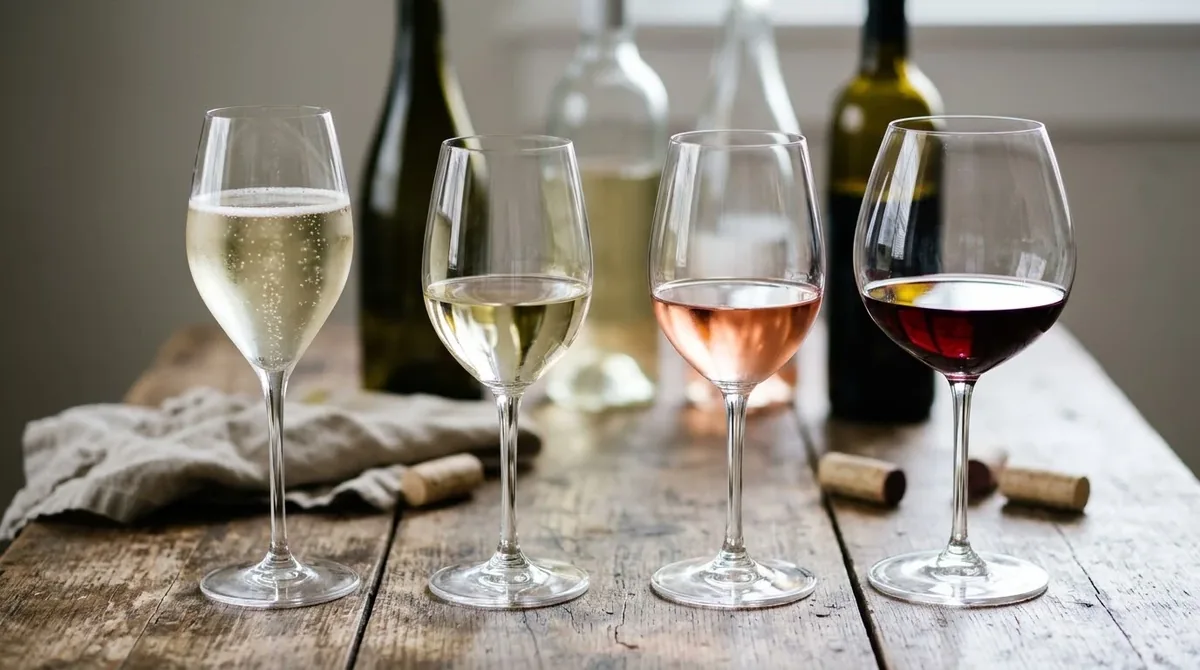
Sangiovese is the central grape in Chianti Classico: regulations require at least 80%, with up to 20% from other authorized red grapes. Its hallmark is freshness rather than sheer weight. Wine Enthusiast describes ruby color, cherry fruit, mouthwatering acidity, and notes of violet, herbs, spice, and earth. The body is commonly light to medium, with moderate tannins that can feel firmer in more structured wines.
Begin with color: a younger wine often shows ruby, while bottle age can move the rim toward garnet. Color is not a quality score; a pale, transparent appearance is normal for Sangiovese. Swirl gently, then smell for cherry, red plum, violet, rosemary, dried oregano, tea, or earth.
On the palate, notice the order of events. Acidity usually arrives as a mouthwatering lift, fruit fills the middle, and tannin gives the finish shape. The finish may recall cherry skin, herbs, or a faint savory bitterness. A wine that feels sharp can be showing acidity without enough fruit to balance it; one that feels drying may have more assertive tannin. Retaste after a bite of food before deciding whether the balance feels severe. Salt, fat, and protein can soften tannin, while a tomato-rich dish can make high acidity seem more integrated.
How Annata, Riserva, and Gran Selezione Differ
The label category tells you the minimum maturation period and gives a helpful starting point for the tasting. Annata is generally the freshest expression, Riserva adds time and structure, and Gran Selezione represents the top category with estate-grown grapes and the longest required aging.
| Category | Minimum maturation | Minimum alcohol | Typical tasting emphasis |
|---|---|---|---|
| Annata | 12 months | 12% ABV | Fresh fruit, balance, and drinkability |
| Riserva | 24 months | 12.5% ABV | More structure, length, and integrated oak |
| Gran Selezione | 30 months | 13% ABV | Fruit, spice, tannin balance, and estate character |
These minimums come from the Chianti Classico consortium’s category parameters. For Riserva and Gran Selezione, the required maturation includes at least three months in bottle; the total period is counted from January 1 after the harvest. Annata can be released from October 1 of the year after harvest. The official Chianti Classico category parameters are useful when you want to verify the baseline rules rather than rely on a bottle-shop shorthand.
At the table, compare the categories by texture as well as aroma. Annata often puts bright cherry and fresh herbs up front, with a direct finish and less obvious oak. Riserva may offer more depth, greater persistence, and oak that frames rather than covers the fruit. Gran Selezione can bring a more layered combination of fruit and spice, with tannin and acidity needing to remain in balance. These are tendencies, not guarantees: a cool site, a warm vintage, old vines, or a producer’s cellar choices can make two wines in the same category taste quite different.
A Step-by-Step Tasting Method
Use the same sequence for each glass so the differences are easier to identify. Look, smell, sip, and then reassess the wine with food; a short written note after each stage is more useful than trying to name every aroma at once.
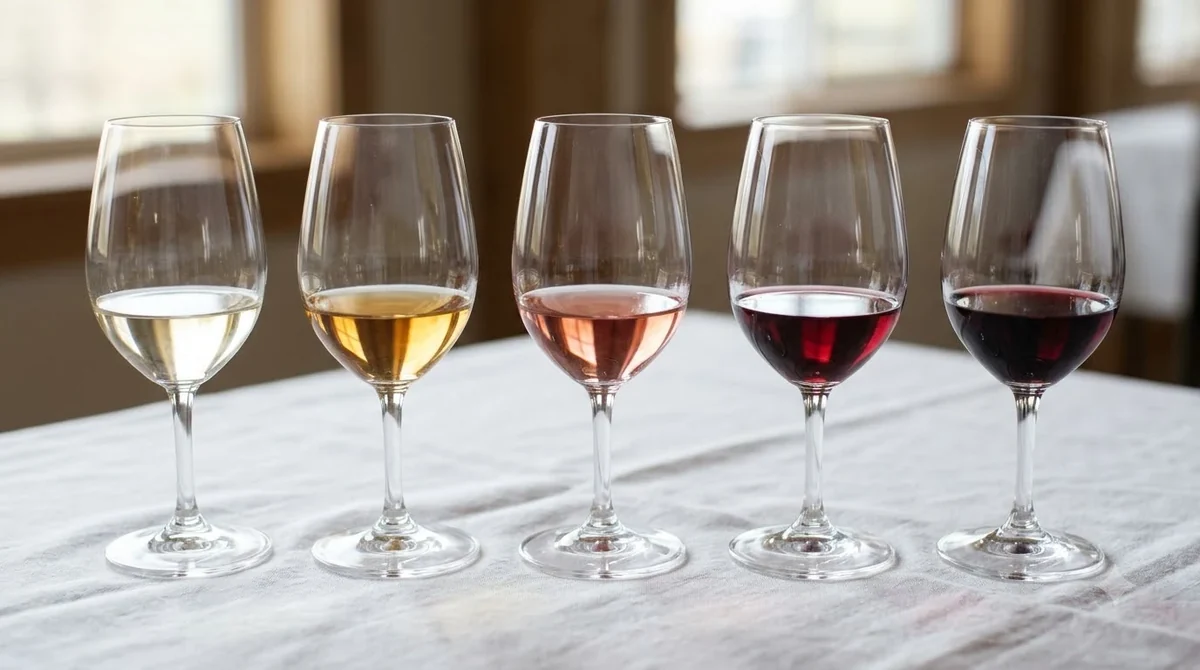
Start by setting out the bottle details: producer, vintage, category, alcohol level, and any UGA or village name printed on the label. If you are comparing three wines, pour them in the order Annata, Riserva, and Gran Selezione. Use a clean glass for each wine where possible, or rinse and dry a single glass between samples so the last wine does not carry the aroma of the previous one. A tulip-shaped red-wine glass concentrates aromas while leaving enough room to swirl.
Look and smell before sipping
Hold the glass against a pale background and note whether the color is ruby, garnet, or somewhere between. Tilt the glass slightly to see the rim; this can offer a rough clue to age, although lighting and winemaking also affect color. Swirl once or twice, then take a first smell without searching for a list of descriptors. Ask whether the first impression is mostly red fruit, darker fruit, floral, herbal, earthy, or oak-driven. Smell again after a short pause and see whether a secondary note becomes clearer.
Judge balance, not intensity alone
Take a modest sip and let the wine move across the palate. Consider four separate elements: acidity, tannin, body, and finish. Acidity makes the mouth water; tannin creates a drying or gripping sensation, especially along the gums; body describes the wine’s weight; and finish is the flavor and texture that remain after swallowing. A powerful aroma does not always mean a full-bodied wine, and a long finish does not have to be heavy.
Write a compact note with three parts: one fruit impression, one non-fruit impression, and one structural observation. For example, “sour cherry, dried thyme, lively acidity” tells more than “good red wine.” Add whether the finish is short, moderate, or long, and whether the tannin feels fine, firm, or coarse. Repeat the same format with the next glass. That consistency makes it easier to notice whether Riserva adds depth, whether Gran Selezione feels more layered, or whether the producer’s style matters more than the category.
Return to the first wine after tasting the others. A second sip can reveal details you missed at the beginning, especially once your palate has adjusted to acidity and tannin. Use plain bread or a neutral cracker as a reset; chili, vinegar, citrus, and sweet foods can distort the comparison.
How Place Changes the Wine Across Chianti Classico
Chianti Classico is not a single uniform hillside, and its additional geographical units give tasters a way to connect a bottle with a more specific place. Elevation and local conditions can influence ripeness, aroma, and the way acidity feels, even when the wines share Sangiovese as their main grape.
Between Florence and Siena, Chianti Classico includes places such as Greve, Radda, Gaiole, Castellina, and Castelnuovo Berardenga. Its 11 Unità Geografiche Aggiuntive (UGAs) are Castellina, Castelnuovo Berardenga, Gaiole, Greve, Lamole, Montefioralle, Panzano, Radda, San Casciano, San Donato in Poggio, and Vagliagli. A UGA is a defined place of origin, not a grape or sweetness level.
For a tasting comparison, Radda and Lamole offer useful examples of high-elevation character. Decanter notes that vineyards in Radda at 500 meters and above, and Lamole at elevations reaching 650 meters or more, can show balsamic aromas and a slimmer, acidity-driven mouthfeel. By contrast, wines from the warmer area of Castelnuovo Berardenga can show darker, bolder flavors. These are broad site tendencies, not a promise that every bottle from one village will taste alike. Vintage, exposure, soil, vine age, and cellar decisions still matter.
Look for the place name only in the context in which the labeling rules allow it. UGA names may appear on Gran Selezione labels when the grapes come from that unit. The regional description of Chianti Classico’s territory and UGAs sets out the 11 names and explains the relationship between the geographical unit and the label. For more background before a visit, a guide to Chianti Classico vineyards can help connect the village names with the landscape.
Serving Temperature and Food Pairings
Serve Chianti Classico slightly cool rather than warm, and match its acidity and tannin with food that has enough flavor and structure. A starting point near 60°F works well for many bottles; lighter examples can be served at 55–60°F, while more structured versions can open up closer to 60–65°F.
Room temperature is a vague guide in a warm dining room. At 70°F or above, alcohol can seem more prominent and the wine less fresh. Chill it briefly, then let the glass warm naturally. Avoid serving it refrigerator-cold, which can mute aroma and make tannin feel firmer. A young, particularly structured red can benefit from 30–60 minutes in a decanter; a lighter Annata often needs less time.
Tomato sauce, ragù, lasagna, and pizza meet Sangiovese’s freshness rather than make it seem flat. Grilled beef, roast pork, lamb, sausages, and herb-roasted chicken also work well; a Riserva or Gran Selezione can suit richer meats and aged Pecorino Toscano. Pair by balance: acidic food needs equal or higher wine acidity, salt and fat soften tannin, chili heat is amplified by alcohol and tannin, and oily fish can clash with a tannic red.
Tip: For a simple pairing test, taste the wine first, then take one bite of tomato-rich pasta or a piece of salty aged cheese and taste again. Notice whether the acidity feels better matched and the tannin less drying; this quick comparison teaches more than memorizing a long pairing chart.
For a standard pour, use about 5 ounces. A 750-milliliter bottle holds roughly five such glasses, so one bottle can serve a small dinner group or provide several tasting pours. Keep the bottle away from a hot stove or sunny table, and store an unfinished bottle in the refrigerator with its closure in place. Most opened still wines are best revisited within 3–5 days, although freshness fades at different rates depending on the wine and storage conditions.
Building a Tasting Flight at Home or in Tuscany
A focused flight of three wines is enough to understand the main Chianti Classico categories without tiring the palate. Choose one Annata, one Riserva, and one Gran Selezione, ideally from a similar vintage range, then keep the serving temperature and pour size consistent.
Before opening the bottles, make a tasting sheet with columns for category, vintage, fruit, herbal or floral notes, acidity, tannin, body, and finish. Use the same prompts for all three: Is cherry dominant? Do violet or dried herbs appear? Does oak show clearly? Does the finish become longer or more savory across the categories? Fixed prompts make the comparison fairer.
For four people, 2-ounce pours of each wine provide a manageable sample and leave enough for a second taste. Label the glasses, taste without food first, then repeat with mushroom crostini, roast chicken, or tomato pasta. The second pass shows how the wine behaves at the table.
A visit adds context that a label cannot provide. Ask whether the tasting focuses on Riserva, Gran Selezione, or particular UGAs. Cellar choices such as stainless steel, concrete, large casks, or smaller barrels help explain why two Sangiovese wines can smell and feel different.
Compare producers whose wines make the differences easy to follow. Tastings at several Chianti Classico wineries show how house style changes fruit, acidity, and oak, even within one village. A local Chianti Classico wine festival can offer another way to taste multiple producers in one setting. For wider context on Italian appellations, browse the site’s wine regions overview. Use your notes with the next bottle: you may prefer Annata’s lift, Riserva’s texture, or Gran Selezione’s layered finish, and that preference matters more than treating the hierarchy as a scorecard.
Frequently Asked Questions
These answers add a little production history and geography to the tasting clues above.
When was the Chianti Classico area first formally defined?
Grand Duke Cosimo III de’ Medici issued an edict defining the Chianti wine territory in 1716. That early boundary is a key part of the region’s identity and predates modern Italian appellation law by centuries.
When was the Chianti Classico consortium founded?
Thirty-three producers founded the Consorzio in Radda in 1924, adopting the Gallo Nero, or Black Rooster, as its symbol. The emblem is now one of the most recognizable visual cues on a Chianti Classico bottle.
How large is the Chianti Classico wine-growing area?
The wider designated territory covers about 71,800 hectares, while registered vineyards for Chianti Classico account for roughly 7,000 hectares. Much of the landscape is therefore woodland, olive groves, and other agricultural land rather than vines.
Is there a maximum production yield for Chianti Classico?
The maximum yield is 7.5 tonnes of grapes per hectare, equivalent to 52.5 hectoliters of wine per hectare. The limit is one part of the production rules that govern all three categories.
When are Sangiovese grapes usually harvested in Chianti Classico?
Sangiovese is generally picked between late September and October. The exact timing changes with the season, site, and ripeness goals, so harvest dates can vary from one estate to another.
Chianti Classico is easiest to understand when you taste its freshness first, then compare how aging, site, and cellar choices change the wine’s shape. Start with a clear Annata, add a Riserva or Gran Selezione, and revisit each glass with food. The cherry, acidity, herbs, and tannin will become familiar reference points for the next bottle.
More in Wine Regions
 Willcox Wine Trail: Discover Arizona’s High-Elevation Wine CountryUpdated Nov 20, 2026
 Yakima Valley Wine Region: Find the Best Styles to TryUpdated Nov 20, 2026
 Vosne Romanee Wine Tasting: Identify Aromas and Choose Better PairingsUpdated Nov 20, 2026
 Yakima Valley Wine Festival: Find the Best Seasonal Wine EventsUpdated Nov 20, 2026
 Wales Vineyards: Discover Cool-Climate Wines and Where to VisitUpdated Nov 20, 2026
 Yountville Wine Festival: Discover Napa Wines and Local FoodUpdated Nov 20, 2026