

We may earn a commission when you buy through links on this page, at no extra cost to you. Learn more.
Cheap riesling is one of the smartest ways to enjoy refreshing white wine without paying premium-wine prices. It offers naturally high acidity, lively citrus, green apple, and peach flavors in styles ranging from bone-dry to pleasantly sweet. The best value comes from choosing the right sweetness level, exploring regions such as Germany and Washington State, and understanding a few useful label clues before buying.
Riesling has a reputation for being either expensive and complex or inexpensive and overly sweet, but neither description tells the whole story. Affordable bottles can deliver excellent everyday drinking, particularly when you focus on freshness, balanced acidity, and a style that suits your preferences. Whether you want a crisp white for seafood, a lightly sweet bottle for spicy takeout, or an easygoing wine for casual gatherings, there are plenty of options worth considering.
Who Cheap Riesling Is For
Affordable Riesling is particularly appealing to drinkers who want expressive fruit flavors, refreshing acidity, and flexibility at the dinner table. It can offer more aromatic character than many inexpensive neutral white wines, making it a practical choice for everyday meals and informal occasions.
First-time wine buyers are an obvious audience. Riesling can taste approachable without requiring extensive knowledge of wine regions, vineyard classifications, or winemaking techniques. Its familiar aromas of green apple, lemon, peach, and flowers make it relatively easy to understand. A dry bottle offers a crisp alternative to Chardonnay, while an off-dry version provides a gentle sweetness that many new wine drinkers appreciate.
Experienced wine drinkers can also find value in this category. Germany’s Mosel and Rheinhessen regions, along with Washington State’s Columbia Valley, offer different expressions of Riesling. Even at accessible quality levels, these wines can demonstrate differences in acidity, fruit ripeness, texture, and sweetness.
Riesling is also useful for households that regularly serve dishes with contrasting flavors. Its high acidity helps refresh the palate after rich or salty foods, while a little residual sugar can soften the impression of chili heat. A bottle with balanced sweetness and acidity can therefore work with dishes that are difficult to match with heavily oaked whites or tannic reds.
Consider affordable Riesling if you want:
- An everyday white wine with refreshing acidity.
- A choice between dry, off-dry, and sweet styles.
- A versatile pairing for seafood, chicken, Asian cuisine, and lighter appetizers.
- An aromatic alternative to inexpensive Sauvignon Blanc or Pinot Grigio.
- A wine that can be enjoyed without extended aging or elaborate serving rituals.
If you already know which sweetness level you prefer, exploring dry riesling or sweet riesling can make your shopping decisions more straightforward.
Key Factors to Compare When Buying Cheap Riesling
The most important comparisons are sweetness, acidity, alcohol content, region, and freshness. These characteristics tell you much more about the likely drinking experience than an attractive label or a familiar grape name.
1. Sweetness and residual sugar
Residual sugar is the natural grape sugar remaining after fermentation. Winemakers can ferment most of the sugar into alcohol for a dry wine or leave some behind to create an off-dry or sweet style.
For German Riesling, several label terms provide useful guidance. Trocken means dry, while Halbtrocken indicates a slightly sweeter, off-dry style. Feinherb is another common description for wines with a touch of sweetness, although it does not have the same fixed legal definition as Trocken.
For a general introduction to German classifications, Wine Folly’s German Riesling label guide explains the distinction between ripeness classifications and finished-wine sweetness.
2. Acidity and balance
Riesling is naturally high in acidity. This characteristic creates its refreshing character and helps balance residual sugar, particularly in off-dry and sweet bottlings.
A wine can contain noticeable sugar without tasting excessively sweet if its acidity provides enough contrast. Look for descriptions such as crisp, fresh, lively, and refreshing. These terms can help identify the style, although individual producers use tasting language differently.
3. Alcohol percentage
Alcohol content is another useful shopping clue. Rieslings around 12% ABV or higher are commonly dry, while bottles below 11.5% ABV are more likely to retain perceptible sweetness. Wines between these levels require more attention to their labels and producer descriptions.
This is a guideline rather than a guarantee. Climate, grape ripeness, fermentation decisions, and acidity all influence the finished wine. A lower-alcohol bottle is not automatically better or worse; it simply suggests a different balance of alcohol and residual sugar.
4. Region and growing conditions
German Riesling is a natural starting point for shoppers interested in different sweetness levels. The Mosel is known for delicate, high-acid wines, while Rheinhessen and Pfalz offer a range of dry and off-dry expressions.
Washington State is another useful region to explore. Columbia Valley Riesling often combines ripe peach and citrus flavors with refreshing acidity. New York’s Finger Lakes also deserves attention for its bright, delicate wines, which can range from completely dry to lightly sweet.
5. Freshness and vintage
Most inexpensive Riesling is intended for relatively early drinking rather than extended cellar aging. Fresh fruit, lively acidity, and a clean finish are generally more important purchasing considerations than collecting an older vintage.
For everyday bottles, a relatively recent release is usually a sensible starting point. Wine Enthusiast notes that many Rieslings below the premium category are best enjoyed within two to three years of bottling, while particularly well-made examples can develop for considerably longer.
| Comparison factor | Useful indication | What it suggests |
|---|---|---|
| Trocken | Up to 9 g/L residual sugar | Dry German Riesling |
| Halbtrocken / Feinherb | Approximately 9–18 g/L for common off-dry examples | Gentle sweetness and refreshing acidity |
| Lieblich | 12–45 g/L under German labeling conventions | Medium-sweet character |
| Süss | More than 45 g/L | Clearly sweet wine |
| Higher alcohol | Approximately 12% ABV or above | Often associated with dry styles |
| Lower alcohol | Below approximately 11.5% ABV | Often associated with perceptible sweetness |
These figures are practical shopping references rather than a universal sweetness scale. German labeling rules include acidity-related allowances for residual sugar, and Feinherb has no fixed legal sugar range. The same residual sugar level can also taste different depending on the wine’s acidity.
Step-by-Step: How to Choose Cheap Riesling
A simple shopping process can prevent the most common purchasing mistakes. Start with the sweetness you enjoy, compare the alcohol level and origin, and then consider the wine’s intended use.
-
Decide how sweet you want the wine.
Choose Trocken if you prefer a dry finish and crisp citrus flavors. Select Halbtrocken or Feinherb for a little sweetness, or look for Lieblich and Süss if you enjoy a noticeably sweeter white wine.
-
Check the alcohol percentage.
Use approximately 12% ABV as a useful starting point for dry styles. If the bottle contains 8–11% ABV, expect a greater possibility of residual sweetness, especially with German Riesling.
-
Choose a region that matches your preferences.
Try Mosel for delicate fruit and pronounced acidity, Rheinhessen for a broad selection of styles, or Columbia Valley for ripe peach and citrus character. Finger Lakes Riesling is another worthwhile direction if you prefer fresh, elegant fruit.
-
Look at the producer and wine description.
A clear producer description should identify whether the wine is dry, off-dry, or sweet. Look for specific fruit characteristics and indications of acidity rather than relying on general promotional language.
-
Consider the meal or occasion.
A dry Riesling is a practical choice for grilled fish, salads, and roast chicken. An off-dry version is especially useful with chili-heavy dishes, while a sweeter bottle can complement fruit desserts and blue cheese.
-
Compare the bottle size and vintage.
A standard 750 ml bottle provides approximately five servings when poured at 5 oz each. For a casual dinner, a fresh, accessible release is usually more practical than paying extra for a wine intended for long-term cellaring.
-
Make a note of what you enjoy.
After choosing a bottle, remember whether you liked its sweetness, acidity, fruit profile, and finish. Comparing two styles from the same region can help identify your preferences more accurately than buying bottles based on labels alone.
This process is particularly useful when shopping in a store with a limited Riesling selection. Instead of trying to identify a perfect bottle immediately, narrow the choices by style and expected flavor, then select the option that best matches your meal and preferences.
Tip: If you are unsure whether you enjoy sweet or dry Riesling, start with an off-dry bottle around 9–11% ABV. Its combination of fruit, gentle sweetness, and lively acidity offers a useful introduction to the grape without moving too far toward either extreme.
Types and Styles of Cheap Riesling Explained
Affordable Riesling is not a single flavor profile. The grape produces several distinct styles, and understanding their differences helps you choose a bottle that fits your taste without relying on expensive labels.
Dry Riesling
Dry Riesling is a good choice for people who prefer crisp white wines without obvious sweetness. Expect flavors such as lemon, lime, green apple, white flowers, and sometimes mineral or herbal notes.
German bottles marked Trocken are a useful starting point. Dry Riesling from Alsace, Austria, Australia, and Washington State can also provide excellent everyday drinking. These wines generally work well with seafood, poultry, fresh salads, and grilled vegetables.
Because Riesling has naturally high acidity, a dry bottle can taste lively and refreshing even when its fruit flavors are ripe. This makes it particularly suitable for meals that benefit from a clean, palate-refreshing white wine.
Off-Dry Riesling
Off-dry Riesling contains a modest amount of residual sugar. Rather than tasting like a dessert wine, it usually combines peach, apple, citrus, and floral aromas with a gentle sweetness and refreshing finish.
Look for Halbtrocken or Feinherb on German labels. Some producers also describe their American wines as slightly sweet or off-dry. Alcohol levels around 8–11% ABV are common clues, although the actual sweetness depends on the individual wine.
This style is particularly useful with spicy food. Thai curries, Szechuan dishes, Indian cuisine, and chili-seasoned chicken can all benefit from the contrast between sweetness and acidity.
Medium-Sweet Riesling
Medium-sweet Riesling offers more noticeable sugar and richer fruit flavors. Peach, apricot, honey, and ripe citrus are common characteristics, while acidity keeps the wine from becoming excessively heavy.
German Spätlese wines often fit this flavor profile, although Spätlese identifies grape ripeness at harvest rather than a guaranteed finished sweetness level. A bottle labeled Spätlese Trocken, for example, is dry.
Medium-sweet Riesling is a versatile choice for cheese boards, glazed chicken, roasted pork, and meals with sweet-and-sour elements. It can also serve as a pleasant aperitif when served well chilled.
Sweet Riesling
Sweet Riesling is appropriate for drinkers who enjoy clearly noticeable sweetness. Depending on the producer and classification, the wine can show ripe tropical fruit, honey, marmalade, baked apple, and apricot.
German Auslese is a useful classification to recognize, although the finished style still depends on the winemaker. Beerenauslese, Trockenbeerenauslese, and Eiswein belong to more concentrated dessert-wine categories and are less typical choices for everyday inexpensive drinking.
For a sweet bottle intended for regular meals, look for a straightforward description of its sweetness and acidity. A wine with enough acidity will generally feel fresher than one where sweetness dominates the finish.
Regional differences worth exploring
Three regions are particularly useful starting points for shoppers interested in approachable Riesling:
- Mosel, Germany: Often produces delicate, aromatic wines with high acidity, citrus, green apple, and peach flavors. Off-dry and lightly sweet styles are especially recognizable.
- Columbia Valley, Washington: Offers fruit-forward Riesling with ripe peach, citrus, and refreshing acidity. Both dry and off-dry versions are available.
- Finger Lakes, New York: Known for elegant, fresh expressions that can range from bone-dry to lightly sweet, often emphasizing acidity and delicate fruit.
Comparing these regions is a useful way to discover how climate and growing conditions influence the grape. Germany can provide delicate and mineral-driven examples, while Washington may deliver a rounder impression of ripe fruit. The Finger Lakes offer another interpretation with bright acidity and a restrained fruit profile.
Common Mistakes When Buying Cheap Riesling
The biggest shopping mistakes usually involve misunderstanding sweetness terminology, assuming all inexpensive Riesling tastes the same, or choosing a bottle without considering the meal. A few simple distinctions can make a noticeable difference in the wine you take home.
Assuming all Riesling is sweet
Riesling is capable of producing completely dry wines as well as intensely sweet dessert bottlings. The grape variety does not determine the finished sweetness by itself.
For example, a German bottle labeled Trocken is intended to be dry, while another bottle from the same broad region may retain substantial residual sugar. Learning the basic terminology is more reliable than judging a wine by its grape name.
Confusing grape ripeness with sweetness
Kabinett, Spätlese, and Auslese describe different levels of grape ripeness at harvest. They do not independently guarantee how sweet the finished wine will taste.
Kabinett is generally a lighter style, while Spätlese comes from riper, later-harvested grapes. Both can be fermented dry or retain sweetness. The addition of Trocken is particularly important because it identifies a dry expression.
Wine Enthusiast’s guide to choosing between sweet and dry Riesling explains why these German classifications should not be treated as a simple sweetness ladder.
Judging sweetness by fruit flavors alone
A Riesling can smell and taste like ripe peach, tangerine, or honey without containing substantial residual sugar. Aromatic fruit character and actual sweetness are separate characteristics.
Pay attention to the wine’s finish. A dry Riesling can have intense fruit aromas while finishing crisp and refreshing. An off-dry bottle will generally leave a more noticeable impression of sweetness, even when its acidity remains prominent.
Choosing the wrong style for the food
A dry Riesling can be excellent with grilled fish and fresh seafood, but it may not provide the best contrast for intensely spicy dishes. An off-dry or medium-sweet version can work better with chili, pepper, and aromatic spices.
Similarly, a very sweet Riesling can overwhelm a delicate salad or lightly seasoned fish. Match the wine’s sweetness to the dish, particularly when serving fruit desserts or dishes with sweet sauces.
Expecting inexpensive wine to age indefinitely
Some premium Rieslings can develop for decades, but most affordable everyday bottles are intended for earlier consumption. Buying an inexpensive wine and leaving it in unsuitable storage for years is unlikely to improve the experience.
Choose fresh releases for casual drinking and enjoy them while their primary fruit character remains vibrant. If you want a bottle for long-term aging, look for a producer and style specifically recognized for that purpose rather than assuming every Riesling has the same aging potential.
Serving and Storage Tips for Affordable Riesling
Proper serving temperature and storage help preserve the freshness that makes Riesling enjoyable. Even an inexpensive bottle can show its fruit and acidity more clearly when chilled appropriately and protected from heat.
Serve at the right temperature
Dry and off-dry Riesling generally benefits from serving at approximately 45–50°F. This temperature keeps the wine refreshing while allowing citrus, apple, peach, and floral aromas to remain noticeable.
Sweet Riesling can be served slightly colder, around 43–50°F. Chilling helps balance the impression of sugar and keeps the wine from feeling heavy. Avoid serving it so cold that its aromas become difficult to appreciate.
Use appropriate glassware
A standard white wine glass is sufficient for everyday Riesling. A moderately sized bowl allows the wine’s aromatic character to develop while keeping the temperature manageable.
There is no need to purchase specialized glassware to enjoy an inexpensive bottle. Clean glasses without lingering detergent or food odors are more important than expensive accessories.
Store unopened bottles correctly
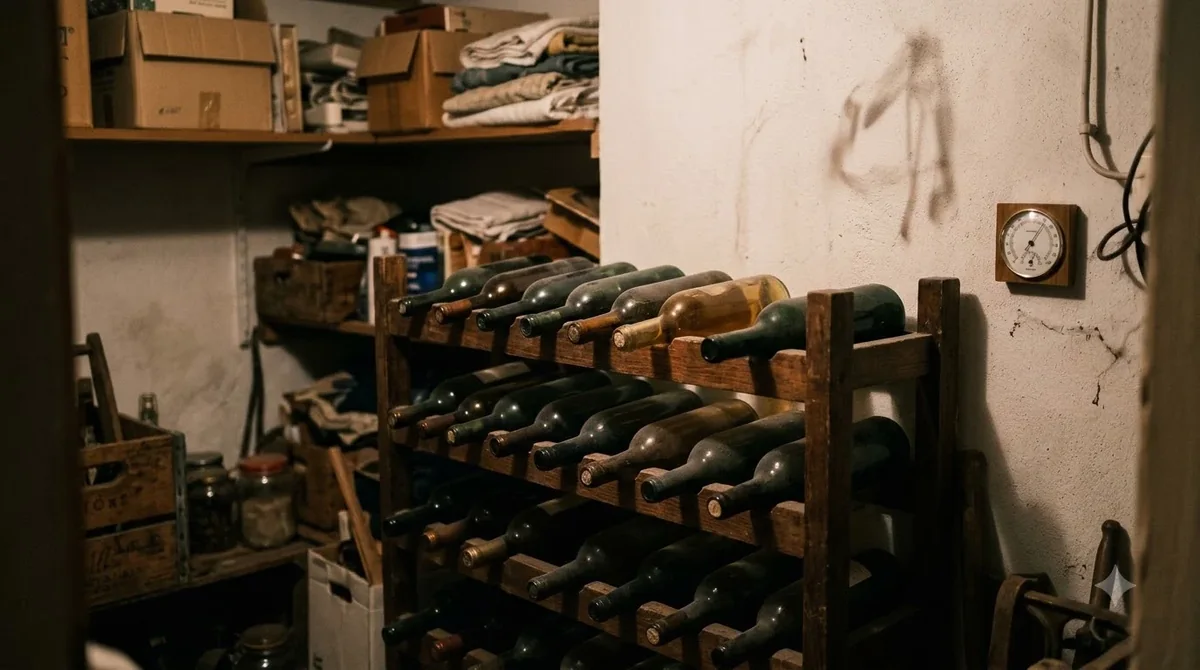
Store unopened Riesling in a cool, dark place, ideally near 55°F, with minimal temperature fluctuations. Bottles sealed with traditional cork closures should generally be stored horizontally to keep the cork from drying out.
Avoid placing wine near ovens, radiators, sunny windows, or other sources of heat. Excessive warmth and repeated temperature changes can damage fresh fruit aromas and make inexpensive wine taste tired before its intended drinking period.
For everyday bottles, a dedicated wine refrigerator is useful but not essential. A consistently cool storage location away from sunlight is a practical solution for households that do not keep large wine collections.
Preserve opened Riesling
Once opened, reseal the bottle and keep it refrigerated. Most opened still Riesling remains enjoyable for approximately three to five days, although the precise period depends on the wine’s condition, closure, and exposure to oxygen.
Use a clean stopper or the original closure if it fits securely. Keeping the bottle cold slows oxidation and helps preserve the wine’s fruit character. Pour smaller servings rather than leaving the bottle open on the table throughout a long meal.
For larger gatherings, remember that a standard 750 ml bottle provides approximately five 5 oz servings. Planning around serving sizes helps avoid opening more bottles than necessary.
Finally, if you are exploring different production methods, organic riesling offers another category to investigate. Organic certification concerns vineyard and production standards rather than automatically indicating a particular sweetness level or quality.
Frequently Asked Questions
Does cheap Riesling contain more sugar than expensive Riesling?
No. Price does not determine residual sugar, and inexpensive bottles can be completely dry. Sweetness depends primarily on fermentation choices and the wine’s final composition, while price differences may reflect vineyard sourcing, production scale, farming practices, and other factors.
What does the International Riesling Foundation Taste Profile scale show?
The scale is a consumer-oriented tool that helps communicate perceived sweetness. Participating producers can include it on back labels to indicate where a wine falls along a spectrum from dry to sweet. It provides a useful visual reference when traditional German terminology is unfamiliar.
Can inexpensive Riesling be used for cooking?
Yes. Dry Riesling works well in pan sauces for chicken, seafood, and vegetables because its acidity adds brightness without introducing much sweetness. Off-dry versions can be useful in sauces for pork or dishes containing fruit, although heavily sweetened dessert styles are generally less versatile for savory cooking.
Does Riesling contain oak flavors?
Most everyday Riesling emphasizes fruit, floral aromas, and acidity rather than strong oak flavors. Stainless steel fermentation is commonly used to preserve freshness, although some producers use traditional large oak vessels or other maturation techniques. Oak influence therefore depends on the producer rather than the grape variety alone.
Can sparkling Riesling be an affordable alternative to Champagne?
Yes. German Sekt made from Riesling can provide lively bubbles, citrus aromas, and refreshing acidity. Production methods vary, so traditional bottle-fermented examples and tank-method wines can have different textures and levels of complexity. Check the producer’s description to understand the style before choosing a bottle.
Cheap Riesling can be a rewarding everyday purchase when you focus on sweetness, acidity, alcohol content, and regional character rather than the label alone. Start with a fresh bottle from Germany, Washington State, or the Finger Lakes, then explore dry and off-dry styles to discover which balance suits your palate. With a little attention to these details, affordable Riesling can become one of the most versatile white wines in your regular rotation.
More in Wine Buying Guides
 Cheap Red Blend: How to Find a Flavorful Bottle for LessUpdated Nov 20, 2026
 Pinot Grigio Gift: How to Choose a Bottle They’ll EnjoyUpdated Nov 20, 2026
 Best White Wine at Total Wine for Every MealUpdated Nov 20, 2026
 Wine Fridge Replacement Shelves: Find the Right FitUpdated Nov 20, 2026
 Best Sparkling Wine Under 20: Find Bubbles Worth BuyingUpdated Nov 20, 2026
 Best Wine For Birthday Celebrations With Perfect Party PairingsUpdated Nov 20, 2026