

We may earn a commission when you buy through links on this page, at no extra cost to you. Learn more.
Cheap dry red wine is easiest to find by choosing value-focused grapes and regions such as Merlot, Malbec, Tempranillo, Garnacha, and Beaujolais rather than paying extra for prestigious labels. These wines can offer genuine dryness, appealing fruit, and balanced structure without requiring an expensive bottle. The best choice depends on whether you prefer soft tannins, bright acidity, medium-bodied fruit, or a fuller red that pairs with hearty meals.
Buying an inexpensive red wine should be about finding a bottle that tastes balanced and suits the occasion, not simply choosing the lowest-priced option on the shelf. Fortunately, several grape varieties and established wine regions offer approachable styles that work for weeknight dinners, casual gatherings, and everyday drinking. Understanding a few differences in sweetness, acidity, tannin, and body makes it easier to recognize good value before opening a bottle.
Who This Is For: Finding an Affordable Everyday Red
Cheap dry red wine is a practical choice for shoppers who want a reliable bottle for dinner, entertaining, or keeping on hand without spending heavily. The strongest candidates are usually straightforward wines that emphasize clean fruit, balanced acidity, and pleasant texture rather than expensive oak treatment or extended aging.
First-time red wine buyers often benefit from starting with Merlot or a fruit-forward Spanish Tempranillo. Merlot generally has medium tannins and a softer texture than Cabernet Sauvignon, making it approachable with burgers, roast chicken, and tomato-based pasta. Tempranillo can offer cherry, plum, and savory characteristics, giving shoppers a different experience without requiring a complicated understanding of wine terminology.
Shoppers who prefer lighter reds should consider Gamay-based Beaujolais or approachable Pinot Noir. Beaujolais is particularly useful because its medium-light body, low tannins, and medium-high acidity make it versatile with food. According to Wine Folly, its typical alcohol range is 10% to 11.5% ABV, and its serving temperature is 55°F to 60°F. These characteristics help explain why it can feel refreshing rather than heavy.
People who prefer bolder flavors can explore Malbec, Garnacha, or Syrah-based blends. These wines tend to offer darker fruit and more noticeable structure. They are useful choices for grilled meats, burgers, barbecue, and dishes with substantial seasoning. However, a fuller wine is not automatically better. The right bottle is one whose body and tannin level suit the food and the drinker’s preferences.
There is also a difference between buying wine for immediate enjoyment and selecting something intended for long-term cellaring. Most inexpensive everyday reds are best purchased for relatively early drinking. Paying extra for age-worthy structure is unnecessary if the goal is a pleasant bottle for tonight’s dinner.
Key Factors to Compare Before Buying
The best inexpensive dry reds balance four important characteristics: sweetness, body, acidity, and tannin. Comparing these qualities is more useful than relying on a decorative label, a familiar brand name, or a description that simply calls a wine smooth or rich.
Start with dryness. In winemaking, dry means that most fermentable grape sugar has been converted into alcohol. It does not mean the wine tastes sour, bitter, or harsh. A wine can have ripe blackberry and plum flavors while remaining dry because fruit aromas and residual sugar are different things.
According to WSJ Wine, some commercially labeled dry reds contain approximately 2 to 10 grams of residual sugar per liter. That range illustrates why shoppers should distinguish technical dryness from perceived sweetness. A ripe, fruit-forward wine may seem sweet even when it is not classified as a sweet wine. The WSJ Wine guide to dry red wine explains how residual sugar, grape characteristics, and tannins influence the experience.
Tannin is another important consideration. It creates the drying sensation that can be felt along the gums and cheeks after drinking red wine. Cabernet Sauvignon generally has high tannin, while Merlot tends to have softer, medium-level tannins. Pinot Noir usually has low-to-medium tannin and relatively high acidity.
Acidity provides freshness and helps prevent a red wine from feeling heavy. It is particularly useful with tomato sauces, roasted vegetables, and foods containing acidic ingredients. Body describes how substantial the wine feels in the mouth, ranging from light and delicate to full and concentrated.
| Wine style | Typical body | Tannin level | Common flavor profile | Good food match |
|---|---|---|---|---|
| Merlot | Medium | Medium, softer | Cherry, plum, raspberry | Burgers, pork, pasta |
| Malbec | Medium to full | Medium to high | Dark fruit, sour cherry, spice | Steak, barbecue |
| Gamay | Light to medium | Low | Strawberry, raspberry, cherry | Chicken, salmon, charcuterie |
| Cabernet Sauvignon | Full | High | Cassis, blackberry, black cherry | Beef, lamb, aged cheese |
| Garnacha | Medium to full | Medium | Cherry, red fruit, spice | Grilled vegetables, pork |
| Pinot Noir | Light to medium | Low to medium | Cherry, cranberry, raspberry | Roast chicken, mushrooms |
| Syrah | Medium to full | Medium-plus to high | Blackberry, plum, pepper | Grilled beef, lamb |
| Tempranillo | Medium | Medium | Cherry, plum, savory spice | Tapas, roasted meats |
These are typical style characteristics rather than guarantees for every bottle. Climate, vineyard conditions, grape ripeness, fermentation, and oak aging can all influence the finished wine. A lightly oaked Merlot, for example, may taste quite different from a richer version aged in new barrels.
Also consider the alcohol percentage. Alcohol contributes to body and warmth, so a higher percentage can make a red feel heavier. Two wines made from the same grape can have noticeably different weight depending on where the grapes were grown and how ripe they were at harvest.
For additional background on grape varieties, production, and the characteristics of red wine, the dry red wine guide provides a useful starting point.
Tip: If you want a dry red that does not feel harsh, begin with Merlot, Gamay, or a softer Tempranillo. If you prefer stronger structure and darker flavors, explore Malbec or Cabernet Sauvignon.
Step-by-Step: How to Choose a Good Cheap Dry Red Wine
A straightforward shopping process can narrow down dozens of bottles to a few sensible options. Start with your preferred texture, identify the food you plan to serve, and then compare grape variety, region, and producer information.
-
Decide whether you prefer light, medium, or full-bodied wine.
Light-bodied reds such as Gamay and Pinot Noir offer more delicate fruit and less noticeable tannin. Medium-bodied Merlot and Tempranillo provide a middle ground, while Cabernet Sauvignon and many Malbec wines deliver more weight and structure.
-
Choose a grape variety that matches your taste.
For softer fruit, start with Merlot. For blackberry and plum with a fuller texture, consider Malbec. Gamay suits drinkers who enjoy fresh red fruit and brighter acidity, while Syrah is a good direction for people who like peppery and darker flavors.
-
Consider the region rather than relying only on the grape name.
Argentina is particularly associated with Malbec, while Spain offers Tempranillo and Garnacha in a range of everyday styles. Southern France is another useful area to explore for blends featuring Grenache and Syrah. Different climates and winemaking approaches create meaningful differences within the same grape variety.
-
Read the wine description carefully.
Look for useful terms such as dry, medium-bodied, soft tannins, fresh acidity, cherry, plum, or black pepper. Be cautious about assuming that words such as smooth, jammy, and ripe guarantee a dry wine. These descriptions explain texture and flavor more than residual sugar.
-
Compare alcohol content and overall balance.
Alcohol percentage offers a quick indication of potential body, although it does not tell the whole story. A wine around 12% to 13.5% ABV may be a useful starting point if you prefer a less weighty style, while a richer red can have a higher percentage. Consider acidity and tannin alongside alcohol rather than judging by the number alone.
-
Look at the producer and bottling information.
A recognizable grape variety and clearly identified region are useful starting points. Producer consistency also matters because a familiar winery may offer a dependable everyday bottling across multiple releases. A less famous producer can offer excellent value when the wine has a clear regional identity.
-
Match the bottle to the meal.
Choose lighter reds for poultry and mushroom dishes, medium-bodied wines for pizza and tomato-based pasta, and fuller reds for grilled beef or lamb. Food pairing is an important part of perceived quality because a wine that tastes balanced with dinner may seem overly tannic or alcoholic when consumed alone.
-
Buy one bottle before committing to a larger quantity.
Personal preference is difficult to predict from descriptions alone. Trying one bottle lets you determine whether the acidity, tannin, fruit character, and finish suit your taste before buying a case or making the wine a regular purchase.
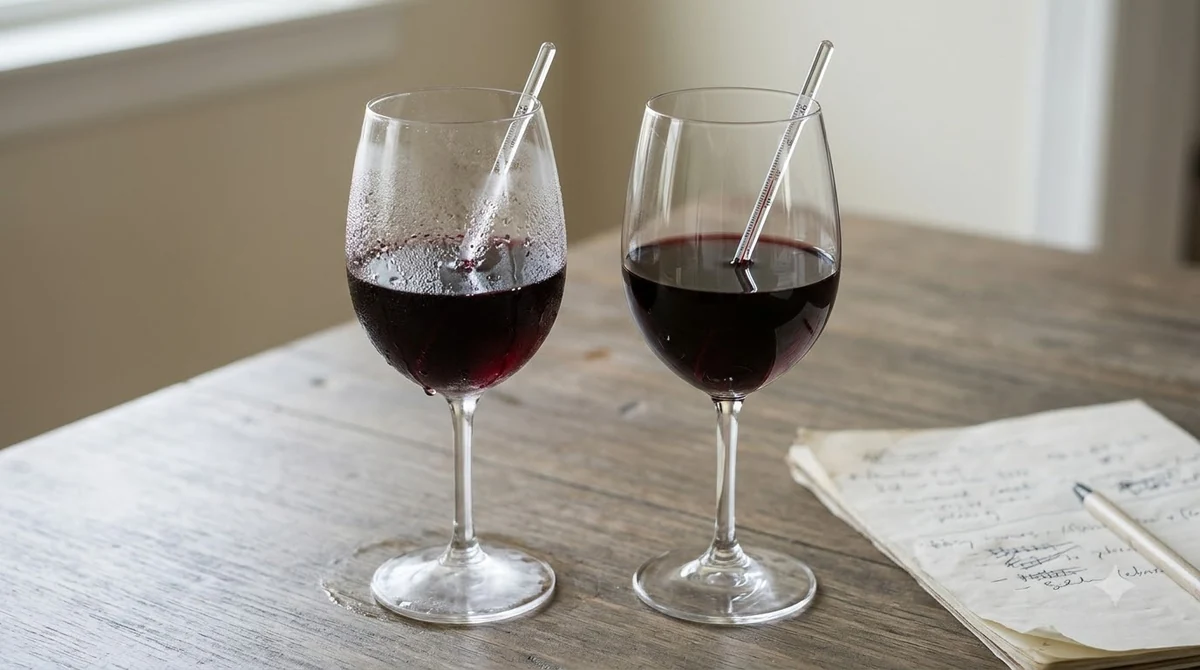
It can also help to keep a simple record of the wines you enjoy. Write down the grape, region, alcohol percentage, and a few flavor impressions. After comparing three or four bottles, patterns become easier to recognize. You may discover that you consistently prefer Spanish reds, softer Merlot, or peppery Syrah.
For more practical advice on comparing producers, grape varieties, and wine styles, browse the Wine Buying Guides.
Types of Affordable Dry Red Wine Explained
Several red wine styles offer good starting points for shoppers seeking everyday value. Merlot, Malbec, Spanish Garnacha, Tempranillo, and southern French blends each have a distinct character, making it easier to choose a bottle that suits a particular meal or preference.
Merlot: Soft and Versatile
Merlot is a useful starting point for drinkers who want red wine without the pronounced grip of a highly tannic Cabernet Sauvignon. It generally has medium tannins, a medium body, and flavors that include cherry, plum, raspberry, and sometimes chocolate.
Its softer texture makes it suitable for casual dinners. Try it with burgers, roasted chicken, pork chops, or pasta with tomato sauce. A straightforward Merlot can be enjoyable without lengthy decanting or complicated food preparation.
Malbec: Dark Fruit and Fuller Texture
Argentine Malbec is a popular option for shoppers who prefer a more substantial red. Typical flavors include dark berries, plum, sour cherry, and spice. Its tannins are generally more noticeable than those in softer Merlot, giving it enough structure to accompany grilled meat and richer meals.
Malbec works particularly well with grilled steak, barbecue beef, and burgers. Salt and fat can soften the perception of tannin, making a structured red feel more balanced alongside a substantial meal. If you prefer lighter wine, choose a less concentrated style rather than assuming every Malbec will have the same weight.
Garnacha: Ripe Fruit and Mediterranean Character
Garnacha, also known as Grenache, is an early-ripening grape commonly associated with Spain and southern France. It often delivers ripe cherry, red berry, and spice characteristics. Its acidity can be lower than that of some lighter red varieties, so warmer-climate examples may feel rounder and fuller.
Spanish Garnacha is worth considering with grilled pork, roasted vegetables, and Mediterranean dishes. It can also be a useful option for drinkers who prefer fruit-forward reds without the firm tannins of Cabernet Sauvignon.
Tempranillo: Balanced Spanish Red
Tempranillo is one of Spain’s most recognizable red grapes. It commonly shows cherry and plum fruit, with savory and sometimes oak-derived notes. The style can range from fresh and approachable to structured and complex, depending on the region and aging approach.
Look for straightforward young bottlings when choosing an uncomplicated everyday red. These can work well with tapas, roasted chicken, grilled pork, and dishes featuring paprika or herbs. More extensively aged examples may offer additional oak character, but that does not automatically make them better value for casual drinking.
Beaujolais: Fresh and Light
Beaujolais is made primarily from Gamay and is a strong option for shoppers who dislike heavy reds. Wine Folly describes its typical profile as dry, medium-light in body, low in tannin, and medium-high in acidity. Common flavors include pomegranate, blackberry bramble, and violet.
Its freshness makes it especially versatile. Beaujolais can accompany chicken, charcuterie, grilled vegetables, and even cedar-planked salmon. Serve it around 55°F to 60°F to preserve its lively character. Wine Folly’s Beaujolais wine profile provides further details on its typical taste, serving temperature, and food pairings.
Southern French Red Blends: Flexible Everyday Drinking
Blends featuring Grenache, Syrah, and sometimes Mourvèdre are another useful category. These grapes contribute different qualities: Grenache brings ripe fruit, Syrah adds darker flavors and peppery character, and Mourvèdre can contribute structure and savory notes.
Côtes du Rhône is a familiar regional category for this style. These wines are generally medium-bodied and can offer red plum, strawberry, and spice. They suit pizza, roasted meats, sausages, and dishes with Mediterranean herbs.
For a closer explanation of how different grapes contribute to blended wines, see the dry red blend guide.
Common Mistakes When Buying Inexpensive Dry Reds
The most common shopping mistakes involve confusing sweetness with fruitiness, assuming higher alcohol means higher quality, and choosing tannin levels that do not suit the meal. Avoiding these errors makes it easier to find enjoyable bottles across several grape varieties and regions.
Confusing fruity with sweet. A red wine can smell and taste strongly of blackberry, cherry, or plum while remaining dry. These flavors are not proof of added sugar. The distinction matters because shoppers who dislike sweet wine may unnecessarily avoid fruit-forward Merlot, Garnacha, or Malbec.
Assuming smooth means low in sugar. Smooth describes the overall texture and balance of a wine. A soft, rounded red may still contain some residual sugar, while a genuinely dry wine can have noticeable tannins and acidity. Read the description for information about sweetness rather than relying on a single marketing adjective.
Choosing Cabernet Sauvignon simply because it is familiar. Cabernet Sauvignon is typically high in tannin, which can create a firm, drying sensation. That structure is useful with steak and other fatty foods, but it may feel aggressive to someone who prefers a softer wine. Merlot or Gamay may be a better match.
Ignoring acidity. A wine with insufficient freshness can feel heavy, especially alongside tomato sauce or rich dishes. Sangiovese, for example, is known for firm acidity and cherry flavors, making it a natural candidate for Italian food. The right acidity can make an inexpensive bottle seem more balanced and food-friendly.
Buying based on a famous region alone. A prestigious appellation does not guarantee that a bottle will match your preferences. A straightforward wine from a less celebrated region may provide more enjoyment than a more expensive bottle with a style you dislike. Focus on the grape, producer, and flavor profile first.
Serving every red at room temperature. Warm wine can make alcohol feel more pronounced and can diminish freshness. A lighter Gamay benefits from a cooler serving temperature than a fuller Cabernet Sauvignon. A short period in the refrigerator can improve the drinking experience considerably.
Pairing tannic reds with delicate fish. Strong tannins can clash with delicate seafood, making the wine taste harsher. A lower-tannin Pinot Noir or Gamay is generally a better option for salmon and lighter fish preparations. More structured reds are better reserved for richer proteins.
Assuming a higher alcohol percentage means better quality. Alcohol contributes to body, but it does not establish whether a wine is balanced, fresh, or enjoyable. A lower-alcohol Beaujolais can be a better choice for one meal than a powerful Syrah. Match the style to the occasion rather than treating alcohol content as a quality score.
Buying a large quantity without understanding the style. A wine that sounds appealing in a store description may not be enjoyable once opened. Buying one bottle first is a sensible way to establish whether you like the producer and its particular interpretation of the grape.
Care and Storage Tips for Better Everyday Red Wine
Correct storage and serving temperatures help preserve fruit, acidity, and balance, even in inexpensive bottles. Most everyday reds do not require elaborate cellaring, but protecting them from excessive heat and serving them at an appropriate temperature can make a noticeable difference.
For unopened bottles, aim for a stable storage temperature near 55°F. Keep bottles away from direct sunlight, radiators, ovens, and other sources of heat. Temperature fluctuations can be more damaging than a consistently cool environment that is slightly warmer or cooler than the ideal.
Traditional cork-closed bottles are generally stored on their sides so the cork remains in contact with the wine. This helps prevent the cork from drying out over extended storage. Screw-cap bottles do not require horizontal storage for cork maintenance, although keeping them in a cool, dark place remains sensible.
Serving temperature should reflect the style rather than the general category of red wine. Light reds such as Beaujolais and lighter Pinot Noir are best served around 55°F to 60°F. Full-bodied reds such as Cabernet Sauvignon and Syrah generally work better around 60°F to 65°F.
Refrigerating a light red briefly before serving can help it retain freshness. A bottle that has become too cold can simply sit at room temperature for a short period before pouring. Conversely, a bottle stored in a warm kitchen may benefit from a little time in the refrigerator.
Decanting is not essential for most inexpensive young reds. A young, full-bodied red may benefit from approximately 30 to 60 minutes of aeration, particularly if it initially seems closed or tightly structured. Lighter wines such as young Beaujolais generally do not require decanting.
Once opened, still red wine generally keeps for around 3 to 5 days in the refrigerator when properly resealed. Refrigeration slows oxidation, even for red wines. Before serving the remaining wine, allow it to warm slightly if its flavor seems muted straight from the refrigerator.
A 750 ml bottle provides approximately five standard 5 oz glasses. That makes it relatively easy to estimate how much wine to buy for a small dinner or gathering. If only one or two glasses are needed, proper resealing and refrigeration can help preserve the remaining wine for another occasion.
Another useful habit is to keep opened bottles away from unnecessary air exposure. Replace the original closure firmly or use a suitable wine stopper. Avoid leaving an open bottle on a sunny counter or beside a warm cooking area.
Frequently Asked Questions
Can cheap dry red wine still be good quality?
Yes. Everyday red wines can offer sound winemaking, clean aromas, and balanced flavor without the complexity or aging potential of premium bottles. A wine does not need extended barrel aging or a prestigious appellation to be enjoyable. Consistency, freshness, and a style that suits the drinker are useful indicators of value.
Does dry red wine have fewer carbohydrates than sweet red wine?
Residual sugar is one contributor to the carbohydrate content of wine, so fermentation style can affect the amount present. However, carbohydrate content also depends on the wine’s composition and serving size. A dry designation alone does not establish an exact nutritional value, and bottles should not be treated as nutritionally identical.
Is red wine with a screw cap less expensive or lower quality?
No. Screw caps are closures rather than indicators of grape quality or production standards. They are used for wines intended for relatively early drinking as well as more carefully produced bottlings. The closure should not be the deciding factor when comparing two red wines.
What does a wine’s vintage tell shoppers about an inexpensive red?
The vintage identifies the year the grapes were harvested, not the year the bottle was purchased. Weather conditions during the growing season can influence ripeness, acidity, and overall character. For many inexpensive everyday reds, producer consistency and the intended drinking style are more useful shopping considerations than searching for a particular vintage.
Can inexpensive red wine be used for cooking?
Yes. A dry, reasonably balanced red can work in tomato sauces, beef stews, braises, and pan sauces. Avoid wines that are noticeably sweet or unpleasantly harsh because cooking concentrates some flavors. A bottle suitable for drinking with the meal is generally a sensible starting point for a recipe.
Finding a satisfying inexpensive dry red is largely a matter of understanding the grape, body, tannin, and food pairing rather than chasing famous labels. Start with approachable varieties such as Merlot, Malbec, Garnacha, Tempranillo, and Gamay, then explore the regional styles that best match your preferences. With a little comparison, everyday red wine can be enjoyable, versatile, and consistently good value.
More in Wine Buying Guides
 Cheap Red Blend: How to Find a Flavorful Bottle for LessUpdated Nov 20, 2026
 Pinot Grigio Gift: How to Choose a Bottle They’ll EnjoyUpdated Nov 20, 2026
 Best White Wine at Total Wine for Every MealUpdated Nov 20, 2026
 Wine Fridge Replacement Shelves: Find the Right FitUpdated Nov 20, 2026
 Best Sparkling Wine Under 20: Find Bubbles Worth BuyingUpdated Nov 20, 2026
 Best Wine For Birthday Celebrations With Perfect Party PairingsUpdated Nov 20, 2026