

We may earn a commission when you buy through links on this page, at no extra cost to you. Learn more.
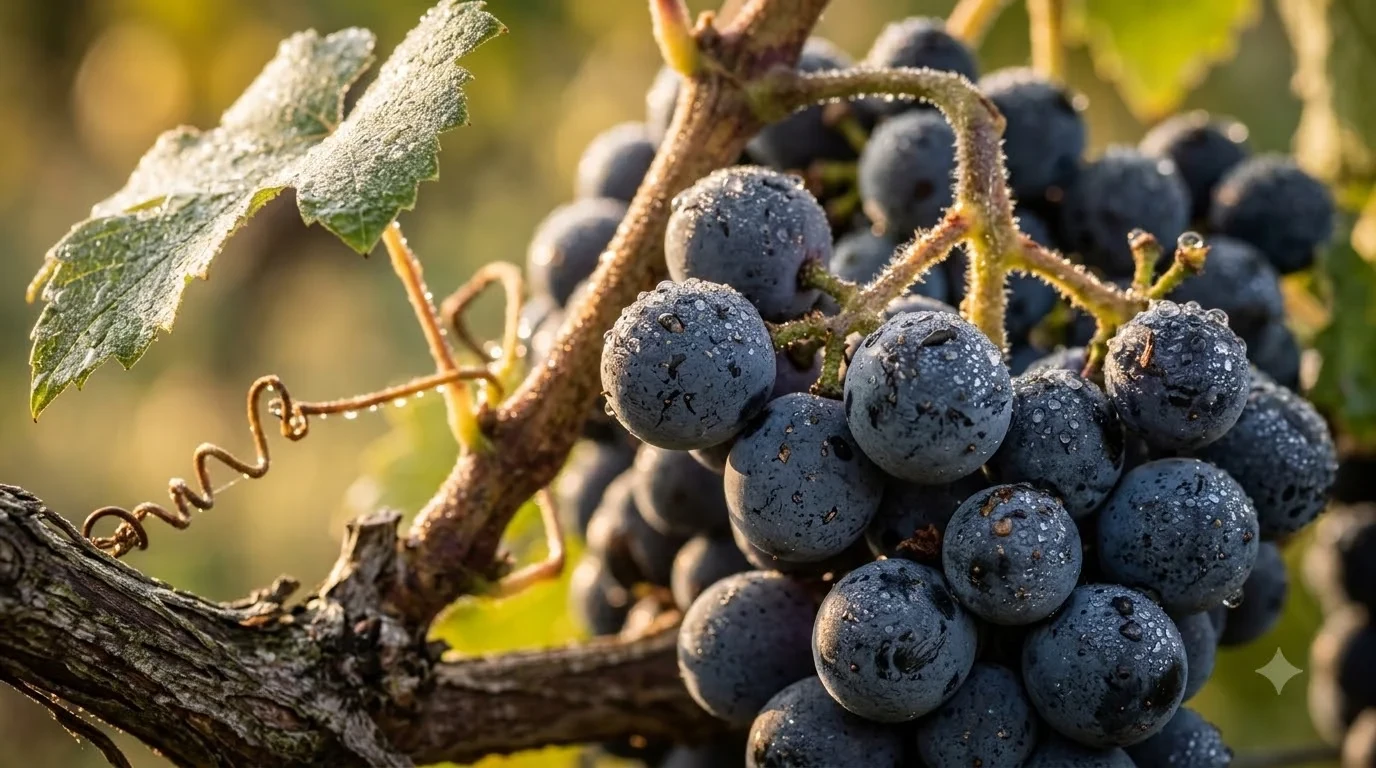
The chateauneuf du pape grape is not a single variety. The wine is a red blend from the southern Rhône Valley, and Grenache is the grape most people associate with it. Winemakers combine Grenache with other permitted varieties such as Syrah and Mourvèdre, and the blend changes from one producer to the next. If you are looking for the grape behind the bottle, the answer is a family of grapes that work together rather than one variety.
This guide explains which grapes go into Châteauneuf-du-Pape, what each one contributes, how the blend shapes flavor, and how to pick a bottle that matches what you enjoy.
Why There Is No Single Châteauneuf Grape
Châteauneuf-du-Pape is an appellation, which means a protected place name with rules about where the grapes grow and how the wine is made. Those rules allow several red grape varieties, so the wine is a blend by design. Many people search for the grape because they have heard of Grenache, but the name on the label refers to the place and the style, not to one variety.
That blending tradition is the reason Châteauneuf-du-Pape is often described as a model for Southern Rhône reds. Each variety brings its own strengths, and the winemaker decides how much of each goes into the final wine. Some producers lean heavily on Grenache, while others use more Syrah or Mourvèdre for structure and color.
Grenache: The Dominant Grape
Grenache, also called Garnacha, is the grape most closely tied to Châteauneuf-du-Pape. Wine Folly describes Grenache as producing rich, flavorful red wines, and it notes that the French championed the grape in the Southern Rhône Valley, even though its roots are in northeastern Spain. In the glass, the page lists flavors such as stewed strawberry, grilled plum, leather, dried herbs, and blood orange.
The same guide describes Grenache as dry, with medium-full body, medium tannins, and medium acidity, and it says the wine can reach more than 15 percent alcohol by volume. Those qualities give the wine its warm, fruit-forward character. Grenache also ripens well in warm conditions, which suits the Rhône climate, and it contributes much of the generous fruit found in the blend.
Syrah and Mourvèdre in the Blend
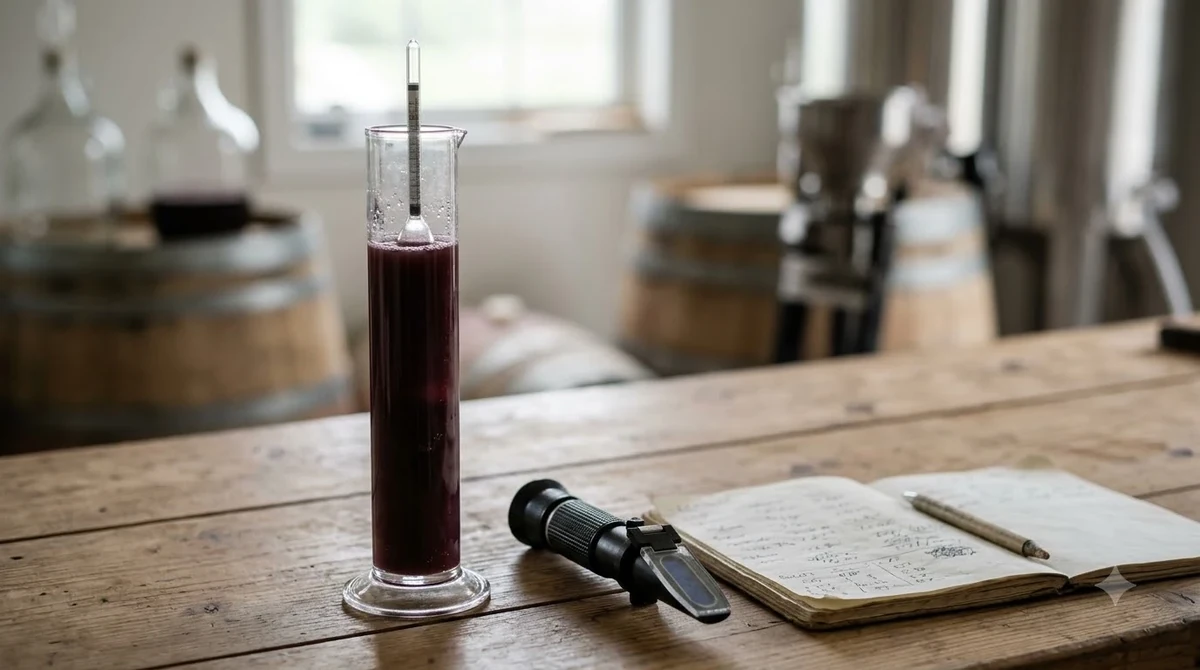
Syrah and Mourvèdre are the other varieties that most people meet when they study the blend. Syrah is often used to add color, a firmer structure, and darker fruit. Mourvèdre is valued for its depth and savory character, and it can help the wine age. Together, the three varieties form a classic Southern Rhône mix often described as GSM, which stands for Grenache, Syrah, and Mourvèdre.
The exact share of each grape changes by vintage and producer. A wine that is mostly Grenache may taste fruity and lighter on its feet, while a wine with more Mourvèdre can taste firmer and more savory. Reading the producer’s description helps you see how the blend leans.
| Grape role | Typical contribution | What you may notice |
|---|---|---|
| Grenache | Main fruit and body | Strawberry, plum, warm spice |
| Syrah | Color and structure | Dark fruit, pepper, firmer finish |
| Mourvèdre | Depth and aging potential | Savory, earthy, meaty notes |
| Other permitted varieties | Extra complexity | Varies by producer |
Tip: Grenache-led bottles usually taste fruitiest and most approachable young. Blends with more Mourvèdre often reward a few years of cellaring. Taste a bottle at a casual dinner before buying a case, since the same name can taste different across producers.
How the Blend Shapes the Taste
A Châteauneuf-du-Pape blend tends to combine ripe fruit with savory, herbal, and sometimes leathery notes. The herbal character often reflects the wider Rhône landscape, where scrub and dried herbs grow in the warm, sunny countryside. Oak treatment varies by producer, and some wines are aged in large casks while others use smaller barrels, which changes the balance of vanilla and spice.
Tannin and acidity give the wine its frame. Medium tannins keep the texture firm without drying the mouth, and acidity keeps the fruit lively. Because the blend mixes varieties that ripen at slightly different points, the wine can show fresh fruit in its early years and more layered flavors as it develops.
Blending also helps with consistency. When one variety has a difficult season, the others can fill the gap, which is one reason producers value a mixed vineyard. That approach gives the wine a sense of balance that single-variety bottles often lack.
How to Serve and Pair
Wine Folly recommends serving Grenache at about 60 to 68 degrees Fahrenheit, which is a cool room temperature. For Châteauneuf-du-Pape, the same range works well, and a short rest out of the cellar lets the aromas open. Decanting for around 30 minutes can soften the tannins in younger bottles and bring out the fruit.
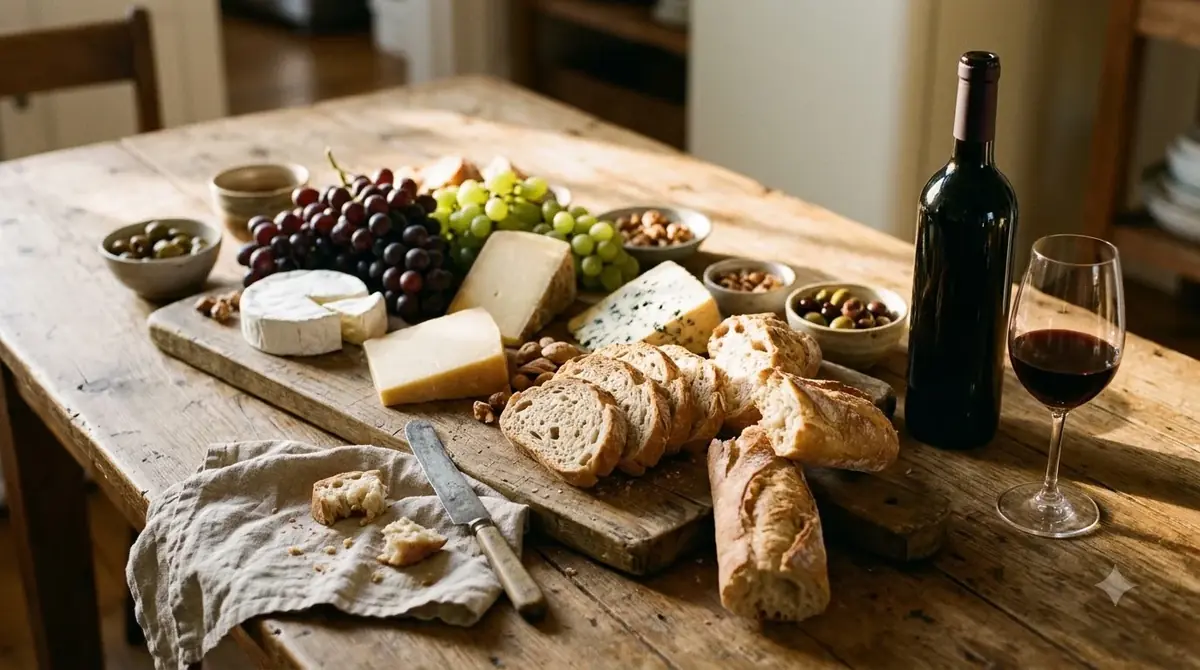
The blend pairs well with roasted meats, lamb, and dishes built on herbs and garlic, which echo the savory notes in the wine. Spiced vegetables and grilled dishes also work, especially those with cumin or other warm spices. Wine Folly suggests pairing Grenache with roasted meats and vegetables seasoned with Asian five-spice and cumin, which shows how flexible the grape can be at the table.
If you want a lighter option, pick a Grenache-led bottle with bright fruit. Heavier blends with more Mourvèdre suit richer dishes, such as braised beef or stews.
Choosing a Bottle
Start by reading the label and the producer’s description. A bottle that says it is mostly Grenache will taste fruit-forward. A blend that mentions more Syrah or Mourvèdre will feel firmer and often more structured. If you are new to the style, a younger Grenache-led bottle is an easy introduction. Bottles from a good vintage in a warm year often show riper fruit, while cooler years can give a fresher, more savory profile, so the vintage year on the label is worth a glance as well.
Consider when you plan to drink it. Fresh, fruity bottles are best within a few years, while structured blends can develop for much longer. Storage matters too. Keep the bottle cool and away from heat and light, and let it settle for a day before serving if it has been moved. Sediment can form in older bottles, so stand them upright for a day and decant gently if you plan to open one with age.
Frequently Asked Questions
Is Châteauneuf-du-Pape made from Grenache only?
No. Grenache is the dominant grape in many bottles, but the wine is a blend, and producers may use Syrah, Mourvèdre, and other permitted varieties in different proportions.
What does GSM mean on a Châteauneuf label?
GSM stands for Grenache, Syrah, and Mourvèdre, the three main varieties in a classic Southern Rhône blend. It is a shorthand for the style rather than a legal term.
Should I decant Châteauneuf-du-Pape?
Decanting can help, especially for younger bottles with firmer tannins. Wine Folly suggests about 30 minutes for Grenache, and the same approach works for many blends that feel closed when first poured.
Can Châteauneuf-du-Pape age?
Many bottles can age for years, and Wine Folly notes that Grenache can be cellared for ten years or more. Blends with more Mourvèdre tend to reward patience, while lighter, fruit-led styles are often best earlier.
Châteauneuf-du-Pape is best understood as a Southern Rhône blend led by Grenache, with Syrah and Mourvèdre adding structure and depth. Learn the roles of each grape, serve the wine at a cool room temperature, and pair it with savory, herb-rich food. For more on the grape at the center of the blend, read the Wine Folly guide to Grenache, and browse Wine by Type to compare related styles. You can also explore Chablis grape for a contrasting white style.
More in Wine Types & Grapes
 Zinfandel Sugar Content: Dry Red vs. White Zinfandel GramsUpdated Nov 21, 2026
 Best Zinfandel Substitute Options for Sipping and CookingUpdated Nov 21, 2026
 Zweigelt Food Pairing: Best Dishes, Cheeses, and Serving TipsUpdated Nov 21, 2026
 Zinfandel Tannins Explained: How Structure Shapes Every BottleUpdated Nov 21, 2026
 Zinfandel Sweetness Level: Dry Red vs. Sweet White Zin ExplainedUpdated Nov 21, 2026
 Xinomavro Food Pairing: Best Dishes, Styles, and Serving TipsUpdated Nov 21, 2026