

We may earn a commission when you buy through links on this page, at no extra cost to you. Learn more.
Chateau Montelena wine comes from a Napa Valley winery in Calistoga, California, established in 1882 and best known for its 1973 Chardonnay, which won the 1976 Judgment of Paris blind tasting. The estate sits at the northern end of Napa Valley in a historic stone chateau from the 1800s, and its wine-making reputation rests largely on that one result and the Chardonnay style that followed.
Chateau Montelena comes up in almost every conversation about American wine history, but many people only know the headline. This guide explains what the winery is, why its 1973 Chardonnay became an icon, what the brand makes today, and how to think about the bottles if you are choosing a Napa Chardonnay for a dinner or a gift. Most of the factual claims here come from the winery’s own website, so read them as the producer’s account.
A Napa winery with a long history
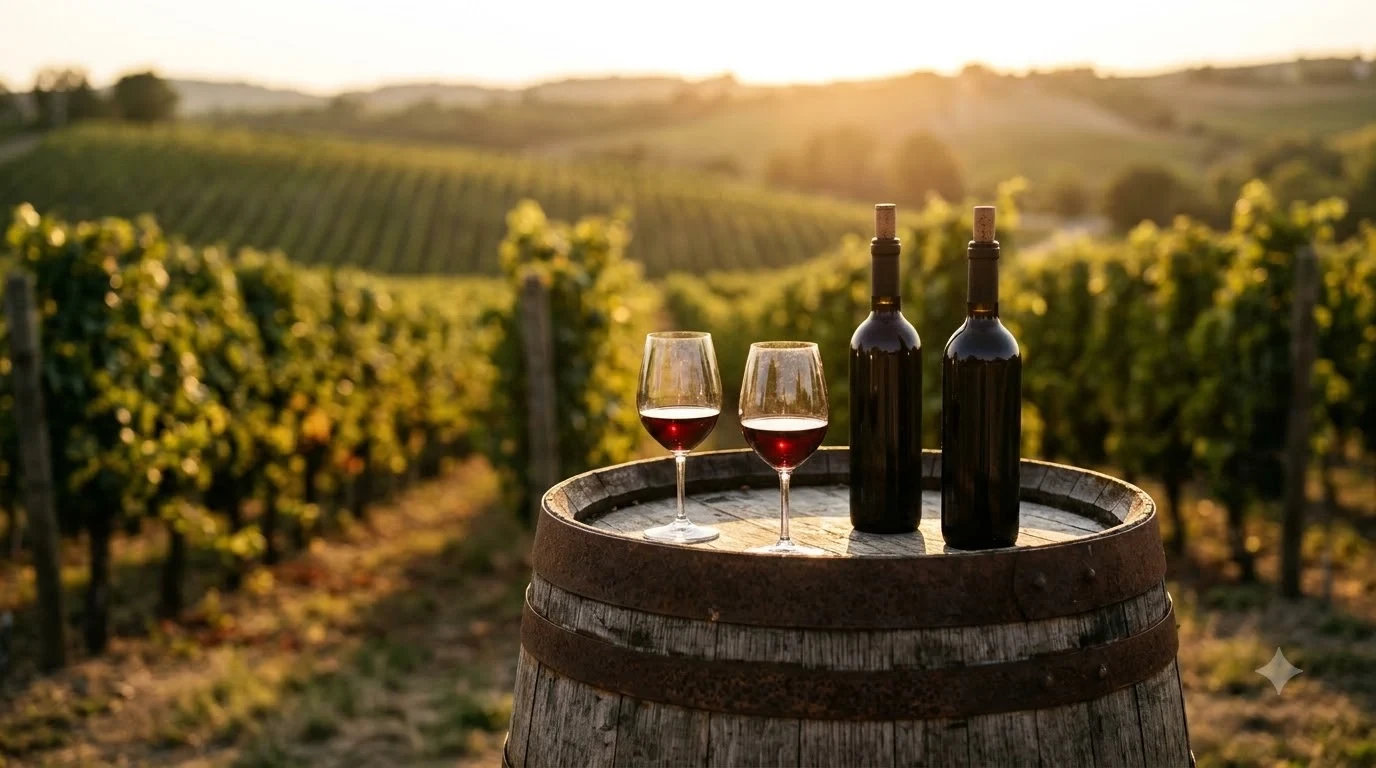
The winery’s website states that it was established in 1882, which makes it one of the older estates in Napa Valley. The property is in Calistoga, at the northern end of the valley, near Jade Lake and a stand of redwoods. The main building is a historic stone chateau from the 1800s, and the setting is a large part of why visitors remember the place. The estate is far from the busier southern towns of Napa, so a visit tends to feel quieter and more rural than a stop in Yountville or St. Helena.
Napa Valley as a whole is often described in smaller sub-regions rather than as one block, and for a brand like Chateau Montelena the location is part of the identity. The estate is a working vineyard and winery, not just a tasting stop.
The 1976 Judgment of Paris
The event that made the winery famous is the 1976 Judgment of Paris, a blind tasting in which a Napa Chardonnay came out ahead of French competitors. According to the winery’s website, Montelena’s 1973 Chardonnay prevailed in that tasting, and the page says the result “sparked the American wine revolution and cemented the winery’s international reputation.” The win mattered because it challenged the idea that the best white wine had to come from France, and it pushed attention toward California producers for the next several decades.
The story was later told in the 2008 film Bottle Shock, which drew more public attention to the winery and to the tasting itself. If you want the original context, the winery’s history pages and the film are the two easiest places to start. Keep in mind that a single tasting is a snapshot of one day, so the lasting value of the story is its effect on how people looked at California wine.
The 1973 Chardonnay and why it is still discussed
The 1973 vintage is the bottle that most people mean when they talk about Chateau Montelena. The winery describes it as one of the most coveted wines ever made and as an icon of craftsmanship and achievement. Only a small number of bottles are believed to remain, and the website says some are held in the Smithsonian Institution’s permanent collection. That rarity makes the 1973 a collector’s subject rather than something a shopper can buy for a weeknight meal.
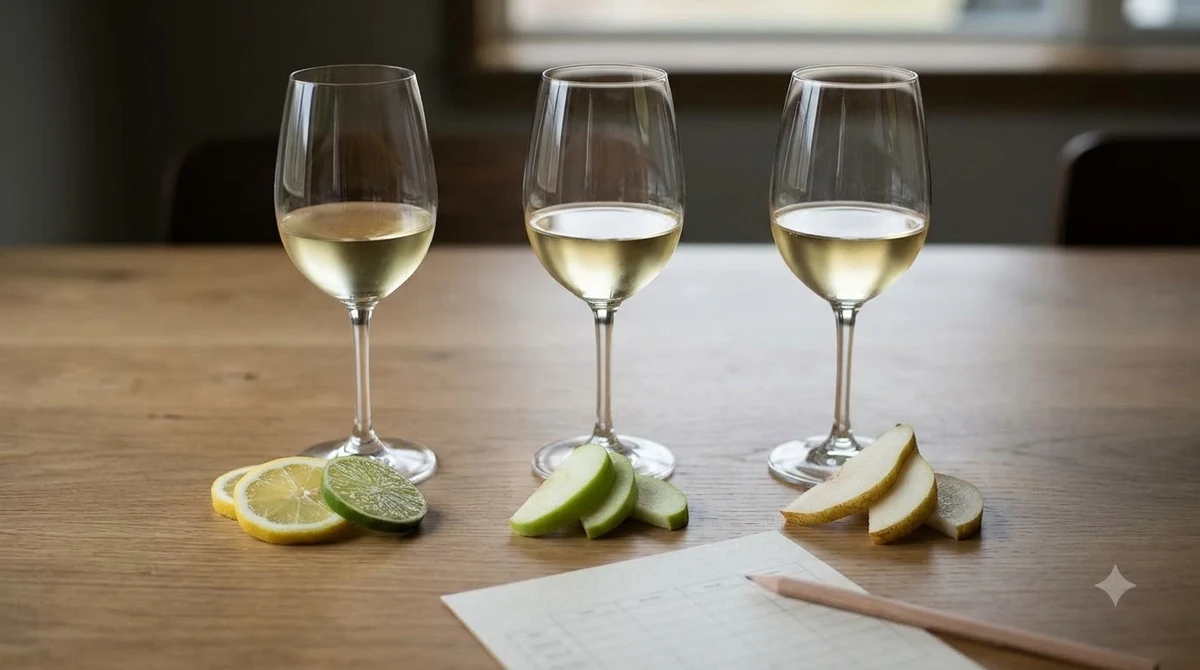
For most buyers, the more useful question is what the winery’s current Chardonnay is trying to do. Napa Chardonnay is often associated with ripe fruit, a rounder texture, and a touch of oak, though styles vary a lot between producers and between years. If you are comparing the house style with other California Chardonnays, look at how much oak and how much body the producer describes, and whether the wine is marketed as a fresh, lean style or a richer one.
Napa Chardonnay has changed a good deal since 1976. Many producers across the valley have moved between richer, oak-driven wines and leaner, cooler-climate styles, and the conversation around the category now tends to focus on balance rather than size. Judging a bottle by its own producer’s description, rather than by the reputation of a famous story, is the surest way to find a style you enjoy.
What the brand makes today and how to choose
The winery’s site describes small-lot releases and library selections that are offered through membership, which signals that a good part of the production is aimed at people who buy directly from the estate. That is different from a large brand sold in every grocery aisle. The practical result is that you will often find the best bottles through the winery itself or through specialist retailers rather than in a big-box store.
When you pick a bottle, start with the vintage and the release type. If you mainly want an easy, fruit-forward white for a casual evening, a brand such as Barefoot wine is a simpler reference point than a single-estate Chardonnay. A current-release Chardonnay will taste different from a library bottle that has spent years in a cellar, and older Chardonnays can develop richer, nuttier notes. Check the producer’s product description for the style and serving notes before you buy, and compare it with a simpler Chardonnay from a different brand if you want a reference point. Our Wine Brands guide covers how to compare labels across producers and price tiers without relying on one famous name.
| Question | What to check |
|---|---|
| Which vintage? | Current release for drinking now, library selections for aging or collecting |
| What style? | Read the producer’s description for oak, body, and fruit character |
| Where to buy? | Direct from the estate, membership releases, or a specialist shop |
| What to pair? | Roast chicken, seafood, creamy pasta, or aged cheese |
Tip: If you are buying for a gift, a bottle with a clear story, such as a named vintage or a documented release, gives the recipient something to talk about even if they do not drink Chardonnay often.
How to serve and pair a Napa Chardonnay
Serving temperature matters for Chardonnay. Serve a richer Napa style slightly cooler than room temperature rather than ice cold, so the fruit and texture show without the oak feeling heavy. Older bottles often benefit from a little more time in the glass, which lets their aromas open up. Use a standard white wine glass with a wide bowl so the aromas have room to develop, and give the wine a few minutes after pouring before the first sip. Swirling gently helps release the aromas without splashing the glass.
Richer Chardonnay pairs well with roast chicken, lobster or other shellfish with butter, creamy pasta, and mild aged cheeses. Lighter styles suit grilled fish and salads, and for a sweeter, softer glass at the end of a meal, readers often reach for a Stella Rosa wine instead. If you are serving a bottle as part of a celebration, a Chardonnay with a clear story gives the table something to talk about, and you can pour a smaller amount to let guests try it without rushing through the glass. As with any wine, drink responsibly and keep an eye on how much is poured.
Frequently Asked Questions
Where is Chateau Montelena located?
The estate is in Calistoga, at the northern end of Napa Valley, California. The winery’s site describes a historic stone chateau from the 1800s near Jade Lake and redwoods.
What is the Judgment of Paris?
It was a 1976 blind tasting in which the winery’s 1973 Chardonnay beat a field of French white Burgundies. The result is widely credited with raising the profile of California wine.
Is the 1973 Chardonnay still available to buy?
The winery describes only a small number of bottles of the 1973 as remaining, with some held in the Smithsonian Institution’s permanent collection. For everyday buying, look at the current releases and library selections instead.
How should I serve Chateau Montelena Chardonnay?
Serve it slightly cooler than room temperature in a wide-bowled white wine glass. Richer styles pair well with roast chicken, shellfish, and creamy pasta.
Chateau Montelena is worth knowing for its history and for the Chardonnay style that came out of the Napa Valley in the decades after 1976. Read the producer’s history page, compare current releases with a simpler Chardonnay, and take your time choosing the vintage that fits the occasion.
More in Wine Brands
 Underwood Wine Price: Compare Bottles, Cans, and Pack SizesUpdated Nov 21, 2026
 Zenato Wine Price: Compare Styles and Choose the Right BottleUpdated Nov 21, 2026
 Zuccardi Wine Price: Compare Bottles and Find the Right RangeUpdated Nov 21, 2026
 Yellow Tail Moscato Review: Taste, Sweetness and Serving TipsUpdated Nov 21, 2026
 Wolf Blass Yellow Label Review: Choose Your Best StyleUpdated Nov 21, 2026
 Wolffer Estate Rose Review: Choose the Right Bottle for Your TableUpdated Nov 21, 2026