

We may earn a commission when you buy through links on this page, at no extra cost to you. Learn more.
The phrase chateau margaux white wine usually refers to Pavillon Blanc du Château Margaux, a still white wine made entirely from Sauvignon Blanc at the Bordeaux estate. It is not a white version of the estate’s Cabernet-led red blend: it comes from a dedicated white-grape vineyard and has its own selection and aging program. Expect a concentrated, fresh style, with citrus and orchard-fruit notes, firm acidity, and measured French-oak influence.
Château Margaux is best known for its red First Growth, but its white wine has a history stretching back centuries. Pavillon Blanc is made in small quantities, and the producer’s emphasis on strict vineyard selection helps explain why it is quite different from a simple, grassy Sauvignon Blanc. Understanding its grape, cellar work, vintage variation, and serving temperature makes it easier to choose the right moment and meal for a bottle.
What Pavillon Blanc Is and Where It Fits
Pavillon Blanc du Château Margaux is the estate’s flagship white wine: a still Bordeaux white made from 100% Sauvignon Blanc. Its identity comes from the Margaux property and a separate white-wine program, rather than from blending white grapes into the estate’s famous red wine.
The estate’s red grand vin is built around Cabernet Sauvignon, with Merlot and smaller amounts of other red varieties; Pavillon Blanc does not share that blend. Its Sauvignon Blanc gives it lively acidity and aromatic clarity rather than the tannin and dark fruit associated with Cabernet-led red Bordeaux. Readers comparing the two styles can use this guide to Château Margaux red wine as a companion reference.
The producer also bottles a separate white second wine, Pavillon Blanc Second Vin, after increasingly strict selection for the top wine. “Pavillon Blanc” identifies the estate’s white grand vin, while “Château Margaux” is commonly associated with the château’s red.
The broader overview of wine brands explains why an estate name and an individual wine name are not always interchangeable. That distinction matters here because Château Margaux has two white bottlings.
The Margaux Vineyard and a History Since 1920
White wine has been part of Château Margaux’s story since the late 17th century, and Pavillon Blanc has a dedicated 12-hectare Sauvignon Blanc vineyard on a historic estate plot. The wine has carried its current name since 1920, connecting a long white-wine tradition with a label that remains familiar. The estate’s official Pavillon Blanc profile outlines its vineyard and cellar approach.
The estate says the vines average around 50 years of age and produce particularly low crops. Older vines do not automatically make a great wine, but in this setting their low yields, careful picking, and strict selection are part of the producer’s explanation for the wine’s concentration. Since the 2009 and 2010 vintages, the estate has reworked production and selection methods to pursue greater precision and aging potential.
The historic plot is planted exclusively to Sauvignon Blanc. This dedicated source lets the winemaking team choose picking dates to protect acidity and assess separate batches before blending, rather than making a white wine from the red grand vin’s grapes.
| Estate detail | Reported figure | What it tells you |
|---|---|---|
| White vineyard area | 12 hectares | A dedicated Sauvignon Blanc planting |
| Average vine age | About 50 years | Mature vines with naturally low crops |
| Time under the Pavillon Blanc name | Since 1920 | A long-established identity for the white wine |
| Typical production | About 12,000 bottles annually | A limited release rather than a high-volume Bordeaux white |
These figures are useful context, not a guarantee that every vintage is identical. The size and maturity of the crop change with weather, and the percentage of fruit selected for Pavillon Blanc can change as well. A year with difficult conditions or unusually strict sorting can produce fewer bottles, even when the vineyard area remains the same.
Sauvignon Blanc, Oak, and the Flavor Profile
Pavillon Blanc combines the fresh acidity associated with Sauvignon Blanc with a broader, more layered texture than many early-drinking examples of the grape. The producer ages it for around eight months, with approximately 20% of the wine in new French oak and some aging in 350-liter barrels.
The barrel program is measured. New French oak can add subtle spice, toast, nutty impressions, and a rounder feel, but the limited proportion keeps fruit and acidity central. The 350-liter barrels also provide a different wood-to-wine ratio than smaller barriques. Oak works alongside the Sauvignon Blanc rather than replacing its character.
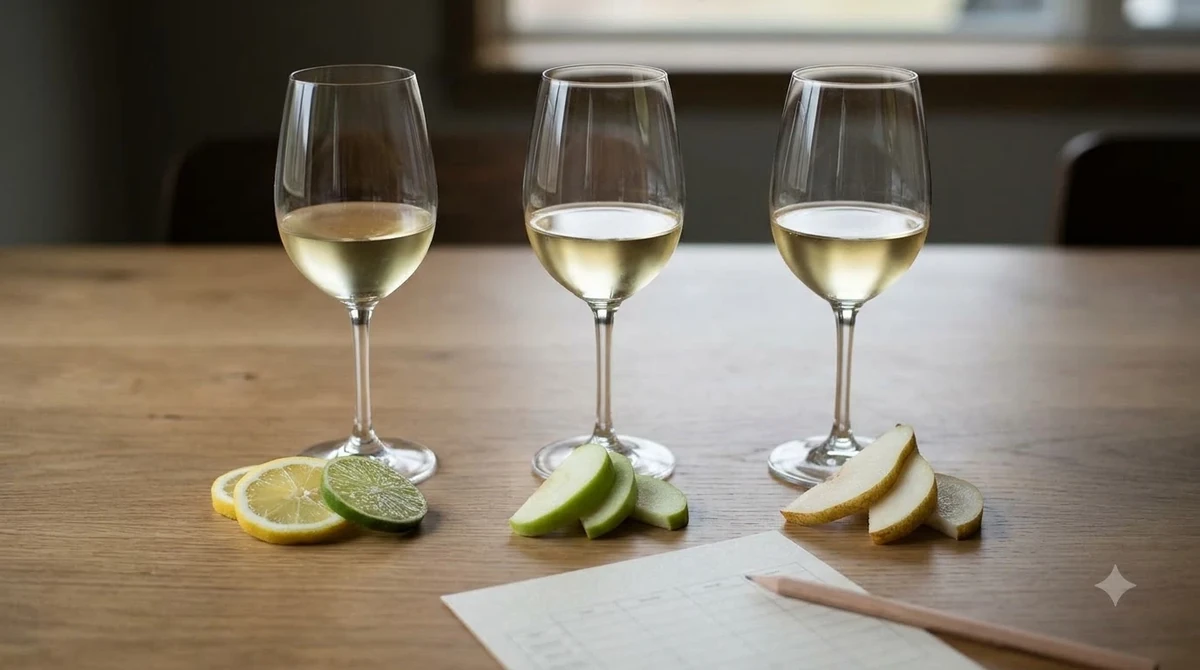
Flavor changes by vintage, so it is better to think in families of aromas than to expect one fixed tasting note. Citrus is a recurring reference point, including grapefruit and lemon-like freshness. Depending on the year, the fruit may lean toward white peach, pear, or tropical tones, while floral notes, herbs, and a mineral impression add detail. The estate’s description of the 2025 wine, for example, mentions fresh hazelnut, white peach, and lilac, while its account of earlier vintages highlights citrus, white flowers, and a persistent, fresh finish.
The wine can feel full on the palate without losing its line of acidity. That balance is one reason it may pair with richer dishes than a very lean, high-acid Sauvignon Blanc. Its texture can stand beside butter, cream, or a gently browned crust, while its acidity helps refresh the palate. A 2022 Wine Enthusiast review also described that vintage as dense and rich, with tropical fruit and a grapefruit edge, illustrating how ripe fruit and freshness can appear together.
Do not assume every bottle will be sharply grassy or dominated by green bell pepper. Sauvignon Blanc can show a wide range of expressions, and Pavillon Blanc’s picking decisions, mature vines, careful selection, and oak treatment are intended to create concentration and balance. A cooler or earlier-picked vintage may emphasize citrus and herbal lift; a riper year may give more stone fruit and breadth while retaining acidity.
Strict Selection and the 2022 and 2025 Vintages
Vintage conditions influence Pavillon Blanc because the team must balance ripe Sauvignon Blanc flavors with enough acidity to keep the finished wine fresh. The estate’s harvest notes show how picking dates and sorting decisions shift from year to year, even within the same 12-hectare vineyard.
For the 2022 vintage, the white harvest ran from August 23 to August 30. The estate says high temperatures late in August prompted an earlier picking schedule to preserve the grapes’ acid potential. Fruit from almost 10 hectares was vinified in around 20 separate batches, allowing the team to assess individual lots before making the final selection. This kind of parcel-by-parcel work is a practical tool: grapes from different sites and picking dates do not necessarily ripen or develop in the same way.
The 2025 harvest came earlier, from August 18 to August 22, with the estate reporting yields of 16 hectoliters per hectare. Only 45% of that harvest was selected for Pavillon Blanc. The producer described the resulting wine as rich and full-bodied yet fresh, with salinity contributing to its length. Those details are a reminder that production volume and style are shaped by a particular season, not just by a fixed recipe.
Selection also explains why a château can release a second wine alongside its grand vin. Fruit that does not meet the final standard for Pavillon Blanc can be directed into the separate Pavillon Blanc Second Vin. The two wines share the estate’s Sauvignon Blanc heritage, but they are separate bottlings; when choosing a bottle, start with the vintage and producer’s description rather than assuming every year follows the same flavor pattern. A warm season may bring riper fruit and a fuller impression, while harvest timing can preserve citrus lift and firmness. The estate’s notes for 2022 and 2025 describe those specific vintages, not a promise that every release will taste the same.
Serving, Storage, and Bottle Timing
Serve Pavillon Blanc at 50–55°F, the useful range for a full-bodied white wine. This is cool enough to keep its acidity and citrus notes lively, but not so cold that the wine’s texture, aromatic detail, and oak-derived nuances become muted.
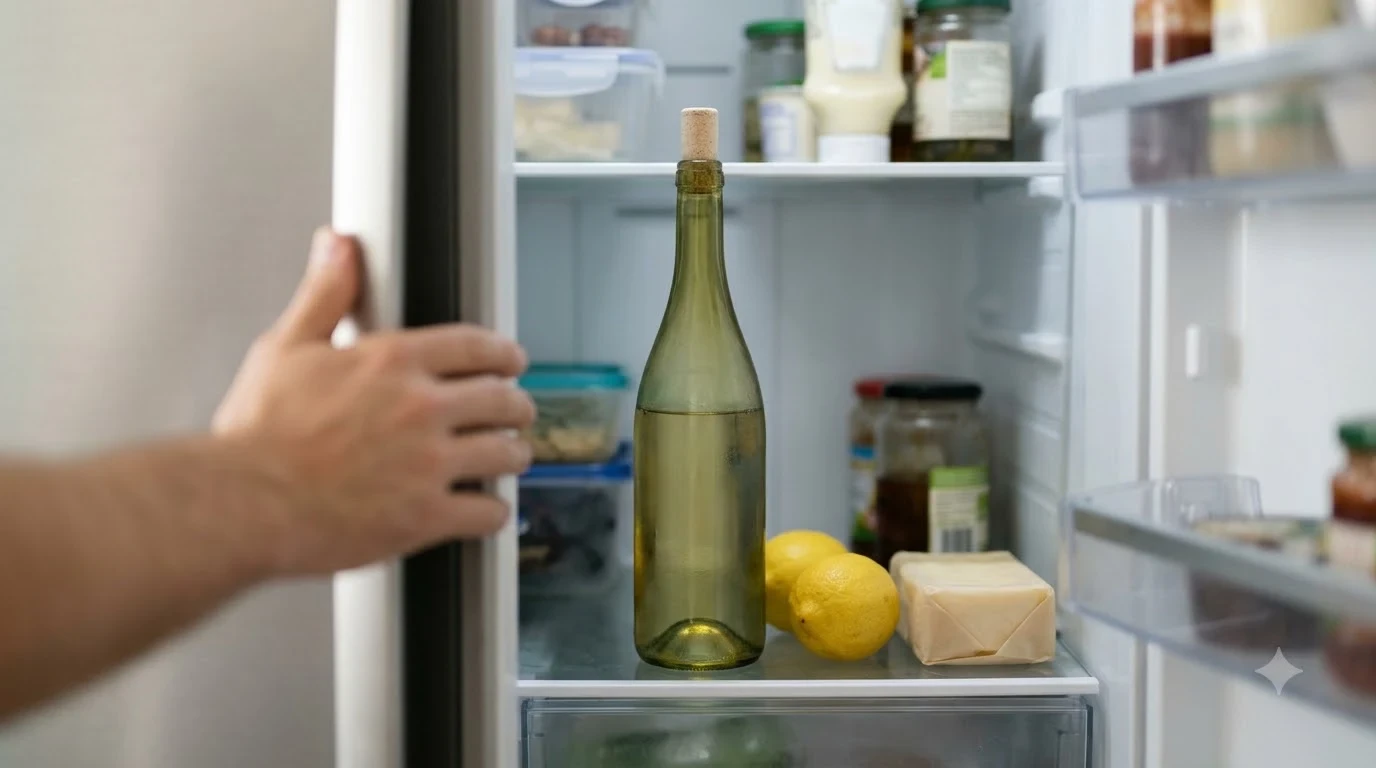
A refrigerator can chill the bottle, but serving temperature matters more than a fixed number of minutes. If it has been kept cold, give it a short time in the glass or on the table to warm slightly. Use a standard white-wine glass with room to swirl; a five-ounce pour is practical, and a 750-milliliter bottle provides about five glasses. Leave space for aromas to collect, pour a little at first, and add more as the wine opens.
Tip: Chill the bottle to roughly 50°F, then let it gain a few degrees in the glass. That approach helps preserve freshness while allowing the white peach, citrus, floral, and oak notes to show more clearly.
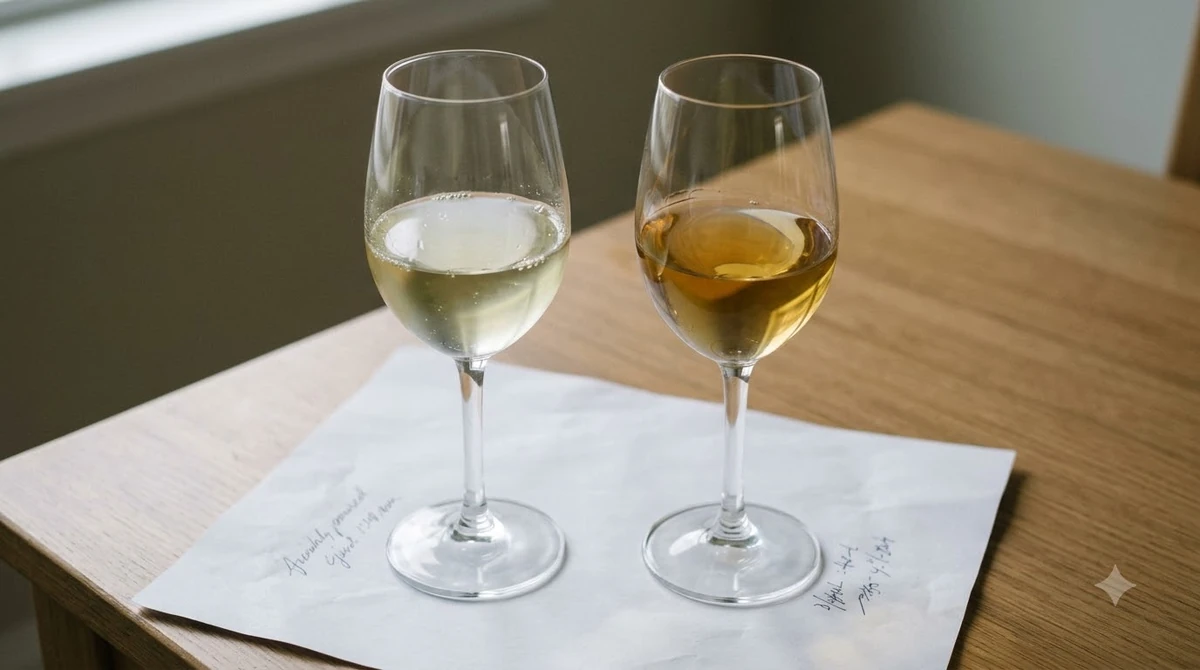
Store unopened bottles in a cool, dark place near 55°F, away from direct light and sharp temperature changes; a wine refrigerator or cellar with stable conditions is best. Store the bottle on its side if it has a traditional cork closure. After opening, reseal it and refrigerate: most still wines keep for about three to five days, although fruit and aromatic lift are usually most vivid sooner. Extended air exposure gradually dulls freshness, so begin with a pour rather than decanting a young Pavillon Blanc for a fixed period.
Seafood, Poultry, and Rich Sauce Pairings
Pair Pavillon Blanc with food that either echoes its freshness or gives its textured palate something substantial to meet. Shellfish, delicate fish, roast poultry, and dishes with a controlled amount of butter or cream are useful starting points because the wine’s acidity can cut through richness without overwhelming subtle flavors.
For seafood, try oysters, scallops, crab, lobster, shrimp, or simply grilled white fish. A squeeze of lemon, fresh herbs, or a light butter sauce can connect with the wine’s citrus and floral notes. Scallops with browned butter are especially fitting: the browned edges bring out the wine’s nutty side, while the acidity helps reset the palate after each bite. A preparation with raw shellfish or a clean, lightly seasoned fish lets the wine’s mineral and citrus character take the lead.
For poultry, roasted chicken with herbs, turkey breast, or chicken with a lemon-and-cream pan sauce can work well. The wine has more body than a very light, sharply herbal white, so it can stand beside roast skin and a creamy sauce. Veal and pork are also sensible options, particularly when they are served with mushrooms, herbs, or a restrained cream sauce rather than a sweet glaze. Keep strong smoke, heavy chili, or sugary barbecue flavors in check so they do not hide the wine’s subtlety.
Cheese pairings depend on how assertive the cheese is. Fresh goat cheese is a classic Sauvignon Blanc partner because its tang complements acidity, while a mild, creamy cheese can work with the wine’s fuller texture. Very pungent washed-rind or intensely blue cheese can hide its detail. Acidity is the key balancing point: a rich sauce can make the wine feel fresher, while a sharply sour dressing can make it seem less lively. A squeeze of citrus is usually more harmonious than a heavy splash of vinegar, and lightly salted shellfish or roast poultry can be more successful than an aggressively acidic salad.
Frequently Asked Questions
These answers cover mature bottles, the second white, and details of the label and packaging. They add useful context for comparing Pavillon Blanc with other wines from the estate.
Can older bottles of Pavillon Blanc still be enjoyable?
Yes. Decanter’s report from a Château Margaux masterclass describes the estate representative discussing bottles from the 1980s, which had less acidity and less directness than young examples but beautiful aromas and texture. Mature bottles can develop a different profile rather than simply retaining youthful citrus freshness.
When did Pavillon Blanc Second Vin first appear?
The estate began bottling Pavillon Blanc Second Vin with the 2022 vintage. Château Margaux described it as only the fifth wine it had launched in five centuries, making it a notable addition to the estate’s range rather than just a renamed lot of the top white.
Which closure does Pavillon Blanc use?
The estate has used a Diam technical cork for Pavillon Blanc since the 2017 vintage. The producer says the closure helps reduce cork taint risk, while the dark bottle used for the estate’s red wines also helps shield the white wine from light.
Has the Pavillon Blanc label changed since 1920?
The estate says the label has remained virtually unchanged since the wine adopted the Pavillon Blanc du Château Margaux name in 1920. That continuity is unusual for a wine whose vineyard selection and cellar practices have continued to evolve.
How is Pavillon Blanc Second Vin distributed?
The second white is distributed through the négociants of the Place de Bordeaux and offered through leading specialist wine merchants and wine websites. The estate reports average annual production of about 15,000 bottles for this separate bottling.
Pavillon Blanc is a focused expression of Sauvignon Blanc shaped by a historic Margaux vineyard, careful selection, and a restrained oak program. Serve it cool rather than icy, and give it dishes with fresh seafood, herbs, or a rich but balanced sauce. Its vintage variation is part of the appeal: each bottle reflects the choices made to preserve freshness while building depth.
More in Wine Brands
 Underwood Wine Price: Compare Bottles, Cans, and Pack SizesUpdated Nov 21, 2026
 Zenato Wine Price: Compare Styles and Choose the Right BottleUpdated Nov 21, 2026
 Zuccardi Wine Price: Compare Bottles and Find the Right RangeUpdated Nov 21, 2026
 Yellow Tail Moscato Review: Taste, Sweetness and Serving TipsUpdated Nov 21, 2026
 Wolf Blass Yellow Label Review: Choose Your Best StyleUpdated Nov 21, 2026
 Wolffer Estate Rose Review: Choose the Right Bottle for Your TableUpdated Nov 21, 2026