
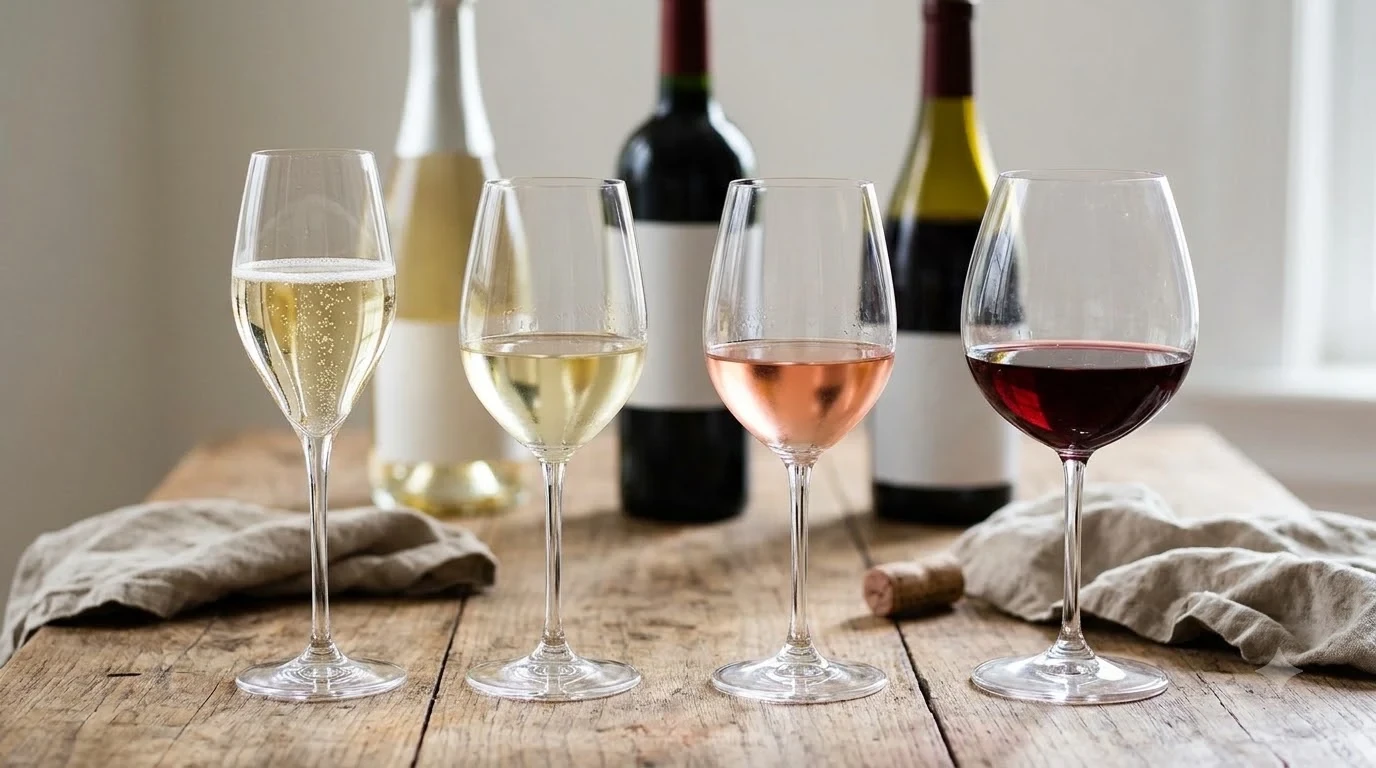

We may earn a commission when you buy through links on this page, at no extra cost to you. Learn more.
chateau greysac wine is a Médoc red blend from Bégadan in Bordeaux, built around Merlot and Cabernet Sauvignon with support from Cabernet Franc and Petit Verdot. It typically combines ripe berry and currant flavors with freshness, savory spice, and polished tannins. The estate also makes a separate white wine, Le Blanc de Greysac, so the name can refer to more than one style.
Château Greysac offers a useful introduction to the Médoc without asking the drinker to start with one of Bordeaux’s most famous classified estates. Its red wine is shaped by a northern Médoc site, a four-grape Bordeaux blend, and a cellar program that uses both fermentation vessels and oak. The details below explain what the label means, what changes between vintages, and how to serve the wine with food.
Where Château Greysac Fits in the Médoc
Château Greysac is a Médoc appellation wine from the hamlet of Bégadan, north of Saint-Estèphe, near the northern end of the peninsula between the Gironde Estuary and the Atlantic. Médoc is a broad regional appellation, not a synonym for the more specific Haut-Médoc or for one of the famous village appellations.
The Médoc is part of Bordeaux’s Left Bank, where Cabernet Sauvignon has a long-standing role in red blends. The region’s official overview describes 41 communes and 285 winegrowers across the Médoc appellation; it also emphasizes that red wines are especially associated with the northern part of the area. The proximity of the estuary and ocean helps shape a mild maritime setting, while gravel, clay, and limestone appear in different combinations from site to site. The regional Médoc appellation guide provides further context on the range of red and white styles made there.
The Greysac name sits in the Cru Bourgeois framework rather than the historic 1855 classification. The Cru Bourgeois du Médoc classification lists Château Greysac as Cru Bourgeois Supérieur in the Médoc appellation. That is a useful label distinction: it signals inclusion in a separate quality classification, not membership among the 1855 First Growths such as Château Margaux or Château Latour. Readers comparing those very different Bordeaux categories can also look at our explanations of chateau margaux red wine and chateau latour red wine.
For a US buyer, the practical takeaway is to read “Médoc” as the place of origin and “Cru Bourgeois Supérieur” as the classification term. The wine is not a single-vineyard bottling named after a grape, and it is not a Saint-Estèphe or Pauillac wine simply because those appellations are nearby. Its identity is the northern Médoc, where the estate’s own vineyards and blending choices give the finished wine its character.
Estate History and Ownership
Château Greysac’s modern story begins in 1960, when aviation engineer Georges Héreil bought the mansion and 20 hectares of vines at By. The estate later passed to François de Gunzburg in 1974, before coming under the ownership of Jean Guyon in 2012.
Those dates matter because Greysac is not an ancient name whose present-day ownership can be assumed from its château architecture. According to the estate’s history, Héreil helped build the wine’s reputation after acquiring the property, and de Gunzburg bought it in partnership with the Agnelli family. The Agnelli family then took over vineyard management for more than 30 years. The estate describes Guyon’s arrival as a new phase of vineyard restructuring, canopy management, sustainable farming, and investment in winemaking technology.
The 2012 change of ownership is a useful reference point when comparing vintages. Bottles from before and after that handover reflect different periods of estate management, so vintage conditions and cellar choices matter alongside the château name. The estate describes Greysac as widely sold in the United States, helping explain why the label appears in American wine shops and restaurant lists.
Vineyard Sites, Soil, and Climate
The estate places its vineyard in the Hameau de By, in the northern Médoc, where the Atlantic and Gironde Estuary influence the growing environment. Its own vineyard description highlights rounded stones over limestone and clay, with vines averaging about 40 years old.
That soil combination helps explain the balance of the Greysac blend. Rolled pebbles and gravel are associated with drainage and warmth, conditions that suit Cabernet Sauvignon on Bordeaux’s Left Bank; clay and limestone can help support Merlot and contribute a different texture to the resulting wine. The estate does not claim that one soil type alone defines the wine. Instead, the site is a mixture, and the blend draws on grapes that can respond differently to those conditions.
According to the importer’s technical information for the 2014 Médoc, the vineyard was described as a 68-hectare holding on a clay-gravel hilltop, with vines averaging 35 years old and a planting density of 7,500 vines per hectare. The producer’s general description gives an average vine age of about 40 years. These figures refer to different source descriptions and contexts; they should not be collapsed into a single exact measurement for every parcel or vintage.
The Atlantic and estuary keep maritime influence in the picture. That helps explain how a Greysac vintage can show ripe fruit while retaining freshness and structure. Weather changes from year to year, however, and can affect ripeness, tannin, and the proportions selected for the final blend.
The Four Grapes Behind the Red Blend
Château Greysac’s red wine uses Merlot, Cabernet Sauvignon, Cabernet Franc, and Petit Verdot. Merlot and Cabernet Sauvignon usually provide the main framework, while the two smaller components can add aromatic detail, freshness, and structure.
Merlot is the softer, rounder partner in the blend. It can contribute plum and other red- or black-fruit notes, plus a generous mid-palate feel. Cabernet Sauvignon brings firmer tannin, cassis, darker fruit, and a more upright structure. In a Médoc wine, the combination is familiar: the fruit and suppleness of Merlot help balance Cabernet Sauvignon’s grip, while Cabernet Sauvignon gives the blend definition and an ability to develop in bottle.
Cabernet Franc and Petit Verdot are supporting varieties rather than the main story in the documented 2014 blend. Palm Bay’s technical data for that vintage lists 65% Merlot, 29% Cabernet Sauvignon, 3% Cabernet Franc, and 3% Petit Verdot. The arithmetic totals 100%, but those exact percentages belong to the 2014 release and should not be repeated as a fixed recipe for every year. The producer’s broader description names all four grapes without promising an unchanging ratio.
| Grape | 2014 blend share | Typical role in the wine |
|---|---|---|
| Merlot | 65% | Round fruit, softer texture, mid-palate volume |
| Cabernet Sauvignon | 29% | Cassis, firmer tannin, structure, length |
| Cabernet Franc | 3% | Freshness and aromatic lift |
| Petit Verdot | 3% | Color, spice, and additional structure |
For more on how wine producers build a family of labels around a flagship blend and related bottlings, our Wine Brands section offers broader background. The key point here is that Greysac’s four-grape recipe gives the winemaker several components to balance rather than relying on one variety to supply every element.
Winemaking, Aroma, and Taste
Greysac is made to preserve fruit while giving the blend enough structure for a classic Médoc profile. The producer describes 12 months of barrel aging, while importer notes for the 2014 vintage provide a more detailed example of fermentation and maturation choices.
For that 2014 wine, Palm Bay describes a two-day pre-fermentation maceration, followed by four to five weeks of cuvaison after alcoholic fermentation in temperature-controlled stainless-steel and cement tanks. Malolactic fermentation took place in oak, then the wine underwent three months of lees stirring and 12 months of aging, split between one-year-old French oak barrels and tanks. Those details are vintage-specific technical notes, not a promise that every Greysac bottling uses precisely the same schedule or vessel proportions.
The broad sensory picture is dark and red fruit supported by freshness, spice, and measured oak. The estate’s notes for 2011 describe blackcurrant, blackberry, bitter almond, vanilla, and soft tannins. Its 2014 importer notes identify plum and berry aromas with a floral note and polished tannins. Wine Enthusiast awarded the 2015 vintage 91 points and described it as ripe and juicy, with density, acidity, and black-currant fruit contributing to its richness.
Vintage variation matters. A younger release may emphasize blackberry, plum, and lively acidity, while bottle age can bring out more savory details as primary fruit recedes. Oak may suggest vanilla, cedar, toast, or spice, but its balance depends on the year and the wine’s evolution. Wine Enthusiast’s review of the 2015 Château Greysac describes a ripe, juicy, structured wine, while the estate’s 2017 note emphasizes supple tannins and freshness.
Serving Temperature, Food Pairing, and Storage
Serve Château Greysac slightly cool rather than warm, and pair its fruit and tannin with food that has enough flavor and texture to meet it. A temperature around 60–65°F suits a fuller red Bordeaux, while a young, especially firm bottle can benefit from 30–60 minutes in a decanter.
Serving the wine
A dining room at 70°F or warmer can make red wine feel hotter than intended. Start near 60–65°F and pour a 5-ounce serving; a 750-milliliter bottle gives about five glasses. Young, firm reds may benefit from 30–60 minutes of air, but decant only when the wine seems closed or its tannins feel tight. For an older bottle, stand it upright before opening so sediment can settle.
Food that works
Roast beef, grilled steak, lamb chops, duck, and braised short ribs are natural partners because their savory flavors and protein-rich textures can balance the wine’s tannin. Mushrooms, lentils, and roasted eggplant also work well, especially when they are cooked with herbs, browned edges, or a rich sauce. The estate itself recommends roast chicken and grilled prime rib for its 2016 vintage, and lists duck, cured meats, and soft cheeses with its 2011 release.
Tomato-based pasta with black olives and herbs can work better than a sharply acidic tomato sauce. Salt and fat soften tannin, making hard cheese or a marbled cut of beef useful partners. Very hot chili dishes are less reliable because alcohol and tannin can intensify the sensation of heat.
Cellaring and leftovers
Store an unopened bottle on its side in a cool, dark place near 55°F, away from direct sunlight and sharp temperature swings. Whether to cellar a specific vintage depends on its condition, vintage character, storage history, and the drinker’s preference for primary fruit or more developed aromas. A structured Médoc may gain savory complexity with time, but poor storage can shorten its useful life quickly.
Tip: Open a young bottle 30–60 minutes before dinner, then taste it again with the main course. If it feels firm on the first sip, food and a little air may bring the fruit and tannin into better balance.
After opening, recork the bottle and refrigerate it; still wine generally keeps for about three to five days in the refrigerator, with the fruit gradually becoming less vivid. Bring the remaining wine back toward serving temperature before pouring. For a comparison with a very different French estate style, see our guide to chateau d esclans wine, which focuses on Provence rosé rather than Médoc red.
Le Blanc de Greysac and Other Bottles
The Château Greysac name is not limited to its Médoc red. The estate also presents Le Blanc de Greysac, and its published 2019 description identifies that white as 100% Sauvignon Blanc, with citrus, green apple, limestone character, and lively freshness.
This distinction matters at the shelf because the white and red are built for different settings. The red is a four-grape Médoc blend with tannin and structure, while the documented 2019 white is an aromatic Sauvignon Blanc intended to be served chilled. The producer suggests serving the white with crayfish salad, lobster rolls, grilled fish, or seafood. Its 2020 and 2021 descriptions also recommend chilled service, with dishes such as sushi, sea bass, oysters, marinated octopus, or salmon pasta.
Keep the red and white service logic separate. Chilled Sauvignon Blanc is the more natural match for fresh shellfish or delicate oily fish, while a tannic red Médoc needs a richer dish. Vintage notes also describe specific harvests: the estate publishes reds from 2011 through 2019 and whites from 2019 through 2021, but those years do not share one permanent flavor profile.
Greysac is therefore best approached as a small range anchored by a Médoc red, with a distinct white cuvée alongside it. It offers a way to explore Bordeaux’s Left Bank blend tradition without confusing the regional identity with one fixed recipe. The red and white labels share an estate name, but their grape varieties, structure, serving temperatures, and ideal food pairings are different enough to deserve separate consideration.
Frequently Asked Questions
These quick answers cover classification, bottling details, and technical information that can be useful when comparing specific releases.
How many châteaux appear in the Cru Bourgeois classification?
The classification list contains 170 Médoc châteaux across three tiers: Cru Bourgeois Exceptionnel, Cru Bourgeois Supérieur, and Cru Bourgeois. Greysac is placed in the Supérieur tier for the Médoc appellation.
Was the Château Greysac mansion built in the 1700s?
Importer Palm Bay describes the château building as dating to the 18th century. The estate’s documented wine history begins later, when Georges Héreil acquired the property and its vineyard in 1960.
What alcohol level can appear on a Greysac label?
The figure varies by vintage: Wine Enthusiast lists the 2015 Médoc at 13.5% alcohol, while Palm Bay’s technical sheet for the 2014 release lists 14%. These are examples from two different vintages, not a fixed estate-wide figure.
Does the 2014 Château Greysac use a cork closure?
Yes. Palm Bay’s technical details for the 2014 Médoc list a cork closure and a 750-milliliter bottle size. That information is specific to the 2014 technical sheet and should not be assumed for every later bottling.
What acidity figures are listed for the 2014 Château Greysac?
Palm Bay’s 2014 technical information lists total acidity at 3.73 grams per liter and a pH of 3.44. These laboratory measurements describe that vintage’s technical profile rather than a target that every release must match.
Château Greysac is a northern Médoc red with a familiar Bordeaux blend, a clear sense of place, and vintage-dependent expression. Look for the grape balance, the release year, and whether the bottle is red or white, then serve it at a cool red-wine temperature with a savory meal.
More in Wine Brands
 Underwood Wine Price: Compare Bottles, Cans, and Pack SizesUpdated Nov 21, 2026
 Zenato Wine Price: Compare Styles and Choose the Right BottleUpdated Nov 21, 2026
 Zuccardi Wine Price: Compare Bottles and Find the Right RangeUpdated Nov 21, 2026
 Yellow Tail Moscato Review: Taste, Sweetness and Serving TipsUpdated Nov 21, 2026
 Wolf Blass Yellow Label Review: Choose Your Best StyleUpdated Nov 21, 2026
 Wolffer Estate Rose Review: Choose the Right Bottle for Your TableUpdated Nov 21, 2026