

We may earn a commission when you buy through links on this page, at no extra cost to you. Learn more.
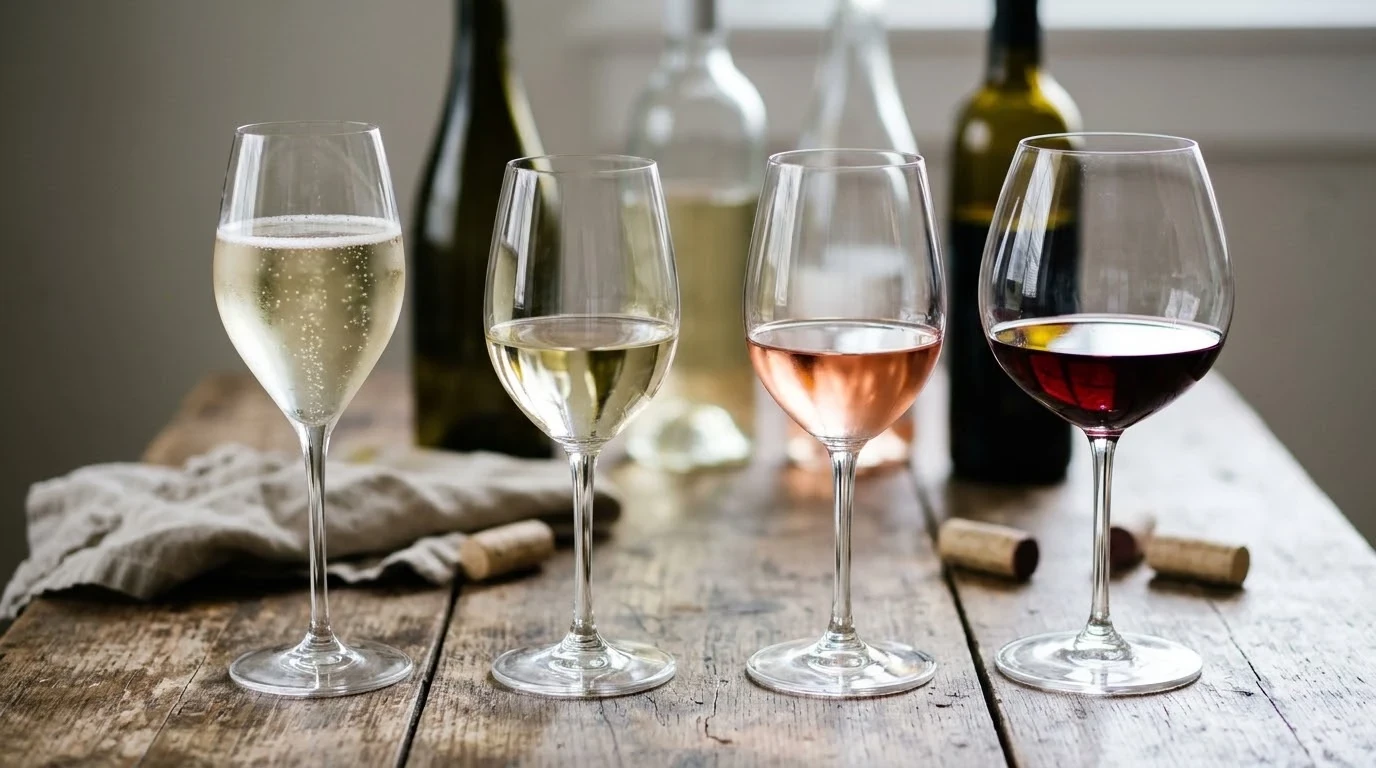
Chandon white wine is best known for its California sparkling wines, particularly Chardonnay-based Blanc de Blancs, which offer refreshing acidity, fine bubbles, citrus, pear, apple, and sometimes creamy brioche notes. The brand also produces still Chardonnay, giving wine drinkers a choice between bubbly and traditional white wine styles. Most Chandon white sparkling wines are dry or crisp rather than noticeably sweet, making them suitable for seafood, appetizers, cheese, and casual celebrations.
Chandon has a distinctive place in California wine because its winemaking combines French sparkling-wine traditions with grapes grown in California’s diverse vineyard regions. Its white wines can range from bright, straightforward sparkling blends to more complex Chardonnay-focused bottlings with extended yeast aging and subtle oak influence. Understanding the differences between these styles makes it easier to choose a bottle that suits your palate, meal, or occasion.
What Is Chandon White Wine?
Chandon white wine generally refers to the producer’s white sparkling wines and still Chardonnay. Its sparkling selection includes Chardonnay-led Blanc de Blancs and Brut wines, while its still Chardonnay offers a different experience without carbonation. The distinction matters because the grape variety, production method, and texture can be quite different even when both wines have white-fruit flavors.
CHANDON California was founded in 1973 in Napa Valley, establishing a California sparkling-wine operation inspired by the traditions of Champagne. The winery is based in Yountville, and its approach emphasizes California fruit, freshness, and approachable sparkling styles. Rather than simply reproducing French wine styles, the producer uses local growing conditions to create wines with their own regional identity.
Chardonnay plays an especially important role in the white wine selection. It provides citrus flavors, apple and pear characteristics, and the acidity needed to keep sparkling wine lively. In Blanc de Blancs, the name indicates a white wine made from white grapes. CHANDON’s Reserve Blanc de Blancs By the Bay, for example, is composed of 100% Chardonnay.
There are also differences within the sparkling category. A straightforward Brut can emphasize fresh fruit and fine bubbles, while a Reserve Blanc de Blancs may offer more pronounced texture and complexity from extended aging on yeast lees. These are useful distinctions for anyone deciding whether to choose a bottle for an aperitif, a seafood dinner, or a more formal meal.
For readers exploring other wines from the producer, Chandon red wine provides a useful comparison of how the brand approaches wines made from red grape varieties.
Main Chandon White Wine Styles to Know
Chandon’s white wine selection includes sparkling Brut, Chardonnay-focused Blanc de Blancs, Reserve expressions, and still Chardonnay. The most important distinction is whether you want lively carbonation or the softer, fuller texture of a traditional white wine.
Chandon Brut
Chandon Brut is a dry California sparkling wine made with a blend that includes Chardonnay, Pinot Noir, and Pinot Meunier. Although Pinot Noir and Pinot Meunier are red grape varieties, they can produce white sparkling wine when the juice is separated from the skins during pressing. This approach allows the winemaker to use the grapes for structure and complexity without producing a red-colored wine.
The flavor profile typically emphasizes pear, yellow apple, citrus, white peach, and floral notes. Fine bubbles provide a lively texture, while refreshing acidity keeps the finish crisp. Wine Enthusiast’s review of CHANDON NV Brut describes yellow plum, orange blossom, hazelnut, blood orange, and pink grapefruit alongside its fresh fruit characteristics.
Chandon Blanc de Blancs
Blanc de Blancs is particularly interesting for Chardonnay enthusiasts. Because the style uses white grapes, CHANDON’s Chardonnay-based version emphasizes the grape’s citrus, orchard-fruit, and mineral characteristics. The Reserve Blanc de Blancs combines these flavors with a richer texture developed through extended aging on yeast lees.
CHANDON Reserve Blanc de Blancs By the Bay is a particularly distinctive expression. Made from 100% Chardonnay, it comes from the cool-climate Los Carneros area near San Pablo Bay. Its flavor profile includes Fuji pear, apple, lemon, grapefruit, brioche, almond, honey, and vanilla. The producer’s Reserve Blanc de Blancs By the Bay product page also describes its traditional-method production, 52 months of lees aging, and recommended food pairings.
Chandon Still Chardonnay
Still Chardonnay offers a different experience from sparkling Brut or Blanc de Blancs. It has no carbonation and generally provides a fuller impression on the palate, particularly when oak fermentation and aging contribute creamy texture and vanilla characteristics.
CHANDON’s Los Carneros Chardonnay illustrates this approach. Its 2020 bottling was made entirely from Chardonnay, underwent 100% malolactic fermentation, and spent 18–20 months aging in French oak barrels. The resulting profile includes preserved lemon, pineapple, mineral notes, vanilla, and coconut.
The following comparison summarizes the main differences:
| Wine style | Main grape composition | Typical characteristics | Best use |
|---|---|---|---|
| Chandon Brut | Chardonnay, Pinot Noir, Pinot Meunier | Fine bubbles, citrus, apple, pear | Celebrations and appetizers |
| Reserve Blanc de Blancs | 100% Chardonnay | White fruit, brioche, almond, honey | Seafood and creamy dishes |
| By the Bay Blanc de Blancs | 100% Chardonnay | Fuji pear, grapefruit, citrus, mineral notes | Shellfish and richer seafood |
| Still Chardonnay | 100% Chardonnay | Lemon, pineapple, vanilla, oak | Roasted fish and creamy cheese |
Availability and specific bottlings can vary. The important point is that Chandon white wine is not one uniform style. A bottle of Brut will feel noticeably different from a Chardonnay-based Reserve sparkling wine or a still Chardonnay.
Chandon White Wine Taste and Aroma
Chandon white wines generally emphasize fresh fruit, balanced acidity, and approachable texture. Sparkling versions combine citrus and orchard-fruit flavors with fine bubbles, while still Chardonnay can show more pronounced creamy and oak-influenced characteristics.
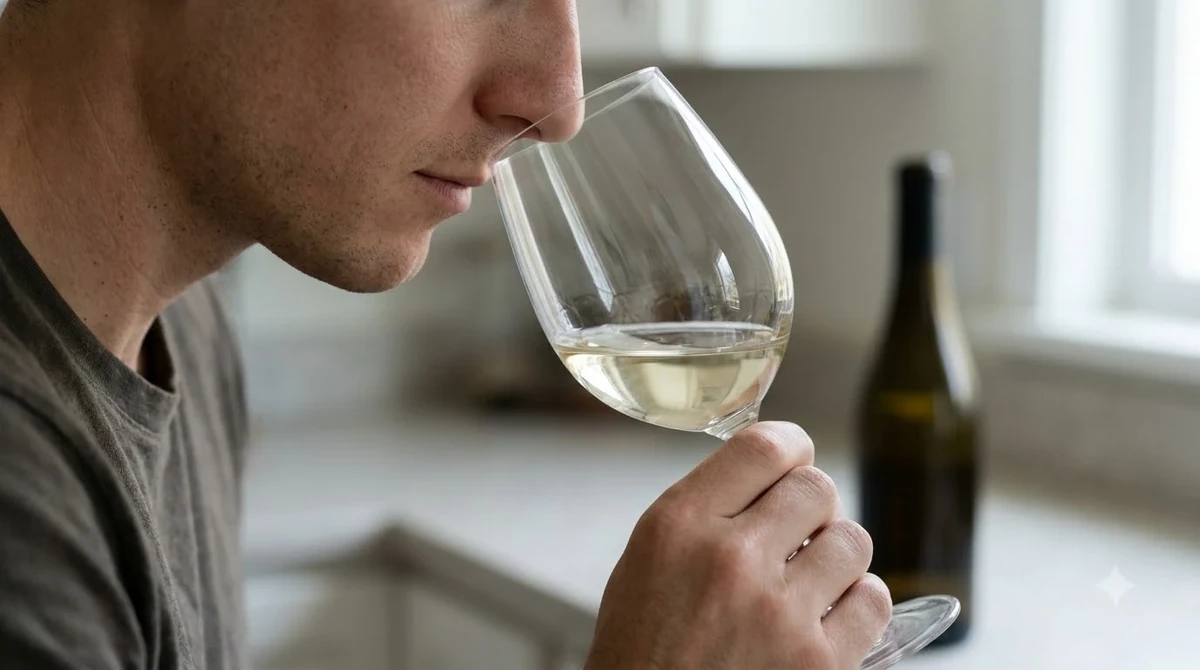
In a typical glass of Chandon Brut, expect aromas of pear, yellow apple, citrus, and white flowers. The palate may introduce white peach, nectarine, grapefruit, and subtle nutty notes. The bubbles provide a lively sensation, and the acidity keeps the fruit flavors from seeming heavy.
Blanc de Blancs tends to offer a more Chardonnay-focused expression. Lemon, grapefruit, green apple, and pear provide the fruit foundation, while aging on yeast lees contributes characteristics associated with freshly baked bread, brioche, almond, and honey. These secondary flavors help distinguish a more developed sparkling wine from a simple, fruit-forward bottling.
CHANDON By the Bay provides a good example of this combination. Its producer describes a profile involving Fuji pear, apple, citrus, brioche, almond, and honey. Wine Enthusiast also identified green apple, baking spice, ginger, and oyster-shell notes in its review of the wine.
How Chardonnay and Oak Affect the Flavor
Chardonnay is naturally adaptable, so winemaking decisions have a substantial influence on its finished character. Stainless steel fermentation generally preserves fresh fruit and clean acidity, while oak fermentation can contribute vanilla, toast, and a broader texture.
Malolactic fermentation also affects the experience. This process converts sharper malic acid into softer lactic acid, potentially creating a rounder impression. CHANDON’s 2020 still Chardonnay underwent complete malolactic fermentation, which helps explain its fuller mouthfeel and creamy character.
For sparkling wine, yeast aging adds another dimension. During this period, the wine remains in contact with spent yeast cells, developing flavors and textures associated with brioche, toast, and nuts. CHANDON By the Bay spends 52 months aging on its lees, illustrating how extended maturation can produce a more layered style.
These characteristics do not mean that every Chandon white wine tastes buttery or heavily oaked. The level of richness depends on the individual wine, its fermentation choices, and its aging process.
Is Chandon White Wine Sweet or Dry?
Most Chandon white sparkling wines are dry or predominantly crisp in style, particularly Brut and Blanc de Blancs. They can taste fruity because of their apple, pear, peach, and citrus flavors, but fruitiness should not automatically be confused with sweetness.
Brut is a sparkling-wine sweetness designation indicating a relatively dry style. The wine can still have a rounded impression from ripe fruit, lees aging, or dosage, which is the small addition made during the final stages of traditional sparkling-wine production.
It is useful to distinguish three separate sensations:
- Fruitiness: Apple, pear, lemon, and peach aromas can create an impression of ripe fruit without making the wine sweet.
- Acidity: Fresh acidity produces a crisp, mouthwatering sensation that balances fruit flavors.
- Dosage: The final addition of wine and sugar can influence the perceived sweetness of a traditional-method sparkling wine.
Brut is therefore a sensible starting point for someone who prefers dry white wine. Blanc de Blancs is another good choice, especially for drinkers who enjoy Chardonnay and more developed flavors.
It is also important not to confuse Chandon Garden Spritz with a conventional dry white sparkling wine. Garden Spritz is a ready-to-serve sparkling aperitif that combines sparkling wine with an orange and botanical flavor profile. Its more pronounced citrus and bitter-orange character makes it a different drinking experience from standard Brut.
For a closer look at the relationship between alcohol strength and the brand’s sparkling range, see our explanation of Chandon Brut alcohol content.
Alcohol Content and Serving Temperature
Chandon white sparkling wines generally have an alcohol content around 12% ABV, although individual bottlings can differ. Serving temperature also matters because excessive warmth can make the alcohol seem more prominent and reduce the refreshing impression of the bubbles.
Wine Enthusiast lists CHANDON NV Brut at 12% ABV in a standard 750 ml bottle. Its review of CHANDON By the Bay Reserve Blanc de Blancs also identifies an alcohol level of 12%. These figures provide a useful reference for the brand’s classic sparkling styles, rather than a guarantee that every white bottling has identical alcohol content.
How Much Wine Is in a Bottle?
A standard 750 ml bottle contains approximately five traditional 5-ounce servings. This makes it a practical size for a small dinner gathering or a couple sharing wine over a meal.
For a simple serving calculation, consider the following measurements:
- One standard pour: 5 ounces.
- One standard bottle: 750 ml.
- Approximate servings per bottle: 5.
- Typical alcohol content for Chandon Brut: 12% ABV.
Actual serving counts depend on glass size and how generously the wine is poured. Sparkling wine is often served in smaller pours to preserve the bubbles and allow guests to enjoy its aroma.
Best Serving Temperature
Chandon sparkling white wine is best served cold enough to preserve its freshness without suppressing its aromas. A temperature of 40–50°F is a useful general range for sparkling wine. Chardonnay-focused sparkling styles can also benefit from being served toward the warmer end of that range.
Still Chardonnay requires a slightly different approach. Chandon’s 2020 Los Carneros Chardonnay has a recommended service temperature of 50–54°F. This allows its citrus, pineapple, vanilla, and mineral characteristics to become more expressive.
Tip: Chill Chandon sparkling wine in the refrigerator before serving and avoid leaving the bottle in the freezer for an extended period. Serve sparkling bottlings around 40–50°F and still Chardonnay around 50–55°F to preserve a good balance of freshness and aroma.
Best Food Pairings for Chandon White Wine
Chandon white sparkling wines work particularly well with seafood, salty appetizers, fried foods, and creamy cheeses. Their acidity refreshes the palate, while the bubbles provide contrast to richer textures and savory flavors.
Chardonnay-focused Blanc de Blancs is especially versatile at the dinner table. Its combination of citrus, apple, brioche, and mineral notes can complement both delicate seafood and dishes with more pronounced butter or cream components.
Seafood and Shellfish
Seafood is among the most natural pairings for Chandon Blanc de Blancs. Oysters, scallops, steamed clams, and Dungeness crab cakes work particularly well with the wine’s acidity and delicate fruit flavors.
For a simple appetizer, serve baked oysters with a light butter and herb topping. The wine’s citrus character can cut through the richness, while its bubbles provide a refreshing contrast. Scallops with lemon butter are another excellent option because their delicate sweetness complements Chardonnay’s apple and pear characteristics.
Fish tacos are also a suitable pairing, especially when prepared with fresh herbs, cabbage, and a citrus-based dressing. The acidity in the wine helps balance the seasoning and the richness of any accompanying sauce.
Cheese and Creamy Dishes
Triple-cream cheeses, creamy risotto, and soft cheeses can complement the fuller texture of Reserve Blanc de Blancs. The contrast between creamy food and lively acidity creates a balanced combination.
For a cheese board, consider Brie, Camembert, or a mild triple-cream cheese. Add plain crackers, sliced pear, and lightly salted nuts to reinforce the wine’s orchard-fruit and almond characteristics.
Still Chardonnay can also work well with richer dishes. A creamy mushroom risotto or roast cod with a light butter sauce complements its fuller texture and subtle oak characteristics.
Vegetables and Light Appetizers
Vegetable dishes provide additional options for people who want to serve Chandon without making seafood the centerpiece. Roasted cauliflower, shaved fennel salad, and baked potato wedges are suitable matches for Blanc de Blancs.
For an appetizer spread, consider the following combinations:
- Roasted cauliflower: Its mild sweetness and browned edges complement Chardonnay’s citrus and mineral flavors.
- Shaved fennel salad: Fresh fennel reinforces the wine’s crisp, refreshing character.
- Tempura vegetables: The bubbles and acidity provide contrast to the fried coating.
- Potato wedges: Their savory, slightly salty flavor works with dry sparkling wine.
- Triple-cream cheese: Its rich texture balances the wine’s acidity.
There are a few pairings that require more care. Very spicy dishes can make alcohol feel hotter, while heavily tannic red wines are generally better suited to richer meat dishes. For Chandon white sparkling wine, moderate seasoning, fresh ingredients, and balanced sauces are usually the safest choices.
How to Store and Enjoy Chandon White Wine
Proper storage helps maintain the freshness, aromas, and carbonation of Chandon white wine. Unopened bottles should be kept away from direct sunlight, excessive heat, and major temperature fluctuations.
For longer storage, keep wine bottles on their sides in a cool location near 55°F when the closure benefits from contact with the wine. Avoid storing bottles next to ovens, radiators, or other heat sources. A consistently cool environment is preferable to repeated changes in temperature.
Opening a Bottle of Sparkling Wine
Chandon sparkling wine should be opened carefully because the pressure inside the bottle can force the cork out unexpectedly. Start by removing the foil and loosening the wire cage while keeping your thumb over the cork.
Hold the bottle at approximately a 45-degree angle, pointing it away from people and fragile objects. Grip the cork firmly and rotate the bottle slowly rather than pulling the cork upward. The goal is a controlled release of pressure, not a loud pop.
After opening, pour slowly into clean sparkling-wine glasses. A flute preserves visible bubbles, while a tulip-shaped glass provides additional room for aromas to develop.
Keeping Leftover Wine Fresh
Once opened, sparkling wine gradually loses carbonation. Refrigeration and a proper sparkling-wine stopper can slow this process, helping preserve the wine for approximately 1–3 days.
Still Chardonnay generally lasts around 3–5 days in the refrigerator after opening when properly resealed. Its fruit character and freshness will gradually decline, so it is best enjoyed within that period.
Keep the bottle upright in the refrigerator after opening, and avoid leaving it uncovered on the counter. Temperature control and limiting exposure to air help preserve the wine’s original characteristics.
For the best experience, plan the bottle around a meal or gathering so that it can be enjoyed while its aromas and texture remain fresh. Sparkling Chandon is particularly enjoyable as an aperitif before dinner or alongside a seafood-focused menu.
Frequently Asked Questions
Is Chandon white wine the same as Champagne?
No. Chandon California sparkling wine is produced in California, while Champagne is a protected wine designation associated with the Champagne region of France. Both can use traditional bottle fermentation, but their geographic origins and applicable production regulations are different. Chandon uses California-grown grapes and expresses the characteristics of its own growing regions.
Does Chandon make nonalcoholic white sparkling wine?
CHANDON’s Garden Tea and Garden Spritz offerings should not automatically be confused with alcohol-free wine. Garden Tea combines sparkling wine with Earl Grey tea, while Garden Spritz is a ready-to-serve sparkling aperitif. Look for a specifically identified alcohol-free product if avoiding alcohol is essential.
What does Blanc de Blancs mean on a Chandon bottle?
Blanc de Blancs means white wine made from white grapes. In CHANDON Reserve Blanc de Blancs By the Bay, the grape composition is 100% Chardonnay. This distinguishes it from Blanc de Noirs, a white sparkling wine made from black-skinned grapes such as Pinot Noir.
Why does Chandon sparkling wine have small bubbles?
Carbon dioxide is produced and retained during sparkling-wine production. In traditional-method wines, the second fermentation takes place inside the bottle, creating the carbonation. Bottle aging on yeast lees can also contribute to the wine’s texture and aromatic complexity.
What does extended lees aging contribute to Chandon Blanc de Blancs?
Lees aging allows the wine to develop additional texture and more complex aromas through contact with spent yeast cells. These characteristics can include brioche, toasted nuts, and creamy notes. CHANDON By the Bay spends 52 months on its lees, while its aging process helps distinguish the Reserve style from simpler sparkling wines.
Chandon white wine offers several appealing choices, from crisp Brut sparkling wine to Chardonnay-focused Blanc de Blancs and richer still Chardonnay. For a fresh, versatile bottle, start with Brut; for more layered flavors and a richer texture, consider Reserve Blanc de Blancs. Serve the wine at the appropriate temperature and pair it with seafood, creamy cheese, or fresh appetizers to bring out its best characteristics.
More in Wine Brands
 Underwood Wine Price: Compare Bottles, Cans, and Pack SizesUpdated Nov 21, 2026
 Zenato Wine Price: Compare Styles and Choose the Right BottleUpdated Nov 21, 2026
 Zuccardi Wine Price: Compare Bottles and Find the Right RangeUpdated Nov 21, 2026
 Yellow Tail Moscato Review: Taste, Sweetness and Serving TipsUpdated Nov 21, 2026
 Wolf Blass Yellow Label Review: Choose Your Best StyleUpdated Nov 21, 2026
 Wolffer Estate Rose Review: Choose the Right Bottle for Your TableUpdated Nov 21, 2026