

We may earn a commission when you buy through links on this page, at no extra cost to you. Learn more.
Champagne with fried chicken is a high-acid, high-bubble pairing that cuts through the crust’s fat and salt while echoing its browned, savory notes. A dry brut served at 46-50°F is the default, and a blanc de blancs or dry rosé gives more precision with spicy glazes. The match works across Southern buttermilk chicken, Korean double-fried wings, and Nashville hot chicken, as long as the wine’s sweetness and alcohol are chosen with the glaze in mind.
Fried chicken is built on contrast: a shattering crust, juicy dark meat, salt, fat, and often a little heat. Champagne meets that contrast with a structure of its own, combining tart acidity, persistent bubbles, and the yeasty richness that comes from months on the lees. The pairing is not a novelty once you understand which styles work with which crusts and sauces.
Why Champagne With Fried Chicken Works
Fried chicken delivers salt, fat, and crunch; Champagne answers with acidity, bubbles, and yeast. The result is a palate that resets between bites instead of tiring after the first piece.
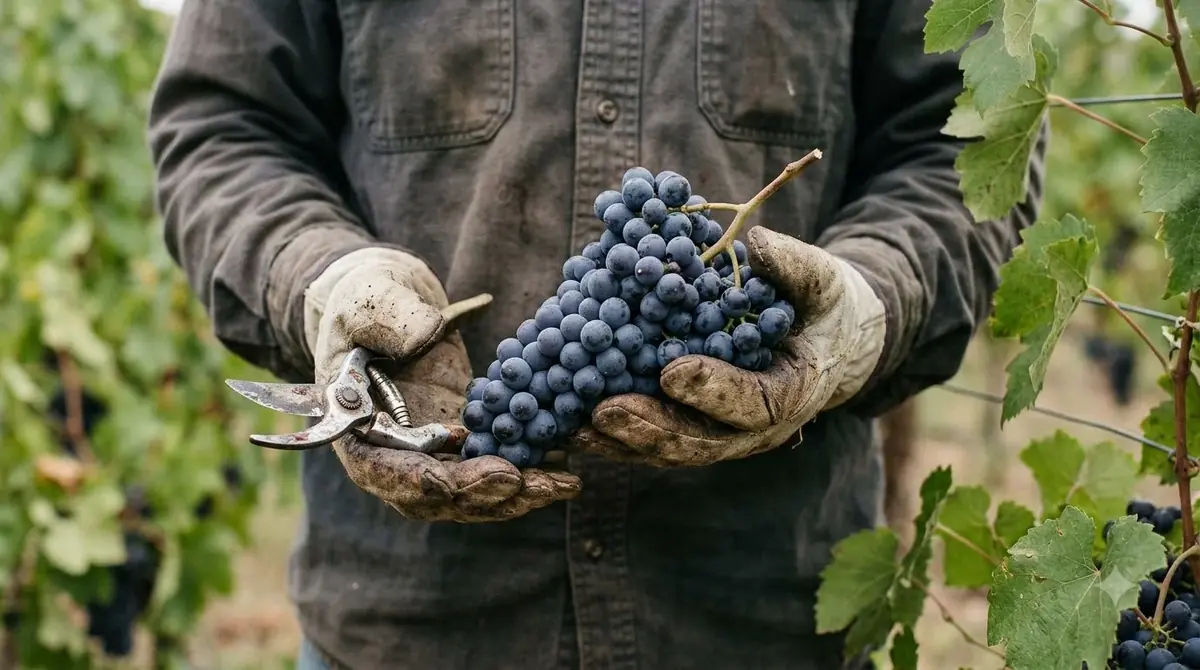
The first mechanism is acidity. Champagne is one of the most acidic wine categories in the world, a point sommelier Victoria James makes in Food & Wine, because the grapes grow in cold northern France and retain tartness rather than developing soft, ripe fruit. That tartness acts like a squeeze of lemon over fried food: it lifts the richness and makes the next bite taste fresh.
The second mechanism is carbonation. A standard bottle of Champagne holds about five atmospheres of pressure, roughly double the pressure in a car tire, according to Food & Wine. Those tight bubbles scrub the palate and help break up the oil that coats the tongue after a bite of crust. Beer can do something similar, but Champagne’s bubbles are finer and more persistent, so the cleansing effect lasts through a whole bucket.
The third mechanism is lees aging. To earn the name Champagne, the wine must spend at least 12 months on the lees, according to Wine Enthusiast. During autolysis, the dead yeast cells release compounds that give the wine a rounded mouthfeel and creamy, bready notes. Those notes flatter the browned flour crust and the savory depth of the chicken, especially in a bird with a buttermilk brine and a well-seasoned coating.
The Best Champagne Styles for Fried Chicken
Brut is the safest starting point, but the right style depends on the crust, the glaze, and the heat level. The dosage category on the label tells you how much sugar was added after disgorgement, and that number matters more with fried chicken than with many other foods.
A blanc de blancs, usually made entirely from white grapes such as Chardonnay, tends to be taut, citrusy, and chalky. Its high acid is a strong match for a classic Southern buttermilk crust with paprika, garlic, and black pepper, because the wine cuts the fat without adding weight. A blanc de noirs, made solely from Pinot Noir and Meunier, is rounder and often shows red-fruit and toasted notes; it suits darker meat, wings, and fried chicken with a mushroom or gravy side. A dry rosé Champagne brings red-fruit freshness and a little more generosity, which helps with honey-butter chicken and medium-spicy glazes.
Dosage is the other decision. Brut, at less than 12 grams of sugar per liter, is the broadest match for savory fried chicken. Extra Brut and Brut Nature are drier and more austere, so they work best with plainly seasoned chicken and a squeeze of lemon. Extra Dry, despite the name, is sweeter than Brut and can bridge a hot-honey glaze or a sweet-soy Korean sauce.
| Champagne label | Sugar (grams per liter) | Style | Best fried chicken match |
|---|---|---|---|
| Brut Nature | Less than 3 | Bone-dry, lean, chalky | Plain crispy wings with lemon |
| Extra Brut | 0-6 | Very dry, high-acid | Classic Southern buttermilk thigh |
| Brut | Less than 12 | Dry, balanced, versatile | Most fried chicken, including soy-garlic Korean wings |
| Extra Dry | 12-17 | Off-dry, rounder | Nashville hot chicken or honey-butter chicken |
| Sec | 17-32 | Noticeably sweet | Coconut fried chicken with mango slaw |
| Demi-Sec | 32-50 | Sweet, dessert-adjacent | Hot-honey chicken and waffles |
The table is a guide, not a rule. A bone-dry Brut Nature can taste sharp beside a sticky gochujang glaze, while a Demi-Sec can overwhelm a simple drumstick. Match the wine’s sweetness to the sauce’s sweetness, and match its acidity to the amount of fat and frying oil on the plate.
Matching Champagne to Fried Chicken Styles
The crust and sauce decide the wine more than the bird itself. A flour-dredged Southern breast, a double-fried Korean wing, and a cayenne-lacquered Nashville thigh each need a different balance of acid, bubbles, and sweetness.
Classic Southern Buttermilk Fried Chicken
A buttermilk brine tenderizes the meat and leaves a tangy film that helps the flour crust set. Wine Folly describes the classic seasoning as paprika, garlic, and black pepper, with the chicken rolled in flour and fried in vegetable oil. That crust is rich but not sweet, so a brut Champagne or a high-acid blanc de blancs is the cleanest match. The wine’s acid cuts the oil, and the bubbles lift the salt.
Korean Double-Fried Chicken With Soy-Garlic or Gochujang
Korean fried chicken is often double-fried for a glassy, long-lasting crust and then brushed with a glaze. A soy-garlic glaze is savory and slightly sweet, and it works well with a brut Champagne that has enough yeastiness to echo the fried coating. A gochujang glaze adds fermented chili sweetness and heat; a brut rosé or an Extra Dry Champagne can handle that combination better than a bone-dry Extra Brut. For a wider framework of acid, fat, and heat, see our Grape x Food pairing guide.
Nashville Hot Chicken and Hot-Honey Chicken
Nashville hot chicken carries a cayenne-heavy paste that can make a dry, high-alcohol wine taste harsh. Alcohol amplifies chili heat, so a lower-alcohol brut served cold is safer than a powerful vintage Champagne. Hot-honey chicken is a different problem: the honey adds sweetness, so an Extra Dry or Demi-Sec Champagne can mirror that sweetness and keep the heat in check. Avoid sweet barbecue sauce with a dry brut; the sugar in the sauce flattens the wine’s fruit and makes the acidity taste sharp.
Serving Temperature and Glassware
Champagne for fried chicken should be cold but not numbing: 46-50°F, in a white-wine glass or tulip. Serving it too cold mutes the brioche aromas that make the pairing work, while serving it too warm makes the bubbles foamy and the alcohol prominent.
Comité Champagne recommends 8-10°C, or 46-50°F, and advises chilling the bottle in an ice bucket for 20-30 minutes before serving. A tulip glass or a standard white-wine glass is better than a narrow flute because the wider bowl lets the wine breathe and delivers more aroma with each sip. Fill the glass about one-third full, or pour a 5-ounce serving, so there is room to swirl without losing the bead.
A 750 ml bottle pours about five 5-ounce glasses, which is enough for two people to share a bucket of chicken without running dry. If you open a second bottle, keep it in the ice bucket and let it warm slightly in the glass; a Champagne that starts at 46°F will climb toward 50°F in a few minutes at the table, which is exactly where you want it.
Tip: Chill Champagne to 46-50°F, then pour 5 ounces into a white-wine glass or tulip. The wider bowl keeps the bubbles active while letting the yeasty aromas reach the nose, and the larger surface area makes the wine taste less sharp beside salty fried chicken.
Sides, Condiments, and the Rest of the Table
Creamy, acidic sides keep the palate fresh, while sweet sauces are the one real hazard. The best table for Champagne and fried chicken includes something crunchy, something vinegar-bright, and something starchy to soak up the wine.
A vinegar-based coleslaw with shredded cabbage and a little mustard seed is ideal because its acidity mirrors the Champagne and resets the palate between pieces. Bread-and-butter pickles or dill pickles add salt and vinegar without fat, and a buttermilk biscuit gives the yeasty Champagne something to echo. Macaroni and cheese is richer, so it pushes the pairing toward a blanc de blancs with higher acid or an Extra Brut rather than a soft, low-acid style.
If you are serving chicken pot pie instead of fried chicken, our guide to what wine goes with chicken pot pie applies the same acid-first logic to a creamy, savory crust. A Greek salad with feta, lemon, and oregano follows the principle behind the best wine with Greek food: salt, acid, and fresh herbs refresh the palate and keep the wine tasting lively. For a still-wine option beside the bubbles, a Chenin Blanc food pairing brings quince, honey, and firm acidity that can stand up to fried skin.
Budget Bubbles and Alternatives
Crémant, Cava, and Prosecco can deliver a similar cut for less, but they are not identical to Champagne. Crémant uses the traditional method and can be made in several French regions; Cava undergoes a second fermentation in the bottle, like Champagne; Prosecco is made from Glera in a tank method and typically has 11-12% ABV.
For fried chicken, a dry Crémant or Cava is the closest structural substitute for Champagne because both bring high acid and persistent bubbles. Prosecco is fruitier and often slightly sweeter, which can work with hot-honey chicken but may feel soft beside a heavily salted, peppery crust. Wine Folly lists sparkling rosé as the pick for spice and heat, and Riesling as a still-wine option for spicy fried chicken, especially Korean or Nashville styles.
If you choose a still wine instead of bubbles, look for high acidity and low tannin. A dry Riesling, Grüner Veltliner, or unoaked Chenin Blanc can cut through fried food without the tannic grip that clashes with delicate chicken skin. The bubbles are not mandatory, but they are the most reliable way to keep the palate fresh across a whole meal.
Common Mistakes to Avoid
Most disappointing Champagne-and-fried-chicken meals come from temperature, glassware, or a sauce that fights the wine. The pairing is forgiving, but a few avoidable choices can make even a good bottle taste dull or harsh.
Over-chilling Champagne to 40°F or below mutes the bready, nutty notes and makes the acid taste aggressive. A narrow flute preserves bubbles but concentrates the wine’s aroma, so the fried chicken’s salt and the Champagne’s yeast never really meet. A sweet barbecue sauce or a sticky honey glaze paired with a bone-dry Brut can make the wine taste thin and sharp; match sweetness with sweetness instead.
High-alcohol Champagne and fiery Nashville hot chicken can amplify the burn, so serve a lower-alcohol brut or an off-dry style with heat. And do not treat the dosage label as a quality ranking: Brut Nature is not “better” than Brut, it is simply drier and needs a plainer crust to show at its best.
Frequently Asked Questions
Does Champagne go with spicy fried chicken?
Yes, but the wine’s alcohol and sweetness need to match the heat. A brut rosé or an off-dry sparkling wine can bridge chili and honey glazes, while a bone-dry, high-alcohol Champagne can make cayenne taste even hotter. Serve the wine cold and keep the fried chicken’s sauce on the side so each bite can be adjusted.
Is Prosecco a good substitute for Champagne with fried chicken?
Prosecco can work, but it is a different drink: it is made from Glera, uses the tank method, and typically has 11-12% ABV. Its fruitier, softer profile suits hot-honey wings and milder fried chicken, while a dry Crémant or Cava is a closer structural match for Champagne’s acid and bubble texture.
Should I decant Champagne before serving it with fried chicken?
Champagne is not normally decanted, because the process drives off the bubbles that make the pairing work. A wide-bowl white-wine glass or tulip does the job instead: it releases the yeast and brioche aromas while keeping enough carbonation to cut through the fried crust.
How long does opened Champagne last in the refrigerator?
Opened sparkling wine keeps for 1-3 days in the refrigerator with a tight stopper. The bubbles will fade after the first day, so the wine is best used for a second round of fried chicken rather than saved for a special occasion.
What is the difference between blanc de blancs and blanc de noirs with fried chicken?
Blanc de blancs is made from white grapes, usually Chardonnay, and tends to be taut, citrusy, and chalky; it suits lean, crispy Southern chicken. Blanc de noirs is made solely from Pinot Noir and Meunier, so it is rounder and red-fruited, which works better with darker meat, wings, and mushroom gravies.
Champagne and fried chicken belong together because the pairing solves a real problem: fried food is rich, salty, and low in acid, while Champagne is tart, bubbly, and yeasty. Choose a brut for classic buttermilk chicken, a dry rosé for spicy glazes, and a blanc de blancs when you want the crust to taste even crisper. Serve it cold, pour it into a wide glass, and keep the sides bright and acidic.
More in Food & Wine Pairing
 Risotto With White Wine Recipe: Make a Creamy Dinner at HomeUpdated Nov 20, 2026
 Wassail With Wine Recipe for a Festive Spiced Holiday DrinkUpdated Nov 20, 2026
 Spritz Veneziano Recipe: Make a Classic Venetian Aperitivo at HomeUpdated Nov 20, 2026
 Summer Wine Punch Recipe for Easy Homemade EntertainingUpdated Nov 20, 2026
 Bishop Recipe: How to Make a Bright, Citrus-Forward Red Wine CocktailUpdated Nov 20, 2026
 Wine Cupcakes Recipe: Bake Rich Chocolate Cupcakes at HomeUpdated Nov 20, 2026