

We may earn a commission when you buy through links on this page, at no extra cost to you. Learn more.
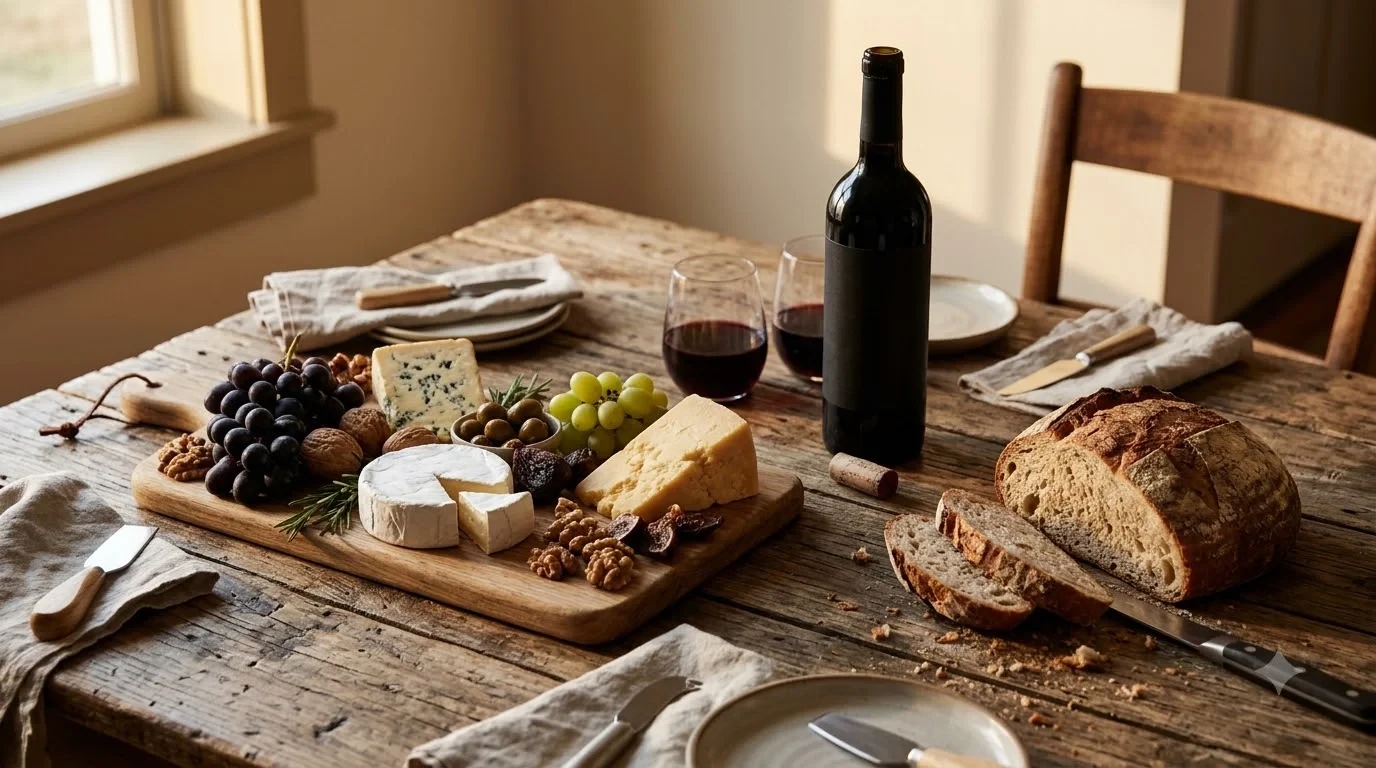
Champagne with cheese works best when the bubbles and acidity cut through the richness of the cheese, and a dry brut is the safest starting point. The crisp acidity and fine bubbles refresh your palate after each bite. Soft, hard, blue and aged cheeses each suit a slightly different style, from dry brut to richer vintage bottles and rosé.
If you are planning a cheese course or a holiday platter, you do not need a sommelier to get a good match. This guide explains which Champagne styles suit different cheeses, why the pairing works, and how to serve both so each one shows its best side.
What Makes Champagne a Good Cheese Pairing
Champagne pairs well with cheese mainly because its acidity and bubbles clean the palate between bites. Cheese is rich in fat and often salty, so a lively wine helps each bite taste fresh again.
Champagne is a sparkling wine from the Champagne region of France, and its alcohol content tends to sit around 12 percent, according to the official Champagne region FAQ. That moderate strength lets it stand up to food without overpowering delicate cheeses. The sparkle also adds lift, so a rich spoonful of soft cheese can feel lighter in the mouth.
Think of acidity as a reset button. Fat coats the tongue, and the acid in the wine cuts through that coating. Bubbles add a scrubbing effect that many people find refreshing. For this reason, dry styles usually work better than sweet ones with most cheeses, and that idea runs through every pairing below.
Best Champagne Styles for Cheese
Sugar level is the easiest way to sort Champagne styles. Drier bottles suit most cheese plates, while sweeter ones can handle very salty or strong cheeses and fruit-heavy platters.
The official Champagne FAQ explains that the sugar is added at the dosage stage and that grams per litre define each style. Brut is the label you will see most often, and it means less than 12 grams of sugar per litre. Extra-Brut and Brut Nature sit even drier, while Sec, Demi-Sec and Doux move toward sweetness.
| Style | Sugar per litre (official definition) | Cheese match |
|---|---|---|
| Brut Nature (Pas Dosé) | Less than 3 grams | Fresh goat cheese and sharp, salty bites |
| Extra-Brut | 0 to 6 grams | Tangy fresh cheeses and crisp, lean cheeses |
| Brut | Less than 12 grams | Most soft, hard and aged cheeses |
| Extra-Dry | 12 to 17 grams | Mild cheeses and cheese with fruit |
| Sec | 17 to 32 grams | Salty blue cheese and spicy accompaniments |
| Demi-Sec | 32 to 50 grams | Blue cheese served with honey or fruit |
| Doux | More than 50 grams | Sweet dessert cheese plates |
Non-vintage Champagne blends several years and is meant to taste consistent from bottle to bottle, which makes it a dependable choice for a mixed platter. A vintage Champagne comes only from the grapes of one harvest year, so it is usually reserved for exceptional years and tends to have more character for a special cheese course.
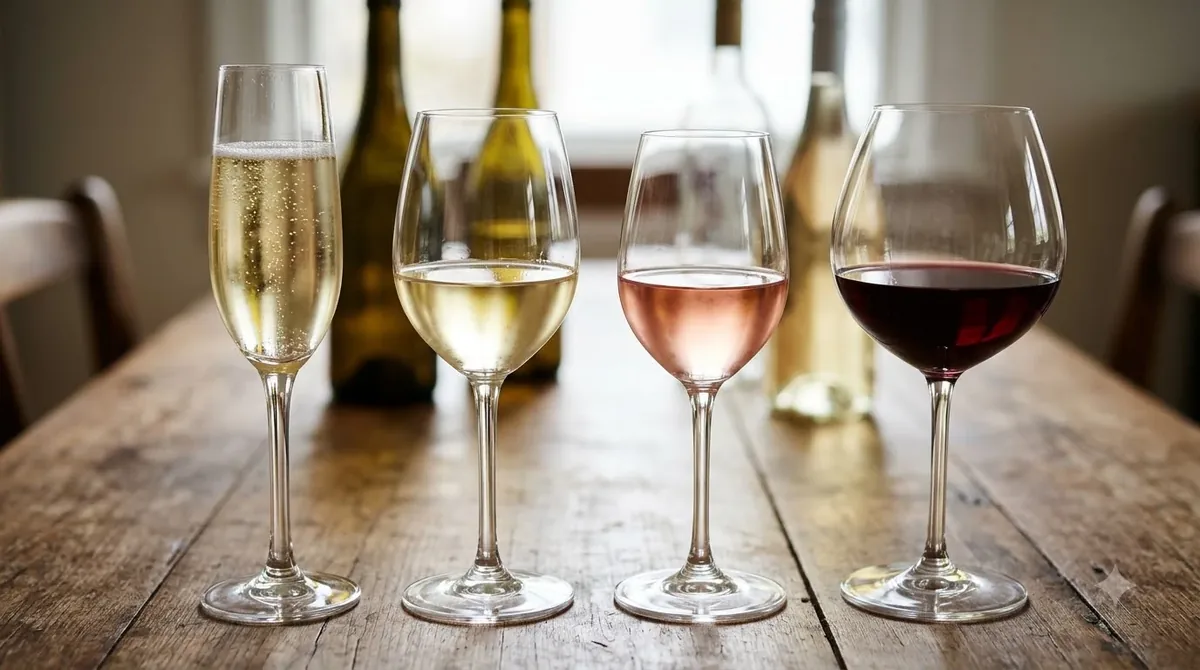
Style of grape matters too. A Blanc de Blancs is made exclusively from white grapes and tends to be crisp, which suits fresh cheeses. A Blanc de Noirs is made from dark-skinned grapes and often feels fuller. A rosé has more colour and body than regular Champagne, so it can handle richer, aged cheeses. If you are new to the region behind these styles, read where is champagne from for background on its vineyards.
Pairing Champagne With Soft Cheeses
Soft, creamy cheeses such as brie and camembert are usually the easiest match for a dry sparkling wine. A Brut or Blanc de Blancs brings crisp fruit and acidity that lift the buttery texture without fighting it.
Fresh goat cheese and young, mild cheeses also suit a Brut Nature or Extra-Brut bottle. The wine’s sharpness echoes the tang in the cheese, and the bubbles keep the pairing feeling light. Choose a bottle with a clean finish, since heavy or very toasty flavours can flatten a delicate cheese.
Soft cheeses with a stronger rind or a richer centre pair well with a rosé. The red-fruit notes in a rosé match the earthy, savoury side of many washed-rind cheeses. Try a small piece of each style side by side, and you will quickly notice which wine lets the cheese taste most like itself.
Pairing Champagne With Hard and Aged Cheeses
Aged hard cheeses have concentrated, nutty and sometimes crystalline flavours. A vintage Champagne or a fuller Blanc de Noirs can match that depth, while a dependable Brut still works as an easy choice for a mixed board.
Aged Comté, aged gouda and well-matured cheddar all pair nicely with a Brut or a rosé. The bubbles scrub the palate after each salty crumb, and the wine’s acidity keeps the richness from feeling heavy. A nutty, toasty bottle can bring out the caramel notes already in an aged cheese.
For a special occasion, a vintage bottle is the most rewarding option. Because a vintage Champagne is made only from one harvest year, it often shows more complexity than a non-vintage wine. Serve it with a small portion of an aged cheese so the wine and the cheese both have room to show their character.
Pairing Champagne With Blue Cheeses
Blue cheese is salty and assertive, so it needs a wine with enough sweetness and body to hold its own. Very dry bottles can taste sharp and thin next to a strong blue, which is why many tasters reach for a sweeter style.
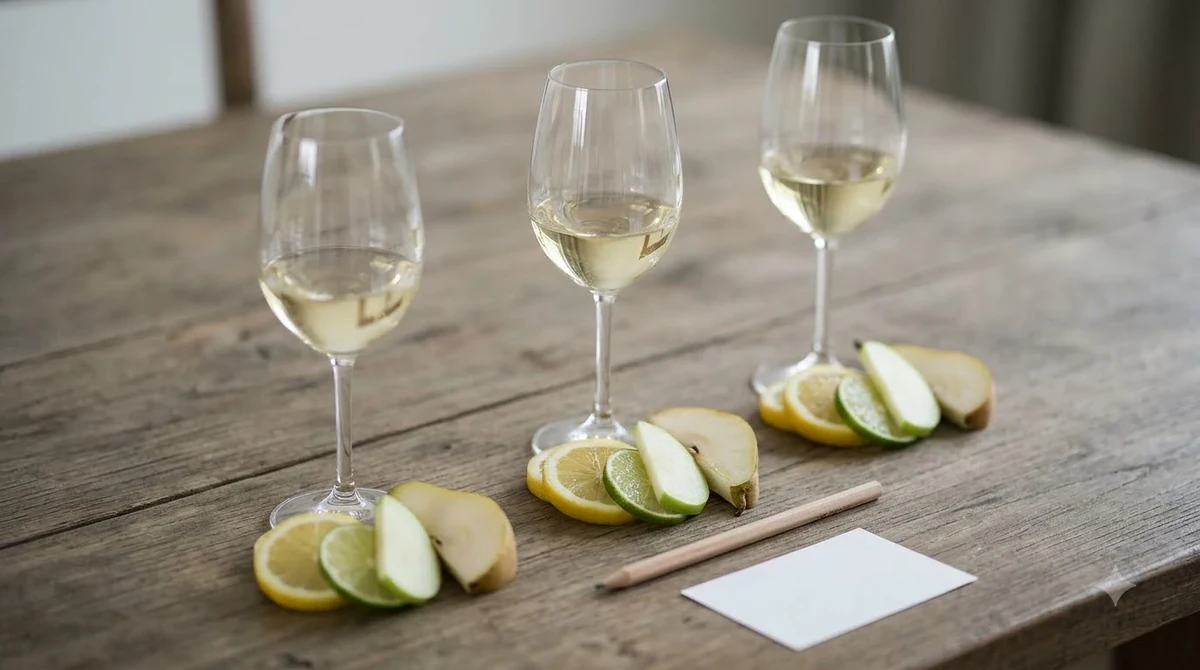
A Sec or Demi-Sec Champagne is a good match for blue cheese because the extra sugar balances the salt. Honey, dried fruit and fresh pear make the pairing even smoother. Doux styles work best with richer, sweeter blues served as a dessert course, since they are the sweetest category in the official scale.
If you prefer a drier bottle, a Brut can still work with a mild blue, especially when the cheese is served with fruit. Start with a small amount of the blue and taste it with the wine before you commit to a full wedge. Many people find that the right match is a sweeter style than they expected.
Cheese Board Ideas and Serving Tips
A good cheese board runs from mild to strong, so your palate does not get overwhelmed early. Serve soft cheeses first, then hard and aged cheeses, and finish with blue. Pour a dry Champagne at the start and move to a sweeter style toward the end if you plan to serve blue cheese last.
Serve Champagne cold but not icy, and check the producer’s serving guidance on the label or website. Choose a tulip-shaped flute or a standard wine glass rather than a very wide bowl, since a narrower glass keeps the bubbles and aromas more contained. Pour a small amount at a time so the wine stays lively throughout the course.
For simple board ideas, pair the cheeses with pear slices, green grapes, apple, walnuts, plain crackers and a small dish of honey. Fruit and nuts add texture and sweetness without overpowering the bubbles. If you are watching how much sugar and alcohol you drink, the guide on champagne carbs explains what to expect from different bottles.
Tip: Serve smaller cheese portions and pour modest glasses. You will taste the pairing more clearly, and the evening stays relaxed and enjoyable.
Frequently Asked Questions
Is brut the best Champagne to serve with cheese?
Brut is the most versatile choice for cheese because it is dry enough to cut through richness and still gentle enough for most cheeses. It works well with soft, hard and aged cheeses. For blue cheese, a sweeter style often gives a better balance.
Can I serve rosé Champagne with cheese?
Yes. A rosé has more colour and body than regular Champagne, so it can match richer and aged cheeses. Its red-fruit notes also suit washed-rind and savoury cheeses. It is a good option when you want one bottle to work across a varied board.
Does vintage Champagne pair better with cheese?
A vintage Champagne often shows more complexity, which suits aged and special cheeses. It comes from one harvest year and is typically made in outstanding years. For everyday cheese plates, a non-vintage Brut is usually more practical and just as enjoyable.
Which cheese is hardest to match with Champagne?
Strong blue cheese is often the most challenging because its salt and intensity can overpower dry bottles. A Sec or Demi-Sec style usually handles it better. Test a small piece with a few styles to find the balance you like most.
Champagne with cheese is a simple pairing once you match the style to the cheese. Start with a dry Brut, then branch into rosé, vintage or sweeter bottles as your palate develops. To keep exploring, visit Wine by Type for more guides on sparkling and still wines.
More in Wine Types & Grapes
 Zinfandel Sugar Content: Dry Red vs. White Zinfandel GramsUpdated Nov 21, 2026
 Best Zinfandel Substitute Options for Sipping and CookingUpdated Nov 21, 2026
 Zweigelt Food Pairing: Best Dishes, Cheeses, and Serving TipsUpdated Nov 21, 2026
 Zinfandel Tannins Explained: How Structure Shapes Every BottleUpdated Nov 21, 2026
 Zinfandel Sweetness Level: Dry Red vs. Sweet White Zin ExplainedUpdated Nov 21, 2026
 Xinomavro Food Pairing: Best Dishes, Styles, and Serving TipsUpdated Nov 21, 2026