
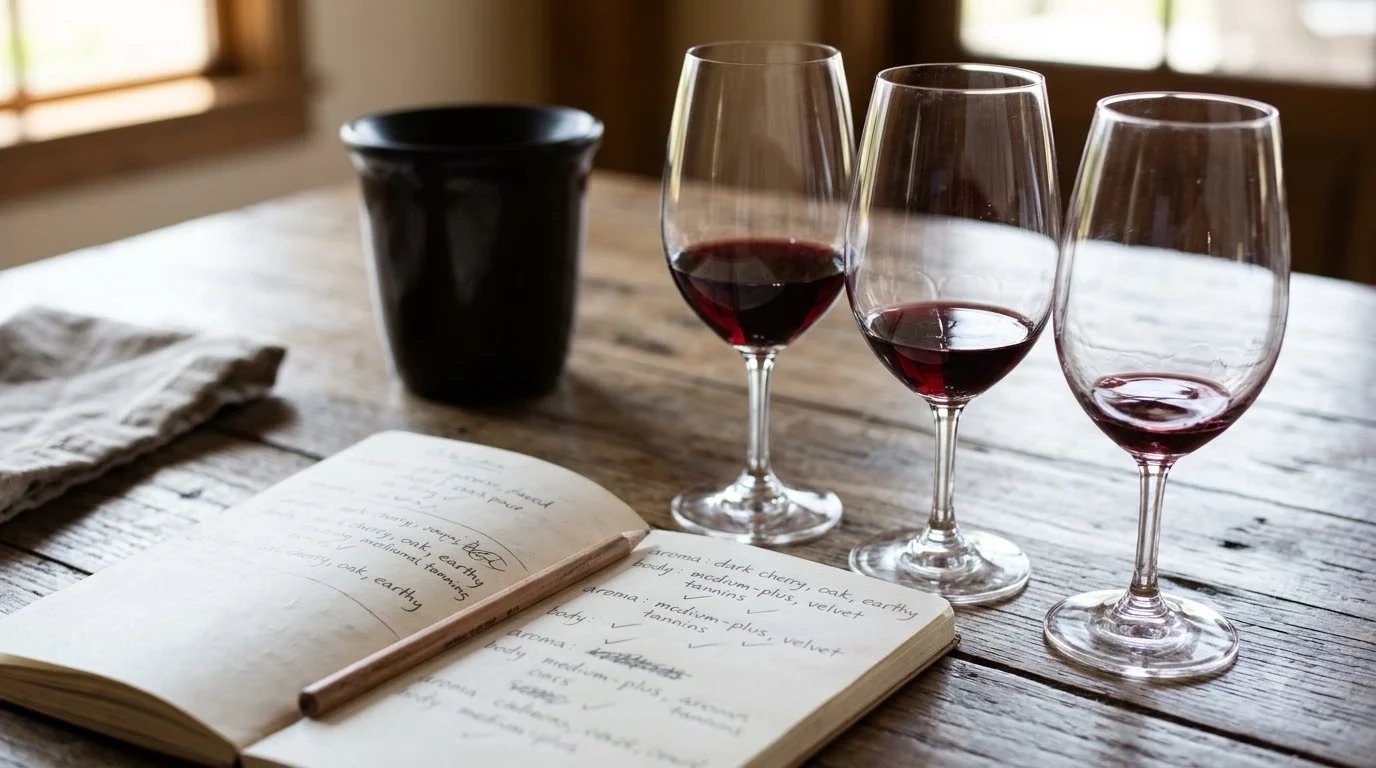

We may earn a commission when you buy through links on this page, at no extra cost to you. Learn more.
Champagne wine tasting is the process of evaluating Champagne’s bubbles, color, aromas, acidity, sweetness, and finish to understand its style and quality. Start by serving the wine at approximately 46–50°F in a tulip-shaped glass, then observe its appearance, smell its aromas, and take a small sip. Learning how Chardonnay, Pinot Noir, and Meunier influence the wine makes it easier to recognize differences between Blanc de Blancs, Blanc de Noirs, rosé, vintage, and non-vintage Champagne.
Champagne offers more to discover than its familiar bubbles and celebratory reputation. Its character reflects grape varieties, vineyard conditions, blending decisions, aging, and dosage, the addition of a sugar-and-wine mixture near the end of production. A thoughtful tasting helps connect these details with what appears in the glass, whether the wine smells of lemon and white flowers or develops richer notes of toast, nuts, and brioche. The following techniques provide a practical way to evaluate Champagne at home, at a winery visit, or during a guided tasting.
Preparing for a Champagne Wine Tasting
A successful Champagne tasting begins with the right temperature, suitable glassware, and a setting that allows the wine’s aromas to develop. These details help preserve the freshness of the sparkling wine without hiding its more delicate characteristics.
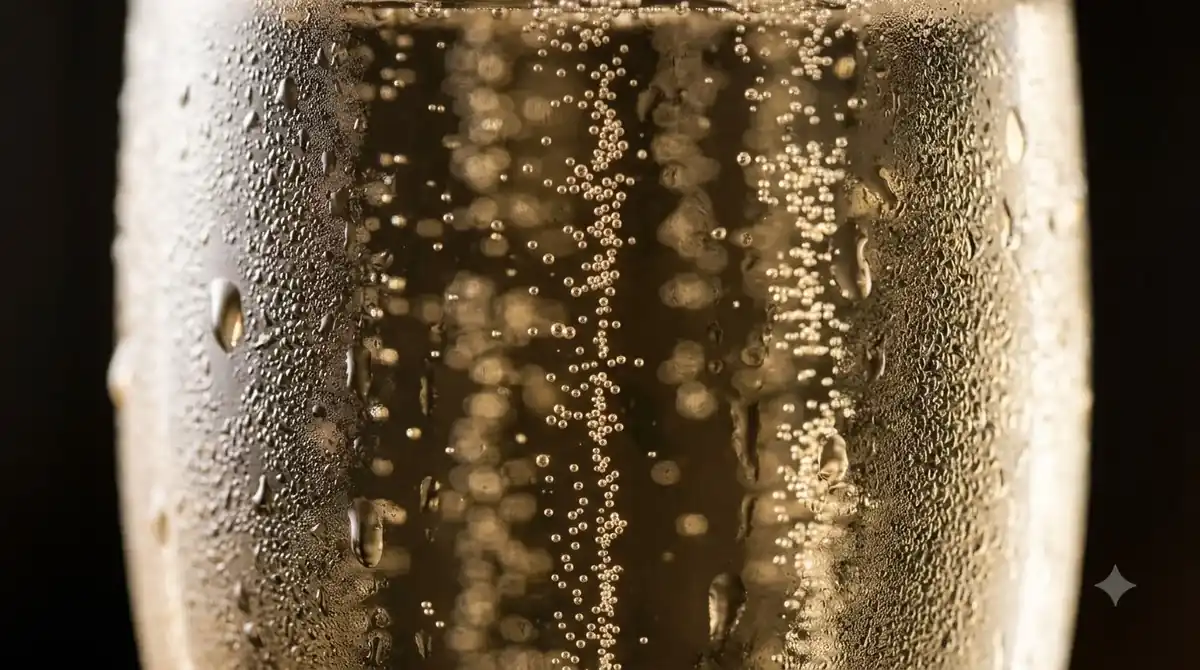
Temperature is particularly important. Champagne served directly from an excessively cold freezer can seem muted, with its acidity and bubbles becoming more prominent than its fruit and mature aromas. A bottle served too warm can seem less refreshing and lose some of the crisp character expected from a well-balanced sparkling wine.
A useful target is 46–50°F. The Comité Champagne recommends approximately 8–10°C, which falls within this range. To reach that temperature, place the bottle in an ice bucket containing equal attention to ice and water for approximately 20–30 minutes. Refrigeration for several hours is another practical approach.
Glassware also influences the experience. A tulip-shaped glass has a wider middle section and a narrower opening, giving the bubbles room to develop while directing aromas toward the nose. A regular stemmed white wine glass can also work particularly well when tasting older or more complex Champagne. Although traditional flutes display rising bubbles attractively, their narrow shape can make it harder to appreciate the full range of aromas.
Prepare clean glasses, neutral surroundings, drinking water, and a notebook. Strong perfume, scented candles, and food aromas can interfere with smelling the wine. Pour a modest tasting portion rather than filling the glass to the rim. A standard 5-ounce serving is useful when enjoying Champagne at a meal, while a smaller pour gives participants room to compare several wines.
Tip: Chill Champagne before the tasting, but allow a very cold bottle to warm slightly in the glass if its aromas seem difficult to detect. Temperature changes can reveal additional fruit, floral, and pastry characteristics.
Understanding Champagne Grapes and Regional Character
Champagne’s main grape varieties provide a useful starting point for interpreting what you smell and taste. Chardonnay, Pinot Noir, and Meunier contribute different combinations of freshness, structure, fruit, and roundness.
Chardonnay is a white grape that commonly produces Champagne with lively acidity, delicate structure, and citrus or floral aromas. Lemon, grapefruit, green apple, white flowers, and chalk-like mineral impressions are useful tasting references. A Champagne dominated by Chardonnay can feel particularly fresh and precise, although aging and blending can add considerable complexity.
Pinot Noir is a red grape that contributes body, structure, and red-fruit characteristics. Strawberry, raspberry, cherry, and floral notes such as violet and rose may appear. Its contribution can make a Champagne feel broader and more substantial, especially when compared with a lighter Chardonnay-led example.
Meunier is another red grape variety associated with Champagne. It often brings approachable fruitiness and roundness, with apple, pear, and yellow-fruit characteristics. Its contribution can make a blend seem generous and approachable, particularly when combined with Chardonnay’s freshness and Pinot Noir’s structure.
The vineyard’s location also influences Champagne’s character. The four principal winegrowing areas are Montagne de Reims, Vallée de la Marne, Côte des Blancs, and Côte des Bar. Their vineyard conditions and grape-growing traditions provide different possibilities for producers, although a region name alone cannot predict every characteristic in a finished bottle.
For example, Côte des Blancs is strongly associated with Chardonnay, making it a useful place to begin when exploring Blanc de Blancs. Montagne de Reims is particularly associated with Pinot Noir, while Meunier has an important presence in Vallée de la Marne. Côte des Bar is also known for Pinot Noir. These are useful regional associations, not rules that determine the exact composition of every wine.
When comparing bottles, consider whether the label identifies a single grape variety, a blend, or a specific vineyard area. A regional comparison can also help put Champagne in context alongside other European wine destinations. Readers exploring different regional styles can continue with our guides to Alsace wine tasting and Willcox wine tasting.
Evaluating Color, Bubbles, and Aromas
Champagne tasting follows a natural sequence: observe the appearance, examine the bubbles, smell the wine, and then taste it. Each stage offers clues about the wine’s style, development, and aromatic complexity.
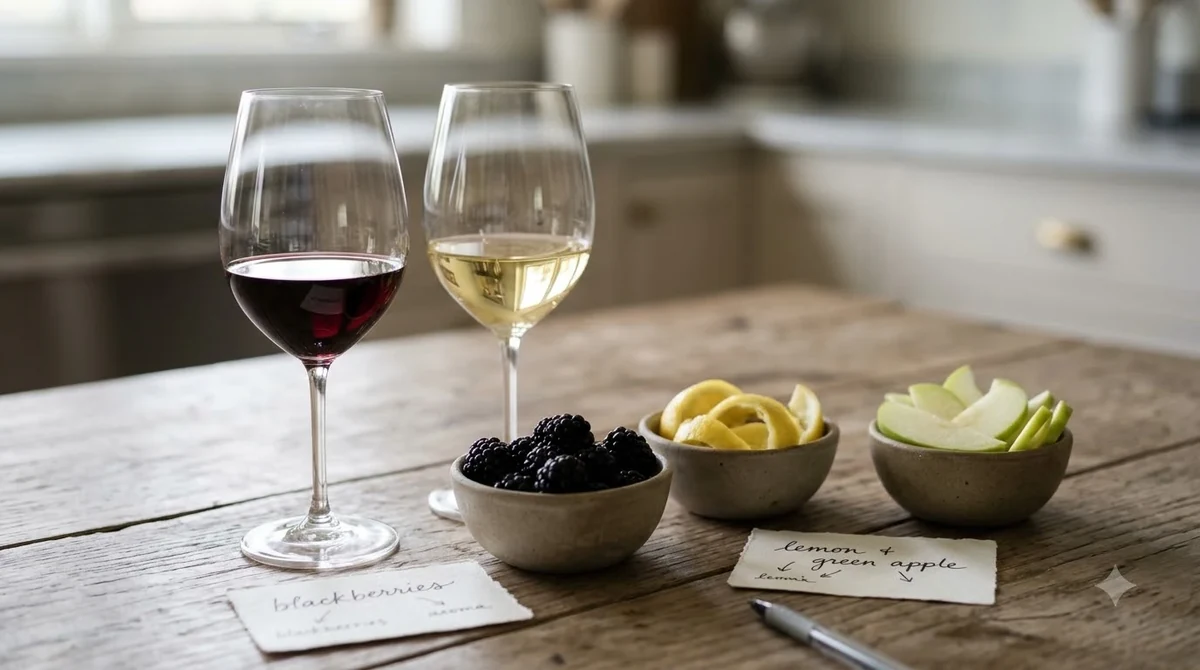
Start by holding the glass against a light background. White Champagne can range from pale yellow with green highlights to lemon yellow, golden yellow, and deeper old-gold shades. These differences can reflect grape varieties, winemaking decisions, reserve-wine proportions, and maturation.
Rosé Champagne adds another visual dimension. Its color may range from soft pink and salmon to strawberry and raspberry shades. The color can provide clues about the production method and the contribution of red grapes, but it should not be treated as a direct measurement of sweetness or quality.
Next, observe the effervescence. Look for fine streams of bubbles rising through the wine and gathering near the surface. Notice whether the foam appears delicate and persistent or disappears relatively quickly. Champagne’s bubbles are not simply decorative: their release helps carry aromatic compounds toward the surface of the wine.
The first smell should be taken before swirling. This initial impression may reveal lemon, green apple, pear, white flowers, or other fresh aromas. Then gently swirl the glass and smell again. The additional exposure to air can make more developed characteristics easier to recognize.
Champagne aromas are often described through several broad families:
- Floral: White flowers, acacia, hawthorn, and other delicate blossoms.
- Fresh fruit: Lemon, grapefruit, apple, pear, and citrus peel.
- Red fruit: Strawberry, raspberry, cherry, and other berry characteristics, particularly in some rosé and Pinot Noir-led wines.
- Mineral: Chalk, wet stone, and occasionally iodine-like impressions.
- Vegetal: Mint, fresh herbs, and hay.
- Pastry: Brioche, biscuits, bread crust, and baked pastry.
- Creamy: Butter, caramel, and related dairy-like impressions.
- Spicy and roasted: Honey, cinnamon, cocoa, coffee, and toasted notes.
Young, fresh Champagne often emphasizes citrus, green apple, pear, and white flowers. With additional maturation, some wines develop richer notes of dried fruit, nuts, biscuit, brioche, and toast. These are broad tendencies rather than fixed aging rules. A particular producer’s blending and cellar choices can create a different aromatic profile.
For a structured tasting, write down three observations: the dominant aroma, the secondary aroma, and the overall intensity. Instead of recording only that a wine smells fruity, specify whether the fruit resembles lemon, green apple, ripe pear, or strawberry. Specific descriptions make comparisons between bottles more meaningful.
Reading Champagne Labels and Sweetness Levels
Champagne labels provide important clues about grape composition, production style, vintage, and dosage. Understanding these terms helps tasters select comparable wines and explain why two bottles can taste quite different despite both carrying a Brut designation.
Dosage refers to the sugar-and-wine mixture added during the final stages of production. The amount of residual sugar determines the sweetness classification. Brut is the most familiar style, but Champagne also comes in considerably drier and sweeter versions.
The following classifications are useful reference points. The figures represent grams of sugar per liter, following the Comité Champagne’s published classification.
| Champagne classification | Sugar per liter | Typical tasting impression |
|---|---|---|
| Brut Nature | Less than 3 g/L, with no added dosage | Very dry and direct |
| Extra Brut | 0–6 g/L | Very dry and precise |
| Brut | Less than 12 g/L | Dry and balanced |
| Extra Dry | 12–17 g/L | Noticeably softer and sweeter than Brut |
| Sec | 17–32 g/L | Moderately sweet |
| Demi-Sec | 32–50 g/L | Sweet and rounded |
| Doux | More than 50 g/L | Very sweet |
One common source of confusion is the term Extra Dry. Despite its name, Extra Dry is sweeter than Brut. This distinction matters when comparing wines or choosing a bottle for a particular meal. Someone expecting an extremely dry sparkling wine may be surprised by the softer impression of an Extra Dry Champagne.
Grape descriptions provide another useful distinction. Blanc de Blancs means Champagne made exclusively from white grapes, principally Chardonnay. Blanc de Noirs means Champagne made exclusively from red grapes, principally Pinot Noir and/or Meunier. These designations describe grape composition, not sweetness.
Vintage Champagne comes from grapes harvested in one particular year selected by the producer. Non-vintage Champagne is blended to create a house style across different harvests, often incorporating reserve wines from earlier years. Neither category automatically guarantees greater quality. A non-vintage Brut can be an excellent expression of a producer’s style, while vintage Champagne can provide a more distinctive reflection of a particular harvest.
Rosé Champagne is another category worth exploring. Its color can be achieved through different production approaches, including blending and skin contact. It may show red-fruit aromas and can work particularly well with dishes that have more pronounced flavors.
Tasting Champagne on the Palate and Recognizing Balance
The first sip should reveal how the wine’s sweetness, acidity, body, bubbles, and flavors work together. Rather than focusing only on whether the Champagne tastes pleasant, consider how these elements combine and how long the flavors remain after swallowing.
Begin with a small sip and let the wine move across the palate. Notice the sensation of the bubbles, which can feel delicate, lively, or particularly energetic. Pay attention to whether the acidity creates a refreshing impression and whether the wine’s texture seems light, rounded, or substantial.
Acidity is especially important in Champagne. It provides freshness and helps balance the wine’s fruit and dosage. A Chardonnay-led Champagne may show particularly lively citrus characteristics, while a blend with more Pinot Noir or Meunier may have a broader impression of body and fruit.
Sweetness should be considered separately from fruitiness. A wine can smell strongly of ripe pear or apple while still tasting dry. Conversely, a Demi-Sec Champagne can have noticeable sweetness even when its fruit aromas are relatively subtle.
Body describes the wine’s weight and texture. Some Champagne feels light and delicate, while other examples seem broader and more rounded. Grape composition, maturation, and winemaking choices all contribute to this impression.
Finally, evaluate the finish. This is the period during which the wine’s flavors remain after the sip. Lemon, apple, toast, nuts, and mineral impressions may continue to appear as the bubbles fade. A longer finish can provide additional information about complexity, but persistence should be considered alongside balance rather than treated as the only measure of quality.
A simple tasting record can include these five elements:
- Effervescence: Delicate, lively, or vigorous.
- Acidity: Soft, moderate, or pronounced.
- Sweetness: Dry, slightly sweet, or noticeably sweet.
- Body: Light, medium, or full.
- Finish: Short, moderate, or long.
Compare at least two different Champagne styles to understand these characteristics more clearly. For example, taste a Blanc de Blancs alongside a Pinot Noir-led Blanc de Noirs. The contrast can demonstrate how grape composition affects body, fruit, and aromatic intensity even when both wines are Brut.
A useful external reference is the Comité Champagne’s explanation of the tasting experience, which explores the sensory stages of appreciating Champagne and the relationship between bubbles, color, aromas, and taste.
Food Pairings for Different Champagne Styles
Champagne’s acidity and effervescence make it a flexible food wine, but sweetness, body, and grape composition should influence pairing decisions. The best match usually balances the wine’s acidity with the food and considers how salt, fat, sweetness, and spice affect the overall experience.
Brut Champagne is a natural partner for savory appetizers. Try it with lightly salted crackers, green olives, walnuts, Gruyère, or fresh seafood. Its acidity cuts through richer textures, while the bubbles refresh the palate between bites.
Blanc de Blancs often works well with oysters, scallops, shrimp, and delicate white fish. Its citrus-driven character can complement seafood without overwhelming subtle flavors. Dishes with lemon, fresh herbs, and light butter sauces are also useful choices.
Blanc de Noirs can handle dishes with more substantial texture. Consider roasted chicken, mushroom dishes, pork, or salmon. Pinot Noir’s contribution of body and red-fruit character can make these combinations feel more balanced than they would with an especially delicate sparkling wine.
Rosé Champagne is particularly interesting with duck, roasted poultry, berry-based sauces, and salmon. Its red-fruit characteristics can connect naturally with ingredients that have similar flavors. For a simpler tasting plate, serve it with mild cured meats and soft cheeses.
Sweet Champagne styles require a different approach. Demi-Sec and Doux can pair with fruit tarts, lightly sweet pastries, and desserts. A useful rule is to serve a wine that is at least as sweet as the dessert. Otherwise, the wine may taste sharp or sour by comparison.
Pay attention to challenging ingredients. Highly acidic food needs a wine with equal or higher acidity to avoid making the wine seem flat. Salt and fat can soften the perception of tannin in red wines, while chili heat can become more pronounced alongside high alcohol or tannin. These considerations are useful when Champagne is part of a larger tasting menu that includes other wine styles.
For a simple three-course tasting, try the following progression:
- First course: Brut Blanc de Blancs with oysters or lightly seasoned shrimp.
- Main course: Blanc de Noirs or rosé with roasted chicken or salmon.
- Dessert: Demi-Sec with fruit tart or a moderately sweet pastry.
This progression moves from fresh and dry to fuller and sweeter. It also makes the differences between Champagne styles easier to identify. For readers exploring other regions and food traditions, our Bolgheri wine tasting guide offers another perspective on how regional wine characteristics influence tasting experiences.
Planning a Champagne Tasting and Recording Your Impressions
A planned tasting makes it easier to compare Champagne without confusing grape characteristics, sweetness, and aging effects. Three or four different wines are generally enough for an informative session, especially when each bottle represents a distinct style.
Begin with a non-vintage Brut Champagne to establish a familiar reference point. Follow with a Blanc de Blancs to examine Chardonnay’s citrus and floral qualities, then a Blanc de Noirs to compare the additional body and red-fruit characteristics associated with Pinot Noir or Meunier. Finish with a rosé or Demi-Sec if you want to explore color or sweetness.
Serve the wines at approximately 46–50°F and use the same glass shape throughout the comparison. Keeping serving conditions consistent makes differences between the wines easier to recognize. If tasting several bottles, pour small amounts and leave enough time between samples to record observations.
A basic tasting notebook can use the following headings:
- Producer and cuvée name.
- Vintage or non-vintage designation.
- Grape composition, if provided.
- Dosage classification.
- Color and bubble characteristics.
- Three primary aroma observations.
- Acidity, sweetness, and body.
- Finish and overall balance.
- Food pairing that worked particularly well.
Use descriptive language rather than relying on general judgments. Instead of writing that a wine is elegant, explain whether it has fine bubbles, delicate floral aromas, lively acidity, and a clean finish. These observations provide a clearer picture of the wine and make later comparisons more useful.
It is also helpful to distinguish personal preference from technical evaluation. One taster may prefer the crisp character of Extra Brut, while another may enjoy the rounder fruit of Brut. Both preferences are valid. The purpose of a tasting is to identify what the wine offers and understand why it appeals to a particular palate.
Keep the tasting environment comfortable and provide water alongside the wines. If the session includes multiple bottles, allow participants to pace their tasting and use a spittoon when appropriate. The objective is to evaluate the wines carefully rather than consume every pour.
For further background on regional wine traditions, the Wine Regions section provides a broader starting point for understanding how geography and grape varieties shape wines from different parts of the world.
Frequently Asked Questions
How many Champagne bottles do I need for a tasting of six people?
One standard 750 ml bottle provides approximately 30 ounces of wine. For six participants, that allows five 5-ounce glasses in total, or approximately five 1-ounce tasting pours per person. If you want to compare four Champagne styles, four bottles provide a practical tasting selection with small pours and room for additional samples.
Can Champagne be decanted before a tasting?
Yes, although decanting is not necessary for most Champagne. Some mature, complex bottles can benefit from controlled aeration in a suitable wine decanter or larger glass. Handle the wine gently because excessive aeration can reduce its freshness and dissipate its bubbles.
Does Champagne improve after opening the bottle?
Champagne generally begins losing its effervescence after opening rather than improving through extended exposure to air. An airtight sparkling-wine stopper and refrigerator storage help preserve its character. A partially consumed bottle is best enjoyed within approximately 1–3 days.
What does reserve wine mean in non-vintage Champagne?
Reserve wine is wine retained from earlier harvests and incorporated into later blends. Producers use it to contribute additional complexity and help maintain a recognizable house style between harvests. The proportion and age of reserve wines vary according to the producer’s blending decisions.
Why do some Champagne glasses produce more bubbles than others?
Bubble formation is influenced partly by microscopic particles and imperfections on the glass surface, which provide nucleation points for dissolved carbon dioxide. Glass cleanliness and washing methods can therefore affect the visible streams of bubbles. Residual detergent and certain surface treatments can change how bubbles develop and persist.
Champagne wine tasting becomes more rewarding when you connect what you see, smell, and taste with the grapes, dosage, and regional traditions behind each bottle. Start with a well-chilled Brut, compare different grape compositions, and record specific observations about bubbles, aromas, acidity, and finish. With practice, those details make it easier to recognize your preferred Champagne styles and choose bottles confidently for meals, celebrations, and future tastings.
More in Wine Regions
 Willcox Wine Trail: Discover Arizona’s High-Elevation Wine CountryUpdated Nov 20, 2026
 Yakima Valley Wine Region: Find the Best Styles to TryUpdated Nov 20, 2026
 Vosne Romanee Wine Tasting: Identify Aromas and Choose Better PairingsUpdated Nov 20, 2026
 Yakima Valley Wine Festival: Find the Best Seasonal Wine EventsUpdated Nov 20, 2026
 Wales Vineyards: Discover Cool-Climate Wines and Where to VisitUpdated Nov 20, 2026
 Yountville Wine Festival: Discover Napa Wines and Local FoodUpdated Nov 20, 2026