

We may earn a commission when you buy through links on this page, at no extra cost to you. Learn more.
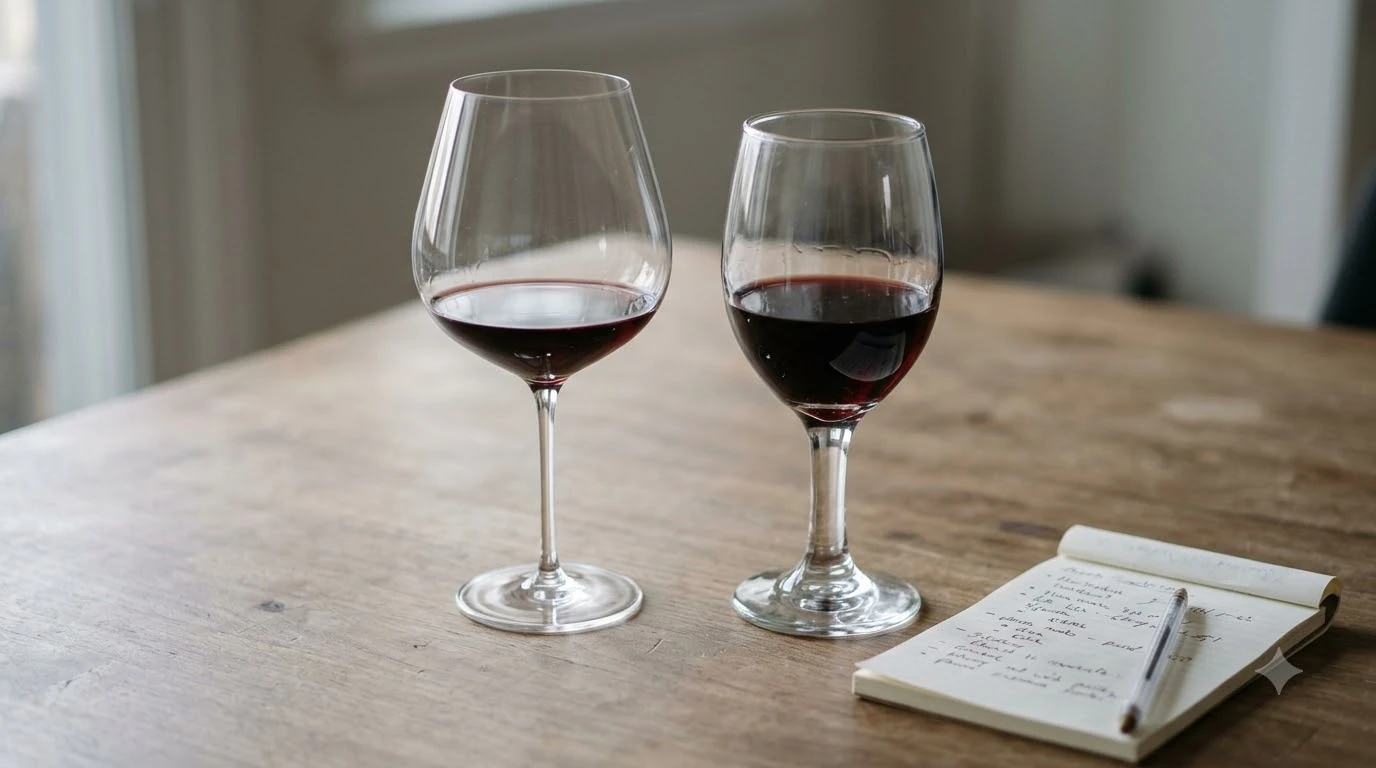
CB2 red wine glasses are stylish stemware options for wine drinkers who want contemporary designs, attractive crystal construction and generous bowl capacities. The Muse, Estera and Valentina collections offer different combinations of appearance, materials, capacity and maintenance requirements. Muse is a strong choice for a generously sized, tapered glass, Estera suits shoppers who appreciate handblown craftsmanship, and Valentina offers a larger dishwasher-safe option. The right choice depends on how you serve wine, how frequently you entertain and how much time you want to spend caring for glassware.
CB2 approaches wine glasses as both functional tableware and decorative pieces. Its red wine selection includes classic transparent designs, textured finishes, contemporary silhouettes and options that coordinate with matching white wine and champagne glasses. However, attractive styling does not automatically make every glass equally practical. Capacity, bowl proportions, stem construction and washing instructions deserve attention before choosing a set. This review examines the main CB2 options, their strengths, their limitations and the wine-drinking situations they suit best.
Specs and Key Features of CB2 Red Wine Glasses
CB2 offers several distinct approaches to red wine stemware, with Muse, Estera and Valentina representing three particularly different designs. Their documented capacities range from 15.5 to 24.41 ounces, while construction and care requirements vary considerably.

The Muse, Estera and Valentina glasses are not interchangeable simply because they all accommodate red wine. Muse emphasizes a tapered silhouette and generous volume, Estera focuses on handblown crystalline glass, and Valentina combines a large capacity with dishwasher-safe construction. Those differences affect both the drinking experience and the amount of maintenance required.
| Feature | Muse | Estera | Valentina |
|---|---|---|---|
| Material | Lead-free crystal | Lead-free crystalline glass | Lead-free crystal |
| Capacity | 22 oz | 15.5 oz | 24.41 oz |
| Construction | Handmade | Handblown | Crystal glass construction |
| Design | Tapered bowl, delicate stem | Flared bowl, pointed silhouette | Clean lines, gentle curves |
| Cleaning | Hand-wash only | Hand-wash only | Dishwasher-safe |
| Color options | Clear, smoked, optic | Crystal-clear appearance | Crystal-clear appearance |
| Individual purchase | Yes | Yes | Yes |
Muse: A generous everyday red wine silhouette
The Muse Red Wine Glass is one of CB2’s recognizable stemware designs. According to the manufacturer, it is handmade from 100% lead-free crystal and has a 22-ounce capacity. Its long, delicate stem supports a tapered bowl intended to promote aeration and help develop the wine’s aromas.
The collection is particularly interesting because shoppers can choose between clear, smoked and optic finishes. The clear version offers the most traditional presentation, while smoked glass creates a darker, more contemporary table setting. Optic glass introduces a fluted visual texture that adds interest without requiring a completely different glass silhouette.
Muse is also available in different purchasing configurations, including individual glasses and sets of four or six. This flexibility is useful when replacing a broken glass, starting a collection or preparing for dinner parties. Its main drawback is the hand-washing requirement, especially for households that prefer to clean all their dinnerware in the dishwasher.
Estera: Handblown craftsmanship
The Estera Red Wine Glass takes a more artisanal approach. CB2 describes its construction as handblown into a mold, with the stem pulled from the bowl to create a distinctive pointed silhouette. The resulting design combines a slim stem with a generously shaped, flared bowl.
Estera is made from lead-free crystalline glass and holds 15.5 ounces. CB2 identifies Poland as its manufacturing country and notes that the handmade process can produce slight variations in shape. Those differences are part of the construction rather than an indication that every glass will have precisely identical proportions.
For shoppers who appreciate traditional glassmaking techniques, Estera has a clear appeal. However, it requires hand washing, so its delicate appearance and care requirements make it more appropriate for households willing to handle stemware carefully.
Valentina: A larger, dishwasher-safe alternative
The Valentina Red Wine Glass stands out for its 24.41-ounce capacity and dishwasher-safe construction. CB2 describes the collection as having clean lines, gentle curves and a subtle midcentury influence. Its lead-free crystal construction gives it a more polished presentation than ordinary everyday drinking glasses.
Valentina is especially relevant for shoppers who want a larger bowl without committing to hand washing after every dinner. Dishwasher compatibility does not mean careless loading is advisable, but it provides a meaningful convenience advantage over the Muse and Estera options.
It is also worth considering the visual difference between a 24.41-ounce glass and a smaller 15.5-ounce design. A larger vessel can provide more room for swirling, but it also takes up more storage space and can feel oversized for people who prefer compact stemware.
What Owners May Appreciate About CB2 Glassware
The main appeal of CB2 red wine stemware is its combination of contemporary styling, recognizable design details and multiple collection choices. The strongest reasons to consider these glasses are their decorative presentation, generous capacities and the opportunity to coordinate different types of glassware.
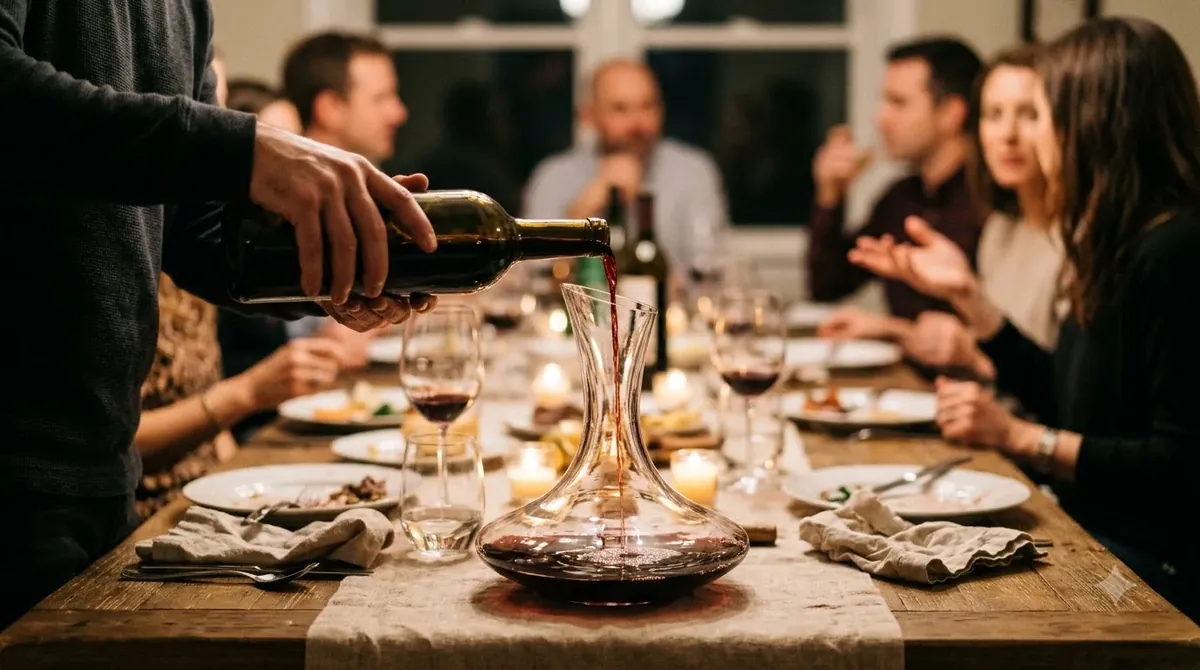
Design is an important consideration because wine glasses remain visible throughout a meal. The Muse smoked and optic finishes provide alternatives to traditional transparent stemware, while Estera’s pointed silhouette gives the glass a more distinctive profile. Valentina, by comparison, uses restrained curves that are easier to coordinate with different table settings.
Design variety for different dining rooms
CB2’s assortment is useful for people who want their glassware to complement their existing furniture, dinnerware and entertaining accessories. A modern dining room with simple tableware might suit Muse’s clean tapered bowl. A more formal setting could benefit from Estera’s flared shape and delicate stem.
Color also changes the appearance of a complete table. Clear glasses allow the color of a Cabernet Sauvignon or Pinot Noir to remain fully visible. Smoked glass produces a different visual effect, while optic detailing introduces texture and catches light around the bowl.
These are aesthetic considerations rather than automatic improvements to wine quality. Transparent glass is generally preferable for examining a wine’s color, especially when comparing different bottles. Nevertheless, decorative finishes can make sense when the primary purpose is casual entertaining rather than structured wine evaluation.
Generous capacities for swirling
Capacity is another notable feature across the CB2 assortment. Muse holds 22 ounces, Estera holds 15.5 ounces and Valentina holds 24.41 ounces. All three offer room for a sensible serving without filling the entire bowl.
A standard wine pour is approximately 5 ounces, and a 750 ml bottle contains roughly five such servings. This means a large glass should not be filled to its rim simply because it has additional capacity. Leaving open space above the wine makes swirling easier and helps concentrate aromas near the opening.
For example, a 5-ounce pour in the 22-ounce Muse leaves substantial room for movement. The same principle applies to Valentina, whose larger capacity can accommodate a generous bowl shape without requiring an oversized serving. The smaller Estera still has sufficient room for a controlled pour and gentle swirling.
Matching glasses across a collection
Another practical advantage is the availability of related glassware. Muse has corresponding white wine and champagne options, while Estera also belongs to a broader glassware collection. Valentina offers additional matching glass types, including white wine and stemless options.
Coordinating different glasses is useful for households that regularly serve several beverages at one gathering. It creates a consistent visual presentation without forcing every drink into an identical vessel. However, buying a matching collection is not essential to enjoying good wine. A versatile red wine glass can serve many purposes without requiring a separate glass for every grape variety.
Common Complaints and Practical Limitations
The most important drawback of the CB2 selection is that certain designs require hand washing, while delicate stems and handmade construction call for careful handling. Capacity and visual appearance also involve compromises that may not suit every household.
Hand washing adds maintenance
Muse and Estera are both identified by CB2 as hand-wash-only glasses. This is an important distinction for anyone accustomed to loading all their kitchenware into a dishwasher. Cleaning several glasses individually after hosting a dinner can take more time than using dishwasher-safe alternatives.
Valentina has a clear advantage in this area because CB2 identifies it as dishwasher-safe. Even so, dishwasher-safe glassware benefits from careful placement. Glasses should be secured so they cannot knock against plates, metal utensils or neighboring vessels during a wash cycle.
Buyers should not assume that every glass in the same retail collection has identical care instructions. The Muse, Estera and Valentina examples demonstrate why checking individual specifications matters. A matching white wine glass or champagne glass may have its own maintenance requirements.
Delicate stems require attention
Long, narrow stems contribute to the traditional appearance of wine glasses, but they are also potential weak points. Muse has a particularly delicate stem according to CB2’s description. Estera’s stem is created as part of its distinctive handblown construction, making careful handling equally important.
When washing stemware, avoid twisting the bowl and base in opposite directions. That movement places unnecessary stress on the connection between the stem and the bowl. Instead, support the glass gently and clean one piece at a time over a cushioned sink.
Storage also deserves attention. Crowded cabinets can cause glasses to knock against one another whenever someone reaches for a different piece of dinnerware. Keeping stemware in a dedicated space reduces accidental contact and makes it easier to remove individual glasses safely.
Large capacities are not always convenient
A large bowl is helpful for swirling, but a glass holding more than 20 ounces is not automatically the best option for every occasion. Large glasses need more cabinet clearance and may not fit comfortably into every dishwasher rack. They can also feel cumbersome for guests with smaller hands.
The 15.5-ounce Estera is a more compact option than the 22-ounce Muse and 24.41-ounce Valentina. Its smaller capacity may appeal to buyers who prefer a traditional-looking glass without an especially large bowl.
There is also a distinction between capacity and the amount of wine served. A glass’s stated volume measures its total holding capacity, not its recommended serving size. A smaller pour remains appropriate even in a very large glass.
Decorative glass can obscure wine color
Clear glass is useful when examining the appearance of red wine. The color can provide clues about grape variety, age and winemaking style. Smoked glass, colored finishes and pronounced decorative details may make those observations less straightforward.
This does not make smoked or optic glasses unsuitable for drinking. They remain reasonable choices for informal dinners and decorative table settings. However, people who regularly compare wine appearances or practice structured tasting should generally prioritize transparent bowls.
Who Should Buy CB2 Red Wine Glasses and Who Should Skip Them
CB2 red wine glasses are most appealing to shoppers who value contemporary design and want several stylistic options for their dining table. They are less suitable for buyers who prioritize inexpensive replacement pieces, completely maintenance-free use or highly specialized wine-tasting performance.
Who should consider buying them?
Design-conscious homeowners are natural candidates. The Muse, Estera and Valentina collections offer different silhouettes and finishes, making it easier to coordinate glassware with a modern dining room. Their decorative qualities also make them attractive choices for hosting dinners and celebrations.
Regular red wine drinkers can benefit from the generous capacities. Cabernet Sauvignon, Merlot, Syrah and Pinot Noir can all be served in appropriately shaped red wine glasses. A bowl that allows swirling and provides space for aromas is useful across these styles.
People building a coordinated glassware collection may appreciate the availability of matching white wine and champagne pieces. Starting with four or six glasses can provide a practical foundation for a small household or regular entertaining.
Shoppers who value distinctive craftsmanship may find Estera particularly attractive. Its handblown construction, lead-free crystalline material and Polish production provide a more specific character than a standard mass-market glass.
Who should consider alternatives?
People who dislike hand washing should be cautious about choosing Muse or Estera. Valentina is the more practical CB2 choice for dishwasher users, but anyone who frequently breaks stemware may prefer a sturdier everyday design from a brand with a more durability-focused construction.
Likewise, buyers who primarily want technical wine-tasting equipment may prefer a dedicated varietal-specific glass. For example, a broad Burgundy-style bowl can be useful for aromatic Pinot Noir, Nebbiolo and Gamay. A universal glass can also be more practical for households that alternate between red, white and sparkling wines.
Shoppers who rarely serve wine should also think carefully before purchasing a large set. A smaller collection of versatile glasses may occupy less storage space and cover the same everyday needs.
Tip: If you are choosing your first set, prioritize clear glass, a comfortable stem and a bowl that allows a 5-ounce pour to be swirled without spilling. You can add decorative or specialized glasses later if your wine habits justify them.
How CB2 Compares to Alternative Wine Glass Styles
CB2 occupies a design-oriented position in the stemware market, with contemporary finishes and several distinct silhouettes. Its main alternatives are not necessarily competing brands but different glass styles that may offer greater versatility, specialized tasting characteristics or simpler everyday maintenance.
CB2 versus universal wine glasses
A universal wine glass is designed to accommodate several wine styles rather than concentrating on one particular grape. A moderately sized bowl that narrows toward the rim can work for Cabernet Sauvignon, Chardonnay, Pinot Noir and many other varieties.
Bon Appétit’s guide to choosing wine glasses explains that versatile, gently tapered bowls can provide enough room for swirling and aroma concentration without excessive exposure to oxygen. This approach is practical for people who do not want multiple sets of specialized stemware.
Muse comes relatively close to this versatile approach through its tapered bowl and generous 22-ounce capacity. However, its specific red wine designation and delicate construction make it important to consider the type of wines and cleaning routine involved.
CB2 versus specialized Burgundy glasses
Burgundy glasses typically have broader, rounder bowls designed to accommodate aromatic red wines. Their proportions can be particularly useful for Pinot Noir, Nebbiolo and Gamay, where the ability to swirl and explore changing aromas is an important part of the drinking experience.
Estera’s flared bowl offers a distinctive alternative to a standard narrow red wine silhouette, but it should not automatically be considered a dedicated Burgundy glass. Its manufacturer describes the overall design and capacity without specifying a particular grape-variety application.
Collectors who primarily drink Burgundy may want a dedicated glass with a wider bowl. Those who drink a broader selection of reds can generally use a versatile red wine glass without needing separate stemware for every bottle.
CB2 versus stemless glasses
Stemless glasses are easier to store in some cabinets and may feel less precarious in informal settings. They are also useful where a tall stem could be knocked over, such as outdoor gatherings or crowded coffee tables.
Traditional stemmed glasses have an important functional advantage: they allow drinkers to hold the glass without gripping the bowl. This reduces direct hand contact with the wine and makes swirling easier. It can also help maintain the intended serving temperature.
CB2’s Muse, Estera and Valentina red wine options all follow the traditional stemmed format. Buyers who prefer stemless designs should compare the brand’s separate stemless selection rather than assuming that the red wine glasses will provide the same handling experience.
Comparing the overall buying decision
The most useful comparison is not simply which glass looks more expensive or has the largest capacity. It is whether the construction, bowl and care requirements suit the household’s routine.
For a design-focused dining room, Muse and Estera offer distinctive visual appeal. For dishwasher convenience, Valentina is the more practical choice. For dedicated tasting, a specialist Burgundy or Bordeaux glass may be more appropriate depending on the wines being served.
Readers comparing broader options can also consult our guide to red wine glasses for additional shapes and buying considerations. For a wider selection covering different wine styles, our overview of wine glasses provides another useful starting point.
Frequently Asked Questions
Are CB2 crystal wine glasses lead-free?
Yes, the Muse, Estera and Valentina red wine glasses are identified by CB2 as lead-free crystal or crystalline glass. Lead-free construction does not mean the products are unbreakable, however. Their stems and bowls still require appropriate handling and storage.
Can CB2 red wine glasses be used for cocktails?
They can also serve certain spirit-forward cocktails and mixed drinks, provided the drink fits comfortably inside the bowl. However, their proportions are designed around wine service rather than cocktails that require substantial ice or elaborate garnishes. A dedicated rocks glass or cocktail glass is more appropriate for many mixed drinks.
Do CB2 red wine glasses make suitable wedding gifts?
They can be suitable gifts for couples who enjoy entertaining and appreciate coordinated tableware. A set of six Estera glasses or a coordinated Muse collection provides a more complete presentation than a single glass. Before purchasing, consider whether the recipients have sufficient cabinet space and are comfortable with the relevant cleaning requirements.
Should CB2 red wine glasses be polished before serving wine?
Polishing can remove water spots, fingerprints and lint that interfere with the appearance of the glass. A clean microfiber cloth is a useful choice for this task. Wine glasses should also be free from strong detergent smells, because lingering odors can interfere with the perception of wine aromas.
Can the same CB2 red wine glass serve both young and aged wines?
Yes. A versatile red wine glass can accommodate both young and mature bottles, although the serving approach may differ. Young, full-bodied reds can benefit from approximately 30 to 60 minutes of decanting when appropriate, while older wines often require more careful handling to avoid excessive exposure to air.
CB2 red wine glasses offer an appealing combination of modern styling, lead-free materials and useful capacity choices. Muse is a strong option for its tapered 22-ounce bowl, Estera suits buyers who appreciate handblown construction, and Valentina stands out for its 24.41-ounce capacity and dishwasher-safe convenience. Compare those differences against your storage space, cleaning preferences and favorite wines before choosing a collection. The best glass is the one that complements your table while making regular wine enjoyment practical.
More in Wine Glasses
 Zwiesel Glas Champagne Flutes for Durable Everyday Sparkling WineUpdated Nov 20, 2026
 Vera Wang Crystal Wine Glasses: Design, Quality and Buying AdviceUpdated Nov 20, 2026
 West Elm White Wine Glasses: Compare Designs for Better Everyday Wine ServiceUpdated Nov 20, 2026
 Zalto Stemless Wine Glasses: Discover Their Distinctive DesignsUpdated Nov 20, 2026
 Viski Champagne Glasses That Match Your Style and Sparkling WineUpdated Nov 20, 2026
 Vista Alegre Decanter Review: Crystal Style and Wine ServiceUpdated Nov 20, 2026