
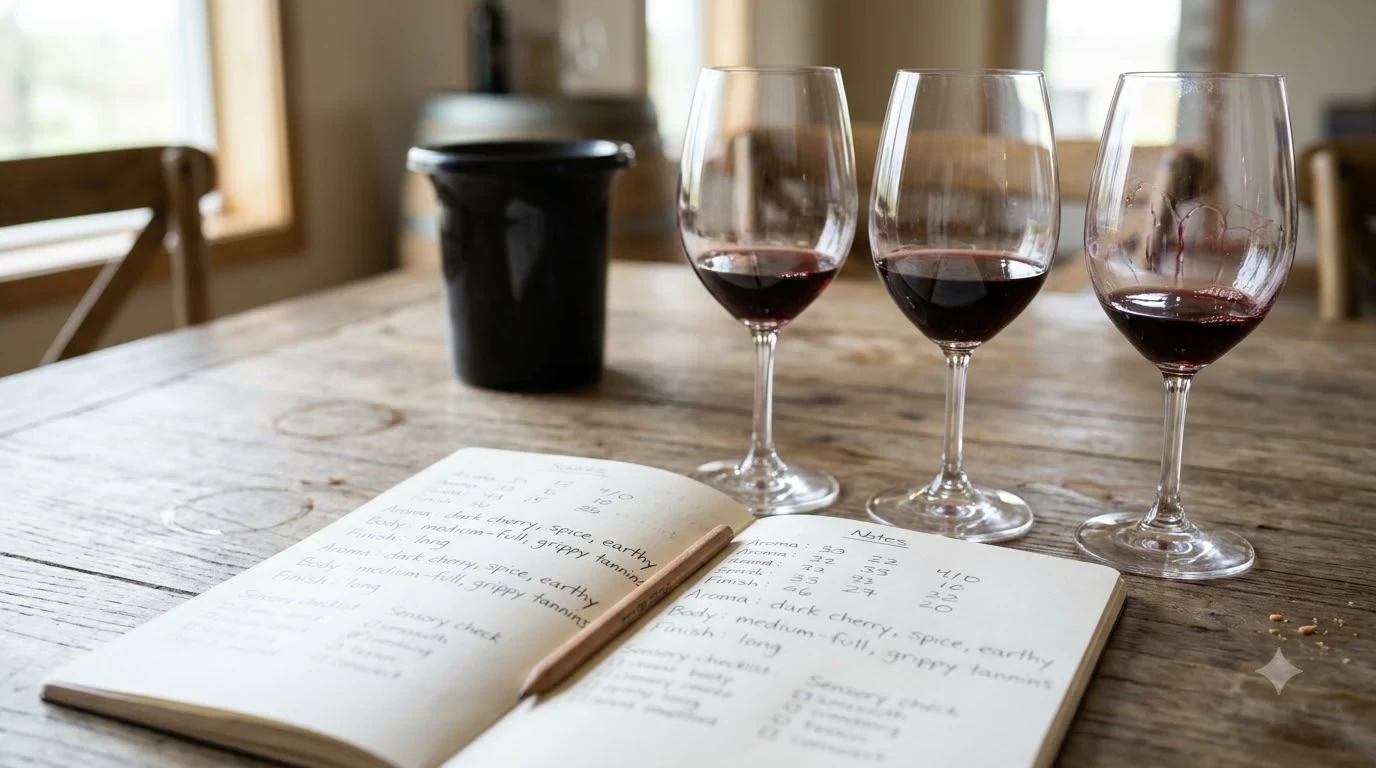

We may earn a commission when you buy through links on this page, at no extra cost to you. Learn more.
Cayuga Lake wine is made from grapes grown around one of New York’s Finger Lakes, and the style is shaped by the lake’s cool, steady climate. The wines are usually bright and high in acidity, with a strong showing from Riesling and a growing list of Chardonnay, Pinot noir, and hybrid bottles. Most people find them easy to drink with food, and they are a practical starting point for anyone exploring New York wine.
This guide covers what to expect when you open a bottle labeled Cayuga Lake, how the wines taste, how to serve them, and how to choose one at a shop or a tasting room. It is written for buyers and curious drinkers rather than collectors, so the focus stays on practical choices. For the geography and the appellation itself, the companion piece on Cayuga Lake vineyards goes into more detail.
What Cayuga Lake Wine Tastes Like
Most Cayuga Lake wines share a few traits. The first is acidity. Cool nights during the growing season help grapes keep their natural acid, which gives white wines a crisp, lively edge and gives many reds a fresh lift. The second is fruit. Whites often show citrus, green apple, and stone fruit, while reds lean toward cherry and red berry notes rather than the dark, heavy fruit found in warmer regions.
Body is usually light to medium. Tannin in the reds is generally softer, so the wines feel approachable even when they are young. Oak is used with restraint in many cellars, which lets the grape character come forward. That balance is one reason these wines suit people who find heavily oaked wines overwhelming.
Sweetness varies more than many drinkers expect. Some producers make bone-dry wines, while others leave a touch of sugar in the bottle for a softer, fruit-driven profile. Reading the label or asking the staff is the simplest way to find out where a given bottle falls on that scale.
The Grapes That Shape the Style
Riesling is the grape most closely linked with the Finger Lakes, and it is a good place to begin. According to the Wine Folly profile of the variety, Riesling is mostly grown in cool climates such as Germany and the United States, and its taste profile lists high acidity. The style can range from bone-dry to very sweet, which is why a Finger Lakes Riesling on the label can tell you very little about sweetness until you read the back of the bottle or ask.
Chardonnay is the other white that many buyers encounter, and in this area it is often made in a leaner style than the rich, buttery examples from warmer regions. Pinot noir is grown in cooler sites and tends to show red cherry and earthy notes. Cabernet Sauvignon appears on some warmer slopes, but most drinkers meet it as a supporting character rather than the star.
Hybrids and native American grapes also play a role. These wines can taste more fruit-forward and sometimes sweeter, and they are a good reminder that New York vineyards have a long tradition of growing varieties adapted to the local winter. The wider Finger Lakes appellation, which the Wikipedia article on the Finger Lakes AVA describes as the state’s largest and most productive wine region, lists dozens of varieties in total, so a bottle from this area may come from many different sites.
How to Serve Cayuga Lake Wine
Serving temperature makes a noticeable difference. Riesling and other crisp whites are best served well chilled, which keeps the acidity balanced and the aromas clean. Light reds from the region are often better slightly cooler than room temperature, so a short time in the refrigerator before pouring can help. Sparkling styles should be chilled fully and opened gently.
Glassware matters less than temperature, but a standard white wine glass works well for the whites, and a medium-bowl red glass suits the lighter reds. Decanting is rarely necessary for these bottles, because they are usually approachable when young.
| Wine type | Typical profile | Serving approach |
|---|---|---|
| Dry Riesling | High acid, citrus and green apple | Well chilled, white wine glass |
| Off-dry Riesling | Crisp with a touch of sweetness | Well chilled, good for spicy food |
| Chardonnay | Lean, citrus and stone fruit | Chilled, not overly cold |
| Pinot noir | Light body, red cherry and earth | Slightly cool, medium-bowl glass |
| Sparkling | Fresh, bright bubbles | Fully chilled, gentle opening |
Food Pairing With Cayuga Lake Wine
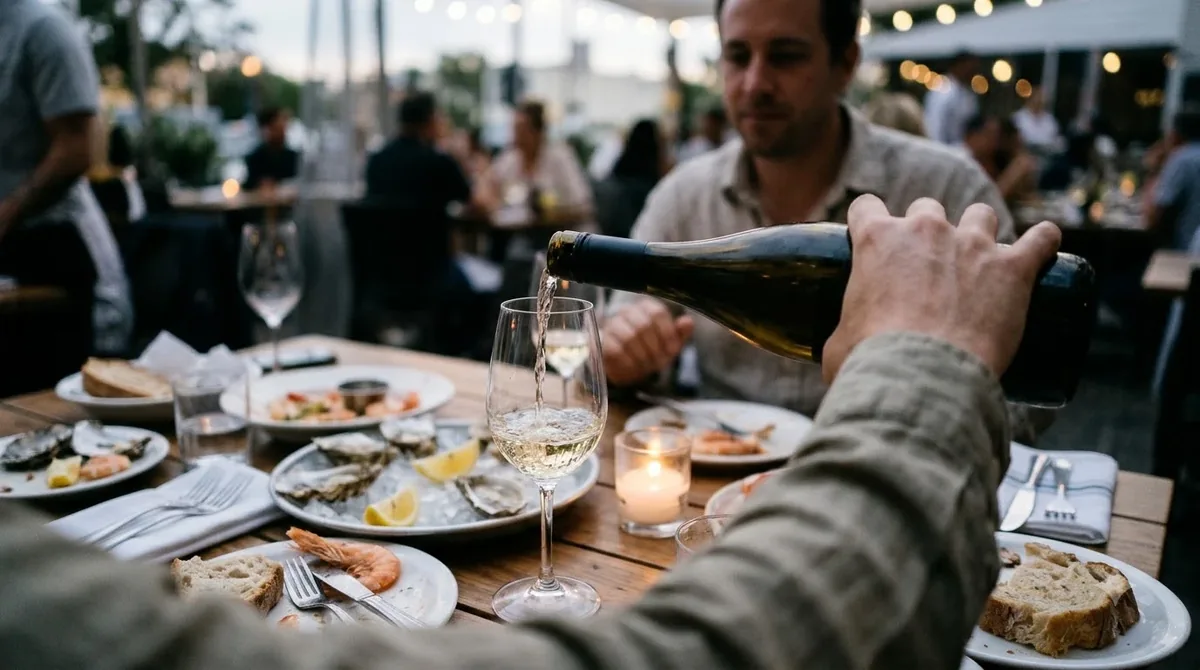
Because the wines are high in acid and moderate in body, they pair well with a wide range of food. Dry Riesling works with seafood, roast chicken, and creamy dishes that need a cutting partner. Off-dry styles are a natural match for pork, Thai and Indian food, and anything with a little heat, since the touch of sweetness softens spice.

The lighter Pinot noir and cool-climate reds suit mushroom dishes, salmon, and roast vegetables. A good rule is to match the weight of the food with the weight of the wine rather than the color of the bottle. Lighter dishes need lighter wines, and richer dishes can handle a fuller white or a sparkling wine with a bit more structure.
Tip: If you are hosting, a dry Riesling and a sparkling bottle cover most menus without needing a second opinion from the shop.
How to Choose a Bottle
Start with the label. Check the grape variety, the producer, and any sweetness indication on the back. Many shops stock local wines together, so asking the staff which bottles are dry or off-dry is a fast way to narrow the list. If you are buying for a particular meal, tell the shop what you plan to cook and let them suggest a style.
Next, think about the year. Fresh whites are usually best within a few years of release, while some dry Rieslings and well-made reds can age longer. Producers often note the recommended drinking window, and reviews from major wine publications can help you judge how a vintage tastes compared with its neighbors.
Price is a useful signal but not the only one. A mid-range bottle from a producer that focuses on one or two grapes often tastes more distinct than a larger, multi-grape blend. If the label names a single vineyard or a specific lake-side site, that detail usually reflects a more precise approach in the cellar. Bring a short list of two or three bottles to the register so you can compare them side by side at home.
Finally, consider where you are buying. Tasting rooms along the lake can offer bottles that are hard to find elsewhere, and staff there can explain how a winery makes its wines. Buying a few different styles lets you learn the range quickly.
Frequently Asked Questions
Is Cayuga Lake wine always white?
No. White wines, especially Riesling, are the best-known styles, but the region also produces Chardonnay, Pinot noir, other reds, rosé, and sparkling wine. The mix depends on the winery.
Is Cayuga Lake wine sweet?
It can be either. Dry, off-dry, and sweet styles all exist, and the label or the tasting room staff can tell you where a specific bottle falls on the sweetness scale.
What should I serve with Cayuga Lake Riesling?
Riesling pairs well with seafood, roast chicken, pork, and spicy Asian or Indian dishes. Its acidity cuts through rich food and balances heat.
How should I store an opened bottle?
Recork the bottle and keep it in the refrigerator. Whites and sparkling wines usually hold their character for a few days, while lighter reds are best finished within a day or two.
Cayuga Lake wine rewards curiosity. Start with a dry Riesling, then try a Pinot noir or a sparkling bottle to see how the same climate shows up in different grapes. For a wider view of the region’s wineries and the lake’s role in shaping them, browse the guide to the Cayuga Lake wine trail, and compare the style with Keuka Lake wine to see how a neighboring lake produces a different profile. Enjoy responsibly and never drink and drive.
More in Wine Regions
 Willcox Wine Trail: Discover Arizona’s High-Elevation Wine CountryUpdated Nov 20, 2026
 Yakima Valley Wine Region: Find the Best Styles to TryUpdated Nov 20, 2026
 Vosne Romanee Wine Tasting: Identify Aromas and Choose Better PairingsUpdated Nov 20, 2026
 Yakima Valley Wine Festival: Find the Best Seasonal Wine EventsUpdated Nov 20, 2026
 Wales Vineyards: Discover Cool-Climate Wines and Where to VisitUpdated Nov 20, 2026
 Yountville Wine Festival: Discover Napa Wines and Local FoodUpdated Nov 20, 2026