

We may earn a commission when you buy through links on this page, at no extra cost to you. Learn more.
Cayuga Lake vineyards are the grape-growing sites along the shores of Cayuga Lake in New York’s Finger Lakes region. The Cayuga Lake American Viticultural Area was approved in 1988 and covers roughly 240 square miles. It was the first sub-appellation created inside the Finger Lakes, and the deep lake moderates the local weather enough to ripen a wider range of grapes than much of the surrounding region can manage.
This guide explains where the Cayuga Lake vineyards sit, why the lake matters so much to them, which grapes they grow, and how to think about the wines that come from this part of upstate New York. If you are planning a visit or just trying to understand what makes the region different from its neighbors, the sections below cover the basics without assuming any background in wine.
Where the Cayuga Lake Vineyards Are Located
The vineyards are concentrated along the western side of the lake, which is the part of the shoreline where the land rises into steep hillsides. Growers have planted on these slopes because they drain well and catch sunlight during the growing season. The region sits within the larger Finger Lakes wine country, a group of long, narrow lakes carved into the land of central New York.
According to the Wikipedia entry on the Cayuga Lake AVA, the area covers about 150,000 acres, and at its designation it had 18 vineyards and eight bonded wineries with about 460 acres planted. That early footprint was small compared with the land inside the boundary, which is one reason the region still feels open and rural. Over the following decades the number of wineries grew, and the area now draws visitors who follow the lake from town to town.
The appellation is also worth knowing about because it sits inside the larger Finger Lakes American Viticultural Area. That means a bottle labeled with the Cayuga Lake name must meet the rules for the smaller zone, while a bottle labeled Finger Lakes can come from a much wider area. Reading the label closely tells you how precisely the wine was sourced.
Why the lake is the defining feature
Water changes temperature more slowly than land does. Cayuga Lake stays unfrozen through the winter, and that stored warmth helps keep the air around nearby vines from dropping to the lowest temperatures. In spring and fall the lake also releases or absorbs heat, which can delay the first frost in autumn and reduce the risk of damage when buds open early.
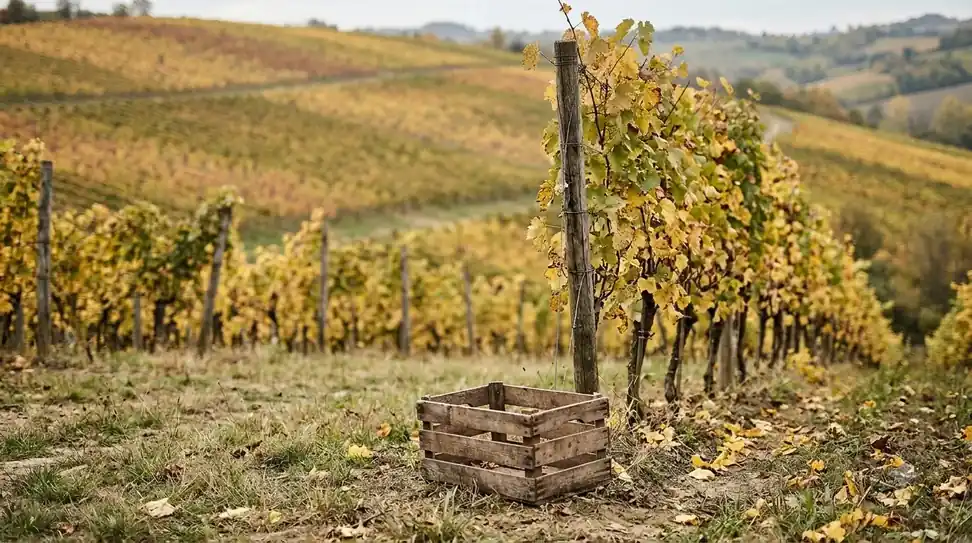
The Climate Behind the Cayuga Lake Vineyards
The climate is the reason many growers prefer this area. Vineyards here enjoy a longer growing season than much of the broader Finger Lakes region, which gives grapes more time to develop sugar, acid, and flavor before harvest. Growing season length and heat accumulation are the two numbers winemakers look at most closely when they decide what to plant, and the Cayuga Lake sites score higher on both than many nearby areas.
Precipitation is moderate, and the hillside soils are shale-based, which tends to drain quickly. Good drainage helps vines avoid waterlogged roots, which is one reason growers favor slopes that sit well above the lake surface.
| Factor | Cayuga Lake area | Much of the Finger Lakes |
|---|---|---|
| Growing season | About 165 to 170 days | About 145 days |
| Growing degree days | About 2,400 to 2,500 | About 2,200 to 2,300 |
| Annual precipitation | About 28 to 35 inches | Varies by sub-area |
| Typical slope setting | Shale hillsides at least 800 feet above the lake | Mixed slopes and valley floors |
Grapes Grown in the Cayuga Lake Area
The area grows a wide mix of grape types. Growers work with native American varieties, French-American hybrids, and European vinifera, and the appellation documentation lists roughly thirty varieties in total. That variety is part of the appeal, because a visitor can taste a cold-hardy hybrid and a classic European variety from the same county.
Several names come up again and again. Riesling is widely associated with cool-climate New York, and it often shows bright acidity and fruit. Chardonnay and Pinot noir are planted for both still and sparkling styles. Cabernet Sauvignon is grown in the warmer sites along the lake. Traditional American grapes such as Concord and Catawba are also part of the picture, especially in the juice and sweeter wine categories.
Wine Styles You Will Find
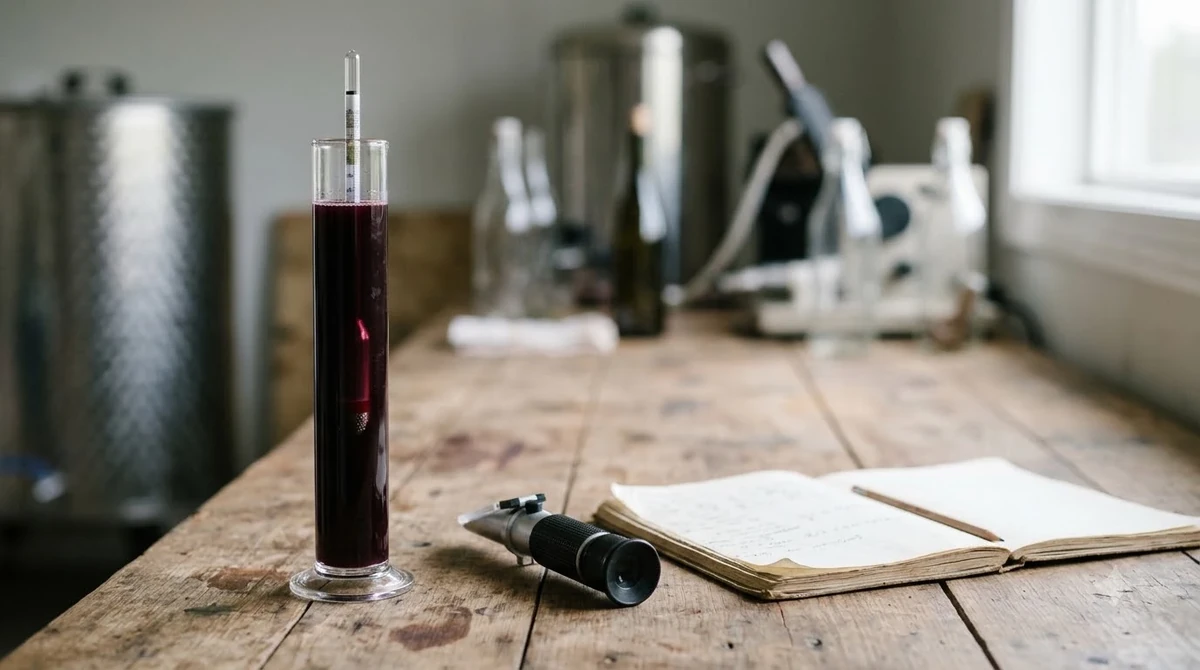
Because of the mix of grapes, the wines from the Cayuga Lake vineyards span a wide range. White wines tend to be the strongest group, and dry or off-dry Rieslings and Chardonnays are common choices for visitors who want a crisp glass. Red wines from the area are usually lighter and fruit-forward compared with those from warmer regions, and many winemakers aim for balance rather than heavy oak.
Acidity is the trait people most often mention when they describe these wines. Cool nights during the growing season help grapes hold onto acid, which gives many white wines a lively, clean finish. Reds made from the cooler sites can taste lighter in body than a Napa Valley Cabernet, with more red-fruit character and less tannin, so they often pair well with mid-weight dishes like roast chicken or grilled vegetables.
Sparkling wine and sweeter styles also have a place on local tasting menus. If you are unsure where to begin, look for a tasting flight that includes a dry white, a red, and one sweeter option so you can compare how the same climate shows up across different grapes.
Tip: Ask the tasting room which grapes come from their own vineyards and which are sourced from elsewhere in the region. Wineries are usually glad to explain the difference.
Planning a Visit to the Cayuga Lake Vineyards
Visiting is one of the most popular ways to learn about the area. Many wineries sit close to the lake road, so a day trip can include several tasting rooms within a short drive. Spring and early fall are often the easiest times to plan, because the weather is mild and the roads are less crowded than in peak summer.
Because the terrain is hilly and the lake shoreline is long, it helps to plan your route in advance. Allow extra time between stops, and consider using a designated driver or a tour service if you plan to taste several wines in one day.
Frequently Asked Questions
What is the Cayuga Lake AVA?
It is a federally recognized American Viticultural Area in New York’s Finger Lakes region. It was approved in 1988 and is the first sub-appellation within the Finger Lakes, covering about 240 square miles along the lake.
Why do the vineyards near Cayuga Lake grow such a variety of grapes?
The lake provides a longer growing season and some protection from early and late frost, which opens the door to both cold-hardy hybrids and European vinifera. Growers can plant a wider range of varieties than they could farther from the water.
Is Riesling the most common wine from the area?
Riesling is one of the most closely associated grapes with the Finger Lakes, and it appears on many local lists. Chardonnay, Pinot noir, and several hybrids are also widely planted, so the best answer depends on which wineries you visit.
Can I visit the Cayuga Lake vineyards without a car?
Public transport options are limited in rural New York, so most visitors drive or book a tour. Check each winery’s hours and shuttle options before you go, and plan for a designated driver if you intend to taste several wines.
The Cayuga Lake vineyards show how a large body of water can shape a wine region. For more background on how regions differ, read the overview of wine regions and then compare the area with Keuka Lake vineyards or Cayuga Lake wine to see how neighboring lakes produce different styles. If you are planning a trip, the lake’s wine country is a good place to start with a small group of wineries and build from there. Drink responsibly and plan a safe ride home.
More in Wine Regions
 Willcox Wine Trail: Discover Arizona’s High-Elevation Wine CountryUpdated Nov 20, 2026
 Yakima Valley Wine Region: Find the Best Styles to TryUpdated Nov 20, 2026
 Vosne Romanee Wine Tasting: Identify Aromas and Choose Better PairingsUpdated Nov 20, 2026
 Yakima Valley Wine Festival: Find the Best Seasonal Wine EventsUpdated Nov 20, 2026
 Wales Vineyards: Discover Cool-Climate Wines and Where to VisitUpdated Nov 20, 2026
 Yountville Wine Festival: Discover Napa Wines and Local FoodUpdated Nov 20, 2026