


We may earn a commission when you buy through links on this page, at no extra cost to you. Learn more.
Cavit wine price typically ranges from about $9 to $14 for a standard 750 ml bottle in the United States, depending on the variety, retailer, and location. Popular choices such as Pinot Grigio and Moscato generally sit toward the lower end of that range, while Pinot Noir and certain specialty selections can cost more. Larger 1.5 L bottles offer more wine per purchase and are commonly priced around $15 to $18. Comparing the variety, bottle size, and local availability is the easiest way to find a Cavit wine that fits your budget.
Cavit is a familiar name in American wine shops, particularly for shoppers looking for approachable Italian wines without moving into premium pricing. Its selection extends beyond Pinot Grigio to include Moscato, Riesling, Chardonnay, Pinot Noir, Merlot, Cabernet Sauvignon, and sparkling options. That variety makes it useful to understand the differences between individual bottles before choosing one. This guide examines typical US retail pricing, explains what influences the cost, and offers practical buying advice for comparing Cavit wines.
Who Should Buy Cavit Wine?
Cavit is a sensible option for shoppers who want recognizable Italian wine styles at accessible everyday prices. Its standard 750 ml bottles generally occupy an affordable retail category, while its larger formats suit households that serve wine regularly or plan casual gatherings.
The brand is particularly associated with Pinot Grigio. According to Cavit’s official company history, the winery helped introduce American wine drinkers to Italian Pinot Grigio during the 1970s. The company identifies Trentino in northern Italy as its home, a region characterized by mountainous landscapes, lakes, and vineyards influenced by the Ora del Garda breeze. These regional details help explain the brand’s Italian identity, although individual wines can come from different designated production areas.
Buyers who prefer crisp white wines can start with Cavit Pinot Grigio or Chardonnay. Those who enjoy sweeter wines may prefer Moscato, while drinkers looking for a red can compare Merlot, Pinot Noir, and Cabernet Sauvignon. The range makes Cavit relevant to several different shopping occasions without requiring a large spending commitment.
It is also worth considering who may want to shop beyond the standard collection. Someone seeking a particularly complex, age-worthy Italian wine, a prestigious vineyard designation, or a specialized production style may prefer to compare Cavit with more premium producers. Cavit’s main appeal is accessibility and consistency rather than luxury positioning.
For shoppers exploring the brand for the first time, the broader Cavit wine selection provides a useful starting point for understanding its different varieties. A buyer who already knows the preferred grape can narrow the decision further by comparing individual bottles rather than assuming every Cavit wine has the same sweetness, body, or flavor profile.
Key Factors to Compare Before Buying
The most useful comparison points are grape variety, bottle capacity, retail location, and the wine’s intended use. Two bottles from the same producer can have different prices because they represent different styles or package sizes.
| Wine or format | Typical US retail range | What to consider |
|---|---|---|
| Cavit Pinot Grigio, 750 ml | About $9–$12, based on Total Wine and BuyWinesOnline listings | Crisp, light-bodied white wine |
| Cavit Moscato, 750 ml | About $9–$11, based on BuyWinesOnline and Total Wine listings | Sweet, fruit-forward white wine |
| Cavit Riesling, 750 ml | About $9–$11, based on BuyWinesOnline listings | Fresh acidity and a potentially sweeter profile |
| Cavit Chardonnay, 750 ml | About $9–$14, based on retailer listings | Compare the standard and Oak Zero selections |
| Cavit Merlot, 750 ml | About $10–$14, based on BuyWinesOnline listings | Medium tannins and approachable red-fruit character |
| Cavit Cabernet Sauvignon, 750 ml | About $10–$14, based on BuyWinesOnline listings | Fuller red-wine character and firmer tannins |
| Cavit Pinot Noir, 750 ml | About $10–$14, based on BuyWinesOnline listings | Lighter body and relatively softer tannins |
| Cavit Pinot Grigio, 1.5 L | About $15–$18, based on Total Wine and Pennsylvania retail listings | Twice the capacity of a standard bottle |
| Cavit Moscato, 1.5 L | About $15–$18, based on Gopuff and Pennsylvania retail listings | Useful for larger gatherings |
These ranges are approximate comparisons of retailer listings and official Pennsylvania retail catalog prices, not guaranteed national prices. Prices vary by state and retailer, and taxes, shipping, local distribution, and availability can change the final amount. Specialty selections and different packaging formats may also fall outside these ranges.
Grape variety and wine style
The grape is one of the first things to consider. Pinot Grigio generally offers a lighter, refreshing experience, while Moscato is intended for shoppers who enjoy sweeter wines. Riesling can range from dry to noticeably sweet, so it is useful to distinguish the style rather than judging the wine by its grape name alone.
Red wines create another comparison. Cabernet Sauvignon typically has higher tannin, Merlot has medium and softer tannins, and Pinot Noir generally has lower to medium tannin with relatively high acidity. These differences affect food pairing and the overall drinking experience, even when the bottles occupy similar retail categories.
Package size and retailer
A 750 ml bottle is the familiar standard format. A 1.5 L bottle contains twice as much wine, equivalent to two standard bottles. Retailers also carry some smaller 187 ml formats, which are convenient when a full bottle is unnecessary.
For a meaningful comparison, calculate the cost per milliliter rather than judging the larger bottle by its total price. A bottle costing more at checkout may still represent better value if it contains twice the wine. However, that calculation only matters if the household will actually use the additional volume.
Step-by-Step: How to Find the Right Cavit Bottle
A straightforward buying process helps avoid paying for a wine style or package size that does not suit the occasion. Start with the intended taste, narrow the bottle size, and then compare the final retail cost at available stores.
- Choose a wine color and style. Decide whether the occasion calls for a white, red, rosé, or sparkling wine. For a refreshing white, start with Pinot Grigio. For a sweet option, consider Moscato. For red wine, compare Pinot Noir, Merlot, and Cabernet Sauvignon.
- Decide how sweet the wine should be. Moscato is a natural starting point for sweeter wine preferences. Riesling offers another option, but its sweetness can vary. Pinot Grigio is generally a better fit for shoppers seeking a drier, lighter white.
- Select the bottle capacity. Choose 750 ml for an ordinary meal or a small gathering. Consider 1.5 L for a larger group, provided the wine will be consumed while it remains fresh. Smaller 187 ml bottles can suit individual servings.
- Compare at least two retailers. Check a local wine shop and a larger retailer, such as Total Wine, for the same variety and capacity. Compare the full bottle price rather than relying on a displayed promotional unit price.
- Calculate the cost per serving. A standard 750 ml bottle provides approximately five 5 oz glasses. Divide the bottle cost by five to estimate the wine cost per serving. A 1.5 L bottle provides approximately ten such servings.
- Consider the food and occasion. Choose Pinot Grigio for lighter seafood dishes, Moscato for sweet desserts, or Merlot for softer red-wine pairings. A structured Cabernet Sauvignon may be better suited to a substantial beef meal.
- Check the final purchase details. Review the bottle size, variety, local availability, and applicable taxes. Shipping restrictions and delivery fees can affect the total cost of online purchases.
This sequence is particularly helpful when several Cavit bottles appear at similar prices. A small difference in retail cost may matter less than choosing the variety that everyone at the table will enjoy.
Tip: Compare the price per 5 oz serving when choosing between 750 ml and 1.5 L bottles. A standard bottle provides approximately five servings, while a 1.5 L bottle provides approximately ten. This makes it easier to judge the actual value of larger packaging.
Cavit Wine Types and Styles Explained
Cavit’s collection includes approachable white, red, rosé, sweet, and sparkling styles. The best selection depends more on personal taste and the occasion than on small differences in bottle price.
Pinot Grigio
Pinot Grigio is the variety most closely associated with Cavit’s American reputation. The producer describes its Pinot Grigio tradition in terms of freshness, fruit character, and aromatic clarity. Total Wine also describes the standard wine as crisp and refreshing, highlighting apple and citrus flavors.
It is a useful everyday white for salads, grilled fish, seafood pasta, and lighter appetizers. Its refreshing acidity works well with dishes that contain lemon or other acidic ingredients. Serve light white wine around 45–50 F to preserve its fresh character.
For shoppers specifically interested in this variety, the Cavit Pinot Grigio selection offers a more focused starting point. It is often one of the easiest bottles to find in both standard and larger formats. Cavit’s official Pinot Grigio product page also identifies the grape composition, serving suggestions, alcohol level, and available bottle sizes.
Moscato
Cavit Moscato suits people who prefer a sweeter, fruit-forward wine. It can work as an informal after-dinner drink or accompany fruit-based desserts. Its sweetness makes it less appropriate for someone who primarily enjoys dry whites.
Food pairing is especially important with this style. A wine should generally be at least as sweet as the dessert served alongside it. Otherwise, the wine can taste thin or overly acidic next to a very sweet dish. Fresh berries, fruit tarts, and lighter pastries can provide useful pairing opportunities.
Shoppers who enjoy this profile can compare the dedicated Cavit Moscato selection, paying attention to bottle capacity and the sweetness level that best matches their preferences.
Riesling and Chardonnay
Cavit Riesling offers an alternative for shoppers who enjoy aromatic whites with refreshing acidity. Riesling is a versatile grape because its style can range from dry to sweet. Its acidity can work well with dishes containing citrus, spices, and moderately rich sauces.
Chardonnay is another useful comparison. It generally has medium acidity and can offer a fuller impression than Pinot Grigio. Cavit’s portfolio includes Oak Zero Chardonnay, giving shoppers another style to consider when comparing its white-wine choices.
Pinot Noir, Merlot, and Cabernet Sauvignon
These three red varieties offer noticeably different experiences. Pinot Noir generally has lower to medium tannin, relatively high acidity, and a lighter body. Merlot usually has medium tannins and a softer structure. Cabernet Sauvignon has higher tannin and typically offers a firmer, fuller impression.
Choose Pinot Noir for roast chicken, mushroom dishes, or salmon served without an oily preparation. Merlot is a flexible option for meat dishes and tomato-based meals. Cabernet Sauvignon can accompany grilled beef, lamb, and hearty dishes with sufficient richness to balance its tannins.
Prosecco and other sparkling selections
Cavit’s wider portfolio also includes Prosecco, Prosecco Rosé, and other sparkling selections. These bottles are worth comparing separately because sparkling wine is purchased for different occasions than still wine.
Prosecco is generally made from Glera grapes using the tank method. It is typically around 11–12% ABV. Sparkling wines should be served colder than most still whites, around 40–50 F. A chilled sparkling bottle can work as an aperitif or accompany light appetizers.
Common Mistakes When Comparing Cavit Prices
The biggest buying mistakes involve comparing different bottle sizes, confusing wine styles, and treating one retailer’s listing as a universal national price. A little attention to product details makes price comparisons considerably more useful.
Comparing 750 ml and 1.5 L bottles incorrectly
A 1.5 L bottle is not simply a more expensive version of the same purchase. It contains twice the wine of a 750 ml bottle. A shopper who compares only the checkout total may overlook the lower cost per milliliter that can make a larger bottle attractive.
For example, consider a hypothetical standard bottle priced at $10 and a 1.5 L bottle priced at $17. The standard bottle costs approximately $0.0133 per milliliter, while the larger format costs approximately $0.0113 per milliliter. The larger bottle therefore provides more wine for the money, assuming both are equally suitable for the occasion.
Assuming all Cavit whites taste alike
Pinot Grigio, Chardonnay, Moscato, and Riesling are not interchangeable. Pinot Grigio generally emphasizes freshness, Moscato is a sweeter option, Chardonnay usually has a fuller texture, and Riesling can vary considerably in sweetness.
Someone buying Moscato because it costs approximately the same as Pinot Grigio may end up with a very different experience than expected. Understanding the grape variety is more useful than focusing exclusively on the brand name.
Ignoring local price differences
Wine prices can vary because of state alcohol regulations, distribution arrangements, retailer operating costs, and local taxes. A bottle listed at one price by a national retailer may have a different final cost at a neighborhood store.
For instance, BuyWinesOnline lists Cavit Moscato at approximately $9.95 and Pinot Grigio at approximately $10.95 for 750 ml bottles. These are individual retailer examples, not fixed national prices, and prices vary by state and retailer.
For another comparison, BuyWinesOnline’s Cavit collection lists several red and white varieties with their respective bottle sizes and retail prices. Comparing listings from more than one seller helps establish a realistic local spending range.
Buying a larger bottle without considering freshness
Large formats are useful for gatherings, but they are not automatically the better purchase. Once opened, still wines generally remain suitable for several days when properly refrigerated and sealed. Sparkling wine usually loses its freshness more quickly.
For a household that drinks only one glass occasionally, two smaller bottles may be more practical than one large bottle. Buying according to consumption habits reduces waste and makes it easier to enjoy the wine while it retains its intended character.
Choosing based on price alone
A low retail cost does not guarantee that a particular wine matches a buyer’s preferences. Someone who dislikes sweet wines will probably not enjoy Moscato simply because it is inexpensive. Likewise, a shopper who prefers lighter reds may find Cabernet Sauvignon too tannic.
Price should be considered alongside grape variety, acidity, tannin, sweetness, and food pairing. A bottle that fits the meal and the drinker’s preferences is generally a more satisfying purchase than one selected only because it is the cheapest option.
Cavit Wine Care and Storage Tips
Proper serving and storage help preserve the quality of an affordable bottle just as much as they help preserve a premium wine. Temperature, light exposure, and the way an opened bottle is handled all influence the drinking experience.
Store unopened bottles correctly
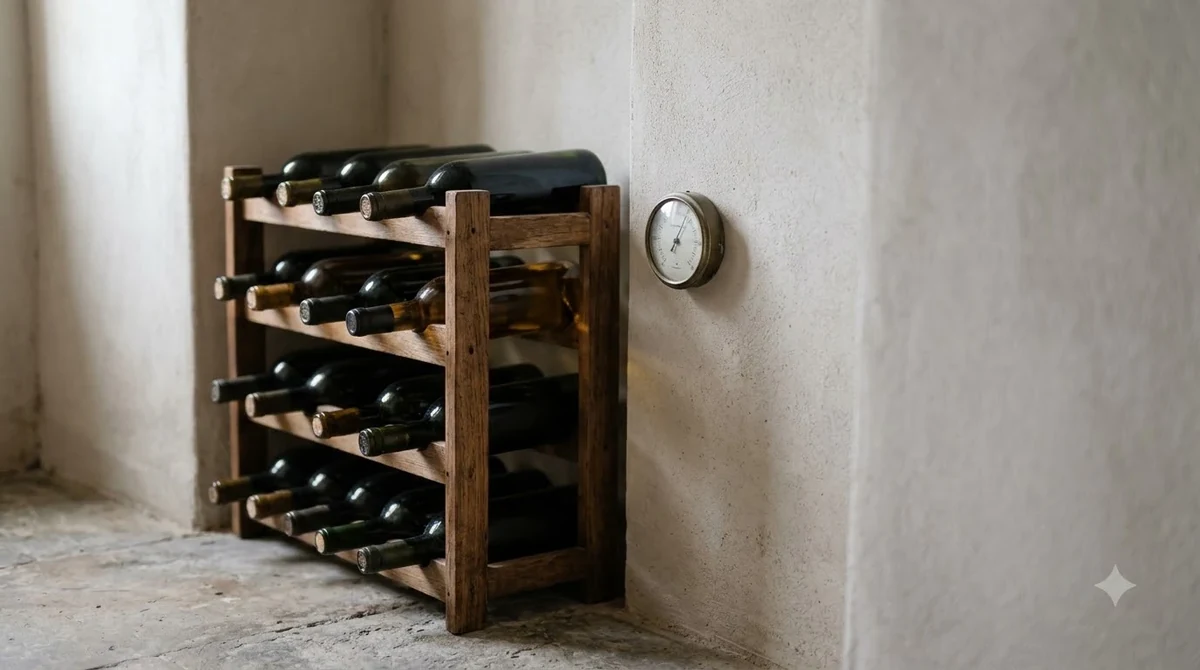
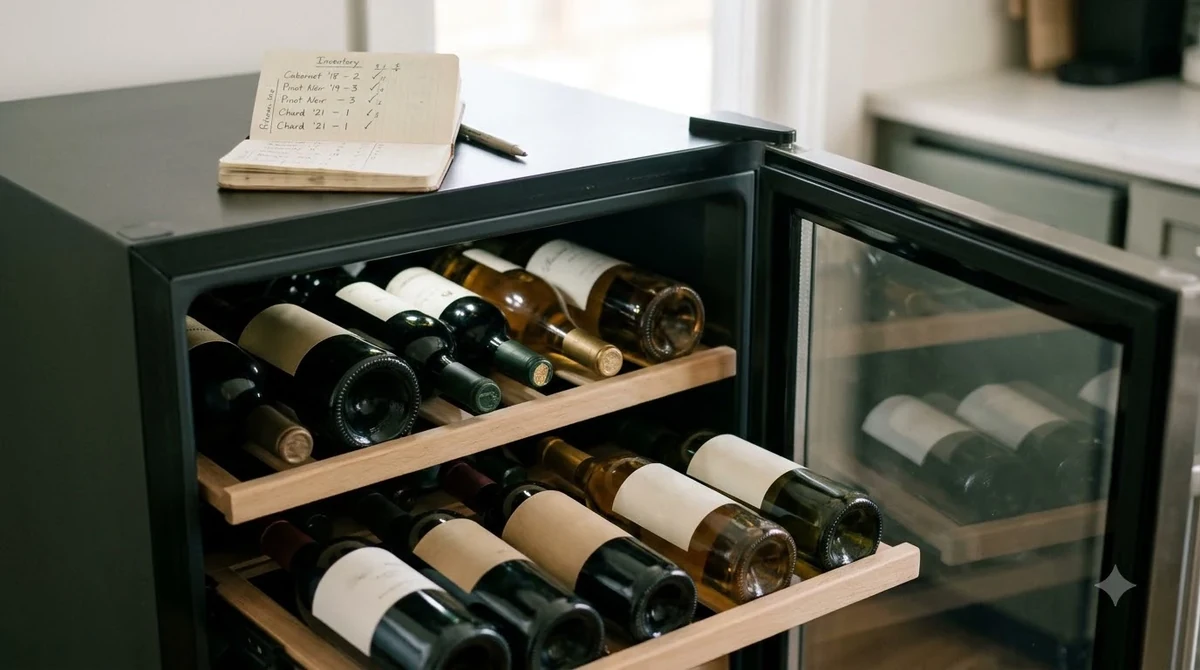
Keep unopened bottles in a cool, dark location away from direct sunlight, temperature fluctuations, and nearby appliances that produce heat. A storage temperature near 55 F is a useful general target for wine.
Bottles with traditional cork closures are best stored on their sides for longer storage so the cork remains in contact with the wine. Avoid leaving bottles in a hot vehicle or near a sunny window. A kitchen counter may be convenient, but it is rarely an ideal location for extended wine storage.
Serve each variety at an appropriate temperature
Serving temperature can make a noticeable difference to the aroma, acidity, sweetness, and tannin of wine. A white wine served too warm may seem heavier and less refreshing, while an excessively cold red can seem closed and more astringent.
Use these general serving ranges as a starting point:
- Pinot Grigio and rosé: 45–50 F.
- Chardonnay: 50–55 F.
- Riesling and Moscato: 43–50 F.
- Pinot Noir: 55–60 F.
- Merlot and Cabernet Sauvignon: 60–65 F.
- Prosecco: 40–50 F.
These ranges provide a practical framework rather than rigid rules. Personal preference matters, and a few degrees of difference can change how a wine feels in the glass.
Preserve opened bottles
After opening a still Cavit wine, reseal the bottle and refrigerate it. White wines and reds generally retain their best character for approximately three to five days under appropriate storage conditions. Sparkling wine usually lasts around one to three days when sealed with a suitable sparkling-wine stopper and refrigerated.
Do not assume that red wine should always remain at room temperature after opening. Refrigeration slows oxidation, and the bottle can be brought back toward its preferred serving temperature before pouring. This is especially useful for Pinot Noir and Merlot.
Pour appropriate serving sizes
A standard 750 ml bottle contains approximately five 5 oz servings. Pouring consistently makes it easier to estimate how many bottles are needed for a dinner or gathering. It also helps shoppers calculate the cost per glass accurately.
For a small dinner, one standard bottle may be enough for a modest number of servings. For a larger gathering, the 1.5 L format can reduce the number of bottles required. The right choice depends on the number of guests, the food being served, and whether several wine styles will be available.
For additional background on choosing wine producers and understanding different brand portfolios, the Wine Brands resource provides a broader starting point.
Frequently Asked Questions
Is Cavit considered an Italian wine brand?
Yes. Cavit is based in Trentino in northern Italy and works with a regional network of winegrowers. Its Italian identity is central to its portfolio, particularly its Pinot Grigio wines. The collection also includes international grape varieties such as Cabernet Sauvignon and Merlot.
How many calories are in a glass of Cavit wine?
The calorie content depends on the wine’s alcohol level, residual sugar, and serving size. Sweet Moscato generally contains more residual sugar than a dry Pinot Grigio, which can affect the total. Individual nutritional information is the most useful source for comparing specific bottles.
Does Cavit make organic wine?
Cavit describes several sustainability practices, including cover crops, water conservation, sustainable pest control, and renewable energy. Those environmental practices do not automatically establish organic certification for every wine. Buyers specifically seeking certified organic wine should look for the appropriate certification on the individual product.
Can Cavit wine be used for cooking?
Yes. Dry Cavit Pinot Grigio or Chardonnay can work in seafood sauces, risotto, and dishes that benefit from white wine. Merlot or Cabernet Sauvignon can be used in suitable red-wine reductions and braised dishes. Avoid using a sweet Moscato in a recipe that calls for dry wine unless the additional sweetness is intentional.
Where is Cavit wine distributed in the United States?
Cavit is distributed through American wine retailers, liquor stores, and selected online wine merchants. Availability varies according to state alcohol regulations and individual store distribution arrangements. Cavit’s official website includes a store-finding resource that can help shoppers locate participating sellers.
Cavit offers a broad selection of approachable Italian wines, with standard 750 ml bottles commonly occupying an affordable retail category and larger formats providing another option for frequent wine drinkers. Compare grape varieties, serving occasions, and bottle capacities before choosing, rather than relying on the lowest displayed price alone. With those details in mind, finding a Cavit bottle that fits both the meal and the budget becomes a much simpler decision.
More in Wine Brands
 Underwood Wine Price: Compare Bottles, Cans, and Pack SizesUpdated Nov 21, 2026
 Zenato Wine Price: Compare Styles and Choose the Right BottleUpdated Nov 21, 2026
 Zuccardi Wine Price: Compare Bottles and Find the Right RangeUpdated Nov 21, 2026
 Yellow Tail Moscato Review: Taste, Sweetness and Serving TipsUpdated Nov 21, 2026
 Wolf Blass Yellow Label Review: Choose Your Best StyleUpdated Nov 21, 2026
 Wolffer Estate Rose Review: Choose the Right Bottle for Your TableUpdated Nov 21, 2026