

We may earn a commission when you buy through links on this page, at no extra cost to you. Learn more.
Cavit wine alcohol content generally ranges from 7.2% to 13% ABV across its standard and specialty wine selections, depending on the variety. Cavit Moscato is among the lower-alcohol options, while Cabernet Sauvignon and Select Red Blend reach 13% ABV in the brand’s published US nutrition information. Regular Cavit Pinot Grigio is listed at 12.1% on its product page, although other published specifications list 12.5%.
Cavit is an Italian wine brand with a broad selection of familiar styles, including Pinot Grigio, Moscato, Merlot, Pinot Noir, Cabernet Sauvignon, Riesling, Rosé and Prosecco. Because these wines differ in grape variety, sweetness and winemaking, their alcohol percentages are not identical. Understanding alcohol by volume (ABV) helps you compare bottles, estimate the alcohol in a serving and choose a wine that suits your preferences. This guide explains the published percentages, differences between product lines and practical serving information.
Typical Alcohol Content Across the Cavit Wine Range
Cavit wines generally fall between 7.2% and 13% ABV in the brand’s published US product information. Moscato sits toward the lower end, while Cabernet Sauvignon and Select Red Blend occupy the higher end of the range.
The most useful starting point is the brand’s nutrition information, which lists alcohol by volume for individual varieties. The figures below provide a convenient comparison of the different wines. They also show why assuming that every bottle from the same producer has the same alcohol strength can lead to inaccurate estimates.
| Cavit wine | Published ABV | General style |
|---|---|---|
| Moscato | 7.2% | Sweet, aromatic white |
| Sweet Red | 10.5% | Sweet red wine |
| Prosecco | 11% | Sparkling white |
| Riesling | 11.6% | Aromatic white |
| Rosé | 12% | Rosé wine |
| Pinot Noir | 12.1% | Light-bodied red |
| Pinot Grigio | 12.5% | Crisp white |
| Merlot | 12.5% | Medium-bodied red |
| Oak Zero Chardonnay | 12.5% | White wine |
| Cabernet Sauvignon | 13% | Full-bodied red |
| Select Red Blend | 13% | Red blend |
These figures come from Cavit’s US nutrition information. Some wines also have different published specifications depending on the product, market or technical document. For example, the regular Pinot Grigio product page lists 12.1%, whereas the nutrition page lists 12.5%. The Moscato product page lists 7.5%, while the nutrition page gives 7.2%. These differences should be understood as published product-specific information rather than a guarantee that every bottle will have precisely the same percentage.
Another important distinction is the Cloud90 range. Cavit lists Cloud90 Pinot Grigio at 9% ABV, while its Cloud90 Chardonnay and Sauvignon Blanc are both 9.5%. Cloud90 Sparkling Brut is also listed at 9.5%. These products provide a different alcohol-strength option from the standard range.
Why Cavit Pinot Grigio Has Different Published ABV Figures
Cavit Pinot Grigio is commonly listed around 12.1% to 12.5% ABV in its US product information. The exact figure varies between published brand and technical specifications, so it is important to distinguish the specific Pinot Grigio product being discussed.
The US Cavit Collection product page identifies its Pinot Grigio as 100% Pinot Grigio and lists an alcohol content of 12.1%. It describes citrus and green apple flavors and identifies Trentino, Friuli and Veneto as the principal grape-growing areas. Cold fermentation in temperature-controlled tanks helps preserve the fresh fruit character associated with this style.
However, Cavit’s nutrition information gives standard Pinot Grigio an ABV of 12.5%. Palm Bay International, the brand’s US importer and distributor, also lists 12.5% for its Valdadige DOC Pinot Grigio technical information. Its product listing gives 5.8 grams per liter of total acidity and a pH of 3.4. You can consult the Palm Bay Cavit Pinot Grigio product specifications for these technical details.
Understanding the regional specifications
The DOC delle Venezie producer specification provides another example. Its document identifies a particular Cavit Pinot Grigio delle Venezie blend containing 85% Pinot Grigio and 15% Chardonnay, with 12% ABV. It also lists 5.5 grams per liter of total acidity and 3 grams per liter of residual sugar.
This is not necessarily the same wine as the 100% Pinot Grigio Valdadige DOC product. Different appellations, grape compositions and product specifications can account for different technical details. Therefore, comparing two bottles simply because both say Cavit Pinot Grigio may overlook important distinctions.
The practical takeaway is that approximately 12% to 12.5% ABV is a useful general reference for regular Cavit Pinot Grigio. A precise comparison should use the information associated with the particular product rather than combining specifications from different regional bottlings.
For a closer look at the white wine’s strength and characteristics, see our dedicated article about Cavit Pinot Grigio alcohol content.
Cavit Moscato and Other Lower-Alcohol Options
Cavit Moscato is listed at 7.2% ABV in the US nutrition information, making it a substantially lower-alcohol choice than standard Pinot Grigio at 12.5%. The Cloud90 range also offers wines below the typical strength of many conventional table wines.

Moscato is made from aromatic grapes and is generally associated with fragrant fruit character and noticeable sweetness. Cavit’s nutrition information lists 147 grams per liter of sugar for its Moscato, compared with 4.4 grams per liter for its standard Pinot Grigio. This difference helps explain why the two wines offer distinctly different drinking experiences.
There is a small but important discrepancy in Cavit’s published Moscato information: the US nutrition page lists 7.2% ABV, while the separate US product page lists 7.5%. Both figures indicate a relatively low-alcohol wine compared with the standard Pinot Grigio and Cabernet Sauvignon selections.
The Cloud90 range provides another option for people comparing alcohol percentages. Its Pinot Grigio is listed at 9% ABV, while Cloud90 Chardonnay, Sauvignon Blanc and Sparkling Brut each have 9.5% ABV. These are different products from the corresponding standard wines, not simply alternative serving recommendations for the same bottles.
Choosing between Moscato and Cloud90
Choose Moscato if you enjoy a sweet, aromatic wine with flavors that complement fruit, desserts and flavorful appetizers. Its lower ABV is accompanied by a much higher published sugar figure than the standard Pinot Grigio.
Cloud90 may be a better fit if you prefer a less sweet wine while looking for a lower alcohol percentage. The Cloud90 Pinot Grigio, for example, is listed at 9% ABV and has 14 grams per liter of sugar in the brand’s nutrition information.
It is useful to remember that lower alcohol and lower sweetness are separate characteristics. A wine can be relatively low in alcohol but quite sweet, as Moscato demonstrates. Conversely, a wine with less residual sugar can still have a higher alcohol percentage.
For more variety-specific information, read our guide to Cavit Moscato alcohol content.
Tip: If alcohol strength is your main selection criterion, compare the ABV of the exact Cavit wine rather than relying on the words Pinot Grigio, Moscato or Chardonnay alone. The Cloud90 name identifies a separate lower-alcohol product range.
How Much Alcohol Is in a Glass or Bottle of Cavit Wine?
The amount of alcohol in a serving depends on both the wine’s ABV and the volume poured. A standard 5-ounce serving of 12.5% ABV wine contains more pure alcohol than the same serving of a 7.2% ABV Moscato.
Alcohol by volume describes the percentage of a wine’s liquid volume that is pure alcohol. For example, a wine with 12.5% ABV contains approximately 12.5 milliliters of pure alcohol in every 100 milliliters of wine.
The following estimates compare several common Cavit strengths using a 5-ounce serving. The calculations use the published ABV percentages and the approximate conversion of 29.57 milliliters per US fluid ounce.
| Wine ABV | Pure alcohol in 5 oz | Pure alcohol in 750 ml |
|---|---|---|
| 7.2% | 10.7 ml | 54 ml |
| 9% | 13.3 ml | 67.5 ml |
| 9.5% | 14.0 ml | 71.3 ml |
| 10.5% | 15.5 ml | 78.8 ml |
| 11% | 16.3 ml | 82.5 ml |
| 12% | 17.7 ml | 90 ml |
| 12.5% | 18.5 ml | 93.8 ml |
| 13% | 19.2 ml | 97.5 ml |
These figures are mathematical estimates rather than laboratory measurements of individual bottles. They demonstrate that a 5-ounce pour of 13% ABV wine contains more pure alcohol than the same pour of 7.2% ABV wine.
Understanding bottle sizes
A standard 750 ml wine bottle holds approximately five 5-ounce servings. This means a bottle of Cavit Pinot Grigio at 12.5% ABV contains approximately 93.8 ml of pure alcohol in total.
Cavit also offers different Pinot Grigio bottle formats. Its US product information lists 187 ml, 375 ml, 750 ml and 1.5-liter sizes. A 375 ml bottle contains approximately half the volume of a standard bottle, while a 1.5-liter bottle contains twice as much.
Serving volume matters just as much as the percentage. A 6-ounce pour contains 20% more wine than a 5-ounce pour. Consequently, it also contains 20% more alcohol if the ABV remains the same.
When comparing different wines, consider both the strength printed on the product information and the quantity actually poured. A smaller serving of a higher-ABV wine can contain a similar amount of alcohol to a larger serving of a lower-ABV wine.
How Cavit Red, White and Sparkling Wines Compare
Cavit’s different wine categories offer distinct alcohol ranges and flavor profiles. Its listed Cabernet Sauvignon reaches 13% ABV, while its Prosecco is listed at 11%, illustrating the differences between still reds and sparkling whites in the collection.
Among the red wines, Cabernet Sauvignon and Select Red Blend are both listed at 13% ABV. Merlot is listed at 12.5%, while Pinot Noir is listed at 12.1%. These percentages place the four wines within a relatively narrow range, even though their structures and flavor characteristics differ.
Cabernet Sauvignon generally has high tannin, firm structure and dark-fruit flavors. Merlot usually has softer, medium tannins, while Pinot Noir typically has lower-to-medium tannin and higher acidity. Alcohol percentage alone therefore cannot tell you how full-bodied, dry or tannic a particular wine will taste.
The white wine selection also varies. Standard Pinot Grigio is listed at 12.5% in the nutrition information, Oak Zero Chardonnay at 12.5%, and Riesling at 11.6%. The Rosé entry is listed at 12% ABV.
Sparkling wine and the difference in strength
Cavit Prosecco is listed at 11% ABV, making it one of the lower-strength options in its standard collection. Prosecco is produced primarily from Glera grapes and typically uses the tank method for its secondary fermentation.
Champagne and Cava generally use bottle fermentation instead. This distinction concerns production rather than alcohol strength, although different sparkling wines can have different ABV percentages.
Cavit’s Cloud90 Sparkling Brut is listed at 9.5% ABV, which is lower than the standard Prosecco figure. The two should not be treated as interchangeable products simply because both are sparkling wines.
For a broader comparison with wines from other producers, our guide to Black Box Pinot Grigio alcohol content provides another reference point for comparing Pinot Grigio products.
What Affects the Alcohol Percentage of Cavit Wine?
Alcohol strength is primarily determined by the amount of fermentable sugar in grape juice and how much of that sugar yeast converts into alcohol. Grape ripeness, winemaking decisions and the desired wine style all contribute to the final ABV.
During fermentation, yeast consumes natural grape sugars and produces alcohol and carbon dioxide. If fermentation continues until most fermentable sugar has been consumed, the resulting wine can be relatively dry. If substantial sugar remains or fermentation is stopped earlier, the finished wine may retain more sweetness.
This helps explain the contrast between Cavit Moscato and its Cabernet Sauvignon. The Moscato is listed at 7.2% ABV with substantial residual sugar, while Cabernet Sauvignon is listed at 13% ABV. The wines are designed in different styles, and their fermentation outcomes reflect those differences.
Grape variety and growing conditions
Different grape varieties can accumulate different levels of sugar as they ripen. Climate, sunshine, growing-season temperatures and harvest timing all influence the composition of the fruit before fermentation begins.
Cavit’s Pinot Grigio comes principally from Trentino, Friuli and Veneto according to its US product information. The company’s regional background highlights the influence of northern Italy’s growing conditions, including cool evenings and the climate around Lake Garda.
However, grape variety does not establish a fixed alcohol percentage. Pinot Grigio from two different producers can have different ABV levels because of growing conditions, harvest decisions and winemaking practices.
Residual sugar and alcohol are different measurements
Residual sugar measures the sugar remaining after fermentation, generally expressed in grams per liter. ABV measures the proportion of alcohol in the finished wine. They are related through fermentation, but they describe different properties.
For example, Cavit’s nutrition information lists Moscato at 147 g/L sugar and 7.2% ABV. Standard Pinot Grigio is listed at 4.4 g/L sugar and 12.5% ABV. These figures illustrate why sweetness should not be used as a substitute for checking alcohol strength.
A wine can taste sweet without having a particularly high alcohol percentage. Similarly, a dry wine can contain a substantial amount of alcohol while having very little residual sugar.
When comparing wines, look at both measurements if available. This gives a more complete understanding of the drinking style than either figure alone.
Serving Temperature, Food Pairings and Storage
Serving temperature influences how Cavit wines express their aromas, acidity and structure. Light whites such as Pinot Grigio generally work well at 45–50°F, while sparkling wines are best served colder, around 40–50°F.
Cavit Pinot Grigio is described as fresh, dry and crisp, with citrus and green apple characteristics. These qualities make it a versatile accompaniment to seafood, chicken, creamy pasta and risotto. Its relatively bright acidity also helps it work with dishes containing lemon or other acidic ingredients.
Moscato is better suited to fruit, chocolate, flavorful appetizers and cheeses. Its sweetness makes it especially useful with desserts, provided the wine is at least as sweet as the food. Otherwise, the wine can seem less fruity and more acidic alongside the dessert.
Temperature recommendations
For a practical serving routine, use the following temperature ranges:
- Sparkling wines: 40–50°F.
- Light whites and rosé: 45–50°F.
- Fuller-bodied white wines: 50–55°F.
- Light reds: 55–60°F.
- Full-bodied reds: 60–65°F.
- Sweet white wines: 43–50°F.
For food matching, pair Cavit Pinot Grigio with grilled fish, seafood risotto or chicken in a cream sauce. Moscato works with fruit-based desserts, while Merlot can accompany roasted meats and savory pasta dishes.
Salt and fat can soften the perception of tannin in red wine, making richer foods useful partners for Cabernet Sauvignon and Merlot. Conversely, strongly tannic reds generally clash with oily fish. Spicy food also requires attention because alcohol and tannin can make chili heat seem more pronounced.
Storage after opening
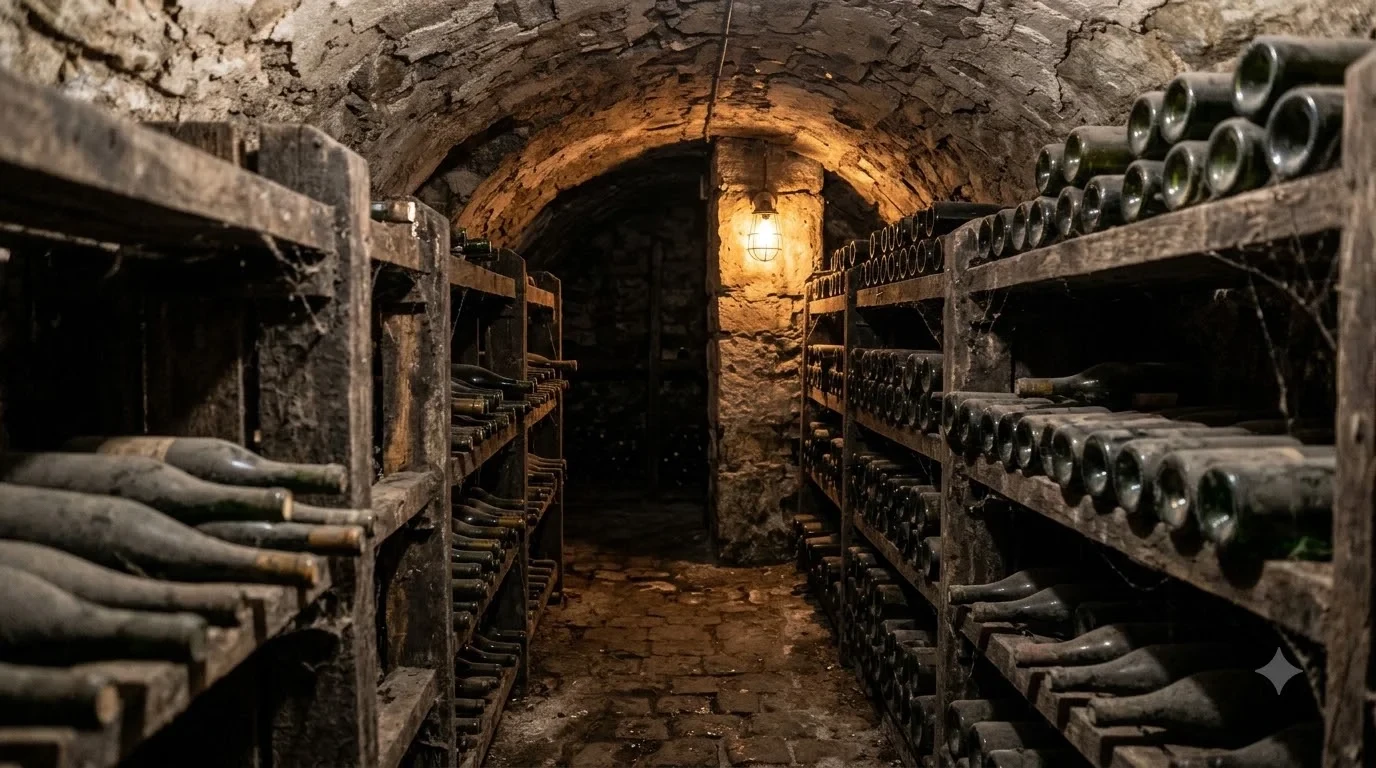
Store unopened wine bottles on their sides when they have natural cork closures, in a cool and relatively stable environment near 55°F. Avoid excessive temperature changes, direct sunlight and strong vibration.
Once opened, refrigerate still Cavit wines and aim to consume them within approximately three to five days. Sparkling wines generally retain their best qualities for around one to three days when properly sealed and refrigerated. A sparkling wine stopper can help preserve carbonation.
Pouring a standard 5-ounce serving rather than filling a large glass to the top also makes it easier to compare the amount of wine consumed across different bottles. This is especially useful when comparing a lower-ABV Moscato with a stronger Cabernet Sauvignon.
For additional background on different producers, varieties and wine styles, explore our Wine Brands section.
Frequently Asked Questions
Does Cavit wine contain sulfites?
Yes, Cavit wines can contain sulfites, which occur naturally during fermentation and may also be used in winemaking. Sulfites are commonly declared on wine labels according to applicable labeling requirements. Their presence is separate from the wine’s alcohol percentage.
Is Cavit Pinot Grigio made entirely from Pinot Grigio grapes?
The US Cavit Collection Pinot Grigio product page identifies its wine as 100% Pinot Grigio. However, a separate Cavit Pinot Grigio delle Venezie DOC specification identifies an 85% Pinot Grigio and 15% Chardonnay blend. These are different product specifications rather than contradictory descriptions of one identical bottling.
What is the acidity of Cavit Pinot Grigio?
Palm Bay’s listed Valdadige DOC Pinot Grigio technical information gives total acidity of 5.8 g/L and a pH of 3.4. These measurements describe acidity rather than alcohol strength. They help explain the wine’s fresh, crisp character.
Does Cavit make wine in smaller bottles?
Yes. The US Cavit Collection Pinot Grigio product information lists 187 ml and 375 ml bottles in addition to the standard 750 ml format and the 1.5-liter bottle. These smaller formats contain approximately one-quarter and one-half of a standard 750 ml bottle, respectively.
Who imports Cavit wines into the United States?
Palm Bay International provides US brand and product information for Cavit. Its Pinot Grigio product listing identifies the Valdadige DOC wine and names Fabrizio Marinconz as its winemaker. Palm Bay also provides technical product information and downloadable wine specifications.
Cavit wine alcohol content varies considerably across the collection, from lower-alcohol Moscato and Cloud90 wines to stronger Cabernet Sauvignon and red blends. Regular Pinot Grigio generally sits around 12% to 12.5% ABV, while the standard range includes several other strengths in between. Comparing the specific wine, its ABV and the actual serving volume is the most reliable way to understand how much alcohol a bottle contains.
More in Wine Brands
 Underwood Wine Price: Compare Bottles, Cans, and Pack SizesUpdated Nov 21, 2026
 Zenato Wine Price: Compare Styles and Choose the Right BottleUpdated Nov 21, 2026
 Zuccardi Wine Price: Compare Bottles and Find the Right RangeUpdated Nov 21, 2026
 Yellow Tail Moscato Review: Taste, Sweetness and Serving TipsUpdated Nov 21, 2026
 Wolf Blass Yellow Label Review: Choose Your Best StyleUpdated Nov 21, 2026
 Wolffer Estate Rose Review: Choose the Right Bottle for Your TableUpdated Nov 21, 2026