

We may earn a commission when you buy through links on this page, at no extra cost to you. Learn more.
Catena red wine is the range of red bottlings from Bodega Catena Zapata, a family winery in Mendoza, Argentina, best known for its high-altitude Malbec. The flagship Catena Zapata Malbec Argentino draws on old vines from several Mendoza vineyards. The range also includes Cabernet Sauvignon and single vineyard bottlings, so you can pick a style that suits your table.
This guide explains what Catena reds are, where the grapes grow, and how to taste, pair, store and choose a bottle. It draws on the winery’s own label information, the Wikipedia entries on the winery and on Laura Catena, and general wine knowledge. Read the label on your bottle for the vintage and vineyard details that matter most.
What Is Catena Red Wine?
Catena red wine refers to the red wines made by Bodega Catena Zapata, the Mendoza winery run by the Catena family for generations. Its best-known red is Malbec, and the brand is closely tied to Argentina’s high-altitude style of winemaking.
The reds are built around specific vineyard sites rather than one fixed blend. The winery’s Malbec label describes old vines from the Nicasia and Angélica vineyards, which sit in different districts of Mendoza. Because soil and elevation differ between those sites, the wines show different character from one bottling to the next.
For most American shoppers, the easiest way to think about the range is by grape and by vineyard. Malbec is the core of the lineup. Cabernet Sauvignon and other single vineyard bottlings sit alongside it. The front and back labels will tell you which grape and which vineyard you are buying.
History of the Catena Family and Catena Zapata
The Catena winemaking story starts in the early twentieth century. The family’s history explains why the reds focus on Malbec and on high vineyards. Knowing that background makes the bottles easier to read.
According to the Wikipedia entry on Bodega Catena Zapata, Nicola Catena immigrated to Argentina and planted his first Malbec vineyard in Mendoza in 1902. At that time the grape was mostly used as a blending component in Bordeaux. Nicolás Catena Zapata took charge of the family business in 1963 and expanded it, including into bottling.
Nicolás Catena Zapata is also credited with introducing vineyards at higher elevations in Argentina. In the early 1990s he began developing sites in the Uco Valley, a move that other producers later copied. Laura Catena joined the winery in 1995 after a career in medicine and later became its managing director.
Today the winery describes the fourth generation as leading a high-altitude renaissance in Argentina. The Catena family’s story is central to understanding why the reds are labeled by vineyard and why the Malbec draws so much attention from American buyers.
Key Catena Red Wines: Malbec, Cabernet Sauvignon and Single Vineyard Bottlings
The Malbec is the flagship and the wine most shoppers meet first. Other reds include Cabernet Sauvignon and bottlings named after individual vineyards. The table below sums up the main names you may see on shelves.
| Bottling | What the label or source highlights | Why it matters to you |
|---|---|---|
| Catena Zapata Malbec Argentino | Old vines from the Nicasia and Angélica vineyards, aged in French oak | The flagship that shows the winery’s Malbec style |
| Mundus Bacillus Terrae Malbec | Another Malbec bottling listed in the winery’s range | A useful comparison if you want a second Malbec |
| Cabernet La Pirámide Vineyard | A Cabernet named for the La Pirámide site near Agrelo | Shows the range beyond Malbec |
The Malbec bottlings carry the winery’s identity. Wikipedia notes that some top bottlings, such as the Nicolás Catena Zapata 2013 vintage, are made only in exceptional years. That means availability can change from one vintage to the next, so check the vintage on the shelf.
Single vineyard names matter because they tell you where the grapes came from. A label that names a vineyard points you toward a specific site, soil type and elevation. If you enjoy comparing sites, buying two bottles from different vineyards is a practical way to learn the differences.
Mendoza Terroir and Winemaking Behind Catena Reds
The Catena reds are shaped by Mendoza’s altitude, soils and careful winemaking. The winery’s research suggests that Malbec grown at higher elevations has a different balance of acidity and phenolic content than Malbec grown lower down.
The Angélica vineyard is located in the Lunlunta district of Maipú and was planted around 1930. Its soil is light gravel, loam and clay, and it sits beside a dry river bed. The Nicasia vineyard is in the La Consulta district of San Carlos, planted in 1996, with shallow loamy soil and gravel on the surface.
Winemaking choices also shape the final wine. According to the winery’s label information, the Malbec undergoes a cold maceration of two to ten days at less than 50°F (10°C), with a share of whole clusters. Fermentation runs for roughly 17 to 28 days, and the wine is aged 15 to 18 months in French oak barrels of first, second and third use.
Harvest timing also varies. The winery notes that harvest can differ by several weeks between lots in the same vineyard, depending on soil composition. That variation is one reason the vineyard and vintage details on a label matter when you compare bottles.
How to Taste, Pair and Serve Catena Red Wine
Start with the grape and the vineyard, then match the bottle to your food and temperature. Most Catena reds reward a slow pour and a few minutes in the glass before the first sip.
- Check the label for the grape, vineyard and vintage, then pour a small amount to start.
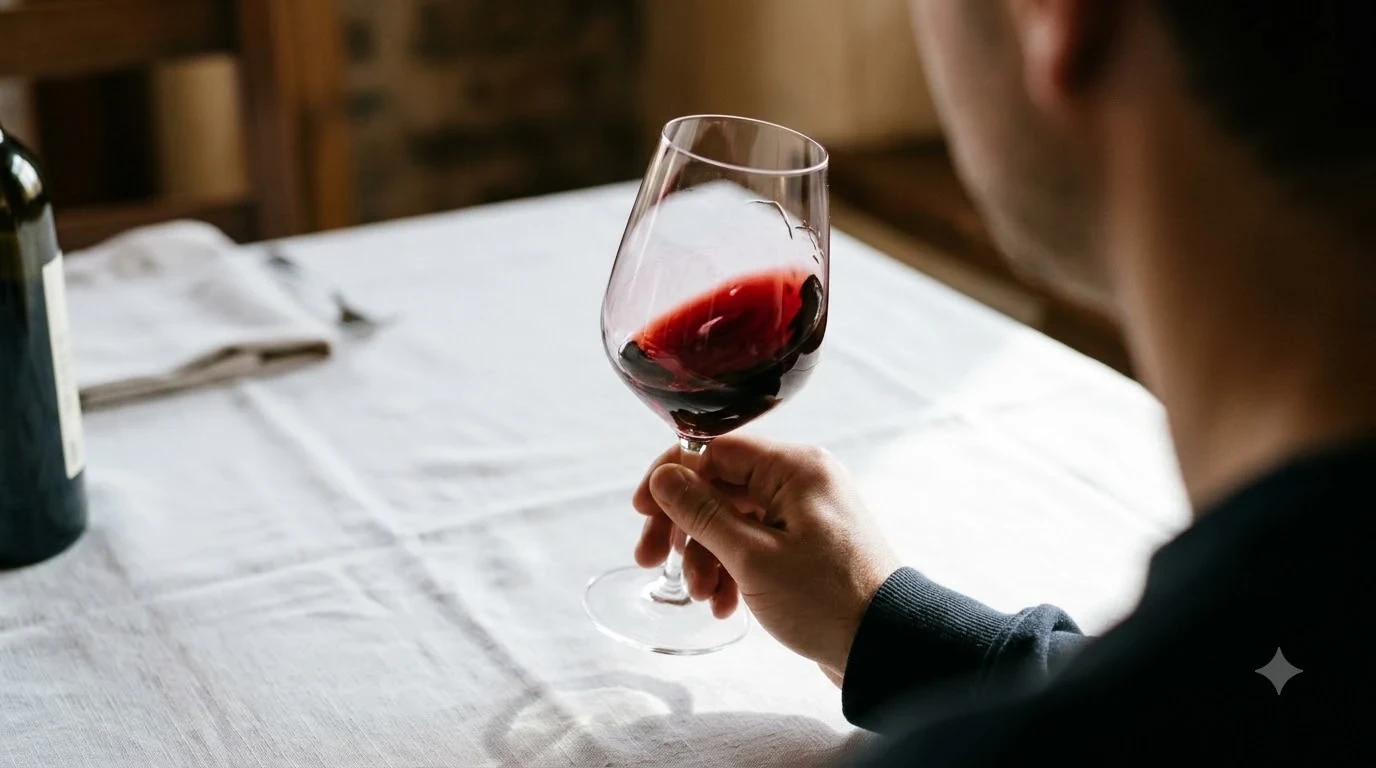
- Swirl gently and smell before tasting, noting dark fruit, spice and any oak character.
- Taste again after a few minutes, since young reds often open up as they breathe.
- Compare the Malbec with the Cabernet or another bottling if you have both, and note where they differ.
For food, Malbec pairs well with grilled and roasted red meats, especially the beef dishes common at an Argentine asado. Aged hard cheeses, mushroom dishes and tomato-based sauces also work well. Cabernet styles suit richer dishes with bold seasoning. Match the wine’s body to the weight of the food.
Tip: Serve red wines a little cooler than room temperature, and follow the serving guidance printed on the label or the winery’s site. Drink responsibly.
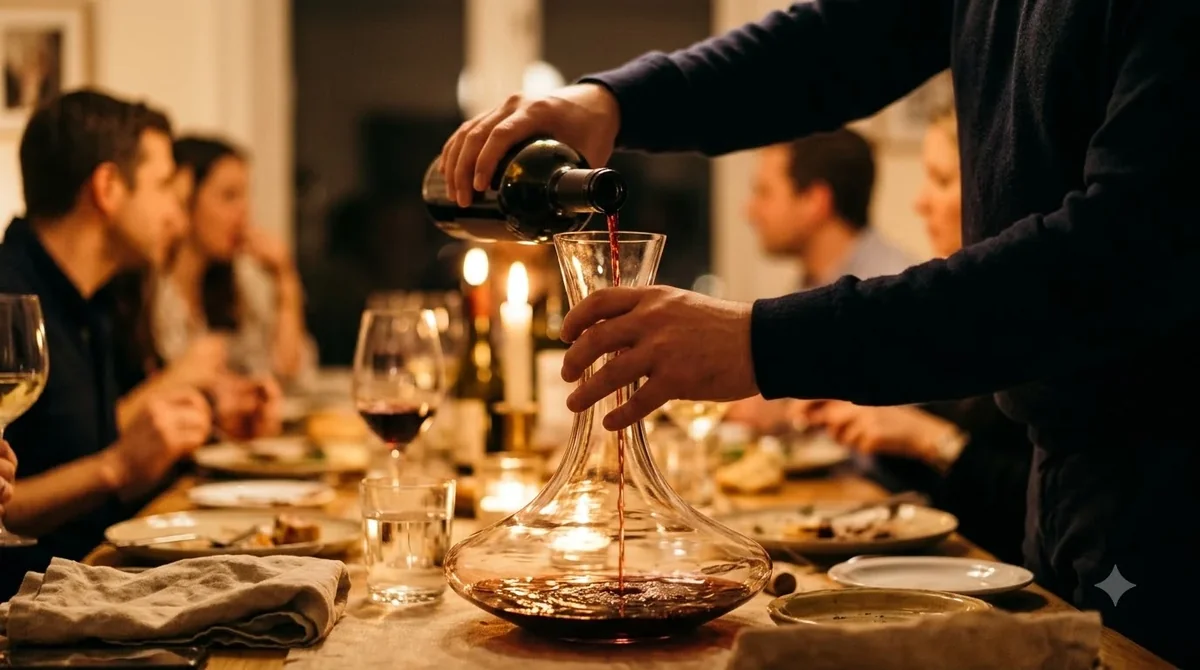
Store unopened bottles in a cool, dark place with steady temperatures. Keep them away from heat sources and strong vibrations. Once opened, recork the bottle and drink it within a few days for the best flavor. Young reds can benefit from a short decant before serving.
Where to Buy and How to Choose the Right Bottle
Buy from licensed wine shops or reputable online retailers, and compare the vintage, grape and vineyard name on each listing. Prices change by retailer and season, so check current listings rather than relying on any figure in this guide.
As of Nov 2026, the winery was named Best Fine Wine Producer in the Americas at the Golden Vines Awards, according to the Catena Zapata Malbec Argentino 2022 product page. Awards are a starting point, not a guarantee of taste. Your own preference for fruit, oak and body matters more.
If you want to compare producers, the Wine Brands section gives context on other labels. If you are weighing a different red style, the 14 Hands Hot to Trot wine page offers another brand to compare. Look at the bottle’s grape, vineyard and vintage first, then decide whether you want an everyday Malbec or a special vineyard bottling for a dinner.
Frequently Asked Questions
What grape is the Catena Zapata flagship red made from?
The flagship red is Malbec. The Catena Zapata Malbec Argentino label describes old vines from the Nicasia and Angélica vineyards in Mendoza. Check the bottle for the vintage and vineyard details.
Does Catena make red wines besides Malbec?
Yes. The winery’s range includes a Cabernet from the La Pirámide Vineyard, along with other Malbec bottlings. Wikipedia also notes that some top wines are made only in exceptional years.
Why does altitude matter for Catena reds?
The winery’s research indicates that Malbec grown at higher elevations has a different balance of acidity and phenolic content. The vineyards sit at different heights and soils, which contributes to the range of styles you can taste.
How should I store an open bottle of Catena red?
Recork the bottle, keep it cool, and drink it within a few days for the best flavor. Store unopened bottles in a cool, dark place with steady temperatures. Follow any storage guidance printed on the label.
Catena red wine rewards a little curiosity about grape, vineyard and vintage. Start with the Malbec flagship, then compare a second bottling to see how the site changes the wine. Keep notes on what you enjoy, and pair each bottle with food you like.
More in Wine Brands
 Underwood Wine Price: Compare Bottles, Cans, and Pack SizesUpdated Nov 21, 2026
 Zenato Wine Price: Compare Styles and Choose the Right BottleUpdated Nov 21, 2026
 Zuccardi Wine Price: Compare Bottles and Find the Right RangeUpdated Nov 21, 2026
 Yellow Tail Moscato Review: Taste, Sweetness and Serving TipsUpdated Nov 21, 2026
 Wolf Blass Yellow Label Review: Choose Your Best StyleUpdated Nov 21, 2026
 Wolffer Estate Rose Review: Choose the Right Bottle for Your TableUpdated Nov 21, 2026