

We may earn a commission when you buy through links on this page, at no extra cost to you. Learn more.
Cassis wine tasting introduces you to the distinctive coastal wines of Cassis, a historic appellation in Provence, France, best known for its dry, aromatic white wines made primarily from Marsanne and Clairette grapes. Located along the Mediterranean near Marseille, Cassis combines limestone vineyard terraces, maritime breezes and traditional winemaking to produce wines with fresh citrus, floral, mineral and saline characteristics. Visitors can explore local estates, compare white, rosé and red wines, and enjoy tastings alongside the seafood dishes that define Provençal cuisine.
Provence is internationally recognized for rosé, but Cassis offers a different perspective on southern French wine. Its predominantly white-wine production, compact vineyard area and close connection to the Mediterranean make it one of the region’s most distinctive destinations for wine enthusiasts. Understanding its grape varieties, growing conditions and tasting traditions helps visitors appreciate what makes these wines different from those produced elsewhere in Provence.
Understanding the Cassis Wine Appellation and Its History
Cassis is a small, established wine appellation on the Mediterranean coast of southeastern France. Its AOC designation dates to 1936, and its reputation rests primarily on dry white wines rather than the rosé styles commonly associated with Provence.
The vineyards are located within the commune of Cassis, approximately 20 kilometers from Marseille in the Bouches-du-Rhône department. Unlike larger wine-producing areas that extend across several municipalities, Cassis has a geographically concentrated production area. This creates a strong connection between the wines, the surrounding landscape and the identity of the coastal town.
Wine production in this part of Provence has ancient roots. Greek settlers and later Roman communities cultivated vines along the Mediterranean coastline. The region’s long agricultural history helped establish a local wine culture that continued through successive generations.
The appellation received official recognition in 1936. This status established geographical and production requirements intended to protect the identity and quality of Cassis wines. The vineyards have since maintained a distinctive position within Provence, particularly because white wine represents the largest share of production.
What makes Cassis different from other Provençal appellations?
Most consumers associate Provence with pale rosé, but Cassis has developed a different identity. According to France’s national appellation institute, INAO, approximately 70% of its production is white wine, while rosé accounts for approximately 28% and red wine represents approximately 2%.
| Wine category | Approximate production share | Typical characteristics |
|---|---|---|
| White | 70% | Dry, floral, citrus, mineral and saline |
| Rosé | 28% | Fresh red fruit and citrus |
| Red | 2% | Tannic structure and woodland aromas |
These figures illustrate why white wine is the natural starting point for a Cassis tasting. Although the appellation produces all three colors, its white wines account for most of its reputation and are particularly suited to the local seafood cuisine.
Cassis should also be distinguished from crème de cassis, the blackcurrant liqueur associated with Burgundy and the Kir cocktail. The wine appellation takes its name from the coastal French town, not from the blackcurrant fruit.
For visitors exploring the wider country, comparing Cassis with other destinations in our Wine Regions coverage provides useful context. Cassis is a relatively small production area, but its recognizable coastal style gives it an identity that stands apart from many larger French appellations.
The Coastal Terroir Behind Cassis Wines
Cassis wine reflects a combination of Mediterranean influence, limestone terrain and protected vineyard slopes. The natural amphitheater surrounding the town creates growing conditions that help preserve freshness while allowing grapes to reach full ripeness.
The vineyards stretch across terraced hillsides between the Mediterranean Sea and the surrounding limestone landscape. Cap Canaille, one of France’s highest maritime cliffs, forms a dramatic feature of the local scenery. Its cliffs rise approximately 363 meters above sea level, according to INAO.
The vineyards are planted on terraces known locally as restanques. These structures help growers cultivate sloping land and make use of available sunlight. They also contribute to the distinctive appearance of the vineyard landscape, where rows of vines follow the natural contours of the hills.
Maritime influence and Mediterranean sunshine
The sea plays an important role in the growing environment. Mediterranean breezes moderate temperatures and contribute to the conditions under which the grapes develop. The surrounding hills also offer some protection from the strong mistral wind that affects other parts of Provence.
The official Cassis tourism office reports approximately 3,000 hours of sunshine annually. This substantial sunlight supports grape ripening, while the coastal environment helps maintain a balance between fruit development and freshness.
That combination is important for white wines. Grapes need enough warmth to develop flavor and aromatic complexity, but excessive heat can reduce acidity and make wines feel heavy. Cassis benefits from a setting in which maritime conditions help moderate the Mediterranean climate.
Soil composition and vineyard management
Clay-limestone soils are an important feature of the appellation. Limestone contributes to the region’s geological identity, while clay provides water-retention characteristics that can be valuable during dry periods.
The combination of sloping terrain, shallow soils and coastal exposure creates different growing conditions across individual vineyard sites. Even within a relatively small appellation, exposure, elevation and proximity to the sea can influence grape development.
Vineyard management also reflects the demands of the landscape. Cassis growers use traditional agricultural techniques alongside modern winemaking practices. The tourism office identifies hand harvesting and the transportation of grapes in small containers as established practices that help preserve fruit quality during collection.
Sustainability is another important consideration. The Cassis tourism office reports that approximately 85% of the vines are organic or in conversion. This figure reflects the area’s commitment to agricultural practices that protect the surrounding landscape and biodiversity.
The vineyards are integrated into the Calanques National Park landscape, making environmental preservation particularly relevant. Protecting the terraces, surrounding vegetation and coastal ecosystem helps maintain the setting that distinguishes Cassis from other wine-producing areas.
Principal Grapes and Wine Styles to Explore
White wines dominate Cassis production, with Marsanne and Clairette providing the foundation for the appellation’s signature style. Rosé and red wines offer additional opportunities to explore the region’s Mediterranean grape varieties and different approaches to blending.
Marsanne: Structure and aromatic richness
Marsanne is one of the principal white grapes of Cassis. It contributes body, texture and aromatic depth, helping produce wines that feel more substantial than many lighter Mediterranean whites.
Depending on the wine and growing conditions, Marsanne can contribute notes of ripe pear, citrus, white flowers and subtle herbal character. Its relatively rounded texture makes it particularly suitable for blending with varieties that provide freshness.
In Cassis, Marsanne helps establish the wine’s structure. It is especially interesting for tasters who enjoy white wines with more weight than a simple, light-bodied aperitif wine.
Clairette: Freshness and Mediterranean character
Clairette is the other central grape in the appellation’s white wines. It contributes freshness, delicate aromatics and a lively impression that balances Marsanne’s broader texture.
Clairette can offer floral and citrus characteristics, sometimes accompanied by subtle herbal notes. Its role in the blend is important because it helps maintain definition and prevents the finished wine from feeling overly broad.
The relationship between Marsanne and Clairette is central to understanding Cassis white wine. One provides much of the wine’s body and structure, while the other contributes freshness and aromatic lift.
Additional white grape varieties
Several other grapes may appear in Cassis white blends. Ugni Blanc contributes acidity and freshness, while Bourboulenc can add structure and balance. Sauvignon Blanc is also permitted and can contribute floral and fruit-driven aromas.
These supporting varieties give producers flexibility when assembling wines. Their proportions depend on the vineyard’s plantings and the desired character of the finished wine.
Rosé and red grape varieties
Grenache, Cinsault and Mourvèdre are important Mediterranean varieties for Cassis rosé and red wines. These grapes are familiar throughout southern France, but their proportions and growing conditions influence the specific style of each wine.
Cassis rosé typically emphasizes fresh red-fruit and citrus characteristics. It offers a different experience from the more structured, aromatic white wines, making it an interesting comparison during a mixed tasting.
Red Cassis is produced in much smaller quantities. According to INAO, these wines can show tannic structure and woodland aromas, particularly when made from older vines. They are worth exploring for visitors interested in discovering less familiar sides of the appellation.
Tip: Begin a Cassis tasting with a white wine based on Marsanne and Clairette. Then compare a local rosé and, if available, a red wine. This order helps reveal the differences between the appellation’s principal styles without allowing stronger tannins or richer flavors to dominate the earlier wines.
How to Taste Cassis Wine and Recognize Its Signature Flavors
A good Cassis tasting focuses on freshness, texture, aromatic complexity and the distinctive saline impression associated with the Mediterranean. The white wines are generally dry and rounded, with floral, citrus and herbal notes that develop into a persistent finish.
Start by examining the wine’s appearance. Many young Cassis whites have a pale yellow color, sometimes with green or golden reflections. The exact shade depends on grape composition, ripeness, winemaking decisions and bottle age.
Evaluating the aromas
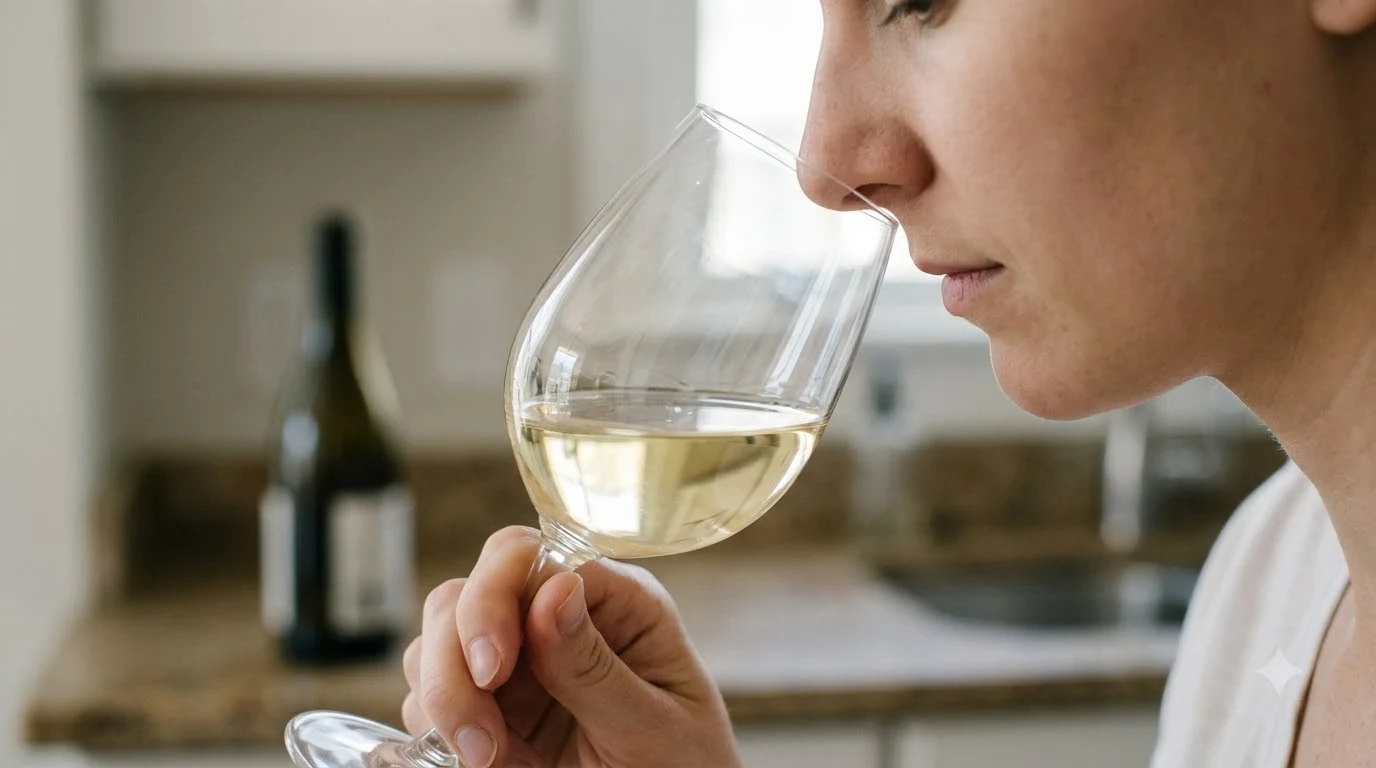
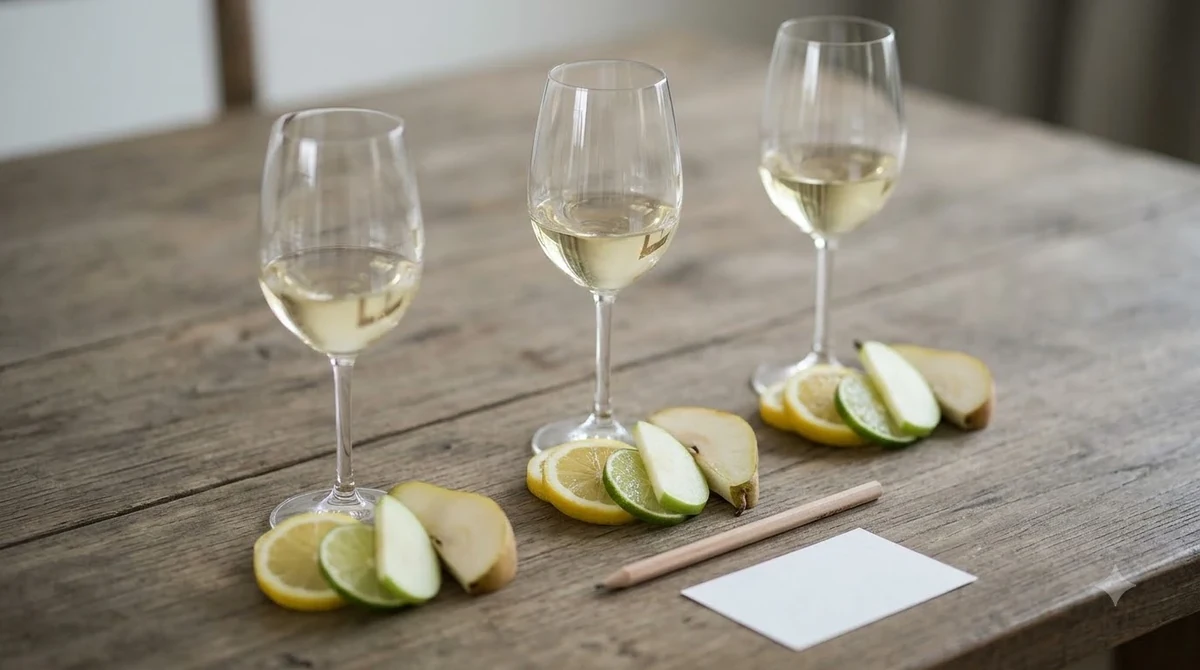
Swirl the glass gently and begin with the primary aromas. Look for citrus fruits such as lemon and grapefruit, along with white flowers and orchard fruit. Some wines show pear, peach or subtle tropical fruit characteristics.
Herbal and balsamic notes may also appear. These can create associations with Mediterranean vegetation, including aromatic shrubs and dry hillside herbs. The result is an aromatic profile that feels different from many cooler-climate white wines.
Mineral and iodine-like impressions are another part of the region’s identity. The proximity of the Mediterranean is frequently associated with this saline character. It is a sensory description rather than evidence that seawater is present in the wine.
Assessing the palate
Take a moderate sip and consider the relationship between acidity, body and alcohol. Cassis whites are generally dry, with a rounded mouthfeel and enough freshness to keep their structure balanced.
Marsanne can give the wine a broader texture, while Clairette contributes liveliness. The overall result is often more substantial than a very light coastal white, yet it retains a fresh character that makes it suitable for food.
Pay particular attention to the finish. A successful Cassis white can leave a lingering impression of citrus, herbs and saline minerality. This persistence is one reason the wines work so well with dishes featuring seafood and Mediterranean ingredients.
Comparing young and mature bottles
Young Cassis whites generally emphasize fresh fruit, flowers and lively mineral character. These wines are particularly appealing when served with seafood or enjoyed as an aperitif.
With additional bottle age, some wines develop greater aromatic complexity and roundness. Honeyed notes and softer fruit characteristics may become more apparent, although the extent of development depends on the producer, vintage and storage conditions.
The region’s wines are generally enjoyed relatively young, so extended aging is not necessary to appreciate their character. Nevertheless, comparing a young bottle with a more mature example can be an informative tasting exercise.
A practical tasting sequence
For a structured tasting, use the following approach:
- Observe: Examine the wine’s color and clarity in a clear glass.
- Smell: Identify citrus, white flowers, orchard fruit and herbal aromas.
- Taste: Assess dryness, acidity, body and the balance between fruit and freshness.
- Finish: Notice the persistence of saline, mineral and floral characteristics.
- Compare: Repeat the process with a second producer or a different grape blend.
For a more revealing comparison, taste two white wines from different estates before moving to rosé. This approach makes it easier to recognize differences in blending, texture and winemaking style while keeping the appellation’s signature characteristics in focus.
Food Pairings and Serving Temperatures for Cassis Wine
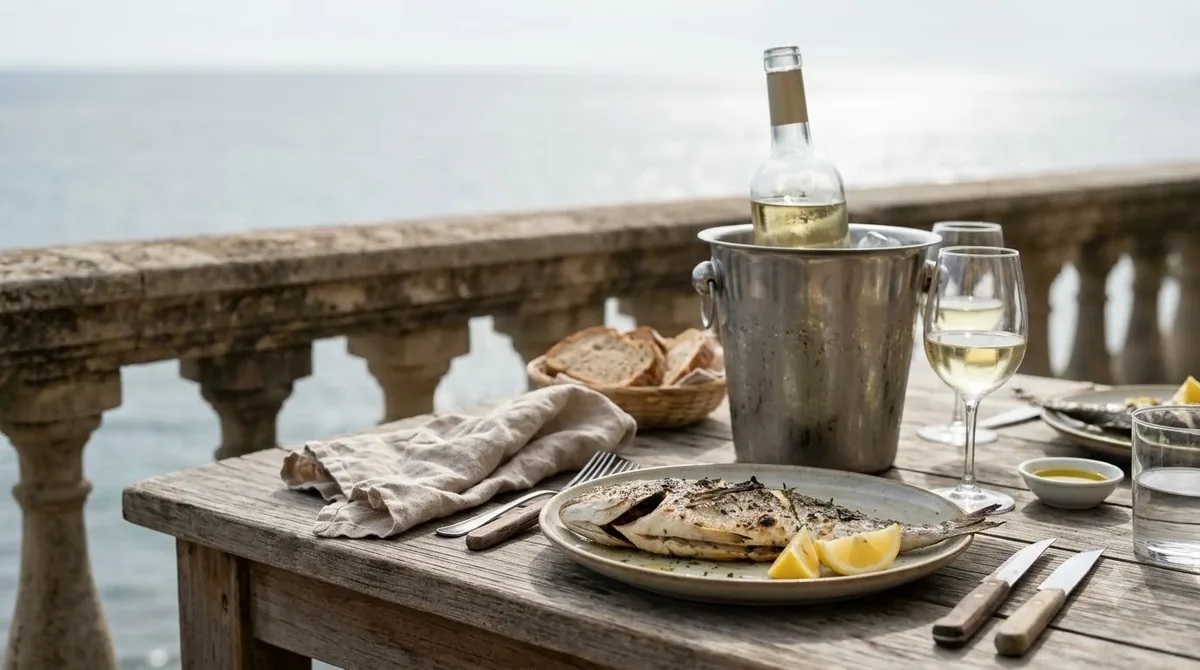
Cassis wines are particularly well suited to Mediterranean food, especially seafood, shellfish and fish-based dishes. Their combination of freshness, body and saline character complements ingredients that are central to the cuisine of the Provençal coast.
Classic seafood combinations
Bouillabaisse is one of the most natural pairings for Cassis white wine. This traditional Provençal fish stew combines different fish, aromatic vegetables, herbs and a flavorful broth. The wine’s freshness helps balance the richness of the dish, while its citrus and mineral notes complement the seafood.
Other strong pairings include grilled sea bass, baked cod, steamed mussels, oysters and Mediterranean prawns. These dishes generally benefit from a dry white wine with enough body to complement the food without overwhelming its delicate flavors.
Fish soup is another traditional match. The aromatic intensity of the broth works well with the floral and herbal notes found in Cassis whites.
Vegetables, herbs and richer dishes
Provençal cooking often incorporates olive oil, garlic, tomatoes, fennel and fresh herbs. These ingredients create useful pairing opportunities beyond seafood.
Try Cassis white with grilled zucchini, roasted fennel, vegetable tarts or salads featuring fresh herbs and citrus dressing. The wine’s freshness helps balance olive oil and other rich ingredients, while its rounded body provides enough weight for cooked vegetables.
For cheese, consider fresh goat cheese, mild sheep’s milk cheese or soft cheeses with moderate intensity. These pairings allow the wine’s aromatic qualities to remain noticeable.
Pairing Cassis rosé and red wine
Cassis rosé works well with grilled fish, seafood salads, Mediterranean vegetable dishes and light poultry preparations. Its red-fruit and citrus character offers a natural match for foods prepared with herbs, tomatoes and olive oil.
Red Cassis is better suited to richer dishes. Try it with slow-cooked meats, grilled lamb, savory stews or moderately aged cheeses. Its tannic structure can work with protein and fat, which soften the perception of tannin.
Very spicy dishes are less suitable for the region’s fuller reds because alcohol and tannin can intensify the sensation of chili heat. Oily fish is also generally a better match for the white wines than for tannic reds.
Recommended serving temperatures
Temperature has a noticeable effect on aromatic expression and texture. Serving a white Cassis wine too cold can suppress its floral and fruit aromas, while excessive warmth can make its alcohol and body feel more prominent.
| Wine style | Recommended temperature | Serving guidance |
|---|---|---|
| Light-bodied Cassis white | 45–50°F | Serve chilled to emphasize freshness |
| Fuller-bodied Cassis white | 50–55°F | Allow aromatic complexity to develop |
| Cassis rosé | 45–50°F | Serve cool to preserve fruit character |
| Cassis red | 60–65°F | Serve slightly cooler than a warm room |
A practical approach is to refrigerate a white bottle before serving and remove it shortly before the tasting. If the wine feels too cold, allow it to warm gradually in the glass. This helps reveal its aromatic layers without losing the refreshing character that makes Cassis whites so appealing.
Planning a Cassis Wine Tasting and Visiting Local Estates
Cassis is an appealing destination for wine tourism because its vineyards are concentrated around a relatively small coastal town. Visitors can combine winery appointments, cellar tastings, vineyard scenery and Mediterranean dining without needing to travel long distances between wine-producing areas.
The local tourism office identifies 10 wine estates and highlights several ways to explore the vineyards. Options include traditional tastings, electric bicycle excursions, buggy rides and aperitifs overlooking the Mediterranean.
Choosing wineries to visit
Several established estates provide opportunities to learn about Cassis wine production and compare individual interpretations of the appellation.
Clos Sainte-Magdeleine is a recognized name associated with the white wines of Cassis. Its coastal setting and connection to the local vineyard landscape make it an interesting estate to investigate when arranging a tasting.
Domaine du Bagnol is another local producer worth considering. It offers an opportunity to explore the appellation’s different wine colors and understand how local producers express the coastal terroir.
Domaine du Paternel is also identified by the Cassis tourism office as one of the area’s partner estates. It is a useful option for visitors interested in learning about local producers and their wine selections.
Château de Fontcreuse is another estate listed among the local wine destinations. Visitors can explore its wine presentation and tasting opportunities, subject to the estate’s visiting arrangements.
Domaine La Dona Tigana is particularly interesting for those seeking a tasting experience connected to the vineyard setting. The tourism office specifically mentions vineyard aperitifs at sunset among its local wine tourism activities.
Making a tasting itinerary
Start by contacting the estates you intend to visit. Some wineries receive visitors by appointment, while others have specific opening hours or organized tasting sessions. Confirming arrangements before traveling helps avoid unnecessary delays.
A relaxed itinerary could include one morning estate visit, a seafood lunch in the village and another tasting in the afternoon. If you have more time, add a vineyard walk or a scenic excursion along the surrounding coastal landscape.
For visitors interested in broader regional comparisons, a Willcox wine tasting experience offers a useful contrast between Arizona’s high-desert wine-growing conditions and the maritime environment of Cassis. Similarly, Alsace wine tasting provides an opportunity to explore a French wine region with a very different climate, grape profile and tasting tradition.
When to visit Cassis
Cassis vineyards can be visited throughout the year, although each season offers a different experience.
- Spring: Green vineyard growth and comfortable conditions for walking around the countryside.
- Summer: Long daylight hours and opportunities for late-afternoon tastings or sunset aperitifs.
- Autumn: Harvest-related activity, changing vineyard colors and an opportunity to observe the seasonal rhythm of wine production.
- Winter: A quieter period for exploring the town, visiting selected estates and enjoying local restaurants.
Summer can be particularly attractive for visitors combining wine tasting with Mediterranean sightseeing. However, spring and autumn may offer a more relaxed atmosphere for spending time among the vineyards.
For additional information, the official Cassis vineyard visitor information provides details about local estates, wine activities and seasonal experiences.
Practical tasting etiquette
Arrive at appointments on time and allow enough time for questions. A tasting is more informative when visitors understand the grape varieties, vineyard conditions and winemaking decisions behind each bottle.
Ask whether the wine is a single-variety expression or a blend. For Cassis whites, understanding the relationship between Marsanne and Clairette is particularly helpful. You can also ask about the influence of vineyard exposure, harvest timing and maturation choices.
Take brief notes about the wines you prefer. Recording the producer, grape composition, aromas and finish makes it easier to remember individual bottles and compare them with wines from other Provence destinations.
Choosing and Enjoying Cassis Wines Beyond the Vineyard
Cassis wines are relatively distinctive, and selecting a bottle becomes easier once you understand the differences between the appellation’s white, rosé and red styles. For most first-time buyers, a dry white based on Marsanne and Clairette is the most representative introduction.
What to look for in a white Cassis wine
Begin with the producer and the style of the wine. Some bottles emphasize citrus and freshness, while others have greater body and a more pronounced aromatic profile. Both can be authentic expressions of the appellation.
Think about how you intend to serve the wine. A fresh, relatively light example is particularly suitable for oysters, shellfish and simple grilled fish. A fuller white can complement bouillabaisse, roasted seafood or dishes prepared with richer sauces.
Producer comparisons are also useful. Two wines from the same appellation can differ in texture, aromatic intensity and finish because of vineyard conditions, grape proportions and cellar practices.
Understanding rosé and red alternatives
Rosé is a useful choice for visitors who prefer fruit-forward wines. Cassis rosés can offer red berries, citrus and refreshing character, making them suitable for outdoor dining and lighter Mediterranean dishes.
Red Cassis is less common, but it provides an opportunity to explore the region’s traditional Mediterranean red grapes. Its greater tannic structure makes it more suitable for substantial food than for delicate seafood.
If you enjoy comparing regional red blends, Bolgheri wine tasting offers a contrasting perspective from Tuscany, where international varieties and Italian grapes contribute to a different style of coastal wine production.
Storage and serving at home
Store unopened Cassis bottles in a cool, dark location with a stable temperature near 55°F. Bottles sealed with traditional corks are generally stored on their sides to keep the cork from drying out.
Avoid storing wine near ovens, direct sunlight or equipment that produces regular temperature changes. Consistent storage conditions help preserve the wine’s aromatic qualities and overall balance.
Once opened, a still Cassis white or rosé generally keeps for approximately three to five days in the refrigerator when properly resealed. Its freshness and aromatic expression may gradually diminish, so enjoying the wine relatively soon after opening is preferable.
A standard 750-milliliter bottle provides approximately five servings when poured at 5 ounces each. This is a useful reference for planning a tasting with friends or organizing a meal around several wines.
When hosting a comparative tasting, serve the white wines first, followed by rosé and then red. Use clean glasses for each wine and provide water and plain bread to help reset the palate between samples.
Frequently Asked Questions
Is Cassis wine available outside France?
Yes. Cassis wines can be found through specialist French wine importers and retailers in international markets, although production is relatively limited. Availability varies by country and producer, so specialist wine shops may be more useful than general supermarkets. Restaurants specializing in Provençal or Mediterranean cuisine may also feature individual bottles.
What does the name Cassis mean in the context of French wine?
Cassis refers to the coastal town in the Bouches-du-Rhône department of Provence. The name is geographically protected for wines produced within the appellation. It should not be interpreted as an indication that the wine contains blackcurrants or blackcurrant flavoring.
Are Cassis wines suitable for vegetarian food?
Yes. Cassis white and rosé wines can accompany many vegetarian dishes, including Provençal vegetable gratins, ratatouille and herb-based vegetable tarts. The wines’ freshness works particularly well with vegetables prepared using olive oil, garlic and Mediterranean herbs. For dishes with substantial tomato acidity, choose a wine with sufficient freshness to maintain balance.
Can Cassis white wine be used in cooking?
Yes. A dry Cassis white can be used to prepare seafood sauces, fish stews and pan sauces for shellfish. Its citrus and herbal characteristics complement fennel, garlic and Mediterranean herbs. Use a wine you would be comfortable drinking rather than relying on a heavily oxidized or poor-quality cooking wine.
Is Cassis wine produced exclusively by small family wineries?
The appellation includes a compact community of independent wine estates, but ownership structures and operating arrangements vary. Its production is geographically concentrated within the commune rather than distributed across a large regional network. Visitors can ask individual estates about their vineyard ownership, production methods and family history to understand each producer’s background.
Cassis offers a distinctive introduction to the white wines of Provence, combining Marsanne and Clairette with the influence of Mediterranean sunshine, limestone terraces and coastal breezes. Whether you visit local estates or discover a bottle through a specialist wine retailer, its dry, aromatic and food-friendly character deserves a place among the French regional wines worth exploring. Start with a traditional Cassis white, pair it with seafood and compare different producers to appreciate the appellation’s individual expressions.
More in Wine Regions
 Willcox Wine Trail: Discover Arizona’s High-Elevation Wine CountryUpdated Nov 20, 2026
 Yakima Valley Wine Region: Find the Best Styles to TryUpdated Nov 20, 2026
 Vosne Romanee Wine Tasting: Identify Aromas and Choose Better PairingsUpdated Nov 20, 2026
 Yakima Valley Wine Festival: Find the Best Seasonal Wine EventsUpdated Nov 20, 2026
 Wales Vineyards: Discover Cool-Climate Wines and Where to VisitUpdated Nov 20, 2026
 Yountville Wine Festival: Discover Napa Wines and Local FoodUpdated Nov 20, 2026