

We may earn a commission when you buy through links on this page, at no extra cost to you. Learn more.
The canelones wine region is Uruguay’s leading wine-producing area, accounting for approximately 60% of the country’s wine production and earning particular recognition for its expressive Tannat wines. Located around Montevideo, Canelones combines fertile clay-rich soils, a temperate maritime climate, and a long tradition of family winemaking. Its vineyards also produce excellent Sauvignon Blanc, Chardonnay, Albariño, Merlot, and other varieties that demonstrate the diversity of Uruguayan wine.
Uruguay may be a relatively small wine-producing country, but its reputation extends well beyond South America. Canelones sits at the center of that reputation. Its combination of established vineyards, historic wineries, varied soils, and proximity to the capital makes it an especially interesting region for wine enthusiasts. Understanding its geography, grapes, and winemaking traditions helps explain why bottles from this part of Uruguay deserve attention alongside wines from Argentina, Chile, and other established South American producers.
Where Canelones Sits in Uruguay’s Wine Country
Canelones occupies a strategic position immediately north and east of Montevideo, Uruguay’s capital. It forms part of the Metropolitan wine region alongside Montevideo and San José, making this southern area the country’s most important center of viticulture and wine production.
The National Institute of Viticulture of Uruguay, known as INAVI, identifies Canelones as the country’s largest wine-producing region, responsible for approximately 60% of national wine production. The broader Metropolitan region contains more than 70% of Uruguay’s wineries. These figures explain why Canelones is often described as the heart of Uruguayan wine rather than simply another agricultural department.
The relationship between Canelones and Montevideo is important to the region’s development. Early winegrowers established vineyards close to the capital because it provided access to consumers and commercial transportation. As Montevideo expanded, viticulture increasingly spread into neighboring rural areas, where vineyards could occupy larger plots of agricultural land.
Today, the wine landscape extends across numerous towns and vineyard districts. Las Piedras, Progreso, Juanicó, Las Violetas, Atlántida, Santa Lucía, and Canelón Chico are among the names worth recognizing. Each contributes to a regional identity shaped by different vineyard locations, soil conditions, and winemaking families.
South America Wine Guide identifies approximately 3,958 hectares of vineyards in Canelones and another 714 hectares in Montevideo in its regional overview. These figures illustrate the scale of the southern wine-producing area and its importance within Uruguay’s agricultural economy.
For international wine drinkers, Canelones is also a useful starting point for understanding Uruguay’s national wine identity. Although the country has other important wine areas, including Colonia, Maldonado, and Rivera, the concentration of vineyards and established producers around Montevideo gives Canelones an especially influential position.
Readers interested in comparing this region with other geographically distinctive wine destinations can also explore the Savoie wine region, where mountain conditions create a very different relationship between grape varieties and local landscapes.
Climate and Soils Shape the Character of Canelones Wine
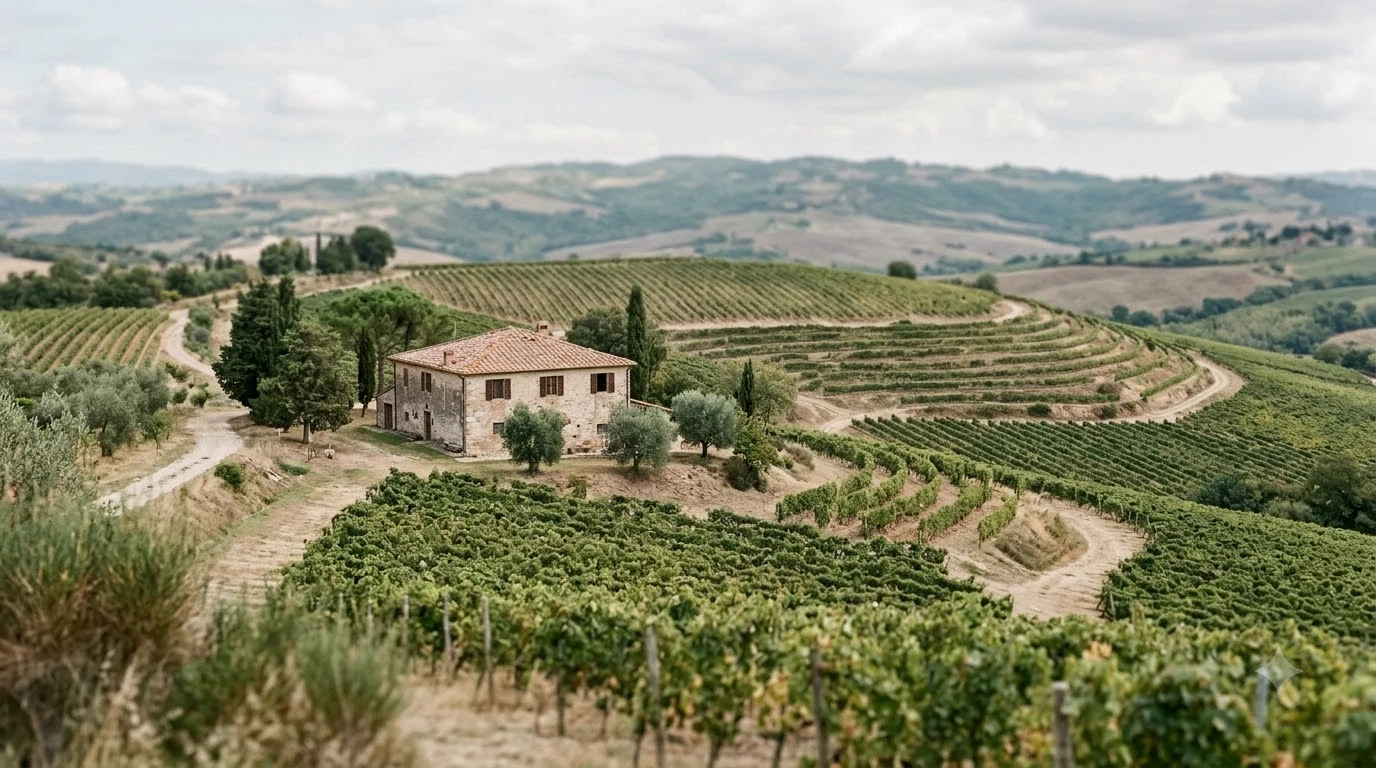
Canelones benefits from a temperate maritime climate influenced by the Río de la Plata and nearby Atlantic waters. Its relatively moderate seasonal temperatures, cooler summer nights, and varied agricultural soils help support both red and white grape production.
Unlike regions characterized by extreme summer heat or very dry growing conditions, Canelones experiences meaningful maritime influence. Coastal air helps moderate temperatures, while breezes contribute to vineyard ventilation. These conditions are particularly relevant in a country where humidity and rainfall can create challenges for grape growers.
According to INAVI, the department has a gently rolling landscape and an abundance of good-quality water associated with nearby rivers. Summers are generally manageable for grape growing, with temperatures falling at night, while winters are not excessively cold. The result is a growing environment capable of supporting several varieties with different ripening requirements.
Soils are another important part of the region’s identity. Canelones contains a mixture of fertile, dense soils, including clay-rich deposits, calcareous materials, and areas with pink granite. INAVI specifically highlights pink granite formations more than 600 million years old.
The different soil types help explain why Canelones should not be understood as one uniform vineyard environment. Clay-rich sites can encourage vigorous vine growth and require careful yield management. Calcareous areas offer another set of growing conditions, while lighter or sandier locations can produce different expressions of the same grape variety.
South America Wine Guide also emphasizes the combination of clay, limestone, silt, and ancient granite in the wider Canelones and Montevideo area. Some northeastern parts of Canelones have sandier soils, adding another dimension to the department’s agricultural diversity.
Rainfall and humidity require careful vineyard management. Growers must pay attention to canopy development, airflow, disease pressure, and fruit condition. Good vineyard ventilation is particularly valuable because excessive moisture around grape clusters can encourage fungal problems.
These environmental conditions also influence the style of the finished wines. Rather than producing only heavy, concentrated reds, Canelones can deliver wines with fresh acidity, firm structure, and balanced fruit. The region’s maritime influence and soil variation provide winemakers with opportunities to produce several distinct styles.
This diversity offers an interesting contrast with the alpine conditions of the Switzerland wine region, where elevation and mountain geography play a much larger role in determining vineyard conditions.
Tannat and the Main Grapes of Canelones
Tannat is the defining red grape of Uruguay, and Canelones is one of the most important places to understand its modern expression. However, the region also grows several other red and white varieties, making its wine production considerably more varied than its reputation for Tannat alone might suggest.
Tannat originated in southwestern France, particularly the Madiran area, but it developed a distinctive identity after becoming established in Uruguay. Its thick skins and naturally substantial tannin structure give it deep color, firm texture, and considerable aging potential. In Canelones, producers work with different vineyard sites and winemaking approaches to create wines ranging from powerful traditional reds to more approachable modern bottlings.
The grape’s performance depends on vineyard management. Tannat ripens relatively late, so growers need to manage the growing season carefully and harvest at an appropriate level of maturity. Excessive yields can dilute concentration, which is why some producers reduce crop levels through green harvesting and other vineyard practices.
Although Tannat receives the most attention, Cabernet Sauvignon, Merlot, Cabernet Franc, and Syrah also have an established place in the department. These varieties provide different structural and aromatic profiles. Cabernet Sauvignon generally produces firm, tannic wines, while Merlot offers softer fruit and a more approachable texture. Cabernet Franc can contribute herbal and savory characteristics, and Syrah provides dark fruit and spice.
White wine production is equally important to the region’s diversity. Sauvignon Blanc, Chardonnay, Viognier, and Albariño are among the varieties associated with Canelones and the wider Metropolitan region. Sauvignon Blanc can deliver lively acidity and citrus or herbal aromas, while Chardonnay offers a broader range of possible styles depending on fermentation and maturation choices.
Albariño is particularly interesting because it connects Uruguay’s maritime growing conditions with a grape strongly associated with northwestern Spain. Its fresh acidity and citrus, stone-fruit, and sometimes saline characteristics make it an appealing option for seafood and lighter meals.
The following table summarizes the principal grapes and the styles drinkers can expect. These are general descriptions rather than guarantees about every producer or individual bottle.
| Grape variety | Wine color | Typical characteristics | Food direction |
|---|---|---|---|
| Tannat | Red | Deep color, firm tannins, dark fruit, structure | Grilled beef and lamb |
| Cabernet Sauvignon | Red | Blackcurrant, firm tannins, herbal notes | Steak and hard cheeses |
| Merlot | Red | Plum, red fruit, softer tannins | Roast poultry and pork |
| Cabernet Franc | Red | Red berries, herbs, savory character | Roast vegetables and lamb |
| Syrah | Red | Dark berries, pepper, substantial structure | Grilled meats and sausages |
| Sauvignon Blanc | White | Citrus, herbal aromas, fresh acidity | Seafood and goat cheese |
| Chardonnay | White | Apple, citrus, stone fruit, variable texture | Roast chicken and seafood |
| Albariño | White | Citrus, peach, fresh acidity | Shellfish and grilled fish |
| Viognier | White | Floral aromas, peach, fuller texture | Roast poultry and aromatic dishes |
Other varieties found in the department include Nebbiolo, Zinfandel, Chenin Blanc, Pinot Blanc, Riesling, Marsanne, and Torrontés. Their presence reflects the diverse heritage of Canelones’ winegrowing families and the willingness of local producers to work with different grape varieties.
Tip: If you are discovering Uruguayan wine for the first time, start with a Tannat from Canelones and a Sauvignon Blanc or Albariño from the same broad region. Comparing a structured red with a fresh white provides a useful introduction to the department’s range of growing conditions and winemaking styles.
What Canelones Wines Taste Like
Canelones produces wines with considerable stylistic variation, but its most recognizable examples combine ripe fruit, fresh acidity, and structure. Tannat is the region’s signature expression, while its white wines demonstrate a lighter and more aromatic side of Uruguayan viticulture.
Traditional Canelones Tannat generally has a deep ruby to purple color, substantial body, and noticeable tannins. Aromas can include blackberries, black cherries, plums, dark chocolate, and savory herbal notes. Some examples also show earthy, spicy, or smoky characteristics.
The tannin structure is a defining feature. Tannat naturally contains considerable tannin, which can create a firm, sometimes grippy mouthfeel. This makes the grape suitable for structured wines that can develop in bottle. However, modern producers also use different extraction techniques, fermentation decisions, and maturation methods to make younger-drinking versions with softer textures.
Oak treatment varies between wineries. Some producers mature Tannat in barrels to introduce additional spice, toasted notes, and textural complexity. Others prefer stainless steel or larger, less influential vessels to preserve primary fruit characteristics. Neither approach defines the entire region.
Cabernet Sauvignon from Canelones can also produce structured red wines, with dark fruit, herbal characteristics, and noticeable tannins. Merlot generally offers a softer alternative, often emphasizing plum and red-fruit flavors. Syrah provides another option for drinkers who enjoy darker fruit and peppery notes.
White wines provide a different perspective. Sauvignon Blanc typically emphasizes citrus, green fruit, herbal aromas, and refreshing acidity. Chardonnay can be made in a crisp, unoaked style or with additional texture from lees contact and barrel maturation.
Albariño deserves particular attention. Its naturally refreshing character can make it a useful alternative to more familiar Sauvignon Blanc or Chardonnay bottlings. Depending on the producer, the wine may show lemon, grapefruit, peach, white flowers, and a mineral impression.
Viognier generally offers a more aromatic profile, with peach, apricot, and floral notes. Its fuller texture makes it suitable for dishes with more substantial flavors than those normally served with crisp Sauvignon Blanc.
There is also a growing distinction between wines intended for immediate enjoyment and bottles designed for aging. Young Tannat can be fruit-driven and firm, while more mature examples may develop additional complexity, softer tannins, and secondary aromas. Cabernet Sauvignon and certain Merlot bottlings can also benefit from bottle development.
For drinkers accustomed to European wines, Canelones provides a useful opportunity to compare familiar varieties in a South American setting. Its wines are not simply copies of French or Spanish examples; the local maritime climate, soils, vineyard decisions, and winemaking traditions contribute to their own character.
Historic Wineries and Important Producers
Canelones has a strong tradition of family-owned wine businesses, many of which have developed across several generations. Its established producers combine inherited vineyard knowledge with contemporary approaches to grape growing, cellar work, and wine tourism.
European immigration during the 1870s helped establish modern viticulture in the department. By the end of the nineteenth century, Canelones was already producing wines with a recognized local reputation. The influence of European families remains visible in the region’s grape choices and winegrowing traditions.
One of the most recognized names is Familia Deicas, associated with the historic Juanicó area. The producer has developed a reputation for combining established Uruguayan wine traditions with modern approaches to vineyard selection and winemaking. Its work with Tannat is particularly relevant for understanding how the variety can express differences between vineyard sites.
Pisano Family Vineyards is another important family producer. Its history is connected with Italian immigration, and the fourth generation of the family has continued the business. The winery is associated with a range of traditional Uruguayan wines, including Tannat.
Viña Progreso, the boutique project associated with Gabriel Pisano, offers a more experimental perspective. Based in Progreso, it explores different approaches to fermentation and winemaking while retaining a strong connection with the region’s leading red grape.
Bodega Marichal represents another established family name. The family spent more than a century as grape growers before expanding into fine-wine production. Its experience illustrates how traditional agricultural businesses in Canelones have adapted to the development of quality-focused wine production.
Bracco Bosca is particularly interesting because of its location in Atlántida. Its vineyard is approximately eight kilometers from the sea, giving its wines a strong connection with maritime conditions. The producer works with red, white, and rosé wines, offering a perspective different from the more inland vineyard areas.
Other names worth recognizing include Bodega Bouza, Pizzorno, H. Stagnari, Artesana, Montes Toscanini, Antigua Bodega Uruguay, and Bodega Spinoglio. These wineries demonstrate the variety of ownership structures, vineyard histories, and production philosophies found across the department.
The diversity of producers is one reason Canelones cannot be reduced to a single recognizable wine style. Two Tannat wines from different wineries may differ considerably in extraction, oak use, vineyard management, and intended drinking window.
Wine enthusiasts should therefore pay attention to producer identity and vineyard location rather than choosing bottles solely because they carry the Tannat name. Exploring several wineries offers a more complete understanding of the region’s wine culture.
Uruguayan Food Pairings and Serving Canelones Wine
Canelones wines are especially well suited to Uruguay’s traditional meat-centered cuisine. Tannat’s firm tannins and concentrated fruit work naturally with grilled beef, lamb, and other richly flavored dishes, while the region’s crisp white wines offer excellent possibilities for seafood and lighter meals.
Asado is one of the most recognizable dishes in Uruguay. This traditional barbecue typically features beef cooked over wood or charcoal, with different cuts served alongside salads and other accompaniments. A structured Canelones Tannat is a natural match because the protein and fat in grilled meat soften the wine’s tannins.
For a particularly satisfying combination, pair Tannat with grilled ribeye, short ribs, or lamb chops. The wine’s dark fruit and substantial structure complement the smoky and savory flavors of the meat. Cabernet Sauvignon can also work well, especially with dishes containing black pepper, roasted vegetables, or hard cheeses.
Merlot is a useful choice for meals where a softer red is preferable. Roast pork, grilled chicken, mushroom dishes, and moderately seasoned pasta can all work well with its rounder fruit character.
White wines have a different role at the table. Sauvignon Blanc is a strong partner for oysters, shrimp, fresh goat cheese, and grilled white fish. Its high acidity helps balance salty ingredients and dishes with citrus-based sauces.
Albariño is another excellent seafood choice. It works particularly well with shellfish, grilled fish, and lightly seasoned seafood preparations. Chardonnay can accompany roast chicken, creamy seafood dishes, and grilled vegetables, depending on whether the wine is crisp or oak-influenced.
For a distinctly Uruguayan meal, consider chivito. This substantial sandwich traditionally includes grilled or roasted meat, tomato, lettuce, cheese, and a fried egg. A medium-bodied red such as Merlot or a fruit-forward Tannat can complement its combination of savory ingredients.
Chajá, a traditional Uruguayan dessert made with sponge cake, whipped cream, meringue, and peaches, calls for a different wine approach. A sweet wine should be at least as sweet as the dessert so that the wine does not taste harsh or overly acidic beside it. An appropriately sweet aromatic white can be more suitable than a dry Tannat.
Serving temperatures and storage
Serving temperature makes a noticeable difference to the balance of Canelones wines. Tannat should generally be served at 60–65°F, while lighter red wines such as Merlot can benefit from a slightly cooler temperature of 55–60°F. Serving a structured red too warm can make its alcohol seem more prominent and its texture heavier.
For white wines, Sauvignon Blanc and Albariño are best served around 45–50°F. Fuller-bodied Chardonnay generally benefits from 50–55°F. These temperatures help preserve freshness while allowing the wines’ aromas to develop.
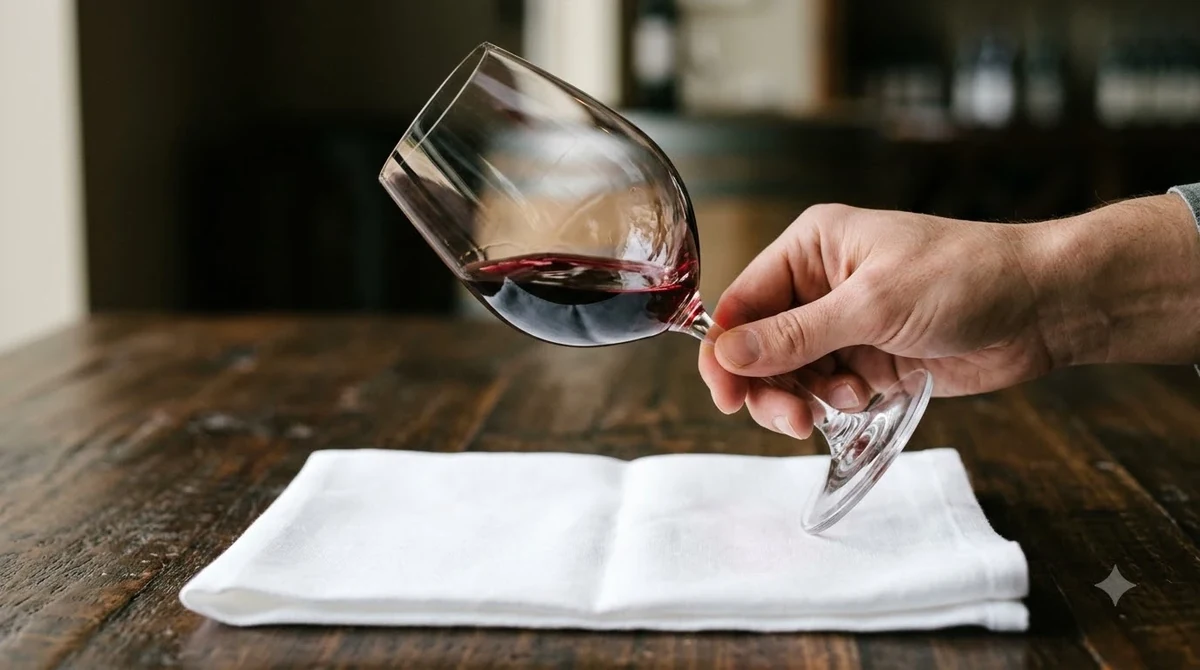
Young, full-bodied Tannat can benefit from 30–60 minutes of decanting before serving, particularly when the wine has substantial tannin and concentrated fruit. Older bottles require more care because extended exposure to air can diminish delicate aromas.
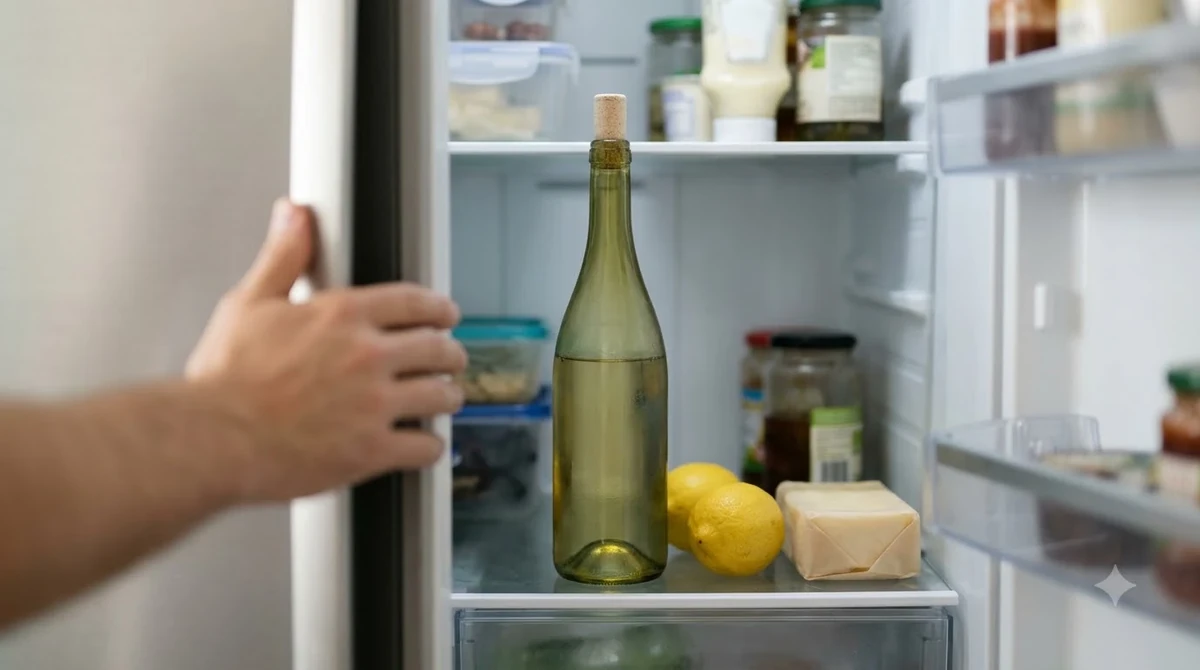
Once opened, still wines generally keep for approximately three to five days in the refrigerator when properly sealed, although their aromatic freshness can decline before that period ends. Unopened bottles should be stored on their sides in a cool, dark place near 55°F, with stable temperatures and limited vibration.
Visiting Canelones and Exploring Its Wine Routes
Canelones is one of Uruguay’s most accessible wine destinations because it lies close to Montevideo. Visitors can explore historic wineries, family-run estates, vineyards, tasting rooms, and local restaurants without traveling to the country’s more distant wine-producing departments.
Wine tourism in the department reflects its agricultural heritage. Many producers have connections with families who have worked the land for generations, and vineyard visits can provide insight into both the history of Uruguayan wine and the practical details of modern production.
Juanicó is an especially useful name for visitors interested in established wineries and the development of Uruguayan Tannat. Its association with Familia Deicas gives the area importance beyond its geographic location.
Las Piedras and Progreso are other important wine areas. They offer opportunities to understand the concentration of vineyards in the department and the relationship between traditional family wineries and newer boutique projects.
Las Violetas is another area worth recognizing. Its vineyards and producers illustrate the importance of local soil differences, particularly for wines that emphasize site expression. Wine enthusiasts interested in comparing different Tannat styles may find visits to several producers especially rewarding.
Atlántida offers a different perspective because of its proximity to the sea. The Bracco Bosca vineyard, located approximately eight kilometers from the coastline, provides an example of how maritime conditions can influence local wine production.
Visitors can also explore the cultural history of the department. The Spikerman Museum in the city of Canelones provides an opportunity to learn about local heritage beyond wine. Combining a cultural visit with a winery experience can make a regional itinerary more varied.
Wine tourism offerings include guided cellar visits, vineyard walks, tastings, and meals featuring local ingredients. Some wineries have restaurants or accommodation, while others concentrate on shorter tasting experiences. Advance arrangements are sensible, particularly for smaller family businesses that may not operate with the same visitor schedule as large commercial wineries.
For a first visit, a full day is a practical way to explore two or three wineries without rushing. Starting from Montevideo, travelers can organize a route through Juanicó, Progreso, and Las Piedras, depending on the producers accepting reservations.
A longer stay allows visitors to explore additional vineyard districts and compare wines from different parts of the department. It also creates more opportunities to experience Uruguay’s food culture, including asado, chivito, local cheeses, and traditional desserts.
Travelers interested in broader regional comparisons can also explore the Tasmania wine region, where maritime influences and cooler growing conditions produce a very different collection of wines.
For further background on Uruguay’s position within international viticulture, the official INAVI overview of Uruguay’s wine regions provides useful information about the country’s geographical divisions, grape-growing environments, and regional characteristics. The South America Wine Guide’s regional overview is another useful resource for understanding Canelones’ wineries and vineyard districts.
Frequently Asked Questions
Is Canelones an official wine appellation?
Canelones is an administrative department and a recognized wine-producing area within Uruguay’s Metropolitan wine region. Uruguay also has a Vino de Calidad Preferente classification system for qualifying wines. The department’s geographic name should not automatically be interpreted as a European-style appellation with identical legal rules.
What does the word Tannat mean?
The name Tannat is generally associated with the French word referring to tannin, reflecting the grape’s naturally high tannin content. The variety is historically associated with Madiran in southwestern France. Its importance in Uruguay has made it a central part of the country’s international wine identity.
Can Tannat be made into rosé wine?
Yes. Tannat can produce rosé when the grape juice has limited contact with its dark skins during production. These wines can show red berries, citrus-like freshness, and more moderate tannin than conventional red Tannat. They offer another way to explore the grape beyond its traditional full-bodied style.
Is Canelones wine exported internationally?
Yes. Wines from Canelones are part of Uruguay’s international wine trade and can be found in export markets, including the United States. Tannat is particularly important to the country’s international identity, although producers also export white varieties, blends, and other red wines.
Does Canelones produce sparkling wine?
Yes. Uruguay has producers making sparkling wines, including examples from the southern wine-growing areas. Chardonnay and other suitable varieties can be used in sparkling production. Traditional-method sparkling wine undergoes its second fermentation in the bottle, while tank-method production completes the second fermentation in a pressurized tank.
The Canelones wine region offers one of South America’s most compelling combinations of established wine traditions, distinctive Tannat, varied soils, and maritime growing conditions. Its family wineries and expanding range of red and white wines make it an important destination for anyone interested in Uruguay’s wine identity. Whether you begin with a structured Tannat, a refreshing Albariño, or a visit to a historic winery near Montevideo, Canelones provides an excellent introduction to the country’s distinctive approach to winemaking.
More in Wine Regions
 Willcox Wine Trail: Discover Arizona’s High-Elevation Wine CountryUpdated Nov 20, 2026
 Yakima Valley Wine Region: Find the Best Styles to TryUpdated Nov 20, 2026
 Vosne Romanee Wine Tasting: Identify Aromas and Choose Better PairingsUpdated Nov 20, 2026
 Yakima Valley Wine Festival: Find the Best Seasonal Wine EventsUpdated Nov 20, 2026
 Wales Vineyards: Discover Cool-Climate Wines and Where to VisitUpdated Nov 20, 2026
 Yountville Wine Festival: Discover Napa Wines and Local FoodUpdated Nov 20, 2026