

We may earn a commission when you buy through links on this page, at no extra cost to you. Learn more.
The campo viejo wine price for a typical 750 ml bottle generally falls around $9 to $20 in US retail listings, depending on the wine, vintage, and retailer. Campo Viejo Tempranillo is usually the most accessible starting point, while Reserva and Gran Reserva offer more developed styles and can cost more. Comparing the specific Rioja classification, vintage, and bottle size is the best way to determine whether a particular listing represents reasonable value.
Campo Viejo is a familiar name for shoppers looking for Spanish Rioja, particularly fruit-forward red wines made primarily from Tempranillo. Its range also includes sparkling Cava, giving buyers more than one style to consider. However, two bottles carrying the same producer name can have noticeably different prices because their grape varieties, aging, and intended drinking occasions differ. This guide explains typical American retail price ranges, what separates the main styles, and how to select a bottle without paying extra for characteristics you do not need.
Who Should Buy Campo Viejo Wine
Campo Viejo suits shoppers who want recognizable Spanish wine styles without automatically moving into expensive collectible Rioja. Its approachable Tempranillo, more structured Reserva, and extended-aged Gran Reserva provide different levels of complexity, making the producer useful for both casual meals and more formal dinners.
Everyday red wine drinkers are likely to find the standard Rioja Tempranillo the most practical starting point. It is a natural choice for weeknight meals, casual gatherings, and occasions when a bottle of Spanish red is wanted without the additional expense associated with extended aging. Its fruit-led character also makes it easier to introduce to people who are still learning about Rioja.
Buyers who prefer more developed red wine should consider Reserva or Gran Reserva. These styles are better suited to slower dinners, roasted meats, and occasions where oak influence and more layered aromas are desirable. They are not automatically better purchases for every drinker: someone who prefers fresh fruit and softer, less developed flavors may actually enjoy the standard Tempranillo more.
Campo Viejo also deserves consideration from shoppers who enjoy sparkling wine. Cava Brut provides an alternative to the producer’s still Rioja bottles, with a different serving temperature, texture, and food-pairing role. Anyone comparing Campo Viejo wines should therefore start with the intended drinking occasion rather than choosing solely by the producer’s name.
The broader Wine Brands category can help readers compare Spanish producers with other familiar wine labels. For shoppers who specifically want Rioja, the Campo Viejo Rioja range is the more relevant place to begin.
Key Factors to Compare Before Paying
The most important factors affecting Campo Viejo wine prices are the Rioja classification, bottle size, vintage, and retailer. Comparing these details helps distinguish a normal retail difference from a meaningful change in the wine itself.
For a standard 750 ml bottle, the most useful starting point is the basic Tempranillo. VinoAlert’s tracked US listings show Campo Viejo Tempranillo generally around $9 to $16, although individual listings can fall outside that range. Its displayed average was approximately $12.70 across 71 offers when researched. These figures represent different retailers and vintages rather than a fixed recommended retail price. See VinoAlert’s Campo Viejo Tempranillo price comparison for the underlying listings.
Reserva generally occupies a higher price category, although retailer differences can narrow the gap. VinoAlert’s tracked 750 ml Reserva listings included bottles around $12 to $20 for several commonly encountered releases, with older or unusual vintages sometimes substantially higher. The price comparison should focus on equivalent vintages and standard bottles rather than treating every listing as the same product. Prices vary by state and retailer.
Vintage is another important consideration. A non-vintage listing and a bottle carrying a specific harvest year are not necessarily interchangeable in a retailer’s pricing database. A particular vintage may have fewer remaining bottles, while a widely distributed non-vintage listing may be available through many stores. That difference can affect the advertised price even when the wines belong to the same general category.
| Comparison factor | What to look for | Why it matters |
|---|---|---|
| Wine style | Tempranillo, Reserva, Gran Reserva, or Cava | Different production approaches and drinking occasions |
| Typical bottle size | 750 ml | Provides a consistent comparison |
| Tempranillo retail range | About $9–$16 | Useful everyday Rioja reference |
| Reserva retail range | About $12–$20 | Helps compare a more developed Rioja style |
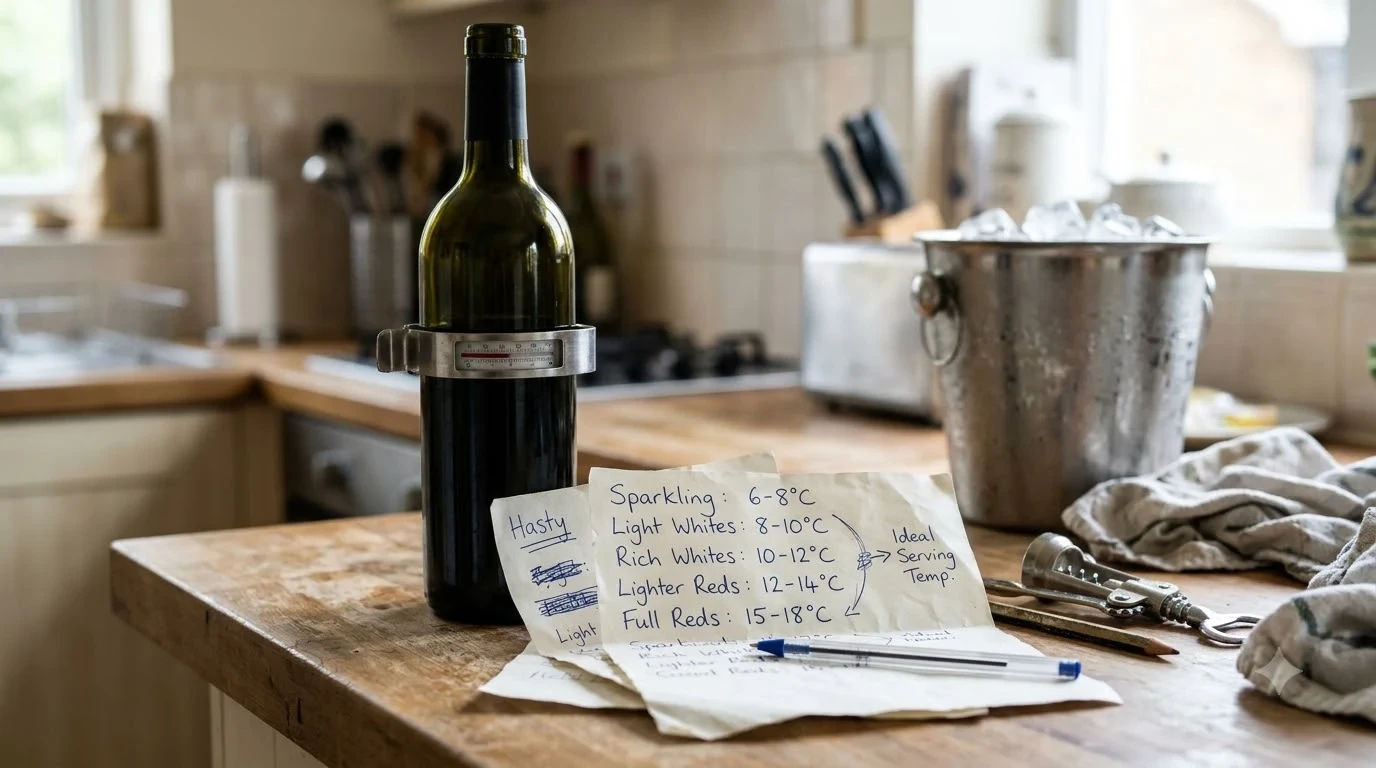
| Serving temperature | 55–60 F for lighter reds; 60–65 F for fuller reds | Influences aroma, acidity, and perceived alcohol |
| Vintage | Compare matching harvest years | Avoids misleading price comparisons |
| Retailer | Local store versus online seller | Availability and pricing vary geographically |
The ranges above are indicative US retail comparisons, not guaranteed prices. The Tempranillo range is based on VinoAlert’s tracked offers, while the Reserva range reflects its listed retailer comparisons. Prices vary by state and retailer, and shipping or local taxes may affect the final purchase cost.
Finally, consider the reason for the higher price. If the difference reflects a more developed wine that matches the planned meal, the additional expense may be justified. If the only difference is an unusual vintage label or a retailer’s higher markup, another bottle from the same range may offer a more sensible purchase.
Step-by-Step: How to Choose a Campo Viejo Bottle
A straightforward buying process starts with the occasion, then narrows the choice by wine style, vintage, and retail listing. Following these steps helps avoid confusing different Rioja classifications or paying a premium for a wine whose characteristics do not match your preferences.
Use the following five steps when comparing bottles in a wine shop or online retailer.
-
Decide whether you want red or sparkling wine.
For a traditional Rioja red, start with Tempranillo, Reserva, or Gran Reserva. For celebrations and lighter aperitif occasions, consider Campo Viejo Cava Brut instead. These wines serve different purposes and should not be compared as though they were interchangeable.
-
Choose the desired level of development.
Standard Tempranillo is a practical choice for fruit-forward everyday drinking. Reserva is more appropriate if you want additional oak influence and structure. Gran Reserva is worth considering when a more developed red with layered aromas is the priority.
-
Compare equivalent bottle sizes.
Use 750 ml as the standard reference. A larger format can have a different per-bottle and per-volume price, so comparing its advertised total directly with a regular bottle can produce an inaccurate impression.
-
Compare matching vintages and retailers.
Look at two or three sellers offering the same classification, vintage, and bottle size. This is particularly important for Reserva, where older bottles can have much higher listings than ordinary releases. Include shipping and applicable taxes in the final comparison.
-
Match the purchase to the meal and serving occasion.
Consider whether the wine will accompany grilled meat, roast chicken, cheese, or a lighter meal. A more expensive bottle does not necessarily improve every meal. Choose the style that complements the food and suits the people drinking it.
After comparing these details, decide on a reasonable spending limit. For a casual dinner, standard Tempranillo may be sufficient. For a dinner centered on roast lamb or mature cheese, Reserva or Gran Reserva may offer a more suitable experience.
Tip: Compare the same Campo Viejo classification, vintage, and 750 ml bottle across retailers before deciding that one listing is expensive. A Reserva and a standard Tempranillo are different wines, so their prices should not be judged as direct equivalents.
Campo Viejo Wine Types and Styles Explained
Campo Viejo’s range includes several distinct wine styles, but Rioja red wine is the natural starting point for most buyers. The differences between Tempranillo, Reserva, and Gran Reserva are especially important because aging and grape composition influence the finished wine’s character.
Rioja Tempranillo
Tempranillo is the principal grape to consider when looking for an approachable Campo Viejo red. It commonly produces flavors associated with red and dark fruit, while its acidity and moderate tannin make it suitable for a range of meals. The standard bottling is a sensible introduction for shoppers who want to understand the producer before exploring more developed wines.
Its versatility makes it useful alongside grilled sausages, tomato-based dishes, roasted vegetables, and moderately seasoned meats. Serve a lighter red around 55 to 60 F, allowing the wine’s fruit and acidity to remain noticeable. Avoid serving it excessively warm, as alcohol can become more prominent and the wine may seem heavier than intended.
Rioja Reserva
Reserva is the next style to consider when a more developed Rioja is wanted. Its additional aging generally creates a different balance of fruit, oak, and savory characteristics. Rather than simply being a stronger version of standard Tempranillo, it offers a different expression that may suit longer meals and richer food.
Campo Viejo Reserva is particularly appropriate with roast meats, grilled beef, and mature cheeses. Its position in the range makes it a useful middle choice for someone who wants more complexity without necessarily moving to Gran Reserva. Readers comparing the Campo Viejo red wine selection should pay attention to these distinctions instead of relying on the bottle color or price alone.
Rioja Gran Reserva
Gran Reserva is the more developed option in the Campo Viejo range. According to the producer, its Gran Reserva is crafted over five years and combines Tempranillo, Graciano, and Mazuelo. The wine has 14% ABV and is described as balanced, with smoky and spicy oak notes accompanying its fruit character.
The official tasting description identifies blackberry, blueberry, plum, toasted wood, spice, mineral, and tobacco aromas. Its palate is described as smooth, with soft, velvety tannins and balanced acidity. These characteristics make it a natural choice for richer dishes, particularly roasted red meat, game, and mature or blue cheese. The official Campo Viejo Gran Reserva description provides the producer’s full tasting and pairing information.
Cava Brut
Cava Brut is a sparkling alternative to the Rioja reds. It is a different wine category, intended for occasions such as celebrations, aperitifs, and meals where refreshing bubbles are desirable. Its serving temperature should be considerably cooler than that of a red Rioja.
Serve sparkling wine at approximately 40 to 50 F. Cava Brut can work with seafood, salty appetizers, fried foods, and lighter starters. Its bubbles and acidity provide a contrast to rich or salty dishes, making it a useful alternative when a still red wine would feel too heavy.
These styles also explain why comparing Campo Viejo bottles purely by their producer name can be misleading. A sparkling Cava, a young Tempranillo, and a five-year-crafted Gran Reserva are designed for different drinking experiences.
Common Mistakes When Comparing Campo Viejo Prices
The biggest buying mistakes involve comparing unlike bottles, assuming every Rioja has the same aging profile, and treating an unusually high online listing as a normal market price. Understanding these issues makes it easier to identify a suitable bottle and assess its value.
One common mistake is assuming that the most expensive Campo Viejo bottle must be the best choice. Gran Reserva has a more developed profile, but that does not mean it will suit someone who prefers youthful, fruit-forward red wine. The best purchase depends on the drinker’s preferences and the occasion rather than the highest number on a retailer’s shelf.
Another mistake is comparing a 750 ml bottle with a larger format without considering volume. A larger bottle will naturally have a higher total price. The correct approach is to compare equivalent sizes or calculate the cost per 750 ml equivalent before making a decision.
Vintage differences can also create confusion. A bottle from an older harvest may appear at a much higher price because of limited availability or collector interest. That does not mean every older bottle is automatically superior to a more recent release. Wine condition, storage history, and the actual vintage all matter.
Buyers should also avoid assuming that every retailer listing represents the same availability. An online wine shop may show a bottle that cannot be delivered to a particular state. Local pickup, shipping restrictions, taxes, and inventory changes can all affect the practical purchase cost.
Finally, do not confuse Reserva and Gran Reserva with grape varieties. These are aging-related classifications, not names for separate grapes. Tempranillo is a grape variety, while Campo Viejo Gran Reserva uses a blend that includes Graciano and Mazuelo alongside Tempranillo.
For a useful comparison, keep the product name, classification, vintage, and volume consistent. If those four details match, differences between retail listings are much easier to evaluate.
Care, Serving, and Storage Tips
Proper serving and storage help preserve the character of Campo Viejo wines after purchase. Temperature, light exposure, and the amount of time a bottle remains open can all influence the drinking experience.
For lighter red styles, a serving temperature of 55 to 60 F is a good starting point. Fuller reds such as a developed Gran Reserva are generally better around 60 to 65 F. If the room is warm, a short period in the refrigerator can bring the bottle closer to the desired range. Serving a red wine too warm can make alcohol seem more pronounced, while excessive chilling can suppress its aromas.
For Cava Brut, use a much cooler temperature of approximately 40 to 50 F. Keep the bottle refrigerated before serving, and pour into clean sparkling-wine glasses. Sparkling wine is best served promptly after opening because carbon dioxide gradually escapes, reducing the lively texture that makes the style appealing.
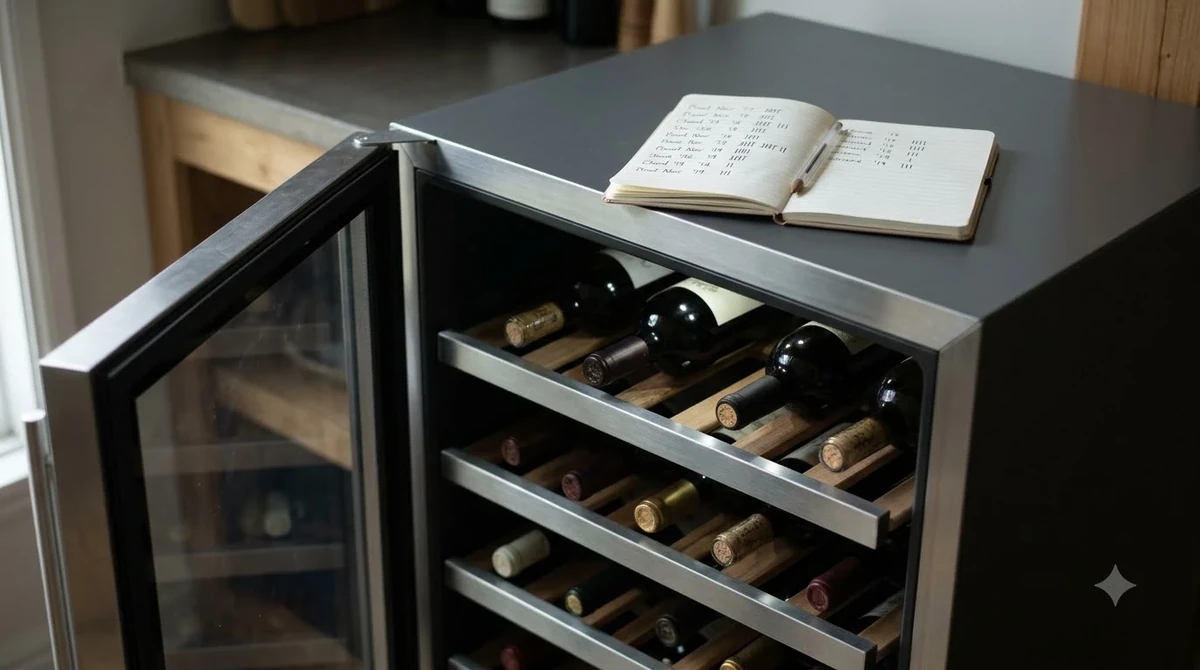
Store unopened bottles in a cool, dark place with a reasonably consistent temperature. Around 55 F is a useful reference for longer-term wine storage. Bottles with natural cork closures are generally stored horizontally to keep the cork from drying out. Avoid direct sunlight, strong temperature fluctuations, and storage near heat-producing appliances.
After opening, refrigerate still wine even if it is red. A standard opened still wine generally retains reasonable quality for approximately three to five days, depending on its condition and storage. Recork the bottle or use a suitable wine stopper to limit oxygen exposure. Sparkling wine generally has a shorter window of approximately one to three days when kept cold with an effective sparkling-wine stopper.
Decanting is optional rather than compulsory. A young, fuller red can benefit from approximately 30 to 60 minutes of aeration if its structure seems tight. However, a delicate or older wine should not automatically be left in a decanter for an extended period. Start by pouring a small glass and assessing its aromas and texture.
Food pairing is another part of serving the wine properly. Campo Viejo Gran Reserva is recommended with red meat, grills, roasts, game, and mature cheeses. Salt and fat can soften the perception of tannin in red wine, which helps explain why structured Rioja can work well with rich meat dishes. For lighter Tempranillo, try grilled vegetables, tomato dishes, or roast chicken instead.
Frequently Asked Questions
Is Campo Viejo wine made entirely from Tempranillo?
No. Although Tempranillo is central to many of its Rioja reds, the producer’s Gran Reserva also includes Graciano and Mazuelo. Campo Viejo’s broader portfolio includes other grape varieties and sparkling wines, so the blend depends on the specific bottle.
How much alcohol does Campo Viejo Gran Reserva contain?
The producer lists Campo Viejo Gran Reserva at 14% alcohol by volume. Alcohol content is a separate consideration from sweetness and tannin, and it can influence how warm or full-bodied a wine feels when served at room temperature.
How many glasses can you pour from a Campo Viejo bottle?
A standard 750 ml bottle provides approximately five servings when poured at 5 oz each. Actual servings vary depending on glass size and pouring habits, so a bottle may serve more people when smaller tasting portions are used.
Does Campo Viejo Gran Reserva contain only red fruit aromas?
No. The producer also identifies dark fruit, toasted wood, tobacco, minerals, coffee, chocolate, and spice in its tasting description. These additional aromas contribute to the more developed character of the wine.
Can Campo Viejo Rioja be used for cooking?
Yes. A dry Campo Viejo Rioja can be used in dishes such as beef stews, tomato-based sauces, and braised meat preparations. Choose a wine whose flavor you would also enjoy drinking, and avoid using an expensive Gran Reserva when a simpler red can provide the desired cooking flavor.
Campo Viejo offers several useful choices for shoppers interested in Spanish wine, from approachable Tempranillo to more developed Reserva and Gran Reserva, alongside sparkling Cava. For most everyday purchases, start with the standard Rioja and compare equivalent bottles before spending more. Choose Reserva or Gran Reserva when their additional development suits the meal and drinking occasion, rather than assuming a higher shelf price automatically means a better match.
More in Wine Brands
 Louis Latour Wine Price: Compare Bottles by Style and TierUpdated Nov 20, 2026
 Yellow Tail Moscato Price: What to Expect Before You BuyUpdated Nov 20, 2026
 Sutter Home Sweet Red Review: Find the Right Food PairingsUpdated Nov 20, 2026
 Franzia Chillable Red Review: Find the Right Serving StyleUpdated Nov 20, 2026
 Veuve Clicquot Rose Review: Flavor, Food Pairings and Buying AdviceUpdated Nov 20, 2026
 Rombauer Wine Price: Compare Bottles Before You BuyUpdated Nov 20, 2026