

We may earn a commission when you buy through links on this page, at no extra cost to you. Learn more.
Campania vineyards are located across southern Italy’s volcanic coastlines, inland mountain valleys, and historic agricultural hills, producing distinctive wines from native grapes such as Aglianico, Fiano, Greco, and Falanghina. The region has four DOCG, 15 DOC, and 10 IGT designations, offering everything from structured reds to fresh, mineral-driven whites. Its best-known wine destinations include Irpinia, Sannio, Mount Vesuvius, the Amalfi Coast, and the islands of Ischia and Capri.
Campania is one of Italy’s most varied wine-producing regions, combining ancient grape-growing traditions with dramatic landscapes and distinct local climates. Vineyards grow on volcanic slopes, limestone-rich hills, mountain terraces, and coastal ground overlooking the Tyrrhenian Sea. Understanding these geographical differences makes it easier to recognize the wines, choose bottles, and appreciate why two Campania wines made from different grapes can have such contrasting personalities.
Where Campania’s Vineyards Are Located
Campania’s vineyards extend across five provinces: Avellino, Benevento, Caserta, Naples, and Salerno. Each area has its own combination of elevation, soil, climate, and indigenous grape varieties, creating a regional wine identity that is much broader than the familiar image of southern Italian red wine.
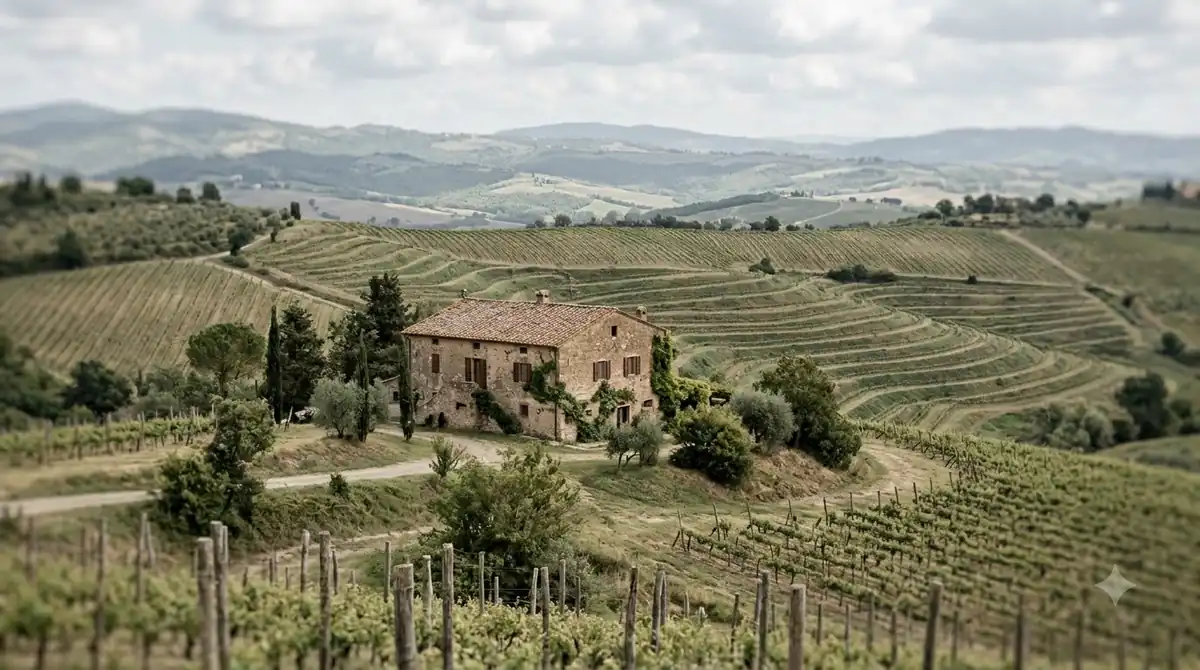
Avellino province contains Irpinia, the mountainous inland wine district most closely associated with Campania’s prestigious DOCG wines. Vineyards around Taurasi, Tufo, Lapio, and Avellino produce Aglianico, Greco, and Fiano. Elevation and substantial differences between daytime and nighttime temperatures help preserve acidity and aromatic definition. The landscape includes volcanic materials, marl, clay, and limestone.
Benevento province is another major center of wine production. Its Sannio district is particularly associated with Falanghina, while the Taburno area produces Aglianico del Taburno DOCG. The vineyards occupy hills and valleys where differences in exposure and elevation influence grape ripening. Solopaca, Guardia Sanframondi, and Sant’Agata dei Goti are useful place names to recognize when exploring local wine labels.
Caserta, Naples, and Salerno offer a different picture. Caserta has historical wine traditions associated with Falerno del Massico, Asprinio di Aversa, and Casavecchia di Pontelatone. Around Naples, volcanic vineyards stretch toward Mount Vesuvius and the Campi Flegrei. Further south, coastal terraces and inland hills define the wine landscapes of the Amalfi Coast and Cilento.
The range of geographical indications is substantial. According to the regional agriculture authority, Campania has 4 DOCG, 15 DOC, and 10 IGT designations. These categories help distinguish wines associated with particular growing areas and production requirements.
For a broader understanding of how Italian wine regions are organized, the Wine Regions resource provides useful geographical context. Campania is particularly interesting because its appellations reflect both local grape traditions and striking differences in terrain.
Irpinia: The Home of Campania’s Famous DOCG Wines
Irpinia is the most important destination for understanding Campania’s prestigious inland wines. Located in Avellino province, it is home to three of the region’s four DOCG designations: Taurasi, Fiano di Avellino, and Greco di Tufo.
The landscape is mountainous, with vineyards occupying elevated ground and valleys influenced by different soil compositions. The Consorzio Tutela Vini d’Irpinia describes the local environment as a combination of volcanic, calcareous-clay, and marl-based soils. These conditions, together with pronounced temperature differences between day and night, help explain the acidity and aging potential associated with several Irpinian wines.
Taurasi DOCG
Taurasi is Campania’s celebrated Aglianico-based red wine. Its production area includes 17 municipalities in Avellino province, including Taurasi, Montemarano, Castelfranci, and Paternopoli. The denomination requires at least 85% Aglianico, allowing limited use of other permitted red varieties.
Aglianico develops substantial tannin, firm acidity, and dark-fruit flavors. Taurasi commonly shows black cherry, plum, dried herbs, spice, and earthy characteristics. Its structure makes it particularly suitable for extended bottle aging. The denomination requires at least three years of aging, increasing to four years for Riserva.
Fiano di Avellino DOCG
Fiano di Avellino is a structured white wine produced in 26 municipalities. Its principal grape is Fiano, which must account for at least 85% of the blend. Typical characteristics include white-fleshed fruit, citrus, flowers, hazelnut, and refreshing acidity.
Unlike some lighter southern Italian whites intended for immediate consumption, quality Fiano can develop additional complexity in the bottle. Its texture and acidity make it a useful choice with seafood, poultry, risotto, and dishes containing richer sauces.
Greco di Tufo DOCG
Greco di Tufo comes from eight municipalities around Tufo. It is made primarily from Greco, with a minimum 85% requirement, and is available in still and sparkling styles.
Compared with Fiano, Greco di Tufo often has a firmer, more mineral character, with citrus, stone fruit, and savory notes. Its acidity and structure work particularly well with shellfish, grilled fish, and seafood pasta.
The official Consorzio Tutela Vini d’Irpinia wine overview provides additional details about the four local denominations and their principal grapes.
Sannio and Benevento: Falanghina Country
Sannio, in Benevento province, is an essential part of Campania’s wine landscape and is especially important for Falanghina. It combines extensive vineyard areas with a diverse selection of local wine designations, including Falanghina del Sannio DOC, Sannio DOC, and Aglianico del Taburno DOCG.

Falanghina is one of southern Italy’s most recognizable white grape varieties. Wines made from it typically show citrus, apple, pear, white flowers, and fresh herbal notes. Their lively acidity makes them versatile at the table, especially with seafood, vegetable dishes, and lighter pasta preparations.
Falanghina del Sannio DOC is the important regional reference. The broader Sannio wine area also includes geographical subzones such as Taburno, Solopaca, Guardiolo, and Sant’Agata dei Goti. These names provide useful clues about the origin of individual wines.
The province also produces Aglianico del Taburno DOCG, one of Campania’s four prestigious DOCG wines. This red wine reflects the more structured side of Benevento’s wine production. Aglianico is naturally rich in tannin and acidity, making it suitable for wines with substantial structure and aging potential.
When comparing Falanghina and Aglianico, consider their different roles at the table. Falanghina is generally a better match for grilled seafood, fresh cheeses, and lighter dishes. Aglianico del Taburno is more appropriate for roasted meats, hearty pasta, and aged cheeses.
The Sannio designation also offers a useful introduction to the diversity of Campania’s indigenous varieties. Rather than focusing on a single internationally familiar grape, producers can work with several local grapes and wine styles. This variety is one reason Benevento deserves attention from anyone exploring the region.
For visitors, Solopaca and Guardia Sanframondi are particularly useful reference points. Their names appear in discussions of local wine production and help connect the region’s wines with the villages and landscapes where the grapes grow.
Volcanic Vineyards Around Naples and Mount Vesuvius
The vineyards around Naples offer a striking contrast with the elevated inland landscapes of Irpinia. Volcanic activity has shaped the area’s geography, particularly around Mount Vesuvius and the Campi Flegrei, creating growing conditions associated with distinctive local wine styles.
Vesuvio DOC is the main appellation to know around Mount Vesuvius. It includes Lacryma Christi del Vesuvio, a familiar name associated with wines from the volcanic slopes. Local varieties include Piedirosso and other traditional grapes, while white wines can feature grapes such as Falanghina and Caprettone.
Vesuvian wines vary by grape and color. White examples can show citrus, orchard fruit, and mineral characteristics, while reds made with Piedirosso often feature red cherry, herbs, and relatively approachable tannins. Rosé styles provide another expression of the local grapes.
Campi Flegrei DOC
West of Naples, Campi Flegrei has a volcanic landscape shaped by an extensive geological history. Falanghina and Piedirosso are two of the varieties associated with its vineyards. The resulting wines offer an interesting alternative to the more structured bottles of Irpinia.
Campi Flegrei Falanghina typically offers fresh fruit and lively acidity. Piedirosso is a useful red-wine alternative for people who prefer less imposing tannins than those found in Aglianico. Its red-fruit profile and approachable structure can work with tomato-based pasta, pizza, and grilled vegetables.
Another noteworthy geographical feature is the presence of vineyards on the islands of Ischia and Capri. Ischia DOC and Capri DOC represent distinct island wine traditions. Their coastal settings and local varieties give them a character different from inland Campania wines.
Ischia is associated with varieties including Biancolella and Forastera, while the wider Naples area also includes Sciascinoso and other indigenous grapes. These wines are useful reminders that Campania’s volcanic wine heritage is not limited to the slopes of one famous mountain.
Coastal and Southern Campania: Amalfi, Cilento, and Caserta
Campania’s coastal and southern vineyards introduce another dimension to the region. Here, steep terraces, maritime influences, and traditional grape varieties produce wines that can be very different from the powerful reds of Taurasi or the mineral whites of Greco di Tufo.
The Costa d’Amalfi DOC covers vineyards along the Amalfi Coast, with three recognized subzones: Furore, Ravello, and Tramonti. Vines occupy steep terrain overlooking the sea, and cultivation can involve challenging slopes and narrow terraces.
Local varieties include Fenile, Ginestra, Ripolo, Pepella, and Tintore. Their continued presence gives the coastal wines a strong regional identity. White wines may offer citrus, floral, and herbal aromas, while red wines can show fresh red fruit and Mediterranean herbs.
Tramonti is particularly interesting for its historic vineyards and traditional grape-growing practices. Its landscape demonstrates how winemaking in Campania is not always based on broad, easily mechanized vineyard areas. The topography can make individual plots small and difficult to cultivate.
Cilento and Castel San Lorenzo
Further south, Salerno province contains Cilento DOC and Castel San Lorenzo DOC. The Cilento area combines coastal and inland landscapes, with vineyards influenced by Mediterranean conditions. Local wine production includes both white and red styles.
These areas are useful for people interested in discovering Campania beyond its most famous denominations. Their wines can offer a different expression of southern Italian varieties and are often closely connected with regional food traditions.
Caserta and Its Historic Wine Traditions
Caserta province has several important denominations, including Falerno del Massico DOC, Galluccio DOC, and Casavecchia di Pontelatone DOC. The area is historically associated with Falernian wine, which was celebrated in ancient Roman times.
Asprinio di Aversa is another distinctive wine tradition. The grape is associated with an unusual training system in which vines grow vertically alongside trees. This tall-vine approach gives the landscape a very different appearance from conventional low-trained vineyards.
Caserta also provides access to indigenous varieties such as Pallagrello Bianco, Pallagrello Nero, and Casavecchia. These grapes are particularly interesting to wine enthusiasts seeking alternatives to better-known Italian varieties.
For comparison, the Chianti Classico vineyards offer a useful example of another Italian region where geographical boundaries and traditional grapes shape wine identity. Campania’s distinguishing feature is its wider mixture of volcanic, coastal, and mountainous growing environments.
Campania Grapes, Wine Styles, and Food Pairings
Choosing Campania wine becomes easier once you understand its main grapes and their typical characteristics. Aglianico is the region’s leading structured red variety, while Fiano, Greco, and Falanghina are important white grapes. Piedirosso and several lesser-known indigenous varieties add further diversity.
The following table summarizes the principal grapes, their common wine styles, and practical food pairings. The characteristics describe typical expressions rather than every bottle from the region.
| Grape | Typical wine style | Common characteristics | Food pairing |
|---|---|---|---|
| Aglianico | Full-bodied red | High tannin, firm acidity, dark fruit | Roasted lamb, beef, aged cheese |
| Fiano | Structured white | Medium to high acidity, citrus, hazelnut | Seafood, poultry, risotto |
| Greco | Mineral white | High acidity, citrus, savory notes | Shellfish, grilled fish, seafood pasta |
| Falanghina | Fresh white | Bright acidity, apple, pear, citrus | Grilled vegetables, seafood, fresh cheese |
| Piedirosso | Light to medium red | Red fruit, herbs, softer tannins | Pizza, tomato pasta, grilled chicken |
| Biancolella | Light white | Fresh fruit, floral notes, lively acidity | Shellfish, white fish, salads |
| Casavecchia | Structured red | Dark fruit, spice, firm structure | Roasted meats, aged cheese |
Aglianico-based wines deserve particular attention because their tannin and acidity make them suitable for rich dishes. Taurasi pairs naturally with slow-cooked beef, roasted lamb, game, and aged cheeses. Salt and fat in food can soften the perception of tannin, helping the wine feel more balanced.
White wines require a different approach. Fiano and Greco are excellent choices for seafood, but their acidity makes them suitable for different preparations. Greco’s pronounced freshness works well with shellfish and simply grilled fish, while Fiano’s additional texture can complement richer seafood dishes and creamy sauces.
Falanghina is especially versatile. It can accompany fried seafood, grilled vegetables, fresh mozzarella, and pasta with lemon or herbs. Its acidity also helps balance dishes containing olive oil and moderate amounts of fat.
Piedirosso offers a useful red option for pizza and tomato-based dishes. Its softer tannins generally make it easier to pair with these foods than a highly structured Taurasi. However, the wine’s acidity and the dish’s seasoning should still be considered together.
For a broader comparison of regional wine traditions outside Italy, Uruguay vineyards provide an interesting example of how Atlantic-influenced growing conditions and different native and international grape varieties create another distinctive wine identity.
Serving Temperatures and Storage
Correct serving temperature helps preserve the balance of Campania wines. Serving white wines too cold can conceal their aromas, while serving structured reds too warm can make alcohol and tannin feel more prominent.
- Falanghina, Fiano, and Greco: approximately 45–50°F for lighter expressions.
- Fuller-bodied Fiano: approximately 50–55°F.
- Piedirosso: approximately 55–60°F.
- Taurasi and other full-bodied Aglianico wines: approximately 60–65°F.
- Sparkling Greco: approximately 40–50°F.
A young, full-bodied Taurasi may benefit from 30–60 minutes of decanting to allow its aromas to develop. Older bottles require more care because extended exposure to oxygen can diminish delicate aromas.
Tip: Store Campania wine bottles on their sides in a cool, dark location near 55°F. Once opened, refrigerate still whites and reds and aim to finish them within 3–5 days. Bring red wine toward its recommended serving temperature before pouring rather than leaving it in a warm room for hours.
A standard wine pour is approximately 5 ounces, meaning a 750 ml bottle provides about five glasses. This is a useful quantity to remember when planning a meal featuring several Campania wines.
For visitors comparing Italian destinations, the Tasmania vineyards resource also offers a contrasting perspective on cool-climate wine production. The comparison highlights how geography, elevation, and temperature influence the wines produced in different parts of the world.
Frequently Asked Questions
What is the oldest wine tradition in Campania?
Campania has wine-growing traditions dating back to the ancient Greek and Roman periods. The region’s historical Falernian wine was particularly celebrated by Roman writers and became associated with the territory around modern Caserta. Archaeological and historical accounts connect the region with centuries of Mediterranean wine commerce.
Is Lacryma Christi a grape variety or a wine?
Lacryma Christi is a wine designation associated with Vesuvio DOC, not a grape variety. It is produced in white, red, and rosé expressions using permitted local grapes. The name is commonly associated with vineyards on the slopes of Mount Vesuvius.
Can Campania produce sparkling wine?
Yes. Greco di Tufo DOCG has a sparkling version, and Fiano di Avellino also has sparkling production permitted under its denomination specifications. These wines provide an alternative to the region’s still whites and can be served with seafood appetizers and celebratory meals.
What does the Campania IGT designation mean?
IGT stands for Indicazione Geografica Tipica, a geographical designation that allows a broader range of grape varieties and wine styles than many DOC and DOCG appellations. Campania IGT covers the region’s administrative territory. It can include white, red, rosé, sparkling, passito, and other permitted styles.
Are there ancient grape varieties still grown in Campania?
Yes. Regional varieties include Pallagrello Bianco, Pallagrello Nero, Catalanesca, Casavecchia, and several traditional Amalfi Coast grapes. The Campania regional agriculture authority also identifies varieties such as Greco Muscio and Moscato di Baselice as part of the area’s grape heritage. These lesser-known grapes contribute to the region’s agricultural diversity.
Campania’s vineyards reward exploration because their wines reflect an unusually varied combination of volcanic landscapes, mountain elevations, coastal terraces, and indigenous grape varieties. Start with Taurasi, Fiano di Avellino, Greco di Tufo, and Falanghina del Sannio to understand the region’s best-known styles, then explore Vesuvio, Campi Flegrei, and the Amalfi Coast for further discoveries. Together, these wines provide a compelling introduction to southern Italy’s historic and distinctive wine culture.
More in Wine Regions
 Willcox Wine Trail: Discover Arizona’s High-Elevation Wine CountryUpdated Nov 20, 2026
 Yakima Valley Wine Region: Find the Best Styles to TryUpdated Nov 20, 2026
 Vosne Romanee Wine Tasting: Identify Aromas and Choose Better PairingsUpdated Nov 20, 2026
 Yakima Valley Wine Festival: Find the Best Seasonal Wine EventsUpdated Nov 20, 2026
 Wales Vineyards: Discover Cool-Climate Wines and Where to VisitUpdated Nov 20, 2026
 Yountville Wine Festival: Discover Napa Wines and Local FoodUpdated Nov 20, 2026