

We may earn a commission when you buy through links on this page, at no extra cost to you. Learn more.
The best cabernet sauvignon at trader joes is usually a Reserve or Platinum Reserve bottling when available, particularly a Cabernet from Alexander Valley, Sonoma County, or Yountville. These wines offer more regional character and complexity than the everyday Charles Shaw option, although individual lots and vintages can differ considerably. For an inexpensive, uncomplicated bottle, Charles Shaw is another option, while shoppers looking for more concentrated fruit and firmer tannins should pay attention to the limited-production Reserve selections.
Trader Joe’s has a distinctive Cabernet Sauvignon selection because its shelves combine familiar everyday labels with private-label wines sourced from different California wine regions. The selection changes, and a bottle that appears during one shopping trip may not return immediately. Understanding the Reserve tiers, recognizing regional differences, and knowing what to look for on a wine label make it easier to choose a bottle that suits dinner, a gathering, or a quiet evening at home. This guide explains how to compare the available styles without assuming that every store carries the same wines.
Who This Is For
Trader Joe’s Cabernet Sauvignon is worth considering for shoppers who want a recognizable California red grape, practical food-pairing options, and a choice between straightforward everyday wines and more structured regional bottlings. The right selection depends on whether the bottle is intended for a casual meal, a steak dinner, or a gathering where guests may appreciate a more layered wine.
Casual red wine drinkers can start with Charles Shaw Cabernet Sauvignon. Trader Joe’s describes this California wine as ruby-colored, with blackberry and vanilla aromas. Its straightforward fruit profile makes it suitable for familiar meals such as grilled burgers, pasta with meat sauce, and pizza. It is also a practical style for people who prefer recognizable dark-fruit flavors instead of pronounced oak, earth, or herbal characteristics. Shoppers can read the retailer’s Charles Shaw Cabernet Sauvignon product description for its published tasting notes and pairing suggestions.
Shoppers who enjoy fuller reds can look toward the Reserve and Platinum Reserve selections. Previous examples include Alexander Valley Reserve Cabernet Sauvignon, Reserve Sonoma County Cabernet Sauvignon Lot 251, and Platinum Reserve Yountville Cabernet Sauvignon Lot 121. These examples demonstrate the range of regional expressions that have appeared in the store, rather than guaranteeing that the same bottles are available at every location.
Cabernet Sauvignon is also a sensible choice for people who regularly serve beef, lamb, or aged cheese. Its naturally substantial tannins work particularly well with protein-rich foods and rich dishes. However, someone who primarily drinks delicate reds, lighter seafood wines, or refreshing whites may prefer a different grape variety. The best red wine at trader joes guide can help compare Cabernet with other red styles on the same shelves.
Key Factors to Compare
The most useful comparisons involve the Reserve designation, geographic origin, lot number, vintage, and expected flavor profile. These details provide more meaningful information than choosing a bottle simply because its label looks expensive or its name includes a familiar California region.
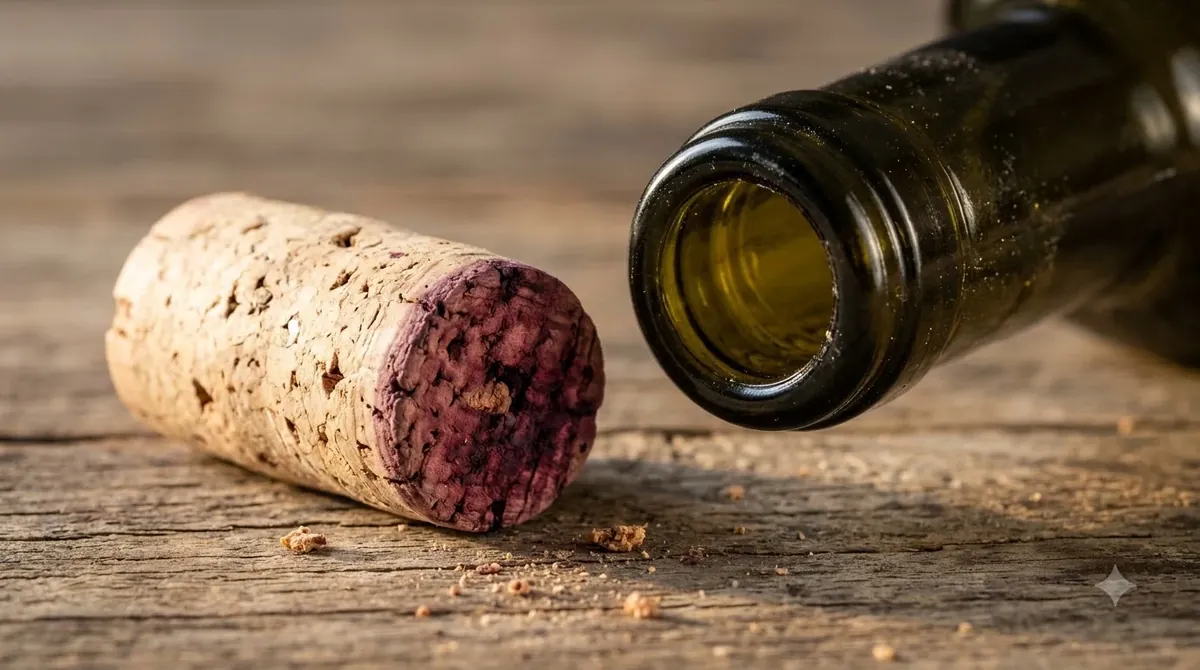
Start with the wine’s tier. Trader Joe’s identifies four principal Reserve categories: Reserve, Grand Reserve, Platinum Reserve, and Diamond Reserve. These categories provide a useful indication of how the retailer organizes its private-label wines, but they should not be treated as a universal quality guarantee. A particular Reserve Cabernet may suit one drinker better than a Platinum Reserve bottle with stronger tannins or more prominent oak.
Geographic origin is another important factor. Alexander Valley, Sonoma County, and Yountville represent different California wine-growing identities. The Alexander Valley example described by Trader Joe’s emphasizes dark plum, cassis, blueberry, and black cherry, with a soft finish. The Platinum Reserve Yountville example reviewed by Sipped Reviews showed cocoa, coffee, blackberry, leather, and floral notes. These differences can help shoppers identify a style they are likely to enjoy.
Lot numbers deserve special attention because Trader Joe’s private-label wines can change between releases. Sipped Reviews documented Sonoma County Reserve Cabernet Sauvignon Lot 251 from the 2020 vintage and Platinum Reserve Yountville Cabernet Sauvignon Lot 121 from the 2023 vintage. A review of one lot should not automatically be applied to another bottle carrying a similar label. The grape variety might remain Cabernet Sauvignon while the fruit source, vintage, and winemaking decisions change.
The following comparison summarizes documented examples and the characteristics shoppers can use when evaluating comparable bottles.
| Wine or category | Documented origin | Flavor characteristics | Best use |
|---|---|---|---|
| Charles Shaw Cabernet Sauvignon | California | Blackberry and vanilla | Casual dinners and gatherings |
| Reserve Cabernet Sauvignon | Alexander Valley, Sonoma County | Dark plum, cassis, blueberry, black cherry | Grilled meat and hearty pasta |
| Reserve Cabernet Sauvignon Lot 251 | Sonoma County | Black cherry, blackberry, currant, cedar | Steak and flavorful cheeses |
| Grand Reserve Cabernet Sauvignon Lot 139 | Napa Valley | Blackberry, plum, cocoa, pepper | Full-bodied red wine |
| Platinum Reserve Cabernet Sauvignon Lot 121 | Yountville, Napa Valley | Cocoa, coffee, blackberry, leather | Rich meals and aged cheese |
These are documented historical examples, not a current inventory list. Their usefulness lies in showing the different expressions that can appear under Trader Joe’s Cabernet Sauvignon labels. A shopper should compare the actual bottle available rather than assume that an older vintage’s characteristics will carry over unchanged.
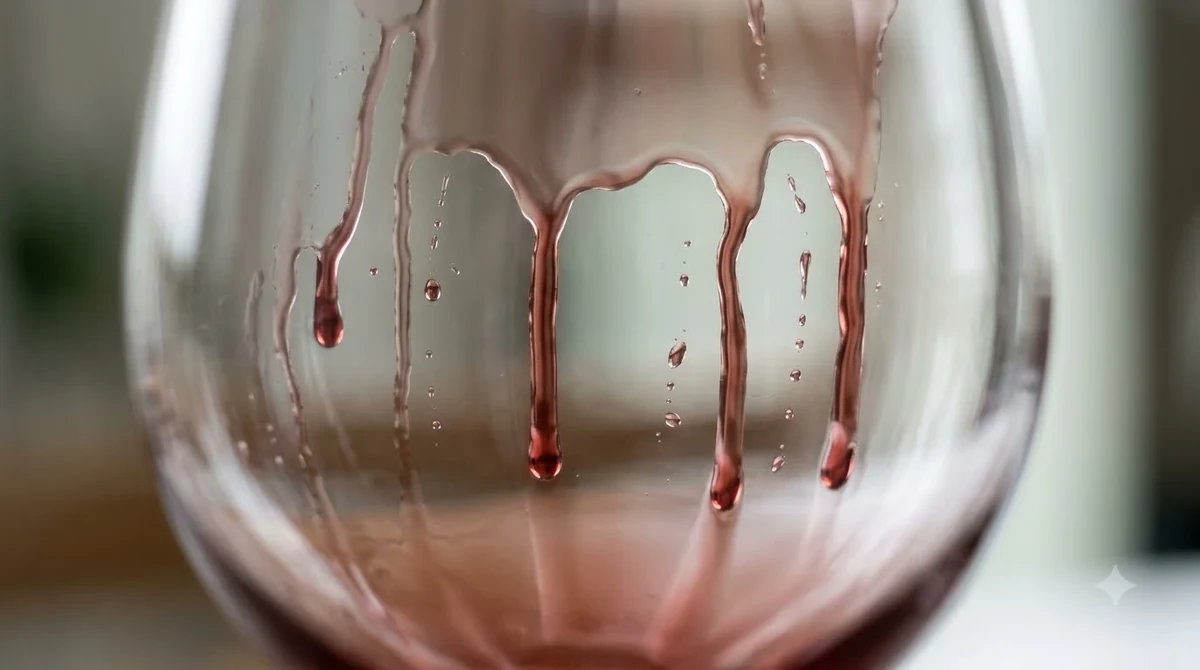
Finally, consider structure. Cabernet Sauvignon generally has high tannin, which creates a drying sensation on the gums and sides of the mouth. Higher acidity can make a full-bodied wine feel fresher, while oak aging may contribute cedar, vanilla, toast, or coffee characteristics. A wine with substantial tannin and noticeable oak is often more suitable for a substantial meal than for someone seeking a light, uncomplicated red.
Step-by-Step: How to Choose a Bottle
A reliable purchase starts with identifying the occasion and narrowing the selection according to style. Following these steps makes the wine aisle easier to understand, especially when several Cabernet labels appear together.
-
Decide how the wine will be served.
For a casual weeknight dinner, an approachable California Cabernet such as Charles Shaw may be sufficient. For grilled ribeye, lamb chops, or a substantial roast, look for a Reserve or Platinum Reserve bottle with a more developed fruit profile and enough tannin to complement the food.
-
Identify the Reserve designation.
Look for Reserve, Grand Reserve, Platinum Reserve, or Diamond Reserve on the front label. Treat these names as shopping clues rather than guaranteed rankings. A lower-tier bottle with a pleasing regional style can be a better match for a particular meal than a more ambitious wine.
-
Read the geographic information.
Alexander Valley, Sonoma County, and Napa Valley are useful clues to the wine’s origin. A bottle identified with Yountville provides more specific geographic information than a generic California designation. Regional labeling can help narrow the style before opening the bottle.
-
Check the lot number and vintage.
Compare the exact lot number and vintage with any available tasting notes. For example, Lot 251 from Sonoma County is a different wine from Lot 121 from Yountville. Do not use a favorable review of one bottling as proof that another release will taste identical.
-
Look for recognizable flavor descriptions.
Blackberry, black cherry, cassis, plum, cedar, and vanilla are useful Cabernet reference points. Cocoa, coffee, and leather can suggest additional complexity. If you prefer fruit-forward reds, prioritize descriptions emphasizing ripe dark fruit and a softer finish.
-
Consider tannin and acidity.
People who enjoy structured reds can choose a Cabernet with firm tannins and noticeable acidity. Those who prefer a softer texture may find an approachable Charles Shaw or a fruit-forward Reserve style more comfortable. Cabernet is naturally more tannic than Pinot Noir, so the difference is noticeable.
-
Match the bottle to the food.
Choose a more structured Cabernet for steak, lamb, grilled burgers, and aged cheeses. For lighter chicken dishes or delicate seafood, consider another wine style rather than forcing a full-bodied red into an unsuitable pairing.
-
Confirm that the bottle suits your occasion.
A simple everyday wine does not need the same complexity as a bottle intended for a special dinner. If the preferred Reserve selection is unavailable, compare another regional Cabernet rather than purchasing an unfamiliar wine solely because it carries a higher Reserve designation.
Tip: Take a photograph of the front and back labels of a Cabernet you enjoy, including its lot number and vintage. If Trader Joe’s brings in another release with a similar label, comparing those details can help determine whether it is genuinely comparable to your previous purchase.
One additional shopping habit is to ask a store employee about incoming limited selections. Trader Joe’s wine team explains that some Reserve wines are specific purchases that are not stocked continuously. A particular regional Cabernet may therefore disappear before the next release arrives. Asking about the current wine selection is more useful than relying on an old online inventory listing.
Types or Styles Explained
Trader Joe’s Cabernet Sauvignon selection can be understood through several broad styles: approachable California Cabernet, regional Reserve Cabernet, more structured Napa Valley Cabernet, and higher-tier limited releases. Recognizing these differences helps shoppers select a bottle based on flavor and structure instead of relying on the label alone.
Charles Shaw California Cabernet Sauvignon
Charles Shaw is the familiar everyday option. Trader Joe’s describes its Cabernet Sauvignon as ruby-colored with blackberry and vanilla aromas. The retailer also highlights a long finish and recommends serving it with grilled steak, lamb, and rich pasta dishes. Its straightforward profile makes it an accessible starting point for shoppers who do not need an especially complex red wine.
This style works particularly well for informal dinners and larger gatherings. It can accompany burgers, meatballs, pizza, and hard cheeses without requiring a complicated serving routine. People accustomed to concentrated Napa Cabernet may find it simpler, but that does not necessarily make it unsuitable for an everyday meal.
Alexander Valley and Sonoma County Reserve
Regional Reserve Cabernet is an interesting category for shoppers who want more information about where their wine comes from. Trader Joe’s has previously offered an Alexander Valley Reserve Cabernet Sauvignon from Sonoma County. Its description highlights dark plum, cassis, blueberry, and black cherry, followed by a soft, silky finish.
Sipped Reviews also documented a Reserve Sonoma County Cabernet Sauvignon Lot 251 from the 2020 vintage. The reviewer described black cherry, blackberry, black currant, cedar, vanilla, and clove, with firm but silky tannins and balanced acidity. That combination makes this particular historical example especially interesting for people who enjoy dark fruit alongside a structured finish.
Grand Reserve Napa Valley Cabernet
Grand Reserve Napa Valley Cabernet is another style worth recognizing. Sipped Reviews documented Lot 139 from the 2021 vintage and described blackberry, plum, pepper, cocoa, and herbal notes. The review also identified firm tannins and high acidity, suggesting a more structured drinking experience than an especially soft, uncomplicated red.
This category may appeal to drinkers who enjoy a combination of dark fruit, savory flavors, and a drying finish. It can work with grilled beef, lamb, mushroom dishes, and hard cheeses. However, the actual character depends on the specific release. The Grand Reserve designation alone does not establish the wine’s acidity, oak influence, or concentration.
Platinum Reserve Yountville Cabernet
Platinum Reserve releases provide another opportunity to explore a more specific Napa Valley expression. Sipped Reviews documented Yountville Cabernet Sauvignon Lot 121 from the 2023 vintage, describing cocoa, coffee, floral notes, blackberry, and leather. The reviewer also reported high acidity and high tannins, with a medium-plus body.
This kind of profile is suited to people who enjoy a Cabernet with a noticeable structure rather than a soft, fruit-only finish. It is a reasonable style to consider alongside steak, grilled lamb, or mature cheese. The combination of dark fruit and savory characteristics can also complement slow-cooked beef dishes.
For shoppers who prefer a lighter red, Cabernet may not be the most suitable option. Pinot Noir generally has lower tannin and higher acidity, producing a more delicate structure. The best pinot noir at trader joes guide offers another direction for shoppers who enjoy red wine but want less tannic weight.
Common Mistakes
The biggest shopping mistakes involve assuming that a higher Reserve designation guarantees a better bottle, treating every release as identical, and choosing Cabernet without considering its food pairing. A little attention to the label and intended serving occasion can prevent disappointing purchases.
Assuming Platinum Reserve Always Wins
A Platinum Reserve bottle may have a more specific regional identity or a different sourcing arrangement, but the designation does not tell the whole story. The documented Platinum Reserve Yountville Lot 121 received a 90-point assessment from Sipped Reviews, while the documented Grand Reserve Napa Valley Lot 139 received 86 points. Those evaluations concern different vintages and wines, not a controlled comparison of the two tiers.
It is therefore more useful to consider the actual region, lot, vintage, and flavor description. Someone who prefers a softer finish might enjoy an Alexander Valley Reserve more than a more tannic Yountville Cabernet. A higher category is not automatically a better personal choice.
Ignoring Lot Numbers
Trader Joe’s private-label wines can be produced through different winery partnerships and sourcing arrangements. A label that returns to the shelf may represent a different wine from the previous release. Comparing the vintage and lot number is particularly important when looking up independent reviews.
For example, Sonoma County Reserve Lot 251 and Yountville Platinum Reserve Lot 121 are distinct documented bottlings. Their flavor descriptions should not be combined into a single supposed Trader Joe’s Cabernet profile. The same principle applies when a familiar Reserve label appears with a new geographic designation.
Expecting Every Store to Carry the Same Wine
Trader Joe’s explains that its Reserve selections can be limited purchases. This means availability depends on distribution and remaining inventory. A Cabernet found at one location may not be available at another, and a previously popular bottle may not return immediately.
Do not build a dinner plan around an assumed future release. If a particular regional Cabernet is unavailable, consider another California Cabernet with a comparable fruit profile and structure. This approach makes it easier to adapt without sacrificing the overall style of wine you want.
Serving Cabernet Too Warm
Full-bodied red wine is often served too warm, especially when a bottle is opened in a heated kitchen or dining room. Warm temperatures can make alcohol feel more prominent and can reduce the impression of freshness. A full-bodied Cabernet generally benefits from a serving temperature of 60 to 65 degrees Fahrenheit.
Likewise, serving it excessively cold can make tannins feel more pronounced and mute some of its aromas. A short period of cooling is preferable to placing the bottle in a freezer for an extended period. The goal is to preserve the wine’s fruit, structure, and aromatic character.
Pairing Cabernet With Delicate Seafood
Cabernet Sauvignon’s high tannin can overwhelm delicate foods. Oily fish can also clash with tannic reds, creating an unpleasant combination. For salmon or lighter seafood dishes, a more suitable choice may be Pinot Noir or an appropriately structured white wine.
Cabernet is better suited to foods with sufficient protein, richness, and savory intensity. Steak, lamb, aged cheddar, and rich meat sauces are much more natural companions.
Care and Storage Tips
Proper storage and serving make a noticeable difference to Cabernet Sauvignon, particularly wines with substantial tannin and concentrated dark-fruit flavors. Keep unopened bottles in a cool, stable environment, serve full-bodied reds at 60 to 65 degrees Fahrenheit, and refrigerate opened wine between servings.
Store Unopened Bottles Correctly
For bottles sealed with natural cork, horizontal storage keeps the cork in contact with the wine and helps prevent it from drying out. A consistent temperature near 55 degrees Fahrenheit is a useful storage target. Avoid locations exposed to direct sunlight, strong vibration, or frequent temperature changes.
A kitchen cabinet above an oven is not an ideal long-term location because heat can fluctuate significantly. A cool interior cupboard away from appliances is preferable for bottles intended for relatively short storage. For longer-term storage, a wine refrigerator or suitable temperature-controlled space provides better conditions.
Serve at the Right Temperature
Full-bodied Cabernet Sauvignon is generally best served at 60 to 65 degrees Fahrenheit. This is cooler than the typical temperature of many indoor rooms. If the bottle has been stored at room temperature, placing it in a refrigerator briefly can bring it closer to the recommended range.
Use a clean, reasonably large red wine glass to allow the aromas to develop. Pour approximately 5 ounces per serving. A standard 750 ml bottle provides about five such glasses, making it suitable for a small dinner gathering.
Decant When Appropriate
Young, full-bodied Cabernet Sauvignon can benefit from 30 to 60 minutes of decanting. Exposure to air may soften the initial impression of firm tannins and allow aromas such as blackberry, cassis, cedar, and vanilla to become easier to recognize.
Not every bottle needs decanting. An approachable everyday Cabernet can be poured directly into glasses and allowed to develop while dinner is served. Decanting is most useful when the wine feels particularly concentrated or tightly structured at the first pour.
Preserve Opened Wine
Once opened, replace the cork or use a suitable wine stopper and place the bottle in the refrigerator. Most opened still wines remain enjoyable for approximately three to five days when properly resealed and refrigerated. Cabernet can lose some freshness and aromatic intensity over that period, so it is generally better to finish it sooner rather than later.
Allow a refrigerated red wine to warm slightly before pouring another glass. This helps restore its fruit aromas and improves the overall balance. Avoid leaving an opened bottle on a sunny counter or near a warm stovetop.
Shoppers interested in comparing other wine styles at the same retailer can also consult the best white wine at trader joes guide. Cabernet is an excellent food wine, but a white selection may suit a lighter meal or a different serving occasion.
Frequently Asked Questions
Does Trader Joe’s Cabernet Sauvignon contain only Cabernet Sauvignon grapes?
The grape name on the front label identifies the wine’s principal variety, but labeling rules can allow small percentages of other grapes in certain wines. In the United States, a wine generally needs at least 75% of the named grape variety to be labeled with that varietal name. The exact blend of an individual Trader Joe’s bottling requires producer-specific information.
Should Cabernet Sauvignon be allowed to breathe after opening?
Yes, many young Cabernet Sauvignons benefit from exposure to air. A simple approach is to pour a glass and allow the remaining wine to sit for approximately 15 to 30 minutes before reassessing its aromas. A particularly structured young red may benefit from the longer 30-to-60-minute decanting period.
Can Cabernet Sauvignon be used for cooking?
Yes. A dry Cabernet can be used in beef stews, braised short ribs, and red wine pan sauces. Avoid using a wine with pronounced sweetness when the recipe expects a dry red, and remember that prolonged reduction concentrates the wine’s acidity, tannin, and other flavors.
Does Cabernet Sauvignon improve indefinitely with age?
No. Most inexpensive everyday Cabernet Sauvignon is intended for relatively early drinking rather than extended cellar aging. Only wines with suitable fruit concentration, acidity, tannin, and overall balance are likely to benefit from longer bottle development. Storage conditions also have a major influence on how successfully a wine ages.
What is the difference between Cabernet Sauvignon and Cabernet Franc?
Cabernet Sauvignon generally produces a fuller-bodied wine with more substantial tannins and dark-fruit characteristics. Cabernet Franc often has a lighter structure and can show more prominent herbal, red-fruit, and floral notes. Both varieties are used in Bordeaux-style blends, but they offer different experiences when bottled individually.
The best Cabernet Sauvignon at Trader Joe’s depends on the particular release, your preferred tannin level, and the meal you intend to serve. Charles Shaw is a straightforward option for casual occasions, while Alexander Valley Reserve, Sonoma County Reserve, Grand Reserve, and Platinum Reserve examples illustrate the more regional and structured styles worth watching for. Compare the vintage, lot number, and tasting profile before choosing, and remember that limited selections can disappear from the shelves quickly.
More in Wine Buying Guides
 Cheap Red Blend: How to Find a Flavorful Bottle for LessUpdated Nov 20, 2026
 Pinot Grigio Gift: How to Choose a Bottle They’ll EnjoyUpdated Nov 20, 2026
 Best White Wine at Total Wine for Every MealUpdated Nov 20, 2026
 Wine Fridge Replacement Shelves: Find the Right FitUpdated Nov 20, 2026
 Best Sparkling Wine Under 20: Find Bubbles Worth BuyingUpdated Nov 20, 2026
 Best Wine For Birthday Celebrations With Perfect Party PairingsUpdated Nov 20, 2026