

We may earn a commission when you buy through links on this page, at no extra cost to you. Learn more.
The best boxed rose is a fresh, well-balanced rosé in a quality bag-in-box package that matches your preferred sweetness, fruit character, and serving needs. For dry, refreshing wine, look for crisp styles with citrus, strawberry, and mineral notes. For a fruitier glass, consider Grenache-based blends or rosés with a softer, fuller profile. A typical 3-liter box provides approximately 20 standard glasses, making boxed rosé a practical choice for regular home drinking, parties, and outdoor meals.
Boxed rosé has moved beyond its old reputation as inexpensive party wine. Today, shoppers can find dry Mediterranean-inspired blends, California rosés, Cabernet Franc-based wines, and fruit-forward options in convenient cartons. The right choice depends on more than the label: grape varieties, sweetness, acidity, package size, and freshness all affect the drinking experience. This guide explains what to compare, how to choose a style, and how to get the most from a box after opening.
Who This Is For
Boxed rosé is particularly useful for people who enjoy pink wine regularly and want a convenient format that does not require opening a new bottle every evening. It also makes sense for hosts who need enough wine for a gathering without collecting empty glass bottles.
For everyday drinkers, a 3-liter package offers the equivalent of four standard 750 ml bottles. Because the inner pouch collapses as wine is dispensed, the packaging can limit additional oxygen exposure compared with repeatedly opening and closing a traditional bottle. This makes it easier to pour a single glass with dinner and return the remaining wine to the refrigerator.
Boxed rosé is also worth considering for several specific situations:
- Regular rosé drinkers: People who enjoy a glass several times a week can appreciate having a larger supply ready to pour.
- Party hosts: A 3-liter or 5-liter package provides enough wine for a group without requiring multiple bottles and corkscrews.
- Outdoor entertainers: The cardboard exterior is easier to transport than several glass bottles, particularly for picnics and casual backyard meals.
- Small households: People who drink moderately but regularly may appreciate the dispensing system and reduced need to open a complete bottle at once.
- Value-conscious shoppers: Larger formats can offer convenient servings per package, although quality should remain more important than volume alone.
However, boxed rosé is not ideal for every occasion. Someone searching for a collectible wine, a vintage intended for extended aging, or a traditional sparkling rosé should generally choose a bottle. The bag-in-box format is best suited to fresh wines intended for relatively early consumption.
It also helps to distinguish between everyday convenience and serious wine complexity. A good boxed rosé can have attractive fruit, refreshing acidity, and a satisfying finish, but the category is primarily designed around accessible drinking rather than long-term cellaring. Wine Enthusiast’s boxed wine recommendations and expert commentary reinforce that the quality of the wine itself matters more than whether it comes in glass or a carton.
Key Factors to Compare
The most important buying considerations are sweetness, acidity, grape variety, flavor intensity, package size, and freshness. Comparing these characteristics helps identify a rosé that suits both your palate and the occasions when you plan to serve it.
| Factor | What to Look For | Why It Matters |
|---|---|---|
| Sweetness | Dry, off-dry, or sweet | Determines the overall taste and food compatibility |
| Acidity | Fresh, crisp, or softer | Controls how refreshing the wine feels |
| Body | Light, medium, or fuller | Helps match the wine to food and personal preference |
| Fruit profile | Strawberry, citrus, peach, melon, or raspberry | Indicates the general flavor direction |
| Package size | 1.5, 3, or 5 liters | Determines the number of available servings |
| Freshness | Recent packaging and a suitable sell-by date | Helps avoid stale or oxidized wine |
| Dispensing system | Secure, functioning tap | Makes pouring easier and limits oxygen exposure |
Sweetness and dryness
Sweetness should be one of your first considerations. Dry rosé is generally the most versatile choice for people who enjoy refreshing wine with meals. It commonly offers citrus, tart strawberry, raspberry, and mineral characteristics without an obvious sugary finish.
Off-dry rosé provides a little more perceived sweetness while retaining enough acidity to remain refreshing. This style can be appealing to people who find very dry wines too austere. Sweet rosé has a more noticeable fruity sweetness and can be enjoyable with fruit desserts, mildly spicy food, or casual sipping.
Do not assume that a pink color indicates sweetness. A pale Provence-style rosé can be completely dry, while a deeper-colored Grenache rosé can also be dry despite its ripe berry flavors. Color, sweetness, and body are separate characteristics.
If you prefer a drier style, compare the descriptions of dry rosé before purchasing. Shoppers who enjoy a softer, sweeter finish can also explore sweet rosé to understand the differences.
Acidity and body
Acidity gives rosé its refreshing character. Wines with lively acidity often feature lemon, grapefruit, tart cherry, and crisp red-berry flavors. These characteristics are particularly useful when serving wine with salads, seafood, and other dishes that contain citrus or vinegar.
Body describes how substantial the wine feels in the mouth. Light-bodied rosé is generally easy to drink and works well as an aperitif. Medium-bodied rosé offers a little more texture and fruit concentration, making it suitable for grilled chicken, fish tacos, and casual dinners. Fuller styles can provide a more substantial experience alongside richer foods.
Grape varieties
Different grapes create different rosé personalities. Grenache is commonly associated with ripe strawberry, raspberry, and other red-fruit flavors. Mourvèdre can contribute structure and a deeper, more substantial impression. Syrah may add darker berry and herbal characteristics.
Cabernet Franc can produce fresh, aromatic rosé with red-fruit and herbal notes. Pinot Noir often creates a lighter, more delicate style, while Cinsault is frequently associated with approachable, fresh Mediterranean rosé.
These are useful starting points rather than strict rules. Blending, growing conditions, winemaking decisions, and residual sugar all influence the final wine.
Package size and freshness
A large box is not automatically the better purchase. Consider how quickly you expect to consume the wine after opening and whether you have sufficient refrigerator space. A 1.5-liter package may be more practical for occasional drinking, while a 3-liter package suits regular use and entertaining.
Freshness also matters before opening. Boxed wine is not designed for indefinite storage. The inner pouch and dispensing system help preserve wine after opening, but the packaging has a limited shelf life. Choose a recently packaged product rather than buying several cartons to store for an extended period.
Step-by-Step: How to Choose Boxed Rosé
A simple selection process makes it easier to find a suitable wine without getting distracted by packaging design or marketing descriptions. Start with your preferred flavor profile, then consider how much wine you need and how quickly you will drink it.
-
Decide whether you want dry or sweet rosé.
Begin with your normal preference. Choose dry if you enjoy crisp Sauvignon Blanc, dry Provence rosé, or refreshing mineral-driven wines. Consider off-dry or sweet styles if you prefer softer fruit and a sweeter finish.
-
Choose your preferred flavor profile.
Look for citrus, grapefruit, and tart strawberry if you want freshness. Choose descriptions featuring raspberry, watermelon, peach, or ripe melon if you prefer more obvious fruit. Herbal and mineral notes can add complexity without making a wine sweeter.
-
Compare grape varieties and regional styles.
Grenache, Mourvèdre, Syrah, Cabernet Franc, Pinot Noir, and Cinsault can all produce appealing rosé. Consider Mediterranean blends for a savory, food-friendly direction and many California rosés for approachable fruit-forward options.
-
Select a package size that matches your consumption.
Calculate the number of servings you actually need. A 3-liter package provides approximately 20 standard 5-ounce glasses. A 5-liter package offers approximately 33.8 glasses, which is more appropriate for a larger gathering or frequent consumption.
-
Look for freshness information.
Check the packaging date or sell-by information where available. Avoid boxes with damaged cartons, leaking taps, or compromised seals. Choose a product that is intended to be consumed while young and fresh.
-
Consider the dispensing system.
The tap should operate smoothly and close securely. A properly designed valve helps prevent air from entering the pouch as wine is poured. This is an important part of the convenience and preservation benefits of bag-in-box packaging.
-
Plan your food pairings and serving temperature.
Most rosé is best served around 45–50°F. Match dry, acidic wine with seafood, vegetables, and salads, or choose fruitier rosé for grilled chicken and mildly spicy dishes.
Tip: If you are uncertain about sweetness, prioritize a description that explicitly identifies the wine as dry or off-dry rather than relying on fruit terms such as strawberry, peach, or watermelon. Fruity aromas do not necessarily mean that a rosé contains noticeable residual sugar.
After narrowing down the options, consider the occasion. A light, dry rosé may be perfect for a summer lunch, while a fuller Grenache blend can make more sense for a barbecue. The most suitable choice is the one that works with your usual meals and drinking habits rather than the one with the most elaborate packaging.
Types or Styles Explained
Boxed rosé is not one uniform wine category. The available styles range from pale and mineral-driven Mediterranean blends to richer California rosés with pronounced red-fruit flavors.
Dry Mediterranean-style rosé
This is a particularly good starting point for people who prefer refreshing, food-friendly wine. Mediterranean-inspired rosés commonly feature citrus, red berries, subtle herbs, and mineral notes. They are generally designed to be served chilled and enjoyed relatively young.
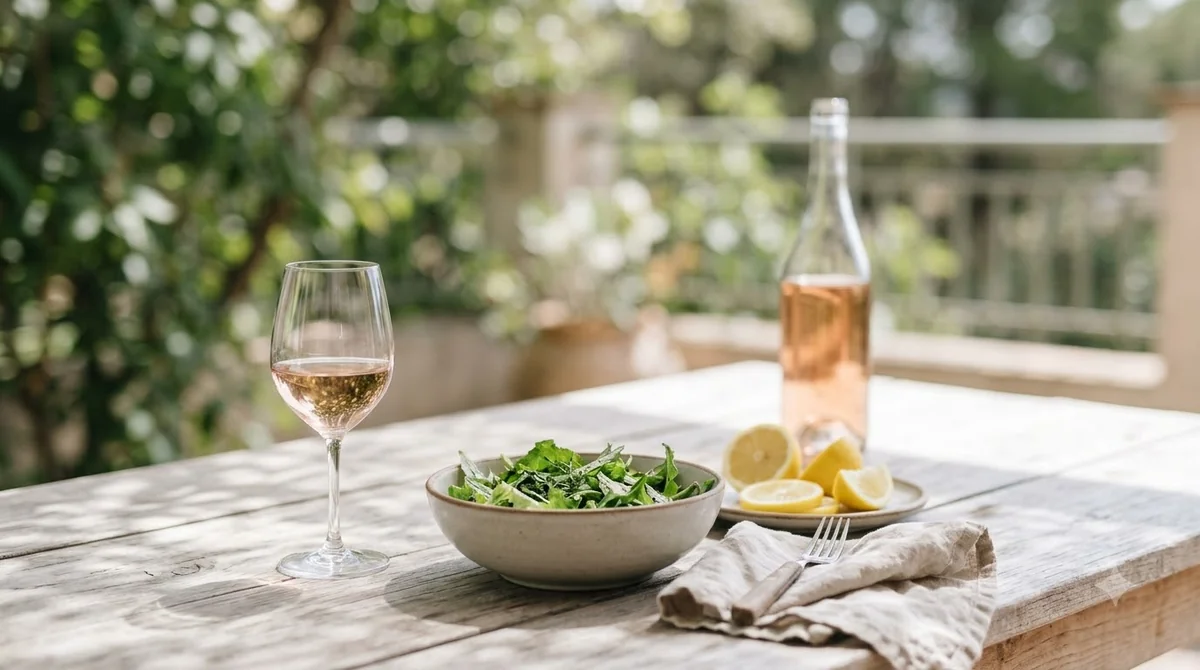
Provence-style rosé is a useful reference for this flavor direction. These wines are frequently light to medium in body, with fresh acidity and restrained fruit. A boxed wine inspired by this style can work well with grilled shrimp, olives, tomato salad, and Mediterranean vegetables.
Consumer Reports highlighted Vrac Vin de Pays de Méditerranée Rosé as a particularly appealing boxed option, describing its light body, dry character, grapefruit, cherry, subtle peach, and mineral notes. This is a useful example of the kind of balanced, refreshing profile shoppers can look for.
Grenache-based rosé
Grenache is a common choice for rosé because it can produce expressive red-fruit flavors and a rounded mouthfeel. Strawberry, raspberry, watermelon, and peach are useful flavor associations, although the exact profile varies with the winemaking approach.
A Grenache-based rosé can be a good option for people who find very pale, mineral-driven wines too restrained. Consumer Reports described Les Alliés Grenache Rosé as fuller-bodied and assertively fruity, with raspberry, hibiscus, and plum characteristics. It illustrates the richer end of the boxed rosé category.
These wines can complement grilled chicken, barbecue vegetables, lightly spiced dishes, and summer meals. If the wine has noticeable sweetness, pair it with food that has a similar level of sweetness or a little spice rather than relying on very acidic dishes.
Cabernet Franc rosé
Cabernet Franc rosé offers another direction, often combining fresh red-fruit flavors with herbal notes and lively acidity. It can appeal to people who enjoy wines with a little more savory character than straightforward strawberry-forward rosé.
Wine Enthusiast includes Bridge Lane Rosé among its boxed wine recommendations. The publication identifies it as a Lieb Cellars wine from New York’s North Fork, made with Cabernet Franc. This is an interesting option for shoppers who want a regional wine rather than a generic large-volume blend.
Cabernet Franc rosé is particularly suitable for salads, grilled vegetables, chicken, and lightly seasoned seafood. Its acidity can also help it work with dishes containing fresh herbs and vinaigrette.
Mourvèdre-based and Rhône-inspired blends
These wines generally offer a more substantial style. Mourvèdre can contribute body and depth, while Grenache and Syrah add fruit and aromatic character. Depending on the blend, the result can feature grapefruit, stone fruit, herbs, and a creamy texture.
VinePair’s coverage of Bedrock Wine Co. Ode to Lulu Rosé describes a Mourvèdre-based blend with Grenache and Syrah. Its profile includes grapefruit, juicy stone fruit, herbaceous aromas, and a creamy palate supported by acidity.
VinePair also highlights From the Tank Vin Rosé, a three-liter option with peach, floral, and mineral characteristics. Both examples demonstrate that boxed rosé can cover more than one flavor direction, from structured blends to easygoing wines intended for gatherings.
Fruit-forward and sweeter rosé
Some boxed rosés are designed for drinkers who enjoy pronounced fruit and a softer finish. They may emphasize watermelon, ripe strawberry, raspberry, peach, or other approachable flavors.
These wines can be particularly appealing at informal gatherings where guests have different wine preferences. However, it is important to distinguish between ripe fruit aromas and actual sweetness. A wine can smell strongly of strawberries while remaining completely dry.
For a genuinely sweeter selection, look for explicit sweetness descriptions. These styles can work well with fresh fruit, mild desserts, and spicy dishes, provided the wine has enough sweetness to balance the food.
Common Mistakes When Buying Boxed Rosé
Several common shopping mistakes can lead to disappointing purchases. Most involve assuming that packaging, color, or fruit descriptions tell the whole story.
Choosing by color alone
A pale pink rosé is not automatically better than a deeper-colored one. Color depends on grape variety, skin contact, production techniques, and blending decisions. It does not provide a reliable indication of sweetness or overall quality.
Instead, compare the wine description, grape varieties, and intended style. A pale Mediterranean blend may be ideal for someone who wants crisp acidity, while a deeper Grenache rosé could suit someone who prefers a fuller texture.
Assuming every boxed rosé is sweet
This is one of the most persistent misconceptions about boxed wine. Dry rosé is widely available in bag-in-box formats, and the category includes wines with genuine acidity, mineral character, and restrained fruit.
Look for terms such as dry, crisp, refreshing, mineral, and citrus-driven when shopping for a drier option. If sweetness is your preference, seek clear descriptions that indicate off-dry or sweet rather than assuming all fruity rosé will taste sugary.
Buying more wine than you can reasonably consume
A 5-liter box may seem attractive because it contains more servings than a 3-liter package. However, a larger format only makes sense if you will use the wine within its recommended freshness period.
For occasional drinkers, a smaller carton may be more practical. For households that regularly serve rosé or host several guests, a 3-liter package can provide a useful balance between capacity and convenience.
Ignoring the packaging condition
The inner pouch and tap are essential components of bag-in-box wine. A damaged carton, leaking valve, loose closure, or compromised seal can create storage and quality problems.
Inspect the exterior before purchasing. If the carton is wet, visibly crushed near the tap, or otherwise damaged, select another package. The quality of the dispensing system matters just as much as the wine inside.
Expecting boxed wine to improve with age
Boxed rosé is intended for relatively early consumption. Unlike certain traditional bottled wines, it is not generally purchased for long-term cellaring. Extended storage can reduce freshness and cause the wine to lose its appealing fruit character.
Consumer Reports explains that oxygen permeability is an important limitation of bag-in-box packaging before opening. Its coverage also discusses the risk of oxidation during extended storage. Buy boxed rosé for relatively near-term use rather than treating it as a wine collection purchase.
Serving it too warm
Rosé can seem heavier, less refreshing, and more alcoholic when served too warm. This is particularly noticeable with fuller Grenache-based blends and fruit-forward styles.
Refrigerate the package before serving and aim for 45–50°F. If the wine becomes too cold, allow it to warm slightly in the glass so its fruit and aromatic characteristics can become more apparent.
Care and Storage Tips
Proper storage helps boxed rosé maintain its freshness and makes the format more convenient for regular use. The main priorities are refrigeration after opening, careful handling of the tap, and avoiding unnecessary exposure to heat.
Refrigerate after opening
Once opened, keep boxed rosé refrigerated. The inner pouch is designed to collapse as wine leaves the package, which helps reduce oxygen contact compared with an open bottle. However, this does not mean that the wine will remain fresh indefinitely.
The exact preservation period depends on the packaging materials, closure design, wine composition, and storage conditions. Some newer bag-in-box systems are designed to maintain quality for several weeks after opening. Wine Enthusiast reports that certain boxed wines can remain fresh for up to six weeks in the refrigerator, while the University of Florida’s packaging overview discusses approximately two to three weeks for newer systems. Follow the manufacturer’s guidance for the specific package.
Keep the carton upright and the tap clean
Position the box according to its dispensing design so the tap remains accessible and the pouch functions correctly. Avoid pulling, twisting, or placing unnecessary pressure on the spout.
Wipe away drips around the tap and close the dispensing mechanism completely after every pour. A clean, properly closed tap helps reduce contamination and prevents accidental leakage.
Avoid heat and direct sunlight
Do not leave boxed rosé in a hot car, next to a stove, or in direct sunlight. Heat can accelerate wine deterioration and reduce its fresh fruit character. A cool refrigerator is the most practical storage location after opening.
Before opening, store the package in a cool, dry place away from direct sunlight. Avoid keeping boxes in garages, warm cupboards, or other locations where temperatures fluctuate significantly.
Serve at the right temperature
For most rosé, a serving temperature of 45–50°F is a useful target. This temperature preserves the wine’s refreshing character while allowing fruit and aromatic details to remain noticeable.
Light, crisp rosé generally benefits from the cooler end of that range. Fuller styles can be served closer to 50°F to reveal more texture and aroma. Avoid serving directly from a very cold freezer, where excessive chilling can mute the wine’s character.
Use standard serving sizes
A standard wine serving is approximately 5 ounces. A 750 ml bottle contains about five standard servings, while a 3-liter box provides approximately 20. Keeping this serving size in mind makes it easier to plan for dinners and gatherings.
If you are serving a group, consider placing the box in an accessible but shaded location and providing chilled glasses. This keeps service simple without requiring the wine to sit in direct sunlight during an outdoor event.
Pair the wine with suitable food
Dry rosé is particularly flexible at the table. Its acidity can complement fresh salads, seafood, grilled vegetables, and dishes containing lemon or vinaigrette. Light-bodied examples also work well with sushi, shrimp, and simple chicken preparations.
Fuller rosé can handle grilled salmon, barbecue chicken, and richer vegetable dishes. Fruit-forward or sweeter versions can accompany mild spicy food, fruit salads, and desserts. Remember that acidic dishes generally need wines with equal or higher acidity, while sweet dishes usually pair better with wine that is at least as sweet as the dessert.
For another convenient format when serving guests who prefer red wine, explore our guide to the best boxed red wine. You can also find additional selection advice through our wine-buying learning resources.
Frequently Asked Questions
Can boxed rosé be frozen into ice cubes for cocktails?
Yes, rosé can be frozen in an ice cube tray and used in drinks or fruit-based preparations. Frozen wine cubes are particularly useful for adding wine flavor to sangria without immediately diluting the drink with plain ice. Leave room for expansion in the tray and use a covered, food-safe container for storage.
Does the color of boxed rosé become darker over time?
Oxidation can cause rosé to lose its original brightness and develop a more orange, amber, or brownish appearance. The color change may accompany muted fruit aromas and an unpleasant nutty character. This is one reason freshness and proper storage matter for bag-in-box wine.
Can boxed rosé be used for cooking?
Yes, dry rosé can be used in dishes such as seafood sauces, risotto, vegetable preparations, and light pan sauces. Its acidity can add freshness without introducing the stronger tannin character of red wine. Avoid using wine that has developed obvious oxidation or unpleasant flavors, since cooking will not reliably correct those defects.
Is rosé made from red grapes or white grapes?
Most traditional rosé is made from red wine grapes, with limited skin contact creating the pink color. The length of skin contact influences the color and can also affect the wine’s structure and flavor. Rosé can be produced from varieties such as Grenache, Syrah, Mourvèdre, Pinot Noir, and Cabernet Franc.
Can boxed rosé be transferred into a glass decanter?
Yes, you can transfer rosé into a clean glass pitcher or decanter for serving. This can be useful when presenting wine at a dinner table where the original carton is less attractive. Keep the remaining wine in its original dispensing package and return it to refrigeration promptly rather than leaving the entire supply exposed to air.
The best boxed rosé combines the flavor profile you enjoy with packaging that suits your drinking habits. Dry Mediterranean-inspired blends are excellent starting points for crisp, food-friendly wine, while Grenache and Mourvèdre-based options offer fuller fruit and texture. Choose a sensible package size, keep it refrigerated after opening, and serve it properly chilled to enjoy fresh, convenient rosé throughout the week.
More in Wine Buying Guides
 Cheap Red Blend: How to Find a Flavorful Bottle for LessUpdated Nov 20, 2026
 Pinot Grigio Gift: How to Choose a Bottle They’ll EnjoyUpdated Nov 20, 2026
 Best White Wine at Total Wine for Every MealUpdated Nov 20, 2026
 Wine Fridge Replacement Shelves: Find the Right FitUpdated Nov 20, 2026
 Best Sparkling Wine Under 20: Find Bubbles Worth BuyingUpdated Nov 20, 2026
 Best Wine For Birthday Celebrations With Perfect Party PairingsUpdated Nov 20, 2026