

We may earn a commission when you buy through links on this page, at no extra cost to you. Learn more.
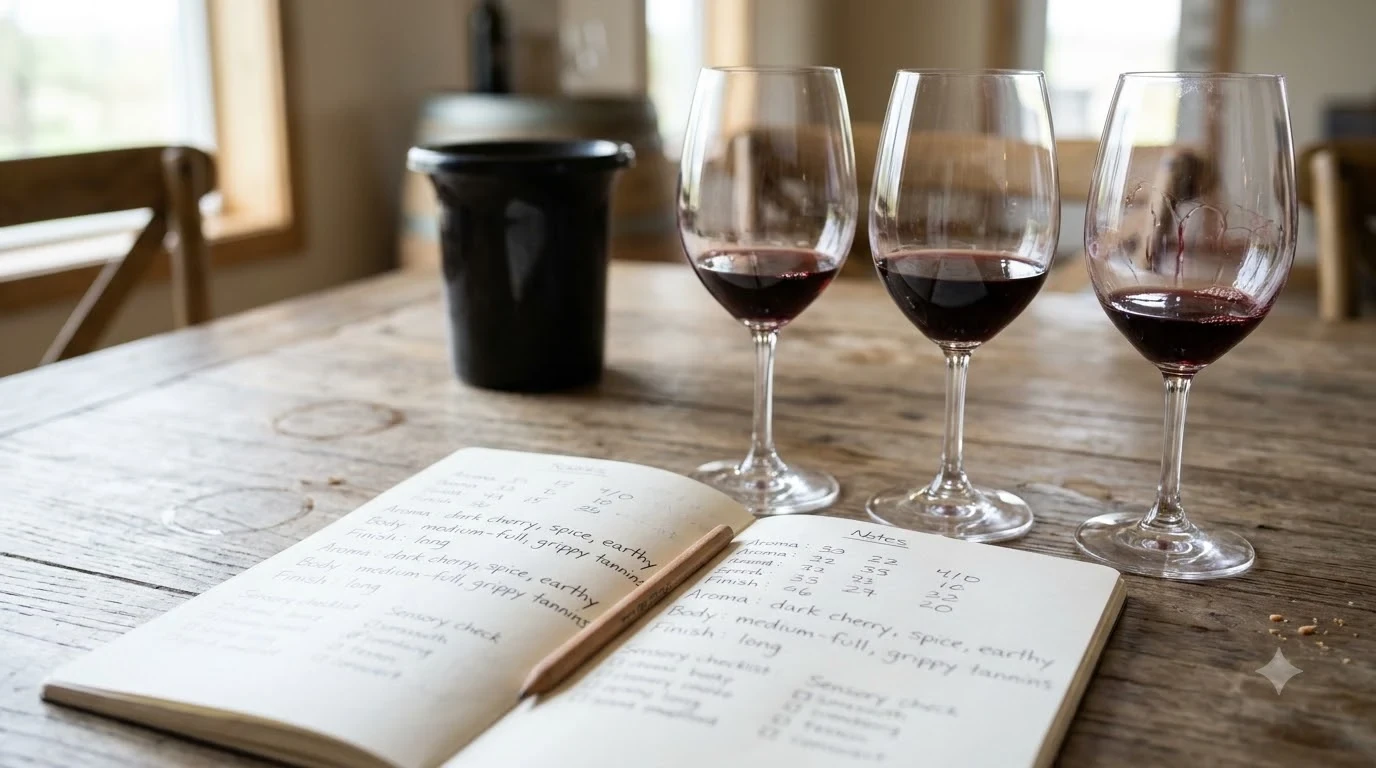
Bourgueil wine tasting reveals the distinctive character of Cabernet Franc from France’s Loire Valley, with wines ranging from fresh, raspberry-scented reds to structured, earthy bottles suited to aging. The appellation’s sandy river terraces and limestone hillsides produce noticeably different expressions of the same grape. Understanding these soil differences, recognizing Cabernet Franc’s signature aromas, and serving the wine at the right temperature will make a tasting considerably more rewarding.
Bourgueil is one of the Loire Valley’s important red wine appellations, located west of Tours on the right bank of the Loire River. Its wines offer an appealing combination of fresh fruit, lively acidity, moderate tannins, and savory complexity. Although Cabernet Franc dominates production, the differences between individual vineyards and winemaking approaches create considerable variety. Whether you are attending a tasting, choosing a bottle for dinner, or comparing Loire reds, Bourgueil offers plenty to explore.
Understanding the Bourgueil Appellation and Its Wine Heritage
Bourgueil is a historic Loire Valley appellation where Cabernet Franc has shaped local wine production for more than a thousand years. Its location between Tours and Saumur, together with its distinctive vineyard landscape, gives the wines a recognizable regional identity.
The vineyards occupy the right bank of the Loire in the western part of Touraine, in the Indre-et-Loire department. The appellation received official recognition in 1937 and encompasses eight communes: Bourgueil, Benais, La Chapelle-sur-Loire, Chouzé-sur-Loire, Ingrandes-de-Touraine, Restigné, Saint-Nicolas-de-Bourgueil, and Saint-Patrice. These communities share a winegrowing heritage that developed around the Loire and its surrounding slopes.
Cabernet Franc is the principal grape, known locally as Breton. It is responsible for the appellation’s characteristic red wines, although small quantities of rosé are also produced. Cabernet Sauvignon is permitted as an accessory variety, with its proportion limited to 10% under the appellation regulations. In practice, many Bourgueil reds are made entirely from Cabernet Franc.
The appellation is recognized for its contrast between approachable, fruit-driven wines and more concentrated, cellar-worthy examples. This variety is especially useful during a tasting because it demonstrates how vineyard location can influence the expression of a single grape. A fresh red from sandy ground can feel quite different from a powerful hillside wine grown on limestone-rich soil.
The local wine organization, the Maison des Vins de Bourgueil, introduces visitors to the area’s vineyards, producers, and traditional cellars. Some cellars are troglodytic spaces excavated from tuffeau limestone, a geological feature closely connected to the architecture and history of Touraine. For a broader introduction to French wine geography, the Wine Regions resource provides useful context for understanding the Loire’s different appellations.
How Soil and Terroir Shape Bourgueil Wine
The most important distinction in Bourgueil is between sandy and gravelly river terraces and the clay-limestone slopes. These two broad vineyard environments influence the wine’s body, tannin structure, aromatic profile, and potential for aging.
Near the Loire, old river deposits created terraces containing sand, gravel, and rounded stones. These relatively free-draining soils often produce wines with bright red-fruit aromas, a supple texture, and approachable tannins. Raspberry, red cherry, and fresh currant are common tasting associations. Such bottles are generally enjoyable without extensive cellaring.
Farther up the slopes, the soils contain more clay and limestone, including tuffeau, the pale chalk limestone associated with the region. These vineyards commonly produce wines with greater concentration, firmer tannins, and more pronounced savory characteristics. Their aromas can include dark berries, spice, earthy notes, and hints of dried herbs.
The difference is not an absolute rule. Vintage conditions, vineyard exposure, vine age, harvesting decisions, and cellar practices also affect the finished wine. Nevertheless, soil origin is an excellent starting point when comparing two Bourgueil bottles.
| Vineyard characteristic | Gravel and sand | Clay and limestone |
|---|---|---|
| Typical location | Lower river terraces | Hillsides and higher ground |
| Main soil components | Sand, gravel, river stones | Clay, limestone, tuffeau |
| Body | Light to medium | Medium to full |
| Fruit character | Raspberry, cherry, red currant | Blackberry, dark cherry, black plum |
| Tannin impression | Generally softer | Generally firmer |
| Typical drinking style | Enjoyable relatively young | Often benefits from aging |
| Food direction | Charcuterie, chicken, grilled vegetables | Beef, lamb, mushroom dishes |
The Institut National de l’Origine et de la Qualité (INAO) distinguishes between fruity, supple gravel-grown reds and more structured, tannic wines from clay-limestone slopes. Its official Bourgueil appellation description provides a useful explanation of these two broad styles.
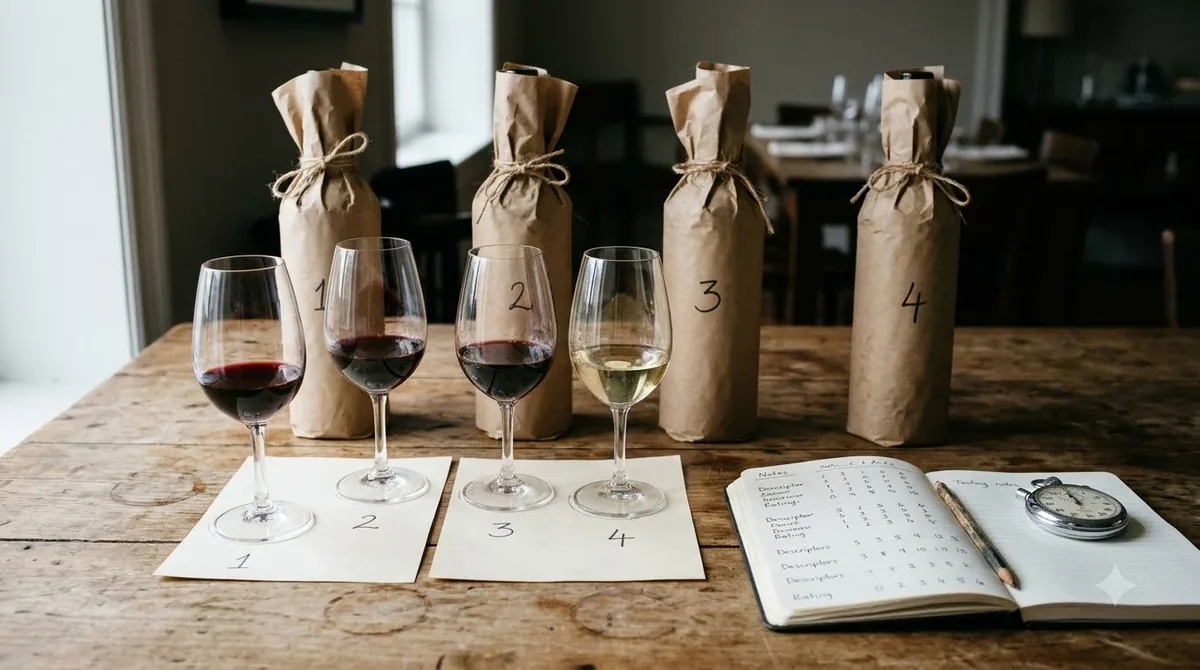
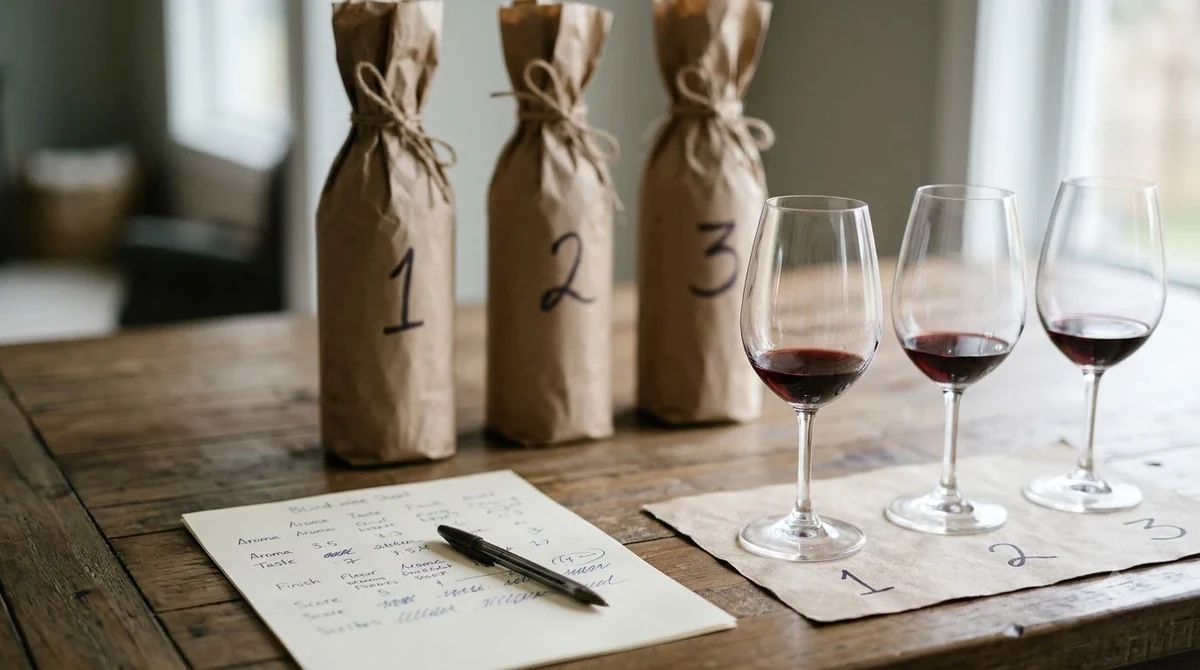
During a comparative tasting, try pouring a gravel-grown Bourgueil alongside a hillside example. Pay attention to the weight of each wine, the firmness of the tannins, and how long the flavors remain after swallowing. The comparison often reveals more about the appellation than tasting several bottles from similar vineyards.
Cabernet Franc Aromas, Flavors, and Tasting Characteristics
Cabernet Franc gives Bourgueil its signature combination of red fruit, freshness, herbal complexity, and savory depth. A typical tasting moves from fresh raspberry and cherry aromas toward subtle spice, earthy flavors, and a refreshing finish.
Begin by examining the wine’s color. Most red Bourgueil wines have a clear ruby or purple-red appearance, although concentration varies with vineyard location, vintage, extraction, and age. Younger bottles may display brighter purple highlights, while mature wines can develop softer garnet tones.
Next, swirl the glass gently and smell the wine before tasting. Red raspberry, strawberry, red cherry, and red currant are familiar fruit characteristics. Depending on the producer and vineyard, additional aromas can include violet, fresh herbs, green pepper, black olive, graphite, and dried earth.
Cabernet Franc’s herbal character deserves particular attention. Some bottles show a subtle leafy or peppery quality alongside their fruit. This should not automatically be interpreted as a fault. When balanced with ripe fruit and fresh acidity, herbal complexity is part of the grape’s distinctive personality.
On the palate, Bourgueil typically combines medium body, noticeable acidity, and moderate tannins. Tannins create a drying sensation around the gums, while acidity makes the wine feel fresh and helps the fruit flavors remain lively. Compared with Cabernet Sauvignon, Cabernet Franc usually feels less tannic and less heavy.
A practical five-step tasting method
Use the following sequence to examine each bottle systematically:
- Look: Observe the wine’s ruby, purple, or garnet color and its clarity.
- Smell: Identify primary fruit aromas such as raspberry, cherry, and blackberry.
- Explore: Look for secondary impressions of violet, pepper, herbs, earth, or spice.
- Taste: Evaluate acidity, tannin, body, alcohol warmth, and fruit concentration.
- Finish: Notice how long the flavors persist and whether fruit, spice, or savory notes dominate.
For a useful tasting exercise, compare the first impression with the flavors that emerge after several minutes in the glass. A structured hillside wine may initially seem firm, then reveal more dark fruit and earthy complexity as it opens. A younger gravel-grown bottle may show its raspberry and cherry character immediately.
Professional reviews can also help build a vocabulary for these differences. Wine Enthusiast’s Bourgueil selections include tasting descriptions featuring blackberry, plum, violet, raspberry, black olive, and savory tea-like notes. These examples demonstrate how much variation Cabernet Franc can express within a relatively compact appellation.
Choosing Wines and Comparing Different Bourgueil Styles
A good Bourgueil tasting should include more than one expression of Cabernet Franc. Comparing young and mature reds, different vineyard positions, and the occasional rosé helps reveal the range of the appellation.
For an introduction, start with a fruit-forward red from sandy or gravelly ground. These wines are often relatively accessible in their youth, with fresh cherry and raspberry aromas, moderate structure, and a smooth finish. They are useful examples for people who are unfamiliar with Cabernet Franc.
Then move to a more structured wine from a clay-limestone hillside. Look for a firmer tannic profile, deeper fruit concentration, and more developed savory characteristics. These bottles often reward additional time in the cellar, particularly when they come from well-balanced vintages.
Producer differences matter just as much as soil. Some winemakers emphasize fresh fruit and restrained extraction, while others favor longer maceration, more structured tannins, or oak aging. The result is that two wines from the same general vineyard environment can still have noticeably different personalities.
Producers and bottles to explore
Wine Enthusiast’s regional reviews offer useful starting points for identifying individual producers and their styles. Examples include Domaine Guion, Domaine du Petit Bondieu, Domaine des Geslets, and Catherine & Pierre Breton. Their reviewed wines illustrate the range from floral, red-fruited expressions to more concentrated and savory examples.
For another perspective, Decanter’s Loire Cabernet Franc panel tasting highlighted Château de Minière’s Vignes Centenaires de Minière 2015 Bourgueil. The wine came from vines more than 100 years old and was described as concentrated, balanced, and suitable for either drinking or cellaring. Domaine du Mortier’s Dionysos from neighboring Saint-Nicolas-de-Bourgueil also demonstrated the potential of clay-limestone vineyards to produce deeply structured Cabernet Franc.
When selecting bottles for a tasting, consider the following sequence:
- A young, fruit-driven Bourgueil to establish the grape’s fresh red-fruit character.
- A more concentrated hillside wine to explore tannin and savory complexity.
- An older vintage to examine the development of dried fruit, earth, and softer tannins.
- A Bourgueil rosé to experience the appellation’s less common but refreshing alternative.
This approach makes it easier to identify personal preferences without assuming that all Bourgueil wines share the same body or aging potential. It also provides a helpful framework for exploring other French Cabernet Franc regions through Alsace wine tasting or comparing Loire reds with the more Mediterranean character found in Bolgheri wine tasting.
Serving Temperature, Glassware, and Cellaring
Bourgueil is generally best served slightly cool rather than at warm room temperature. A serving range of 55–60°F works well for lighter, fruit-focused reds, while more concentrated bottles can be served around 60–65°F.
Temperature changes the way Cabernet Franc expresses itself. When served too cold, the wine’s aromas become muted and its tannins may seem more pronounced. When served too warm, alcohol can become more noticeable, making the wine feel heavier and reducing the impression of freshness.
For a lighter bottle, place it in the refrigerator briefly before serving and allow it to warm gradually in the glass. A more structured hillside Bourgueil generally needs less chilling. Avoid treating all red wine as something that must be served at ordinary indoor room temperature.
Use a medium-sized red wine glass with a reasonably wide bowl. This gives the wine room to release its aromas while concentrating them toward the rim. A standard 5-ounce pour leaves enough space for swirling and allows guests to compare several wines without filling their glasses excessively.
Tip: If a young Bourgueil seems tight or unusually firm, give it 15–30 minutes in the glass before deciding that it lacks aromatic complexity. More concentrated hillside examples may benefit from 30–60 minutes of decanting, particularly when they have substantial tannins.
How long can Bourgueil age?
There is no single aging period that applies to every bottle. Fresh gravel-grown examples are often best enjoyed relatively young, while structured wines from clay-limestone slopes can develop additional complexity over several years.
Some exceptional, well-made Loire Cabernet Franc wines have much longer aging potential. Decanter’s regional panel tasting discussed structured wines capable of aging for decades, including examples from Bourgueil and neighboring Saint-Nicolas-de-Bourgueil. That potential should not be assumed for every entry-level bottle.
For storage, keep bottles on their sides when sealed with natural cork, in a dark location with stable conditions near 55°F. Avoid direct sunlight, strong temperature fluctuations, and unnecessary movement. These conditions help preserve the wine’s freshness and support gradual development.
Once opened, reseal the bottle and refrigerate it. Most still wines remain enjoyable for approximately 3–5 days, although their aromas and freshness gradually change. Allow the wine to return to an appropriate serving temperature before pouring another glass.
Food Pairings That Complement Bourgueil
Bourgueil’s acidity, moderate tannins, and red-fruit character make it a flexible partner for food. It works particularly well with roasted meats, poultry, mushrooms, charcuterie, and dishes featuring herbs or earthy vegetables.
For a lighter, gravel-grown Bourgueil, choose foods that complement its fresh fruit without overwhelming its structure. Roast chicken, grilled pork, mushroom tart, vegetable dishes, and traditional French charcuterie are excellent starting points. The wine’s acidity helps balance savory flavors and cuts through moderate amounts of fat.
More concentrated hillside wines can handle richer meals. Beef stew, grilled steak, roast lamb, duck, and slow-cooked dishes provide enough flavor to match the wine’s greater tannic structure. Mushroom sauces are especially suitable because their earthy character complements the savory side of Cabernet Franc.
Pairings by wine style
- Young, fruity Bourgueil: Roast chicken, pork tenderloin, grilled sausages, and soft cheeses.
- Structured hillside Bourgueil: Beef stew, roast lamb, grilled beef, and mushroom ragout.
- Mature Bourgueil: Braised duck, roasted game, herb-roasted poultry, and earthy mushroom dishes.
- Bourgueil rosé: Summer salads, grilled vegetables, seafood dishes, and light poultry preparations.
For cheese, consider moderately aged varieties rather than very delicate fresh cheeses. Aged goat cheese, semi-hard cow’s milk cheese, and nutty Alpine-style cheeses can work particularly well with Cabernet Franc’s acidity and savory notes.
Pay attention to seasoning. Salt and fat can soften the perception of tannin, making a structured red wine feel smoother alongside a rich meal. Conversely, extremely spicy food can make the alcohol and tannins seem more aggressive. Very hot chili dishes are generally less successful than gently seasoned preparations.
Sweetness also matters. Bourgueil is usually dry, so it is not an ideal match for very sweet desserts. For dessert, choose a wine at least as sweet as the food rather than expecting a dry Cabernet Franc to balance concentrated sugar.
For a tasting dinner, serve the lighter gravel-grown wine with charcuterie or roast poultry first, then introduce the structured hillside example alongside beef or mushrooms. This progression allows the food and wine to develop together without overwhelming the more delicate bottle.
Frequently Asked Questions
Is Bourgueil the same as Saint-Nicolas-de-Bourgueil?
No. They are separate appellations, although they share a border and have closely related winegrowing traditions. Both are centered on Cabernet Franc and were recognized as appellations in 1937. Saint-Nicolas-de-Bourgueil has its own geographically defined production area and distinctive vineyard distribution.
Why is Cabernet Franc called Breton in Bourgueil?
Breton is a traditional local name for Cabernet Franc in parts of the Loire Valley. Historical accounts associate the grape’s introduction to the region with the political union of Anjou and Aquitaine in 1152. The name remains part of the area’s wine vocabulary and cultural identity.
Does Bourgueil produce white wine?
No. The Bourgueil appellation is reserved for still red and rosé wines. Visitors looking for Loire white wines can explore neighboring appellations such as Vouvray, which is particularly associated with Chenin Blanc. These appellations offer a useful contrast in grape variety and wine style.
What does the word tuffeau mean in Loire wine descriptions?
Tuffeau is a soft, pale limestone found in the Loire Valley, particularly around Touraine and Saumur. It has historically been used for local buildings, underground cellars, and architectural features. In vineyard descriptions, it identifies the limestone-rich geological environment associated with many structured Bourgueil wines.
Can Bourgueil rosé be made from Cabernet Franc?
Yes. Cabernet Franc is the principal grape associated with Bourgueil rosé production, with Cabernet Sauvignon also permitted under the appellation’s grape rules. The resulting rosés are generally dry and aromatic, with red-fruit characteristics. They represent a small part of the appellation’s overall production, approximately 4% according to the INAO description.
Bourgueil rewards anyone willing to look beyond the assumption that all Loire Cabernet Franc tastes alike. Its contrasting gravel terraces and limestone slopes create wines with different levels of fruit, structure, and aging potential, while the grape maintains a recognizable freshness and savory character. Start with a fruit-driven bottle, compare it with a structured hillside example, and let the differences reveal what makes this Loire appellation distinctive.
More in Wine Regions
 Willcox Wine Trail: Discover Arizona’s High-Elevation Wine CountryUpdated Nov 20, 2026
 Yakima Valley Wine Region: Find the Best Styles to TryUpdated Nov 20, 2026
 Vosne Romanee Wine Tasting: Identify Aromas and Choose Better PairingsUpdated Nov 20, 2026
 Yakima Valley Wine Festival: Find the Best Seasonal Wine EventsUpdated Nov 20, 2026
 Wales Vineyards: Discover Cool-Climate Wines and Where to VisitUpdated Nov 20, 2026
 Yountville Wine Festival: Discover Napa Wines and Local FoodUpdated Nov 20, 2026