

We may earn a commission when you buy through links on this page, at no extra cost to you. Learn more.
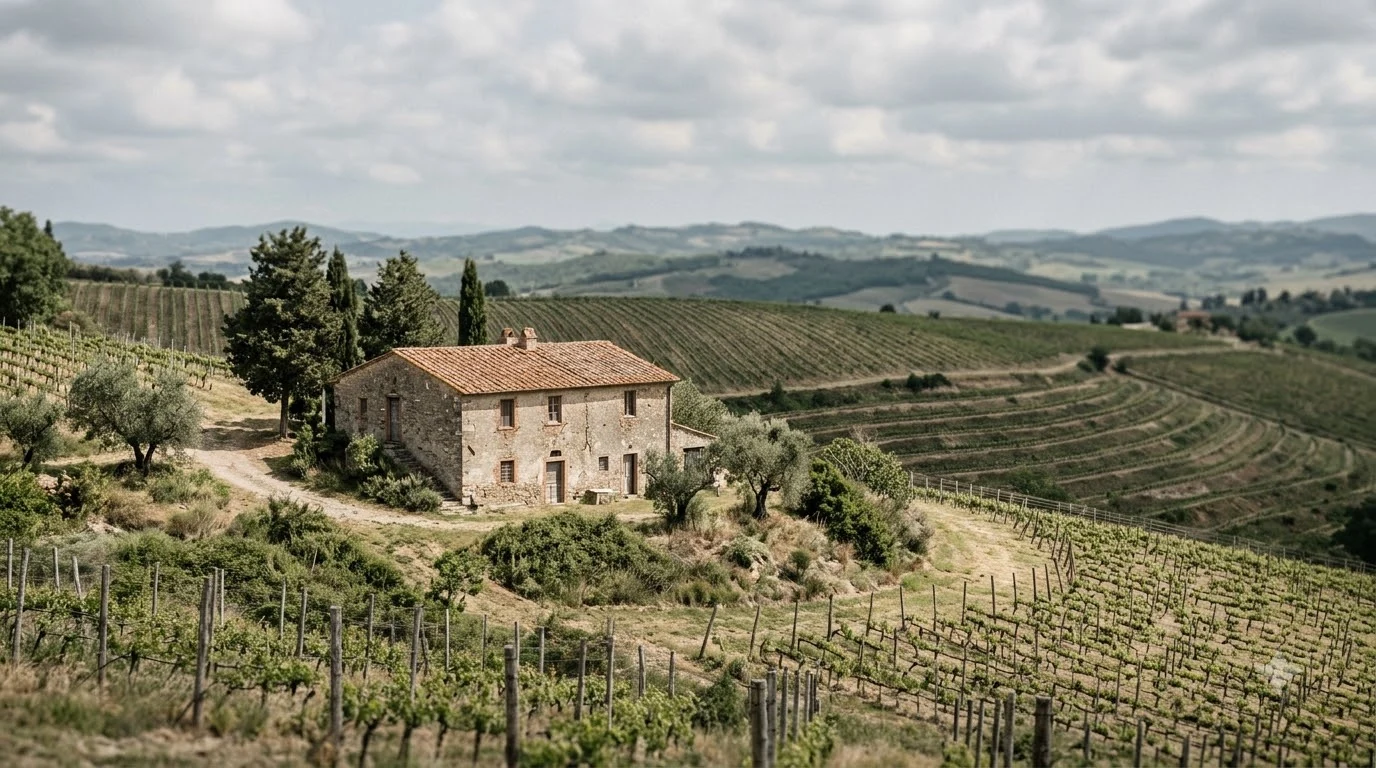
The bourgueil wine region is a Loire Valley appellation in France’s Touraine area, celebrated for its Cabernet Franc red wines and distinctive gravel and limestone vineyards. Located on the right bank of the Loire River, west of Tours, Bourgueil produces mostly dry reds with fresh red-fruit flavors, herbal notes, and balanced acidity. Its wines range from light, approachable bottles suited to early drinking to more structured examples that develop savory complexity with several years of aging. A small quantity of dry rosé is also produced.
Bourgueil offers an excellent introduction to the character of Loire Valley Cabernet Franc. Although the appellation occupies a relatively compact area, differences in soil, vineyard position, and winemaking create meaningful variations between its wines. Understanding these differences makes it easier to select a bottle for dinner, recognize the region’s signature flavors, and appreciate why some Bourgueil wines are best enjoyed young while others deserve time in the cellar.
Where Bourgueil Sits in the Loire Valley
Bourgueil is situated in western Touraine, on the northern, or right, bank of the Loire River in France’s Indre-et-Loire department. Its vineyards extend between Tours and Saumur, with the appellation located a short distance north of Chinon. This position places Bourgueil within one of the Loire Valley’s most important areas for Cabernet Franc production.
The official appellation boundary includes eight communes: Bourgueil, Benais, La Chapelle-sur-Loire, Chouzé-sur-Loire, Ingrandes-de-Touraine, Restigné, Saint-Nicolas-de-Bourgueil, and Saint-Patrice. These communities form a connected wine-growing landscape shaped by the Loire, its historic terraces, and the limestone geology beneath the surrounding hills. The official Bourgueil wine organization describes the vineyard as covering approximately 1,400 hectares.
The appellation received AOC recognition in 1937, establishing geographical and production requirements that protect the identity of its wines. The designation is reserved for still red and rosé wines. Unlike some other Loire appellations, Bourgueil does not include white wine or sparkling wine within its AOC classification.
The Loire River has played an important role in shaping both the landscape and the local wine-growing environment. Its historic floodplain deposited layers of sand and gravel, while the surrounding slopes expose older clay-limestone formations. These differences provide the foundation for the contrasting styles found within the appellation.
Bourgueil also has a long connection with regional history. The official appellation organization traces its viticultural traditions back more than 1,000 years. The local landscape includes traditional white-stone houses, vineyard slopes, and underground cellars excavated from tuffeau limestone. These cellars are part of the area’s architectural identity as well as its wine culture.
For wine enthusiasts exploring other regions with distinctive mountain or coastal influences, comparisons with the Savoie wine region can be interesting. Both illustrate how geography and local growing conditions influence the personality of regional wines, although Bourgueil is particularly associated with Cabernet Franc and the Loire’s river terraces.
Soils, Climate, and the Influence of Terroir
Bourgueil’s most important distinction is the relationship between vineyard soil and wine structure. Gravelly river terraces generally produce lighter, fruit-forward reds, while clay-limestone slopes tend to produce deeper, firmer wines with greater aging potential. The region’s relatively mild climate supports Cabernet Franc’s gradual ripening.
The vineyard landscape can be understood through two broad growing environments. Close to the Loire, sandy and gravelly alluvial deposits provide good drainage and encourage wines with a relatively supple texture. These sites are commonly associated with red-fruit aromas, freshness, and accessible tannins.
Higher up the slopes, clay-rich and limestone-based soils create a different environment. The underlying tuffeau limestone contributes to the geological identity of the area, while the clay component helps retain moisture. Wines from these sites are often more concentrated and structured, with firmer tannins and a more pronounced savory character.
Neither environment is automatically superior. Gravel-grown Cabernet Franc can offer considerable charm through its fragrance, freshness, and immediate drinkability. Limestone-grown wines can provide additional depth and complexity, but their firmer structure may benefit from additional bottle aging.
Climate is another important factor. According to INAO, the national French organization responsible for appellation recognition and protection, a forest to the north shelters the vineyard from cold winds. This protection contributes to conditions that are milder and drier than those found across the wider Touraine area.
Many vineyards also benefit from predominantly southern exposure. This orientation helps vines receive sunlight during the growing season, supporting grape ripening in a region where seasonal weather can influence the final balance of fruit, acidity, and tannin.
Terroir should therefore be treated as a practical buying consideration rather than simply a geographical description. A lighter gravel-grown bottle may be ideal for casual meals, while a structured limestone-grown wine can be a better choice for a substantial roast or a bottle intended for the cellar.
Tip: When choosing Bourgueil, look for information about the vineyard site or soil type. Gravel and sandy terrace wines are generally the better starting point for fresh, youthful Cabernet Franc, while clay-limestone and tuffeau sites are worth exploring for firmer, more age-worthy examples.
Cabernet Franc and the Grapes Behind Bourgueil
Cabernet Franc is the defining grape of Bourgueil and provides the foundation for its characteristic aromas, acidity, and tannin structure. Cabernet Sauvignon is also permitted in limited quantities, but it plays a supporting role rather than defining the appellation’s identity.
Cabernet Franc is an important red grape throughout the Loire Valley. It is also widely associated with neighboring appellations such as Chinon and Saumur-Champigny. In Bourgueil, it can produce wines with fresh raspberry, red cherry, red currant, and plum flavors, accompanied by floral and herbal notes.
The grape’s natural acidity helps maintain freshness, while its tannins provide structure without necessarily creating the weight associated with more powerful Cabernet Sauvignon wines. Depending on ripeness, vineyard location, and winemaking decisions, Cabernet Franc can show different balances of red fruit, dark fruit, herbs, earth, and spice.
Cabernet Sauvignon is the only accessory grape specified in the appellation’s grape rules. The regulations limit its proportion to no more than 10% of the vineyard’s grape varieties. This restriction ensures that Cabernet Franc remains the dominant influence on the wines.
The appellation’s production rules also include detailed vineyard requirements. For example, the minimum planting density is 4,500 vines per hectare. These requirements form part of the framework used to preserve the regional identity and agricultural practices associated with Bourgueil.
| Feature | Appellation specification or typical characteristic |
|---|---|
| Principal grape | Cabernet Franc |
| Permitted accessory grape | Cabernet Sauvignon |
| Maximum Cabernet Sauvignon proportion | 10% |
| Minimum vine density | 4,500 vines per hectare |
| Minimum natural alcohol strength | 10.5% |
| Authorized wine colors | Red and rosé |
| Rosé share of production | Approximately 4% |
| AOC recognition | 1937 |
These figures help explain the consistency of the appellation, but they do not mean that every bottle tastes alike. A Cabernet Franc grown on sandy gravel can taste noticeably different from one grown on a clay-limestone slope, even when both come from neighboring vineyards.
Winemaking choices also matter. Fermentation vessels, extraction methods, maceration time, and maturation can influence how much fruit, tannin, and earthy character appear in the finished wine. Some producers emphasize freshness and immediate appeal, while others seek greater concentration and structure.
For a broader understanding of how grapes and geography define regional wine identities, the site’s Wine Regions resource provides useful context for comparing appellations across different countries.
What Bourgueil Wine Tastes Like
Most Bourgueil red wines are dry, fresh, and fruit-driven, with Cabernet Franc providing recognizable raspberry, cherry, plum, and herbal characteristics. The exact profile depends on vineyard soil, grape ripeness, vintage conditions, and the producer’s approach to extraction and maturation.
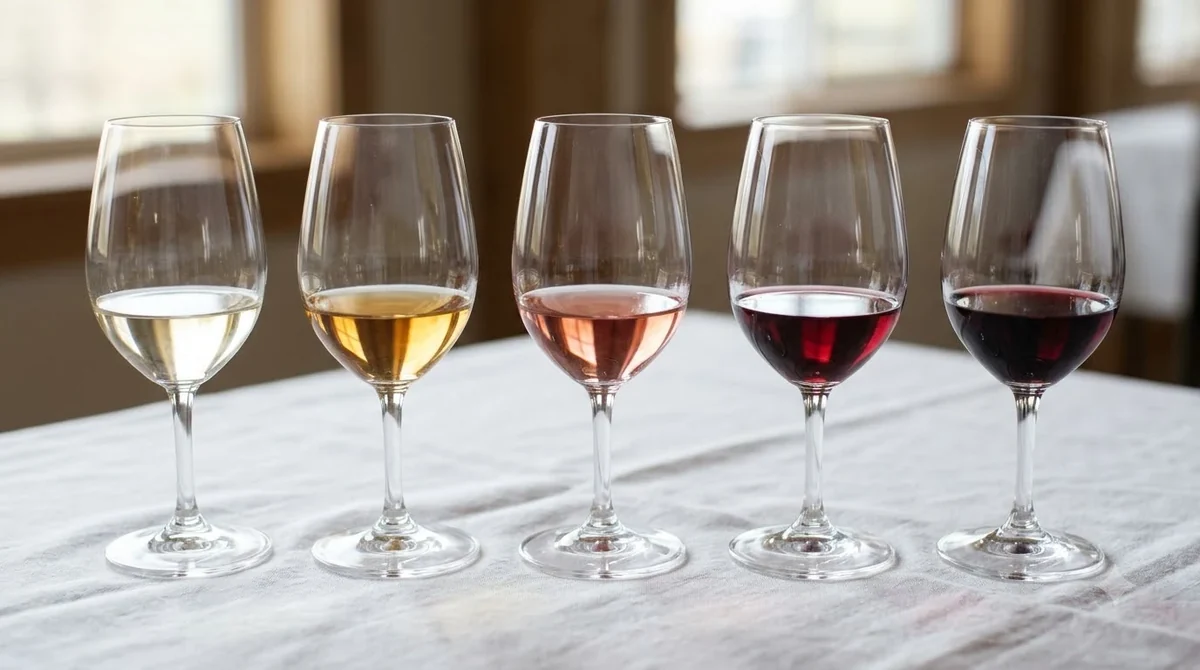
Fresh red-fruit aromas are particularly associated with wines from gravelly sites. Raspberry, red currant, and red cherry may appear alongside subtle floral notes such as violet. These wines often have a lively palate, moderate body, and tannins that make them approachable without requiring extensive bottle aging.
More structured Bourgueil wines can show darker fruit, including blackberry and black plum. Limestone-grown examples may develop earthy, savory, and spicy notes, sometimes accompanied by hints of graphite, dried herbs, or mushroom. These characteristics provide additional complexity and distinguish the wines from simpler, fruit-focused bottlings.
Cabernet Franc’s herbal character deserves particular attention. Some wines show green pepper, leafy notes, or fresh garden herbs. These aromas are part of the grape’s natural aromatic range, although their intensity depends on grape ripeness and winemaking decisions.
Tannin levels can also vary considerably. A youthful wine from a gravel terrace may feel relatively supple, while a wine from a clay-limestone slope may have a firmer grip. This difference helps explain why two bottles carrying the same appellation name can provide quite different drinking experiences.
Rosé represents a much smaller part of production. INAO estimates that rosé accounts for approximately 4% of Bourgueil wines. These wines are dry, aromatic, and fruity, with fresh red-fruit characteristics that make them suitable for lighter meals and warm-weather drinking.
How to recognize different styles
When tasting Bourgueil, begin by considering three elements: fruit, acidity, and tannin. Red-fruit aromas and lively acidity are common reference points. The texture can then reveal whether the wine is designed for early enjoyment or has the firmer structure associated with longer development.
It is also useful to compare Bourgueil with neighboring Cabernet Franc appellations. Chinon shares the grape’s characteristic freshness and herbal notes, while Saint-Nicolas-de-Bourgueil has its own distinctive geographical identity despite its close proximity. The differences are not absolute, but vineyard location and producer style often explain more than the appellation name alone.
Wine Enthusiast’s regional coverage illustrates this diversity through wines from producers such as Domaine Guion, Domaine des Ouches, Catherine and Pierre Breton, and Domaine du Changeon. Its tasting descriptions include raspberry, blackberry, plum, violet, graphite, and savory mushroom characteristics, demonstrating the range available within the appellation.
For readers interested in a different expression of regional grape-growing conditions, the Switzerland wine region offers a useful comparison, particularly in the way individual valleys and growing environments influence the character of local wines.
Food Pairings for Bourgueil Red and Rosé
Bourgueil Cabernet Franc is a versatile food wine because its acidity, moderate body, and fresh fruit complement a wide range of dishes. Its red wines are particularly suitable for poultry, pork, grilled vegetables, mushrooms, and moderately rich meat preparations.
Roast chicken is a straightforward pairing. The wine’s raspberry and cherry flavors complement browned poultry skin, while its acidity refreshes the palate between bites. Herb-roasted chicken with thyme, rosemary, and garlic is especially compatible with Cabernet Franc’s herbal character.
Roast pork is another natural match. Pork loin, grilled pork chops, and slow-roasted pork shoulder all work well with a medium-bodied Bourgueil. The wine provides enough structure for the meat without overwhelming its relatively delicate flavor.
Mushroom dishes are particularly interesting with more structured examples. Earthy flavors in roasted mushrooms, mushroom risotto, or beef with mushroom sauce can echo the savory characteristics found in limestone-grown Bourgueil. The wine’s acidity also helps balance the richness of butter-based preparations.
Beef dishes are appropriate when the wine has sufficient structure. Roast beef, grilled steak, and slow-cooked beef stew can complement the tannins and dark-fruit character of a fuller Bourgueil. Salt and fat soften the perception of tannin, making these combinations especially useful with more structured bottles.
For lighter gravel-grown wines, consider charcuterie, roast turkey, lentil dishes, and grilled sausages. These foods offer enough flavor to complement the wine without demanding excessive tannin or body. A simple platter of cured meats, hard cheese, and crusty bread can make an effective casual pairing.
Pairing Bourgueil rosé
Bourgueil rosé is generally best suited to lighter dishes. Its dry profile and fresh fruit flavors complement salads, grilled chicken, vegetable tarts, and dishes featuring fresh herbs. It can also accompany mild cheeses and simple seafood preparations.
Acidity should remain a central consideration when selecting a pairing. Dishes containing vinegar, citrus, or tomato benefit from wines with comparable freshness. Bourgueil’s Cabernet Franc character can work well with tomato-based preparations, especially when the sauce is not excessively acidic or spicy.
Avoid pairing a tannic red Bourgueil with delicate oily fish such as salmon or mackerel. The combination can make the wine taste metallic or harsh. Similarly, very hot chili dishes can exaggerate alcohol and tannin, so milder seasoning is usually a better match.
For a practical dinner combination, serve a medium-bodied Bourgueil with roast chicken, sautéed mushrooms, and roasted root vegetables. A lighter bottle can accompany grilled sausages and lentils, while a more structured example is well suited to slow-cooked beef.
Serving Temperature, Aging, and Cellaring
Serving Bourgueil at the correct temperature helps preserve its fruit, acidity, and structure. Lighter reds are generally best served at 55–60 F, while fuller-bodied examples are more suitable at 60–65 F. Proper storage also helps maintain the wine’s freshness and allows more structured bottles to develop gradually.
One common mistake is serving red wine too warm. At excessive temperatures, alcohol can become more noticeable, while fresh fruit aromas may seem less defined. A slightly cool serving temperature helps Bourgueil retain its characteristic liveliness.
For a lighter bottle from gravelly soils, begin around 55–58 F. More concentrated wines from clay-limestone sites can be served closer to 60–65 F. If the bottle has been stored at room temperature, a short period in the refrigerator can bring it closer to the preferred range.
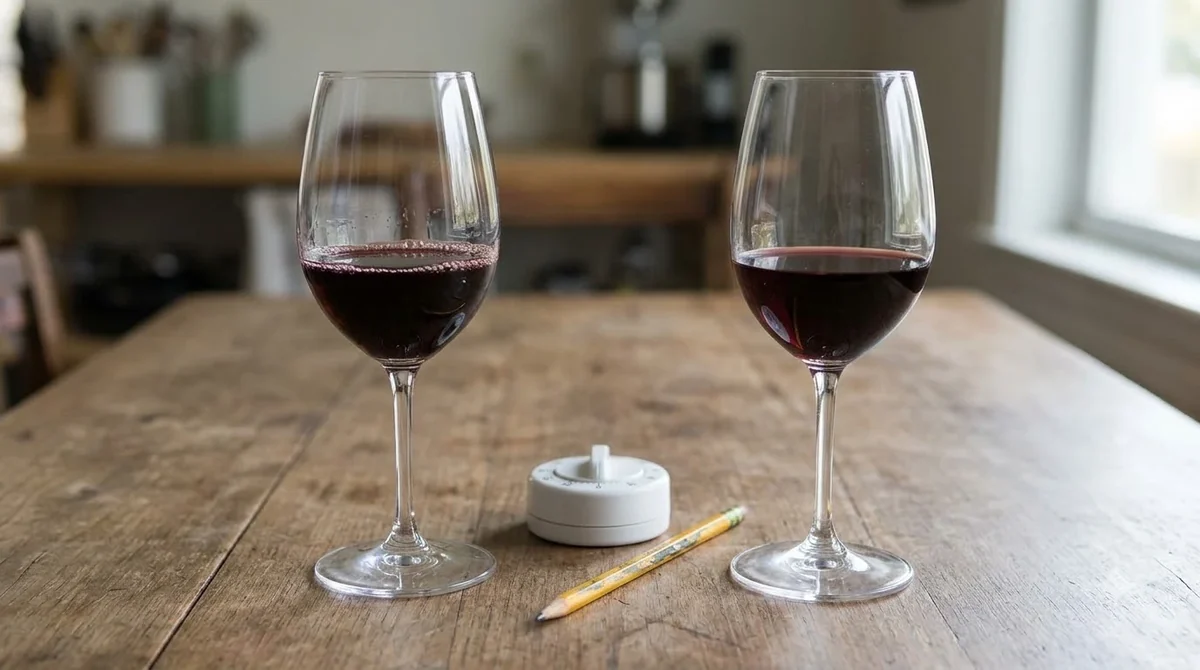
Decanting depends on the wine’s age and structure. A young, fuller-bodied Bourgueil may benefit from approximately 30–60 minutes of aeration. This can soften the initial impression of firm tannins and allow fruit and savory aromas to become more expressive.
Lighter, younger wines generally do not require lengthy decanting. Opening the bottle shortly before serving is often sufficient. Older bottles should be treated more carefully because extended exposure to air can diminish delicate aromas and accelerate oxidation.
How long can Bourgueil age?
Ageability depends on the individual wine rather than the appellation name alone. Fresh, uncomplicated wines from gravelly sites are often intended for drinking while their fruit remains lively. More structured wines from limestone and clay-rich vineyards can benefit from several years in the cellar.
During bottle aging, fresh fruit characteristics may become less prominent, while earthy, dried-herb, mushroom, and savory notes can become more noticeable. Tannins may also feel softer as the wine develops. The timing of these changes varies with the vintage, producer, bottle condition, and storage environment.
For reliable storage, keep bottles in a dark, stable environment near 55 F, away from direct sunlight and major temperature fluctuations. Bottles with natural cork closures should generally be stored on their sides to help maintain contact between the cork and the wine.
After opening, refrigerate unfinished still wine and aim to drink it within 3–5 days. The exact condition will depend on the wine’s age, oxygen exposure, and closure. A sound stopper can help reduce unnecessary exposure to air.
It is also useful to distinguish between a wine that can age and one that needs aging. A bottle may remain enjoyable for several years without necessarily improving substantially. For everyday Bourgueil, drinking while the fruit is fresh is often the most rewarding approach.
Choosing a Bottle and Understanding the Appellation
The best way to choose Bourgueil is to start with the style of wine you want rather than assuming every bottle will have the same body or aging potential. Soil information, producer reputation, vintage conditions, and the intended meal all help narrow the selection.
For an approachable introduction, seek a red described as fresh, fruity, supple, or intended for early drinking. These descriptions often indicate a style emphasizing red fruit and moderate tannins. Such bottles are particularly suitable for casual meals, poultry, pork, and charcuterie.
For a more substantial wine, look for references to limestone, tuffeau, old vines, concentrated fruit, or extended maturation. These details can indicate a more structured style, although individual vineyard practices and producer decisions remain important.
Producer names provide another useful starting point. Wine Enthusiast’s Bourgueil listings feature Domaine Guion, Domaine des Ouches, Domaine du Changeon, and Catherine and Pierre Breton. These examples illustrate the range of wines associated with the appellation and provide names to investigate when comparing regional styles.
Clos de l’Abbaye and Domaine du Petit Bondieu are other names appearing in the publication’s regional coverage. Rather than treating any single producer as representative of the entire appellation, compare different vineyard sites and wine descriptions to understand the region’s stylistic range.
The distinction between Bourgueil and Saint-Nicolas-de-Bourgueil is also important. Although the two appellations share a border and have Cabernet Franc at their center, they are separate geographical designations with their own production boundaries. A bottle labeled Saint-Nicolas-de-Bourgueil should not automatically be treated as a Bourgueil wine.
The same principle applies to Chinon. Both Bourgueil and Chinon are prominent Cabernet Franc appellations in Touraine, but their vineyard locations and individual terroirs differ. Comparing wines from all three areas can help identify personal preferences for lighter fruit, stronger tannins, or more pronounced savory complexity.
Travelers interested in exploring wine regions beyond France can also compare Bourgueil with the Tasmania wine region, where cooler growing conditions and geographical variation contribute to a different range of wine styles. Such comparisons are useful for understanding how climate, soil, and grape selection work together to shape regional identity.
For authoritative appellation details, the INAO Bourgueil regional profile provides information about the approved geographical area, permitted wine styles, grape varieties, and regional characteristics. The official Bourgueil vineyard organization also offers information about local vineyards, wine cellars, and the region’s history.
Ultimately, the most useful buying decision is to match the wine’s structure with its intended purpose. Choose a fresh gravel-grown Cabernet Franc for immediate enjoyment, or explore a more structured limestone-grown example when you want a wine with greater development potential.
Frequently Asked Questions
Is Bourgueil considered a prestigious French wine appellation?
Yes. Bourgueil is an established French AOC with a history of regulated wine production dating to 1937. Its reputation is particularly connected to Cabernet Franc and the Loire Valley’s historic wine-growing traditions. It is recognized as an important regional expression of the grape.
What does the word Breton mean on a Bourgueil wine label?
Breton is a traditional local name associated with Cabernet Franc in the Loire Valley. It reflects the grape’s historical regional identity rather than indicating a separate grape variety. The term is especially familiar among Loire wine growers and local wine enthusiasts.
Are all Bourgueil wines suitable for vegetarians?
Many Bourgueil wines are suitable for vegetarians, but production methods differ between producers. Some wineries use animal-derived fining agents during clarification, while others use alternative methods or do not fine their wines. Consumers following strict vegetarian or vegan practices should seek confirmation from the producer.
Does Bourgueil have a dedicated wine tourism organization?
Yes. The Maison des Vins de Bourgueil is a regional wine information center located at 18 Place de l’Église in Bourgueil. It provides a useful starting point for learning about local producers, visiting opportunities, and the appellation’s wine culture.
What is tuffeau limestone used for outside winemaking?
Tuffeau is a distinctive pale limestone historically used in Touraine construction. It has been quarried for houses, traditional buildings, and other architectural structures. Former underground extraction sites have also become characteristic wine cellars in parts of the Loire Valley.
The Bourgueil wine region demonstrates how one principal grape can produce several distinct styles within a relatively small geographical area. Its Cabernet Franc wines combine Loire freshness with fruit, herbal character, and varying degrees of structure, while the contrast between gravel and limestone vineyards provides plenty of opportunities for exploration. Whether choosing a youthful red for dinner or a structured bottle for the cellar, Bourgueil is a rewarding appellation to discover.
More in Wine Regions
 Willcox Wine Trail: Discover Arizona’s High-Elevation Wine CountryUpdated Nov 20, 2026
 Yakima Valley Wine Region: Find the Best Styles to TryUpdated Nov 20, 2026
 Vosne Romanee Wine Tasting: Identify Aromas and Choose Better PairingsUpdated Nov 20, 2026
 Yakima Valley Wine Festival: Find the Best Seasonal Wine EventsUpdated Nov 20, 2026
 Wales Vineyards: Discover Cool-Climate Wines and Where to VisitUpdated Nov 20, 2026
 Yountville Wine Festival: Discover Napa Wines and Local FoodUpdated Nov 20, 2026