

We may earn a commission when you buy through links on this page, at no extra cost to you. Learn more.
The bourgueil wine festival is a Loire Valley celebration where visitors meet local winemakers, discover Cabernet Franc wines, and enjoy regional food, crafts, and French traditions. The Fête des Vins du Val de Loire is the principal wine-focused public celebration associated with Bourgueil. Its 2026 edition was scheduled for August 15, from 10:30 a.m. to 7 p.m., with free admission. Visitors can use the occasion to learn about the appellation, meet participating producers, and explore the distinctive wines of this historic Loire Valley community.
Bourgueil sits in the Indre-et-Loire department of central France, on the right bank of the Loire River between Tours and Saumur. Its wine heritage stretches back more than a thousand years, and Cabernet Franc remains the defining grape of the appellation. A festival visit offers more than an opportunity to discover bottles: it connects wine, local gastronomy, craftsmanship, and the traditions of Touraine. Understanding the celebration and its surroundings helps visitors plan a rewarding trip, whether they are dedicated wine enthusiasts or travelers discovering French wine culture for the first time.
What to Expect at the Bourgueil Wine Festival
The Fête des Vins du Val de Loire brings together winegrowers, food producers, artisans, and visitors for a day of regional celebration. The 2026 program combined wine and oenology with gastronomy, traditional activities, folklore, and crafts, creating an accessible introduction to the character of Bourgueil.
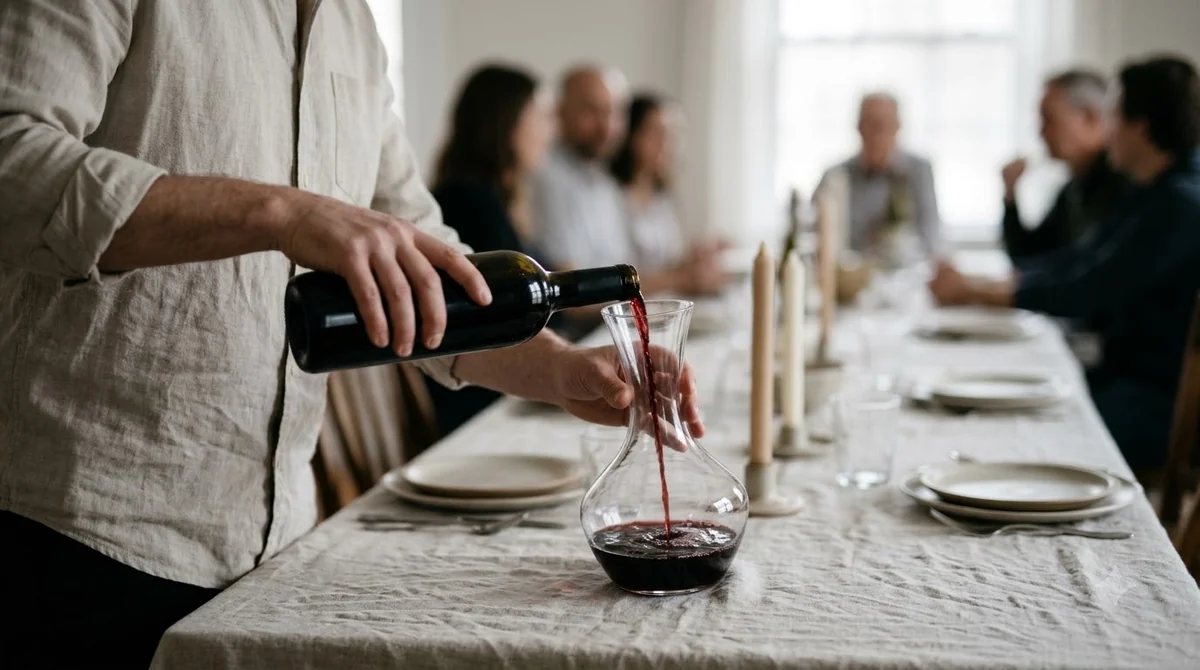
The event’s central attraction is the opportunity to meet people who produce Bourgueil wines. Rather than relying exclusively on tasting notes or descriptions printed on bottles, visitors can speak directly with participating winemakers about grape growing, vineyard conditions, fermentation, and the differences between individual vineyard sites. These conversations are particularly useful for understanding Cabernet Franc, a grape whose character changes considerably according to soil and growing conditions.
The official 2026 announcement described the celebration as a gathering centered on encounters, sharing, and local hospitality. It listed free admission and opening hours from 10:30 a.m. until 7 p.m. The program included four broad themes: wine and oenology, gastronomy, crafts, and traditions and folklore. This combination makes the occasion interesting even for companions who are not especially knowledgeable about wine. Visitors can find the event’s published details on the official Fête des Vins du Val de Loire announcement.
One important planning distinction is that the Fête des Vins du Val de Loire is not the same event as every festival listed on the Bourgueil municipal calendar. For example, the town’s October 9–11, 2026, listing for Les Vendanges Théâtrales concerns theater performances rather than the main August wine celebration. Visitors should therefore identify the specific event they intend to attend before arranging travel.
The wine celebration is also a useful starting point for exploring the wider appellation. A conversation at a producer’s stand can lead to recommendations for cellar visits, nearby vineyards, and wines worth seeking out during the remainder of a Loire Valley itinerary.
When the Celebration Takes Place and How to Plan
The 2026 Fête des Vins du Val de Loire was scheduled for August 15, running from 10:30 a.m. to 7 p.m. The published schedule makes this a daytime event, so visitors can plan their arrival, wine discoveries, and regional sightseeing around one substantial festival day.
The date is useful historical planning information, not confirmation of the next edition. August 15, 2026, has already passed, and the announcement for that edition should not be treated as an automatic confirmation that the following year’s celebration will take place on the same date or follow identical hours. Travelers planning a future visit should consult the official Bourgueil wine organization and municipal event calendar for a newly published announcement.
For a comfortable visit, arriving earlier in the day gives visitors more time to speak with winegrowers and explore the different activities. A practical schedule might include an initial walk through the festival area, conversations with producers, a regional lunch, and a second round of discovery in the afternoon. Visitors who arrive near opening time may also find it easier to ask detailed questions before the event becomes busier.
Admission was listed as free for the 2026 celebration. However, free entry does not necessarily mean every activity, food item, or wine-related purchase is included. Visitors should distinguish between access to the event and any separately organized tastings, meals, or purchases. Carrying a payment method suitable for small local vendors is sensible.
Tip: Check the official festival announcement before booking accommodation or transportation. Confirm the event date, location, opening hours, tasting arrangements, and whether any advance registration is required. The 2026 schedule is a useful reference, but future editions may have different arrangements.
Travelers coming from elsewhere in the Loire Valley can also build a broader itinerary around Tours, Saumur, and Chinon. The three destinations provide opportunities to explore historic towns, riverside scenery, and other wine appellations. For readers interested in comparing regional celebrations elsewhere in the United States, an Indiana wine festival offers a different setting in which to explore local producers and wine culture.
Meet the Bourgueil Winemakers
Meeting local producers is one of the most valuable reasons to attend the celebration. The official 2026 event announcement named eleven participating Bourgueil winegrowers, giving visitors a useful introduction to the people behind the appellation.
The listed participants included Audebert et Fils, Thierry Boucard, Henry Bourdin, Philippe Galbrun, Marchesseau Père et Fils, and Dominique Meslet. The announcement also identified Nathalie Omasson, Pitault Landry et Fils, Michel Thibault, Benoit Thibault, and Sébastien Wucher. These names represent the participating producers listed for that particular edition; the lineup should not be assumed to remain unchanged in future years.
Talking with different winegrowers can reveal how producers approach the same grape variety in different ways. One may emphasize fresh fruit and approachable structure, while another may prefer longer aging or fruit from limestone-rich hillside parcels. These differences are not necessarily signs of quality differences. They reflect the character of individual vineyards, winemaking decisions, and the style a producer wants to express.
Visitors who are new to Bourgueil can begin by asking three straightforward questions: Where are the vines located? What type of soil supports them? How long does the producer recommend keeping the wine before opening it? These questions help establish whether a bottle is designed for immediate enjoyment or has the structure to develop in a cellar.
It is also useful to ask about the producer’s approach to Cabernet Franc. Some examples emphasize fresh raspberry, cherry, and other red-fruit characteristics, while others develop more pronounced spice, savory notes, and firm tannins. A discussion about vineyard location and wine aging can make those differences easier to understand.
Festival conversations can also provide leads for visits outside the event. Some winegrowers may receive visitors at their estates by appointment, although availability and visiting arrangements vary. Anyone hoping to tour a cellar should arrange the visit directly rather than assume a festival meeting automatically includes an estate tour.
Discover Cabernet Franc and Bourgueil Wine Styles
Cabernet Franc is the defining grape of Bourgueil, and understanding its role helps visitors make sense of the region’s wine styles. According to INAO, the French national appellation authority, Bourgueil produces still red and rosé wines, with Cabernet Sauvignon permitted as a supporting variety up to 10%.
Cabernet Franc is known for its fresh red-fruit character, moderate-to-firm tannic structure, and potential for savory or herbal complexity. In Bourgueil, expressions can range from light and fruit-forward to concentrated and structured. This range is one reason a tasting across several producers is more informative than judging the entire appellation from a single bottle.
The red wines account for approximately 96% of production in the Loire Valley appellation guide’s five-year statistical summary, while rosé represents approximately 4%. The rosé wines are generally dry, aromatic, and fruity. Visitors who associate Bourgueil exclusively with red wine may therefore find a less common but interesting alternative at a producer’s stand.
Soil is one of the most important influences on the style of red wine. Sandy and gravelly terraces near the Loire tend to produce softer wines with fresh fruit character and tannins that are approachable relatively young. Hillside vineyards with clay and limestone soils tend to produce wines with greater structure and more pronounced tannins, often benefiting from additional time in the bottle.
These differences can be summarized as follows:
| Wine characteristic | Gravel and sand vineyards | Clay-limestone vineyards |
|---|---|---|
| Typical wine style | Supple and fruit-forward | Structured and concentrated |
| Common fruit character | Raspberry and other red fruits | Red and darker fruit with savory notes |
| Tannin impression | Generally softer | Generally firmer |
| Typical drinking approach | Enjoyable in youth | Often benefits from several years of aging |
| Principal soil material | Sand and Loire gravel deposits | Clay and tuffeau limestone |
The table describes broad tendencies rather than fixed rules. Vintage conditions, vineyard management, harvest decisions, fermentation, and aging can all influence the finished wine. Two producers working with similar soils may still create noticeably different bottles.
For visitors interested in tasting, comparing a youthful gravel-grown red with a more structured hillside example is a particularly useful exercise. It demonstrates how a single appellation can produce distinct expressions without relying on different principal grape varieties. INAO provides additional background on the Bourgueil appellation, its grape varieties, and its terroir.
Explore the Geography and History of the Appellation
Bourgueil lies on the right bank of the Loire, west of Tours and between Tours and Saumur. The vineyards occupy a landscape of gentle slopes, terraces, limestone formations, and riverside agricultural land that has supported viticulture for centuries.
The appellation was recognized in 1937, although grape growing in the area has a much longer history. INAO records more than 1,000 years of Cabernet Franc cultivation in Bourgueil. The foundation of the Bourgueil Abbey in 990 is an important historical milestone in the development of local viticulture.
The Loire Valley appellation guide describes an area of approximately 1,350 hectares and a base yield of 55 hectoliters per hectare. The landscape includes a hillside above the Loire and lower terraces made from older river deposits. The contrast between these environments helps explain the variety of wine styles available from local producers.
Several neighboring communes form part of the wine-producing landscape, including Bourgueil, Benais, Restigné, Chouzé-sur-Loire, Saint-Patrice, La Chapelle-sur-Loire, and Ingrandes-de-Touraine. The INAO geographical description identifies eight communes, reflecting the full administrative boundaries used for the appellation.
The forest to the north provides protection from cold winds, while the Loire helps moderate local climatic conditions. South-facing vineyard slopes receive favorable sunlight, supporting the gradual ripening of Cabernet Franc. These geographic features help create conditions for wines with fresh fruit character and varied structures.
The wider Loire Valley is also a worthwhile destination for travelers interested in combining wine discovery with cultural sightseeing. Tours, Saumur, and Chinon provide different perspectives on the region’s history, architecture, and wine traditions. Readers planning a broader wine-themed itinerary can explore the Wine Regions resource for additional background on how European appellations differ in grape varieties, climate, and production methods.
Regional Food, Wine Pairings, and Festival Experiences
Regional gastronomy is an important part of the Bourgueil celebration. The 2026 festival announcement specifically included gastronomy alongside wine, crafts, and folklore, giving visitors a chance to explore local food traditions while learning about the area’s wines.
Cabernet Franc from Bourgueil is especially suitable for dishes with roasted meat, mushrooms, herbs, and earthy flavors. A lighter, gravel-grown red can work well with roast chicken, pork, grilled sausages, and vegetable dishes containing mushrooms. More structured limestone-grown examples can accompany beef, lamb, and slow-cooked meat dishes.
Food texture matters as much as the main ingredient. The tannins in Cabernet Franc can feel firmer alongside lean, lightly seasoned foods, while salt and fat soften tannin perception. A fatty cut of beef or a savory mushroom preparation can therefore make a structured Bourgueil red feel more balanced.
Visitors interested in traditional French food should look for dishes that reflect the ingredients and cooking styles of Touraine. Roast meats, rustic vegetable preparations, mushrooms, and regional cheeses can provide useful opportunities to compare wine styles. Local producers and food vendors are often the best sources of recommendations for combinations that reflect the area’s traditions.
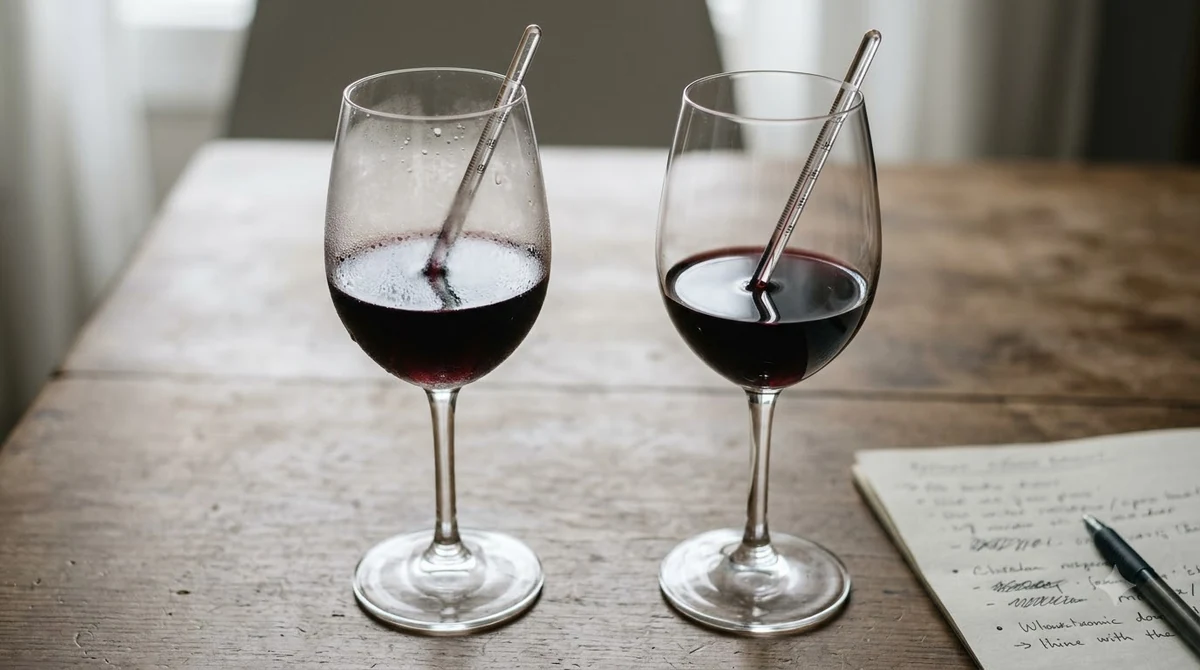
Temperature also affects how the wines perform at the table. Lighter reds are generally served around 55–60 F, while fuller-bodied reds are better around 60–65 F. A slightly cool serving temperature can preserve the freshness of Cabernet Franc and prevent the alcohol impression from becoming too prominent.
Visitors should remember that a festival tasting is not necessarily identical to a formal wine-pairing dinner. The food available depends on the event’s vendors and program. A useful approach is to sample regional food in smaller portions, then ask participating producers which of their wines would best complement the flavors.
For visitors interested in comparing French and American wine celebrations, a Livermore wine festival offers another opportunity to explore the relationship between regional wines, food, and local producers. The settings and wine traditions differ, but meeting winemakers and learning about local grape-growing conditions are rewarding elements of both experiences.
Practical Travel Tips for Visiting Bourgueil
A successful festival visit starts with confirming the event location and transportation arrangements. Bourgueil is in the Loire Valley’s Indre-et-Loire department, and visitors can use Tours and Saumur as reference points when organizing a wider trip through the region.
Before leaving for the event, confirm the current festival announcement through the official wine organization. Look for the exact address, event hours, participating producers, and any changes to the published schedule. The municipal calendar is another useful source for identifying other cultural activities taking place in town.
Planning a full day rather than a brief stop gives visitors more opportunities to understand the local wine culture. A reasonable itinerary could include a morning arrival, a first visit to the producer stands, lunch featuring regional food, and an afternoon dedicated to further conversations and tastings. Visitors who have arranged private cellar appointments can organize those separately around the main celebration.
It is also helpful to have a few questions prepared. Ask whether a wine comes from gravel or limestone soils, whether it is intended for immediate drinking, and what food the producer recommends. These details are often more informative than simply asking whether a bottle is light or full-bodied.
Anyone planning to purchase wine should think about transportation and storage. A wine bottle should not be left in a hot vehicle for extended periods. For longer journeys, keep bottles protected from temperature extremes and avoid leaving them exposed to direct sunlight. At home, store unopened bottles on their sides in a cool, stable environment near 55 F.
Travelers who intend to sample several wines should arrange transportation that does not require them to drive afterward. A designated driver or suitable public transportation arrangement makes it easier to enjoy the festival responsibly. Visitors can also ask producers about shipping arrangements where available, although delivery options and regulations vary by destination.
Finally, leave some time for the surrounding countryside. The vineyards, riverside landscapes, and limestone architecture help explain why Bourgueil has such a distinctive identity. A festival visit becomes more meaningful when it is connected to the landscape and communities that produce the wines.
Frequently Asked Questions
Is Bourgueil the same appellation as Saint-Nicolas-de-Bourgueil?
No. Bourgueil and Saint-Nicolas-de-Bourgueil are separate French appellations, even though they are neighboring wine-producing areas in Touraine. Both are closely associated with Cabernet Franc, but their geographical boundaries and individual appellation specifications are distinct.
How is Bourgueil pronounced?
Bourgueil is commonly approximated in English as “boor-GOY.” The final syllable is pronounced with a French sound rather than the English word “gale.” Learning the pronunciation can make conversations with local winegrowers and hospitality staff easier.
What does the word Breton mean on a Bourgueil wine discussion?
Breton is a traditional local name for Cabernet Franc in the Loire Valley. It refers to the grape variety rather than a separate grape or a wine classification. The term appears in regional wine history and reflects the grape’s long association with the Loire vineyards.
What is tuffeau limestone, and why is it important?
Tuffeau is a soft, pale limestone found in the Loire Valley. It has historically been used as a building material and is also an important component of the region’s vineyard geology. In Bourgueil, tuffeau-rich hillside soils are associated with red wines that generally have greater structure and aging potential.
Which historical writer is associated with praise for Bourgueil wines?
French writer François Rabelais is among the historical literary figures associated with praise for Bourgueil wines. INAO also identifies Pierre de Ronsard and Honoré de Balzac among the writers who celebrated the area’s wines. Their associations illustrate the longstanding cultural presence of wine in the Loire Valley.
The bourgueil wine festival provides an excellent introduction to one of the Loire Valley’s most distinctive Cabernet Franc appellations. By combining conversations with local producers, regional food, and an exploration of the surrounding vineyards, visitors can gain a deeper appreciation of Bourgueil’s wine traditions. Confirm the next festival announcement before traveling, and allow time to discover the wines and landscapes beyond the event itself.
More in Wine Regions
 Willcox Wine Trail: Discover Arizona’s High-Elevation Wine CountryUpdated Nov 20, 2026
 Yakima Valley Wine Region: Find the Best Styles to TryUpdated Nov 20, 2026
 Vosne Romanee Wine Tasting: Identify Aromas and Choose Better PairingsUpdated Nov 20, 2026
 Yakima Valley Wine Festival: Find the Best Seasonal Wine EventsUpdated Nov 20, 2026
 Wales Vineyards: Discover Cool-Climate Wines and Where to VisitUpdated Nov 20, 2026
 Yountville Wine Festival: Discover Napa Wines and Local FoodUpdated Nov 20, 2026