

We may earn a commission when you buy through links on this page, at no extra cost to you. Learn more.
A bota box wine review shows that Bota Box is a practical choice for approachable everyday wines, offering a broad selection of reds, whites and rosé in convenient bag-in-box packaging. Its standard 3-liter format holds the equivalent of four traditional wine bottles, while its dispensing system helps preserve opened wine for longer than a typical opened bottle. The regular range suits casual drinking and entertaining, while Nighthawk offers richer styles and Breeze focuses on lighter wine options.
Boxed wine has changed considerably from the inexpensive, limited-quality options that once defined the category. Bota Box has helped make the format more appealing by combining recognizable grape varieties, convenient dispensing and packaging designed to reduce waste. However, choosing the right wine still requires attention to grape variety, sweetness, body, serving temperature and the number of people sharing the box. This guide explains the brand’s main ranges, identifies which styles suit different preferences and provides practical advice for buying, serving and storing Bota Box wine.
Who This Is For
Bota Box is particularly suitable for wine drinkers who want approachable wines in larger quantities without opening several individual bottles. Its 3-liter package provides approximately 20 standard 5-ounce servings, making it practical for regular household use, casual dinners and gatherings.
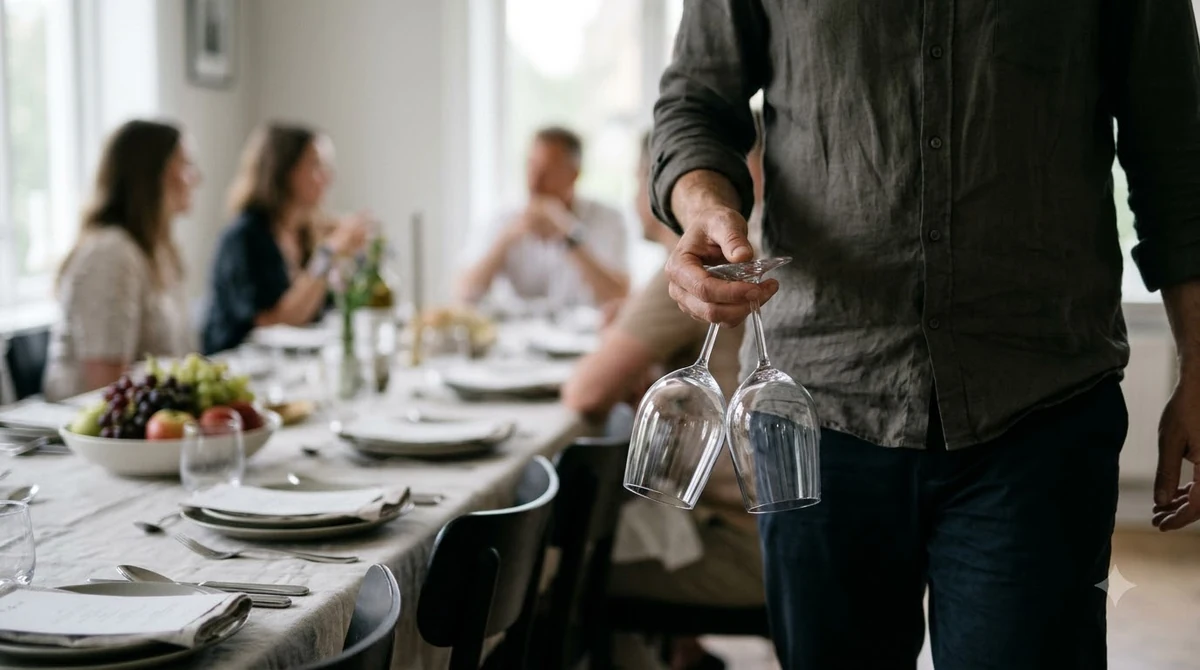
The brand is worth considering if convenience matters as much as the wine itself. The dispensing spout eliminates the need for a corkscrew, and the compact box is easier to transport than four glass bottles. Because the wine sits inside a sealed bag, the packaging also limits exposure to oxygen between pours. This is useful for someone who enjoys a glass during the week but does not necessarily finish a bottle in one evening.
There are several types of buyers who may find the selection particularly appealing:
- Everyday wine drinkers: People who regularly pour a glass with dinner can benefit from the larger format and convenient dispensing system.
- Casual entertainers: A 3-liter box provides enough wine for a gathering without requiring several bottles, corkscrews or additional storage space.
- New wine drinkers: Familiar varieties such as Cabernet Sauvignon, Chardonnay, Merlot and Pinot Grigio provide straightforward starting points for exploring different styles.
- People who prefer approachable wines: Many of the regular offerings emphasize recognizable fruit flavors rather than highly specialized winemaking styles.
- Outdoor hosts: The shatterproof packaging is useful for picnics, camping trips and outdoor gatherings where glass bottles may be inconvenient.
- Waste-conscious shoppers: The manufacturer emphasizes recyclable packaging and reduced landfill waste compared with conventional glass packaging.
However, Bota Box is not necessarily the right choice for every occasion. Collectors looking for specific vineyard sites, vintage variation, extended bottle aging or highly distinctive regional expressions may prefer wines sold in traditional bottles. The emphasis here is convenience and accessible drinking rather than the detailed provenance associated with premium single-vineyard wines.
It is also important to distinguish between everyday quality and luxury wine quality. A well-made, approachable Cabernet Sauvignon can be enjoyable alongside a weeknight meal without having the complexity or aging potential of a prestigious Napa Valley Cabernet. That distinction helps set realistic expectations before purchasing.
Readers exploring the producer’s background and overall selection can also visit the broader Wine Brands resource for context on how wine labels organize their ranges and communicate different styles.
Key Factors to Compare
The most important factors when choosing Bota Box wine are grape variety, sweetness, body, packaging size and the intended occasion. Comparing these characteristics is more useful than selecting a wine based solely on its color or the familiarity of its name.
Bota Box offers several recognizable grape varieties, but they do not all deliver the same drinking experience. Cabernet Sauvignon typically has more tannin and structure than Pinot Noir, while Pinot Grigio generally provides a lighter, fresher profile than Chardonnay. Riesling can also taste noticeably sweeter than Sauvignon Blanc.
| Wine or feature | Typical characteristics | Best suited to |
|---|---|---|
| Cabernet Sauvignon | Dark fruit, higher tannin, medium to full body | Beef, burgers and hearty meals |
| Merlot | Black cherry, plum, medium tannin | Roast chicken, pasta and pork |
| Pinot Noir | Red berries, lower to medium tannin | Mushrooms, poultry and salmon |
| Pinot Grigio | Citrus, peach and refreshing acidity | Seafood, salads and light appetizers |
| Chardonnay | Apple, melon and possible oak influence | Roast chicken, creamy pasta and seafood |
| Sauvignon Blanc | Citrus, herbs and high acidity | Goat cheese, shellfish and green vegetables |
| Riesling | Stone fruit, floral notes and potentially noticeable sweetness | Spicy dishes and fruit-based desserts |
| RedVolution | Dark fruit, spice and a fruit-forward finish | Grilled meats and casual dinners |
These are general grape characteristics rather than guaranteed descriptions of every individual Bota Box release. The manufacturer’s descriptions provide more specific expectations for each wine. Its regular Cabernet Sauvignon emphasizes black cherry, currant and spice, while the Pinot Grigio highlights nectarine, white peach and citrus. These descriptions make it easier to identify a style that matches an existing preference.
Size and serving count
The standard 3-liter box is one of the main practical advantages of the brand. According to Bota Box, it contains the equivalent of four 750 ml bottles. Using a conventional 5-ounce serving, that works out to approximately 20 glasses. A 750 ml bottle, by comparison, provides approximately five standard servings.
The smaller 500 ml Bota Mini offers a different purchasing option. The manufacturer describes this package as containing approximately three glasses. It makes more sense for someone who wants to sample a style or take a smaller quantity to a gathering rather than committing to a full 3-liter package.
Freshness and convenience
Packaging is more than a cosmetic difference. Traditional wine bottles allow oxygen into the bottle after opening, gradually changing the wine’s aromas and flavors. Bota Box uses an internal bag and dispensing spout designed to limit light and air exposure as the wine is poured.
The manufacturer states that its opened wine can remain fresh for up to one month. That is a useful selling point, although actual quality depends on the particular wine, storage temperature and handling. The one-month claim should be treated as a manufacturer guideline rather than a guarantee that every wine will taste unchanged for exactly 30 days.
For an independent reference point on the wine itself, Wine Enthusiast’s Bota Box Cabernet Sauvignon review describes a 3-liter wine with 13% alcohol by volume and notes dark fruit, spice and supple tannins. This demonstrates that the format can deliver a wine with recognizable varietal character rather than simply serving as a container for inexpensive table wine.
Step-by-Step: How to Choose Bota Box Wine
Choosing the right Bota Box starts with identifying the flavor profile you enjoy and matching it to the meal or occasion. A few straightforward decisions can narrow the range considerably, especially when comparing familiar grapes such as Cabernet Sauvignon, Pinot Grigio and Chardonnay.
-
Decide between red, white and rosé.
Start with the broad category. Red wines are generally suitable for richer meals and cooler serving conditions, while white wines and rosé often work well with lighter dishes and warmer weather. If you enjoy both categories, consider buying different styles rather than assuming one variety will suit every occasion.
-
Choose a grape variety you already enjoy.
Cabernet Sauvignon is a sensible starting point for someone who likes structured reds with black fruit and noticeable tannin. Merlot provides a softer alternative, while Pinot Noir is generally lighter in tannin and more focused on red-fruit flavors. For white wine drinkers, Pinot Grigio is a useful option for fresh citrus and peach notes, while Chardonnay provides a rounder profile.
-
Consider sweetness before buying.
Dry wine is not the same as wine with little fruit flavor. Cabernet Sauvignon and Sauvignon Blanc are generally dry styles, while Riesling can range from dry to sweet. Bota Box describes its Riesling with honey, sweet melon and ripe stone fruit, so it is a useful option for people who enjoy fruit-forward white wines.
-
Compare the regular, Nighthawk and Breeze ranges.
The standard range focuses on approachable varietal expressions. Nighthawk emphasizes richer and bolder styles, including Bourbon Barrel Cabernet Sauvignon and Buttery Chardonnay. Breeze is a separate selection marketed around lighter wine options. Consider the intended flavor profile instead of assuming that all three ranges taste alike.
-
Choose the right package size.
The 3-liter format provides approximately 20 five-ounce servings, making it suitable for frequent use or entertaining. The 500 ml Mini provides approximately three glasses and may be more practical for occasional consumption or sampling.
-
Match the wine to the food.
Choose Cabernet Sauvignon for beef and grilled burgers, Merlot for tomato-based pasta and roast pork, and Pinot Noir for mushroom dishes or poultry. For seafood, consider Pinot Grigio or Sauvignon Blanc. The wine should have enough acidity to work with acidic food, and a wine served with dessert should generally be at least as sweet as the dessert.
-
Plan the storage and serving conditions.
Have refrigerator space available for white wine and rosé. Serve sparkling wines at 40–50 F, lighter whites and rosé at 45–50 F, and fuller whites at 50–55 F. Light reds are generally most enjoyable at 55–60 F, while fuller reds suit approximately 60–65 F.
Tip: If you are buying Bota Box for the first time, start with a familiar grape variety rather than purchasing several unfamiliar styles. A regular Cabernet Sauvignon or Pinot Grigio gives you a straightforward reference point for comparing the brand’s other wines later.
Types or Styles Explained
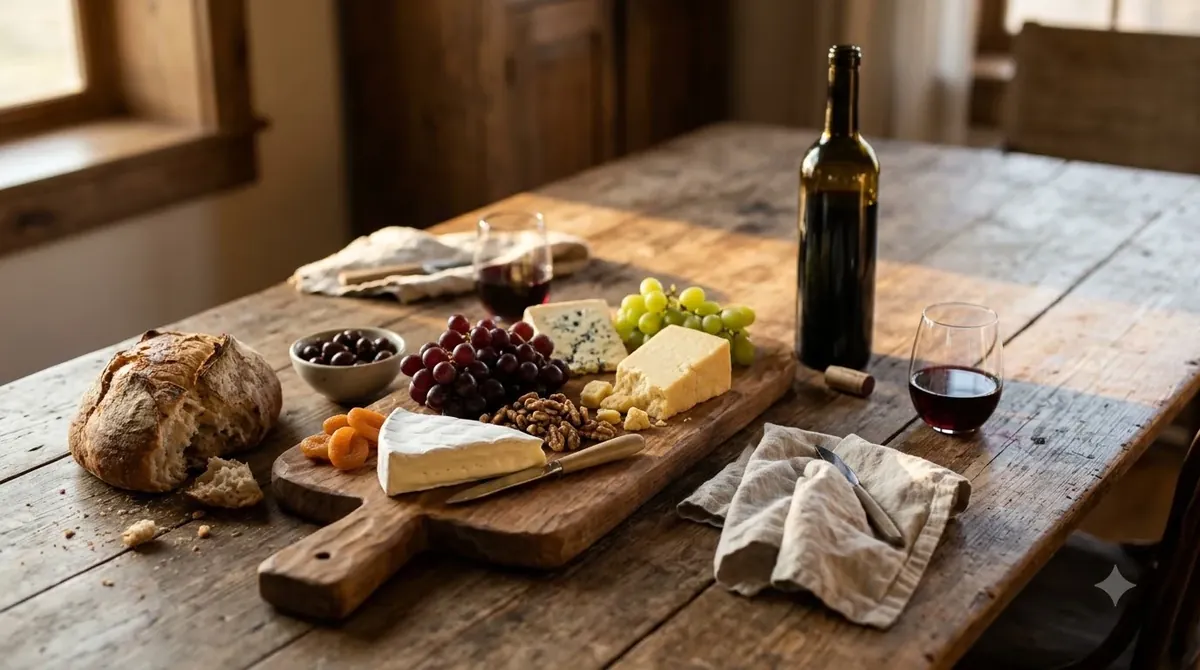
Bota Box organizes its selection around recognizable grape varieties and distinct product ranges. The regular lineup covers familiar everyday styles, while Nighthawk offers richer interpretations and Breeze provides lighter alternatives.
Regular Bota Box wines
The standard range is the most straightforward place to begin. It includes familiar wines that can be matched with common meals without requiring extensive knowledge of wine regions or production techniques.
Cabernet Sauvignon is one of the most recognizable red options. Bota Box describes its regular Cabernet with black cherry, dark fruit, currant, violet and spice. Cabernet Sauvignon naturally has relatively high tannin, which makes it a useful partner for beef, grilled burgers and dishes containing protein and fat. These foods soften the perception of tannin and can make a structured red wine feel more balanced.
Merlot offers a softer red-wine alternative. Its manufacturer’s description emphasizes black cherry, blackberry, sweet herbs and spice. Merlot generally has medium tannin, making it suitable for pasta, pork and roasted poultry. It is a reasonable choice for drinkers who find Cabernet Sauvignon too firm or intense.
Pinot Noir is a lighter red option with supple tannins and strawberry, cherry, cocoa and toasted-oak characteristics in the manufacturer’s description. Its comparatively restrained tannin and higher acidity make it versatile with mushrooms, poultry and salmon. It is also useful when a full-bodied Cabernet would overwhelm a lighter meal.
Old Vine Zinfandel is described as bold and fruit-forward, with toasted oak and black pepper. Zinfandel is particularly suitable for barbecue, grilled sausages and dishes with concentrated savory flavors. The peppery character can complement smoky food, while its ripe fruit works well with richer sauces.
RedVolution is the regular range’s red blend. Bota Box describes it with rich red fruit, juicy blackberries, cocoa and sweet cherries. A blend can be a practical choice for drinkers who prioritize a rounded, fruit-forward experience over the particular characteristics of one grape variety.
White wines and rosé
Pinot Grigio is one of the most accessible options for people who prefer refreshing white wines. The brand highlights nectarine, white peach, floral notes and bright citrus. It can work with seafood, light salads, grilled shrimp and mild cheeses. Its fresh profile makes it a particularly useful option for informal lunches and warm-weather meals.
Sauvignon Blanc offers more pronounced citrus and herbal characteristics. Bota Box describes lemongrass, honeydew melon and lively lime zest. Sauvignon Blanc generally has high acidity, which helps it pair with acidic foods, fresh vegetables, shellfish and goat cheese. It is often a better choice than Chardonnay for people who prefer crisp rather than creamy white wines.
Chardonnay provides a different style, with the regular Bota Box version described through citrus, ripe melon, lemon, apple and graham cracker. Chardonnay typically has medium acidity and can feel fuller than Pinot Grigio. It is suitable for roast chicken, creamy pasta and richer seafood preparations.
Dry Rosé is described with strawberry-cake aromas and grapefruit zest. Its combination of fruit and freshness makes it useful for picnic food, grilled vegetables, salads and appetizers. Serve it chilled rather than allowing it to warm excessively.
Riesling deserves particular attention because sweetness can vary considerably between Riesling wines. Bota Box describes sweet melon, ripe stone fruit, honey and floral notes, suggesting a fruit-forward profile. It can complement spicy Asian-inspired dishes, fruit desserts and meals with a noticeable sweet-and-savory element.
Nighthawk: richer expressions
Nighthawk is positioned as a bolder range within the brand’s portfolio. The selection includes Bourbon Barrel Cabernet Sauvignon, Bold Cabernet Sauvignon, Buttery Chardonnay, Lush Pinot Noir, Rich Red Wine Blend, Vibrant Sauvignon Blanc and Dark Malbec.
The Bourbon Barrel Cabernet Sauvignon is described with dark, jammy fruit, caramel, toasted oak and vanilla. These characteristics make it an interesting option for people who enjoy pronounced oak influence and richer flavors. The Buttery Chardonnay emphasizes toasted oak, butterscotch and honey, offering a different experience from the more citrus-driven regular Chardonnay.
Dark Malbec provides another red-wine direction, with blueberry, blackberry and a smooth finish. Malbec generally has medium-plus to high tannin and pairs well with grilled beef, lamb and richly seasoned dishes. The Rich Red Wine Blend is described with dark berries, fig jam, dark chocolate, toasted marshmallow and baking spices.
Bota Box Breeze: lighter options
Bota Box Breeze is a separate range featuring Cabernet Sauvignon, Pinot Grigio, Sauvignon Blanc, Chardonnay, Red Wine Blend and Dry Rosé. The manufacturer markets these wines as lower-carbohydrate and lower-calorie options compared with traditional wine offerings.
This range may appeal to shoppers looking for a lighter alternative within the brand’s selection. However, Breeze should not be confused with a completely different beverage category. It remains a wine range, and the individual grape variety still influences the expected flavor and food-pairing characteristics.
Readers interested in comparing the brand’s red styles can explore the dedicated Bota Box Cabernet discussion. White-wine drinkers can also find more detail in the dedicated Bota Box Pinot Grigio guide.
Common Mistakes When Buying Bota Box
Most disappointing purchases happen because shoppers confuse sweetness with fruitiness, overlook differences between grape varieties or assume that boxed wine behaves exactly like bottled wine. Understanding a few common mistakes makes it easier to select the right style and enjoy it properly.
Assuming every red wine tastes similar
Cabernet Sauvignon, Merlot, Pinot Noir and Zinfandel can have very different textures. Cabernet generally has higher tannin, while Merlot is softer and Pinot Noir is typically lighter. Choosing a wine based only on its red color ignores the characteristics that determine whether it will suit a particular meal.
For example, a heavily seasoned beef burger can work well with Cabernet Sauvignon or Zinfandel, while a mushroom risotto may be more successful with Pinot Noir. A rich red blend may appeal to someone who prefers ripe fruit and a rounded texture.
Confusing fruit flavors with sweetness
A wine that smells strongly of cherries, peaches or melon is not necessarily sweet. Fruit aromas and flavors can occur in completely dry wines. Sweetness refers to the amount of residual sugar perceived in the finished wine, not simply how recognizable its fruit character is.
This distinction matters when choosing between Sauvignon Blanc and Riesling. Sauvignon Blanc generally offers crisp acidity and a dry profile, while Riesling can have noticeable sweetness. A shopper expecting every fruit-forward white wine to taste sweet may find the former unexpectedly sharp.
Buying too much wine for occasional use
A 3-liter box provides approximately four standard bottles of wine. That quantity is useful for a household that regularly drinks wine or hosts gatherings, but it may be excessive for someone who only pours a glass once or twice each month.
The extended freshness of bag-in-box packaging helps solve this problem, but storage conditions still matter. Someone who drinks wine infrequently may find the 500 ml Mini more appropriate than committing to a large format.
Ignoring serving temperature
Temperature has a noticeable effect on the perception of fruit, acidity and tannin. Serving Chardonnay too cold can suppress its aromas, while serving Cabernet Sauvignon too warm can make its alcohol seem more prominent.
A practical approach is to serve lighter whites and rosé around 45–50 F, fuller whites around 50–55 F, light reds around 55–60 F and fuller reds around 60–65 F. These ranges provide useful starting points for getting more out of the wine.
Expecting premium bottle-aging potential
Bota Box is primarily designed for accessible drinking rather than long-term cellaring. Its bag-in-box format provides convenience and freshness after opening, but it should not be treated like a traditional collectible wine intended for years of bottle development.
People who enjoy comparing vintage changes, vineyard characteristics and long-term bottle evolution may be better served by traditional bottled wines from specific producers and regions. Bota Box has a different purpose, and judging it by the standards of collectible wine can create unrealistic expectations.
Assuming recyclable packaging means every component goes in the same bin
The manufacturer describes its boxes as recyclable, but the dispensing bag and spout should be separated from the outer cardboard packaging according to the brand’s recycling instructions. Local recycling programs may have different requirements for composite materials and plastic components.
Taking the box apart properly is a better approach than putting the entire package into a recycling container without checking local rules. This also helps avoid contamination or rejection at recycling facilities.
Care and Storage Tips
Proper storage helps maintain the quality of Bota Box after opening and keeps the wine enjoyable throughout the package’s useful life. Temperature control, refrigerator space and correct handling of the dispensing spout are the most important considerations.
Refrigerate white wine and rosé
White wines and rosé generally benefit from refrigeration after opening. Pinot Grigio, Sauvignon Blanc and Chardonnay should be kept cool rather than left on a kitchen counter for several days. Cold storage slows oxidation and helps preserve fresh fruit characteristics.
Serve light whites and rosé at approximately 45–50 F, while fuller whites such as Chardonnay generally work better at 50–55 F. Removing a box from the refrigerator shortly before serving allows the wine to approach its preferred drinking temperature.
Store red wine appropriately
Red wine does not need to be served at a warm room temperature. Many modern homes are considerably warmer than traditional wine cellars, which can make full-bodied reds taste excessively alcoholic. Light reds such as Pinot Noir generally suit 55–60 F, while fuller reds such as Cabernet Sauvignon are often best around 60–65 F.
Refrigerating opened red wine is also a practical way to extend its useful drinking period. Allow the wine to warm slightly before pouring if it has become too cold. This is especially useful in warmer climates where indoor temperatures can rise substantially.
Keep the dispensing system clean
The spout is central to the bag-in-box system, so avoid touching the opening unnecessarily. Keep the box upright and use the dispensing mechanism as intended. Make sure the spout closes properly after each pour, reducing the possibility of accidental leaks or contamination.
Do not remove the internal bag simply to pour wine into another container for everyday storage. The original system is designed to reduce oxygen exposure, and unnecessary handling can undermine that advantage.
Understand the freshness period
Bota Box states that its packaging can keep wine fresh for up to one month after opening. That is longer than the typical freshness period for many opened still wines stored in conventional bottles, which are often best consumed within three to five days.
Nevertheless, freshness depends on the wine and its storage conditions. Keep the package away from direct sunlight and excessive heat, and pay attention to changes in aroma, flavor or appearance. The manufacturer’s one-month statement is a useful guideline, not a reason to ignore signs of deterioration.
Recycle the packaging correctly
Bota Box promotes its packaging as a more environmentally friendly alternative to traditional glass bottles. The company reports 96% less landfill waste compared with glass packaging, using currently available US EPA recycling rates as its comparison basis.
Its recycling instructions include separating the bag and spout from the cardboard box, disposing of the bag according to the specified directions and flattening the outer cardboard. The brand also identifies its packaging as FSC-certified. Actual recycling availability depends on local collection rules, so consumers should follow the requirements of their municipality rather than assuming every component is accepted everywhere.
Frequently Asked Questions
Is Bota Box wine made from real grapes?
Yes. Bota Box sells conventional grape wines made from varieties such as Cabernet Sauvignon, Chardonnay, Merlot and Pinot Grigio. The box is simply the packaging format, not a substitute for the grapes used to produce the wine. Its wines are intended to provide familiar varietal styles in a convenient format.
Does Bota Box wine have a vintage date?
Many Bota Box wines are sold as non-vintage offerings rather than being marketed around a specific harvest year. Wine Enthusiast identifies its reviewed Bota Box Cabernet Sauvignon as NV, meaning non-vintage. This is common for accessible wines designed to maintain a consistent house style across releases.
Can Bota Box wine be used for cooking?
Yes. Dry Bota Box Cabernet Sauvignon, Merlot and Chardonnay can be used in appropriate recipes, including pan sauces, braised meats and risotto. Sauvignon Blanc is another useful cooking option for dishes that benefit from fresh acidity. Choose a wine you would be comfortable drinking rather than relying on cooking to improve a wine with unpleasant flavors.
Can Bota Box wine be frozen?
Freezing wine is generally not recommended as a storage method because expansion can damage packaging and freezing can alter the wine’s texture and aroma. If a chilled serving is needed quickly, refrigerate the wine in advance rather than placing the entire box in a freezer. The internal dispensing bag and cardboard package are designed for normal wine storage, not freezing.
Is Bota Box available in different package sizes?
Yes. The brand offers its standard 3-liter package and the smaller 500 ml Bota Mini format. The 3-liter size is equivalent to four conventional 750 ml bottles, while the Mini provides approximately three glasses. Availability of particular varieties and package formats can differ between retailers and locations.
Bota Box is a sensible choice for drinkers who prioritize approachable wine, practical packaging and a broad selection of familiar grape varieties. Its regular range covers everyday red, white and rosé preferences, while Nighthawk and Breeze provide additional styles to explore. Start with a variety you already enjoy, select a package size that suits your household and store the wine properly to get the most from every pour.
More in Wine Brands
 Underwood Wine Price: Compare Bottles, Cans, and Pack SizesUpdated Nov 21, 2026
 Zenato Wine Price: Compare Styles and Choose the Right BottleUpdated Nov 21, 2026
 Zuccardi Wine Price: Compare Bottles and Find the Right RangeUpdated Nov 21, 2026
 Yellow Tail Moscato Review: Taste, Sweetness and Serving TipsUpdated Nov 21, 2026
 Wolf Blass Yellow Label Review: Choose Your Best StyleUpdated Nov 21, 2026
 Wolffer Estate Rose Review: Choose the Right Bottle for Your TableUpdated Nov 21, 2026