

We may earn a commission when you buy through links on this page, at no extra cost to you. Learn more.
Bota Box Cabernet review: Bota Box Cabernet Sauvignon is a convenient, fruit-forward California red wine that offers approachable dark-fruit flavors, a substantial 3-liter format, and an easy-drinking style for everyday meals and casual gatherings. The wine features black cherry, blackberry, black currant, violet, and peppery spice, with a 13% ABV listed by the producer. It is particularly suitable for people who want a dependable house red without opening a new bottle every time they want a glass.
Boxed Cabernet Sauvignon has become a practical alternative to traditional bottled wine, particularly for households that enjoy red wine throughout the week. Bota Box combines familiar Cabernet Sauvignon characteristics with packaging designed for convenience. However, the format is only part of the buying decision. Flavor, sweetness, tannin, serving temperature, food compatibility, and storage all influence whether this wine fits your preferences. This guide examines those factors to help you decide whether Bota Box Cabernet belongs in your regular wine rotation.
Who This Is For
Bota Box Cabernet Sauvignon is best suited to everyday red wine drinkers who prioritize accessible fruit flavors, convenient dispensing, and a generous quantity of wine. Its approachable style makes it a reasonable choice for casual dinners, informal entertaining, and situations where several people want a glass without finishing a traditional bottle.
The wine should appeal particularly to people who enjoy recognizable Cabernet Sauvignon flavors but do not necessarily want an expensive, age-worthy bottle. The producer describes black cherry, violet, and black pepper aromas, followed by blackberry pie, black currant, and spice. Wine Enthusiast also identifies dark fruit, ripe berry, and dark plum characteristics, while describing the tannins as mild. These descriptions suggest a more approachable everyday interpretation of Cabernet Sauvignon rather than an especially austere or heavily structured example.
Households that regularly prepare grilled meat, burgers, hearty stews, or tomato-based pasta can also make good use of this wine. Cabernet Sauvignon’s natural tannin structure generally works well alongside protein-rich foods, while the fruit flavors complement roasted and grilled ingredients. The producer specifically recommends barbecued meats, hearty stews, and marinara pasta. That gives buyers several practical meal options without requiring elaborate food preparation.
There are also situations where another wine would be a better purchase. Collectors looking for bottles to cellar, enthusiasts seeking detailed vineyard expression, and drinkers who prefer delicate, low-tannin reds may find the format or style less suitable. Boxed wine is designed primarily for accessible consumption, not extended bottle aging. Similarly, someone who drinks only one glass of red wine every few months may prefer a smaller bottle.
Consider Bota Box Cabernet if you want:
- A fruit-forward red with recognizable Cabernet Sauvignon characteristics.
- A larger quantity for regular household consumption.
- Wine that can accompany burgers, barbecue, pasta, and stews.
- A dispensing system that avoids repeatedly opening separate bottles.
- An approachable red for casual gatherings rather than formal wine occasions.
If your main interest is understanding the broader range of wines available from this producer, the Bota Box wine overview provides useful context for comparing its different grape varieties and styles.
Key Factors to Compare
Before buying Bota Box Cabernet Sauvignon, compare its grape variety, alcohol content, flavor profile, packaging volume, and serving requirements. These details explain what you are purchasing and whether the wine matches your usual drinking habits.
The following specifications summarize the most useful buying information. The producer’s product description is the primary reference for the tasting notes and alcohol content, while Wine Enthusiast provides an independent assessment of a reviewed 3-liter format.
| Buying factor | Bota Box Cabernet Sauvignon | Why it matters |
|---|---|---|
| Grape variety | Cabernet Sauvignon | Provides a recognizable full-bodied red wine style. |
| Origin | California, USA | Identifies the broad wine-producing region. |
| Alcohol content | 13.0% ABV | Useful for understanding the wine’s strength. |
| Large-format packaging | 3 liters | Equivalent to four standard 750 ml bottles. |
| Approximate servings | 20 servings of 5 oz | Helps estimate how much wine a box provides. |
| Primary fruit notes | Black cherry, blackberry, black currant | Indicates a dark-fruit-forward flavor profile. |
| Additional aromas | Violet and black peppercorn | Adds floral and savory aromatic character. |
| Food pairings | Barbecue, stews, marinara pasta | Suitable for substantial everyday meals. |
| Packaging | Bag-in-box with dispensing tap | Allows individual pours without opening a bottle. |
One important distinction is that the 13% ABV figure comes from the producer’s standard Cabernet Sauvignon product information. Other Cabernet products within the broader Bota family may have different specifications. The Nighthawk range, for example, includes separate Cabernet expressions, so buyers should not assume that every product carrying the Bota name has identical alcohol content or flavor.
The 3-liter format also deserves attention. A standard 750 ml bottle contains approximately five 5-ounce servings. Therefore, a 3-liter box contains the equivalent of four bottles and approximately 20 standard servings. That is a meaningful quantity for a household that drinks red wine regularly, but it can be excessive for someone who rarely pours more than one glass.
Flavor descriptions are another useful comparison point. The producer emphasizes jammy blackberry and black currant, whereas Wine Enthusiast describes ripe dark fruit and plum with mild tannins and a touch of sweetness on the finish. These descriptions are compatible: the wine is fruit-forward, but its overall impression may feel softer than that of a more structured Cabernet.
For an independent perspective, Wine Enthusiast’s Bota Box Cabernet assessment provides additional tasting context and identifies the reviewed wine’s California origin, 13% alcohol, and 3-liter format.
Step-by-Step: How to Choose and Evaluate Bota Box Cabernet
A good buying decision starts with confirming the exact product, calculating the quantity you need, and considering how you plan to serve the wine. Following a few simple steps helps prevent confusion between different Bota Cabernet expressions and packaging sizes.
-
Identify the standard Cabernet Sauvignon.
Start by distinguishing the regular Bota Box Cabernet Sauvignon from other products in the producer’s portfolio. Bota also offers Nighthawk Cabernet expressions, including a Bourbon Barrel Cabernet Sauvignon and a Bold Cabernet Sauvignon. Those products have different positioning and tasting descriptions, so they should not automatically be treated as interchangeable.
-
Confirm the alcohol content.
The standard Cabernet Sauvignon product page lists 13.0% ABV. This is useful information when comparing wines and planning serving sizes. The related Bota Box Cabernet alcohol content information can help clarify the distinction between alcohol percentage, serving volume, and the amount of wine in a package.
-
Choose an appropriate package size.
The 3-liter format is equivalent to four 750 ml bottles. It is practical for regular use, dinner parties, and households where several people enjoy red wine. Smaller formats may be more sensible if you want to try the wine before committing to a larger quantity. The producer also identifies a 200 ml format in select regions.
-
Consider your preferred flavor profile.
Look for a red wine that matches your expectations. Bota Box emphasizes black cherry, blackberry, black currant, violet, and spice. If you prefer dark fruit and relatively approachable tannins, the description is promising. If you favor lean, earthy, highly structured Cabernet Sauvignon, a different bottle may be more appropriate.
-
Plan your food pairing.
Think about what you normally eat rather than purchasing wine for an imaginary special occasion. Burgers, grilled beef, barbecue chicken, and tomato-based pasta are practical choices. The wine’s fruit-forward character can also complement roasted vegetables and dishes containing herbs or savory sauces.
-
Chill the wine appropriately.
Full-bodied red wines generally benefit from a serving temperature of 60–65°F. If the box has been stored in a warm kitchen, give the wine time to cool before pouring. Serving it too warm can make the alcohol feel more prominent and reduce the freshness of the fruit aromas.
-
Pour a measured serving.
A standard wine serving is approximately 5 ounces. Since a 3-liter box contains about 20 such servings, measured pouring helps estimate how much remains and makes it easier to serve a group consistently. Allow the wine to settle briefly in the glass before evaluating its aroma.
After completing these steps, evaluate the wine according to your own preferences. Pay attention to the balance between fruit, acidity, tannin, and alcohol rather than judging it only by its packaging. A successful everyday wine does not need to demonstrate the complexity of a premium cellar bottle. It needs to be enjoyable with the meals and occasions for which you intend to use it.
Tip: Pour a small glass before serving the wine to guests. Let it sit for a few minutes at approximately 60–65°F, then assess the fruit aromas and finish. This gives you a better indication of whether the wine suits the meal than tasting it straight from a warm storage area.
Types or Styles Explained
Understanding the different Bota wine styles helps put its Cabernet Sauvignon into context. The standard Cabernet is a dark-fruit-focused red, but the producer’s wider selection includes lighter reds, other structured varieties, white wines, and specialty Cabernet expressions.
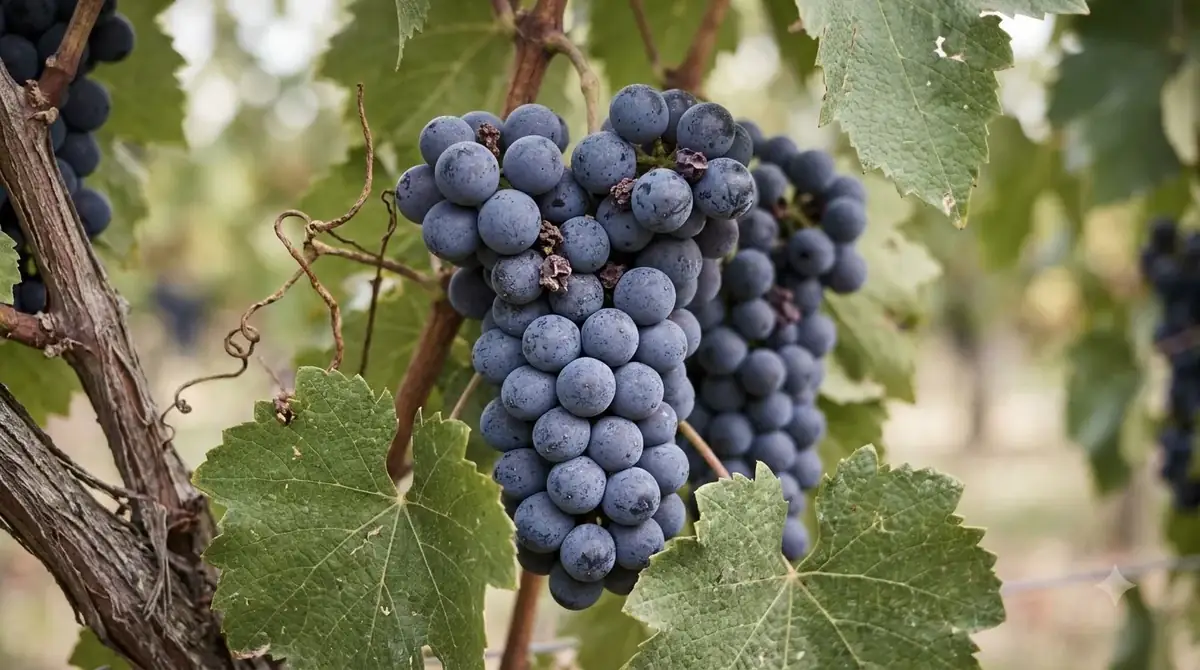
Standard Cabernet Sauvignon: This is the product covered in this guide. Its defining characteristics are black cherry, blackberry, black currant, violet, and black peppercorn. The producer describes a juicy, jammy structure, while Wine Enthusiast identifies mild tannins and a slightly sweet impression on the finish. It is a sensible starting point for people who enjoy familiar California Cabernet flavors without requiring an especially serious or cellar-worthy wine.
Nighthawk Bourbon Barrel Cabernet Sauvignon: This is a separate Cabernet expression within the Nighthawk collection. Bota describes it using dark, jammy fruit alongside caramel, toasted oak, and vanilla. Those characteristics make it a different option for people who enjoy more pronounced barrel-related flavors. It should not be confused with the standard Cabernet, because the tasting profile and product positioning are distinct.
Nighthawk Bold Cabernet Sauvignon: The producer describes this version as having intense fruit flavors, smooth velvety tannins, and a particularly dark color. It is positioned as a bolder interpretation of the grape. Buyers who want a more concentrated impression may find it interesting to compare with the regular Cabernet, although the actual experience depends on the particular product and bottle or box purchased.
Merlot: Bota Box Merlot offers another familiar red grape style. The producer describes black cherry, blackberry, sweet herbs, spice, and a juicy finish. Merlot generally has softer, more moderate tannins than Cabernet Sauvignon, making it a useful alternative for people who prefer a less assertive red wine.
Pinot Noir: This variety offers a different direction for drinkers who enjoy lighter reds. Bota describes strawberry, cherry, cocoa, and soft toasted oak, with elegant and supple tannins. Pinot Noir generally has lower tannin than Cabernet Sauvignon and often displays brighter acidity. It can be a more suitable choice for poultry, mushroom dishes, and some preparations of salmon.
RedVolution: This is a red blend rather than a single-variety Cabernet Sauvignon. Its description focuses on rich red fruit, juicy blackberries, cocoa, and sweet cherries. Blends can be appealing when a drinker wants a fruit-centered red without necessarily prioritizing the recognizable structure of Cabernet Sauvignon.
These differences are important because choosing a Bota product involves more than selecting a box with a familiar brand name. The standard Cabernet is a straightforward dark-fruit red, while the other varieties and Nighthawk expressions offer different levels of fruit concentration, tannin, and oak influence.
Common Mistakes When Buying and Drinking Boxed Cabernet
Most disappointments with boxed Cabernet come from incorrect expectations, poor serving conditions, or confusion between products. Avoiding a few common mistakes can make the experience considerably better.
Assuming all Cabernet Sauvignon tastes the same: Cabernet Sauvignon is a grape variety, not a guarantee of one particular flavor. Growing conditions, winemaking choices, oak treatment, and ripeness can produce noticeably different wines. A structured Napa Valley Cabernet and a fruit-forward boxed California Cabernet may share the grape but deliver different experiences. Bota Box’s emphasis on juicy dark fruit and approachable tannins is therefore an important part of its identity.
Expecting a boxed wine to age like a premium bottle: Bag-in-box packaging is designed for convenient consumption rather than long-term cellaring. The plastic wine pouch and dispensing system serve a different purpose from a traditional sealed glass bottle with a cork. Consumer Reports discusses how oxygen can eventually affect wine stored in plastic packaging, explaining why boxed wine should not be purchased with the intention of keeping it for years.
Confusing fruitiness with high sweetness: A wine can smell strongly of blackberry and taste ripe without being classified as a sweet wine. Fruit-forward Cabernet Sauvignon often retains a dry overall character, even when the finish suggests ripe fruit. Wine Enthusiast notes a touch of sweetness in its assessment of Bota Box Cabernet, but that description does not mean the wine should be treated like a dessert wine.
Serving the wine too warm: Red wine is often served warmer than necessary because people assume it should be at room temperature. In a warm home, that can make a 13% ABV wine seem heavier and more alcoholic. A temperature of approximately 60–65°F is a more suitable target for full-bodied reds. A short period of cooling can help restore balance and make the fruit aromas easier to appreciate.
Pairing Cabernet with every kind of seafood: Cabernet Sauvignon generally has relatively high tannin compared with lighter red wines. That structure can clash with delicate fish and oily seafood. Instead, choose grilled beef, lamb, burgers, or hearty vegetable dishes. If seafood is the main course, a crisp white wine or a lighter red may be a better match.
Ignoring the quantity in a large box: Three liters is a substantial amount of wine. It is equivalent to four standard bottles and approximately 20 five-ounce servings. A household that drinks only occasionally may take too long to finish the box, while a family hosting frequent dinners may appreciate the larger format.
Expecting every Bota Cabernet to have identical specifications: The standard Cabernet Sauvignon and the Nighthawk Cabernet products are different offerings. Their tasting notes, alcohol content, packaging, and intended drinking experiences may differ. Always identify the exact expression rather than relying on the general Bota Box name.
The Kitchn’s boxed wine comparison also provides useful independent context. Its tasting panel selected Bota Box Cabernet Sauvignon as its preferred boxed red, highlighting its rich fruit character, dark color, and warming spice notes. That recognition supports its appeal as a casual option, although individual preferences will still determine whether it is the right purchase.
Care and Storage Tips
Proper storage helps maintain the wine’s flavor after purchase and after the dispensing tap has been opened. Although bag-in-box packaging offers practical advantages over an opened bottle, it does not make the wine immune to heat, oxygen, or age.
Store unopened boxes in a cool location. Keep the box away from direct sunlight, radiators, ovens, and other heat sources. A consistently cool cupboard or suitable wine storage area is preferable to a hot garage or kitchen counter beside cooking equipment. Excessive heat can accelerate wine deterioration, affecting fruit aromas and overall freshness.
Refrigerate after opening when practical. Red wine does not need to be served refrigerator-cold, but keeping an opened box cool helps slow deterioration. The wine can be poured directly into a glass and allowed to warm slightly before drinking. This is particularly useful in warmer climates or homes where indoor temperatures remain high.
Understand the difference between boxed and bottled wine. Once a conventional bottle is opened, air enters the remaining wine and oxidation begins. A bag-in-box system is designed so that the pouch collapses as wine is dispensed, reducing the amount of air that comes into contact with the remaining contents. This is one of the main practical advantages of the format.
Bota Box packaging is described by the producer’s retail information as keeping wine fresh for up to 30 days after opening. That is a useful stated storage window, not a guarantee that every box will retain exactly the same character for a full month. Storage temperature, handling, and the condition of the dispensing tap can affect the result.
Protect the dispensing tap. Keep the spout clean and avoid touching its opening with dirty hands or kitchen utensils. Return the tap to its proper position after pouring and ensure that the packaging remains intact. A damaged or poorly closed dispensing system can compromise the practical benefit of bag-in-box storage.
Pay attention to freshness. Fruit aromas should remain recognizable while the wine is in good condition. If the wine develops a distinctly flat, stale, or vinegary smell, its quality may have deteriorated. A noticeably dull flavor is another reason not to continue treating the remaining wine as fresh.
There is also an important distinction between storage after opening and shelf life before opening. Boxed wine should not be treated like a traditional bottle intended for long-term aging. Consumer Reports explains that the oxygen barrier provided by the plastic pouch has limitations over time. Its discussion cites wine chemist Andrew Waterhouse, who notes that oxidation can become increasingly apparent after approximately six months in this type of packaging.
For the best experience, purchase a box with a reasonable consumption plan, store it away from heat and light, and use the dispensing system correctly. If you know you will not finish a large format within a practical period, a smaller package or conventional bottle may be a better fit.
Frequently Asked Questions
Is Bota Box Cabernet Sauvignon made from 100% Cabernet Sauvignon grapes?
The product is marketed as Cabernet Sauvignon, but the producer’s standard product page does not publish a complete grape-composition breakdown. The varietal name identifies its primary wine style, not necessarily a guaranteed percentage of every grape in the blend. Buyers seeking an exact varietal composition should consult the producer for the applicable bottling information.
Does Bota Box Cabernet Sauvignon contain sulfites?
Wine naturally contains sulfites, which can also be used during winemaking to help protect freshness. Sulfite labeling requirements in the United States apply when wine contains at least 10 parts per million of sulfur dioxide. The exact sulfite concentration for this particular product is not provided in the standard tasting description.
Can Bota Box Cabernet Sauvignon be used for cooking?
Yes. A fruit-forward Cabernet can be used in beef stews, tomato-based sauces, and reductions for roasted meat. Its dark-fruit character can contribute depth to a sauce, although prolonged cooking will change the wine’s original aroma and flavor. Use wine that is still in good condition rather than wine that has become noticeably oxidized.
Does Bota Box Cabernet Sauvignon need to be decanted?
Decanting is not essential for this everyday boxed wine. Unlike an older bottle that may contain sediment, the standard boxed format is generally intended for direct pouring. If you want to expose the wine to additional air, pouring a glass and allowing it to rest for several minutes is a practical alternative.
Is Bota Box Cabernet Sauvignon suitable for making mulled wine?
Yes. Its dark-fruit profile and peppery spice notes can work well in a warm spiced-wine preparation. Cinnamon, cloves, orange peel, and star anise are traditional additions. Heat the mixture gently rather than allowing it to boil, which can drive off alcohol and reduce the freshness of the wine’s aromas.
Bota Box Cabernet Sauvignon is a practical choice for drinkers who want familiar dark-fruit flavors, approachable tannins, and the convenience of a larger package. Its 13% ABV, approximately 20 standard servings per 3-liter box, and compatibility with barbecue, stews, and pasta make it particularly useful as an everyday house red. Choose it for convenient, casual drinking rather than long-term cellaring or a highly complex Cabernet experience.
More in Wine Brands
 Underwood Wine Price: Compare Bottles, Cans, and Pack SizesUpdated Nov 21, 2026
 Zenato Wine Price: Compare Styles and Choose the Right BottleUpdated Nov 21, 2026
 Zuccardi Wine Price: Compare Bottles and Find the Right RangeUpdated Nov 21, 2026
 Yellow Tail Moscato Review: Taste, Sweetness and Serving TipsUpdated Nov 21, 2026
 Wolf Blass Yellow Label Review: Choose Your Best StyleUpdated Nov 21, 2026
 Wolffer Estate Rose Review: Choose the Right Bottle for Your TableUpdated Nov 21, 2026